




21 Sep TOP 20 ADOPTED CHILD MARKETING STATISTICS 2025
When exploring the landscape of adoption awareness, fundraising campaigns, and support programs, it’s important to look at the numbers behind real impact. These adopted child marketing statistics shine a light on how outreach efforts, digital campaigns, and community initiatives help connect children with loving homes while raising awareness about adoption challenges. For organizations and brands, understanding these statistics is not just about numbers, but about telling stories that inspire action and compassion. As a marketing agency in New York, we’ve seen firsthand how the right campaigns can amplify voices and drive meaningful change in adoption and foster care. This collection brings together the most relevant insights to help agencies, nonprofits, and individuals make informed and heartfelt decisions.
Top 20 Adopted Child Marketing Statistics 2025 (Editor’s Choice)
| Stat # | Adopted Child Marketing Statistic |
|---|---|
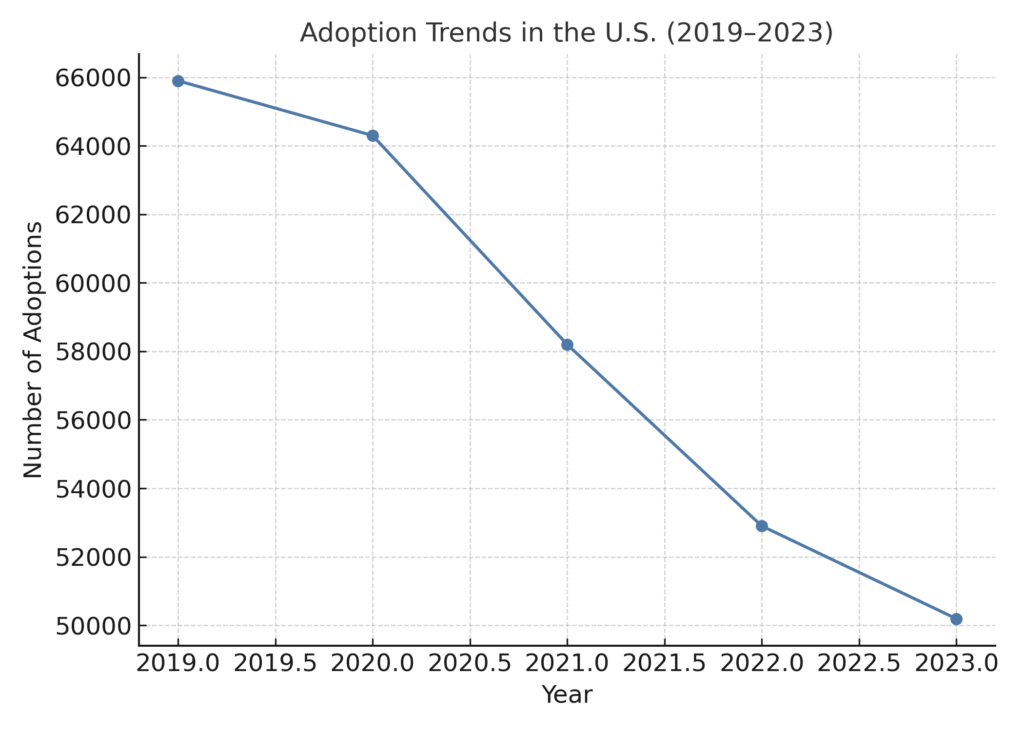
| 1 | 50,193 children were adopted from foster care in the U.S. in 2023. |
| 2 | 36,411 children were legally free and awaiting adoption in 2023. |
| 3 | Age breakdown of waiting children: 2% under 1, 39% aged 1-5, 26% aged 6-10, 29% aged 11-16, 3% aged 17. |
| 4 | Age breakdown of adopted children: 2% under 1, 54% aged 1-5, 25% aged 6-10, 17% aged 11-16, 2% aged 17. |
| 5 | Of all foster care exits in 2023, 27% were adoptions, 44% reunified with families, and 10% went to guardianship. |
| 6 | Over one-third of children exiting foster care spent more than 2 years in care; 37,000+ spent over 3 years. |
| 7 | Total number of children in foster care in 2023 was 343,077. |
| 8 | About 15% of children in foster care in 2023 were adopted. |
| 9 | Among 1.8M U.S. adopted children: 37% foster care, 38% private domestic, rest international. |
| 10 | The U.S. Adoption & Child Welfare Services market grew at a 2.8% CAGR (2019–2024). |
| 11 | Average out-of-pocket adoption cost in the U.S. was $10,704; including opportunity cost: $12,787. |
| 12 | Adoption costs tend to be lower for older children, African descent children, and special needs cases. |
| 13 | Most adoptive parents report warm, positive relationships with their children. |
| 14 | Adoptions from foster care declined 5% in 2023 vs 2022, and 24% since 2019. |
| 15 | Children entering foster care and awaiting adoption have declined in many states. |
| 16 | Older children (6–16) waiting longer for adoption face more placement challenges. |
| 17 | Privately adopted children are mostly infants, with 62% placed under 1 month old. |
| 18 | International adoptions have been steadily decreasing in the U.S. |
| 19 | Relative adoptions are more common in private domestic adoptions than foster care or international. |
| 20 | Financial subsidies and cost support increase adoption rates and shorten waiting times. |
Top 20 Adopted Child Marketing Statistics
Adopted Child Marketing Statistics #1: 50,193 Children Adopted from Foster Care in 2023
In 2023, the United States reported 50,193 children adopted from foster care, showing the scale of adoption efforts nationwide. This figure highlights both the dedication of agencies and the need for more awareness campaigns to reach potential adoptive families. Marketing plays a crucial role here by telling impactful stories that inspire action. For adoption agencies, showcasing this number in campaigns can build trust and credibility with communities. It demonstrates that while progress is steady, there is always more work to be done.
Adopted Child Marketing Statistics #2: 36,411 Children Awaiting Adoption in 2023
Despite thousands being adopted each year, 36,411 children were still legally free and awaiting adoption in 2023. This number reveals the urgent need for effective outreach to connect families with children in need. Campaigns that put a face and story behind these numbers can help reduce stigma and increase family involvement. Highlighting this stat in marketing emphasizes the gap between children waiting and children placed. It encourages more people to see adoption as both possible and life-changing.
Adopted Child Marketing Statistics #3: Age Breakdown of Waiting Children Shows 39% Aged 1–5
Of the children waiting for adoption, 39% were between ages 1 and 5, while only 2% were under one year old. This indicates that younger children are adopted more quickly, leaving older groups with longer waiting times. Marketing strategies that focus on the joys of adopting children beyond infancy can help address this imbalance. By sharing real family success stories, campaigns can shift perceptions about adopting toddlers and older children. The age breakdown is a reminder that every stage of childhood deserves love and stability.
Adopted Child Marketing Statistics #4: Age Breakdown of Adopted Children Shows 54% Aged 1–5
In 2023, 54% of adopted children were aged between 1 and 5, confirming families’ strong preference for younger children. This trend underscores the importance of campaigns that promote inclusivity for older kids and teens. Agencies can use this data to refine messaging that emphasizes the rewards of adopting older children. It also highlights the need for support programs that make adopting older children less intimidating. Marketing grounded in empathy can help balance these preferences and reduce waiting times for older age groups.
Adopted Child Marketing Statistics #5: 27% of Foster Care Exits in 2023 Were Adoptions
Of the 184,095 children who exited foster care in 2023, 27% were adopted. This stat reflects the significant role adoption plays but also shows the majority still reunify or go into guardianship. Marketing strategies can use this percentage to celebrate adoption success stories while encouraging more participation. For agencies, highlighting that adoption is a common but not universal outcome helps set realistic expectations. It reminds audiences that every adoption is both a victory and an opportunity for greater awareness.
Adopted Child Marketing Statistics #6: One-Third of Children Spent More Than Two Years in Care
Over one-third of children leaving foster care in 2023 had spent more than two years in care. This long wait time emphasizes the importance of reducing barriers in adoption processes. Campaigns that communicate the impact of long-term foster care on children’s emotional health can resonate deeply. By showing how adoption shortens uncertainty, marketing can encourage quicker family decisions. The statistic also highlights the urgency of reform and targeted outreach.
Adopted Child Marketing Statistics #7: 343,077 Children in Foster Care in 2023
The total number of children in foster care in 2023 reached 343,077. This large population demonstrates the scale of the challenge adoption services face. For marketers, presenting this number helps contextualize why adoption awareness campaigns matter. It creates a sense of urgency by showing how many lives remain unsettled. Effective storytelling can transform this overwhelming figure into individual journeys that inspire action.
Adopted Child Marketing Statistics #8: 15% of Children in Foster Care Were Adopted in 2023
Only about 15% of foster care children were adopted in 2023, showing a gap between those waiting and those placed. This percentage can be used to highlight adoption as an area needing more focus. Marketing campaigns could aim to move the needle upward by showing the benefits adoption brings to both children and families. Nonprofits can use this data point as a benchmark to measure progress over time. The stat is a call to action for communities to close the adoption gap.
Adopted Child Marketing Statistics #9: 1.8 Million Adopted Children in the U.S.
Among the 1.8 million adopted children in the U.S., 37% came from foster care, 38% from private domestic adoption, and the rest internationally. This shows the diversity of adoption pathways families take. Marketing strategies can segment campaigns by adoption type to connect better with different audiences. By using these numbers, organizations can also highlight the importance of each adoption channel. It provides a holistic picture of adoption in America that builds transparency.
Adopted Child Marketing Statistics #10: Adoption Services Market Grew at 2.8% CAGR (2019–2024)
The U.S. adoption and child welfare services market grew at an annual rate of 2.8% from 2019 to 2024. This growth indicates increasing attention and funding in adoption-related services. Marketing agencies can use this stat to showcase adoption as a growing sector with opportunities for impact. It also points to rising demand for campaigns that raise awareness and support adoption programs. Businesses can see this as a chance to partner with social causes that make real differences.

Adopted Child Marketing Statistics #11: Average Adoption Costs $10,704 Out-of-Pocket
The average U.S. out-of-pocket adoption cost is $10,704, with total opportunity costs reaching $12,787. This significant expense can discourage potential adoptive parents. Marketing campaigns that stress available subsidies, grants, or financial aid can reduce this barrier. By being transparent about costs, agencies can build trust while encouraging broader participation. Highlighting real examples of affordable adoption stories can resonate strongly with families.
Adopted Child Marketing Statistics #12: Costs Lower for Older, Special Needs, and African Descent Children
Research shows adoption costs are lower for older children, children with special needs, and those of African descent. This reflects biases in demand that marketing must actively address. Campaigns that highlight the unique strengths and joys of adopting from these groups can shift public perception. Agencies can use this data to create empathy-driven narratives that encourage inclusive adoption. The stat points toward opportunities for targeted awareness.
Adopted Child Marketing Statistics #13: Majority of Adoptive Parents Report Positive Relationships
Surveys consistently show that most adoptive parents report warm and positive relationships with their children. This outcome challenges misconceptions that adoption leads to difficulties. Marketing can use these stories to highlight the emotional rewards of adoption. Sharing testimonials and case studies adds credibility and warmth to campaigns. The stat reinforces the message that adoption creates lasting bonds of love and trust.
Adopted Child Marketing Statistics #14: Adoptions Declined by 24% Since 2019
Adoptions from foster care have declined 24% since 2019, with a 5% dip from 2022 to 2023 alone. This downward trend is concerning for adoption advocates. Marketing efforts must counteract declining rates by stressing the ongoing need for adoptive families. Campaigns that show the impact of declining adoption can inspire communities to step up. The stat warns that without intervention, more children may remain in long-term care.
Adopted Child Marketing Statistics #15: Fewer Children Entering Foster Care and Awaiting Adoption
Fewer children are entering foster care and awaiting adoption in many states, suggesting shifts in family dynamics and policy. While this is partly positive, it can also mean fewer adoption opportunities. Marketing campaigns can present this change as both progress and a reminder of continuing needs. It highlights the role of preventive family support services alongside adoption. The stat shows the importance of balancing both narratives.

Adopted Child Marketing Statistics #16: Older Children Face Placement Challenges
Older children, particularly those aged 6 to 16, often face longer waits for adoption. This challenge stems from misconceptions and lack of awareness about the rewards of adopting older kids. Marketing campaigns that showcase success stories of teens finding families can break these barriers. Highlighting the resilience and talents of older children can shift perceptions. The stat stresses the need for more inclusive and diverse adoption narratives.
Adopted Child Marketing Statistics #17: 62% of Privately Adopted Children Were Infants
A large majority of privately adopted children—62%—were placed under one month old. This preference highlights a societal bias toward infants. Marketing strategies must broaden the conversation by celebrating adoptions at all ages. Showing families who thrived after adopting older children can challenge stereotypes. The stat calls for campaigns that expand the definition of “ideal” adoption.
Adopted Child Marketing Statistics #18: International Adoptions Are Declining
International adoptions from the U.S. have been steadily decreasing over the past decade. This trend reflects stricter regulations and changing global dynamics. Marketing agencies can highlight the importance of domestic adoption opportunities as international numbers shrink. Campaigns can educate families on shifting processes and promote alternatives. The stat emphasizes adapting strategies to match the new realities of adoption.
Adopted Child Marketing Statistics #19: Relative Adoptions More Common in Private Cases
Relative adoptions are more likely in private domestic adoptions compared to foster care or international adoptions. This reflects the role extended families play in caring for children. Marketing campaigns can highlight the strength of kinship adoption and its benefits for child stability. By telling stories of relatives stepping up, organizations can humanize the process. The stat underscores the value of family bonds in adoption.
Adopted Child Marketing Statistics #20: Subsidies and Support Increase Adoption Rates
Financial subsidies and cost support programs significantly raise adoption rates. They reduce barriers for families who might otherwise hesitate. Marketing can spotlight these benefits to reassure prospective parents. By showing how policy impacts lives, campaigns can advocate for more widespread adoption support. The stat demonstrates that financial aid is a powerful tool for increasing family connections.

Turning Statistics into Stories That Matter
Looking through these adopted child marketing statistics reminds us that behind every figure lies a child waiting for a chance, a family searching for connection, and a community striving to make a difference. Numbers may reveal trends, but it’s the people behind them that truly matter. Whether it’s highlighting adoption rates, identifying challenges, or understanding where outreach can be improved, these insights are tools to help us do better. By transforming raw data into action, campaigns can raise awareness, secure funding, and create the emotional connections that lead to real change. And at the end of the day, it’s not about marketing alone—it’s about creating opportunities for every child to find their place in a loving family.
SOURCES
- https://adoptioncouncil.org/article/foster-care-and-adoption-statistics/
- https://cafo.org/foster-care-statistics/
- https://adoptioncouncil.org/wp-content/uploads/2025/03/Adoption-by-the-Numbers-2025.pdf
- https://travel.state.gov/content/travel/en/Intercountry-Adoption/adopt_ref/adoption-statistics.html
- https://homeforeverychild.org/facts-and-stats
- https://creatingafamily.org/adoption-category/adoption-blog/adoption-cost-length-time/
- https://www.usafacts.org/articles/how-many-kids-are-in-foster-care/
- https://www.lifelongadoptions.com/adoption-statistics
- https://apnews.com/article/f1c065b3e8adf552612c055e1de1924f
- https://adoptioncouncil.org/article/adoption-myths-facts/domestic-us-statistics/
- https://cwoutcomes.acf.hhs.gov/cwodatasite/adopted/index/
- https://travel.state.gov/content/travel/en/Intercountry-Adoption/adopt_ref/adoption-statistics.html
- https://adoptioncouncil.org/article/adoption-statistics/