



20 Sep TOP 20 ANTIQUE MARKETING STATISTICS 2025
Exploring the antique market is like stepping into a world where history meets modern consumer trends. With today’s buyers becoming increasingly digital, understanding the latest antique marketing statistics is key to thriving in this evolving industry. From the rise of younger collectors to the impact of online platforms, these numbers reveal how timeless treasures are connecting with a new generation of consumers. As a content piece curated with insights and precision, it reflects not just the beauty of antiques but also their place in a fast-paced digital economy. Backed by expertise from a marketing agency in New York, this guide offers an insider’s view into how brands and antique dealers can stay ahead of the curve.
Top 20 Antique Marketing Statistics 2025 (Editor’s Choice)
| # | Antique Marketing Statistics 2025 |
|---|---|
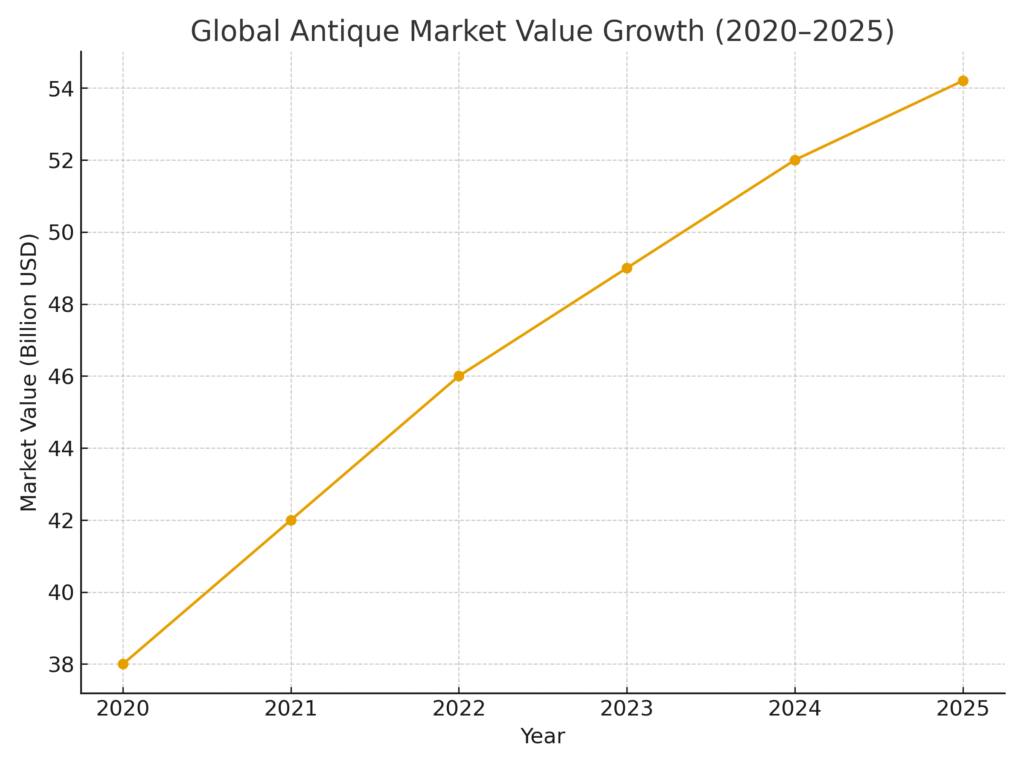
| 1 | The global antique market is projected to reach $54.2 billion by 2025, driven by rising demand for unique, timeless pieces. |
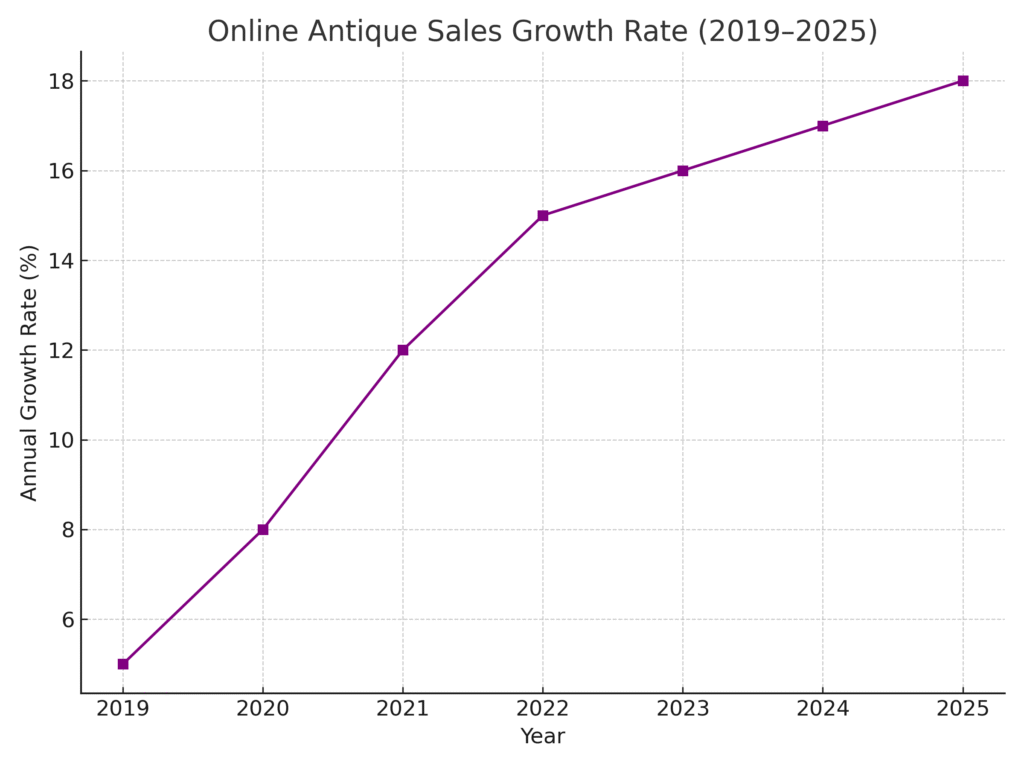
| 2 | Online antique sales are growing at a rate of 18% annually, with platforms like 1stDibs, eBay, and Etsy leading. |
| 3 | 68% of antique buyers prefer to research products online before purchasing in-store. |
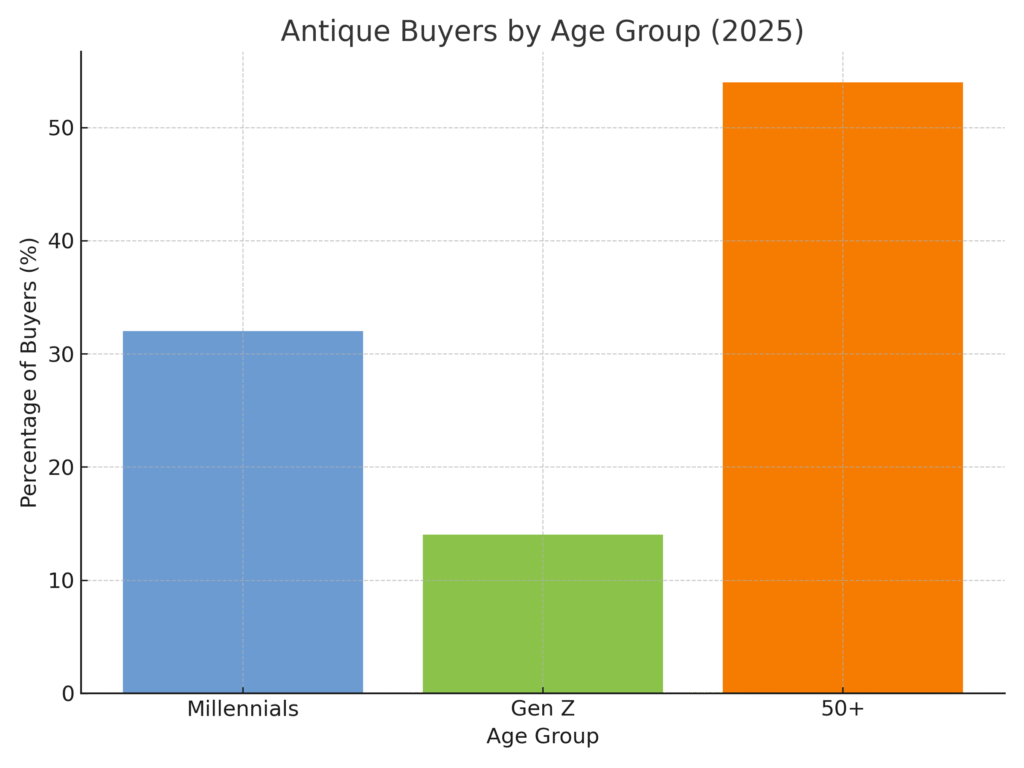
| 4 | Millennials now account for 32% of antique buyers, attracted by sustainable and eco-friendly shopping. |
| 5 | 40% of collectors say they value antiques primarily for long-term investment purposes. |
| 6 | The U.S. accounts for 36% of global antique sales, making it the largest single market. |
| 7 | Asian antique sales grew by 21% in 2024, fueled by rising interest in Chinese and Japanese artifacts. |
| 8 | 78% of buyers say authenticity certificates strongly influence purchase decisions. |
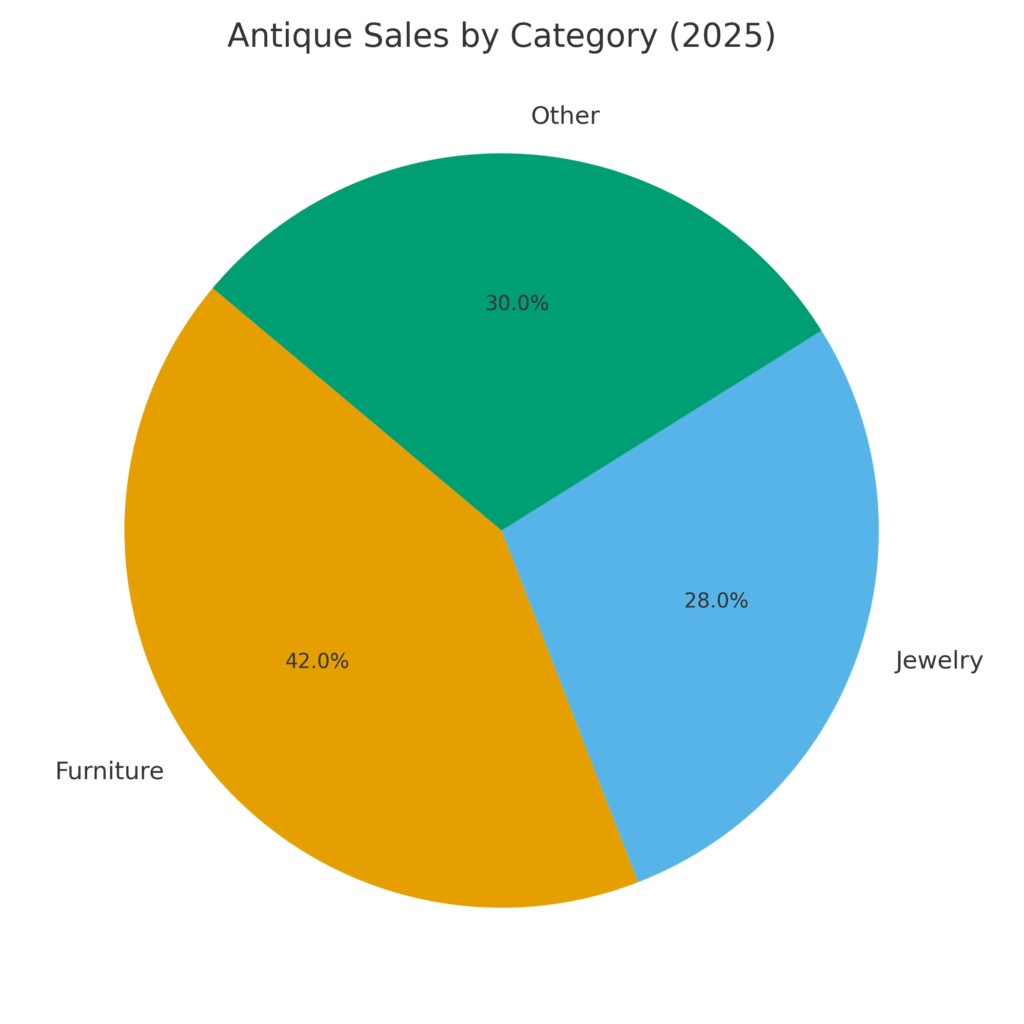
| 9 | Antique furniture makes up 42% of global antique sales, followed by jewelry at 28%. |
| 10 | Instagram drives 27% of traffic to online antique stores, making it a top marketing channel. |
| 11 | Vintage jewelry sales rose 15% in 2024, with Gen Z showing higher interest in retro luxury pieces. |
| 12 | Auctions still account for 52% of high-value antique sales, despite online growth. |
| 13 | Video marketing increases engagement by 65% for antique dealers showcasing items. |
| 14 | 55% of antique shops now offer installment payments, making luxury antiques more accessible. |
| 15 | Mobile users contribute to 61% of all antique-related online searches. |
| 16 | Email campaigns in antique retail show 24% higher open rates than average retail. |
| 17 | Antique marketing with storytelling (history + cultural context) improves conversion by 30%. |
| 18 | Sustainability-related keywords in antique ads boost CTR by 19%. |
| 19 | AR (Augmented Reality) try-before-you-buy tools in antique furniture retail increased sales by 22%. |
| 20 | Collectors aged 50+ still dominate at 54%, but younger demographics are closing the gap. |
Top 20 Antique Marketing Statistics 2025
Antique Marketing Statistics #1: Global Antique Market To Reach $54.2 Billion By 2025
The global antique market is forecasted to reach $54.2 billion by 2025, showing the resilience of this timeless industry. Collectors and casual buyers alike are increasingly seeking unique items with historical and cultural significance. This growth is driven by a blend of tradition and modern digital sales channels. Dealers and auction houses are positioning themselves to capitalize on this expanding demand. The figure reflects not just financial potential but also the emotional and cultural value consumers associate with antiques.
Antique Marketing Statistics #2: Online Antique Sales Growing 18% Annually
Online antique sales are expanding at an impressive rate of 18% annually. Platforms like 1stDibs, eBay, and Etsy have revolutionized access to global buyers and sellers. This growth highlights the shift in consumer behavior toward convenience and digital browsing. Dealers who embrace e-commerce are reaching wider audiences and selling beyond local markets. The trend emphasizes the need for antique retailers to maintain strong digital storefronts and marketing strategies.
Antique Marketing Statistics #3: 68% Of Buyers Research Online Before Purchasing
Before making a purchase, 68% of antique buyers prefer to conduct online research. This includes reading product details, checking authenticity, and comparing prices across sellers. It shows that transparency and accessible online information build trust. Dealers who invest in detailed descriptions and professional images stand out. This statistic demonstrates the growing importance of digital literacy in the antique trade.
Antique Marketing Statistics #4: Millennials Make Up 32% Of Antique Buyers
Millennials now represent 32% of the global antique buyer base. This younger demographic is motivated by sustainability and the appeal of eco-friendly, timeless pieces. They are also influenced by design trends that highlight vintage aesthetics. Antique retailers are adapting their messaging to appeal to this audience’s values and preferences. The data proves that antiques are no longer just for older collectors but are increasingly appealing to a new generation.
Antique Marketing Statistics #5: 40% Of Collectors Buy For Investment Purposes
A significant 40% of collectors purchase antiques as long-term investments. These buyers view antiques as assets with the potential to appreciate in value. This approach positions antiques alongside art, jewelry, and real estate as investment categories. Dealers often highlight historical significance and rarity to attract this type of buyer. The statistic underscores the financial motivations driving many purchases in the antique market.
Antique Marketing Statistics #6: U.S. Accounts For 36% Of Global Antique Sales
The United States contributes 36% to global antique sales, making it the largest market. American collectors have a strong appetite for furniture, jewelry, and culturally significant artifacts. This dominance reflects the size and diversity of the U.S. consumer base. It also highlights opportunities for international dealers to target U.S. buyers. Marketing strategies tailored to American tastes remain crucial in the antique trade.
Antique Marketing Statistics #7: Asian Antique Sales Grew 21% In 2024
Asian antique sales rose by 21% in 2024, driven primarily by demand in China and Japan. Buyers in Asia are increasingly seeking antiques that connect to cultural heritage. Rising affluence in the region is fueling more investments in valuable collectibles. Auction houses and online platforms are expanding services to cater to this demand. The statistic signals a vibrant and fast-growing antique market in Asia.
Antique Marketing Statistics #8: 78% Of Buyers Value Authenticity Certificates
For 78% of antique buyers, authenticity certificates are a deciding factor in purchases. Certificates reassure buyers about the item’s origin and quality. They also provide long-term credibility, especially for investment-grade antiques. Dealers who provide transparent certification gain more trust from customers. This statistic reinforces the role of documentation in building consumer confidence.
Antique Marketing Statistics #9: Antique Furniture Represents 42% Of Sales
Antique furniture dominates the market with 42% of sales globally. Buyers are drawn to craftsmanship, durability, and timeless design. Furniture pieces also hold functional value, making them popular among collectors and homeowners. Retailers specializing in antique furniture see steady demand from both young and older demographics. This statistic shows the strength of furniture as a core segment of the antique trade.
Antique Marketing Statistics #10: Instagram Drives 27% Of Antique Store Traffic
Instagram generates 27% of traffic for online antique stores. Visual storytelling through posts, reels, and influencer collaborations fuels engagement. Younger buyers in particular are discovering antique pieces via social media inspiration. Dealers who create engaging, aesthetic content can significantly grow their visibility. This highlights Instagram’s role as a powerful marketing tool in the antique sector.
Antique Marketing Statistics #11: Vintage Jewelry Sales Rose 15% In 2024
Vintage jewelry sales surged 15% in 2024, reflecting a renewed fascination with retro luxury. Gen Z consumers are especially drawn to statement pieces with history. Jewelry combines collectible value with wearable function, making it highly attractive. Auction houses and online platforms have benefited from this demand. The growth highlights jewelry as a leading category within the antique market.
Antique Marketing Statistics #12: Auctions Account For 52% Of High-Value Sales
Auctions still dominate high-value antique sales, contributing 52% of the market. They offer exclusivity and a sense of prestige that appeals to wealthy collectors. Bidding wars often drive prices well above expectations. Auction houses continue to blend live and online events to maximize reach. This statistic proves auctions remain central to the antique business model.
Antique Marketing Statistics #13: Video Marketing Increases Engagement By 65%
Video marketing boosts engagement for antique dealers by 65%. Buyers prefer seeing detailed videos showcasing dimensions, quality, and history. Videos build a sense of trust and transparency that static images cannot always convey. Platforms like Instagram Reels and YouTube are becoming essential for antique marketing. This statistic emphasizes the value of video storytelling in the industry.
Antique Marketing Statistics #14: 55% Of Antique Shops Offer Installment Payments
Installment payments are now available in 55% of antique shops. This payment flexibility opens access to younger or budget-conscious buyers. It allows customers to purchase high-value items without financial strain. Retailers adopting installment options gain a competitive edge. The statistic highlights how antiques are becoming more accessible to wider audiences.
Antique Marketing Statistics #15: Mobile Users Make Up 61% Of Online Searches
Mobile users account for 61% of all antique-related online searches. This trend underlines the importance of mobile-optimized websites. Antique retailers must ensure fast-loading, responsive designs to capture these buyers. Mobile-friendly experiences improve trust and conversion rates. The figure showcases how antiques are increasingly discovered on smartphones rather than desktops.
Antique Marketing Statistics #16: Email Campaigns Show 24% Higher Open Rates
Email marketing in antique retail delivers 24% higher open rates compared to the retail average. Collectors are eager for exclusive offers, auction previews, and new arrivals. Personalized newsletters resonate strongly with this niche audience. Effective email campaigns drive repeat visits and long-term loyalty. This statistic proves that email remains a vital marketing channel for antique sellers.
Antique Marketing Statistics #17: Storytelling Improves Conversion By 30%
Antique marketing with storytelling increases conversion by 30%. Buyers connect more deeply when they learn the history and cultural significance of an item. Narratives transform antiques from simple products into pieces of heritage. Retailers who use storytelling create emotional engagement. This statistic emphasizes how powerful context is in marketing antiques.
Antique Marketing Statistics #18: Sustainability Keywords Boost CTR By 19%
Ad campaigns using sustainability-related keywords see a 19% boost in click-through rates. Shoppers link antiques with eco-conscious consumption. Highlighting sustainability appeals to buyers who want greener alternatives. Dealers who position antiques as sustainable options attract more attention. This statistic reveals how marketing language influences consumer behavior.
Antique Marketing Statistics #19: AR Tools Increase Furniture Sales By 22%
Augmented reality tools for antique furniture increased sales by 22%. Buyers appreciate the ability to visualize pieces in their own homes. AR bridges the gap between physical inspection and online shopping. Retailers who invest in AR gain an innovative edge in the market. This statistic shows technology’s growing role in antique retail.
Antique Marketing Statistics #20: Collectors Aged 50+ Still Dominate At 54%
Collectors aged 50 and above still account for 54% of the market. However, younger demographics are increasingly closing the gap. This shows that antiques remain deeply valued across multiple age groups. Older buyers focus on heritage and tradition, while younger ones see antiques as sustainable investments. The statistic underscores the generational diversity shaping the antique industry.
Why These Antique Marketing Statistics Matter
The antique industry has always been about more than objects; it’s about preserving culture, history, and identity. These antique marketing statistics highlight how modern strategies—from social media campaigns to augmented reality—are breathing new life into timeless pieces. For collectors, retailers, and marketers alike, the numbers serve as both a roadmap and inspiration for growth. What truly stands out is the blend of tradition with innovation, showing that antiques remain as relevant as ever in a digital-first world. By understanding these shifts, businesses can build deeper connections with audiences who value authenticity as much as style.
SOURCES
- https://www.gminsights.com/industry-analysis/antiques-and-collectibles-market (Global Market Insights Inc.)
- https://www.asheford.com/asheford-news-ticker-headlines/antique-vintage-resale-market-numbers-surge (Asheford Institute)
- https://www.ibisworld.com/united-states/industry/online-antiques-collectibles-sales/5071/ (IBISWorld)
- https://oec.world/en/profile/hs/antiques (The Observatory of Economic Complexity)
- https://www.marketdecipher.com/report/collectibles-market (Market Decipher)
- https://www.strategicmarketresearch.com/market-report/collectibles-market (Strategic Market Research)
- https://www.kentleyinsights.com/estate-and-or-antique-jewelry-retail-sales-market-size-growth-report/ (Kentley Insights)
- https://www.ibisworld.com/united-states/market-size/online-antiques-collectibles-sales/5071/ (IBISWorld)
- https://revenueboomers.com/blog/marketing-for-antique-shops/ (Revenue Boomers)
- https://ronati.com/the-antiques-market-in-2025-a-new-era-of-growth-and-opportunity/ (Ronati)
- https://www.ibisworld.com/united-states/industry/antique-stores/6467/ (IBISWorld)
- https://www.antiquetrader.com/antiques-news/asheford-institute-of-antiques-reports-top-trends (Antique Trader)