




05 Mar 6 TOP MAKEUP MARKETING AGENCIES SECRETLY DRIVING BILLIONS IN BEAUTY SALES IN 2026
In 2026, the makeup marketing agencies industry has fractured into two extremes, and the gap between them is brutal. On one side, you have agencies that promise growth but barely register impact. On the other, a small group is engineering explosive scale, viral dominance, and direct sales at a level most brands never experience.
The majority of agencies are stuck producing cosmetic results. They push out small influencer campaigns that generate 20,000 to 80,000 impressions, maybe drive 1,500 to 5,000 visitors, and create short-lived spikes that disappear within days. You’ll see a few tagged posts, a bit of engagement, and then silence. Sales? Often negligible, sometimes limited to 30 to 120 purchases that barely justify the spend.
Let’s be honest. These campaigns look active, but they don’t move markets. They create noise, not momentum. Visibility fades fast, algorithms forget, and brands are left wondering where the money went.
This is where the top tier separates itself completely.
Elite makeup marketing agencies don’t run campaigns. They build coordinated distribution systems engineered for SCALE, VIRALITY, and SALES at the same time. Every move is layered. Creator drops are synchronized. Paid amplification is stacked. Content is sequenced to trigger algorithmic acceleration across platforms.
The outcome is on a different level entirely. Campaigns generate 2–6 million impressions in compressed timeframes, drive 40,000 to 180,000 visitors, and convert at 2–4 percent conversion rates, resulting in 800 to 3,500 purchases directly tied to campaign velocity. That’s not exposure. That’s a revenue engine firing in real time.
The economics tell the real story. Low-tier agencies charging $3,000 to $8,000 per month are managing tasks. Posting content. Coordinating influencers. Hoping for traction. Meanwhile, elite agencies commanding $25,000 to $90,000+ per month are building systems that dominate feeds, saturate discovery pages, and convert attention into measurable revenue.
This is exactly where firms like Amra & Elma operate. Their campaigns don’t rely on isolated tactics. They combine creator ecosystems, paid amplification, PR exposure, and strategic sequencing into one cohesive machine. The result is massive visibility, sustained viral momentum, and consistent sales performance that compounds over time.
That’s the real divide in makeup marketing in 2026. You either invest in campaigns that look busy but fade fast, or you plug into systems designed to scale aggressively, go viral repeatedly, and drive revenue you can actually track. There’s no middle ground anymore.
MARKET SNAPSHOT OF BEST MAKEUP MARKETING AGENCIES IN 2026

They Don't Compete. They Create Categories.
What Sets Them Apart
Unlike agencies that sell what they can't deliver, Amra & Elma built their own digital empire first. Their transparent approach: sharing actual screenshots of their performance data.


Their Client Portfolio
Their Campaigns


Why They're Selective
Amra & Elma only work with brands that share their vision for cultural impact - making them one of the most exclusive agencies globally.
Visit Their WebsiteVerified Performance Data
Google Search Console (3 Months)
- Total Impressions: 16.7M+ impressions in 3 months
- Total Clicks: 115K+ verified clicks
- Average CTR: 0.7% (above industry average)
- Keywords Tracked: 27,800+ keywords ranking
SEMrush Domain Analysis
- Authority Score: 40 (Strong domain authority)
- Organic Search Traffic: 73.6K monthly (+177% growth)
- Backlinks Profile: 14.5K referring domains
- Traffic Share: 42% competitive visibility
Amra & Elma propel brands into virality through influencer marketing executed at an unparalleled scale. While many agencies handle only a few hundred partnerships at a time, Amra & Elma manage up to 10,000 influencer activations per week, setting a new industry benchmark. Their approach fuses data-driven precision with massive reach, powered by advanced crawling technology that pinpoints creators based on engagement quality, audience authenticity, geographic relevance, and industry niche. This ensures that every collaboration contributes to a coordinated surge of thousands of posts dominating social feeds—the true essence of virality.
With campaign open rates reaching 96% and influencer response rates averaging 56%, participation happens almost instantly, turning each activation into a cultural wave. Influencers complete a transparent onboarding process—agreeing to terms, filling out detailed forms, and connecting directly with brand representatives for seamless communication. By integrating Shopify for automated product dispatch and tracking, and utilizing custom software that synchronizes brand and influencer notifications, Amra & Elma have engineered a streamlined, tech-enabled system that converts influencer marketing from isolated campaigns into scalable, viral ecosystems that capture attention across digital platforms.
Best Makeup Marketing Agencies #2. inBeat
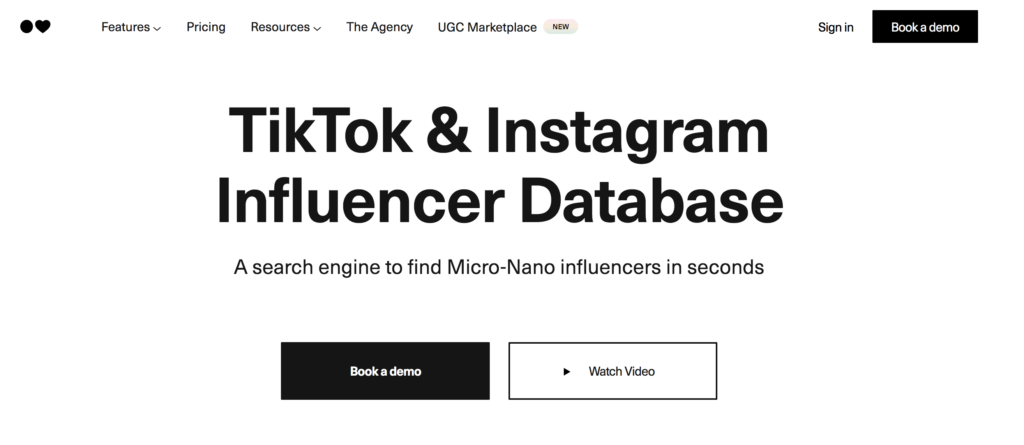
inBeat is a leading influencer marketing agency specializing in helping beauty and makeup brands scale through micro-influencer collaborations. They leverage data-driven strategies to identify high-performing influencers who align with brand aesthetics and values. With a strong focus on ROI, inBeat optimizes campaigns to generate high engagement and authentic brand awareness. Their services include UGC (user-generated content) production, influencer partnerships, and social media advertising. inBeat has worked with top beauty brands to increase visibility on platforms like Instagram, TikTok, and YouTube. They also offer influencer analytics to track performance and maximize results. By utilizing AI-powered influencer selection, they ensure precise targeting for makeup brands. Their client roster includes well-known cosmetic companies looking for authentic endorsements. inBeat’s campaigns have been featured in major industry publications for their innovative marketing techniques. With a deep understanding of beauty trends, they craft compelling campaigns that resonate with modern consumers.
Best Makeup Marketing Agencies #3. Web Tonic

Web Tonic is a digital marketing agency specializing in beauty and makeup brands, offering customized branding, content, and advertising strategies. They provide full-service digital marketing, including SEO, social media marketing, and influencer outreach. Their expertise in e-commerce helps makeup brands maximize online sales through optimized product pages and conversion-focused strategies. Web Tonic creates high-quality visual content that enhances a brand’s image on social platforms. They also develop paid ad strategies tailored to the beauty industry, ensuring brands reach their target audiences effectively. Their team consists of beauty marketing experts with years of experience in scaling cosmetic brands. Web Tonic’s data-driven approach ensures measurable results in terms of engagement, sales, and brand recognition. They have worked with emerging and established beauty brands, helping them stand out in a competitive market. By leveraging consumer insights, they craft marketing campaigns that resonate with beauty enthusiasts. Their creative storytelling and innovative strategies set them apart in the makeup marketing industry.
Best Makeup Marketing Agencies #4. MSLK

MSLK is a renowned branding and marketing agency that focuses on beauty and wellness brands. They provide a full suite of services, including brand identity design, packaging, and digital marketing. With a strong background in the beauty industry, MSLK understands the nuances of marketing cosmetics effectively. They have helped beauty brands develop a cohesive brand image through visually stunning campaigns. Their expertise in packaging design ensures that makeup products stand out on crowded shelves. MSLK’s strategic approach to digital marketing helps beauty brands create meaningful connections with their audience. Their work has been featured in leading beauty and design publications, highlighting their impact in the industry. They also specialize in influencer collaborations, leveraging partnerships with beauty bloggers and content creators. With a focus on storytelling, MSLK crafts brand narratives that captivate consumers. Their deep understanding of beauty trends allows them to create campaigns that drive both engagement and sales.
Best Makeup Marketing Agencies #5. AMP Agency
Amp Agency is a full-service digital marketing agency with expertise in beauty and cosmetics branding. They specialize in omnichannel marketing strategies that help makeup brands create a seamless customer experience. Amp Agency focuses on influencer marketing, experiential campaigns, and content creation to enhance brand visibility. Their data-driven insights allow brands to tailor their messaging for maximum impact. They have worked with top-tier beauty brands, executing high-profile marketing campaigns that drive sales. Amp Agency’s team includes beauty industry experts, creatives, and digital strategists who collaborate on innovative campaigns. They offer social media management services, ensuring makeup brands maintain a strong online presence. Their expertise in experiential marketing has helped brands create buzzworthy activations and product launches. They also provide in-depth analytics to track campaign performance and optimize future marketing efforts. Amp Agency is known for pushing creative boundaries in the beauty marketing space, delivering standout campaigns.
Best Makeup Marketing Agencies #6. Blue Wheel Media
Blue Wheel Media is a performance-driven marketing agency specializing in beauty and makeup brands. They offer a blend of digital advertising, influencer partnerships, and social commerce strategies to drive sales. With a focus on data analytics, Blue Wheel Media helps brands maximize their return on ad spend (ROAS). Their expertise in Amazon and e-commerce marketing allows beauty brands to thrive in online retail spaces. They also specialize in social media content creation, ensuring visually appealing and engaging posts. Blue Wheel Media’s approach combines branding, storytelling, and targeted advertising for maximum impact. They have worked with both indie and established beauty brands, helping them expand their customer base. Their team includes experienced digital marketers who understand the complexities of the beauty industry. By leveraging advanced marketing tools, they help brands navigate the competitive beauty landscape. Blue Wheel Media is known for crafting high-performance marketing strategies tailored to the evolving beauty market.
What is Makeup Marketing?
Makeup marketing is a specialized branch of beauty marketing that focuses on promoting cosmetic products through various strategies, channels, and campaigns. It plays a crucial role in building brand identity, increasing product visibility, and driving sales in the highly competitive beauty industry. From luxury brands to indie startups, every makeup company relies on marketing to create awareness, shape customer perceptions, and encourage product purchases. With digital transformation, makeup marketing has evolved significantly, incorporating influencer partnerships, social media trends, and advanced advertising techniques to connect with modern consumers.
What Does Makeup Marketing Include?
Makeup marketing is a multi-faceted approach that includes branding, social media marketing, influencer collaborations, advertising, content creation, public relations (PR), and e-commerce strategies. Below are the key components that define successful makeup marketing campaigns:
1. Branding and Product Positioning
Branding is the foundation of makeup marketing. It establishes a brand’s identity, voice, and positioning in the market. A strong brand presence is what differentiates a luxury cosmetics company from an affordable drugstore brand. Makeup brands define their unique selling propositions (USPs) through elements such as packaging, logos, taglines, and storytelling. For example, Glossier’s branding is minimalistic and fresh, appealing to the “no-makeup makeup” aesthetic, while MAC Cosmetics embraces bold, artistic expression.
2. Social Media Marketing
Social media is the powerhouse of modern makeup marketing. Platforms like Instagram, TikTok, and YouTube are flooded with makeup tutorials, product reviews, and viral beauty trends. Brands use social media marketing to engage with their audience, showcase products, and build a loyal community. Reels, Stories, and live streaming allow brands to demonstrate product application, share makeup hacks, and answer customer questions in real time. The rise of TikTok beauty trends has revolutionized makeup marketing, with viral products often selling out overnight due to influencer endorsements.
3. Influencer Marketing and Brand Ambassadors
Influencer marketing is one of the most effective strategies for promoting makeup products. Beauty influencers, makeup artists, and celebrities often collaborate with brands to create content, share honest product reviews, and drive sales. Influencers bring credibility and trust, as followers value their opinions on beauty products. Some brands establish long-term partnerships with influencers as brand ambassadors, while others opt for short-term collaborations. For example, Fenty Beauty’s diverse influencer campaigns have significantly contributed to its success by emphasizing inclusivity.
4. Digital Advertising (PPC, Social Ads, and SEO)
Paid advertising plays a crucial role in makeup marketing, helping brands target the right audience with precision. Digital ads include pay-per-click (PPC) campaigns on Google, social media ads on Facebook and Instagram, and display ads across beauty websites. Makeup brands also optimize their e-commerce stores for search engines (SEO) to improve visibility on Google. Keywords such as “best foundation for oily skin” or “long-lasting red lipstick” help beauty brands rank higher in search results, driving organic traffic.
5. Content Marketing and Tutorials
Educational content is a key driver in makeup marketing. Consumers want to see how a product works before making a purchase. Brands invest in high-quality content such as makeup tutorials, how-to guides, and skincare routines to showcase product benefits. YouTube remains a dominant platform for long-form beauty content, while Instagram and TikTok cater to short, engaging clips. Makeup brands also run beauty blogs, offering expert tips and product recommendations to attract customers.
6. Public Relations (PR) and Product Seeding
PR plays a significant role in shaping a makeup brand’s reputation. Makeup companies collaborate with beauty editors, bloggers, and online publications to gain media coverage. Sending PR packages to beauty influencers and celebrities can generate organic buzz and viral content. Well-timed press releases, product launches, and brand events further enhance credibility and brand authority.
7. E-Commerce and Retail Strategies
With the rise of online shopping, makeup brands have adapted to e-commerce-driven marketing. Many brands have direct-to-consumer (DTC) websites, allowing customers to purchase products without intermediaries. Augmented reality (AR) tools, such as virtual try-ons, enhance the online shopping experience by allowing consumers to test shades digitally. Additionally, partnerships with major retailers like Sephora, Ulta, and Amazon help brands expand their reach.
8. Loyalty Programs and Subscription Boxes
Makeup brands use customer retention strategies like loyalty programs and subscription boxes to keep consumers engaged. Brands like Ipsy and Birchbox send monthly beauty boxes featuring sample-size products, encouraging customers to try new items. Loyalty programs reward frequent buyers with points, discounts, and exclusive perks, fostering long-term brand loyalty.
How Makeup Marketing Agencies Can Assist Brands
In the competitive world of beauty and cosmetics, makeup marketing agencies play a crucial role in helping brands stand out, increase their visibility, and drive sales. These agencies specialize in developing tailored marketing strategies that resonate with target audiences, leverage the latest beauty trends, and optimize digital channels for maximum impact. Whether a brand is launching a new product, rebranding, or looking to expand its reach, makeup marketing agencies offer expertise in branding, digital advertising, influencer partnerships, and public relations to ensure success.
1. Crafting a Strong Brand Identity
A makeup marketing agency helps brands define their identity and establish a unique market presence. This includes creating an eye-catching logo, designing packaging that reflects the brand’s aesthetic, and developing a compelling brand story. A well-crafted identity helps beauty brands differentiate themselves from competitors and build a loyal customer base. For example, agencies can position a brand as eco-friendly, luxury, or inclusive, depending on the target audience and market trends.
2. Social Media Management and Growth
Social media is one of the most powerful tools in beauty marketing, and agencies assist brands in optimizing their social presence. They create engaging content, schedule posts, and manage interactions with followers to build an active and loyal community. Makeup marketing agencies also analyze social media insights to determine what type of content resonates most with audiences, ensuring that every post contributes to brand growth.
3. Influencer Marketing and Collaborations
Influencer marketing is essential in the beauty industry, and agencies specialize in connecting brands with the right influencers. They identify influencers who align with a brand’s aesthetic and values, negotiate partnerships, and manage influencer campaigns. This helps brands increase credibility and visibility, as beauty enthusiasts trust recommendations from influencers more than traditional advertisements. Agencies also track campaign performance to ensure maximum return on investment (ROI).
4. Paid Advertising and SEO Optimization
Digital advertising is key to reaching beauty consumers, and agencies help brands develop high-performing ad campaigns. They run targeted ads on Google, Instagram, Facebook, and TikTok, ensuring the brand reaches the right audience. Additionally, they optimize e-commerce sites for search engines (SEO), improving organic traffic and increasing conversions. This is especially important for brands looking to compete in the crowded online beauty space.
5. Public Relations and Media Coverage
Makeup marketing agencies handle PR strategies, securing media coverage in top beauty publications, blogs, and digital platforms. They send PR kits to beauty editors, arrange product placements in magazines, and pitch stories to journalists. Gaining press coverage increases brand credibility and helps establish authority in the industry.
6. Content Creation and Product Demonstrations
Agencies create high-quality content, including professional product photography, makeup tutorials, and video campaigns. These assets are essential for digital marketing, as consumers are more likely to purchase beauty products when they see them in action. Agencies ensure that the content aligns with current beauty trends and engages the target audience effectively.
7. E-commerce and Retail Support
For beauty brands selling online, agencies help optimize e-commerce platforms, improve user experience, and increase sales. They also assist in retail marketing strategies, ensuring that brands secure prime shelf space in stores like Sephora, Ulta, and department stores.
What Makes an Exceptional Beauty Marketing Agency
The beauty industry is one of the most competitive and fast-evolving markets in the world, where brands must continuously innovate to stay relevant. From skincare and cosmetics to haircare and wellness, success hinges not only on the quality of a product but also on how effectively it’s positioned, communicated, and experienced by consumers. This is where an exceptional Beauty Marketing Agency plays a defining role — bridging creativity, technology, and cultural insight to transform brands into household names.
Among the many agencies shaping the beauty landscape, Amra and Elma, a leading Beauty Marketing Agency, has built a reputation for understanding how virality, authenticity, and digital precision intersect. Their approach demonstrates how a deep understanding of the beauty ecosystem, paired with data-backed creativity, can make campaigns resonate on both emotional and commercial levels.
Beauty Marketing Agency Criteria #1: Understanding the Emotional Core of Beauty
The first hallmark of an exceptional beauty marketing agency is its ability to understand that beauty is emotional before it is transactional. Consumers do not simply buy a product — they buy how it makes them feel. Whether it’s confidence, empowerment, or self-expression, a beauty brand must connect with its audience on a human level.
Exceptional agencies invest time in decoding these emotional triggers. They conduct audience analysis to understand consumer aspirations, preferences, and insecurities, ensuring that every campaign speaks to deeper motivations rather than surface-level appeal. Amra and Elma, for instance, excel at crafting stories that align with these emotional narratives — campaigns that celebrate individuality and inspire self-belief rather than merely selling cosmetics.
Beauty Marketing Agency Criteria #2: Data-Driven Creativity
While beauty is an art form, modern marketing requires science. A top-tier beauty marketing agency merges aesthetic sensibility with analytical precision. This means leveraging metrics like engagement rates, sentiment analysis, search trends, and influencer performance data to create campaigns that not only look beautiful but also perform exceptionally.
In an industry driven by trends that change overnight, data becomes a compass. The best agencies use advanced analytics to anticipate shifts in consumer behavior and pivot strategies quickly. Amra and Elma’s approach is a model example — they combine data-backed targeting with creative storytelling, ensuring every visual, caption, and collaboration is optimized for visibility, engagement, and conversions. This blend of logic and imagination enables them to deliver results that feel both authentic and measurable.
Beauty Marketing Agency Criteria #3: Mastery of Influencer Ecosystems
The modern beauty industry thrives on influence — not just from celebrities, but from micro and nano influencers who drive community trust. A beauty marketing agency that stands out understands how to harness this ecosystem effectively.
Instead of treating influencer collaborations as one-off posts, exceptional agencies curate influencer networks that align perfectly with brand voice and audience identity. These relationships are built on authenticity, consistency, and mutual value. Amra and Elma have a distinct advantage here — having started as influencers themselves, they possess firsthand insight into what makes influencer partnerships genuine and impactful. Their ability to activate thousands of influencers simultaneously without losing the personal touch sets them apart in scalability and effectiveness.
Beauty Marketing Agency Criteria #4: Seamless Integration Across Platforms
In beauty marketing, the consumer journey spans multiple platforms — Instagram, TikTok, YouTube, Pinterest, and increasingly, emerging social commerce channels. An exceptional agency doesn’t isolate these touchpoints but integrates them into one seamless narrative.
From influencer-generated content and paid media campaigns to SEO-optimized articles and e-commerce integration, every element must reinforce the same message. This integrated approach ensures brand consistency while maximizing reach and engagement. Amra and Elma embody this principle through cross-platform storytelling that merges visual aesthetics with search visibility, ensuring that beauty brands remain discoverable and desirable across every digital space.
Beauty Marketing Agency Criteria #5: Emphasis on Authentic Storytelling
Audiences today crave authenticity — polished perfection no longer sells as it once did. Exceptional beauty marketing agencies understand that modern consumers are drawn to transparency, inclusivity, and realness. They design campaigns that highlight genuine product benefits, diverse representation, and honest testimonials.
By embracing this shift toward realism, agencies help brands earn long-term loyalty instead of fleeting attention. Amra and Elma approach authenticity through narrative-driven campaigns that merge influencer credibility with genuine user experiences. Their focus is on storytelling that empowers, educates, and connects — turning every piece of content into a conversation rather than an advertisement.
Beauty Marketing Agency Criteria #6: Innovation and Adaptability
Trends in beauty can shift overnight — from clean beauty and sustainability to AI-driven skincare and personalized cosmetics. Exceptional agencies thrive in this environment because they are not only reactive but predictive. They invest in research, emerging technology, and real-time listening tools that help brands stay one step ahead.
Amra and Elma’s strategy exemplifies this agility. Their campaigns often fuse innovative digital tools, real-time influencer analytics, and creative automation, allowing beauty brands to scale efficiently while staying relevant in an ever-changing market. This balance of adaptability and strategy is what defines modern beauty marketing excellence.
Beauty Marketing Agency Criteria #7: Building Long-Term Brand Equity
Finally, a truly exceptional agency understands that beauty marketing isn’t about short-term wins — it’s about building lasting brand equity. Every campaign should contribute to a brand’s long-term identity, positioning it as a trusted authority in its niche.
This requires patience, consistency, and a deep commitment to understanding the brand’s DNA. Agencies that excel here focus not only on aesthetics but also on values — sustainability, inclusivity, and empowerment. Amra and Elma’s holistic approach, combining creative storytelling, influencer engagement, and digital strategy, helps beauty brands evolve beyond trends into enduring icons.
Conclusion: The Essential Role of Makeup Marketing Agencies
In today’s fast-paced beauty industry, having high-quality makeup products is only part of the equation for success. Strategic marketing is what transforms a brand from an unknown name into a household favorite. Makeup marketing agencies bring the expertise, creativity, and industry connections necessary to help brands cut through the noise and stand out in an oversaturated market. From building a strong brand identity to managing influencer partnerships, optimizing digital advertising, and securing media coverage, these agencies ensure that beauty brands maximize their visibility and reach the right audience. As consumer behavior continues to evolve, working with a specialized makeup marketing agency is one of the most effective ways for brands to stay ahead of trends, increase engagement, and drive long-term growth. Whether launching a new product or scaling an existing business, the right marketing strategy can make all the difference in achieving success in the competitive world of beauty.
sources
https://www.scottsocialmarketing.com/blog/beauty-influencer-marketing-agency
https://www.influencermarketinghub.com/beauty-marketing-agency/
https://sproutsocial.com/roi/influencer-marketing-roi/
https://www.thesocialcat.com/blog/influencer-marketing-report
https://ignitevisibility.com/influencer-marketing-kpis/
https://www.streak.com/post/influencer-marketing-roi
https://beautymatter.com/articles/agencies-operating-beautys-buzziest-brands