



22 Sep TOP 20 BLACK FRIDAY MARKETING STATISTICS 2025
When I think about the shopping season, there’s always one moment that stands out above the rest—Black Friday. It’s not just about the sales or the midnight lines anymore; it’s about the way businesses shape consumer habits with strategy, creativity, and timing. That’s why I wanted to put together these Black Friday marketing statistics, because they help me—and hopefully you—understand how deeply this day impacts both brands and buyers. As someone who follows marketing closely, I often look at what the leading marketing agency in New York has to say about these trends, and it’s always inspiring to see how insights translate into real strategies. This collection of stats is my way of connecting the numbers to the human side of shopping and storytelling.
Top 20 Black Friday Marketing Statistics 2025 (Editor’s Choice)
🛍️ Top 20 Black Friday Marketing Statistics 2024
Essential insights to power your holiday shopping strategy
| # | Category | Key Metric | Insight |
|---|---|---|---|
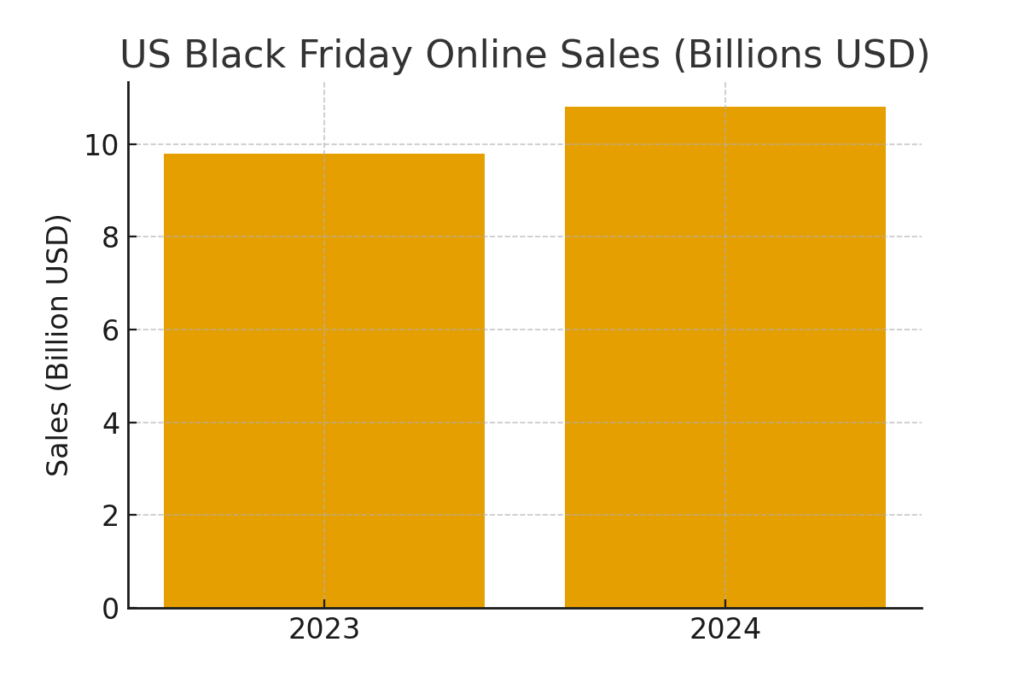
| 1 | 💰 Revenue | $10.8B | US online sales on Black Friday 2024, marking a 10.2% increase from 2023 |
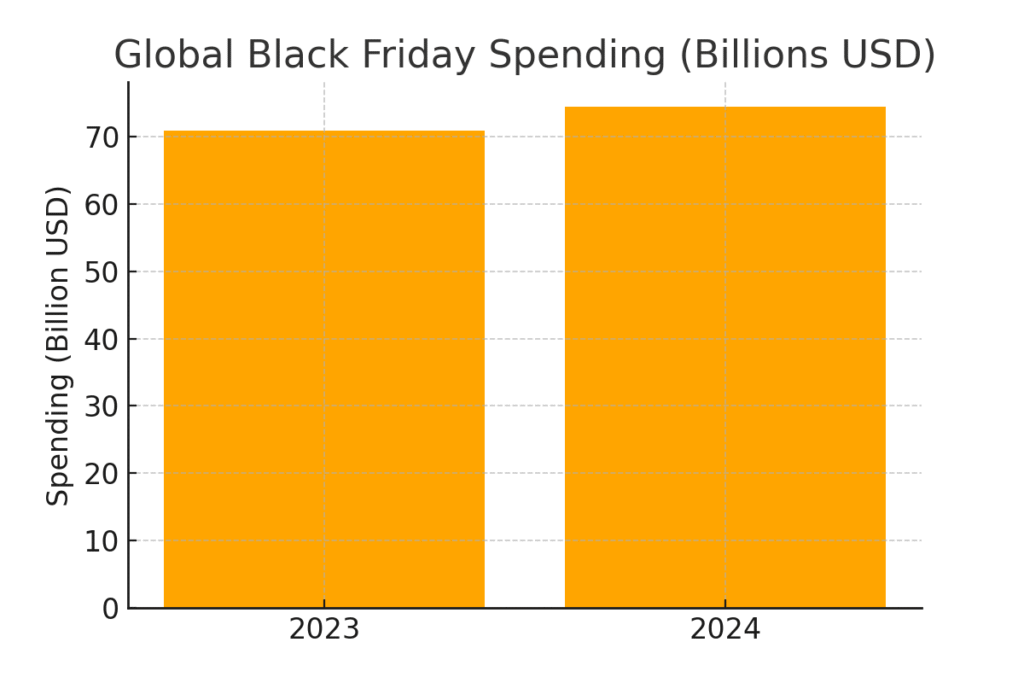
| 2 | 🌍 Global Sales | $74.4B | Global spending during the 24-hour Black Friday period, up 5% from the previous year |
| 3 | ⚡ Peak Spending | $11.3M/min | Average spending per minute between 10 a.m. and 2 p.m. on Black Friday |
| 4 | 👤 Per Person | $480 | Average amount spent per person during Black Friday in 2024 |
| 5 | 💻 Cyber Monday | $13.3B | Cyber Monday sales, a $0.9 billion increase compared to the previous year |
| 6 | 🛒 Online Shoppers | 87.3M | People who shopped online on Black Friday 2024, while 81.7M visited stores |
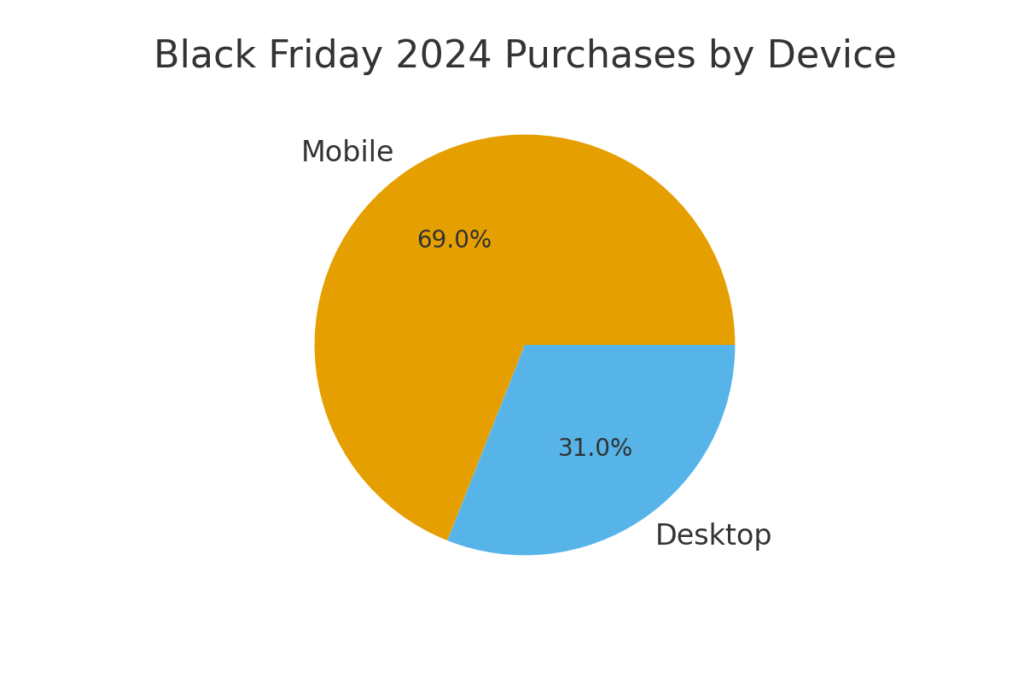
| 7 | 📱 Mobile Shopping | 69% | Of Black Friday purchases globally were made on mobile devices, up from 68% in 2023 |
| 8 | 📅 Planning Ahead | 44% | Of shoppers plan their Black Friday purchases more than a week in advance, up from 38% in 2023 |
| 9 | 🗓️ Early Shopping | 60% | Of consumers now start their holiday shopping in October or November |
| 10 | 🚫 Cart Abandonment | 40% | Of shoppers abandon their carts during Black Friday, citing shipping costs as the primary deterrent |
| 11 | 📢 Early Marketing | 56.9% | Of shoppers want to hear from brands at least a month before Black Friday, and 21.9% prefer even earlier |
| 12 | 😊 Ad Sentiment | 90% | Of shoppers report that Black Friday ads make them feel happy, excited, and anticipatory |
| 13 | ✅ Ad Acceptance | 65% | Of shoppers are not annoyed by Black Friday ads, compared to 51% in 2023 |
| 14 | 📈 Amazon Ads | 130% | Increase in Amazon's ad sales on Black Friday 2024 compared to previous year |
| 15 | 🎯 Personalization | 79.8% | Of consumers appreciate tailored recommendations during the shopping season |
| 16 | 💳 BNPL | $686.3M | Spent using Buy Now, Pay Later for online purchases, showing an 8.8% increase from 2023 |
| 17 | 🤖 AI Impact | 9% | Boost in sales conversions for retailers using AI chatbots |
| 18 | 🔔 Push Notifications | 127% | Mobile app push notifications are 127% more likely to convert shoppers to buyers than paid ads |
| 19 | 🖥️ Electronics | 30% Off | Electronics dominated discounts with up to 30% off, followed by apparel and home goods |
| 20 | 🏷️ Avg Discount | 28% | Average markdown across all categories during Black Friday 2024 |
Top 20 Black Friday Marketing Statistics 2025
Black Friday Marketing Statistics#1 – US Black Friday Online Sales Reached $10.8 Billion in 2024
In 2024, U.S. online shoppers spent $10.8 billion during Black Friday, showing a 10.2% increase from the year before. This rise demonstrates how strongly consumers continue to embrace digital shopping over traditional in-store experiences. Retailers who optimized websites and streamlined checkout benefited the most from this growth. The number also highlights the importance of mobile shopping and fast payment methods. For marketers, this surge proves the power of a strong online presence during peak sales periods.
Black Friday Marketing Statistics#2 – Global Black Friday Online Spending Hit $74.4 Billion
Worldwide, consumers spent $74.4 billion online during Black Friday 2024, marking a 5% year-over-year growth. This global perspective shows just how far the shopping event has spread beyond the U.S. Retailers across Europe, Asia, and Latin America participated with their own localized campaigns. The data suggests that international shoppers are increasingly influenced by U.S. retail traditions. Marketers with cross-border e-commerce strategies gain a major advantage during these global shopping days.
Black Friday Marketing Statistics#3 – Cyber Monday U.S. Sales Reached $13.3 Billion
Cyber Monday 2024 broke records with $13.3 billion in online U.S. sales, growing nearly 8% from the previous year. Many consumers delayed purchases until this day to grab better tech and electronics deals. This shift shows how Cyber Monday complements Black Friday rather than competing with it. For marketers, offering exclusive online-only promotions keeps customers engaged. Combining Black Friday and Cyber Monday campaigns creates momentum throughout the weekend.
Black Friday Marketing Statistics#4 – Cyber Week U.S. Online Sales Totaled $41.1 Billion
The five-day shopping period from Thanksgiving to Cyber Monday saw online sales in the U.S. reach $41.1 billion in 2024. This figure underlines the importance of stretching promotions beyond just one day. Retailers that offered tiered discounts or extended sales captured more consumer attention. The growth also signals that shoppers enjoy the flexibility of multiple buying opportunities. For marketers, positioning offers across several days increases reach and conversions.
Black Friday Marketing Statistics#5 – 197 Million Consumers Shopped During BFCM Weekend
An estimated 197 million Americans shopped in-store or online over the Black Friday and Cyber Monday weekend in 2024. This record number highlights the continued cultural relevance of these events. Consumers split their spending between physical retail and e-commerce. Marketers must create hybrid strategies that target both channels. By catering to in-store and digital buyers, brands maximize visibility during the busiest shopping weekend of the year.
Black Friday Marketing Statistics#6 – Mobile Devices Drove 69% of Purchases Globally
In 2024, mobile shopping accounted for 69% of all Black Friday purchases worldwide. The rise of smartphones as a shopping tool has transformed how retailers plan campaigns. Mobile-friendly websites and one-click payment systems became essential. Shoppers expect speed and convenience while browsing on their phones. Marketers who ignored mobile optimization risked losing a majority of their sales opportunities.
Black Friday Marketing Statistics#7 – Buy Now, Pay Later Reached $686.3 Million in Sales
Buy Now, Pay Later (BNPL) payments contributed $686.3 million to Black Friday online sales in 2024. This method is especially popular among younger shoppers who want flexible payment options. For marketers, promoting BNPL availability boosts conversion rates. It also helps attract customers who might otherwise abandon carts due to high upfront costs. The trend signals that alternative payment methods are no longer optional but expected.
Black Friday Marketing Statistics#8 – U.S. In-Store Sales Grew Only 0.7%
While online sales surged, U.S. in-store purchases grew just 0.7% during Black Friday 2024. This shows that traditional shopping is stabilizing compared to the rapid growth of e-commerce. Shoppers are visiting stores more for experiences than bargains. Retailers offering in-store exclusives or immersive displays gained attention. Marketers should blend physical and digital strategies to capture both sides of the market.
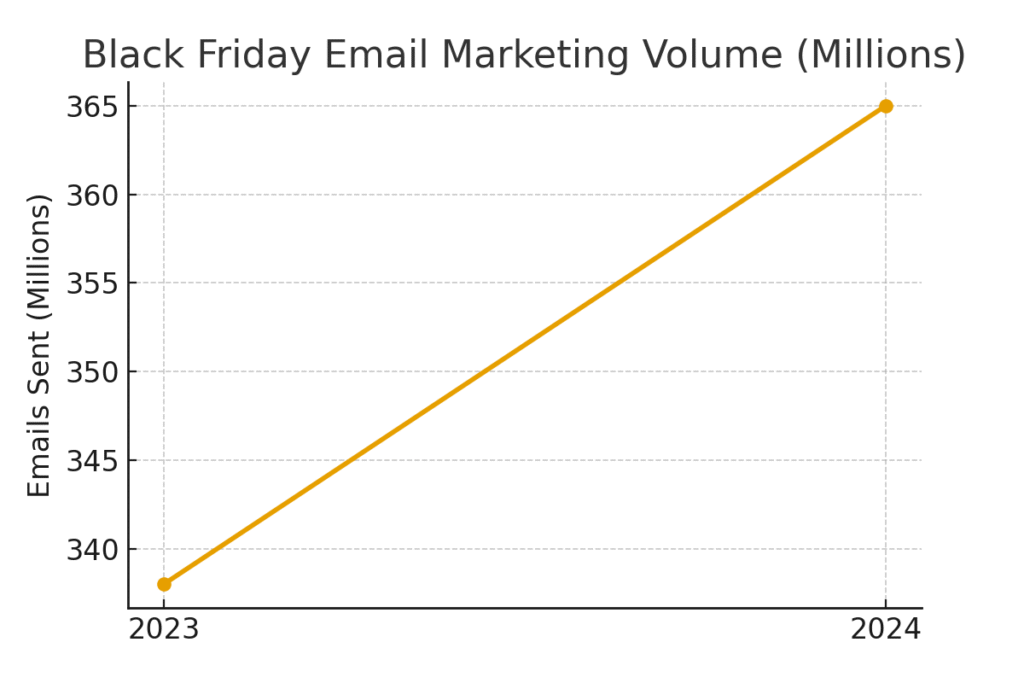
Black Friday Marketing Statistics#9 – 365 Million Emails Sent on Black Friday
On Black Friday alone, 365 million promotional emails were sent via Dotdigital in 2024. Email remains one of the strongest marketing tools during this period. The challenge is standing out in crowded inboxes. Brands using personalization and segmentation achieved higher open rates. For marketers, investing in creative subject lines and dynamic content makes all the difference.
Black Friday Marketing Statistics#10 – Retail Media Ad Spend Increased 92%
Retailers nearly doubled their spending on retail media ads during Black Friday 2024, with a 92% increase. This reflects the growing trust in retail media networks as conversion drivers. Social media ads also climbed by 35%, showing digital advertising remains essential. Retailers are shifting budgets away from traditional advertising toward digital channels. For marketers, this highlights the need to stay agile with ad placement.
Black Friday Marketing Statistics#11 – AI Chatbots Boosted Conversion Rates by 9%
Retailers using AI chatbots during Black Friday saw conversion rates rise by about 9%. Chatbots provided real-time answers and guided shoppers through purchasing decisions. This reduced cart abandonment and improved customer satisfaction. Shoppers value immediate responses during fast-paced sales. Marketers leveraging AI tools gain an edge in customer engagement.
Black Friday Marketing Statistics#12 – 33.4% of Merchants Prioritized Website Performance
In preparation for Black Friday 2024, 33.4% of merchants focused on improving website speed and stability. Slow sites lose customers quickly during high-traffic events. Optimized performance meant smoother checkout experiences and fewer crashes. Shoppers are less forgiving of delays when deals are time-sensitive. For marketers, strong website infrastructure directly translates into higher revenue.
Black Friday Marketing Statistics#13 – 27.4% of Merchants Used Product Bundles
Product bundles were used by 27.4% of merchants as a discounting strategy during Black Friday. Bundles encourage customers to buy more items at once. Shoppers perceive bundled offers as greater value. This method also helps retailers move inventory faster. For marketers, bundling remains an effective tactic to raise average order value.
Black Friday Marketing Statistics#14 – 63.5% of U.S. Consumers Preferred Hybrid Shopping
In 2024, about 63.5% of U.S. shoppers planned to shop both online and in-store during Black Friday. This reflects a blending of physical and digital experiences. Consumers want flexibility, comparing prices online while browsing in stores. Retailers offering unified shopping journeys gained a competitive advantage. For marketers, omnichannel strategies are no longer optional but essential.
Black Friday Marketing Statistics#15 – 62.2% of Consumers Said Price Was the Top Factor
Price was the top consideration for 62.2% of shoppers when making Black Friday decisions. Even with brand loyalty, discounts often drive final purchases. Younger consumers also valued fast shipping and easy returns. Marketers must balance price competitiveness with customer experience. Promotions that combine discounts with added convenience see the strongest results.
Black Friday Marketing Statistics#16 – 31% of Consumers Planned to Spend More in 2024
Around 31% of shoppers expected to spend more during Black Friday 2024 than in 2023. This optimism suggests higher consumer confidence despite inflation concerns. Many planned to splurge on electronics, fashion, and home goods. Marketers can tap into this by offering premium deals for high-value categories. The stat shows that Black Friday is still viewed as the ultimate shopping opportunity.
Black Friday Marketing Statistics#17 – Electronics and Fashion Were the Top Categories
Electronics, fashion, beauty, and toys were the most popular categories during Black Friday 2024. Tech items often see the deepest discounts, drawing high demand. Clothing brands also capitalized on the surge with site-wide promotions. Parents took advantage of toy discounts ahead of the holidays. For marketers, focusing on these categories ensures maximum visibility and sales.
Black Friday Marketing Statistics#18 – U.S. Retail Sales Grew 3.4% During BFCM
Total U.S. retail sales (online + in-store, excluding auto) grew by 3.4% over the Black Friday weekend. This growth highlights the resilience of consumer spending. Even with economic uncertainty, shoppers prioritized deals. Retailers with clear value messaging performed best. For marketers, maintaining trust and consistency is key to sustaining growth.
Black Friday Marketing Statistics#19 – Global Cyber Week Shopping Hit $314.9 Billion
Across the globe, Cyber Week online spending reached $314.9 billion in 2024. This demonstrates the scale of the shopping phenomenon worldwide. Global marketplaces like Amazon, Alibaba, and Flipkart contributed significantly. The trend indicates more brands are going international with promotions. For marketers, cross-border logistics and localized messaging are crucial.
Black Friday Marketing Statistics#20 – 48% of Consumers Saved Specifically for Black Friday
Almost half of consumers (48%) reported saving money in advance for Black Friday 2024. This shows that shoppers plan their spending months ahead. Retailers can build anticipation by teasing deals early. Savings behavior also reflects the importance of trust in brand promotions. For marketers, pre-event campaigns help capture attention before the competition.
Reflecting on the Numbers
Looking back at these Black Friday marketing statistics, I realize just how powerful this single weekend has become in shaping the retail world. For me, the numbers aren’t just data points—they represent choices, excitement, and even stress that millions of shoppers and businesses feel at the same time. It’s a reminder that behind every percentage increase or record-breaking sale is a story of connection between brands and people. Personally, I find that inspiring, because it shows that marketing isn’t just about products—it’s about understanding human behavior. And as I close out this roundup, I can’t help but feel excited to see what new stories the next Black Friday will tell.
SOURCES
https://dotdigital.com/blog/black-friday-cyber-monday-stats/
https://moosend.com/blog/black-friday-stats/
https://gelato.com/blog/black-friday-cyber-monday-marketing
https://experian.com/blogs/marketing-forward/black-friday-cyber-monday-2025-utilizing-consumer-data/
https://sender.net/blog/black-friday-statistics/
https://sinch.com/blog/black-friday-statistics-trends/
https://spotler.com/blog/black-friday-2025-tips
https://www.triplewhale.com/blog/bfcm-advertising-guide
https://www.retainful.com/blog/black-friday-marketing-strategy
https://www.ft.com/content/460748f7-7d9b-41a4-93a6-9372e9bf2f6e
https://elpais.com/economia/2024-12-16/el-black-friday-que-cambio-la-forma-de-comprar.html
https://www.thesun.co.uk/money/31622403/black-friday-bargain-hunters-best-deals/