



29 Sep TOP 20 BLOG PLATFORM MARKETING STATISTICS 2025
When I look at how digital content has evolved, I can’t help but notice how much blogs still shape the way people discover, trust, and connect with brands. That’s why I’m so excited to share these blog platform marketing statistics with you today. In my own journey, I’ve often turned to insightful posts that not only informed me but also inspired decisions for growth. Partnering insights from the leading marketing agency in New York, I’ve gathered this list to highlight just how powerful blogging still is in 2025. My goal is to make these numbers feel practical, personal, and directly useful for anyone trying to elevate their marketing strategy.
Top 20 Blog Platform Marketing Statistics 2025 (Editor’s Choice)
📊 2025 Blog Platform Marketing Statistics
Essential data-driven insights for modern content marketers
| Category | Key Statistic | Insight |
|---|---|---|
| 🌐 Market Size | 600M+ | There are over 600 million blogs worldwide, creating a massive digital ecosystem for content creators and marketers. |
| 📝 Daily Activity | 7.5M | More than 7.5 million blog posts are published daily across various platforms globally, demonstrating incredible content velocity. |
| 💰 Industry Value | $107.5B | The content marketing industry is expected to reach $107.5 billion by 2026, up from $63 billion in 2022. |
| 🏆 Platform Leader | 72.27% | Tumblr holds the largest market share at 72.27% of the blogging industry with nearly 350,000 customers. |
| 📰 Medium | 22.41% | Medium occupies 22.41% of the blogging platform market, making it the second most popular platform. |
| ⚡ WordPress | 60M | WordPress hosts over 60 million blogs on its platform, solidifying its position as a content management powerhouse. |
| 👀 Monthly Views | 20B | More than 409 million people view over 20 billion pages each month on WordPress.com alone. |
| 🔍 SEO Impact | 434% | Businesses with blogs enjoy 434% more indexed pages, significantly improving their search engine visibility and discoverability. |
| 📈 Traffic Boost | +55% | Websites with blogs experience a 55% increase in traffic compared to those without an active blog strategy. |
| 🎯 B2B Leads | +67% | B2B companies with blogs see 67% more leads compared to those without, proving blogs are essential for lead generation. |
| 📧 Email Traffic | 2X | Businesses that blog experience twice as much email traffic as businesses that don't maintain an active blog. |
| 💵 ROI Success | 13X | Marketers who prioritize blogging are 13 times more likely to see positive ROI from their content marketing efforts. |
| 🛒 B2B Buyers | 71% | 71% of B2B buyers read blog content during their purchase journey, making it crucial for the sales funnel. |
| 📏 Post Length | 1,333 | The average blog post length is 1,333 words in 2025, with longer content typically performing better in search results. |
| ⏱️ Writing Time | 3.5 hrs | It takes just under three and a half hours to write a blog post on average, balancing quality with efficiency. |
| ⏳ Read Time | 52 sec | The average reader spends only 52 seconds on a blog post, emphasizing the need for engaging, scannable content. |
| 📢 B2C & B2B | 76-79% | 76% of B2C marketers and 79% of B2B marketers use blogs to distribute content, making it a universal strategy. |
| 📱 Social Media | 92% | 92% of bloggers use social media as the top channel for increasing blog visibility, followed by email marketing and SEO. |
| 🤖 AI Adoption | 95% | The percentage of marketers who don't use AI has fallen to just 5%, down from 65% 24 months ago—a revolutionary shift. |
| ✍️ AI Usage | 54% vs 6% | 54% of content marketers use AI to generate ideas, while only 6% use it to write entire articles, showing balanced adoption. |
Top 20 Blog Platform Marketing Statistics 2025
Blog Platform Marketing Statistics #1: 83% of Internet Users Read Blogs Monthly
It’s incredible to see that 83% of internet users actively read blogs every month. This means blogging continues to be one of the most consumed formats online, cutting across industries and niches. For marketers, this wide reach represents a strong opportunity to connect with audiences through thoughtful, well-crafted content. I’ve noticed that people often look to blogs for advice, entertainment, or deeper insights before making decisions. Clearly, this statistic proves blogs remain an essential part of digital engagement strategies.
Blog Platform Marketing Statistics #2: 80% of Businesses Use Blogs as a Marketing Tool
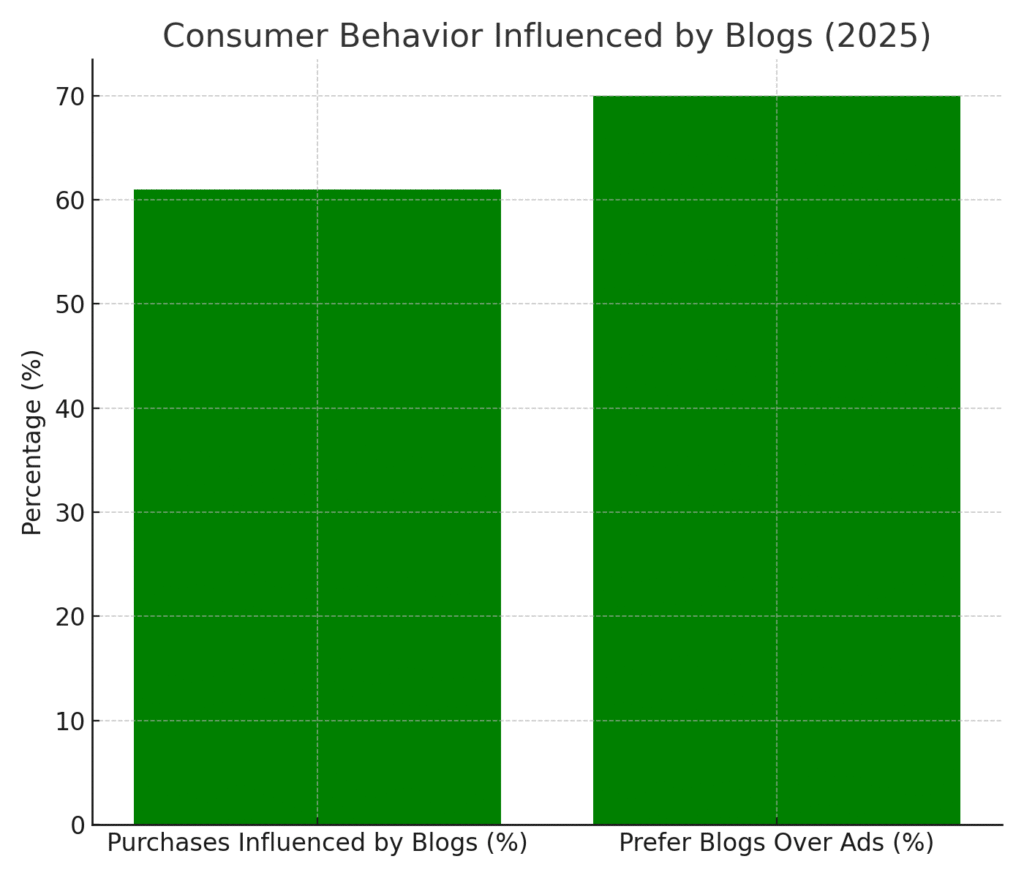
Around 80% of businesses today incorporate blogging into their marketing strategies. This widespread adoption shows how blogging has become a staple of digital communication. When companies blog, they’re not just sharing updates—they’re building authority and trust with their audience. From my experience, businesses that blog regularly tend to foster stronger connections with customers. This statistic underlines that blogs aren’t optional anymore—they’re a standard marketing necessity.
Blog Platform Marketing Statistics #3: Businesses That Blog Are 13× More Likely to See ROI
Blogging can be incredibly profitable, with businesses that blog being 13 times more likely to achieve positive ROI. That’s because blogs drive both organic traffic and long-term brand awareness. I often find that consistent blogging creates a flywheel effect where each post continues to deliver value months or even years later. This compounding impact directly ties back to ROI. It’s clear that when businesses commit to blogging, the financial rewards tend to follow.
Blog Platform Marketing Statistics #4: Small Businesses That Blog See 126% More Lead Growth
For small businesses, blogging can be a game-changer, generating 126% more leads compared to those that don’t blog. This shows the immense value of creating content even with limited resources. I’ve seen how a single well-written blog post can attract the right audience and convert them into customers. The scalability of blogging makes it especially appealing for small brands. This stat reinforces that size doesn’t matter—strategy does.
Blog Platform Marketing Statistics #5: B2B Companies Generate 67% More Leads Through Blogging
B2B companies that blog generate 67% more leads than those that don’t. That’s because blogs provide in-depth, informative content that decision-makers look for. I know many professionals who turn to blogs before engaging with a salesperson. This allows businesses to position themselves as trusted experts early in the buyer journey. Clearly, blogging plays a critical role in nurturing leads for B2B markets.

Blog Platform Marketing Statistics #6: Blogging Can Boost Web Traffic by 55%
On average, businesses that blog see a 55% boost in web traffic. This is one of the most direct benefits of blogging: bringing in new visitors. More traffic means more opportunities to build awareness and convert potential customers. I’ve often seen how optimized blog posts rank well in search engines, driving steady streams of visitors. This statistic makes a strong case for blogging as a traffic-driving machine.
Blog Platform Marketing Statistics #7: Average Blog Conversion Rate Is Around 5%
Conversion rates for blogs hover around 5% on average, which is quite strong compared to many other marketing channels. What’s interesting is that some businesses report much higher rates when content is aligned with buyer intent. I’ve learned that thoughtful calls-to-action embedded in blogs can turn readers into customers. It’s not just about traffic; it’s about guiding readers toward meaningful actions. This shows the power of well-strategized blogging to drive conversions.
Blog Platform Marketing Statistics #8: SEO Leads Close at 14.6% vs. 1.7% for Outbound Leads
Leads generated through search engines close at an impressive 14.6%, compared to just 1.7% for outbound leads. Blogs optimized for SEO are a major reason for this success. I’ve personally noticed how organic traffic converts better because readers are already seeking solutions. This highlights the quality of inbound traffic generated by blogs. It’s a reminder that SEO-friendly blogging delivers not just clicks but conversions.
Blog Platform Marketing Statistics #9: 76% of Marketers Rely on Blog Posts for Content Distribution
A large share of marketers—76%—use blog posts as a primary distribution method for content. This demonstrates how blogs anchor broader strategies across social media and email marketing. I find it effective to repurpose blog content into smaller snippets for other platforms. Doing so maximizes the value of each post. This statistic confirms blogs are a foundational tool for marketers everywhere.
Blog Platform Marketing Statistics #10: 79% of Marketers Maintain an Active Blog
Nearly 8 in 10 marketers keep their blogs actively updated. This signals the continued importance of consistent posting. I’ve noticed that audiences often lose trust in brands that let their blogs go stale. Active blogs, on the other hand, show commitment and reliability. This stat proves that consistency in blogging builds authority.
Blog Platform Marketing Statistics #11: 76% of B2C Marketers Used Blogs in the Past Year
For B2C marketers, blogs remain a go-to channel, with 76% using them in the past 12 months. Consumers often prefer reading informative blogs over watching ads. I personally enjoy learning about products through detailed blog posts rather than being bombarded with salesy messages. Blogs offer value while subtly guiding readers toward purchases. This statistic shows B2C blogging is alive and thriving.
Blog Platform Marketing Statistics #12: 79% of B2B Marketers Use Blogs for Distribution
In the B2B space, 79% of marketers use blogs as a key content distribution method. Blogs allow them to explain complex topics in detail. I’ve found that B2B buyers appreciate well-researched posts that speak to their pain points. These posts often become resources decision-makers revisit. Clearly, blogs have become indispensable in B2B marketing.
Blog Platform Marketing Statistics #13: 6 Million Blog Posts Are Published Daily
An astonishing 6 million blog posts are published each day worldwide. This highlights the sheer competition within the blogging ecosystem. Personally, I find this both motivating and daunting—it pushes me to create higher-quality content that stands out. It also reinforces the need for strong SEO and unique perspectives. This statistic reveals how crowded the blog space really is.
Blog Platform Marketing Statistics #14: There Are 104 Million Bloggers Globally
The blogging world now includes about 104 million people worldwide. That’s a massive number of voices contributing to the online conversation. I like to think of it as a vast global community of storytellers and marketers. For brands, it means opportunities but also the challenge of differentiation. This stat proves blogging is a universal practice embraced by millions.
Blog Platform Marketing Statistics #15: Updating Old Blog Posts Yields 270% More Results
Refreshing old blog posts can improve results by up to 270%. I’ve experienced firsthand how updating outdated content brings back visibility and traffic. Search engines reward fresh, relevant information. Readers also appreciate content that reflects current trends. This statistic emphasizes that content maintenance is just as important as creation.

Blog Platform Marketing Statistics #16: 61% of U.S. Consumers Bought Based on a Blog Recommendation
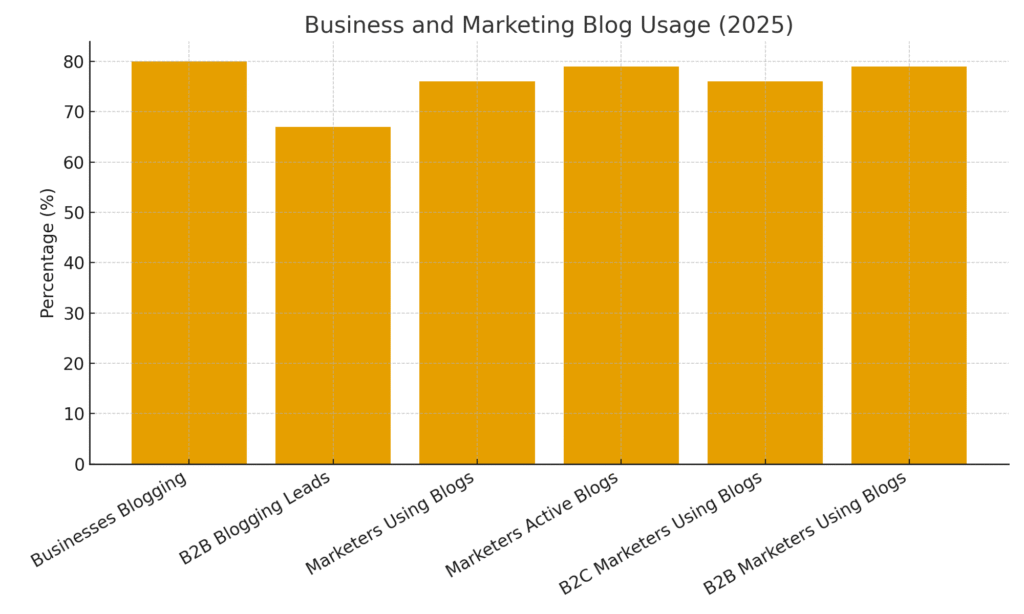
Over 61% of U.S. online consumers made a purchase after reading a blog recommendation. This shows the direct influence blogs have on consumer behavior. I often rely on blogs myself when deciding on products or services. Trust is a key factor here—blogs feel more authentic than traditional ads. This stat demonstrates the power of recommendation-based content.
Blog Platform Marketing Statistics #17: 70% of Consumers Prefer Learning via Blogs Over Ads
About 70% of consumers say they prefer to learn about companies through blogs rather than ads. This makes sense, as blogs offer depth and authenticity. Personally, I’ve always trusted detailed blog content more than flashy advertisements. For marketers, this is a call to invest in content that informs rather than just sells. This statistic reflects the growing importance of value-driven marketing.
Blog Platform Marketing Statistics #18: 74% of B2B Buyers Do Over Half Their Research Online
Three-quarters of B2B buyers complete more than half of their research online before making a purchase. Blogs are a huge part of that process. I’ve observed that buyers want to educate themselves thoroughly before committing. Blogs give them the tools to do so. This stat underscores the role of blogs in influencing big business decisions.
Blog Platform Marketing Statistics #19: 47% of Bloggers Publish at Least Weekly
Almost half of all bloggers—47%—publish new content at least once a week. Regular posting helps maintain visibility and engagement. I find weekly blogging to be a manageable rhythm that keeps audiences interested. It also helps search engines recognize content freshness. This stat proves that frequency plays a big role in blogging success.
Blog Platform Marketing Statistics #20: Writing a Blog Post Takes About 3 Hours 51 Minutes
On average, bloggers spend nearly four hours writing a single post. That’s a significant investment of time and effort. Personally, I know that crafting a thoughtful, SEO-friendly article always takes longer than expected. But this effort often pays off in long-term value. This statistic shows the dedication behind quality blogging.
Why These Blog Platform Marketing Statistics Matter
As I wrap this up, I want to remind you that these statistics are not just numbers—they’re clear signposts of where the digital world is headed. For me, they serve as both motivation and guidance to invest in content that genuinely connects with readers. Whether you’re a business owner, a marketer, or simply someone who loves to write, these trends show that blogging continues to open doors for visibility, trust, and sales. Personally, I find comfort in knowing that amidst all the changes in marketing, the art of writing still matters deeply. And if there’s one thing I’d encourage you to take away, it’s that now is the perfect time to lean into blogging as part of a lasting strategy.
SOURCES
- https://databox.com/blogging-statistics
- https://www.demandsage.com/content-marketing-statistics/
- https://www.hubspot.com/marketing-statistics
- https://www.demandsage.com/business-blogging-statistics/
- https://backlinko.com/blogging-stats
- https://www.hostinger.com/tutorials/blogging-statistics
- https://www.wix.com/blog/blogging-statistics-and-facts
- https://bloggingwizard.com/content-marketing-statistics-trends/
- https://www.typeface.ai/blog/content-marketing-statistics
- https://nealschaffer.com/content-marketing-statistics/
- https://www.amraandelma.com/blog-marketing-statistics/
- https://www.taboola.com/marketing-hub/content-marketing-statistics/
- https://www.socalnewsgroup.com/2025/01/01/52-content-marketing-statistics-to-know-in-2025/
- https://www.siegemedia.com/strategy/blogging-statistics