



28 Sep TOP 20 BLOOD HEALTH MARKETING STATISTICS 2025
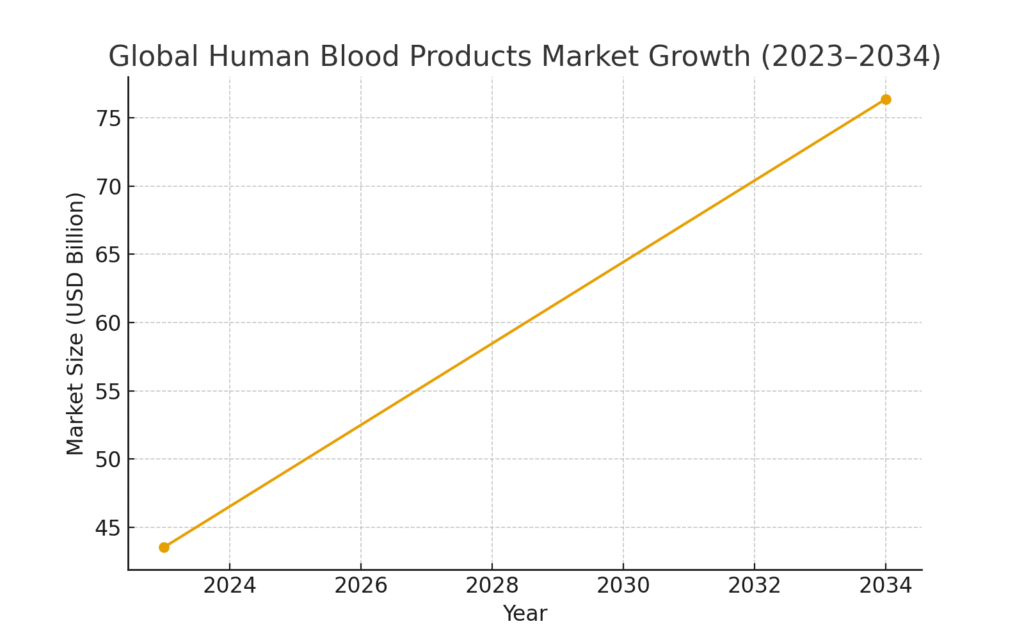
When I started researching blood health marketing statistics, I realized how powerful data can be in shaping the way campaigns resonate with people. As someone who cares deeply about the human side of marketing, I find that numbers are not just cold figures but stories about lives saved, donors inspired, and patients helped. Partnering with experts like a leading marketing agency in New York helps bring these insights into practical strategies that connect emotionally with audiences. In this blog, I want to share the most important statistics I’ve gathered, and I’ll also add my own reflections on why these numbers matter to me personally. After all, blood health isn’t just a niche—it’s about sustaining life, and that’s something we all share a stake in.
Top 20 Blood Health Marketing Statistics 2025 (Editor’s Choice)
| # | Statistic | Insight |
|---|---|---|
| 1 | Global human blood products market valued at $43.54B in 2023 | Shows massive global reliance on blood-related products. |
| 2 | Market projected to grow to $76.36B by 2034 | Indicates long-term opportunities in blood health marketing. |
| 3 | Blood & blood components market at $12.1B in 2021 | Highlights transfusions and treatments as global priorities. |
| 4 | Market growing at 3.4% CAGR through 2028 | Steady and sustainable growth pattern in blood demand. |
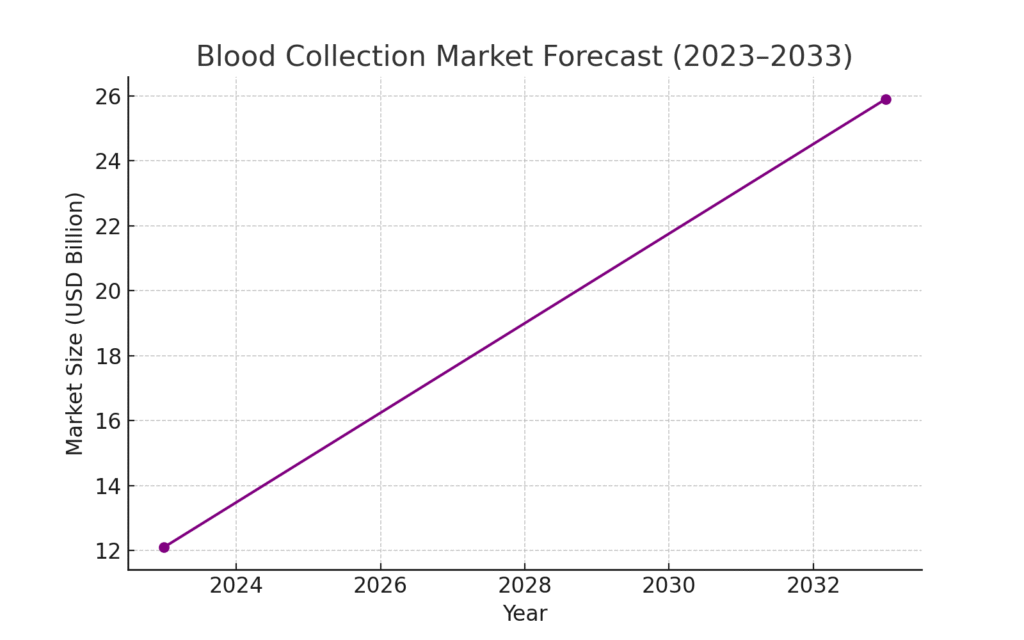
| 5 | Blood collection market to reach $25.9B by 2033 | Reflects innovation and rising global awareness campaigns. |
| 6 | Hospitals represent over 35.8% share in blood collection | Hospitals remain the dominant sector for blood needs. |
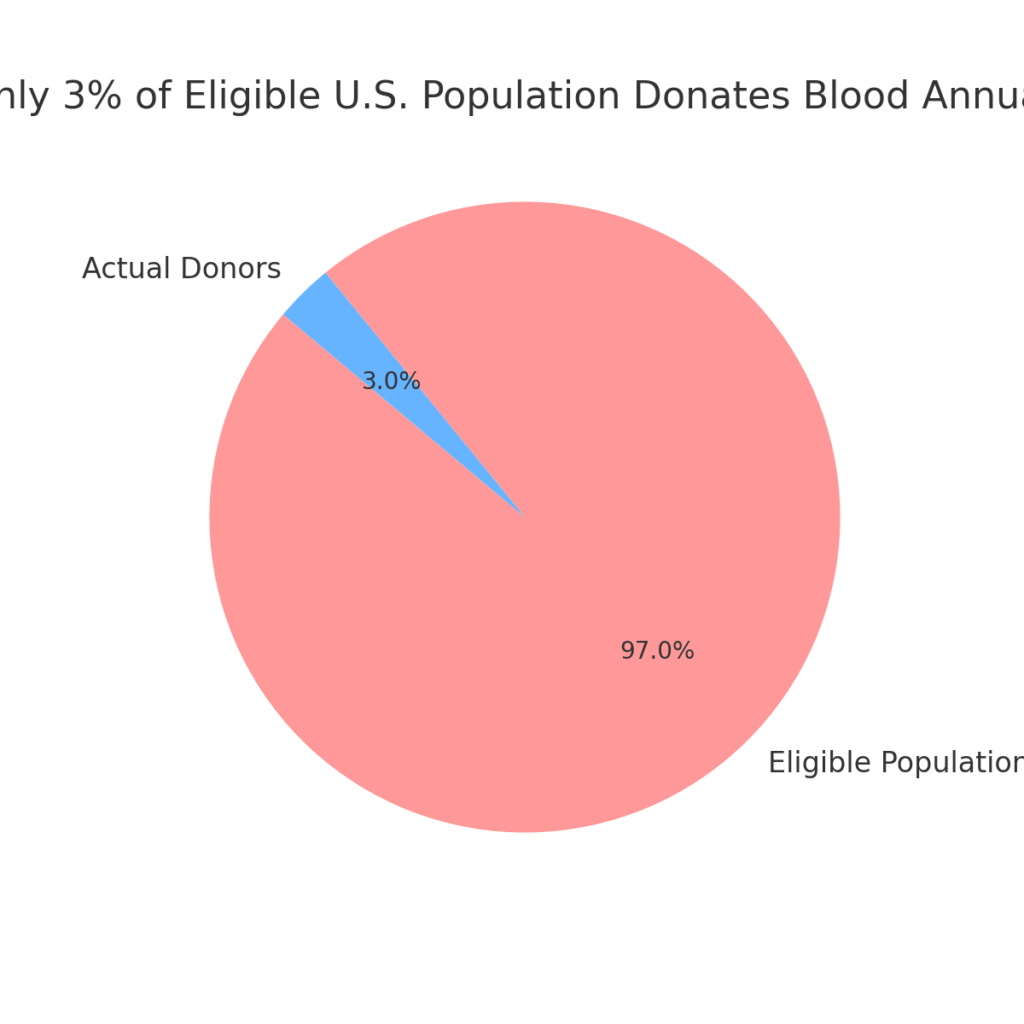
| 7 | Only 3% of eligible U.S. population donates yearly | Reveals urgent need for more donation campaigns. |
| 8 | First-time donors declined from 31% to 26% | Indicates challenges in recruiting new donors. |
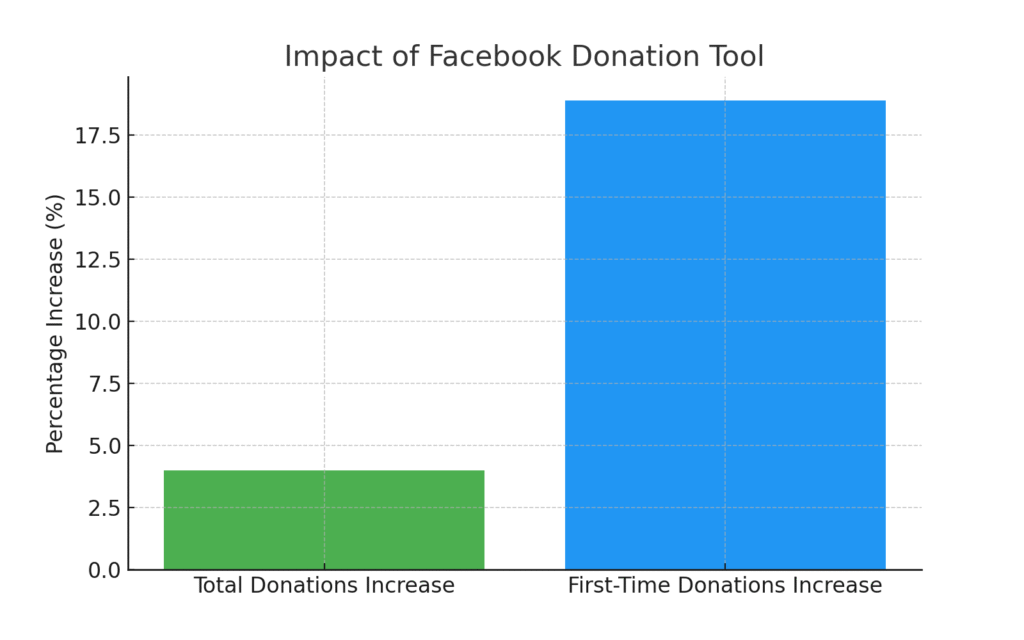
| 9 | Facebook donation tool increased donations by 4% | Shows digital tools can boost participation. |
| 10 | Tool increased first-time donations by 18.9% | Highlights potential of digital nudges in recruitment. |
| 11 | WhatsApp, Facebook & Instagram top promotion platforms | Identifies best channels for donor engagement. |
| 12 | New media promotions increased donor numbers | Modern storytelling drives higher impact. |
| 13 | Social media campaigns drove 4% more donors & 19% first-timers | Proves measurable success of digital campaigns. |
| 14 | Paid, owned & earned media boost recruitment dynamics | Multi-channel mix strengthens blood donation campaigns. |
| 15 | Differentiated vs. undifferentiated campaigns showed no big difference | Universal appeals remain as effective as targeted ones. |
| 16 | Wrong targeting did not produce negative effects | Campaigns remain positively received regardless. |
| 17 | Misconceptions are major barriers to donating blood | Education and myth-busting are essential strategies. |
| 18 | 1 in 3 people will need blood, but only 1 in 30 donates | Highlights urgency and human relevance of campaigns. |
| 19 | Blood supply declined during COVID-19 pandemic | Shows the fragility of supply chains during crises. |
| 20 | Australian campaign recruited 107,000 new donors | Emotional storytelling achieved massive success. |
Top 20 Blood Health Marketing Statistics 2025
Blood Health Marketing Statistics #1 – Global Human Blood Products Market Valued At $43.54 Billion In 2023
The human blood products market reached an impressive $43.54 billion in 2023. This valuation highlights how central blood-based products are to modern healthcare systems. For marketers, it indicates a rapidly growing sector with high demand across transfusions, treatments, and research. Patients requiring blood products span multiple demographics, making outreach broad and essential. Understanding this market size helps campaigns frame the importance of donating blood and investing in blood health innovation.
Blood Health Marketing Statistics #2 – Market Projected To Grow To $76.36 Billion By 2034
Forecasts suggest that the market will climb to $76.36 billion by 2034. This trajectory emphasizes consistent and sustained demand, showing marketers long-term opportunities for campaigns. It also signals that the public conversation around blood health will only intensify as medical reliance increases. Highlighting future growth allows campaigns to tie blood health to larger themes of medical progress. For me, it demonstrates the power of future-focused marketing in keeping blood health a priority for communities.
Blood Health Marketing Statistics #3 – Blood & Blood Components Market At $12.1 Billion In 2021
The blood and blood components market was valued at $12.1 billion in 2021. Components such as platelets, plasma, and red blood cells make up vital parts of transfusions and treatments. Marketers can leverage this stat to emphasize the need for ongoing donations, not just during crises. The market size reflects the scale of life-saving applications tied to every donor contribution. This number personally reminds me how even a single donation fuels a massive global ecosystem of care.
Blood Health Marketing Statistics #4 – Market Growing At 3.4% CAGR Through 2028
Analysts expect the blood and blood components market to grow at a 3.4% CAGR through 2028. This growth rate highlights a steady but reliable increase in demand. For marketers, it’s an opportunity to showcase sustainability in the blood donation ecosystem. Campaigns can draw attention to how small but consistent efforts lead to long-term change. To me, it underlines the idea that persistence in messaging mirrors persistence in saving lives.
Blood Health Marketing Statistics #5 – Blood Collection Market To Reach $25.9 Billion By 2033
Projections place the blood collection market at $25.9 billion by 2033. This growth reflects both technological advancements and rising awareness campaigns. Marketers can use this stat to highlight innovations in collection techniques, making donation safer and easier. It also offers a chance to showcase the improved donor experience as part of campaigns. Personally, I see this as proof that storytelling around comfort and innovation can help attract hesitant donors.
Blood Health Marketing Statistics #6 – Hospitals Represent Over 35.8% Market Share In Blood Collection
Hospitals account for 35.8% of the end-user share in blood collection. This dominance stems from their heavy use of transfusions in surgeries and emergencies. Marketers can tailor campaigns around hospital partnerships to maximize impact. Collaborating with hospitals also creates credibility and trust in blood donation campaigns. I think of this as a bridge where marketing meets frontline healthcare needs directly.
Blood Health Marketing Statistics #7 – Only 3% Of Eligible U.S. Population Donates Blood Yearly
Only about 3% of the eligible population in the U.S. donates blood annually. This is a strikingly low number compared to the need. Marketers can leverage this gap to stress urgency and encourage more donors. Campaigns built on this stat show that even small increases in donor participation can have massive results. For me, it’s a powerful reminder of how marketing can directly save lives when it motivates action.
Blood Health Marketing Statistics #8 – First-Time Donors Declined From 31% To 26%
First-time donor rates dropped from 31% to 26%. This decline underscores the challenges of engaging new audiences. Marketing campaigns must innovate with storytelling and social proof to attract first-timers. Emphasizing personal stories and first-donor experiences can help close this gap. To me, this highlights the importance of empathy in marketing outreach.
Blood Health Marketing Statistics #9 – Facebook Donation Tool Increased Total Donations By 4%
A Facebook donation tool was shown to increase total donations by 4%. This demonstrates the powerful role social media platforms play in recruitment. Digital campaigns can tap into these built-in tools to amplify reach. It also reflects how convenience and digital accessibility drive participation. Personally, I love how simple tech tools can inspire meaningful real-world impact.
Blood Health Marketing Statistics #10 – Tool Increased First-Time Donations By 18.9%
The same Facebook tool increased first-time donations by 18.9%. This shows how effective digital nudges can be in breaking barriers for new donors. For marketers, this validates investing in platform integrations for recruitment. It also highlights how first-time donors can be nurtured into repeat contributors through supportive campaigns. I see this as a turning point where digital meets deeply personal choices to help others.
Blood Health Marketing Statistics #11 – WhatsApp, Facebook, And Instagram Top Platforms For Promotion
The most popular social media platforms for promoting blood donation are WhatsApp, Facebook, and Instagram. This stat provides a clear roadmap for channel prioritization. Marketers can focus resources on these platforms for maximum visibility. It also shows the importance of meeting audiences where they already spend time. Personally, this resonates with me since I’ve seen how these platforms can build communities of care.
Blood Health Marketing Statistics #12 – New Media Promotion Increased Donor Numbers Significantly
New media promotions have been shown to significantly increase donor numbers. Campaigns using videos, graphics, and digital storytelling outperform traditional outreach. This validates investing in creative assets for donor recruitment. For marketers, the lesson is clear: modern audiences respond better to immersive, shareable content. To me, it feels rewarding to see creativity directly fuel lifesaving impact.
Blood Health Marketing Statistics #13 – Social Media Campaigns Drove 4% More Donors And 19% More First-Timers
A study showed that social media campaigns led to 4% more overall donors and 19% more first-time donors. These percentages might look small but translate into thousands of lives saved. Marketers can highlight these gains to justify further investment in digital. Campaigns can also personalize success stories to make these numbers feel more human. Personally, I believe it shows how incremental changes build massive outcomes.
Blood Health Marketing Statistics #14 – Paid, Owned, And Earned Media Boost Recruitment Dynamics
Deploying a mix of paid, owned, and earned media strengthens donor recruitment strategies. Campaigns using all three pillars achieve broader reach and credibility. Marketers can adopt this holistic approach to maximize campaign effectiveness. This stat also proves that multi-channel integration is essential in health campaigns. I think of it as weaving multiple voices into one strong call to action.
Blood Health Marketing Statistics #15 – Differentiated Vs. Undifferentiated Campaigns Showed No Big Difference
Studies found no significant difference between targeted campaigns and broad messaging in donor recruitment. This indicates that sometimes general appeals are just as effective. Marketers can save resources by focusing on mass campaigns without losing impact. It also reminds us that the universal nature of blood needs resonates with everyone. To me, it shows the humanity of blood donation—it’s something we all connect to.
Blood Health Marketing Statistics #16 – Wrong Targeting Did Not Produce Negative Effects
Wrong targeting in campaigns did not cause negative effects. This finding gives marketers flexibility to experiment without fear of backlash. Campaigns can focus less on over-precision and more on creativity. It also reveals that audiences generally see blood donation appeals positively. Personally, I find it uplifting that good intentions still translate into goodwill, even if slightly mistargeted.
Blood Health Marketing Statistics #17 – Misconceptions Are Major Barriers To Donating Blood
Many potential donors cite misconceptions such as fear or health concerns as reasons not to donate. Addressing these concerns through marketing is critical. Campaigns that educate and reassure can significantly boost participation. Marketers can use testimonials, myth-busting, and expert voices for this purpose. I’ve always felt that fighting fear with empathy is one of the strongest tools we have.
Blood Health Marketing Statistics #18 – One In Three People Will Need Blood In Their Lifetime
Around one in three people will need blood or blood products during their life, but only one in thirty donates. This striking imbalance creates urgency in campaigns. Marketers can frame this gap to highlight personal stakes. It’s a relatable statistic that resonates with nearly everyone. Personally, I think it’s one of the most human-centered messages we can share.
Blood Health Marketing Statistics #19 – Blood Supply Declined During COVID-19 Pandemic
The COVID-19 pandemic led to canceled drives and significant drops in donor supply. Campaigns during this period had to innovate rapidly. This shows the importance of agility and digital-first strategies. Marketers can learn from this crisis to prepare better for future disruptions. I see it as a reminder that adaptability is essential in saving lives.
Blood Health Marketing Statistics #20 – Australian Campaign Recruited 107,000 New Donors
An Australian campaign called “Life is the Reason” recruited over 107,000 new donors. The campaign relied on emotional appeals and digital reach. Marketers can study this case as proof of how storytelling drives large-scale results. It shows that blending data with human emotion creates unmatched impact. Personally, it inspires me to believe in the power of emotionally resonant campaigns.
Why These Blood Health Marketing Statistics Matter To Me
Looking back at these blood health marketing statistics, I feel both hopeful and challenged. The numbers tell us that while we have made progress in attracting new donors and improving technologies, there’s still a long way to go. For me, these insights reaffirm the importance of creativity, empathy, and persistence in health-focused marketing. By working with partners like a leading marketing agency in New York, I know we can transform these numbers into stories that move people to act. At the end of the day, blood health isn’t just about charts and percentages—it’s about saving lives, one donation at a time.
SOURCES
-
https://www.towardshealthcare.com/insights/human-blood-products-market-sizing
-
https://www.gminsights.com/industry-analysis/blood-and-blood-components-market
-
https://www.aha.org/news/headline/2024-01-29-groups-release-updated-statistics-us-blood-donation-use
-
https://www.sciencedirect.com/science/article/pii/S0277953622007912
-
https://ernop.eu/wp-content/uploads/2015/06/Silke-Boenigk-Larissa-Sundermann.pdf