



17 Sep TOP 20 BLUE COLLAR MARKETING STATISTICS 2025
Blue collar marketing statistics offer a fascinating glimpse into the trends, challenges, and opportunities that blue-collar businesses face today. As industries like construction, manufacturing, and logistics continue to evolve, understanding these statistics is more critical than ever for business owners and marketers. A leading marketing agency in New York, such as Amra and Elma, can help you navigate these complexities by offering strategies tailored to your business’s unique needs. Whether it’s leveraging digital marketing or utilizing traditional methods, the insights shared here will guide you in optimizing your approach to blue-collar marketing.
Top 20 Blue Collar Marketing Statistics 2025 (Editor’s Choice)
🔧 Top 20 Blue Collar Marketing Statistics
Essential insights for reaching America's skilled workforce
| # | Category | Statistic | Key Insight |
|---|---|---|---|
1 |
Workforce Size | 27% of U.S. Workforce |
Blue collar workers represent over 1 in 4 American workers, creating a massive addressable market for businesses |
2 |
Industry Growth | Manufacturing +3% Growth |
Expected growth over the next decade, while green jobs like wind turbine technicians grow 45% |
3 |
Career Trends | Construction #1 Growth Industry |
LinkedIn reports construction as the fastest-growing industry for new graduates in 2025 |
4 |
Job Market | 416,000 Job Openings |
Peak construction job openings in February 2024, indicating massive demand for skilled workers |
5 |
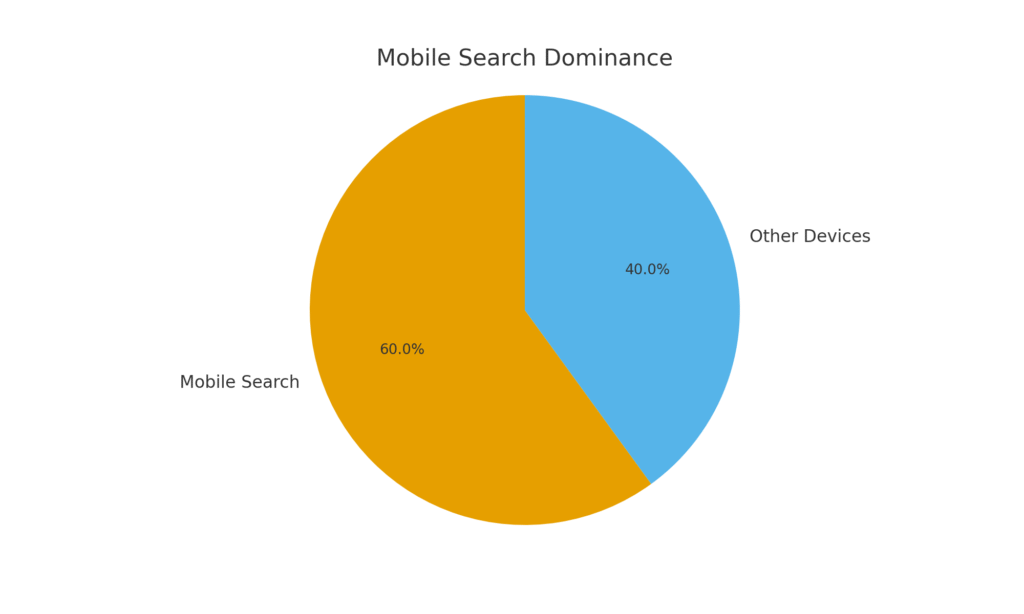
Digital Behavior | Mobile-First Search |
Significant portion of online searches originate from mobile devices, requiring mobile optimization |
6 |
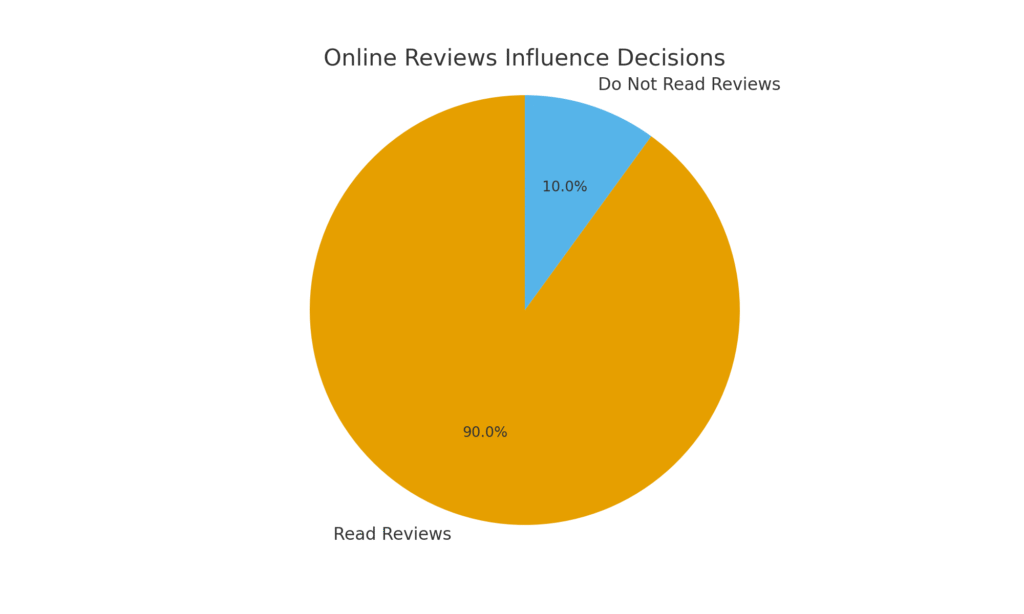
Online Reviews | 90% Read Reviews |
Nearly all consumers read online reviews before purchase decisions, making reputation management critical |
7 |
Video Marketing | 84% Video Conversion |
People are convinced to buy products/services after watching brand videos, making video content essential |
8 |
Social Media | Active Facebook Users |
Blue-collar workers stream media and actively interact on social platforms like Facebook |
9 |
Wages | Union Pay +6.3% |
Union worker salaries increased significantly over the past year, indicating growing purchasing power |
10 |
Compensation | $22-40 Hourly Wage |
Average hourly wages for construction workers range from $22.98 to $39.76 depending on skill level |
11 |
Union Premium | 44% Union Premium |
Union workers earn $38.69/hour vs $26.93 for non-union in construction, showing significant pay advantage |
12 |
Job Respect | 60-70% More Respected |
Workers agree blue-collar jobs are more respected now than 10 years ago, changing social perceptions |
13 |
Worker Pride | 90%+ Proud of Work |
Over 90% of blue-collar workers express pride in their work, indicating strong professional identity |
14 |
COVID Impact | 67% Changed Perception |
Two-thirds believe COVID changed how people view blue-collar jobs, generally in a positive direction |
15 |
AI Resistance | 77% Seek AI-Proof Jobs |
Gen Z prioritizes careers resistant to automation, favoring hands-on blue-collar work |
16 |
Future-Proof | Trades 50%+ AI-Safe |
Parents view carpenters (56%), plumbers (54%), electricians (51%) as highly AI-resilient careers |
17 |
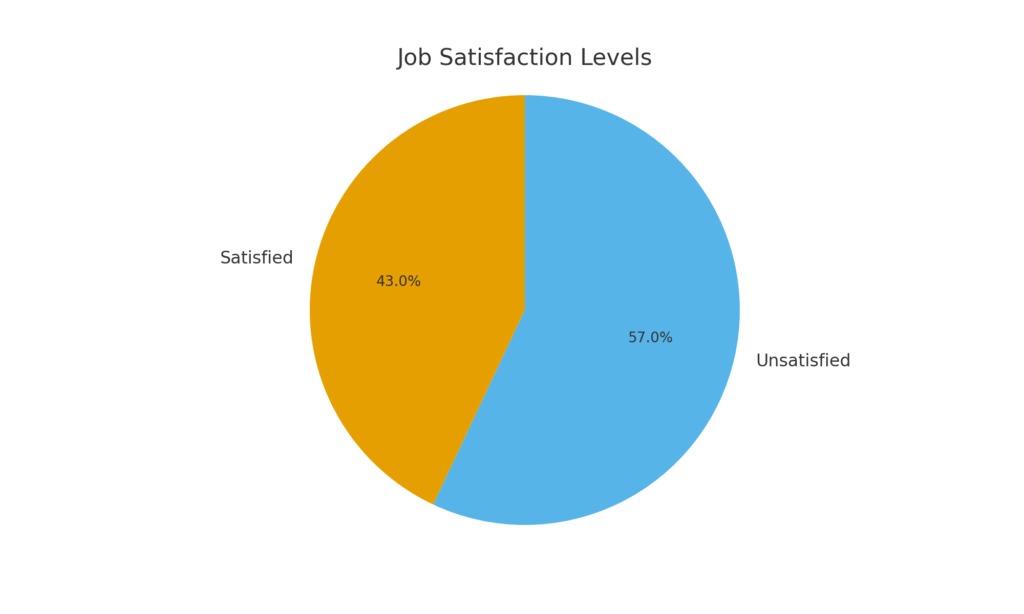
Job Satisfaction | 43% Very Satisfied |
Lower satisfaction than other workers (53%), indicating opportunities for employee engagement improvements |
18 |
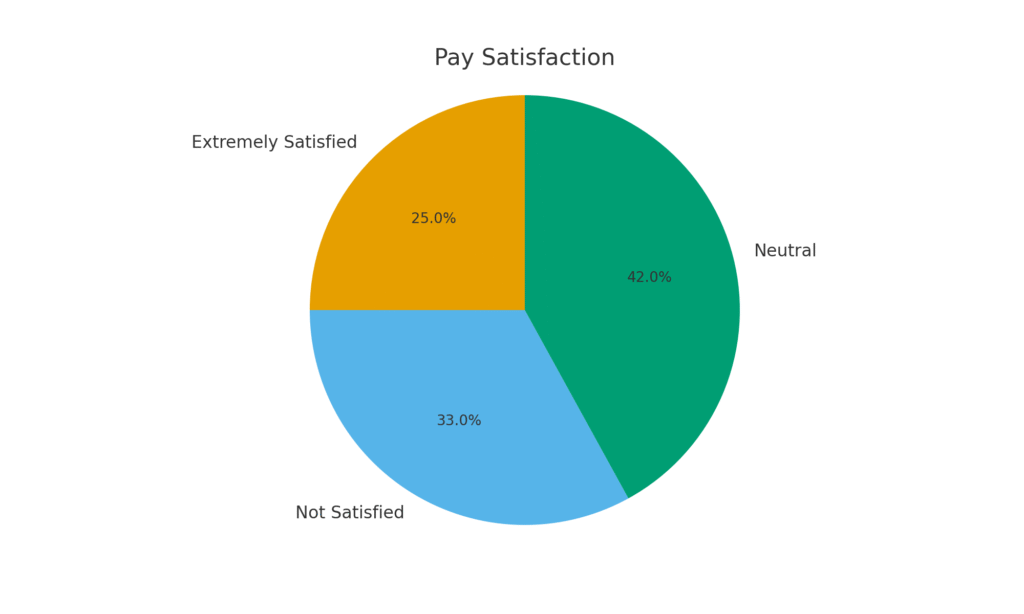
Pay Satisfaction | Only 25% Satisfied |
Just a quarter are very satisfied with pay, while a third are not satisfied, showing compensation concerns |
19 |
Workforce Issues | 73% Affected by Shortages |
Nearly three-quarters report work-life balance affected by workforce shortages and increased workloads |
20 |
Training Preference | Only 17% Want Formal Education |
Blue-collar workers prefer hands-on, practical training over traditional education for career advancement |
Blue Collar Marketing Statistics #6: Gen Z Career Preferences
Gen Z is interested in blue-collar careers, valuing job stability, flexible work hours, and the potential to be their own boss. This generational shift is reshaping the future of the blue-collar workforce. By understanding what this younger demographic values, blue-collar businesses can tailor their marketing efforts to attract top talent. Highlighting job stability, opportunities for growth, and flexibility in scheduling can make blue-collar careers more appealing to Gen Z. As this generation enters the workforce, their preferences will significantly impact the demand for blue-collar roles.
Blue Collar Marketing Statistics #7: AI Concerns Among Gen Z
53% of Gen Z are concerned about AI replacing white-collar desk jobs, making blue-collar professions more appealing. While many young people fear automation and AI taking over office-based roles, blue-collar careers seem more secure in their eyes. This presents a unique opportunity for blue-collar businesses to attract Gen Z talent by emphasizing job security in sectors that cannot be easily automated. Marketing campaigns can focus on the value of hands-on work, which AI cannot replicate. By addressing these concerns head-on, companies can position themselves as reliable employers for the next generation of workers.
Blue Collar Marketing Statistics #8: Job Satisfaction Levels
43% of blue-collar workers report being extremely or very satisfied with their jobs, compared to 53% of other workers. While this is a relatively positive figure, there’s still room for improvement in the overall satisfaction levels among blue-collar workers. Businesses can use this insight to improve employee retention by highlighting job satisfaction factors in their marketing. Emphasizing a positive work environment, fair wages, and growth opportunities can help boost worker morale. Companies should strive to create a culture that values its workforce, which in turn will attract more skilled workers.
Blue Collar Marketing Statistics #9: Pay Satisfaction
Only 25% of blue-collar workers are extremely or very satisfied with their pay, while 33% are not satisfied. This statistic underscores the importance of addressing compensation concerns in blue-collar marketing efforts. Companies looking to attract top talent need to highlight their competitive pay packages and benefits. Offering pay transparency in marketing materials can also help set realistic expectations for job seekers. By ensuring their pay structures are competitive within the industry, businesses can enhance their recruitment efforts.
Blue Collar Marketing Statistics #10: Job Perception
54% of blue-collar workers view their job as “just a job to get by,” compared to 27% of other workers. This perception may impact employee retention and engagement levels. Marketing efforts can focus on changing the narrative around blue-collar work, showcasing it as a viable, long-term career with opportunities for growth and advancement. By addressing job satisfaction and long-term prospects, businesses can shift perceptions and attract more committed workers. Positive messaging that emphasizes the rewarding nature of blue-collar work can enhance employer branding.
Blue Collar Marketing Statistics #11: Job-Hunting Intentions
29% of blue-collar workers are likely to look for a new job in the next six months, compared to 23% of other workers. This statistic highlights the importance of offering attractive benefits, career advancement, and a supportive work environment to reduce turnover. Blue-collar businesses need to stay competitive by offering incentives like flexible work hours or professional development opportunities. Retaining talent is just as important as attracting new workers, and companies should focus on creating an environment where employees feel valued and engaged. Addressing these concerns in marketing campaigns can help reduce churn.
Blue Collar Marketing Statistics #12: Respect in the Workplace
31% of blue-collar workers feel respected by most Americans, compared to 47% of other workers. This lack of respect can influence employee morale and job satisfaction. Companies can address this by showcasing the value they place on their workforce through marketing campaigns that emphasize respect, recognition, and appreciation. A positive workplace culture that fosters mutual respect can attract top talent. By promoting a supportive and respectful environment, businesses can differentiate themselves as employers of choice in the blue-collar sector.
Blue Collar Marketing Statistics #13: Training Needs
31% of blue-collar workers feel they need more education or training to get ahead at work. This indicates a gap in skills development and professional growth opportunities within blue-collar industries. Companies can use this insight to offer more robust training programs, either through in-house learning or partnerships with educational institutions. Marketing efforts that highlight these training opportunities will appeal to workers looking to advance their skills and career. By investing in employee development, businesses can not only enhance worker satisfaction but also improve service quality.
Blue Collar Marketing Statistics #14: Marketing Budget Allocation
Blue-collar organizations often allocate only 1-2% of annual revenue to marketing, which may hinder growth. While many blue-collar businesses have lower marketing budgets, those that strategically invest in their marketing efforts can see significant returns. Focusing on cost-effective digital marketing channels, such as social media and search engine optimization (SEO), can help maximize impact. Companies should recognize the value of marketing and dedicate resources to building their brand, even within limited budgets. A thoughtful marketing strategy can drive business growth and increase brand recognition.
Blue Collar Marketing Statistics #15: Gig Economy Growth
Blue-collar gig hiring in India jumped 92% in 2024, driven by e-commerce and delivery platforms. This surge highlights the expanding gig economy and the growing demand for flexible, on-demand blue-collar workers. Companies in the blue-collar sector can tap into this trend by offering gig-based work opportunities, which appeal to a growing workforce seeking flexibility. Marketing strategies that promote gig work as a viable career option can attract a wider pool of talent. This growth in gig hiring presents new opportunities for blue-collar businesses to scale their workforce quickly and efficiently.
Blue Collar Marketing Statistics #16: Skills Shortage in India
India’s blue-collar sector faces a significant talent and skills shortage, with attrition rates rising to 5-7%. This shortage highlights the importance of creating attractive job offers to retain workers. Marketing campaigns that focus on employee benefits, career growth, and job stability can help fill these critical positions. By addressing the skills gap, blue-collar businesses can better position themselves to compete in an increasingly tight labor market. Effective recruitment and retention strategies are essential for sustaining growth and meeting demand.
Blue Collar Marketing Statistics #17: Influencer Marketing Challenges
Partnering with blue-collar influencers requires understanding audience nuances and crafting resonant messages. Influencer marketing can be a powerful tool for blue-collar businesses to connect with their target audience. However, it’s crucial to find the right influencers who align with the brand’s values and messaging. By working with influencers who have a genuine connection to the blue-collar workforce, businesses can enhance their brand credibility. Marketing campaigns that utilize influencer partnerships should focus on authenticity and relatability to build trust with consumers.
Blue Collar Marketing Statistics #18: Content Marketing Approach
Blue-collar businesses often use simple language and bold statements in their content marketing to resonate with their audience. Clear and direct messaging helps companies stand out in a crowded market. This approach ensures that marketing materials are accessible and relatable to blue-collar consumers. Highlighting tangible benefits and real-world solutions can make content more impactful. A focus on simplicity and clarity can foster stronger connections with customers and improve conversion rates.
Blue Collar Marketing Statistics #19: Branding Consistency
Maintaining a consistent brand identity across all touchpoints helps build trust and recognition. Blue-collar businesses should ensure their branding is cohesive across websites, social media profiles, and physical advertising. A consistent message reinforces the company’s values and makes it easier for customers to remember and trust the brand. Branding consistency is key to creating a strong, recognizable presence in the market. Companies that invest in their brand identity are more likely to attract loyal customers.
Blue Collar Marketing Statistics #20: Traditional Marketing Relevance
Traditional marketing methods like signage, direct mail, and community involvement continue to be effective for blue-collar businesses. While digital marketing is on the rise, offline marketing methods still hold significant value in local communities. Blue-collar businesses should incorporate both digital and traditional marketing strategies to reach a broader audience. Local advertising, sponsorships, and community involvement can enhance brand visibility and foster trust. These methods are especially valuable for businesses with a strong regional focus.
Wrapping Up the Blue Collar Marketing Insights
Understanding blue collar marketing statistics allows businesses to engage with this hardworking segment in ways that are both meaningful and effective. From the growing influence of social media to the importance of mobile-optimized content, there’s no one-size-fits-all approach. If you’re looking to take your marketing strategy to the next level, partnering with a trusted marketing agency in New York, like Amra & Elma, can provide the expertise needed to reach and engage this key demographic. Embrace the power of these statistics to drive your brand’s success in the blue-collar market and see how these insights can turn into real-world results.
SOURCES
-
- The Best Social Media for Blue-Collar Recruiting: A 2025 Industry Breakdown
- Blue-collar wages grow 5-6% annually as industries focus on skilled talent
- Blue collar vs White collar engagement: Boost retention in blue-collar roles
- Blue Collar Marketing: Why It Matters More Than Ever
- Blue-collar and New-collar Jobs Are Thriving
- How to scale your blue-collar business with digital marketing
- Blue-collar workers’ job satisfaction, experiences at work
- “Did You Know?” Blue-Collar Stats
- Effective Marketing Strategies for Blue Collar Businesses
- How Blue-Collar Businesses Create Impactful Content
- Gen Z turn to trade jobs, ditch white-collar careers amid AI uncertainty, poor corporate wages