



19 Sep TOP 20 BOARD GAME MARKETING STATISTICS 2025
Exploring the latest board game marketing statistics gives us a clear picture of how this timeless industry continues to thrive in a digital-first world. From the rise of crowdfunding campaigns to the growing influence of social experiences like game cafés, board games are not just products — they are communities in a box. Having worked alongside a marketing agency in New York, I’ve seen firsthand how strategic storytelling and creative campaigns can turn even niche tabletop titles into global sensations. What excites me most about these numbers is how they reveal the balance between nostalgia and innovation, and how brands can leverage both to connect with audiences. Let’s dive into the top 20 insights shaping the way board games are marketed and enjoyed in 2025.
Top 20 Board Game Marketing Statistics 2025 (Editor’s Choice)
| # | Statistic | Detail |
|---|---|---|
| 1 | Market Value (2024) | The global board games market was valued at $14.37 billion in 2024. |
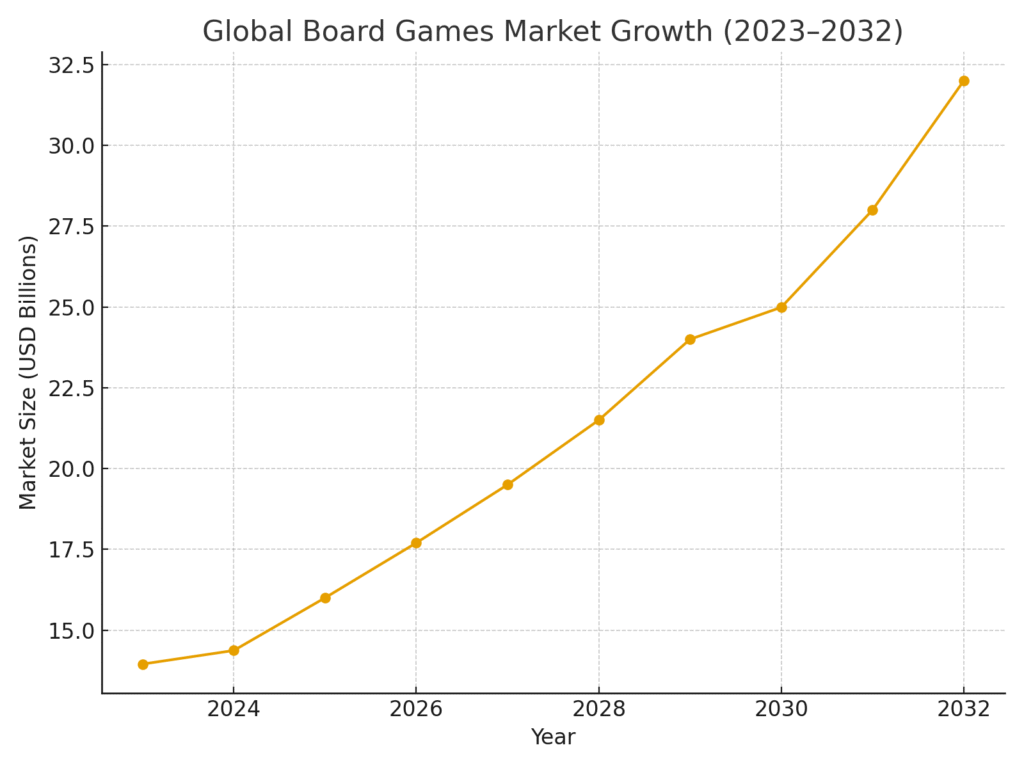
| 2 | Future Projection | Expected to reach $32 billion by 2032 with a CAGR of 10.58%. |
| 3 | Combined Market | Playing cards & board games market projected to hit $31.93 billion by 2030. |
| 4 | Alternate Valuation | Estimated at $13.95 billion in 2023, rising to $24.99 billion by 2030. |
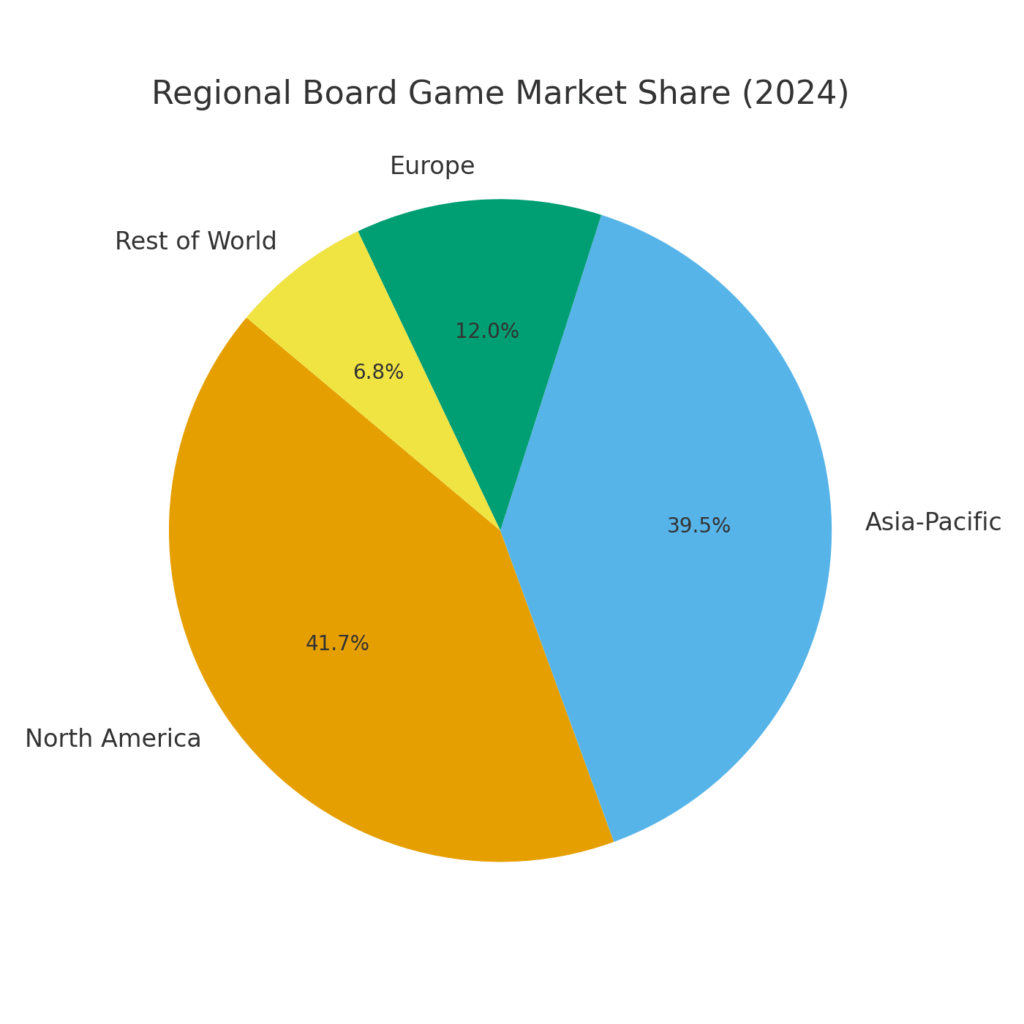
| 5 | Asia-Pacific Share | Asia-Pacific dominated with 39.5% revenue share in 2024. |
| 6 | North America Share | North America accounted for 41.68% of the global market in 2024. |
| 7 | Board vs Cards | Board games represented 73.4% of the combined market in 2024. |
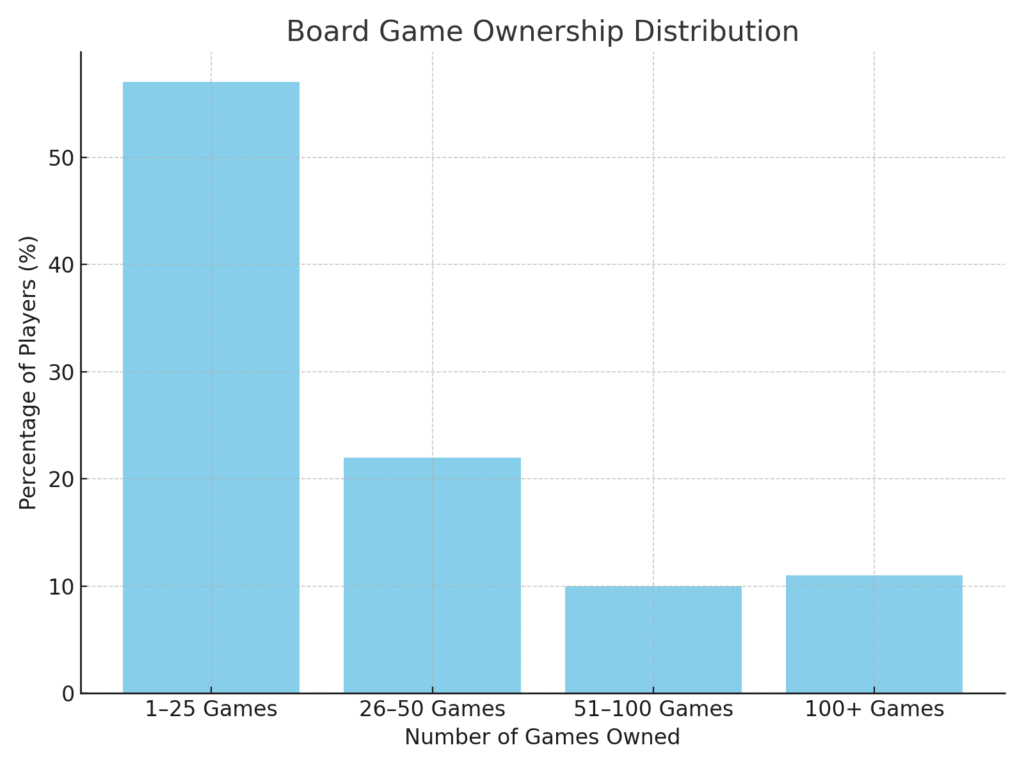
| 8 | Game Ownership | 57% of owners have 1–25 games; 22% own 26–50. |
| 9 | Heavy Collectors | 11% reported owning more than 100 games. |
| 10 | Purchasing Habits | 41% bought 5–10 new games or expansions in a year. |
| 11 | Frequent Buyers | 24% purchased 11 or more games/expansions annually. |
| 12 | Crowdfunding | Gamefound hosted 6 of the top 10 tabletop campaigns in 2024. |
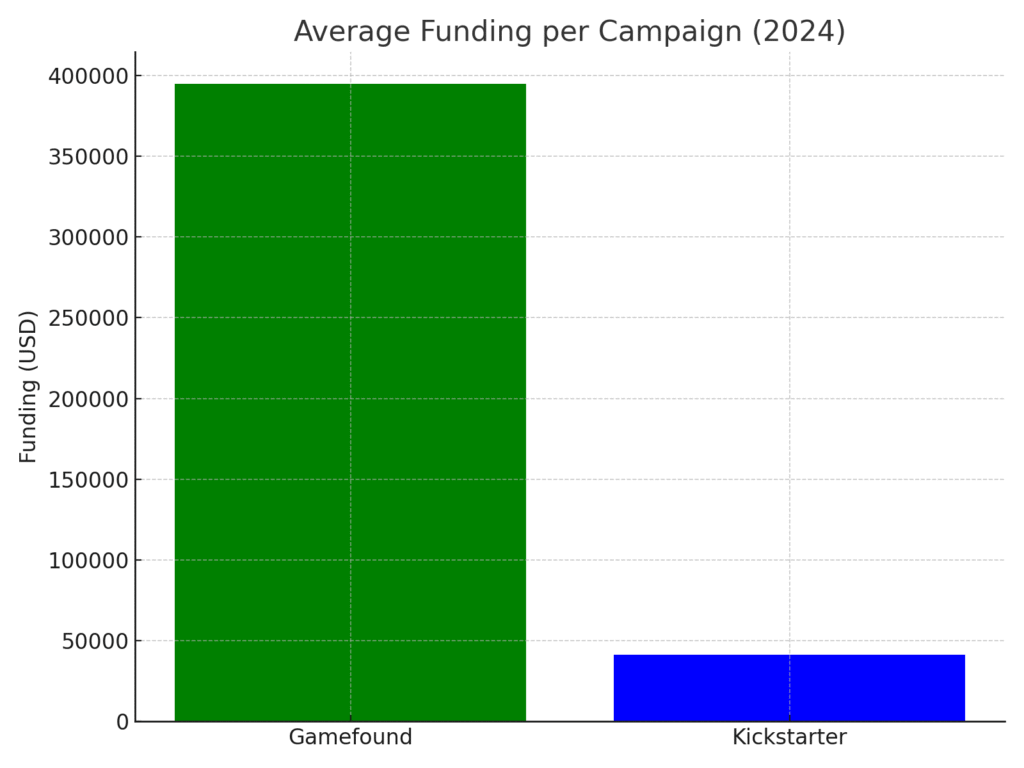
| 13 | Funding Differences | Average Gamefound campaign raised $395k vs $41k on Kickstarter. |
| 14 | Growth Drivers | Key factors: game cafés, digital influence, RPG/strategy growth. |
| 15 | Offline Distribution | Offline retail segment held the largest market share in 2024. |
| 16 | Tabletop Games | Tabletop market valued at $20.8B (2023), projected $35.3B (2030). |
| 17 | Popular Genres | Strategy & war games made up 24% of global board game revenue. |
| 18 | Annual Purchases | Only 35% bought fewer than 4 new games annually. |
| 19 | Crowdfunding Platforms | Platform choice heavily impacts campaign success (Gamefound vs Kickstarter). |
| 20 | Key Value Drivers | Community, artwork, replayability, and social play are top marketing levers. |
Top 20 Board Game Marketing Statistics 2025
Board Game Marketing Statistics #1 – Market Value (2024)
The global board games market reached a valuation of $14.37 billion in 2024, showing the strength of physical entertainment in a digital age. This figure demonstrates how tabletop games continue to attract both casual and serious players. The market’s resilience highlights how board games remain culturally relevant despite the rise of video games. Families and friends still see value in gathering for shared play. This strong base sets the stage for even greater expansion in the coming years.
Board Game Marketing Statistics #2 – Future Projection
The board games industry is projected to reach $32 billion by 2032, with a CAGR of 10.58%. This robust growth outlook reveals that board games are more than a niche hobby—they are a booming market. Publishers can expect increased demand for innovative titles and expansions. Marketing strategies must evolve to capture this growing audience across multiple regions. The numbers reflect an industry becoming a global entertainment force.
Board Game Marketing Statistics #3 – Combined Market
The combined market for playing cards and board games is forecasted to reach $31.93 billion by 2030. This demonstrates how interconnected tabletop categories are when it comes to global entertainment spending. For marketers, this signals opportunities to cross-promote across card and board game audiences. The shared ecosystem strengthens both product categories. This integration also expands the creative and cultural influence of tabletop gaming.
Board Game Marketing Statistics #4 – Alternate Valuation
Another report valued the market at $13.95 billion in 2023, predicting growth to $24.99 billion by 2030. Variations in projections highlight the competitive and rapidly changing nature of the industry. Despite differences, all reports confirm solid upward momentum. For marketers, this means confidence in investing in campaigns for long-term ROI. The industry’s steady climb suggests stability alongside innovation.
Board Game Marketing Statistics #5 – Asia-Pacific Share
Asia-Pacific captured 39.5% of revenue in 2024, making it a powerhouse region for board game sales. This dominance reflects both population size and rising middle-class spending. The region also benefits from cultural traditions of group play and social gatherings. For marketers, localized campaigns in Asia can unlock enormous opportunities. Tailoring to cultural values will be critical in sustaining this growth.
Board Game Marketing Statistics #6 – North America Share
North America accounted for 41.68% of the global board game market in 2024. This makes it the single largest market globally, driven by strong retail distribution and consumer culture. Popularity of strategy and family games fuels this dominance. Marketing campaigns in North America benefit from established infrastructure and consumer familiarity. The region remains critical for launches and global branding strategies.
Board Game Marketing Statistics #7 – Board vs Cards
Board games made up 73.4% of the combined “playing cards and board games” market in 2024. This shows board games dominate within the tabletop industry. Their immersive design and replayability make them highly appealing compared to traditional cards. For marketers, investing in board game promotion yields broader impact. The stat reinforces why publishers prioritize board games in product pipelines.
Board Game Marketing Statistics #8 – Game Ownership
A survey revealed that 57% of players own between 1 and 25 board or card games. This reflects the widespread accessibility and affordability of the hobby. Another 22% own 26–50 games, showing strong engagement among enthusiasts. Marketers should segment campaigns to appeal to both casual and heavy buyers. Ownership numbers underline the diversity of the consumer base.
Board Game Marketing Statistics #9 – Heavy Collectors
Around 11% of respondents reported owning more than 100 games. This small but passionate segment represents the “super fans” of the industry. For marketers, these collectors are brand ambassadors who often influence others. Special editions and limited releases can target this audience effectively. Their loyalty keeps the community energized and engaged.
Board Game Marketing Statistics #10 – Purchasing Habits
About 41% of gamers purchased 5–10 new games or expansions in one year. This indicates frequent consumer engagement and ongoing demand. The appetite for new titles drives growth for publishers. For marketers, this group responds well to seasonal campaigns and fresh product launches. It shows that consistent novelty is key to retaining interest.
Board Game Marketing Statistics #11 – Frequent Buyers
A further 24% of consumers purchased 11 or more games annually, with some buying over 30. These numbers reflect high-frequency buyers who are deeply invested. Such consumers are the backbone of crowdfunding success stories. Marketing can tap into this segment with loyalty programs and exclusive previews. Their behavior demonstrates strong, recurring revenue potential.
Board Game Marketing Statistics #12 – Crowdfunding Success
In 2024, Gamefound hosted 6 of the top 10 tabletop crowdfunding campaigns. This underscores the platform’s rising dominance in the board game niche. Crowdfunding has become a major marketing channel, not just a funding tool. Marketers need to treat these platforms as brand-building opportunities. Success here often translates to long-term community loyalty.
Board Game Marketing Statistics #13 – Funding Differences
Gamefound campaigns averaged $395,000 raised, compared to $41,400 on Kickstarter for tabletop projects. This gap highlights how platform selection directly impacts revenue. Marketers must carefully choose the crowdfunding environment to maximize results. Gamefound’s specialized audience clearly benefits board game publishers. The statistic reflects the importance of aligning product with platform.
Board Game Marketing Statistics #14 – Growth Drivers
Growth is fueled by factors like tabletop cafés, digital media promotion, and RPG/strategy popularity. These drivers connect directly to marketing opportunities. Cafés introduce new audiences, while social media fuels viral trends. Strategy games create long-term loyalty through replayability. Together, these dynamics keep board games culturally relevant.
Board Game Marketing Statistics #15 – Offline Distribution
Offline retail channels still dominate board game distribution in 2024. Despite digital growth, physical stores remain vital. Retailers offer discovery experiences that online channels cannot replicate. Marketing should balance e-commerce with strong offline presence. This stat reinforces the value of shelf visibility and in-store promotions.
Board Game Marketing Statistics #16 – Tabletop Games Market
The broader tabletop market was valued at $20.8 billion in 2023, projected to hit $35.3 billion by 2030. This includes role-playing and strategy games in addition to board games. For marketers, the overlap creates cross-selling opportunities. Campaigns can emphasize the shared culture of tabletop gaming. Growth in this broader segment benefits board games as well.
Board Game Marketing Statistics #17 – Popular Genres
Strategy and war games made up 24% of board game revenue in 2024. This shows the strong demand for immersive and competitive gameplay. Marketers can lean into themes of depth, challenge, and replayability. Genre-focused campaigns resonate well with core audiences. This stat underscores why publishers continue investing in complex designs.
Board Game Marketing Statistics #18 – Annual Purchases
Only 35% of surveyed players bought fewer than four games annually. This proves most consumers regularly expand their collections. The steady pace of purchasing fuels predictable market cycles. For marketers, this means opportunities throughout the year, not just holidays. The data suggests ongoing appetite rather than one-time spending.
Board Game Marketing Statistics #19 – Crowdfunding Platforms
The choice of crowdfunding platform significantly influences campaign outcomes. Gamefound often outperforms Kickstarter for board game projects. This shows marketers must prioritize audience fit over platform size. The stat proves specialized ecosystems yield better engagement. Success requires matching product identity with community expectations.
Board Game Marketing Statistics #20 – Key Value Drivers
Community, artwork, replayability, and social interaction drive purchasing decisions. These values explain why board games thrive despite digital competition. Marketers should emphasize emotional connection and shared experiences. Highlighting unique artwork and immersive worlds resonates deeply with buyers. This stat reminds us that board game marketing is as much about people as products.
Wrapping Up the Future of Board Game Marketing
As we’ve seen, the board game market isn’t slowing down — it’s evolving, expanding, and creating new opportunities for brands that know how to listen to their audience. Whether it’s leveraging crowdfunding platforms, highlighting social interaction, or tapping into regional growth, the insights in these board game marketing statisitics provide more than just numbers; they tell a story of creativity meeting strategy. For me, what stands out is how personal these games are — they bring people together, and the marketing needs to reflect that warmth. If you’re in this space, taking these lessons to heart can mean turning a good product into a cultural staple. Here’s to the future of board game marketing — one campaign, one game night, and one unforgettable experience at a time.
SOURCES
-
- https://www.fortunebusinessinsights.com/board-games-market-104972 (Fortune Business Insights)
- https://www.imarcgroup.com/us-board-games-market (IMARC Group)
- https://www.thebusinessresearchcompany.com/report/playing-cards-and-board-games-global-market-report (The Business Research Company)
- https://www.futuremarketinsights.com/reports/board-games-market (Future Market Insights)
- https://www.prnewswire.com/news-releases/board-games-market-to-grow-by-usd-5-17-billion-from-2025-2029–driven-by-enhanced-content-and-gameplay-with-ai-redefining-market-trends—technavio-302371304.html (PR Newswire)
- https://www.gminsights.com/industry-analysis/board-games-market (Global Market Insights Inc.)
- https://printninja.com/board-game-industry-statistics/ (PrintNinja)
- https://www.skyquestt.com/report/board-games-market (SkyQuest)
- https://www.boardgamewire.com/ (BoardGameNews)
- https://technavio.com/report/board-games-market-growth-trend/2024-2028
- https://www.npd.com/wps/portal/npd/us/news/pressreleases/2025/board-games-sales-growth-us