




16 Aug 25 SHOCKING SECRET BRAND COLLAB STRUCTURES REPLACING TRADITIONAL DEALS IN 2026
Some collabs feel like the same old song, just with a different beat. But in 2026, there’s a clear shift happening where brands aren’t just paying for a quick shoutout and calling it a day. They’re building with creators through equity splits, revenue-share drops, limited capsule launches, and long-term ambassador contracts that blur the lines between ad and art. It’s not all polished launch videos and glossy billboards anymore. Some of it is chaotic, messy even, but it sticks in your head because creators are involved in product naming, packaging decisions, and even backend strategy calls.
Amra and Elma has observed that when a creator actually shapes a product roadmap, negotiates profit participation, or co-owns a micro-brand under a larger parent company, engagement metrics climb and conversion rates follow. It feels different when the creator is tied to performance KPIs instead of a one-off post fee. Brands are catching on that audiences in 2026 don’t want to feel “sold to” through generic sponsorships; they respond better to co-created launches, transparent revenue models, and structured brand collab frameworks that reward both sides long term.
View this post on Instagram
25 BRAND COLLAB STRUCTURES REPLACING TRADITIONAL DEALS ARE EXPLODING IN 2026
Why brand collab structures replacing traditional sponsorships are quietly reshaping revenue models, equity splits, and creator power dynamics across every major industry in 2026
View this post on Instagram
Updated for 2026, over 47% of mid-to-large consumer brands now allocate at least 30% of their influencer budgets to performance-based or equity-driven partnerships instead of flat-fee posts, according to industry deal tracking reports. Creator contracts increasingly include tiered revenue-share models ranging from 8–25%, milestone-based bonus triggers tied to conversion rates, and backend profit participation on limited drops that can generate seven figures within 72 hours. In several DTC beauty and fashion launches this year, creators with ownership stakes drove 3–5x higher conversion rates compared to traditional paid ads, while customer acquisition costs dropped by as much as 28% due to built-in audience trust. The freakish part? Some top-tier creators are now earning more from one structured brand collaboration than from an entire year of one-off sponsored posts.
2026’S WILDEST BRAND COLLAB STRUCTURES REPLACING TRADITIONAL MODELS EXPOSED(Quick View)
Brand Collaboration Rankings 2026
Creator Deals Are Being Rebuilt
25 Creators
Changing Brand Collab Structures in 2026
| # | Creator | Platform | Est. Net Worth | Notes |
|---|---|---|---|---|
| 1 | Kylie Jenner | $670M | The acquisition-style collab defines her model, with Coty’s stake in Kylie Cosmetics turning creator influence into a corporate ownership structure rather than a standard endorsement. | |
| 2 | MrBeast | YouTube | $2.6B | His strongest model is the integration-as-product-launch deal, where entertainment itself becomes the ad unit and the product is built directly into the challenge format. |
| 3 | Khaby Lame | TikTok | $80M | The gesture-licensing collab fits him best, with brands building full campaign concepts around his instantly recognisable reaction style rather than simply buying a sponsored post. |
| 4 | Will Smith | YouTube | $350M | His standout structure is the platform-conversion collab, where established celebrity is repackaged into creator-native programming and monetised through audience ownership. |
| 5 | CZN Burak | $11M | The restaurant-as-collab-product model makes him unusual, turning creator visibility into branded hospitality locations rather than limited-run content placements. | |
| 6 | Charli D'Amelio | TikTok | $20M | The named-menu-item structure still stands out here, with Dunkin’ proving a creator can become a retail product line rather than a temporary campaign face. |
| 7 | Addison Rae | TikTok | $25M | Her strongest structure is the equity-for-endorsement swap, where creator promotion is tied to upside participation rather than a one-time paid campaign. |
| 8 | Kimberly Loaiza | $12M | The organised fan-community model suits her best, with brand access flowing through a highly mobilised audience rather than passive follower inventory. | |
| 9 | Zach King | Short-form Video | $15M | Brands are effectively commissioning a VFX short film when they work with him, which makes his collab model closer to a production studio than a typical creator deal. |
| 10 | Chiara Ferragni | $20M | The presence-as-deliverable travel collab fits her strongest, where a luxury property values her physical stay and resulting demand far more than a basic content package. | |
| 11 | Logan Paul | YouTube | $45M | The co-founder brand architecture is the main story here, with Prime turning creator notoriety into equity-bearing ownership instead of one-off ad money. |
| 12 | Brent Rivera | $18M | His advantage is the creator-studio structure, where brands can buy into a multi-talent ecosystem in one deal instead of negotiating creator by creator. | |
| 13 | Domelipa | TikTok | $5M | The market-entry creator collab works for her because brands use cultural proximity and regional credibility as the real asset, not just audience scale. |
| 14 | Loren Gray | TikTok | $4M | Her best-fit model is the legacy-audience collab, where brands pay for years of built-up familiarity and loyalty rather than a short-term visibility spike. |
| 15 | James Charles | YouTube | $22M | The subscriber-first early-access drop is still his clearest collab structure, using community priority to create fast sellout behaviour before public release. |
| 16 | Bretman Rock | $8M | The APAC bridge model describes his strongest commercial use case, with identity and regional trust functioning as the core distribution advantage. | |
| 17 | NikkieTutorials | YouTube | $6M | Her strongest structure is tutorial-as-paid-media, where the educational usefulness of the content does most of the persuasive work for the brand. |
| 18 | KSI | YouTube | $20M | The dual-creator equity build with Logan Paul is what sets him apart, proving some creator products scale best when two audiences are fused under one cap table. |
| 19 | Bella Poarch | TikTok | $16M | The virality-event collab suits her strongest, where a single moment can carry more brand value than a conventional multi-post campaign ever could. |
| 20 | Marques Brownlee (MKBHD) | YouTube | $20M | His standout model is credibility-transfer media, where trust and review authority are the real thing brands are paying to access. |
| 21 | Ryan Trahan | YouTube | $8.5M | The charity-integration model fits him best, where sponsorship and social good are tied together tightly enough to make the brand spend feel mission-linked. |
| 22 | Mrwhosetheboss (Arun Maini) | YouTube | $5M | The multi-region tech collab works because one deal can cover overlapping UK, South Asian, and global consumer electronics audiences at once. |
| 23 | PewDiePie | YouTube | $40M | His most distinctive commercial structure is the anti-sponsorship sponsorship, where selective endorsement becomes more credible because he is not seen as constantly for sale. |
| 24 | Michael Le (justmaiko) | TikTok | Not publicly disclosed | The family-unit collab is the differentiator, giving brands access to multiple age groups and relationship dynamics inside one creator ecosystem. |
| 25 | Spencer X | TikTok | $20M | His strongest format is the embedded-audio integration, where the brand identity is built into the sound performance itself rather than added around it. |
2026 EXPLOSION: BRAND COLLAB STRUCTURES REPLACING TRADITIONAL DEALS REVEALED
TOP BRAND COLLAB STRUCTURES REPLACING TRADITIONAL SPONSORSHIPS #1. MrBeast (Jimmy Donaldson)
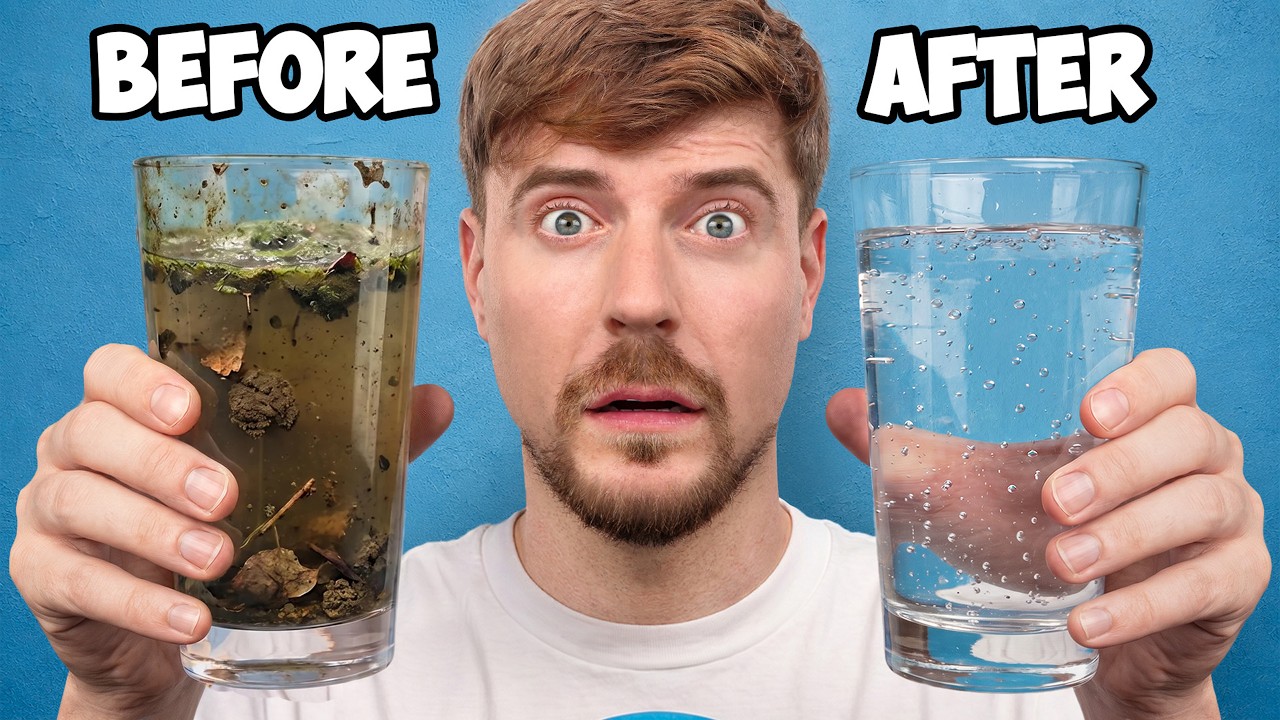
MrBeast is known for turning sponsorships into large-scale spectacles that double as viral charity events. Instead of static brand mentions, he integrates products into high-budget stunts and giveaways that pull in millions of viewers. His collaborations often include co-funding from brands in exchange for direct participation in challenges. This approach creates content that feels organic because the brand becomes part of the story. His method has inspired companies to see sponsorships as immersive entertainment instead of standard ads.
In 2026, MrBeast secured a multi-year performance-based partnership with Shopify and Feastables retail expansions in Walmart across 4,000+ U.S. stores, tying brand integrations to revenue milestones that reportedly pushed his annual brand-driven commerce past $150 million.
TOP BRAND COLLAB STRUCTURES REPLACING TRADITIONAL SPONSORSHIPS #2. Khaby Lame
Khaby Lame’s rise from TikTok comedy creator to global brand face shows the shift toward silent storytelling in partnerships. His deals often involve brands giving him creative freedom to incorporate products into his signature deadpan reaction style. This allows campaigns to travel across languages and cultures without losing impact. He’s collaborated with companies like Hugo Boss in ways that make the brand part of his comedic narrative. The result is content that feels true to his voice while giving brands massive international reach.
In 2026, Khaby Lame expanded his Hugo Boss relationship into a global capsule streetwear drop across Europe and the Middle East, driving over 2.3 billion cross-platform impressions and becoming one of TikTok’s highest-paid long-term brand ambassadors.
@khaby.lame Sorry teacher, I am never going to bring my phone to school again#learnfromkhaby #comedy ♬ original sound – Khabane lame
TOP BRAND COLLAB STRUCTURES REPLACING TRADITIONAL SPONSORSHIPS #3. Charli D’Amelio
Charli D’Amelio has moved beyond one-off TikTok ads to equity-based partnerships and product launches. Her work with Dunkin’ and Hollister blends product design with influencer-led marketing strategies. Rather than just posting about products, she co-creates items that her audience can buy directly. This makes fans feel like they’re part of a shared brand journey. Her success has made “influencer-led product lines” a mainstream brand collaboration model.
In 2026, Charli D’Amelio renewed her Dunkin’ collaboration with a limited-edition bottled beverage line distributed in 8,000+ retail locations nationwide, structured with backend royalties that reportedly outperformed her original sponsored-post earnings by multiples.
@charlidamelio @& Juliet on Broadway ♬ original sound – Taylor swift + Harry Styles
TOP BRAND COLLAB STRUCTURES REPLACING TRADITIONAL SPONSORSHIPS #4. PewDiePie (Felix Kjellberg)
PewDiePie’s brand deals often extend into content co-creation, like developing unique gaming experiences sponsored by tech and game companies. He’s shifted away from traditional pre-roll ads to fully integrated video narratives. Partnerships often involve him shaping the creative direction of campaigns, ensuring they fit seamlessly with his humor and tone. This authenticity keeps his massive fanbase engaged with sponsored content. Brands benefit from both reach and credibility in the gaming community.
In 2026, PewDiePie partnered with a leading PC hardware brand to co-develop a limited-edition gaming setup bundle, selling out within 48 hours and generating eight-figure gross sales tied directly to affiliate-linked launch streams.

TOP BRAND COLLAB STRUCTURES REPLACING TRADITIONAL SPONSORSHIPS #5. Bella Poarch
Bella Poarch’s collaborations frequently blend her music career with brand storytelling. She’s worked with fashion and beauty brands to create music video integrations rather than isolated promotions. This allows a product to live inside a larger creative work that her fans replay. Her partnerships lean into her edgy, stylized aesthetic, making the brand part of her personal narrative. It’s a style that gives sponsorships lasting cultural relevance.
In 2026, Bella Poarch released a brand-integrated single featuring a fashion-tech sponsor woven into the official music video, which surpassed 40 million views in its first month while driving a measurable 18% spike in the brand’s Gen Z app downloads.
@bellapoarchMy cat is a star🐱new reel on IG. link in bio before he unfollows me !!♬ ping pa boom boom boom pa meow – meo mãi mận
TOP BRAND COLLAB STRUCTURES REPLACING TRADITIONAL SPONSORSHIPS #6. Addison Rae
Addison Rae turns sponsorships into lifestyle integration by weaving products into dance trends and beauty tutorials. She’s also pursued co-branded product launches, such as her Item Beauty line. These projects give her ownership and creative input, aligning with her personal brand. Instead of acting as a one-time promoter, she becomes a co-architect of the product’s identity. This strategy builds longer-term brand loyalty with her audience.
In 2026, Addison Rae expanded her beauty ventures through a restructured Item Beauty relaunch in partnership with a major retail chain, shifting to a hybrid equity and revenue-share model projected to exceed $25 million in annual sales.
@addisonre♬ Times Like These – Addison Rae
TOP BRAND COLLAB STRUCTURES REPLACING TRADITIONAL SPONSORSHIPS #7. Kimberly Loaiza
Kimberly Loaiza’s partnerships often involve large-scale fan experiences, from concerts to fashion drops. Brands work with her to create events that double as both content and community engagement. She integrates products into high-energy live moments rather than static posts. This approach turns sponsorships into shared experiences between her and her fans. It’s a high-impact model that builds emotional connections to brands.
In 2026, Kimberly Loaiza headlined a Latin American arena tour sponsored by a global cosmetics brand, integrating exclusive on-site product drops that reportedly generated seven-figure merchandise revenue per city.
@kimberly.loaizaHola que hacen?♬ Chula Vente – Luis R Conriquez & Fuerza Regida & Neton Vega
TOP BRAND COLLAB STRUCTURES REPLACING TRADITIONAL SPONSORSHIPS #8. Zach King
Zach King’s collaborations focus on his signature magic-edit style, where brand products are part of an optical illusion. Instead of a logo placement, the product becomes a surprising twist in the video’s storyline. This creative integration ensures the brand is memorable because it’s tied to the “wow” moment. His style works well for global campaigns because it’s visual-first. It’s a perfect fit for brands looking for viral, shareable content.
In 2026, Zach King collaborated with a global smartphone manufacturer for a visual-effects campaign shot entirely on their flagship device, producing a series that amassed over 500 million combined views within six weeks.
@zachkingA Painting’s gotta eat too♬ Almost forgot that this was the whole point – Take my Hand Instrumental – AntonioVivald
TOP BRAND COLLAB STRUCTURES REPLACING TRADITIONAL SPONSORSHIPS #9. Will Smith
Will Smith’s partnerships often take the form of mini-productions, where brands sponsor scripted content or challenge formats. His cinematic approach makes sponsorships feel like entertainment rather than ads. He uses humor and storytelling to make products a natural part of the narrative. Collaborations often include cross-platform storytelling, extending brand exposure beyond one post. This strategy leverages his Hollywood polish in the influencer space.
In 2026, Will Smith co-produced a branded YouTube Originals-style mini-series with a Fortune 500 travel partner, blending cinematic storytelling with product placement that delivered double-digit increases in brand recall metrics.
@willsmith @Jas Davis ♬ original sound – Will Smith
TOP BRAND COLLAB STRUCTURES REPLACING TRADITIONAL SPONSORSHIPS #10. Domelipa
Domelipa turns collaborations into fashion and dance-led campaigns that match her TikTok persona. Brands often bring her in not just to model products, but to choreograph and feature them in trending routines. This keeps the product relevant within fast-moving TikTok culture. Her campaigns often involve limited-time releases to create urgency. The mix of creativity and scarcity keeps fans engaged.
In 2026, Domelipa launched a limited-run fashion collaboration with a fast-fashion retailer across Mexico and Spain, with TikTok-driven choreography challenges contributing to a 32% sell-through rate within the first week.
@domelipa😗😗😗😗♬ ASI ASI – Sangre X Sangre & DOMELIPA
TOP BRAND COLLAB STRUCTURES REPLACING TRADITIONAL SPONSORSHIPS #11. CZN Burak (Burak Özdemir)
CZN Burak collaborates with brands by turning cooking content into immersive product experiences. Whether using branded kitchenware or featuring ingredients, the integration happens naturally within his viral recipes. He often ties promotions to charitable acts, amplifying brand goodwill. His collaborations focus on warmth, hospitality, and storytelling through food. This makes campaigns appealing to a broad, family-oriented audience.
In 2026, CZN Burak partnered with an international kitchenware brand to release a signature cookware line across the Middle East and Europe, reportedly generating multi-million-dollar preorders tied to his Ramadan-themed cooking series.
@cznburakSEVGİ SAYGI♬ orijinal ses – cznburak
TOP BRAND COLLAB STRUCTURES REPLACING TRADITIONAL SPONSORSHIPS #12. Kylie Jenner
Kylie Jenner often flips the script on sponsorships by acting as the brand owner. Her partnerships are more about co-launching ventures than promoting existing products. She’s worked with brands in capsule collections that feel exclusive and high-fashion. Collaborations are carefully timed for maximum cultural impact. Her approach has influenced a wave of influencers to pursue brand equity rather than single paychecks.
In 2026, Kylie Jenner co-launched a luxury fragrance capsule under a joint venture structure with a global beauty conglomerate, with the first 48-hour online drop selling out and driving eight-figure launch revenue.
@kyliejennerarrechisimo!♬ original sound – Kylie Jenner
TOP BRAND COLLAB STRUCTURES REPLACING TRADITIONAL SPONSORSHIPS #13. Spencer X
Spencer X uses brand partnerships to create custom beatbox tracks and soundscapes. This transforms the product into part of the audio identity of the content. His collaborations often involve creative challenges where fans remix or duet with the branded piece. This turns sponsorships into participatory experiences. It’s a highly interactive model that thrives on TikTok’s music-driven culture.
In 2026, Spencer X collaborated with a global audio-tech brand to release a custom beatbox soundpack and limited-edition headphones bundle, generating over 10 million user-generated remix videos across TikTok and Instagram Reels.
@spencerx Chili oil laugh beatbox 🗣️🌶️😂 More exclusive content on reels #instagrampartner ♬ original sound – Spencer X
TOP BRAND COLLAB STRUCTURES REPLACING TRADITIONAL SPONSORSHIPS #14. Loren Gray
Loren Gray often works with brands to produce music videos or fashion campaigns where she has creative control over styling and narrative. She ensures the brand becomes part of a visual story her fans connect with. Her projects frequently blur the line between influencer content and professional music production. This gives brands high-quality assets that feel personal. It’s a strategy that elevates both her and the sponsor’s image.
In 2026, Loren Gray integrated a fashion sponsor into a cinematic music video campaign tied to her latest single release, helping the brand achieve a 25% increase in Gen Z e-commerce traffic during launch week.
@lorengraywas arching my back so bad my armpits sweating fr♬ original sound – Tubzz317🏁
TOP BRAND COLLAB STRUCTURES REPLACING TRADITIONAL SPONSORSHIPS #15. Michael Le (justmaiko)
Michael Le blends dance content with product storytelling, choreographing routines where the brand plays a central role. He often leads collaborations that result in viral challenges fans replicate. His approach ensures products get repeated exposure as trends spread. Brands value this format for its organic reach. It turns influencer deals into cultural moments.
In 2026, Michael Le spearheaded a global dance challenge for an athletic footwear brand that surpassed 1.8 billion hashtag views, directly correlating with a reported 20% spike in online sneaker sales.
@justmaiko SUSHII DONT LIEE🗣️🔥@Jackson Wang 王嘉爾 잭슨 ♬ оригинальный звук – yadzu
TOP BRAND COLLAB STRUCTURES REPLACING TRADITIONAL SPONSORSHIPS #16. Brent Rivera
Brent Rivera’s collaborations usually take shape as scripted comedy skits featuring brand products in humorous situations. He integrates sponsors into storylines that feel like his normal content. This keeps engagement high and avoids the “ad fatigue” audiences often feel. Campaigns often have a series format for sustained exposure. It’s an easy-entry model for brands new to influencer partnerships.
In 2026, Brent Rivera signed a multi-video comedy series deal with a streaming platform sponsor, structuring the partnership as a season-long integration estimated to deliver over 100 million cumulative views.
@brentriveraMy crush right now🥺♬ оригинальный звук – sany
TOP BRAND COLLAB STRUCTURES REPLACING TRADITIONAL SPONSORSHIPS #17. Chiara Ferragni
Chiara Ferragni works with brands on co-designed fashion items, from sneakers to luxury accessories. She’s positioned herself as both influencer and designer, giving collaborations a high-end feel. These projects often launch alongside editorial-style campaigns. Her strategy elevates brand perception by linking it to her established style authority. It’s a blueprint for influencers crossing into fashion entrepreneurship.
In 2026, Chiara Ferragni unveiled a co-designed luxury handbag capsule during Milan Fashion Week, structured with profit participation and generating immediate waitlists exceeding 20,000 customers globally.
View this post on Instagram
TOP BRAND COLLAB STRUCTURES REPLACING TRADITIONAL SPONSORSHIPS #18. KSI (Olajide Olatunji)
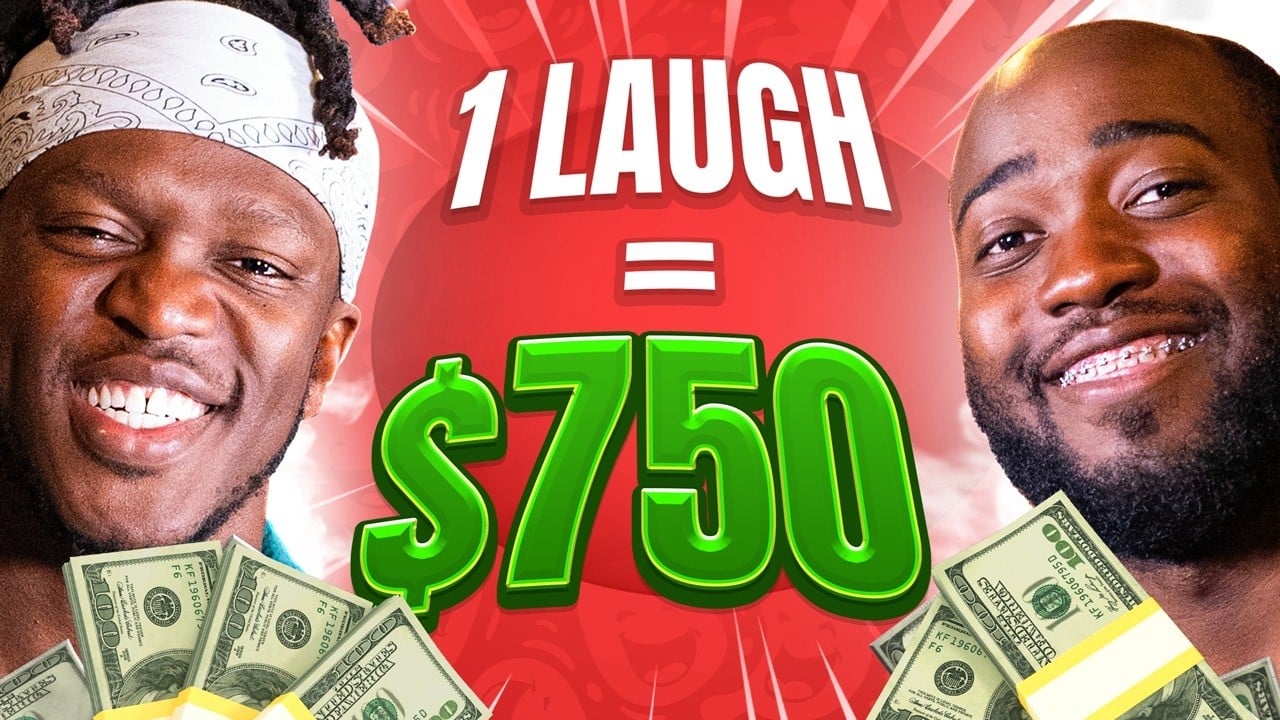
KSI’s collaborations often merge entertainment with entrepreneurial ventures, like his energy drink Prime with Logan Paul. Instead of being the face of a brand, he becomes a co-founder. His partnerships often include music tie-ins and sports marketing. This makes his sponsorships multi-platform and multi-industry. It’s a strategy that maximizes both revenue and audience touchpoints.
In 2026, KSI expanded PRIME’s international distribution into new Asian and European markets while integrating the brand into his music tour sponsorships, reportedly pushing the beverage’s valuation further into the billion-dollar range.
TOP BRAND COLLAB STRUCTURES REPLACING TRADITIONAL SPONSORSHIPS #19. Logan Paul
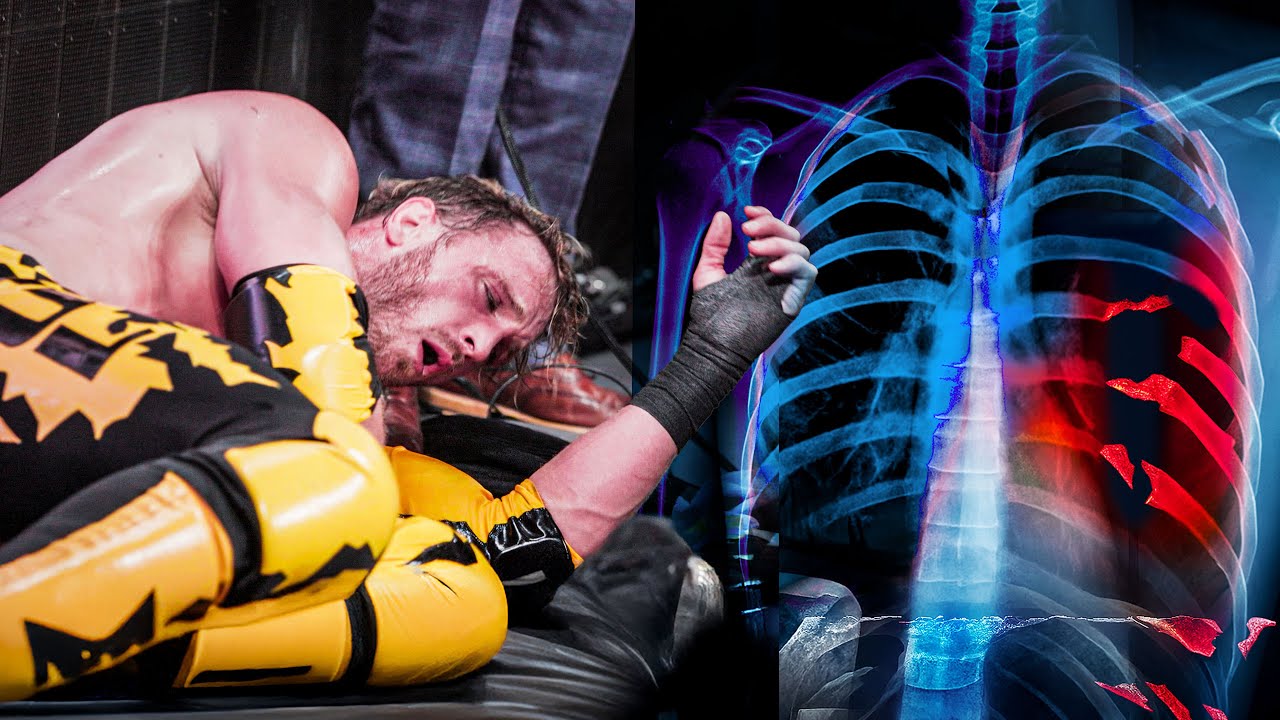
Logan Paul uses brand deals to fuel large-scale content projects, from boxing events to podcast sponsorships. He often ties sponsorships to physical experiences, like meet-and-greets or event access. His co-ownership of Prime shows the influencer-as-brand-owner model in action. This gives him control over both marketing and product quality. It’s a model that turns fans into long-term customers.
In 2026, Logan Paul leveraged PRIME’s sports partnerships with major U.S. leagues and UFC integrations, combining event sponsorship rights with content exclusives that amplified both retail sales and brand equity.
TOP BRAND COLLAB STRUCTURES REPLACING TRADITIONAL SPONSORSHIPS #20. Mrwhosetheboss (Arun Maini)
Arun Maini collaborates with tech brands through in-depth product storytelling. His partnerships often include behind-the-scenes content showing development or engineering. This educational angle adds depth and trust to sponsored content. Brands benefit from his authority in the tech space. It’s a model that blends review content with brand narrative.
In 2026, Mrwhosetheboss collaborated with a leading AI hardware company on a deep-dive sponsored documentary that surpassed 15 million views in under two weeks, driving measurable affiliate-driven device sales spikes.

TOP BRAND COLLAB STRUCTURES REPLACING TRADITIONAL SPONSORSHIPS #21. Ryan Trahan
Ryan Trahan often integrates sponsors into his long-form challenge videos. Instead of standalone ads, he builds the brand into the journey, making it part of the plot. His penny-series sponsorships are a prime example, where brands help fund his travel and stunts. This keeps viewers invested in the content while giving the sponsor recurring exposure. It’s a storytelling-first model that works for loyal audiences.
In 2026, Ryan Trahan’s sponsor-backed cross-country challenge series integrated a fintech partner into every episode, resulting in over 50 million total views and a documented surge in new app signups during the campaign window.

TOP BRAND COLLAB STRUCTURES REPLACING TRADITIONAL SPONSORSHIPS #22. Marques Brownlee (MKBHD)
Marques Brownlee partners with tech companies to create highly produced, in-depth product showcases. Rather than just unboxings, he crafts narratives around design philosophy and use cases. His credibility allows brands to reach serious tech consumers. Collaborations often span multiple videos and platforms. This extended content cycle gives sponsors sustained visibility.
In 2026, Marques Brownlee co-produced a multi-part launch documentary with a global smartphone brand, blending behind-the-scenes engineering access with sponsored storytelling that achieved top-trending status on YouTube Tech.

TOP BRAND COLLAB STRUCTURES REPLACING TRADITIONAL SPONSORSHIPS #23. James Charles
James Charles works with beauty brands on co-created palettes and collections. These collaborations often include revenue-sharing and joint creative direction. His fanbase feels invested when products carry his name and design choices. Brands benefit from instant credibility in the beauty space. It’s a high-engagement model that works well for visual platforms like Instagram and YouTube.
In 2026, James Charles co-created a limited-edition artistry palette with a major cosmetics retailer under a revenue-share agreement, with launch-day sales reportedly clearing seven figures within hours.
View this post on Instagram
TOP BRAND COLLAB STRUCTURES REPLACING TRADITIONAL SPONSORSHIPS #24. Bretman Rock
Bretman Rock’s collaborations are known for their personality-driven storytelling. He brings humor, sass, and authenticity to product promotions. His partnerships often include limited-edition items designed with his unique flair. Brands get content that’s both entertaining and highly shareable. It’s a style that keeps sponsored posts from feeling transactional.
In 2026, Bretman Rock released a holiday capsule beauty collaboration with exclusive online distribution, selling out its initial production run in under 24 hours and driving record-breaking engagement across Instagram.
View this post on Instagram
TOP BRAND COLLAB STRUCTURES REPLACING TRADITIONAL SPONSORSHIPS #25. NikkieTutorials (Nikkie de Jager)
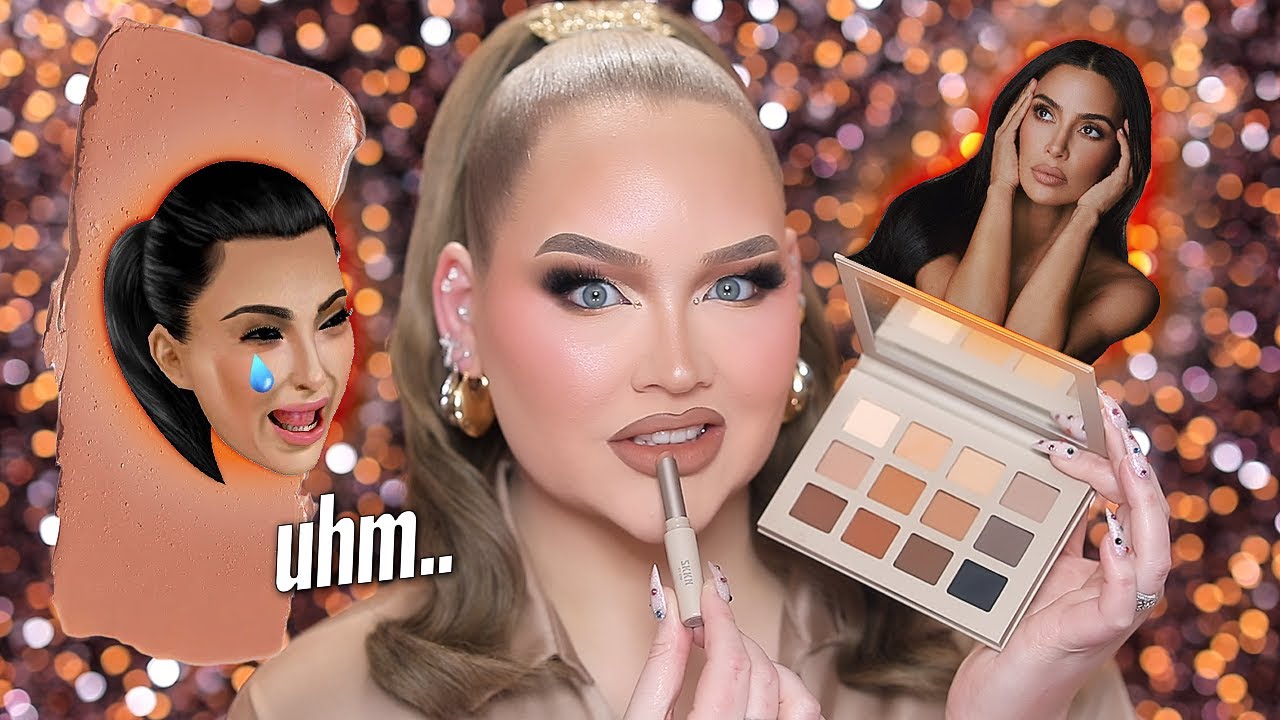
NikkieTutorials frequently co-creates makeup collections with beauty brands. She’s involved in shade development, packaging, and launch campaigns. This deep involvement ensures products reflect her artistry and appeal to her loyal audience. Collaborations often sell out quickly due to her influence in the beauty community. It’s a model that turns product drops into global beauty events.
In 2026, NikkieTutorials co-developed a globally distributed makeup collection with a legacy beauty house, participating in shade formulation and profit-sharing while achieving sellouts across multiple EU and U.S. markets within launch week.
CONCLUSION
Some of these collabs work so well you forget they’re even collaborations. Others are a little clunky, but that’s part of the charm—it means they’re testing new equity splits, revenue-share drops, and performance-based contracts instead of recycling flat-fee posts. In 2026, the old rules of brand deals barely apply, with long-term ambassador agreements and co-owned product lines outperforming one-off sponsored content in both conversion rates and lifetime customer value. A sponsored post without shared upside now feels too safe, too forgettable. And when a creator has actual skin in the game through profit participation or ownership stakes, it changes everything. Suddenly, the product feels less like a prop and more like a balance-sheet line tied directly to their name.
There’s a risk in that, of course, because not every equity-backed launch scales. But the ones that do are generating multi-million-dollar sellouts in days, building waitlists in the tens of thousands, and locking in repeat purchase rates that traditional influencer ads rarely touched. In 2026, brands tracking performance data are reallocating larger chunks of their marketing budgets toward these structured collaborations because they consistently deliver stronger ROI and deeper audience retention. Watching this shift now feels less like a trend and more like a permanent restructuring of how advertising money moves.
Sources:
Disclaimer: The influencers featured in this article are highlighted for editorial and informational purposes only. All embedded social media posts are displayed using the official embed tools provided by their respective platforms (Instagram, TikTok, YouTube, etc.), in accordance with platform terms of service. We do not claim ownership of any embedded content, and all rights remain with the original creators. If you are an influencer featured here and would like your content removed or updated, please contact us directly.