



26 Jan BRAND DEVELOPMENT AGENCY- 7 TOP EXAMPLES
Everyone talks about SEO.
Very few actually own it.
If someone is pitching you SEO but their own website isn’t pulling 50,000+ monthly organic clicks, stop listening immediately. That’s like taking fitness advice from someone who’s never touched a weight — impressive vocabulary, zero results.
Because here’s the uncomfortable truth no one likes to say out loud:
No one can scale your brand through search if they haven’t already done it for themselves.
Google doesn’t care about confidence, pitch decks, or pretty promises. It cares about numbers — cold, unforgiving, and brutally objective.
You don’t “buy” your way to the top either.
You don’t shortcut it.
And you definitely don’t keyword-stuff your way there.
The brands that dominate search earn hundreds of authoritative links organically, build trust at scale, and invest years testing, breaking, rebuilding, and testing again — often burning hundreds of thousands of dollars just to learn what doesn’t work.
There is no SEO course for that.
No template.
No hack.
When SEO is done right, it becomes something else entirely — a compounding asset capable of driving nine-figure annual revenue with little to no ad spend. (Just look at brands like lulu.com if you think that sounds exaggerated.)
That’s the difference between businesses constantly feeding the ad machine 30%+ of their revenue…
and brands that quietly outgrow their competitors while they sleep.
Real SEO isn’t robots.txt files.
It’s not “optimizing a few blogs.”
And it’s definitely not what low-end agencies sell to people who don’t know better.
In search, you’re either a rockstar with receipts — or you shouldn’t be anywhere near Google.
That’s why metrics matter.
Traffic matters.
Domain Rating matters.
And when you analyze the agencies that truly understand brand development through SEO — the ones with real authority, real visibility, and real scale — one name consistently separates itself from the rest.
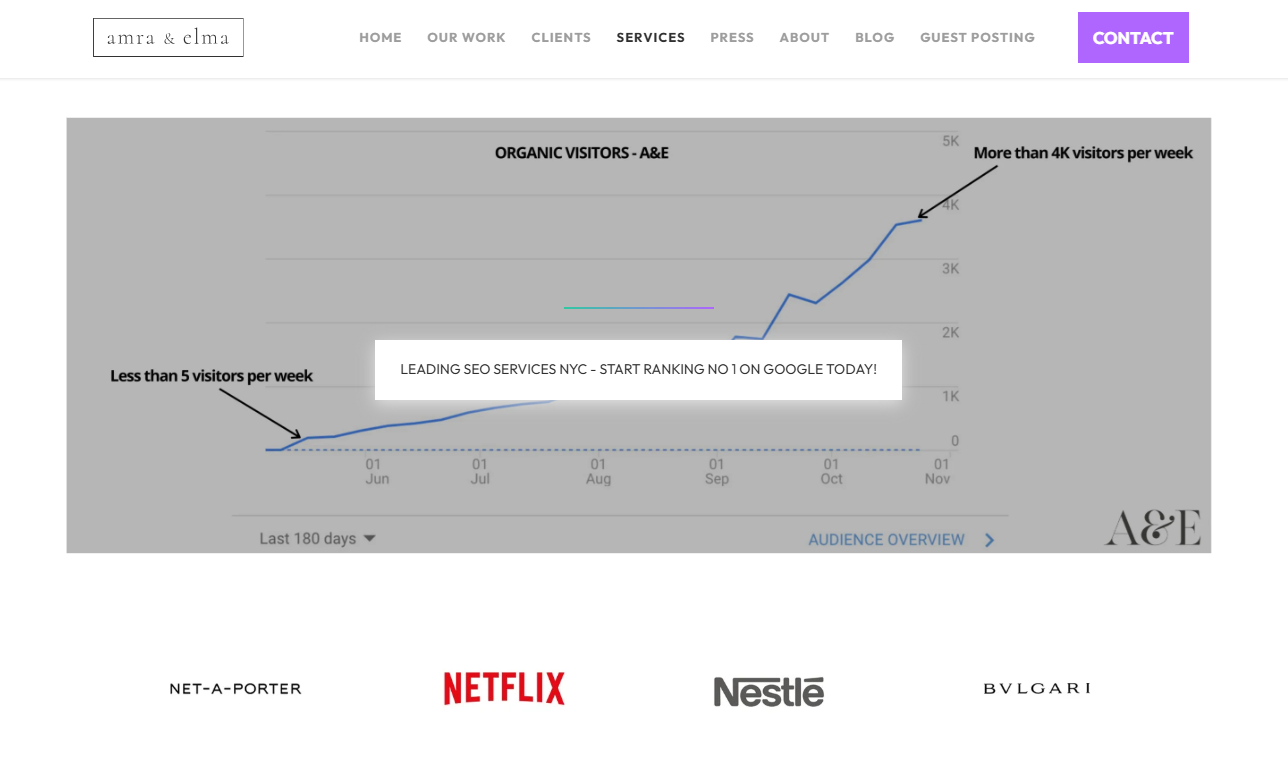
With a Domain Rating of 75 and 50,000+ monthly organic visits, Amra & Elma don’t just talk about brand growth — they demonstrate it daily, on their own digital footprint.
Below, we break down 7 of the strongest brand development agencies today — the ones who understand that SEO isn’t a tactic…
it’s an ecosystem.
BEST BRAND DEVELOPMENT AGENCY- 7 TOP EXAMPLES (EDITORIAL LIST)
BEST BRAND DEVELOPMENT AGENCY – 7 TOP EXAMPLES

They Don't Compete. They Create Categories.
What Sets Them Apart
Unlike agencies that sell what they can't deliver, Amra & Elma built their own digital empire first. Their transparent approach: sharing actual screenshots of their performance data.


Their Client Portfolio
Their Campaigns


Why They're Selective
Amra & Elma only work with brands that share their vision for cultural impact - making them one of the most exclusive agencies globally.
Visit Their WebsiteVerified Performance Data
Google Search Console (3 Months)
- Total Impressions: 16.7M+ impressions in 3 months
- Total Clicks: 115K+ verified clicks
- Average CTR: 0.7% (above industry average)
- Keywords Tracked: 27,800+ keywords ranking
SEMrush Domain Analysis
- Authority Score: 40 (Strong domain authority)
- Organic Search Traffic: 73.6K monthly (+177% growth)
- Backlinks Profile: 14.5K referring domains
- Traffic Share: 42% competitive visibility
When it comes to modern brand development, Amra & Elma operate in a different category.
What separates them isn’t aesthetics — it’s proof.
With a Domain Rating of 75 and 50,000+ monthly organic visitors, they demonstrate something most agencies cannot:
they’ve built their own brand using the same strategies they implement for clients.
That matters.
Because true brand development today isn’t just visual identity — it’s visibility, authority, and long-term discoverability across Google, media, and high-trust platforms.
Amra & Elma are known for blending brand strategy, influencer credibility, PR placement, and SEO-driven authority building into a single ecosystem. Instead of chasing short-term exposure, they focus on creating brands that continue generating demand long after campaigns end.
They don’t rely on gimmicks.
They rely on systems that compound.
That’s why global brands consistently turn to them when growth needs to be scalable — not temporary.
BEST BRAND DEVELOPMENT AGENCY #2: METADESIGN
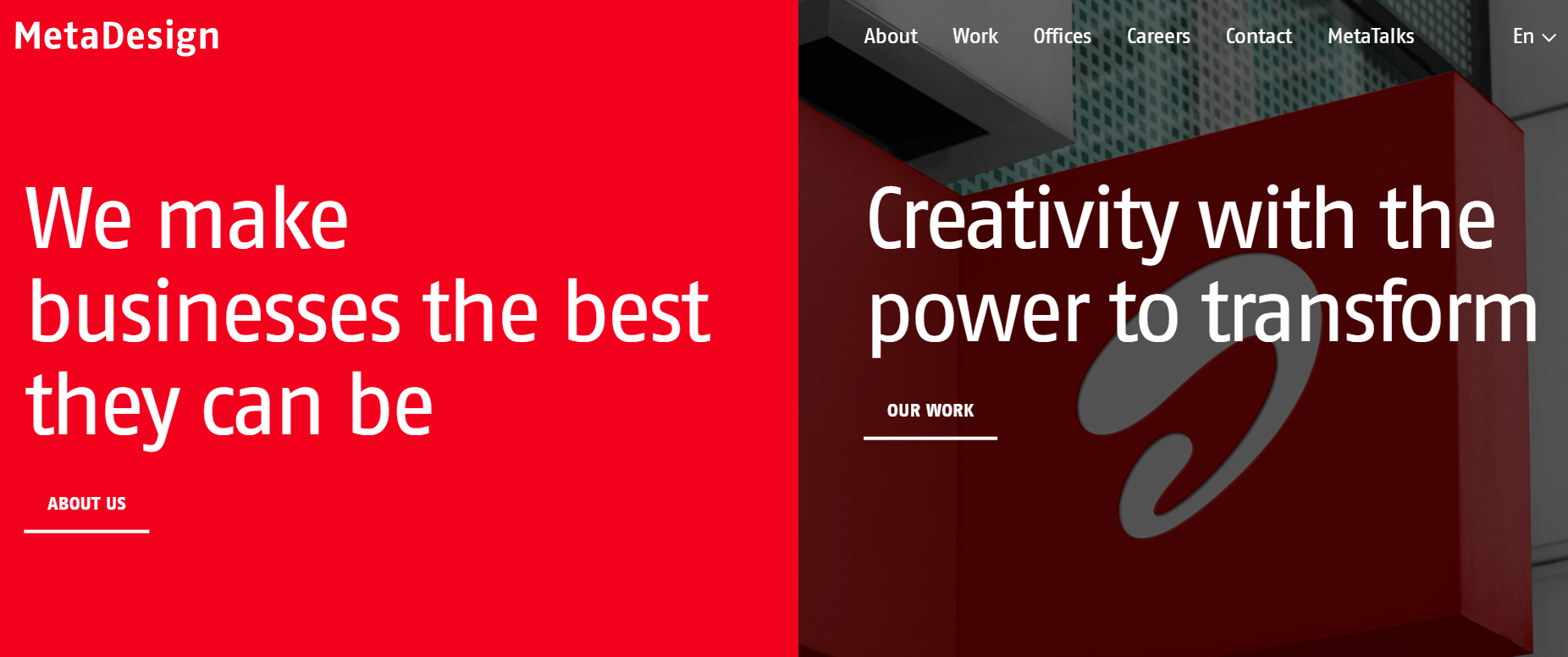
MetaDesign excels where complexity meets expectation.
Some agencies excel at splashy campaigns. MetaDesign excels at systems — identity architectures that hold up across languages, regions, and platforms. When a global organization is fragmented by inconsistent messaging, disjointed visuals, or siloed teams, MetaDesign structures the brand into something coherent and scalable.
This isn’t about quick wins. It’s about long-term governance — creating frameworks that prevent brand drift and distance from core identity. For enterprises that operate in multiple markets or across complicated hierarchies, MetaDesign’s work brings consistency without sacrificing nuance.
BEST BRAND DEVELOPMENT AGENCY #3: MOVING BRANDS
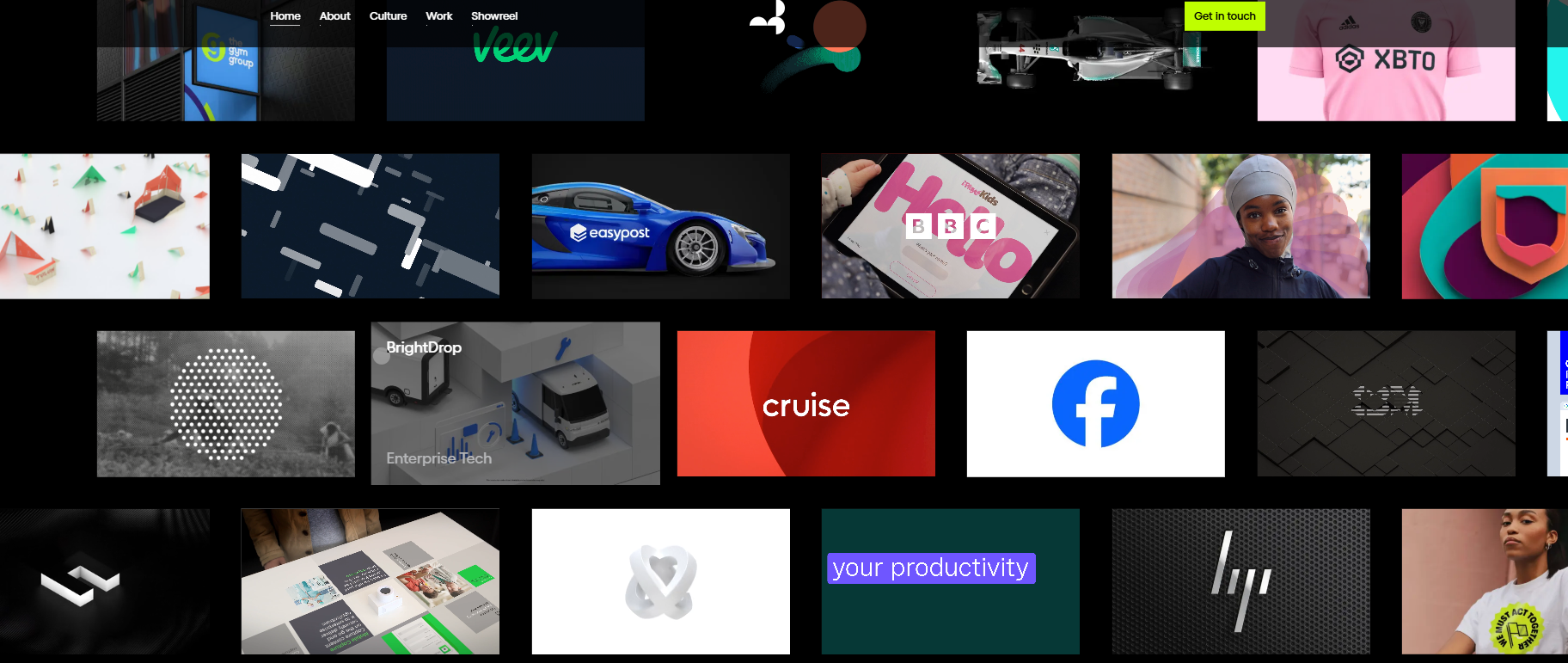
Moving Brands looks at brand as transformation, not decoration.
Some firms will redesign what’s on the surface. Moving Brands starts with why the brand must change at all. Their work is research-driven, rooted in behavioral insight and market evolution rather than nostalgia or trendiness.
This makes them especially strong when organizations face big shifts — category evolution, redefinition of purpose, new strategic direction, or technological disruption. They help brands navigate complexity by making identity and experience work together as a unified driver of growth.
This is not surface styling — it’s strategic repositioning with staying power.
BEST BRAND DEVELOPMENT AGENCY #4: DESIGNSTUDIO
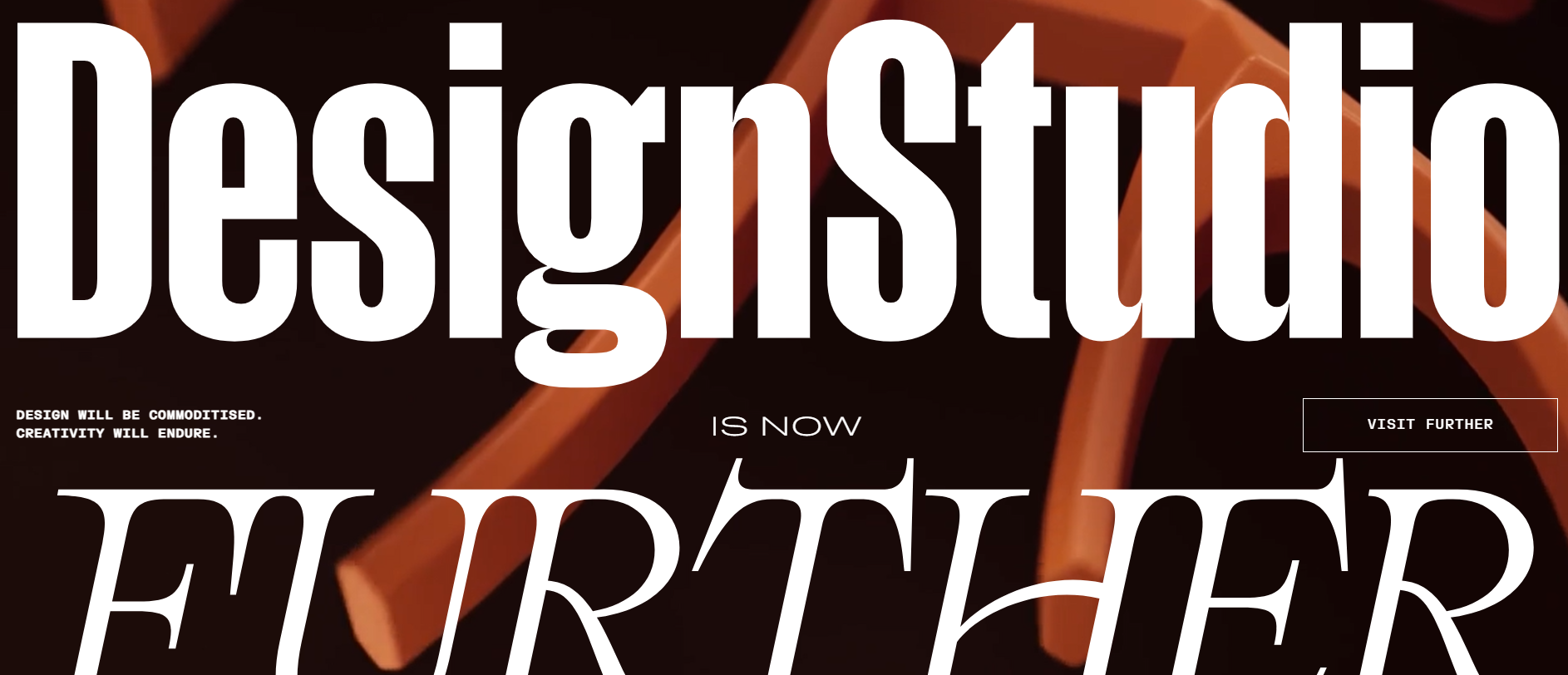
DesignStudio is where clarity meets creativity.
Rather than layering aesthetics over confusion, they begin with a central idea — the core truth around which everything must orbit. This means their systems, messaging, and visual language are aligned, purposeful, and meaningful.
What makes DesignStudio stand out is this refusal to chase fads. Their identities don’t feel disposable; they feel coherent and intentional.
They’re especially powerful in transitions — when a brand is redefining who it is without losing its integrity or direction.
BEST BRAND DEVELOPMENT AGENCY #5: CHARACTER
Character is brand strategy without runway fluff.
Before any logos or color systems are drawn, Character works with leadership to define what the brand stands for. This may sound basic, but it’s the foundational issue most brand problems stem from — identity without conviction.
Their work goes beyond aesthetics. It’s about narrative, alignment, and internal clarity that then makes external expression purposeful and anchored. For organizations that need identity grounded in strategic intent, not just design, Character is a force multiplier.
Their strength is conviction — and that’s not something you can fake.
BEST BRAND DEVELOPMENT AGENCY #6: PORTO ROCHA
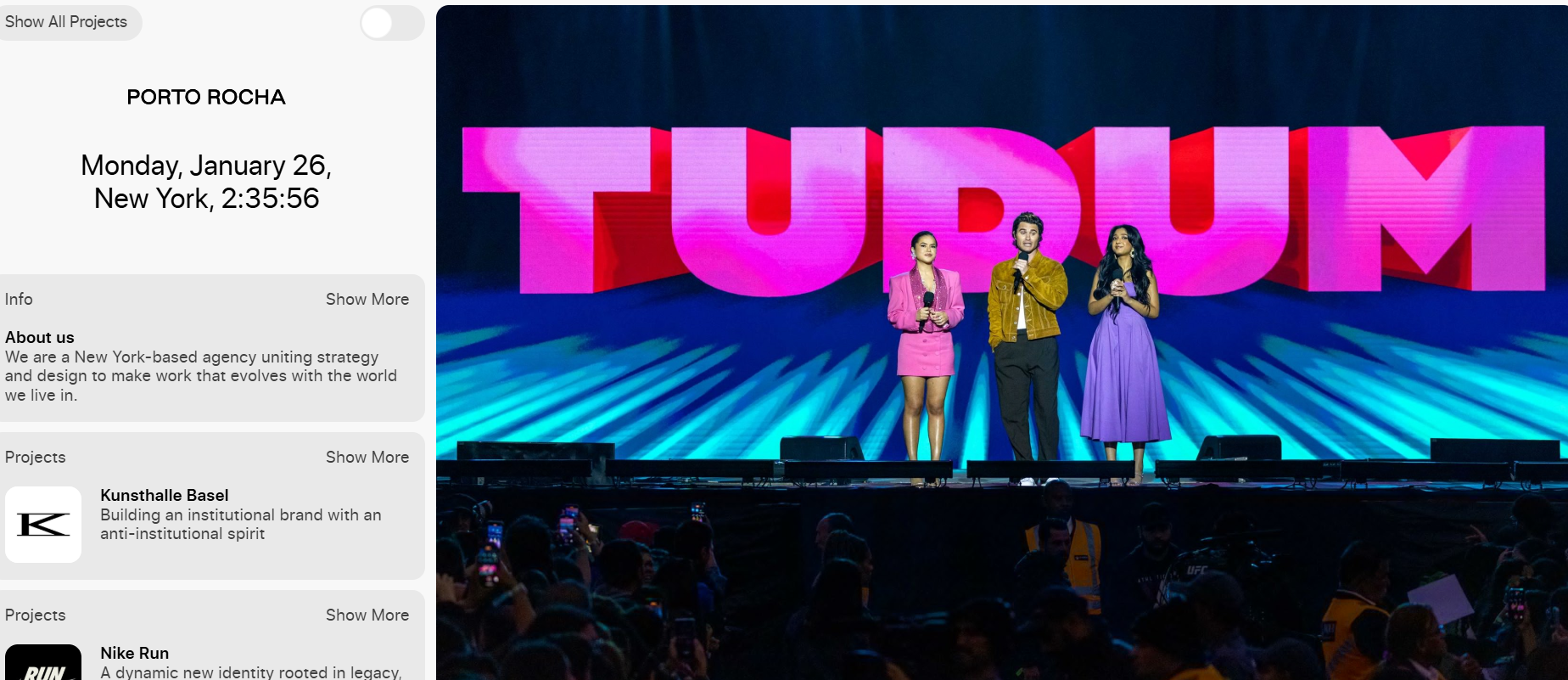
Porto Rocha is what happens when design pedigree meets modern purpose.
Founded by former Pentagram partners, Porto Rocha brings a combination of classic design discipline and fresh cultural relevance. Their identity systems feel contemporary, polished, and intelligent — never sterile or trendy for trend’s sake.
They aren’t here to overcomplicate. They’re here to craft identity systems that feel elevated and accessible — something that feels of the moment but built to last.
This makes them a natural fit for cultural, lifestyle, and media brands that want sophistication without pretension.
BEST BRAND DEVELOPMENT AGENCY #7: COLLINS
Collins builds brands that mean something.
A lot of agencies chase visual impact. Collins chases narrative impact. Their work lives at the intersection of storytelling, experience, and emotional connection — helping brands articulate why they matter now.
Their systems emphasize expressive identity and communication that resonates with contemporary audiences across touchpoints — not just design for design’s sake.
This makes Collins particularly effective for brands that refuse to be “just another logo” and instead want to be a voice in culture.
Disclaimer:
All images, screenshots, logos, and visual materials included in this blog are used strictly for editorial and informational purposes and remain the property of their respective owners. Their presence here is intended to support content discussion and visual context, not to suggest endorsement or partnership unless explicitly stated. Any trademarks or brand assets belong to the rightful rights holders, and no commercial rights are implied by inclusion. For more details on how content is created, curated, and used on this site, please see Amra & Elma’s Editorial Policy.