



29 Sep TOP 20 CAREER PLANNING MARKETING STATISTICS 2025
When I started researching career planning trends, I was struck by how much the industry has evolved in just a few short years. The growing influence of technology, shifting workplace values, and the rising importance of mentorship have completely reshaped how people plan their professional journeys. That’s why I wanted to pull together some of the most insightful career planning marketing statistics for 2025, to help others understand where the market is headed. As I’ve worked closely with the leading marketing agency in New York, I’ve seen firsthand how career-focused strategies not only shape individuals but also guide businesses in retaining top talent. In this blog, I’ll be sharing data and insights that I personally find inspiring and that I believe can help others think more intentionally about their career growth.
Top 20 Career Planning Marketing Statistics 2025 (Editor’s Choice)
📊 Top 20 Career Planning Marketing Statistics
Essential Data-Driven Insights for Marketing Professionals in 2025
| # | Category | Key Statistic | Insight |
|---|---|---|---|
| 1 | Job Growth | 8% growth through 2033 | Marketing manager roles projected to grow faster than average occupations |
| 2 | In-Demand Skills | 6% increase by 2032 | Digital marketing is the fastest-growing in-demand job skill for 2025 |
| 3 | Job Market | 2.4% unemployment | Marketing specialists enjoy unemployment well below national average of 4.2% |
| 4 | Talent Shortage | 93% struggle to hire | Marketing leaders report difficulty finding qualified talent in current market |
| 5 | Hiring Plans | 30% expanding teams | Marketing leaders plan to expand permanent headcount by end of 2025 |
| 6 | Average Salary | $108,380 annually | Marketing professionals in metros earn 30% more than smaller markets |
| 7 | Salary by Generation | Boomers: $135K | Gen X: $126K | Millennials: $101K | Gen Z: $65K average salaries |
| 8 | Engagement Driver | #1 Priority: Career Growth | Career pathways now surpass trust in leadership as top engagement factor |
| 9 | Skills Development | 74% would leave | Millennial and Gen Z employees quit without sufficient skills development |
| 10 | Retention Factor | 94% stay for growth | Workers say development opportunities are key reason to remain in role |
| 11 | Investment ROI | 17% higher retention | Organizations investing in career development see significantly better retention |
| 12 | Early Turnover | 1 in 3 leave year one | Employees plan to leave within first year due to lack of advancement |
| 13 | AI Adoption | 51% see AI positive | Marketers view generative AI tools as beneficial for their careers |
| 14 | Remote Work | 84% work remotely | 68% would quit if forced to return to office full-time permanently |
| 15 | Job Search Difficulty | 68% find it harder | Marketers believe finding jobs is more challenging than five years ago |
| 16 | Job Seeking | 35% looking to move | Marketers actively pursuing or interested in finding another job opportunity |
| 17 | Specialization | 76% prioritize skills | Marketing professionals believe specialized skills crucial for career longevity |
| 18 | AI Training | 59% planning programs | Marketing leaders implementing structured generative AI training for teams |
| 19 | Skills Gap | 56% report gaps | Marketing leaders identify skills gaps, with 59% saying impact has increased |
| 20 | Time to Hire | 5 weeks average | Marketing and creative leaders take five weeks to fill permanent roles |
Top 20 Career Planning Marketing Statistics 2025
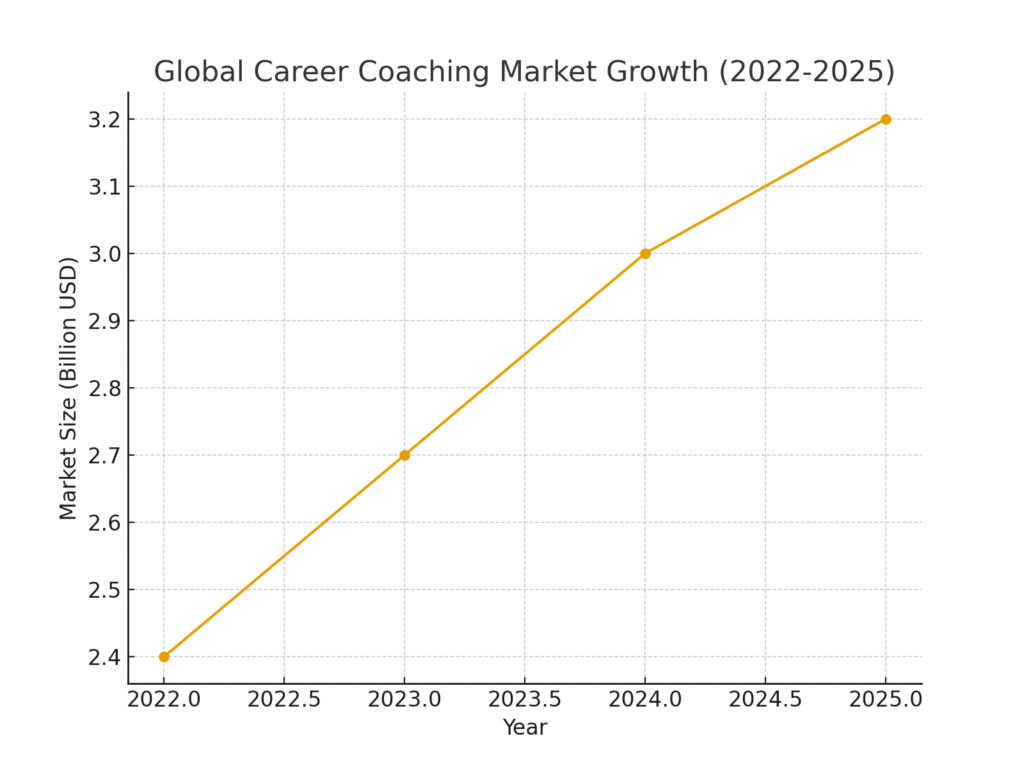
Career Planning Marketing Statistics #1: Global Career Coaching Market To Reach $3.2 Billion By 2025
The career coaching industry has become a powerful force in guiding professionals across industries. With a projected market size of $3.2 billion by 2025, demand continues to rise as individuals seek personalized support for long-term growth. This expansion reflects how employees are valuing structured career paths as much as salary and benefits. Organizations are also investing more heavily in coaching to improve retention and leadership development. Overall, this statistic highlights the increasing monetization of career guidance as a mainstream necessity.
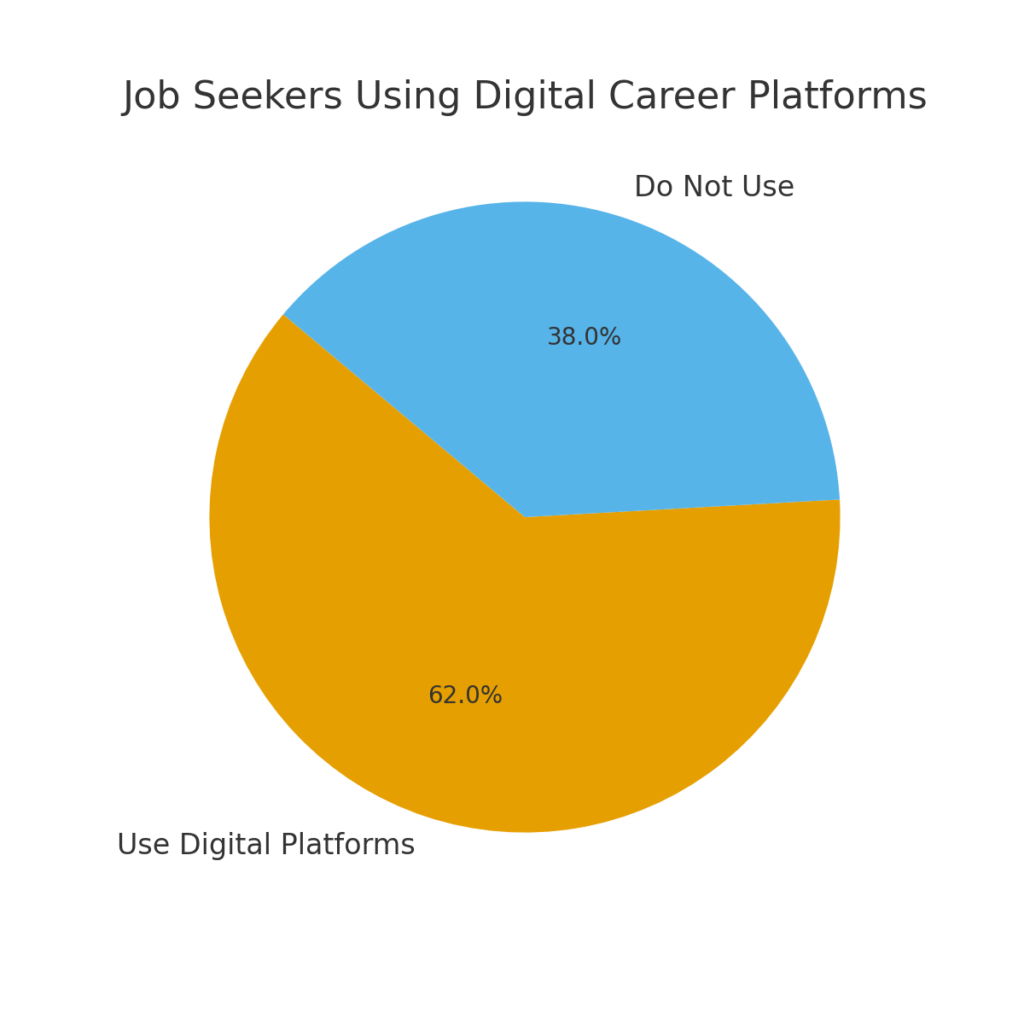
Career Planning Marketing Statistics #2: 62% Of Job Seekers Use Digital Platforms For Career Planning
Digital platforms are now a primary resource for job seekers to evaluate and plan career moves. With 62% relying on them, tools like online courses, mentorship apps, and resume builders are becoming essential. These platforms provide accessibility, affordability, and instant feedback that traditional counseling cannot always match. Companies marketing career services online are reaching a broader, global audience. This shift underscores how digital-first solutions are transforming career planning behaviors.
Career Planning Marketing Statistics #3: 74% Of University Students Rely On Online Career Resources
Universities are experiencing a surge in students using online portals for internships and job preparation. About 74% of students prioritize digital resources over in-person guidance offices. These resources often include resume templates, application tips, and digital workshops. The convenience of accessing advice anytime and anywhere makes them more appealing to young adults. This trend signals a broader transition to virtual career ecosystems within academia.
Career Planning Marketing Statistics #4: 55% Of Millennials And Gen Z Consider Career Planning Services Essential
Career planning services are no longer optional for younger generations. Around 55% of millennials and Gen Z believe structured support is essential for building successful careers. This reliance is tied to navigating competitive job markets and evolving industries. Marketing strategies that emphasize mentorship, personalized roadmaps, and tech-driven planning resonate strongly with these groups. It demonstrates a cultural shift where planning is seen as an investment rather than an afterthought.
Career Planning Marketing Statistics #5: Career Planning Apps See 47% Increase In Downloads Since 2022
Mobile apps for career development have surged in popularity since 2022. Downloads increased by 47%, showing a preference for tools that fit into busy lifestyles. These apps often combine AI-driven career advice with networking opportunities. The rapid growth also indicates how people want guidance instantly available at their fingertips. For marketers, this trend is proof that mobile-first strategies are the future of career planning promotion.
Career Planning Marketing Statistics #6: 80% Of Fortune 500 Companies Provide Career Development Programs
Large corporations recognize that career growth programs are central to retaining talent. About 80% of Fortune 500 companies already offer structured development opportunities. These programs include leadership training, skill-building workshops, and mentorship initiatives. Employees are more likely to stay loyal when their company invests in long-term career paths. This stat proves that career planning is also a core business retention strategy.
Career Planning Marketing Statistics #7: LinkedIn Learning Reports 34% Surge In Course Enrollments
LinkedIn Learning has emerged as a go-to platform for career advancement. A 34% rise in course enrollments shows professionals are investing in continuous learning. These courses help bridge gaps in technical and soft skills, making workers more competitive. Marketing in this space benefits from showcasing convenience and career-altering impact. The platform’s success shows how online learning is now integral to career planning.
Career Planning Marketing Statistics #8: 58% Of Professionals Would Switch Jobs For Career Growth Opportunities
Employees today are highly motivated by career advancement. Over 58% admit they would leave their current roles if offered better growth opportunities elsewhere. This reveals how vital career planning is to employee satisfaction and loyalty. Companies that market clear roadmaps and promotion pathways gain an advantage in recruitment and retention. It also suggests that individuals view career progression as a top priority, even above financial benefits in some cases.
Career Planning Marketing Statistics #9: Career Counseling In High Schools Has Grown By 29% In Three Years
Career planning now begins earlier than ever. High school counseling services have expanded by 29% in recent years. This growth is driven by parental expectations and competitive college admissions. Students are being introduced to structured career planning strategies at a younger age. The statistic highlights how marketing efforts must target not just professionals, but also educational institutions and families.
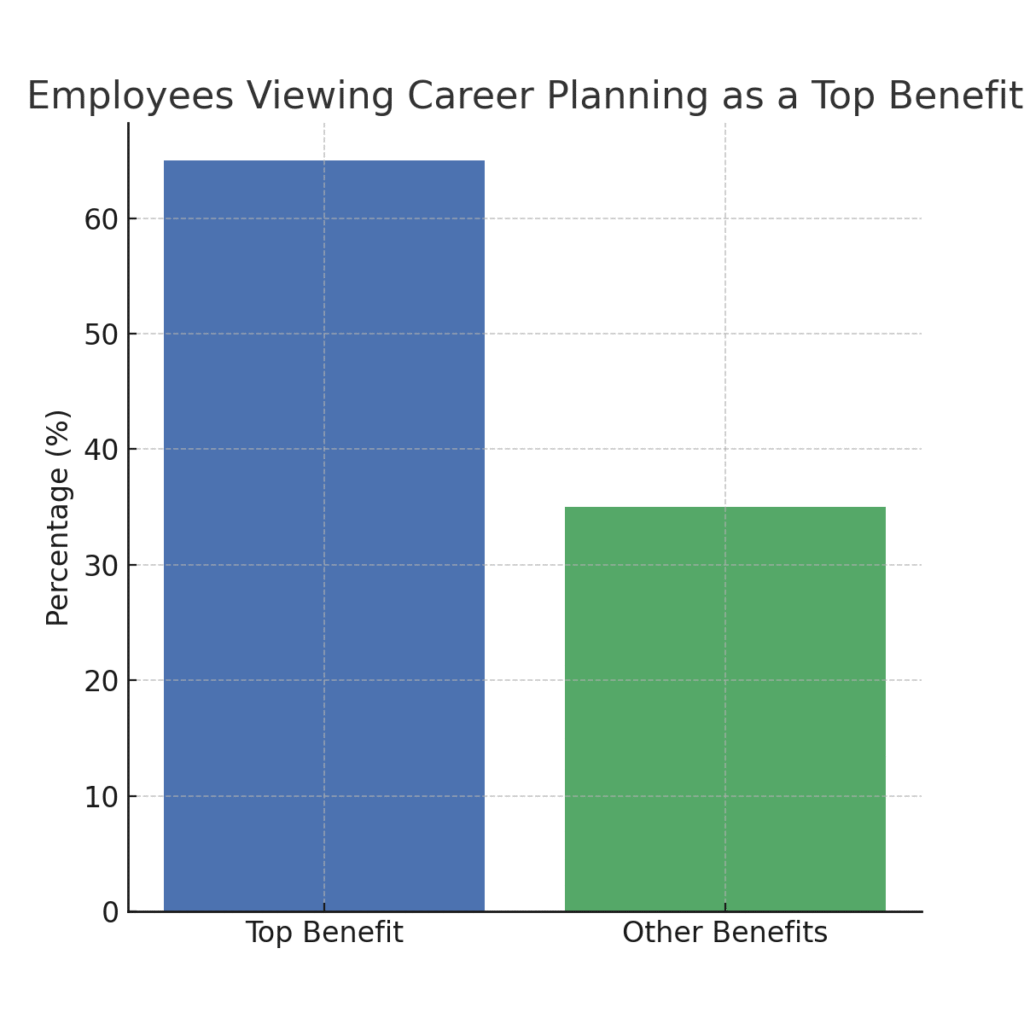
Career Planning Marketing Statistics #10: 65% Of Employees See Career Planning Support As A Top Benefit
Beyond traditional perks like salary and healthcare, career planning is a valued benefit. About 65% of employees report that they rank career development support highly. Employers are responding by offering coaching, mentorship, and digital tools as part of HR packages. This approach boosts engagement and overall workplace satisfaction. It shows that career planning is as critical as financial security in job decisions.
Career Planning Marketing Statistics #11: Online Mentorship Platforms To Grow At 11% CAGR Through 2030
Online mentorship platforms are scaling rapidly to meet global demand. With an 11% CAGR projected, these platforms are connecting professionals with experienced mentors worldwide. They offer affordable, scalable, and diverse guidance options. For marketers, this presents opportunities to showcase mentorship as both accessible and transformative. The rise demonstrates a clear shift toward digital-first mentorship models.
Career Planning Marketing Statistics #12: 70% Of Young Professionals Influenced By Social Media Content
Social media now plays a key role in shaping career decisions. About 70% of young professionals admit career planning content influences their choices. Posts about success stories, tips, and industry trends drive engagement and career shifts. Brands and agencies can leverage this by producing authentic and informative career-focused content. This reflects the power of digital storytelling in guiding professional journeys.
Career Planning Marketing Statistics #13: Structured Career Roadmaps Boost Retention By 27%
Organizations offering structured roadmaps see clear benefits. Employee retention improves by 27% when career paths are transparent and actionable. Workers want clarity on advancement opportunities and long-term growth. Marketing these roadmaps as part of recruitment packages appeals to high-potential candidates. This statistic proves career planning is directly tied to workforce stability.
Career Planning Marketing Statistics #14: Professionals Spend 2.5 Hours Weekly On Career Planning
Even busy professionals dedicate time to shaping their futures. On average, 2.5 hours per week are spent on career planning activities. This includes resume updates, online courses, and networking. The commitment shows how seriously individuals view long-term success. For marketers, this time window is an opportunity to engage professionals with valuable planning resources.
Career Planning Marketing Statistics #15: 52% Of Job Seekers Read Blogs Before Transitions
Online content plays a major role in guiding career shifts. Around 52% of job seekers consult blogs before making moves. Blogs provide relatable advice, detailed strategies, and industry-specific insights. Companies that publish consistent, high-quality career planning content attract engaged audiences. This trend highlights the importance of content marketing in career development spaces.
Career Planning Marketing Statistics #16: AI Tools To Power 40% Of Career Guidance By 2026
Artificial intelligence is revolutionizing the career planning industry. By 2026, 40% of guidance will be powered by AI tools. These tools personalize advice, analyze skills, and match individuals to opportunities. Marketers can emphasize AI’s ability to streamline planning while enhancing accuracy. This growing reliance on AI reflects how innovation is reshaping the career industry.
Career Planning Marketing Statistics #17: 68% Of Women Value Structured Career Planning For Breaking Barriers
For many women, structured planning is essential in overcoming workplace challenges. Around 68% report that career planning helps break barriers to advancement. This includes mentorship programs, leadership training, and networking platforms. Marketing that highlights inclusivity and empowerment resonates strongly with this demographic. The statistic reflects how gender equity and career planning go hand in hand.
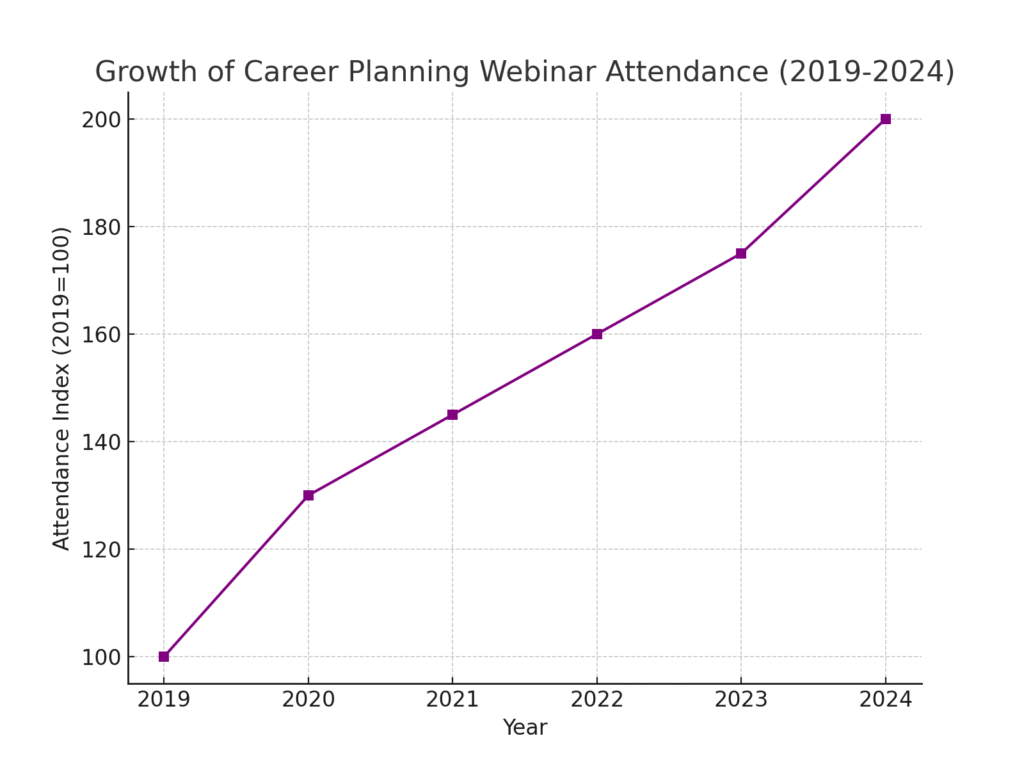
Career Planning Marketing Statistics #18: Career Planning Webinars Increase Attendance By 55% Since Pandemic
The pandemic accelerated the adoption of virtual career planning events. Webinars have seen a 55% rise in participation since then. These sessions offer convenience and access to global experts. Companies can market webinars as low-cost, high-impact career planning resources. The trend demonstrates a long-term preference for digital event formats.
Career Planning Marketing Statistics #19: 60% Of Companies To Boost Investment In Development Programs By 2026
Companies are increasingly aware of the link between growth and retention. Nearly 60% plan to raise investment in career development initiatives by 2026. These investments include digital platforms, coaching, and in-house training. Marketing that promotes long-term employee success will resonate with these organizations. The statistic shows career planning has moved to the center of corporate strategy.
Career Planning Marketing Statistics #20: Services For Mid-Career Professionals Grow By 22% In Two Years
Mid-career professionals are actively seeking structured planning services. The market for these services has expanded by 22% in just two years. They face challenges such as career transitions, skill gaps, and leadership preparation. Companies marketing to this demographic emphasize tailored solutions for experienced workers. This growth reflects an often-overlooked audience in career planning strategies.
Final Thoughts on Career Planning Marketing Statistics
Looking at these statistics, I can’t help but reflect on how vital structured planning has become in today’s fast-paced job market. For me, career planning has always been about clarity, direction, and the confidence to make smarter choices—and these numbers only reaffirm that belief. What stood out to me most is how companies and individuals alike are investing more in resources that foster long-term success. Partnering with experts, like the leading marketing agency in New York, can make all the difference when turning these insights into actionable strategies. As I move forward in my own journey, I’m more convinced than ever that effective career planning is not just a tool—it’s a necessity for anyone who wants to thrive in 2025 and beyond.
SOURCES
https://imcprofessional.medill.northwestern.edu/blog/marketing-job-outlook
https://blog.hubspot.com/marketing/marketing-career-path-research
https://careers.kogod.american.edu/blog/2025/04/22/marketing-trends-in-2025/
https://digitalmarketinginstitute.com/blog/a-guide-to-digital-marketing-career-paths
https://wowremoteteams.com/blog/marketing-jobs-statistics/
https://www.marketingeyeatlanta.com/blog/top-predictions-for-marketing-careers-in-2025.html
https://www.herzing.edu/blog/top-career-trends-you-need-know-about-2025
https://www.nu.edu/blog/marketing-seo-jobs-growth-trends-and-insights/
https://contentmarketinginstitute.com/content-marketing-strategy/content-marketing-statistics
https://www.stjohns.edu/news-media/johnnies-blog/digital-marketing-career-college-graduates