




21 Sep TOP 20 CHILDLESS MARKETING STATISTICS 2025
When we think about modern consumers, it’s easy to default to family-centric narratives—but there’s a growing audience often overlooked. That’s why we’ve gathered the most insightful childless marketing statistics to help brands better understand and connect with this powerful demographic. From spending habits to lifestyle preferences, these numbers reveal how childfree adults are reshaping industries from travel to retail. At our trusted marketing agency in New York, we’ve seen firsthand how recognizing and valuing diverse lifestyles can completely transform a brand’s outreach. By putting real people at the center of strategy, businesses can open doors to authentic engagement and long-term loyalty.
Top 20 Childless Marketing Statistics 2025 (Editor’s Choice)
| # | Statistic | Insight |
|---|---|---|
| 1 | 47% of U.S. childless adults under 50 don’t expect to have children | Reflects a growing shift in long-term lifestyle choices. |
| 2 | 57% say they simply don’t want children | Personal choice outweighs external factors for many. |
| 3 | 31% of childless adults 50+ never wanted children | Shows childfree living is not just a young trend. |
| 4 | Young adults cite career, world issues, and finances as reasons | Economic and social concerns heavily influence decisions. |
| 5 | 16.5% of U.S. adults aged 55+ are childless | A significant demographic segment for marketers. |
| 6 | 5.7 million more childless women of prime age than expected | Impacts long-term population and consumer trends. |
| 7 | 11.8 million fewer births than expected over 17 years | Declining birthrates shift focus toward childfree consumers. |
| 8 | DINK households expected to have highest spending globally | Dual-income no kids drive premium lifestyle markets. |
| 9 | Older childless households spend more on travel | Travel and leisure brands benefit from this group. |
| 10 | 67% of “parent” ad targets don’t actually have children | Advertising misclassification wastes significant ad spend. |
| 11 | Almost 70% of ads targeting “parents” reach non-parents | Highlights the need for better audience segmentation. |
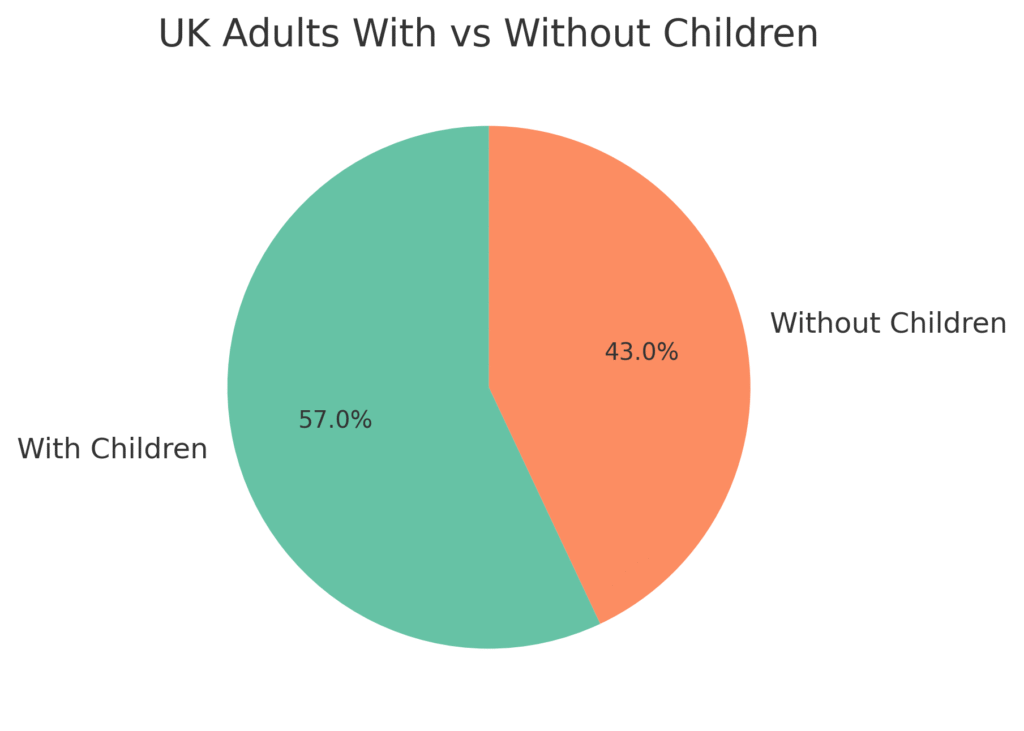
| 12 | 43% of UK adults aged 16+ do not have children | Nearly half the adult market is childfree. |
| 13 | 43% of UK childfree adults feel left out of marketing | Shows demand for more inclusive brand messaging. |
| 14 | 60% of UK women 35-54 without kids feel judged | Social stigma shapes consumer attitudes. |
| 15 | 80% of UK adults without kids value spontaneous freedom | Flexibility and spontaneity appeal strongly to this segment. |
| 16 | 79% say being childfree makes it easier to afford wants | Higher disposable income drives luxury and lifestyle sales. |
| 17 | 80% say more time for hobbies; 58% more active social life | Brands in leisure and hobbies see big opportunities. |
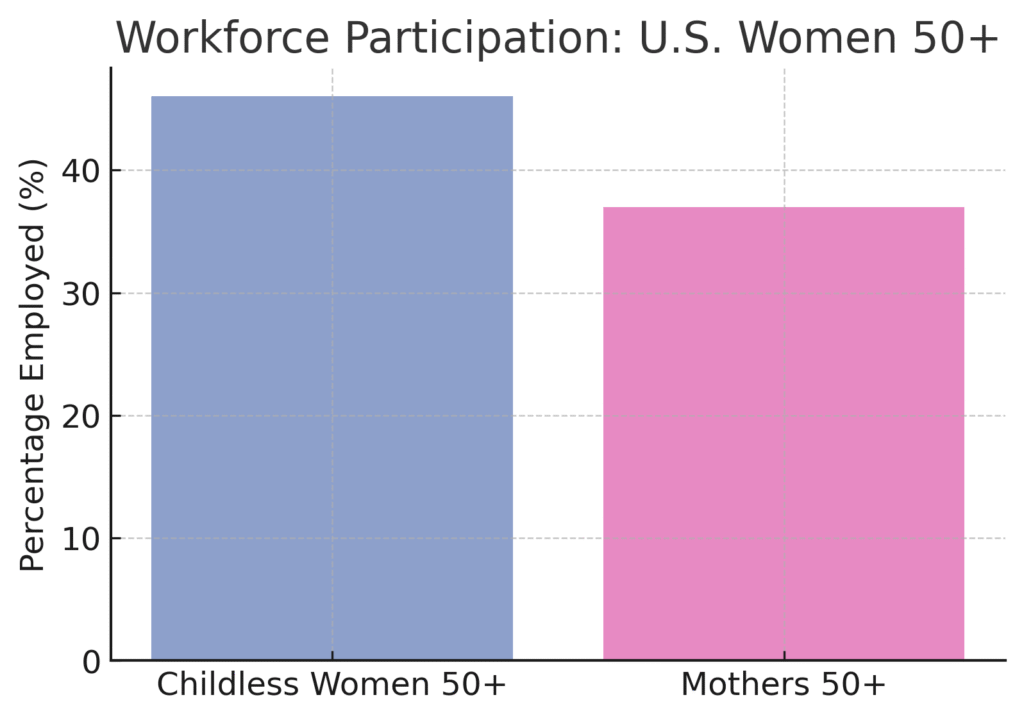
| 18 | 46% of U.S. childless women 50+ are employed vs 37% mothers | Higher workforce participation boosts income potential. |
| 19 | Childless women 50+ have higher median monthly wages | Stronger purchasing power among older women. |
| 20 | 47% of women 50+ childless hold bachelor’s degree vs 31% mothers | Education level aligns with higher spending potential. |
Top 20 Childless Marketing Statistics 2025
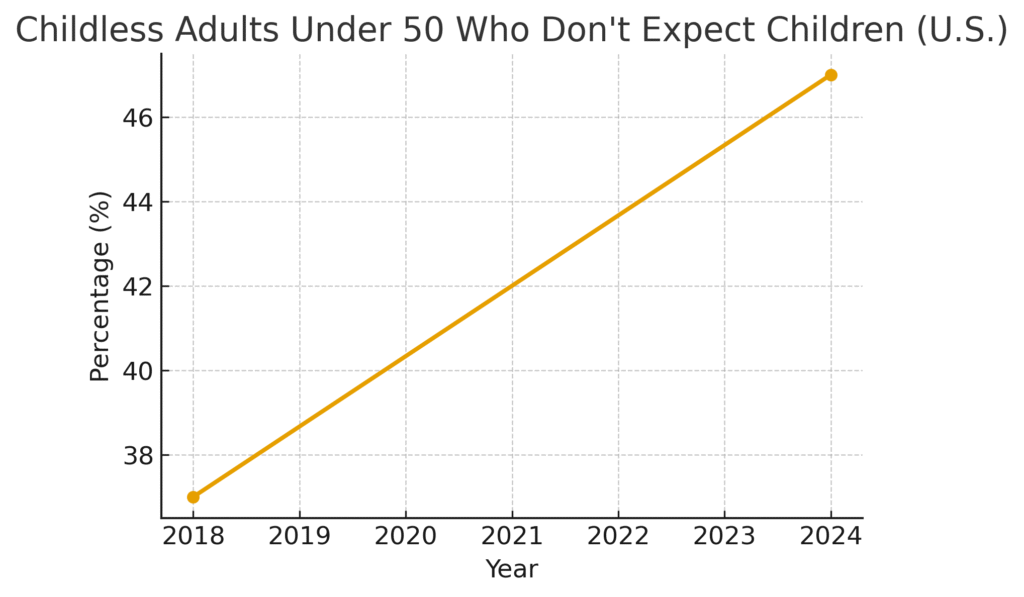
Childless Marketing Statistics #1: 47% Of U.S. Childless Adults Under 50 Don’t Expect To Have Children
Nearly half of childless adults under 50 in the United States now say they do not expect to have children. This represents a major cultural and demographic shift compared to previous generations. For marketers, it signals the rise of a consumer group with different long-term spending priorities. Instead of saving for children’s education, they may invest in personal growth, travel, or leisure. Brands that tailor products to reflect this reality can form stronger connections with this audience.
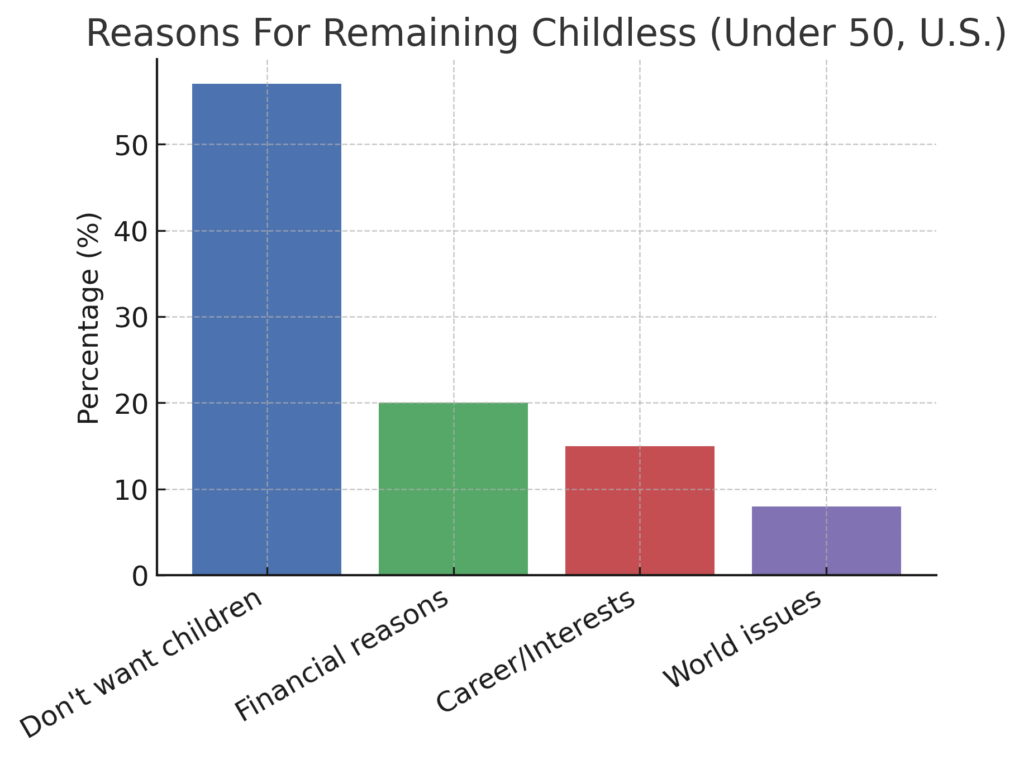
Childless Marketing Statistics #2: 57% Say They Simply Don’t Want Children
More than half of childless adults under 50 cite not wanting children as their main reason. This demonstrates that childfree living is increasingly a deliberate choice, not a circumstance. Marketers should note that this audience often values independence and flexibility. Their decisions are driven by lifestyle preferences, not necessity. Messaging that highlights freedom and self-expression is likely to resonate deeply.
Childless Marketing Statistics #3: 31% Of Childless Adults 50+ Never Wanted Children
About one-third of adults aged 50 and older without children say they never wanted them at all. This challenges the assumption that childfree living is limited to younger generations. Many older consumers proudly identify with this lifestyle. For brands, it’s an opportunity to reach a demographic that has often been invisible in marketing. Highlighting inclusivity and validation of different life paths can build loyalty.
Childless Marketing Statistics #4: Young Adults Cite Career, World Issues, And Finances As Reasons
Among younger childless adults, the top reasons for not having kids include career ambitions, financial constraints, and concerns about global challenges. This shows the heavy influence of both personal goals and societal pressures. Many prioritize self-development and stability before considering parenthood, if at all. For marketers, the emphasis should be on products that support career, convenience, and balance. Brands that acknowledge these values can build stronger trust.
Childless Marketing Statistics #5: 16.5% Of U.S. Adults Aged 55+ Are Childless
More than one in six adults over 55 in the United States are childless. This represents a significant segment of the population with unique needs and priorities. Many in this group have more discretionary income compared to peers with children. They may spend more on leisure, hobbies, or healthcare. Targeting this group requires a shift from family-centric campaigns to lifestyle-oriented approaches.
Childless Marketing Statistics #6: 5.7 Million More Childless Women Of Prime Age Than Expected
Recent studies show there are 5.7 million more childless women of prime childbearing age in the U.S. than previously projected. This signals a long-term trend toward declining birth rates. For marketers, this growing segment represents both opportunities and challenges. Brands focused on parenting products may need to diversify. Meanwhile, lifestyle, luxury, and travel sectors stand to benefit from these changing demographics.
Childless Marketing Statistics #7: 11.8 Million Fewer Births Than Expected Over 17 Years
The rise in childlessness has contributed to nearly 12 million fewer births over the past 17 years. This has ripple effects on everything from schools to children’s product markets. Marketers must consider how reduced demand for child-related goods shifts opportunities. Instead, childfree adults may prioritize financial security and personal fulfillment. Forward-thinking brands can adapt their strategies to align with these consumer shifts.
Childless Marketing Statistics #8: DINK Households Expected To Have Highest Spending Globally
Dual-income, no-kids households (DINKs) are projected to lead global spending growth through 2030. With fewer child-related expenses, they often enjoy higher disposable incomes. These households frequently invest in luxury, dining, and premium lifestyle experiences. Marketers should focus on aspirational messaging that emphasizes quality and exclusivity. This group values rewarding themselves and living in the moment.
Childless Marketing Statistics #9: Older Childless Households Spend More On Travel
Childfree baby boomers and seniors allocate more money to travel than peers with children. They seek adventure, comfort, and cultural experiences. Travel brands that highlight independence and exploration appeal strongly to this group. They are also more likely to prioritize high-quality accommodations and unique experiences. For marketers, tailoring campaigns to reflect this freedom-driven mindset is highly effective.
Childless Marketing Statistics #10: 67% Of “Parent” Ad Targets Don’t Actually Have Children
Digital ad targeting for parents is often flawed, with 67% of those categorized as “parents” actually being childless. This leads to wasted ad budgets and poor campaign results. Misclassification highlights the need for more accurate audience data. Marketers must refine segmentation to avoid alienating consumers. Recognizing childfree adults as a distinct category will improve both efficiency and engagement.
Childless Marketing Statistics #11: Almost 70% Of Ads Targeting “Parents” Reach Non-Parents
Nearly seven in ten people targeted by parenting ads do not actually have children. This demonstrates just how widespread targeting inaccuracies are. The mismatch can damage trust if consumers feel misunderstood. For marketers, precision is key to delivering relevant campaigns. Investing in better data analytics ensures that budgets are not wasted on irrelevant audiences.
Childless Marketing Statistics #12: 43% Of UK Adults Aged 16+ Do Not Have Children
Nearly half of UK adults aged 16 and above are childless. This statistic underscores the size of the childfree consumer base in Europe. Brands often overlook this group, focusing instead on families. However, this segment controls substantial purchasing power. Marketers who include them in campaigns stand to gain significant market share.
Childless Marketing Statistics #13: 43% Of UK Childfree Adults Feel Left Out Of Marketing
Almost half of UK adults without children believe they are excluded from marketing efforts. This sense of invisibility can negatively impact brand perception. Inclusive campaigns that recognize diverse lifestyles are essential. By acknowledging this audience, brands can foster stronger connections. Representation in marketing is not just ethical but also profitable.
Childless Marketing Statistics #14: 60% Of UK Women 35–54 Without Kids Feel Judged
A majority of childfree women in midlife in the UK feel judged for their choice. Social stigma continues to shape how they see themselves and their interactions. For brands, showing empathy and support can stand out in a crowded marketplace. Campaigns that normalize different life paths help foster inclusivity. Respectful marketing builds trust with this often-criticized demographic.
Childless Marketing Statistics #15: 80% Of UK Adults Without Kids Value Spontaneous Freedom
Most UK adults without children highlight freedom and spontaneity as major benefits. They appreciate being able to make unplanned decisions in their daily lives. Marketers should use this insight to craft campaigns focused on flexibility and adventure. Travel, lifestyle, and leisure brands can especially benefit from this approach. Emphasizing spontaneity appeals directly to their sense of independence.
Childless Marketing Statistics #16: 79% Say Being Childfree Makes It Easier To Afford Wants
Nearly four in five childfree adults under 50 say they can more easily afford things they want. This indicates strong disposable income and purchasing flexibility. Luxury and lifestyle brands should take note of this valuable insight. Campaigns that highlight indulgence and reward resonate well with this group. It is an opportunity to position products as tools of personal satisfaction.
Childless Marketing Statistics #17: 80% Say More Time For Hobbies; 58% More Active Social Life
A large share of childfree adults report having more time for hobbies and social life. This reflects how childfree living allows for greater personal investment. For marketers, hobbies, entertainment, and leisure industries become key targets. Highlighting products that enhance experiences will resonate strongly. Campaigns should focus on celebrating the joy of freedom and community.
Childless Marketing Statistics #18: 46% Of U.S. Childless Women 50+ Are Employed Vs 37% Mothers
Older women without children are more active in the workforce compared to mothers. This higher participation gives them greater financial independence. Marketers should highlight products that empower professional and personal lifestyles. Brands that support career-driven consumers will resonate well. This statistic reflects the intersection of gender, work, and lifestyle.
Childless Marketing Statistics #19: Childless Women 50+ Have Higher Median Monthly Wages
Women over 50 without children earn more on average than mothers in the same age group. This gives them stronger spending power later in life. They are more likely to purchase premium goods and services. For marketers, highlighting quality and sophistication appeals to this demographic. Their financial confidence makes them ideal for targeted campaigns.
Childless Marketing Statistics #20: 47% Of Women 50+ Childless Hold Bachelor’s Degree Vs 31% Mothers
Nearly half of older women without children hold a bachelor’s degree compared to less than a third of mothers. This indicates higher educational attainment among the childfree population. Education often correlates with higher income and lifestyle aspirations. Marketers should view this group as influential and discerning. Campaigns built around intelligence, empowerment, and sophistication will resonate.
Final Thoughts on Childless Marketing Statistics
As we wrap up, it’s important to remember that behind every statistic are individuals with unique choices, stories, and aspirations. Childfree consumers often bring a mix of financial independence, lifestyle flexibility, and strong brand expectations—qualities that make them an invaluable audience for companies willing to listen and adapt. The takeaway is clear: inclusive marketing isn’t just a buzzword; it’s a bridge to building meaningful relationships with those who have often been left out of the conversation. By paying attention to these insights and crafting campaigns that reflect real human experiences, brands can grow beyond numbers and truly resonate with people who value authenticity.
SOURCES
- https://www.unh.edu/unhtoday/news/release/2025/09/15/study-shows-number-childless-women-us-continues-rise (UNH)
- https://www.census.gov/library/stories/2021/12/no-kids-no-care-childlessness-among-older-americans.html (Census.gov)
- https://worldchildlessweek.net/research-facts-and-figures (World Childless Week)
- https://www.census.gov/library/stories/2021/12/no-kids-no-care-childlessness-among-older-americans.html (Census.gov)
- https://penanginstitute.org/wp-content/uploads/2025/02/The-Childfree-Trend-Regional-Perspectives-Socioeconomic-Impacts-and-Policy-Responses.pdf (Penang Institute)
- https://snapcart.global/the-rise-of-the-childfree-lifestyle-and-its-impact-on-consumption-patterns/ (Snapcart)
- https://www.marketingdive.com/news/marketers-largely-shun-single-women-without-children-study-finds/525883/ (Marketing Dive)
- https://newdigitalage.co/advertising/midlife-revolution-the-kite-factory-southpaw-women-media-marketing-representation/ (New Digital Age)
- https://melanienotkin.com/press/what-are-panks-childless-women-targeted-by-marketers/ (melanienotkin.com)
- https://pmc.ncbi.nlm.nih.gov/articles/PMC9314368/ (PMC)
- https://www.researchgate.net/publication/376751607_The_Rise_of_DINKs_How_Childfree_Couples_are_Reshaping_Economies (ResearchGate)
- https://www.theguardian.com/wellness/2024/sep/16/childfree-no-kids-experience (The Guardian)
- https://www.theguardian.com/lifeandstyle/2025/jan/23/people-share-experiences-choices-childfree-parents-children (The Guardian)
- https://nypost.com/2025/04/10/lifestyle/more-americans-want-to-live-a-childfree-life-according-to-study-looks-so-peaceful/ (New York Post)
- https://worldchildlessweek.net/research-facts-and-figures (World Childless Week)