



20 Sep TOP 20 COASTAL MARKETING STATISTICS 2025
When I first started diving into coastal marketing statistics, I quickly realized just how powerful these numbers can be in shaping smarter campaigns for destinations and businesses along the shore. Working with a leading marketing agency in New York has given me the chance to see how data isn’t just about numbers—it’s about real people, their choices, and their dreams of beach getaways. These stats tell the story of what travelers value most, from clean sands and authentic reviews to the pull of social media inspiration. For me, it’s not just research; it’s about understanding how to connect hearts and minds to the coastlines they long to visit.
Top 20 Coastal Marketing Statistics 2025 (Editor’s Choice)
🌊 Top 20 Coastal Marketing Statistics 2025
Essential Data for Beach & Coastal Tourism Marketers
| # | Category | Key Statistic |
|---|---|---|
1 |
Market Size | Beach tourism market projected at $171.3B in 2025 and $284.3B by 2035 (5.2% CAGR) |
2 |
Market Growth | Global beach tourism expected to reach $332.3B by 2029 at 6.7% growth rate |
3 |
Coastal & Maritime | Coastal and maritime tourism valued at $2.9 trillion in 2021, expanding at 5.7% CAGR through 2030 |
4 |
Future Projection | Beach tourism market at $281B in 2024, expected to reach $466.7B by 2033 |
5 |
Combined Market | Coastal and maritime tourism to reach $4,328.28B by 2029 at 7.5% growth |
6 |
UK Travel Intent | 80% of Brits planned to travel within six months in 2024, with 29% choosing sun and beach holidays |
7 |
Activity Preferences | Beach activities most important for UK (66%), Germany (64%), Netherlands (55%) travelers |
8 |
Visitor Geography | Ocean City, MD: Only 13% local visitors, with 18% from Baltimore and 17.5% from Washington D.C. |
9 |
Local vs. Tourism | Huntington State Beach: 76.2% from LA area, 66% within 40 miles |
10 |
International Travel | 15% of Belgians travel outside Europe, followed by France and Netherlands (14%) and UK (13%) |
11 |
Growth Drivers | Key drivers: rising incomes, better accessibility, experiential travel demand |
12 |
Water Sports | Water sports and activities segment growing at 7.6% CAGR |
13 |
Climate Impact | 2011-2020 was hottest decade on record, extending beach tourism seasons |
14 |
Travel Trends | Shift from package holidays to remote, less crowded beach destinations |
15 |
Regional Leader | Europe dominated with 32.3% market share in 2021 |
16 |
Fastest Growth | Asia Pacific expected to grow at 6.8% CAGR fastest rate globally |
17 |
US Market | Florida, California, and Hawaii coastal states draw millions of tourists annually |
18 |
Climate Challenges | Rising sea levels and extreme weather causing beach erosion at alarming rates |
19 |
Accessibility | Budget airlines and better connectivity opening coastal areas to wider audiences |
20 |
Cultural Interest | Cultural/gastronomic activities important: Belgium (62%), France (51%), UK (43%) |
Top 20 Coastal Marketing Statistics 2025
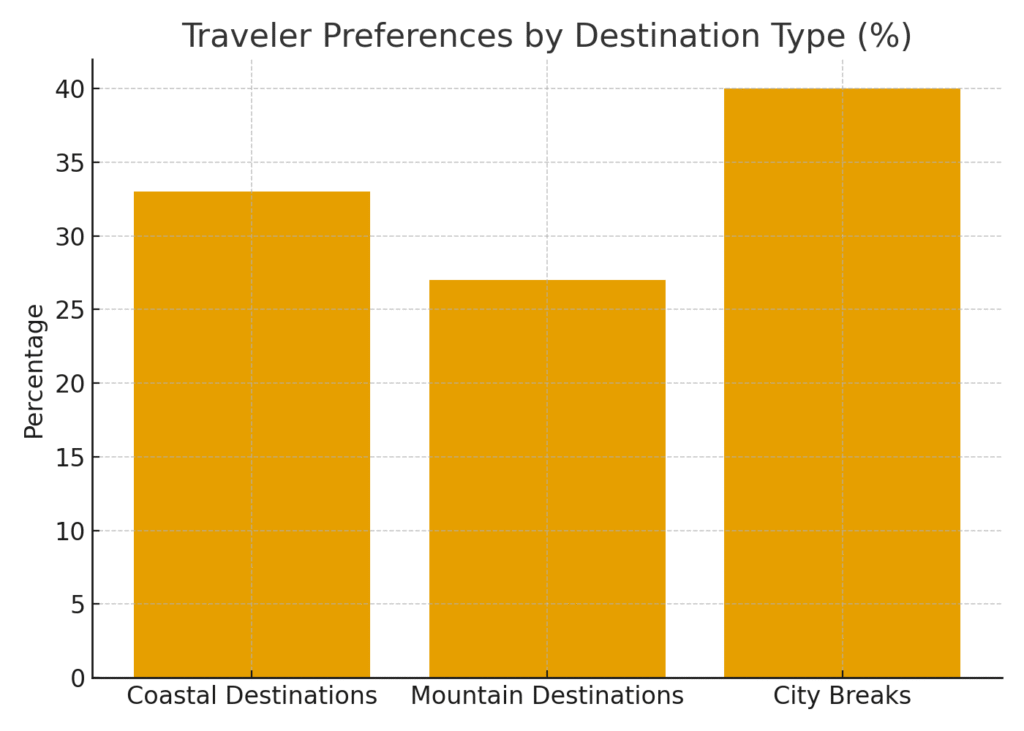
Coastal Marketing Statistics #1: One-Third Of Travelers Prefer Coastal Destinations
Coastal destinations consistently rank among the most desired vacation types, with one-third of travelers choosing them over mountains or city escapes. This shows how strong the emotional pull of the beach is when compared to other landscapes. For marketers, this preference offers a prime opportunity to highlight the serenity and unique lifestyle of coastal experiences. Campaigns that emphasize relaxation, sea views, and seaside activities can resonate with this audience. Essentially, beaches represent both escape and adventure, making them a dominant category in tourism.
Coastal Marketing Statistics #2: Beach Travel Is 1.22x Greater Than Mountain Travel
Studies show that interest in beach travel is about 1.22 times greater than interest in mountain vacations. This gap is particularly evident among higher-income individuals and travelers aged 55–75. Marketing messages targeted at this group can emphasize luxury amenities, health benefits, and stress-free environments. By leveraging this insight, coastal marketers can position destinations as more rewarding and rejuvenating than their inland alternatives. The data proves that beaches appeal to both aspiration and comfort seekers.
Coastal Marketing Statistics #3: 92% Of Consumers Trust User-Generated Content
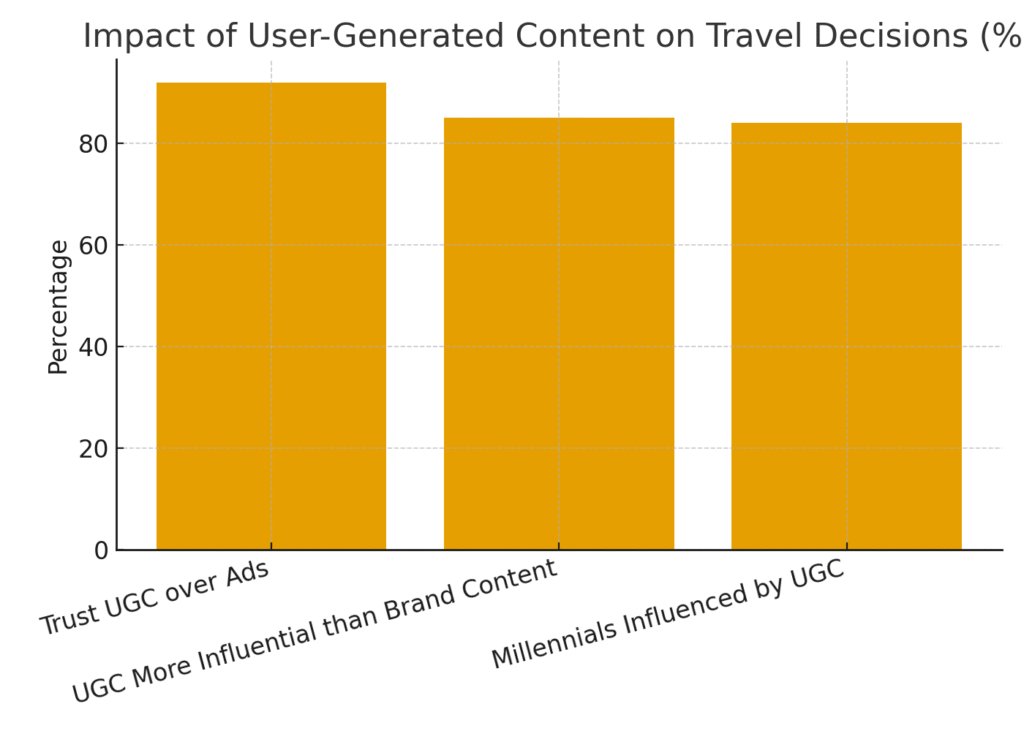
A massive 92% of consumers say they trust user-generated content (UGC) more than branded advertising. This shows that photos, reviews, and videos created by actual travelers hold more weight than polished ad campaigns. Coastal destinations can harness this by encouraging visitors to share authentic seaside experiences. Integrating UGC into websites and social media campaigns creates authenticity and community engagement. Trust is built more quickly when potential visitors see real, unfiltered experiences from fellow travelers.
Coastal Marketing Statistics #4: 85% Say UGC Is More Influential Than Brand Content
Approximately 85% of people consider UGC more influential than traditional brand photos or videos. For coastal tourism boards, this means that showcasing travelers’ snapshots of sunsets or local seafood can outperform stock imagery. Audiences crave authenticity and relatability when considering beach vacations. A curated feed of real experiences helps prospective tourists picture themselves there. In this way, coastal marketing strategies should prioritize authentic storytelling.
Coastal Marketing Statistics #5: 84% Of Millennials Are Influenced By UGC
Millennials, in particular, are heavily swayed by user-generated content, with 84% reporting it impacts their purchasing decisions. Since this generation forms a significant portion of frequent travelers, their preferences are critical. For coastal destinations, focusing on Instagram-worthy moments can inspire bookings. From sandy toes to waterfront dining, every image shared can create demand. This highlights the power of community-driven marketing in coastal tourism.
Coastal Marketing Statistics #6: UGC Market To Grow To $1.1 Billion By 2035
The user-generated content market in tourism is projected to grow from $279.8 million in 2025 to over $1.1 billion by 2035. This rapid growth signals a major shift toward authenticity in marketing strategies. Coastal marketers can prepare by investing in platforms that highlight traveler-created content. Long-term, campaigns relying on UGC will see stronger engagement and ROI. The scale of growth underscores UGC’s central role in travel promotion.
Coastal Marketing Statistics #7: 74% Of Travelers Book Entire Trips Online
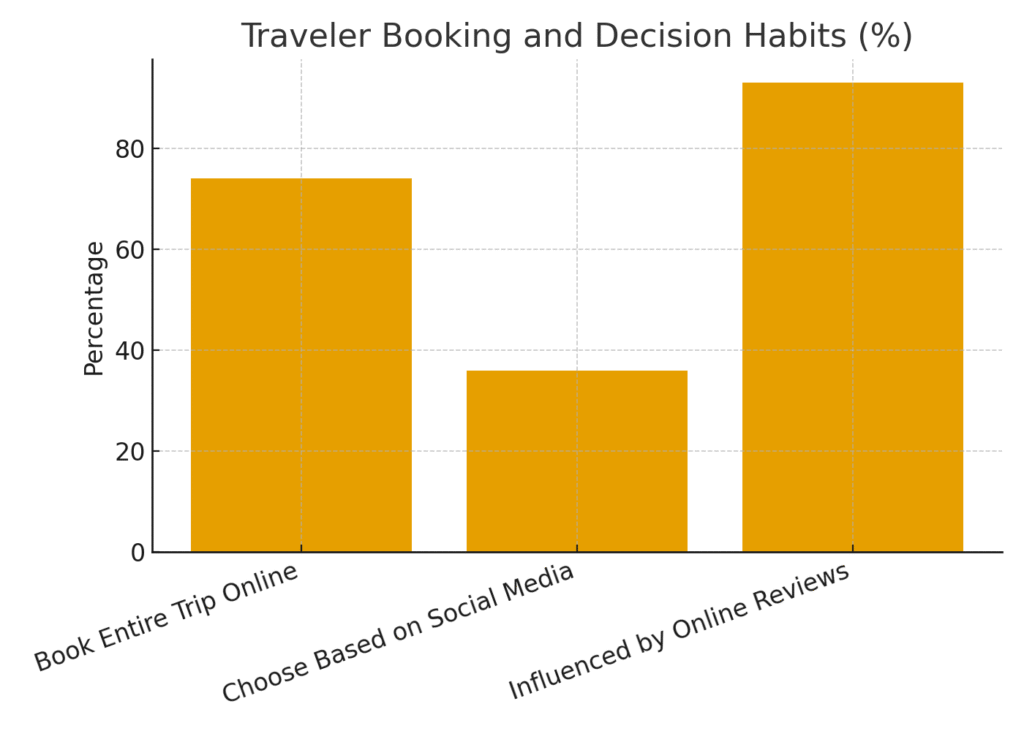
Nearly three-quarters of travelers now book all aspects of their trips online. For coastal destinations, this means a seamless digital presence is essential. If a beach resort or seaside activity cannot be booked online, it risks being overlooked. User-friendly booking systems paired with engaging imagery can dramatically boost conversions. A frictionless experience can often be the deciding factor between one destination and another.
Coastal Marketing Statistics #8: 36% Choose Destinations Based On Social Media
More than one in three travelers decide where to go based on what they see on social media. For coastal marketers, platforms like Instagram and TikTok are invaluable. Short-form video content showcasing sunsets, beaches, or local experiences can spark instant wanderlust. This trend proves that digital storytelling is no longer optional—it’s a requirement. Social proof and shareability directly shape destination popularity.
Coastal Marketing Statistics #9: 93% Say Online Reviews Affect Bookings
Almost all travelers—93%—admit that online reviews influence their booking decisions. Coastal businesses with high ratings stand a better chance of converting browsing into bookings. Transparency and responsiveness to reviews also play a big role in credibility. This creates a direct link between reputation management and revenue. In short, good reviews are as important as good weather.
Coastal Marketing Statistics #10: 72% Pick Hotels With Higher Ratings Over Lower Price
When faced with a choice, 72% of travelers prioritize higher-rated hotels even if they cost more. This shows that value is defined by quality, not just affordability. For coastal marketers, investing in guest experience pays off more than slashing prices. Positioning a resort as premium and well-reviewed can attract discerning travelers. It’s proof that perception outweighs discounting in coastal tourism.
Coastal Marketing Statistics #11: Average American Travel Spend To Reach $5,915 In 2025
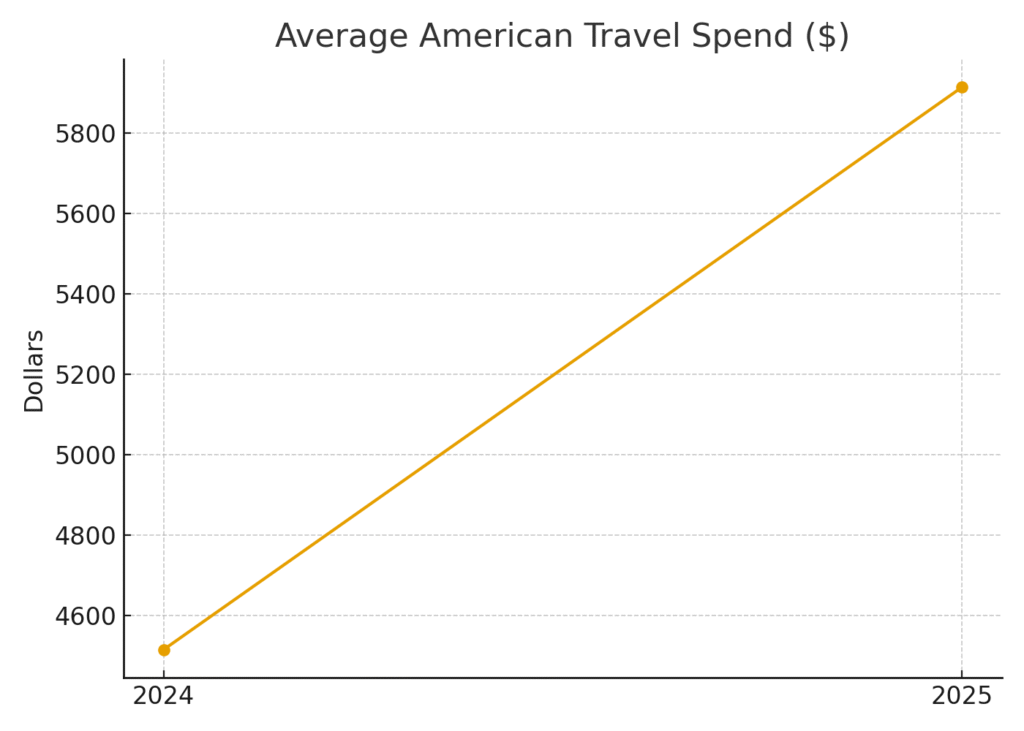
In 2025, Americans plan to spend nearly $6,000 on travel, up 31% from 2024. Coastal destinations can benefit by offering attractive package deals that fit within this increased budget. With travelers willing to invest more, premium beachside experiences become more marketable. Resorts and agencies should highlight all-inclusive offerings to capture this spend. The rising budget signals a healthy opportunity for coastal marketers.
Coastal Marketing Statistics #12: 97% Of Americans Plan A Trip This Year
An overwhelming 97% of Americans plan to travel in 2025, ensuring strong demand for coastal marketing. This creates a competitive environment where destinations must stand out. Storytelling, unique cultural experiences, and niche positioning are vital. Simply being a beach is not enough; the story behind the destination matters. With such high travel intent, visibility is the new currency.
Coastal Marketing Statistics #13: 59% Prefer U.S. Beaches Over International
Almost 60% of Americans prefer domestic beaches to traveling abroad. This creates an advantage for U.S. coastal destinations seeking local travelers. It also highlights the role of convenience, cost, and perceived safety in decision-making. Marketing campaigns should showcase ease of access and familiarity. Even for exotic-feeling experiences, proximity often wins.
Coastal Marketing Statistics #14: 42% Favor East Coast Beaches In 2025
When asked about their preferred U.S. coastal destinations, 42% pointed to the East Coast. This suggests strong loyalty to familiar regions. It also gives marketers in these states a chance to dominate advertising. Highlighting cultural traditions and family-friendly experiences along the East Coast can build on this strength. Familiarity, in this case, breeds preference.
Coastal Marketing Statistics #15: Cleanliness Is The Top Non-Negotiable
Travelers consistently cite cleanliness as the most important factor in choosing a beach. For marketers, this means cleanliness campaigns can be powerful tools. Highlighting eco-friendly programs and spotless shorelines appeals to health-conscious travelers. Pairing visuals of pristine sand and water can build trust instantly. Cleanliness, more than luxury, sells coastal destinations.
Coastal Marketing Statistics #16: 46% Of Trips Are To Visit Family Or Friends
Nearly half of trips taken by Americans are to visit loved ones, but many extend those visits with beachside getaways. Coastal marketers can tie family visits into broader vacation messaging. Campaigns can frame beach trips as natural extensions of family connections. By positioning coastal destinations as places to create shared memories, marketers can increase relevance. Blending family and leisure marketing can capture this large segment.
Coastal Marketing Statistics #17: 40% Plan To Relax By The Beach Or Pool In Summer
Four in ten travelers say their summer goal is simply to relax by water. This emphasizes the importance of leisure-focused marketing. Stress-free imagery and messages about calm atmospheres resonate most strongly. For coastal marketers, less can be more—focus on simplicity and peace. Travelers are actively seeking stillness in a busy world.
Coastal Marketing Statistics #18: Authenticity Beats Over-Staged Content
Modern travelers are increasingly skeptical of overly polished advertising. Authentic content, especially UGC, has higher performance rates. Coastal marketers who embrace raw storytelling can build stronger relationships. Highlighting local voices, behind-the-scenes footage, and traveler testimonials brings campaigns to life. Authenticity isn’t just a trend—it’s the future of destination marketing.
Coastal Marketing Statistics #19: 43% Of Gen Z Prefer Beach Vacations
Nearly half of Gen Z travelers prefer beaches over other types of vacations. This generation’s preferences lean toward social, shareable, and visually appealing experiences. Coastal destinations that cater to this can grow loyalty early. Engaging content, tech integration, and influencer collaborations appeal to Gen Z. Their love for beaches secures a strong future market for coastal tourism.
Coastal Marketing Statistics #20: Flexibility And Value Drive Choices
Flexibility in booking and perceived value are key decision-making factors for travelers. Coastal marketers must emphasize refundable policies, package deals, and unique value propositions. Modern consumers look for peace of mind in addition to experiences. By offering security alongside beauty, destinations win more trust. Coastal travel decisions are now a balance of both flexibility and excitement.
Wrapping It All Up
Looking back at these coastal marketing statistics, I can honestly say they’ve changed the way I think about destination marketing. They remind me that behind every data point is someone planning their next trip, looking for a memory worth making. My biggest takeaway is that authenticity and trust matter as much as sunshine and waves. As someone who works closely with tourism campaigns, I feel both challenged and excited to use these insights to create more meaningful, people-first strategies. After all, the coast isn’t just a place—it’s a feeling we all want to experience, and it’s my job to help bring that to life through marketing that truly resonates.
SOURCES