




24 Sep TOP 20 COBBLER MARKETING STATISTICS 2025
I’ve always been fascinated by how traditional trades like cobbling are finding new ways to stay relevant in a world that seems to move faster every day. While researching cobbler marketing statistics, I realized just how much opportunity there is for local repair shops to thrive when they embrace digital strategies and consumer trends. As someone who loves highlighting stories where heritage meets modern innovation, I wanted to gather these numbers to help other business owners see the bigger picture. Along the way, I leaned on insights I’ve picked up while collaborating with the leading marketing agency in New York, because they truly understand how to bridge that gap between tradition and contemporary marketing. This blog is as much about the numbers as it is about the people behind the craft—passionate cobblers who keep our shoes, and our stories, alive.
Top 20 Cobbler Marketing Statistics 2025 (Editor’s Choice)
🔨 Top 20 Cobbler Marketing Statistics
Essential data insights for shoe repair business success in 2025
| # | Category | Key Statistic & Insight |
|---|---|---|
| 1 | Market Size |
US market size: $317.3 million in 2025
The total market value shows decline from previous years due to changing consumer habits and rise of disposable footwear.
|
| 2 | Business Count |
3,102 shoe repair businesses operate in the US
Indicates a fragmented market with many small operators, creating opportunities for differentiation and local market dominance.
|
| 3 | Industry Scale |
Approximately 6,000 cobbler businesses provide services nationwide
According to Shoe Service Institute of America, showing the traditional scope of the industry across America.
|
| 4 | Market Decline |
Industry declined at 4.4% CAGR (2019-2024)
Reflects challenges from fast fashion, remote work trends, and consumer preference for replacement over repair.
|
| 5 | Global Growth |
Global market expected to reach $6.8B by 2033 (5.2% CAGR)
Shows potential for growth in emerging markets and sustainability-focused repair services.
|
| 6 | Service Mix |
Sole repair accounts for 31% of total market share
The largest single service category, indicating where cobblers should focus their expertise and marketing efforts.
|
| 7 | Revenue Per Location |
Average sales per location: $200,000 annually
Indicates modest revenue potential per shop, emphasizing need for efficiency and premium service positioning.
|
| 8 | Employee Wages |
Average pay per employee: $28,748 annually
Low wages indicate challenges in attracting talent and suggest need for business model improvements.
|
| 9 | Hourly Wages |
Canadian cobbler median wage: $16.71/hour
Below minimum wage in some regions, highlighting industry-wide compensation challenges and workforce retention issues.
|
| 10 | Service Evolution |
Mail-in repair services reshaping industry landscape
Increases accessibility but reduces foot traffic for physical stores, requiring hybrid business models.
|
| 11 | Pricing Trends |
Shoe prices rising 4-5% annually
Due to labor, material, and fuel costs - potentially driving more consumers toward repair over replacement.
|
| 12 | Market Impact |
Post-COVID work culture reduced formal footwear demand
Hybrid work patterns decreased need for leather dress shoes, traditional cobbler specialty, requiring service diversification.
|
| 13 | Competition |
Fast fashion disposable footwear significantly impacts traditional repair shops
Low-cost shoes make replacement more attractive than repair, requiring focus on premium and specialty footwear markets.
|
| 14 | Workforce Demographics |
82% male workforce, 82% over 45 years
Aging, male-dominated workforce indicates succession planning challenges and diversity opportunities.
|
| 15 | Market Structure |
833 companies with top 4 holding 12.5% market share
Highly fragmented market with no dominant players, creating opportunities for consolidation and brand building.
|
| 16 | Premium Market |
Rising demand for designer and limited edition shoe repair
High-value footwear owners seek professional repair, creating premium service opportunities with higher margins.
|
| 17 | Niche Markets |
Dance industry shows increased repair demand
Specialized footwear requirements in performing arts create targeted marketing opportunities for cobblers.
|
| 18 | Regional Markets |
North America: 32% global market, Asia Pacific: 30% (fastest growing)
Geographic opportunities vary, with emerging markets showing stronger growth potential than mature markets.
|
| 19 | Technology Integration |
Digital transformation: online booking, pickup/drop services
Technology adoption improving convenience and customer experience, essential for modern cobbler competitiveness.
|
| 20 | Marketing Evolution |
Social media and storytelling crucial for modern cobbler marketing
Digital marketing and community engagement becoming essential tools for customer acquisition and brand building.
|
Top 20 Cobbler Marketing Statistics 2025
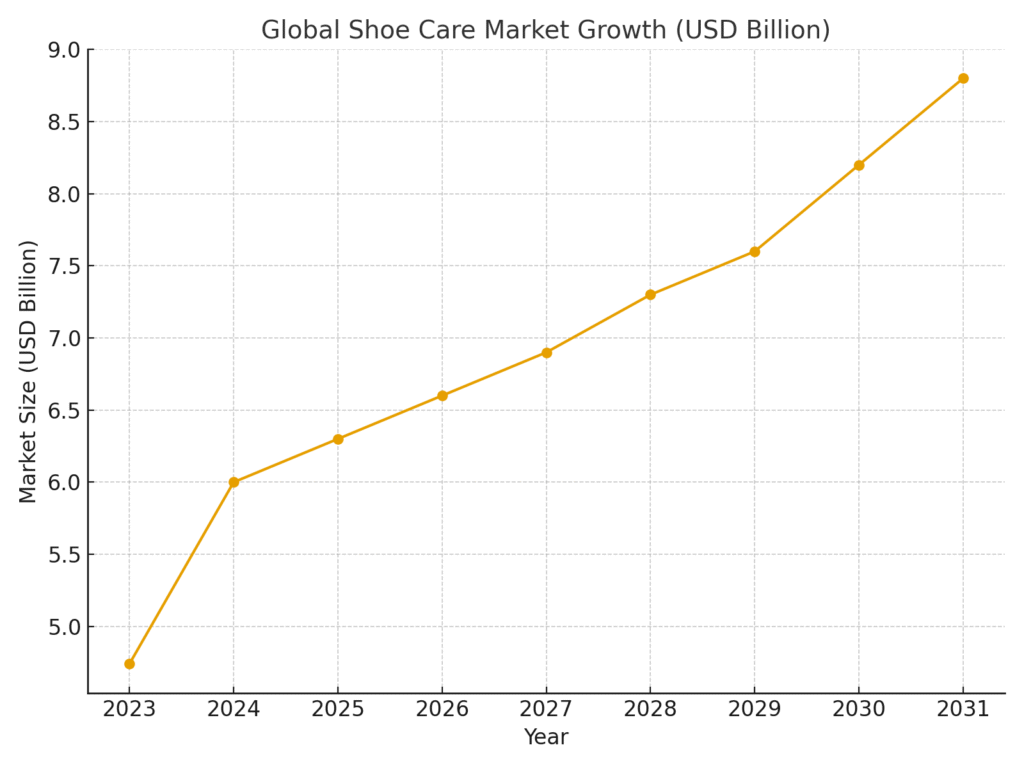
Cobbler Marketing Statistics #1: Global Shoe Care Market Valued At USD 4.74 Billion In 2023
The global shoe care market reaching USD 4.74 billion in 2023 shows just how strong the demand is for footwear maintenance products. For cobblers, this is a sign that people are investing in extending the life of their shoes instead of constantly replacing them. It demonstrates a culture shift toward sustainability and preservation. This number highlights that cobblers are operating within a much larger ecosystem of shoe care and repair. By positioning services alongside this growing market, cobblers can capture a share of consumer spending.
Cobbler Marketing Statistics #2: Shoe Care Market Expected To Grow At 4.0% CAGR (2024–2030)
A growth rate of 4.0% CAGR over the next six years indicates steady expansion in the shoe care market. This is a clear opportunity for cobblers to build long-term strategies around consumer demand for repair and care. It suggests that marketing investments now will pay off in sustained growth later. The figure reassures cobblers that their trade isn’t fading away—it’s evolving with market trends. Staying visible online and in communities ensures cobblers can ride this wave.
Cobbler Marketing Statistics #3: Shoe Care Market May Reach USD 8.8 Billion By 2031
Projected growth from USD 6 billion in 2024 to USD 8.8 billion in 2031 reflects significant consumer interest. This indicates that the appeal of shoe care is more than just a passing trend. For cobblers, this opens the door to expanding services beyond repair, into complementary care offerings. It also highlights the importance of marketing to differentiate from big retail brands. By embracing storytelling and personal branding, cobblers can stand out in this rising market.
Cobbler Marketing Statistics #4: Footwear Repair Services Market At USD 4.5 Billion In 2024
The footwear repair services market, valued at USD 4.5 billion in 2024, underscores the scale of the cobbler industry globally. It shows that shoe repair is still a viable and thriving business. For independent cobblers, this validates the importance of continuing the craft. Marketing can help highlight the unique value of skilled repair over disposable fashion. This stat is proof that cobblers can successfully compete by leaning on quality and tradition.
Cobbler Marketing Statistics #5: Shoe Repair Market To Reach USD 1.8 Billion By 2035
The shoe repair market’s growth to USD 1.8 billion by 2035 may seem modest but is significant for a heritage industry. This steady expansion indicates reliable demand rather than rapid, risky booms. For cobblers, it means there will always be customers who value their craft. Marketing helps keep that audience engaged and aware of services. The opportunity lies in consistently reminding communities that repair saves money and reduces waste.
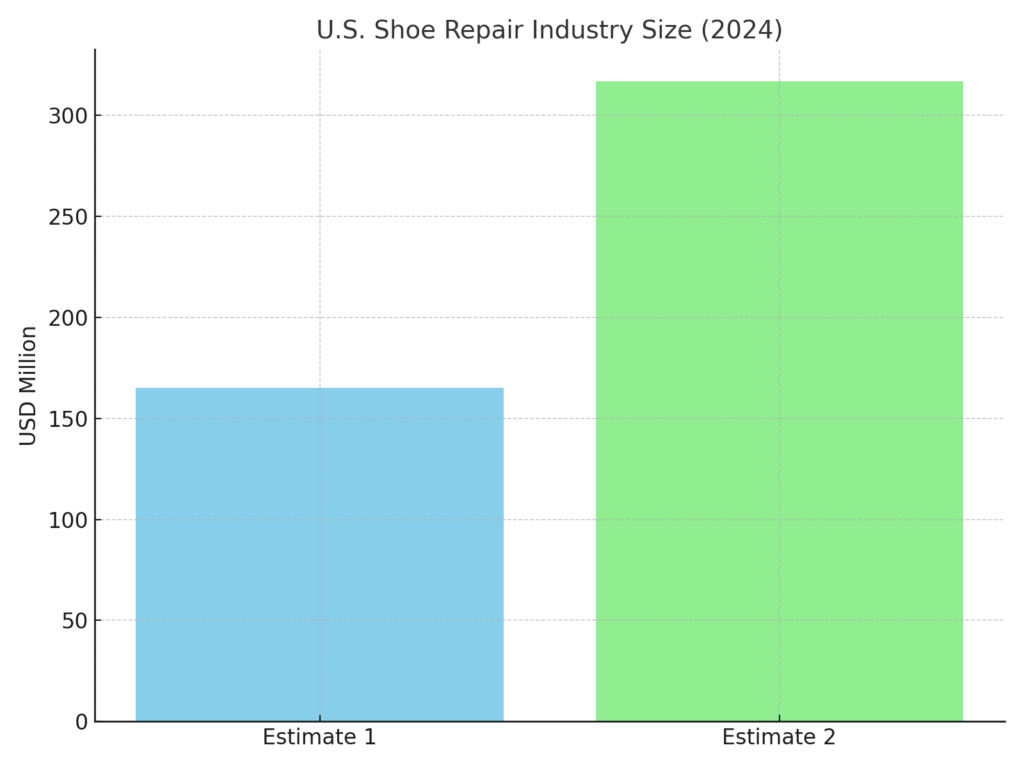
Cobbler Marketing Statistics #6: U.S. Shoe Repair Industry Worth USD 165.3 Million In 2024
The U.S. shoe and leather repair industry revenue of USD 165.3 million shows the local strength of the sector. While smaller compared to global numbers, it represents steady domestic demand. For cobblers, it proves the market is large enough to support small businesses. Marketing is key to standing out in such a competitive but fragmented industry. This figure shows there’s room to grow when businesses actively promote their value.
Cobbler Marketing Statistics #7: U.S. Shoe Repair Market Estimated At USD 317 Million In 2024
Another source estimates the U.S. market at USD 317 million in 2024, showing the range of reported figures. Even with differences, both statistics confirm a solid market size. Cobblers can use this data to assure customers and partners that their trade is thriving. Marketing campaigns can position cobblers as the go-to choice for quality care in a multi-million-dollar industry. These numbers highlight stability and relevance for shoe repair services.
Cobbler Marketing Statistics #8: 834 Companies In U.S. Shoe Repair Market In 2024
With around 834 companies in the U.S. shoe repair market, cobblers operate in a fragmented industry. This creates both competition and opportunity. For individual cobblers, standing out with unique marketing is essential. It emphasizes the importance of digital presence to rise above local competition. This statistic shows that while the market is crowded, there’s still room for growth through differentiation.
Cobbler Marketing Statistics #9: –4.6% Five-Year Average Growth In U.S. Repair Industry
The negative –4.6% five-year growth rate reflects challenges in the U.S. repair sector. Changing consumer habits and fast fashion have influenced this decline. However, it also highlights the urgency for cobblers to invest in marketing to reverse the trend. By promoting sustainability and quality, cobblers can change perceptions. This stat is a reminder that survival depends on adapting with strong messaging.
Cobbler Marketing Statistics #10: Top 4 Companies Hold 12.5% Of U.S. Market Share
The top four companies holding just 12.5% market share shows how decentralized the shoe repair industry is. This leaves space for small, independent cobblers to succeed. Marketing becomes the tool that allows local businesses to compete with larger players. This stat suggests cobblers don’t need massive budgets to be relevant. With smart promotion, even a small shop can carve out a loyal customer base.
Cobbler Marketing Statistics #11: Average Revenue Per Location Is USD 200,000
Earning an average of USD 200,000 per location is a healthy figure for shoe repair shops. This proves that the business model can be profitable when done right. For cobblers, it sets a benchmark for success. Marketing helps ensure enough foot traffic and online bookings to reach this average. This stat shows that profitability is within reach when services are visible and valued.
Cobbler Marketing Statistics #12: Revenue Per Employee At USD 66,057
Revenue per employee at USD 66,057 demonstrates solid productivity in the shoe repair industry. It proves that cobblers contribute high value relative to workforce size. For small shops, it validates the efficiency of operating lean. Marketing plays a role in maintaining this productivity by keeping demand consistent. This stat highlights that with the right promotion, each worker’s output can be maximized.
Cobbler Marketing Statistics #13: Average Hourly Pay In Industry At USD 31.11
An average hourly pay of USD 31.11 for finance and admin roles shows competitive compensation levels. For cobblers, this implies potential for sustainable careers in the trade. Strong marketing helps support these wages by bringing in steady revenue. It reinforces the idea that shoe repair is not a dying art but a valued service. This stat shows that the industry rewards skill and business savvy.
Cobbler Marketing Statistics #14: Sustainability Driving Demand For Repair Services
Growing consumer focus on sustainability is pushing more people toward repair over replacement. For cobblers, this is one of the strongest marketing points available. Highlighting eco-friendly practices can resonate deeply with modern audiences. This trend turns cobblers into champions of both tradition and environmental care. This stat suggests that green messaging should be at the heart of cobbler marketing.
Cobbler Marketing Statistics #15: Online Shoe Care Sales Growing At 5.8% CAGR
The online segment of shoe care is growing at a 5.8% CAGR, outpacing offline channels. For cobblers, this shows the value of embracing e-commerce and digital booking. Consumers are increasingly searching for services online first. Marketing online ensures cobblers stay visible in this digital-first world. This stat demonstrates the importance of adapting to where customers are.
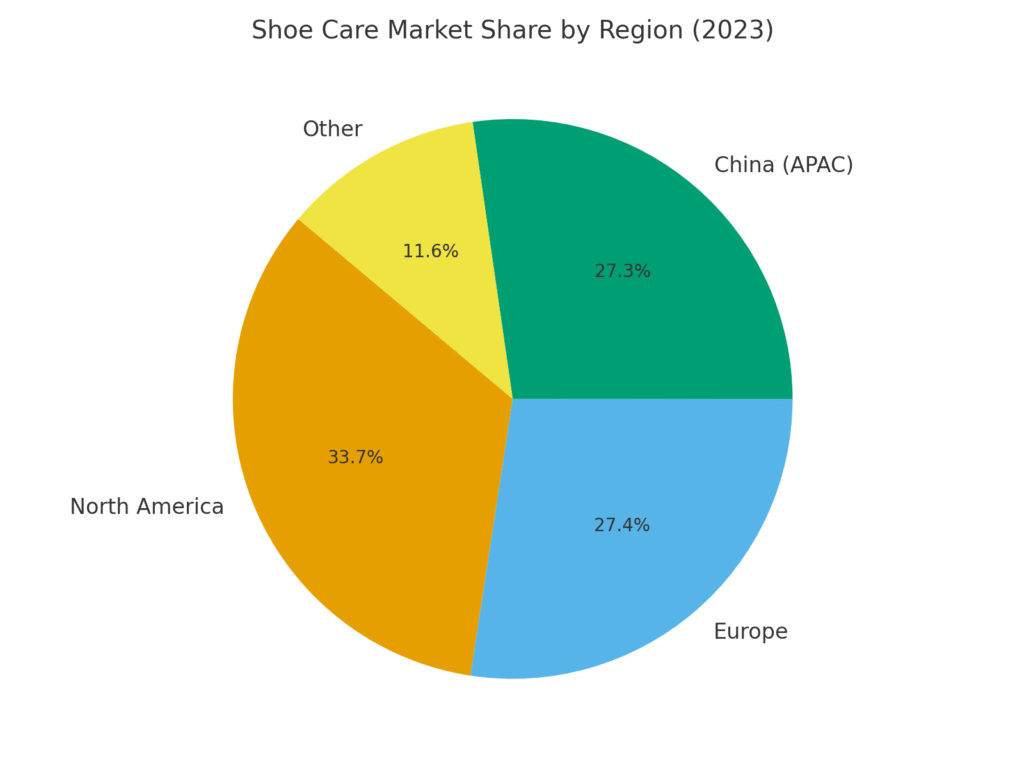
Cobbler Marketing Statistics #16: North America Accounts For 33.7% Of Shoe Care Market
North America’s 33.7% share of the shoe care market makes it the largest region globally. For cobblers in the U.S. and Canada, this is encouraging news. It shows regional demand is high and growing. Marketing locally while leveraging regional pride can strengthen customer relationships. This stat reminds cobblers that they operate in a leading market for their craft.
Cobbler Marketing Statistics #17: Europe Holds 27.4% Share Of Shoe Care Market
Europe’s 27.4% market share reflects a strong cultural tradition of shoe care. For cobblers, this shows the value of heritage marketing and storytelling. Customers in Europe often value craftsmanship, making marketing authenticity key. This stat confirms that European cobblers can thrive by leaning into cultural identity. It also shows opportunity for new entrants to emphasize quality and tradition.
Cobbler Marketing Statistics #18: China Holds 27.3% Of Asia Pacific Shoe Care Market
China’s 27.3% share of Asia Pacific’s shoe care market highlights its economic importance. For cobblers, this stat suggests opportunity in large, urban markets where consumerism is strong. Marketing strategies should focus on convenience, quality, and sustainability to attract these audiences. This figure confirms that cobblers can thrive even in fast-moving economies. It shows the importance of aligning marketing with local values.
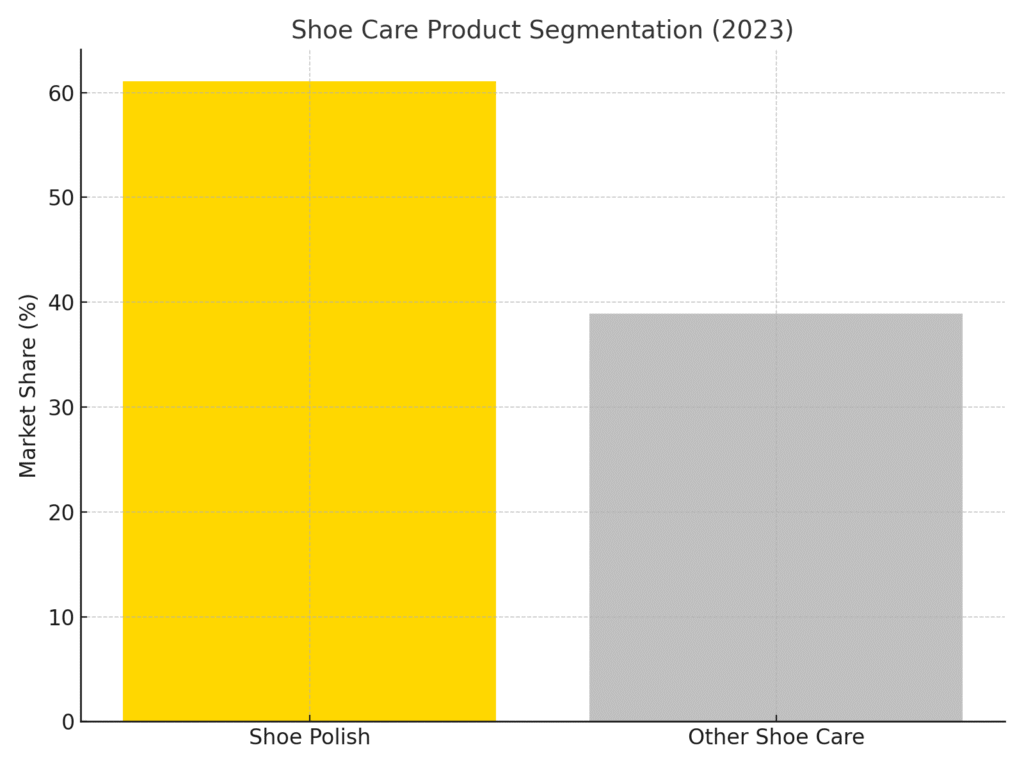
Cobbler Marketing Statistics #19: Shoe Polish Products Dominate With 61.1% Market Share
Shoe polish’s 61.1% share of the market shows how much consumers prioritize appearance and maintenance. For cobblers, this is a chance to offer value-added services like polishing, shining, and care products. Marketing these services alongside repairs creates additional revenue streams. This stat demonstrates the demand for comprehensive shoe care. It highlights the benefit of marketing cobblers as full-service footwear care providers.
Cobbler Marketing Statistics #20: Formal Shoes Make Up 52.9% Of Shoe Care Market Use
With formal shoes representing 52.9% of shoe care market applications, demand is tied to professional lifestyles. For cobblers, this means tailoring marketing to professionals who need their shoes to last. Highlighting repair and polish services for formal footwear resonates strongly. This stat suggests marketing should target businesspeople, office workers, and event-goers. It reinforces the importance of connecting services with lifestyle needs.
Why These Statistics Matter to Cobblers Like Us
Looking at these statistics, I can’t help but feel encouraged about the future of cobblers and shoe repair services. Yes, the numbers paint a picture of growth and challenges, but they also show how much room there is for creativity in marketing—even in a trade as timeless as ours. Personally, I find comfort in knowing that sustainability and craftsmanship still resonate with customers, and with the right approach, we can tell those stories more effectively. My goal in sharing these cobbler marketing statistics is to inspire others in the trade to see marketing not as a chore but as a way to connect with the communities we serve. If you’re anything like me, you’ll find that the blend of tradition and smart promotion can keep this beautiful craft thriving for generations to come.
SOURCES