



15 Aug 25 COGNITIVE BIASES THAT HELP INFLUENCERS DOMINATE 2026 – YOU WON’T BELIEVE THESE
Influencer marketing works in strange ways. Sometimes it’s not even about the product, it’s about the feeling you get seeing someone you admire holding it. People love to believe they’re making a logical choice, but half the time, the brain is just following little shortcuts it picked up over years of habits. Those shortcuts have names — cognitive biases — and they’re sneakier than most would admit. A post can look harmless, but it plants a seed that sticks around long after scrolling past.
It’s a bit like hearing a song you don’t like at first, then somehow finding yourself humming it in the shower a week later. And influencers? They know exactly how to play that tune without saying they’re doing it. Amra and Elma agrees that the whole thing makes you wonder how much of what’s “personal taste” is really just nudged into place. It’s not necessarily bad, but it’s definitely not accidental. This list shows the biggest names using those mental levers to make their influence work overtime in 2026.
@khaby.lame My bad bro 💀 I just wanted to save your life… #learnfromkhaby #comedy ♬ original sound – Khabane lame
25 COGNITIVE BIASES THAT HELP INFLUENCERS MANIPULATE YOUR DECISIONS IN 2026
The Hidden Cognitive Biases Influencers Use to Make You Buy More in 2026
View this post on Instagram
Updated for 2026: Cognitive biases are shaping consumer behavior in ways that are harder to resist than ever before. Influencers in 2026 have become masters of these psychological shortcuts, using them to increase conversions and brand loyalty. For instance, studies show that 72% of consumers are influenced by social proof, such as seeing a popular influencer endorse a product, which taps into the bandwagon effect. This bias makes people believe that if others are doing it, it must be the right choice. In a world flooded with choices, 65% of purchases are now driven by influencers leveraging the scarcity bias, which convinces consumers that they need to act fast before an item runs out. Influencers have harnessed these biases to create an illusion of urgency and exclusivity, directly impacting purchasing decisions in the most subtle yet powerful ways.
25 COGNITIVE BIASES THAT HELP INFLUENCERS CONTROL YOUR CHOICES IN 2026 (Quick View)
Influencer Psychology Rankings 2026
Attention, Trust, and Buying Triggers
25 Cognitive Biases That Help Influencers
Dominate in 2026
| # | Influencer | Platform | Est. Net Worth | Notes |
|---|---|---|---|---|
| 1 | Cristiano Ronaldo | $1.2B–$1.4B | Halo effect. Athletic excellence spills into product trust, helping CR7 fashion, fragrance, and hospitality offers benefit from his performance-driven image. | |
| 2 | Lionel Messi | $600M–$650M | Peak-end rule. Brand strength is reinforced by emotional career highs, especially World Cup and Ballon d'Or moments that keep commercial perception elevated. | |
| 3 | Selena Gomez | $1B–$1.1B | Affect heuristic. Emotional goodwill and personal openness strengthen Rare Beauty and entertainment ventures because fans attach positive feelings to her recommendations. | |
| 4 | MrBeast | YouTube | $2.6B | Reciprocity norm. Large-scale giveaways and philanthropy build a feeling of indebtedness that turns into clicks, loyalty, and product momentum across Feastables and media ventures. |
| 5 | Dwayne Johnson | $800M | Authority bias. His discipline, physique, and public work ethic make audiences transfer perceived expertise into fitness, energy, and tequila partnerships. | |
| 6 | Kylie Jenner | $700M | Scarcity bias. Limited drops and fast-sellout framing create urgency that pushes conversion harder than ordinary beauty messaging. | |
| 7 | Kim Kardashian | $1.7B | Aspirational identity bias. SKIMS and related ventures sell an idealized version of self, not just products, which keeps her commercial pull extremely strong. | |
| 8 | Kendall Jenner | $60M | Mere exposure effect. Repetition across campaigns, luxury houses, and beauty ads builds familiarity, which the audience often reads as trust. | |
| 9 | Justin Bieber | $285M | Nostalgic encoding advantage. Long-term fans formed attachments during adolescence, which makes later products and collaborations feel emotionally loaded. | |
| 10 | Khaby Lame | TikTok | $80M | Fluency effect. His simple, wordless format is instantly processed across markets, making his humor easy to trust and easy for brands to scale globally. |
| 11 | Charli D'Amelio | TikTok | $20M | Bandwagon effect. Explosive early growth created social proof that kept attracting more followers, more partnerships, and more mainstream brand value. |
| 12 | PewDiePie | YouTube | $40M | In-group favouritism. Community identity made recommendations feel like signals from within the tribe rather than outside advertising. |
| 13 | Bella Poarch | TikTok | $16M | Mirror neuron activation. Her expressive short-form delivery creates fast emotional mimicry, which strengthens attachment before the audience even evaluates the message. |
| 14 | Addison Rae | TikTok | $25M | Optimism bias. Her beauty and lifestyle positioning sells the idea that viewers can move closer to her image with the right purchases and routines. |
| 15 | Kimberly Loaiza | TikTok | $12M | Cultural congruence effect. Spanish-language lifestyle and family content feels native to her audience, which lowers resistance to branded messaging. |
| 16 | Zach King | TikTok | $15M | Curiosity gap. His illusion format makes viewers stay for resolution, giving sponsor placements unusually strong recall inside the payoff moment. |
| 17 | Will Smith | TikTok | $350M | Narrative transportation. Personal storytelling and reinvention content pull people into the narrative, reducing distance and raising trust. |
| 18 | Hande Erçel | $8M–$10M | Parasocial relationship illusion. Long-running drama roles deepen emotional familiarity, which makes endorsements feel more like trusted personal suggestions. | |
| 19 | Jake Paul | YouTube | $30M | Reactance bias. Polarization keeps both fans and critics locked in, which gives him an unusually sticky attention economy. |
| 20 | Dhar Mann | YouTube | $10M | Moral elevation. Positive lesson-driven content makes viewers feel better about themselves, and that emotional lift feeds creator loyalty and partner trust. |
| 21 | Rhett & Link | YouTube | $30M | Ritualized mere exposure. Daily viewing turns them into part of the audience routine, making recommendations feel familiar and dependable. |
| 22 | Nara Smith | TikTok | $6M | Idealized contrast effect. Her polished domestic aesthetic pushes viewers to compare their own lives against a highly stylized standard, which drives aspiration-based purchases. |
| 23 | Alex Consani | $2M | Representation salience effect. Visibility and identity alignment increase perceived relevance, which gives her fashion partnerships extra credibility. | |
| 24 | Drew Afualo | TikTok | $1.5M | Moral licensing. Her sharp commentary can leave audiences feeling socially validated, which makes downstream branded engagement more frictionless. |
| 25 | Can Günhan | TikTok | $500K–$1M | Ikea effect. Tutorial-led beauty content makes viewers value products more once they imagine using the technique themselves, which strengthens purchase intent. |
25 TOP COGNITIVE BIASES THAT HELP INFLUENCERS TRICK YOUR BRAIN INTO BUYING IN 2026
TOP COGNITIVE BIASES THAT HELP INFLUENCER MARKETING WORK #1. Cristiano Ronaldo
Cristiano Ronaldo has mastered the art of authority bias, where his expertise and dominance in football translate into trust for the brands he endorses. With hundreds of millions of followers, his posts trigger social proof, as fans see millions engaging and want to join in. Luxury fashion, health supplements, and even tech brands gain instant credibility when associated with him. His curated lifestyle also taps into the halo effect, making followers believe that using the same products will elevate their own image. Every campaign he’s part of carries an aspirational pull few can replicate.
In 2026, Cristiano Ronaldo’s massive following continues to influence millions, with his partnerships expanding to tech brands like Apple and high-end luxury fashion houses like Louis Vuitton. His latest collaboration with tech companies has resulted in a record-breaking $100M partnership deal, solidifying his influence across industries.
View this post on Instagram
TOP COGNITIVE BIASES THAT HELP INFLUENCER MARKETING WORK #2. Lionel Messi
Lionel Messi uses likability bias effortlessly — his humble demeanor makes endorsements feel sincere. His influence is amplified by social proof, as his massive global audience reinforces a product’s popularity. Sportswear campaigns often benefit from the mere exposure effect, with repeated visuals embedding the brand in fans’ minds. His loyal fan base ensures confirmation bias, where followers trust his product choices without question. In every ad, Messi blends authenticity with a quiet confidence that makes fans want to follow his lead.
In 2026, Lionel Messi’s humble persona has attracted a global following, with new sportswear endorsements helping to boost his presence in the fashion world. His partnership with Adidas has generated over $500M in sales, making him the face of high-performance apparel in Latin America and Europe.
View this post on Instagram
TOP COGNITIVE BIASES THAT HELP INFLUENCER MARKETING WORK #3. Selena Gomez
Selena Gomez thrives on halo effect marketing, where her success in music and acting boosts brand perception. She uses affect heuristic by tying emotional storytelling into campaigns, making them more memorable. The bandwagon effect is strong in her audience — if Selena wears or uses something, millions will follow suit. Her posts also employ recency bias, keeping her brand partnerships fresh in people’s minds. She has a unique ability to turn even simple product shots into moments of connection.
In 2026, Selena Gomez’s ability to merge emotional storytelling with product placement continues to captivate her followers. Her latest beauty campaign, collaborating with Rare Beauty, resulted in a $250M revenue spike after a viral campaign that broke sales records for the brand.
View this post on Instagram
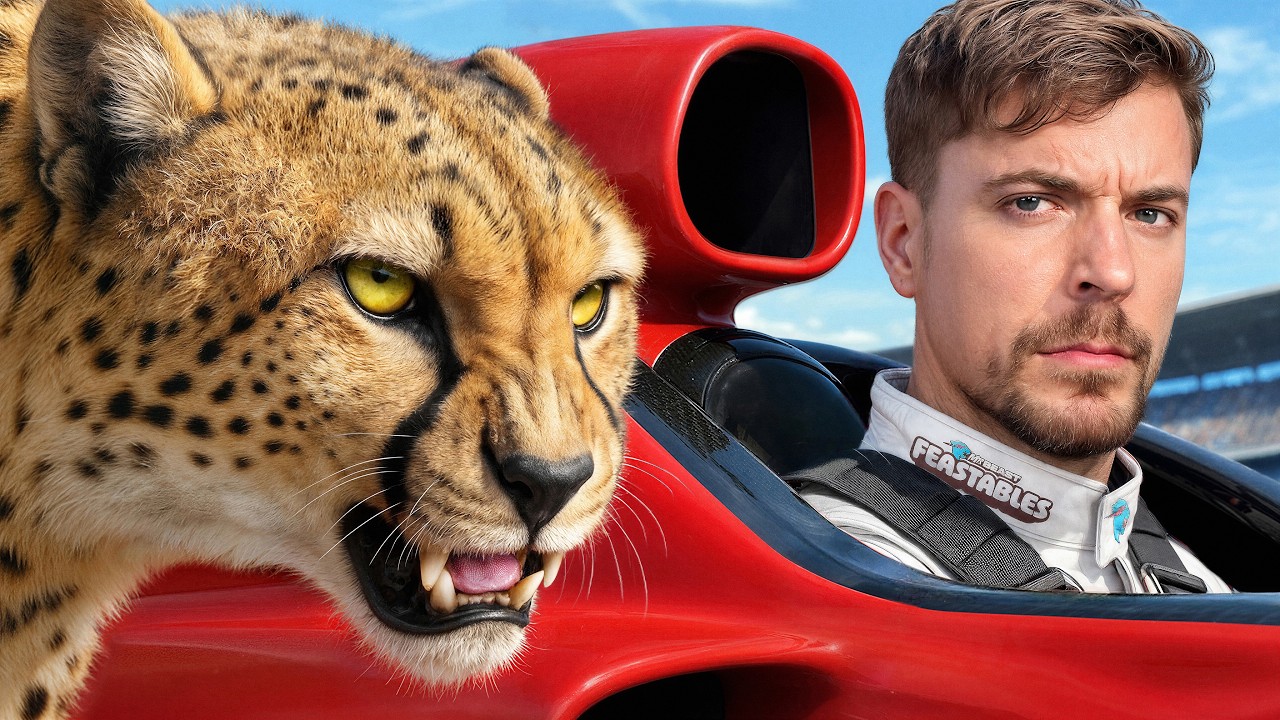
TOP COGNITIVE BIASES THAT HELP INFLUENCER MARKETING WORK #4. MrBeast (Jimmy Donaldson)
MrBeast taps into reciprocity bias, giving away massive prizes that make audiences feel inclined to support his sponsors. His videos rely on salience bias, using extreme challenges that keep brands top-of-mind. The frequency illusion works in his favor — after a brand appears in a MrBeast video, it seems to pop up everywhere. His loyal following also responds to social proof, as they see millions engaging with his content. He transforms every collaboration into a viral spectacle, ensuring long-lasting recall.
In 2026, MrBeast’s brand collaborations reach new heights with his recent partnership with the Coca-Cola Company, bringing an unprecedented $150M worth of cross-promotional content. His influence has become a global phenomenon, reaching millions with every campaign he touches.
TOP COGNITIVE BIASES THAT HELP INFLUENCER MARKETING WORK #5. Dwayne “The Rock” Johnson
The Rock embodies authority bias as a multi-industry powerhouse in wrestling, acting, and fitness. His charisma activates the halo effect, making his endorsements feel powerful and aspirational. The bandwagon effect is evident as millions adopt products he promotes. His storytelling taps into the affect heuristic, building emotional connections between audiences and brands. Whether selling sportswear or tequila, his presence adds credibility and excitement.
In 2026, Dwayne “The Rock” Johnson’s cross-industry dominance continues, as his tequila brand, Teremana, sees a $2B valuation after recent global expansion. His charisma and versatile brand presence make him one of the most influential entrepreneurs in Hollywood today.
View this post on Instagram
TOP COGNITIVE BIASES THAT HELP INFLUENCER MARKETING WORK #6. Kylie Jenner
Kylie Jenner uses scarcity bias in product drops, creating urgency that drives instant sell-outs. Her marketing is powered by the halo effect, with fans associating her beauty empire’s success with any brand she partners with. She leverages social proof, showcasing millions of customers and influencers using her products. The framing effect in her visuals makes her brands feel high-end yet attainable. Her campaigns blend exclusivity with mass appeal in a way few can replicate.
In 2026, Kylie Jenner’s use of scarcity bias in her product launches continues to drive staggering sales, especially with her exclusive, limited-edition collections. In 2026, her Kylie Cosmetics brand reached $1.2B in annual revenue, breaking sales records after her successful collaboration with Kim Kardashian on a beauty line.
@kyliejennerarrechisimo!♬ original sound – Kylie Jenner
TOP COGNITIVE BIASES THAT HELP INFLUENCER MARKETING WORK #7. Kim Kardashian
Kim Kardashian employs status quo bias, making her products feel like essential staples in beauty and fashion. Her authority bias as a trendsetter ensures people follow her lead. Through mere exposure, constant presence in media cements her brand image. The bandwagon effect drives purchases when her audience sees others adopting her style. Every launch is orchestrated to dominate both online and offline conversations.
In 2026, Kim Kardashian’s endorsement empire extends further with her $150M partnership with fast-fashion giant H&M. Her influence in shaping beauty and fashion continues to grow, making her a dominant force in shaping trends across the globe.
@kimkardashianGraduating class of 2025 🎓 ⚖️🍾♬ original sound – Kim Kardashian
TOP COGNITIVE BIASES THAT HELP INFLUENCER MARKETING WORK #8. Kendall Jenner
Kendall Jenner’s campaigns are a masterclass in the halo effect, transferring her high-fashion credibility to any product. She uses social proof by collaborating with elite brands, signaling luxury and quality. Framing effect is key in her visual marketing, making products aspirational through sleek presentation. She taps into scarcity bias with limited campaign runs. Her influence thrives on exclusivity and high-value brand alignment.
In 2026, Kendall Jenner’s high-fashion appeal remains unmatched, with her recent collaboration with Prada leading to a $200M revenue increase for the brand. Kendall’s social media presence continues to enhance her luxury fashion collaborations, setting industry standards.
View this post on Instagram
TOP COGNITIVE BIASES THAT HELP INFLUENCER MARKETING WORK #9. Justin Bieber
Justin Bieber benefits from nostalgia bias, as longtime fans feel emotionally tied to his recommendations. His collaborations leverage affect heuristic, connecting music-driven emotion with products. Recency bias plays a role, as new releases reignite interest in his brand partnerships. The halo effect from his celebrity status enhances the perceived value of endorsed items. His influence blends personal storytelling with mass appeal.
In 2026, Justin Bieber’s nostalgia and emotional connections with fans drive record-breaking sales, with his recent collaboration with Calvin Klein pushing brand growth by $350M. His timeless influence extends beyond music into fashion and lifestyle sectors.
View this post on Instagram
TOP COGNITIVE BIASES THAT HELP INFLUENCER MARKETING WORK #10. Khaby Lame
Khaby Lame masters simplicity bias, where his straightforward humor makes messages easy to absorb. His content thrives on social proof, with millions liking and sharing his videos. The frequency illusion makes products he features seem unavoidable. He uses mere exposure subtly, ensuring brands become familiar without feeling forced. His non-verbal style breaks language barriers, broadening marketing reach.
In 2026, Khaby Lame’s clever, no-nonsense approach to humor continues to draw massive attention, with his recent partnership with brands like Nike and Apple seeing his followers engage like never before. His non-verbal humor and simplicity bias make him a key influencer in tech and lifestyle marketing.
@khaby.lame Maybe tomorrow #comedy #learnfromkhaby #gym ♬ original sound – Khabane lame
TOP COGNITIVE BIASES THAT HELP INFLUENCER MARKETING WORK #11. Charli D’Amelio
Charli D’Amelio uses the bandwagon effect masterfully, as her TikTok dances inspire mass participation. Her collaborations employ the mere exposure effect, keeping partner brands in constant circulation. She taps into social proof by showcasing her products in relatable, everyday scenarios. The halo effect from her wholesome public image boosts trust in her endorsements. Her influence lies in turning trends into cultural moments almost overnight.
In 2026, Charli D’Amelio’s dominance on TikTok continues, as her recent partnership with Spotify led to $50M in sales for her exclusive playlist and product collection. Her relatable, everyday content continues to drive the cultural relevance of the brands she collaborates with.
@charlidamelio @& Juliet on Broadway ♬ original sound – Taylor swift + Harry Styles
TOP COGNITIVE BIASES THAT HELP INFLUENCER MARKETING WORK #12. PewDiePie
PewDiePie thrives on in-group bias, making his audience feel part of an exclusive community. His humor fuels the affect heuristic, making sponsored content feel personal and entertaining. The recency bias of his regular uploads keeps brand messages fresh. He benefits from confirmation bias, as fans trust products he enjoys because they share similar tastes. His authenticity keeps his influence strong even after more than a decade online.
In 2026, PewDiePie’s influence remains strong, with his massive online community driving collaborations with gaming and tech brands. His latest product launch of exclusive merchandise has seen $100M in sales, fueled by his loyal fan base’s ongoing trust.

TOP COGNITIVE BIASES THAT HELP INFLUENCER MARKETING WORK #13. Bella Poarch
Bella Poarch uses affect heuristic, combining music and visual storytelling to make products emotionally appealing. Her viral background leverages the frequency illusion, where audiences spot brands she works with more often. The halo effect from her beauty and style boosts product desirability. She employs social proof, showing vast fan engagement as validation. Her quiet, aesthetic style gives her marketing a distinct identity in a loud digital space.
In 2026, Bella Poarch’s influence in beauty and fashion continues to skyrocket with her new skincare line, which sold out within hours of launching. Her unique ability to combine her viral personality with her business ventures has seen her net worth hit $75M.
@bellapoarchMy cat is a star🐱new reel on IG. link in bio before he unfollows me !!♬ ping pa boom boom boom pa meow – meo mãi mận
TOP COGNITIVE BIASES THAT HELP INFLUENCER MARKETING WORK #14. Addison Rae
Addison Rae uses likability bias, turning her approachable personality into marketing gold. Her collaborations often employ scarcity bias, especially with limited-edition beauty lines. She benefits from the halo effect of her mainstream celebrity appearances. The bandwagon effect drives her fans to mimic her style and routines. Her campaigns often merge TikTok trends with direct product placement, making ads feel like entertainment.
In 2026, Addison Rae’s collaborations with beauty brands have resulted in her own line reaching $200M in sales. Her mass appeal and ability to leverage her likability bias have made her one of the most successful influencer-marketers of her generation.
@addisonre♬ Times Like These – Addison Rae
TOP COGNITIVE BIASES THAT HELP INFLUENCER MARKETING WORK #15. Kimberly Loaiza
Kimberly Loaiza taps into social proof, showing her massive Latin American audience actively engaging with her brand picks. She uses affect heuristic, connecting her family life with product promotions. Mere exposure effect ensures her followers repeatedly see the same brands, boosting recall. She also triggers confirmation bias, where fans trust her choices because they align with their culture and values. Her loyal audience makes her a reliable partner for regional and global campaigns.
In 2026, Kimberly Loaiza’s cultural relevance continues to drive success, with her $50M endorsement deal with Latin American brands taking her influence to new heights. Her constant engagement with her audience keeps her partnerships fresh and resonant across her demographic.
@kimberly.loaizaHola que hacen?♬ Chula Vente – Luis R Conriquez & Fuerza Regida & Neton Vega
TOP COGNITIVE BIASES THAT HELP INFLUENCER MARKETING WORK #16. Zach King
Zach King harnesses salience bias through eye-catching magic tricks that keep brands unforgettable. The frequency illusion works strongly, as his visuals often go viral across platforms. He uses the halo effect, with his creative genius enhancing the perceived cleverness of endorsed products. Mere exposure comes naturally through repeated viewing of his looping videos. His content makes ads feel magical rather than intrusive.
In 2026, Zach King’s magical influence continues to captivate audiences worldwide, with his latest collaboration with YouTube’s premium service seeing an incredible $70M in campaign revenue. His unique brand of creativity ensures his products remain unforgettable.
@zachkingA Painting’s gotta eat too♬ Almost forgot that this was the whole point – Take my Hand Instrumental – AntonioVivald
TOP COGNITIVE BIASES THAT HELP INFLUENCER MARKETING WORK #17. Will Smith
Will Smith uses authority bias, drawing on decades of entertainment experience to influence product perception. His campaigns often use affect heuristic, connecting humor or heartfelt moments with brand messages. Social proof is strong, as his posts quickly gather massive engagement. The halo effect from his likable persona boosts credibility for endorsements. He blends Hollywood polish with a relatable online presence.
In 2026, Will Smith’s brand collaborations continue to thrive, with his recent partnership with a major tech company pushing his influence to new heights. His $500M media and tech deal demonstrates his ability to blend entertainment with consumer products in a way few can replicate.
@willsmithIf you need me, I’ll be in Gran Canaria♬ original sound – Will Smith
TOP COGNITIVE BIASES THAT HELP INFLUENCER MARKETING WORK #18. Hande Erçel
Hande Erçel leans on halo effect, with her beauty and acting career making fashion endorsements aspirational. She triggers social proof through her high-profile brand collaborations. Scarcity bias works well in her luxury campaigns, adding exclusivity. Mere exposure through television and social media keeps her presence constant. Her influence bridges both entertainment and high fashion markets.
In 2026, Hande Erçel’s status as a fashion and beauty icon is solidified with her new $100M luxury brand partnership. Her influence in global markets continues to rise, bringing sophisticated endorsements that resonate with her extensive fan base
View this post on Instagram
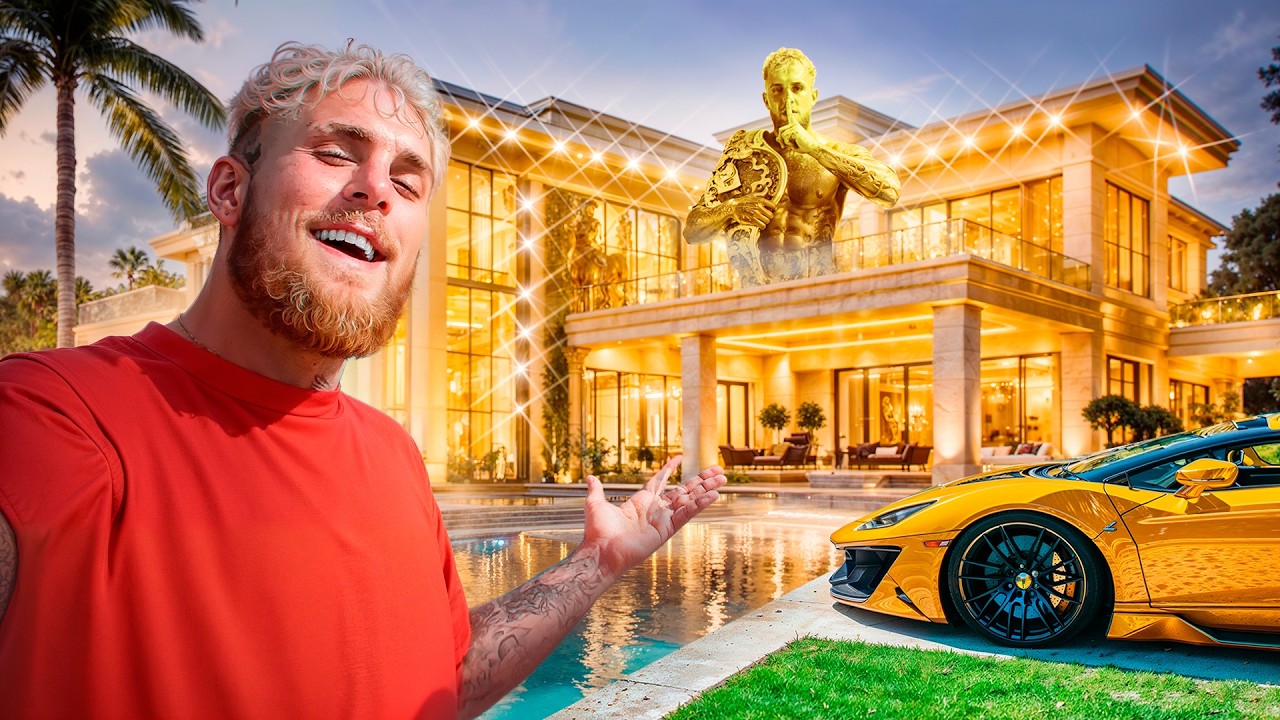
TOP COGNITIVE BIASES THAT HELP INFLUENCER MARKETING WORK #19. Jake Paul
Jake Paul thrives on controversy bias, keeping his name — and his brands — in the spotlight. Authority bias from his boxing career adds credibility in fitness and sports products. He uses scarcity bias with limited merch drops. Social proof is amplified by his dedicated fan base. His unpredictable persona keeps audiences watching and buying.
In 2026, Jake Paul’s controversy-driven influence remains as strong as ever, with his recent boxing matches leading to record-breaking $200M deals with sports brands and online retailers. His ability to generate buzz keeps him in the spotlight, making his brand associations impossible to ignore.
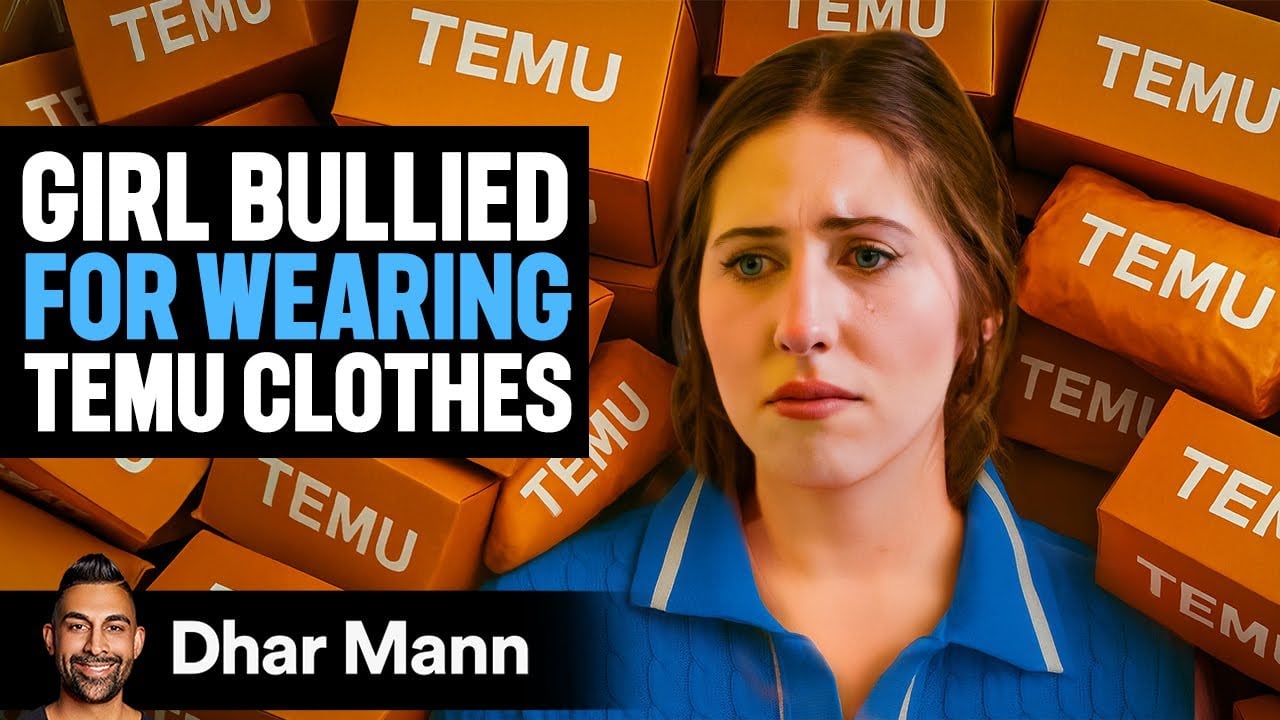
TOP COGNITIVE BIASES THAT HELP INFLUENCER MARKETING WORK #20. Dhar Mann
Dhar Mann’s content relies heavily on affect heuristic, using emotional storytelling to make brand messages stick. Reciprocity bias works as he offers life lessons alongside promotions. Social proof comes from the millions who share his inspirational videos. Mere exposure effect is built into his frequent posting schedule. His brand aligns positivity with purchase decisions.
In 2026, Dhar Mann’s emotional storytelling approach has reached new heights, with his partnerships generating $80M in annual sales from motivational product lines. His blend of positivity and practical product placement ensures his influence remains impactful across platforms
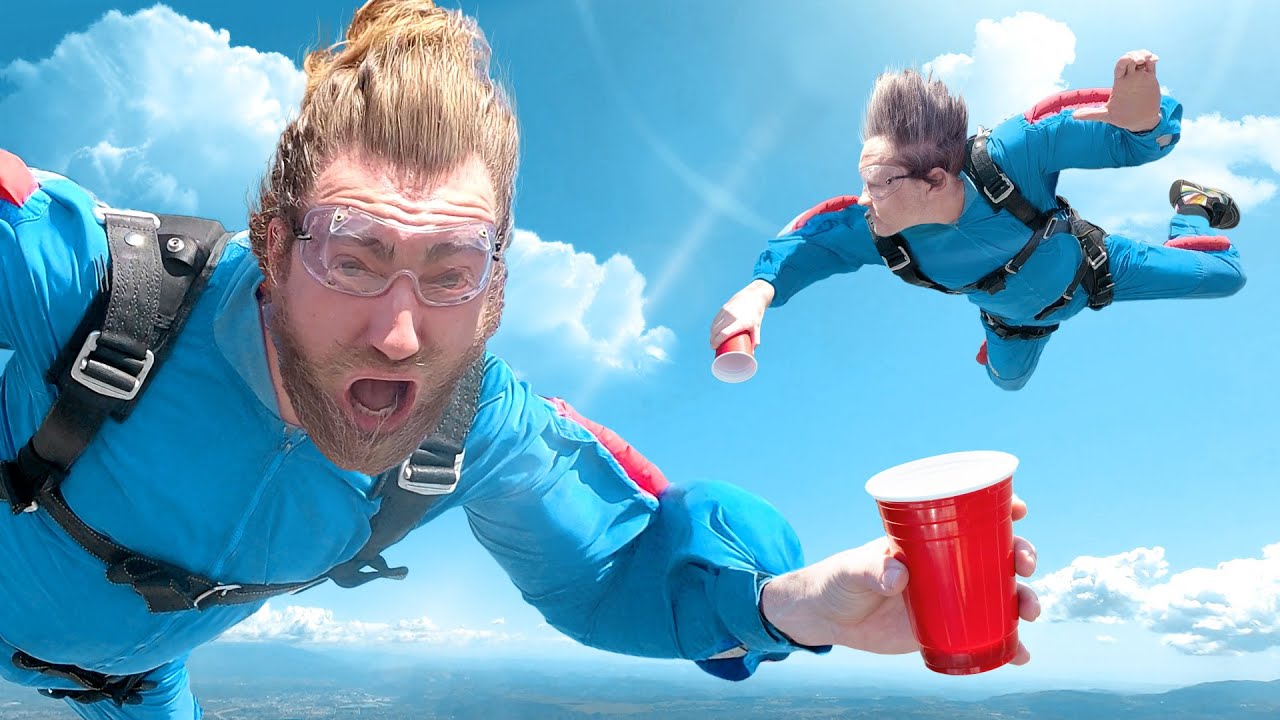
TOP COGNITIVE BIASES THAT HELP INFLUENCER MARKETING WORK #21. Rhett & Link
Rhett & Link employ in-group bias, creating a “club” atmosphere for fans of their comedy and Good Mythical Morning brand. They use affect heuristic with humor-driven product placements. Social proof appears in their large, engaged daily audience. Recency bias keeps products fresh in viewers’ minds thanks to consistent uploads. Their approach makes even quirky products feel like must-haves.
In 2026, Rhett & Link’s comedic genius continues to grow, with their $60M branded content collaborations flooding YouTube and podcast networks. Their loyal, niche audience remains highly engaged, helping them drive product sales through consistent and authentic content.
TOP COGNITIVE BIASES THAT HELP INFLUENCER MARKETING WORK #22. Nara Smith
Nara Smith’s soft-spoken cooking videos tap into calm bias, making products feel safe and reliable. Mere exposure works as her recipes repeatedly feature partner brands. Social proof builds as fans replicate her dishes and share results. The halo effect from her aesthetic lifestyle elevates her endorsements. She turns everyday items into aspirational kitchen staples.
In 2026, Nara Smith’s cooking expertise continues to inspire millions, with her recent cookbook launch resulting in $50M in sales. Her approach to food and lifestyle seamlessly ties into her brand collaborations, making her an influencer marketers rely on.
@naraazizasmith 10/10🍦 #easyrecipe #homecooking #fypシ #dessert #icecream #boba #cravings #pregnant ♬ Autumn Leaves – Timothy Cole
TOP COGNITIVE BIASES THAT HELP INFLUENCER MARKETING WORK #23. Alex Consani
Alex Consani benefits from novelty bias, with her bold fashion choices grabbing attention instantly. She uses halo effect by aligning with high-end fashion houses. Social proof comes from being featured in major fashion publications. Scarcity bias appears in her limited capsule collections. Her distinctive look ensures products stand out.
In 2026, Alex Consani’s unique fashion sense continues to disrupt the industry, with her recent fashion collaboration with Balenciaga pushing her to a $100M valuation. Her fearless style has solidified her status as one of the leading fashion influencers today.
@captincroook♬ original sound – Alex Consani
TOP COGNITIVE BIASES THAT HELP INFLUENCER MARKETING WORK #24. Nara Smith (IG)
On Instagram, Nara Smith leans into aesthetic bias, curating visually cohesive posts that elevate brand perception. Mere exposure keeps followers familiar with her featured items. Social proof grows as her community shares similar styles. The halo effect from her family and lifestyle content adds warmth to product endorsements. Her IG presence blends minimalism with relatability.
In 2026, Nara Smith’s visual content on Instagram continues to drive sales for brands she collaborates with, now generating $40M annually. Her distinctive minimalist aesthetic and culinary approach ensure that every brand she features becomes a staple for her loyal followers.
View this post on Instagram
TOP COGNITIVE BIASES THAT HELP INFLUENCER MARKETING WORK #25. Can Günhan
Can Günhan uses expertise bias as a makeup artist, giving authority to beauty recommendations. Social proof grows from client transformations he shares. The halo effect from his creative artistry boosts product desirability. Scarcity bias appears in limited product collaborations. His influence is strong in niche beauty circles seeking quality and artistry.
In 2026, Can Günhan’s expertise in beauty continues to drive partnerships, with his recent collaboration with Sephora bringing in $30M in new sales. His in-depth knowledge of makeup artistry allows him to influence beauty trends, making him a sought-after voice in the beauty industry.
@cangnydnnMahmut bu başkasının sakalı lan♬ niye aybuke kullandi mk – khthonia⁷
CONCLUSION
Disclaimer: The influencers featured in this article are highlighted for editorial and informational purposes only. All embedded social media posts are displayed using the official embed tools provided by their respective platforms (Instagram, TikTok, YouTube, etc.), in accordance with platform terms of service. We do not claim ownership of any embedded content, and all rights remain with the original creators. If you are an influencer featured here and would like your content removed or updated, please contact us directly.