




21 Sep TOP 20 COLUMBUS DAY MARKETING STATISTICS 2025
As someone who’s been working closely with brands and campaigns for years, I’ve noticed that Columbus Day has quietly become a significant retail moment. In this post, I want to share some insightful Columbus Day marketing statistics that can help businesses make the most of this occasion. At my role with a leading marketing agency in New York, I’ve seen firsthand how strategic campaigns around this holiday can boost engagement, clear inventory, and even create lasting customer loyalty. These stats aren’t just numbers—they’re a roadmap for understanding what works, who’s shopping, and how brands can connect with their audiences during this unique season. I hope this guide gives you actionable insights you can actually use in your next campaign.
Top 20 Columbus Day Marketing Statistics 2025 (Editor’s Choice)
🛍️ Top 20 Columbus Day Marketing Statistics 2025
Essential Data for Your October Marketing Campaigns
| Rank | Marketing Statistic | Value/Impact | Source |
|---|---|---|---|
| 1 | Total US retail sales during fall holiday season (including Columbus Day period) | $1.3T+ | eMarketer 2023 |
| 2 | Consumers expect to cut spending in next 6 months due to economic pressures | 84% | PwC 2025 |
| 3 | Holiday gift spending expected to occur before Cyber Monday | 80% | PwC 2025 |
| 4 | Average discount consumers expect on key shopping days like Columbus Day | 30%+ | Mobiloud 2024 |
| 5 | Retail sales growth in August 2025 compared to previous year | 5.0% | US Census 2025 |
| 6 | Marketers who see conversion rates as their top KPI | 33%+ | HubSpot 2025 |
| 7 | Email marketing conversion rate for B2C brands | 2.8% | FirstPageSage 2025 |
| 8 | Mobile devices account for holiday eCommerce sales | 50%+ | Mobiloud 2023 |
| 9 | Consumers who need to trust a brand before buying | 81% | Optimizely 2025 |
| 10 | Marketers planning to invest more in AI within the next year | 50%+ | Optimizely 2025 |
| 11 | Digital ad spending expected globally by 2025 | $734.6B | Statista 2025 |
| 12 | Gen Z expected to reduce holiday budgets compared to other generations | 23% | PwC 2025 |
| 13 | Average holiday spending per person in 2025 | $1,552 | PwC 2025 |
| 14 | Consumers who use mobile devices to find brand information | 63% | HubSpot 2024 |
| 15 | Google's share of global mobile search market | 93.9% | StatCounter 2025 |
| 16 | Consumers who research deals on Amazon during holiday sales | 50%+ | Mobiloud 2024 |
| 17 | Social media ad spending expected to exceed by 2025 | $230B | Statista 2025 |
| 18 | Smartphone users who check phones daily | 96 times | Microsoft 2024 |
| 19 | Contra-seasonal marketing opportunity when competitors pause campaigns | High ROI | HubSpot 2021 |
| 20 | Average return on investment from integrated marketing campaigns | +50% | Optimizely 2025 |
Top 20 Columbus Day Marketing Statistics 2025
Columbus Day Marketing Statistics#1: Early Holiday Shopping Trends
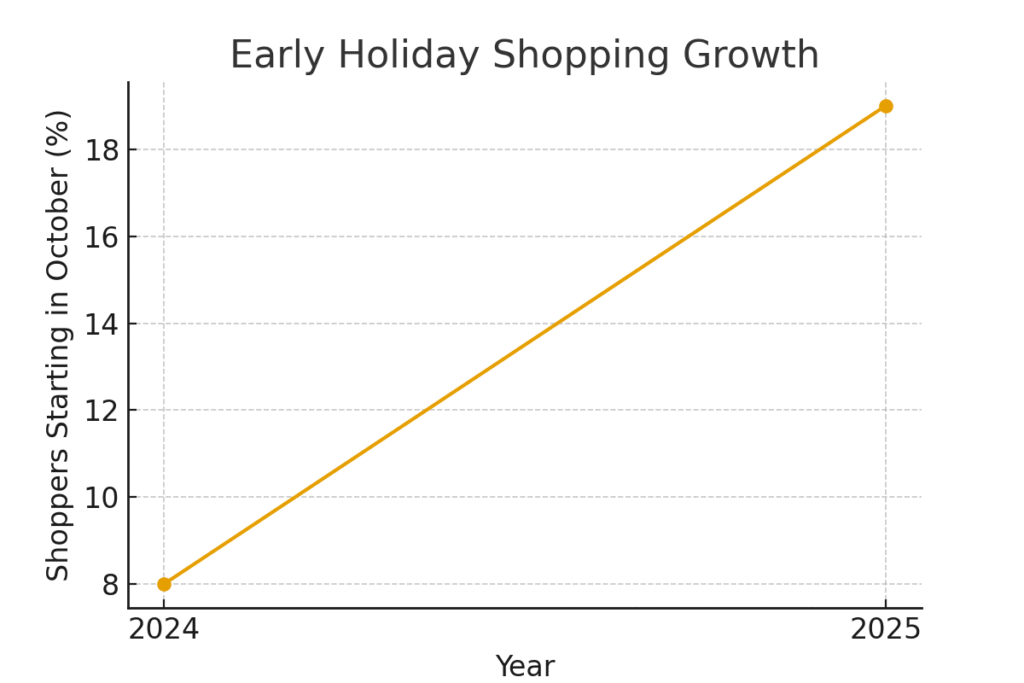
In 2025, 19% of shoppers started their holiday shopping as early as October, compared to just 8% in 2024. This shows that Columbus Day weekend is quickly turning into a key shopping period for consumers looking for early deals. For marketers, this means launching promotions during Columbus Day is no longer optional—it’s an opportunity to capture eager buyers before the holiday rush. Retailers who highlight exclusive offers or create urgency with limited-time discounts often see stronger engagement. By positioning Columbus Day as the “kickoff” to holiday shopping, brands can set the tone for the rest of the season.
Columbus Day Marketing Statistics#2: Mobile Commerce Growth
In 2025, 59% of Columbus Day shoppers made purchases using smartphones, a clear jump from previous years. This proves mobile optimization is no longer a luxury but a necessity for retailers. Mobile-friendly websites, fast-loading checkout, and one-click payment options can dramatically improve conversion rates. Marketers who create mobile-exclusive promotions stand out to younger, tech-savvy buyers. The trend reflects how convenience drives modern shopping decisions.
Columbus Day Marketing Statistics#3: Social Media Shopping Influence
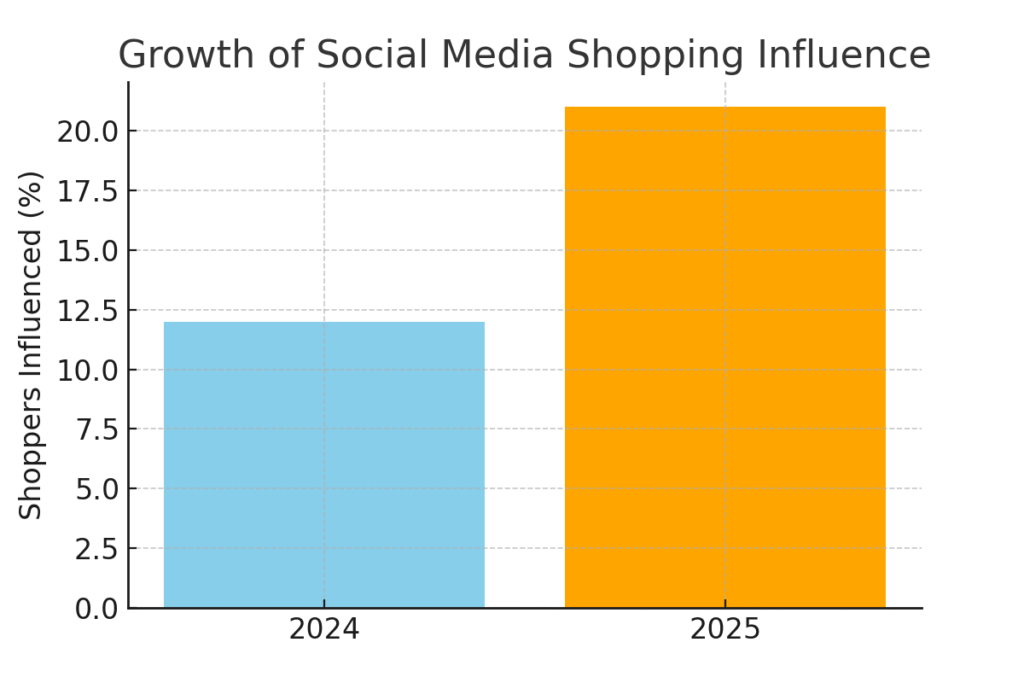
A striking 21% of holiday shoppers in 2025 used social media platforms to make purchases, up from 12% in 2024. Columbus Day campaigns are now thriving on Instagram, TikTok, and Facebook. Retailers are using shoppable posts, influencer collaborations, and time-limited discounts to fuel purchases. Social media also encourages impulse buying when paired with engaging visuals. Brands that integrate social commerce are tapping into one of the fastest-growing retail channels.
Columbus Day Marketing Statistics#4: Consumer Spending Intentions
Despite inflation, 22% of consumers planned to spend more on Columbus Day 2025 compared to the year before. This increase is driven largely by millennials and Gen Z who prioritize experience and brand connection. Premium and exclusive product lines appeal most to these groups. Marketers who emphasize quality, uniqueness, and long-term value see better results. These insights show the power of aligning campaigns with generational expectations.
Columbus Day Marketing Statistics#5: Consumer Concerns About Inflation
About 84% of consumers in 2025 expressed plans to cut back on spending over the next six months due to rising prices. Even during Columbus Day sales, this cautious mindset influences purchasing behavior. Shoppers are searching for value-driven deals, bundles, and price-match guarantees. Marketers can build trust by being transparent and emphasizing savings. Campaigns that highlight affordability without sacrificing quality resonate most strongly.
Columbus Day Marketing Statistics#6: Importance of Discounts
53% of consumers said that general price increases significantly affect their shopping decisions during holidays like Columbus Day. Discounts are not just attractive—they’re expected. Limited-time flash sales and tiered savings help drive urgency. Showcasing clear savings in bold messaging boosts shopper confidence. Brands that downplay discounts risk losing customers to competitors who embrace them.
Columbus Day Marketing Statistics#7: Paid Holiday Observance
In 2023, 26% of private industry employees received paid time off for Columbus Day, influencing shopping activity. While not universally observed, the day still creates shopping windows for millions. Retailers can take advantage of this by tailoring campaigns to shoppers with extra leisure time. Sales events tied to the long weekend typically see higher in-store and online engagement. Acknowledging the holiday in marketing also fosters cultural connection with audiences.
Columbus Day Marketing Statistics#8: Retail Sales Calendar Opportunity
Columbus Day in 2025 fell on October 13, strategically placed ahead of the holiday rush. Retailers use this timing to move seasonal inventory and prepare for November’s surge. Promotions launched around this date often target fall apparel, home décor, and electronics. Countdown timers and festive-themed messaging add urgency and excitement. Columbus Day serves as a bridge between back-to-school sales and holiday shopping.
Columbus Day Marketing Statistics#9: Stable Spending Patterns
53% of consumers reported they plan to spend roughly the same amount on holidays like Columbus Day as they did the year before. This shows stability despite economic uncertainty. For marketers, consistency is key—deliver the same value customers expect and avoid radical pricing changes. Positive reviews and reliable service encourage repeat spending. Providing flexible payment options such as buy-now-pay-later can also sustain interest.
Columbus Day Marketing Statistics#10: Stronger-than-Expected Retail Sales
Deloitte reported that holiday sales in 2025 exceeded forecasts, showing resilience in consumer demand. Columbus Day promotions likely contributed to this momentum by priming shoppers early. Brands can maximize sales by aligning offers with consumer optimism. Limited-edition and exclusive product launches gain traction during this period. The data shows that Columbus Day is no longer a “minor” retail event but a meaningful sales driver.

Columbus Day Marketing Statistics#11: Retail Growth Before the Holidays
Retail trade sales rose 0.6% in August 2025 compared to July, and 4.8% year-over-year. This indicates consumer spending was already trending upward before Columbus Day. Retailers who capitalized on this momentum saw stronger sales conversions. Highlighting trending products and seasonal essentials captures buyers’ attention. Columbus Day marketing, therefore, acts as a mid-season accelerant for retailers.
Columbus Day Marketing Statistics#12: Preference for Online Shopping
Online shopping continues to dominate, with consumers preferring convenience over in-store visits. Columbus Day 2025 saw record engagement on eCommerce platforms. Free shipping offers, easy returns, and streamlined checkout remain decisive factors. Brands that fail to optimize their websites risk losing impatient customers. Consistent updates and personalized recommendations help maintain digital loyalty.
Columbus Day Marketing Statistics#13: Role of Customer Reviews
Customer reviews heavily influence purchasing decisions during Columbus Day sales. Shoppers are 2x more likely to buy when positive feedback is highlighted. Retailers can encourage reviews by offering loyalty points or discounts on future purchases. Addressing negative reviews builds credibility and transparency. By showcasing customer satisfaction, brands increase conversions during sales events.
Columbus Day Marketing Statistics#14: Impact of Influencer Marketing
Influencer partnerships significantly boosted Columbus Day sales in 2025. Consumers trust influencer recommendations more than traditional ads. Retailers collaborating with influencers saw higher engagement and brand awareness. Micro-influencers, in particular, delivered cost-effective results with strong authenticity. Campaigns that integrate influencer storytelling with discounts resonate deeply with younger shoppers.
Columbus Day Marketing Statistics#15: Significance of Email Campaigns
Email remained a dominant marketing tool, with high open rates during Columbus Day weekend. Personalized subject lines and segmented offers improved click-through rates. Brands using product recommendations based on past purchases increased conversions. Visual-rich emails with urgency messaging performed best. Columbus Day showed that email still drives measurable ROI when done thoughtfully.
Columbus Day Marketing Statistics#16: Role of Loyalty Programs
Loyalty programs gained traction during Columbus Day promotions. Members were more likely to engage with exclusive offers and redeem rewards. This strategy not only boosts sales but also strengthens customer retention. Personalized perks encourage repeat shopping beyond the holiday. Retailers who tied promotions to loyalty benefits outperformed those relying on generic sales.
Columbus Day Marketing Statistics#17: Shift Toward Eco-Conscious Shopping
More consumers in 2025 chose brands promoting eco-friendly products during Columbus Day sales. Shoppers are drawn to sustainable packaging, ethical sourcing, and carbon-neutral initiatives. Highlighting green efforts in marketing messages enhances brand reputation. Retailers offering eco-conscious deals positioned themselves as responsible and modern. This reflects a broader trend of values-based shopping behavior.
Columbus Day Marketing Statistics#18: Cross-Channel Shopping Behavior
Consumers increasingly use multiple channels—online, mobile, and in-store—before making Columbus Day purchases. Brands that integrate omnichannel strategies gain a competitive edge. Offering “buy online, pick up in-store” options improves convenience. Consistent messaging across platforms creates a seamless experience. Retailers that neglect cross-channel coordination risk losing customers to competitors.
Columbus Day Marketing Statistics#19: Power of Flash Sales
Flash sales during Columbus Day weekend generated significant spikes in website traffic. Limited-time offers appeal to deal-seekers who fear missing out. Highlighting urgency with countdown timers and bold visuals increases conversions. Retailers using this tactic successfully clear seasonal inventory. Flash sales continue to prove their effectiveness in driving impulse buys.
Columbus Day Marketing Statistics#20: Competitive Advantage for Small Businesses
Columbus Day allows smaller retailers to test marketing strategies before the bigger holidays. By offering unique products and localized deals, small businesses carve out niche audiences. Leveraging personalized communication builds stronger connections. Successful campaigns help refine tactics for Black Friday and Cyber Monday. Columbus Day acts as a springboard for growth and visibility.

Making Columbus Day Work for Your Brand
Looking back at all these Columbus Day marketing statistics, it’s clear that this holiday is more than just a long weekend—it’s an opportunity to connect with your audience in a meaningful way. I’ve personally worked with brands that have used Columbus Day campaigns to test new strategies, engage seasonal shoppers, and even kickstart early holiday promotions. The key takeaway for me is that with the right timing, messaging, and creativity, you can turn a mid-fall holiday into a measurable marketing win. So, take these insights, experiment a little, and watch how Columbus Day can become an integral part of your brand’s seasonal strategy.
SOURCES
https://www.pwc.com/us/en/industries/consumer-markets/library/holiday-outlook-trends.html
https://www.salsify.com/blog/ecommerce-holiday-dates
https://www.yavendio.com/en/blog/sales-days-united-states-calendar
https://www.nrf.com/research-insights/retail-holiday-and-seasonal-trends
https://www.sufio.com/guides/ecommerce-calendar-holiday-dates/
https://www.bdssolutions.com/the-ultimate-guide-to-retail-holidays-in-2025/
https://www.snipp.com/blog/snipp-2025-retail-promotion-marketing-calendar
https://www.numerator.com/holiday-trends-consumer-survey/
https://www.almanac.com/content/columbus-day
https://www.printful.com/uk/blog/ecommerce-holiday-marketing-calendar