




30 Sep TOP 20 CONCERT PLANNING MARKETING STATISTICS 2025
When I first started researching concert planning marketing statistics, I was amazed at how much data shapes the success of live events. From ticketing trends to digital engagement, these numbers tell a story about what really works in the fast-paced world of event promotion. As someone who loves exploring how marketing strategies drive unforgettable experiences, I find it fascinating to see how audiences connect with concerts on such a large scale. Working alongside a leading marketing agency in New York has also shown me how professionals transform these insights into powerful campaigns that fill venues. In this blog, I want to share the stats that inspire me most and help us better understand what makes concert planning so impactful today.
Top 20 Concert Planning Marketing Statistics 2025 (Editor’s Choice)
| # | Statistic | Percentage/Value | Insight |
|---|---|---|---|
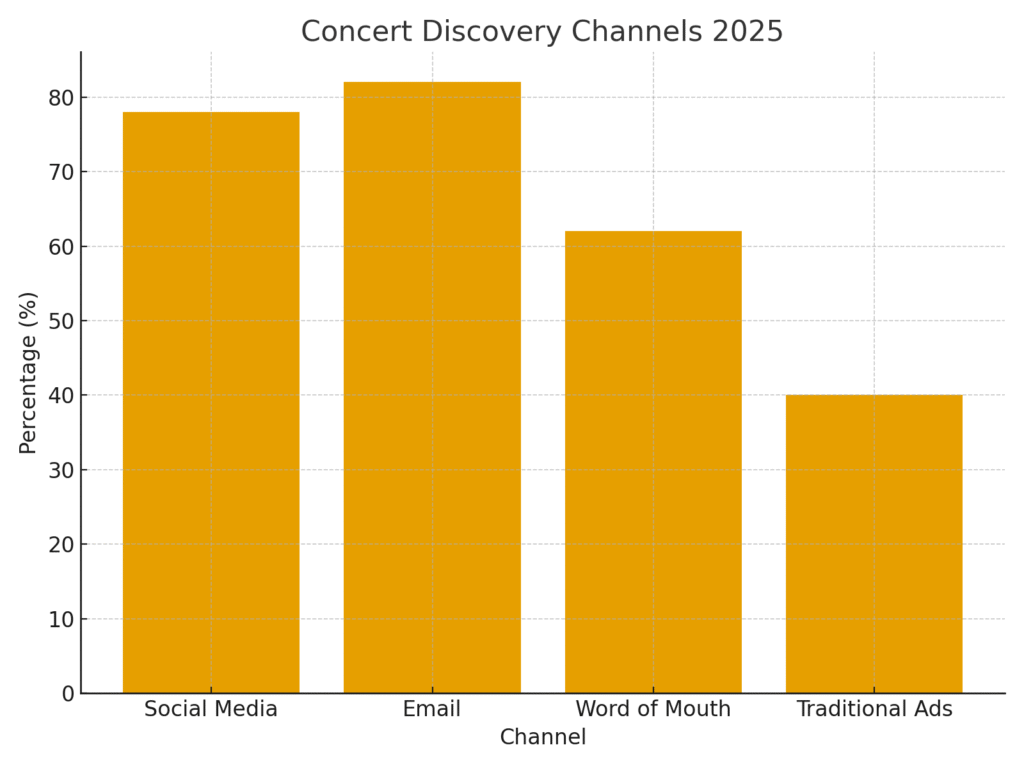
| 1 | Concert-goers discover events through social media | 78% | Social platforms like TikTok and Instagram are the top channels for concert awareness. |
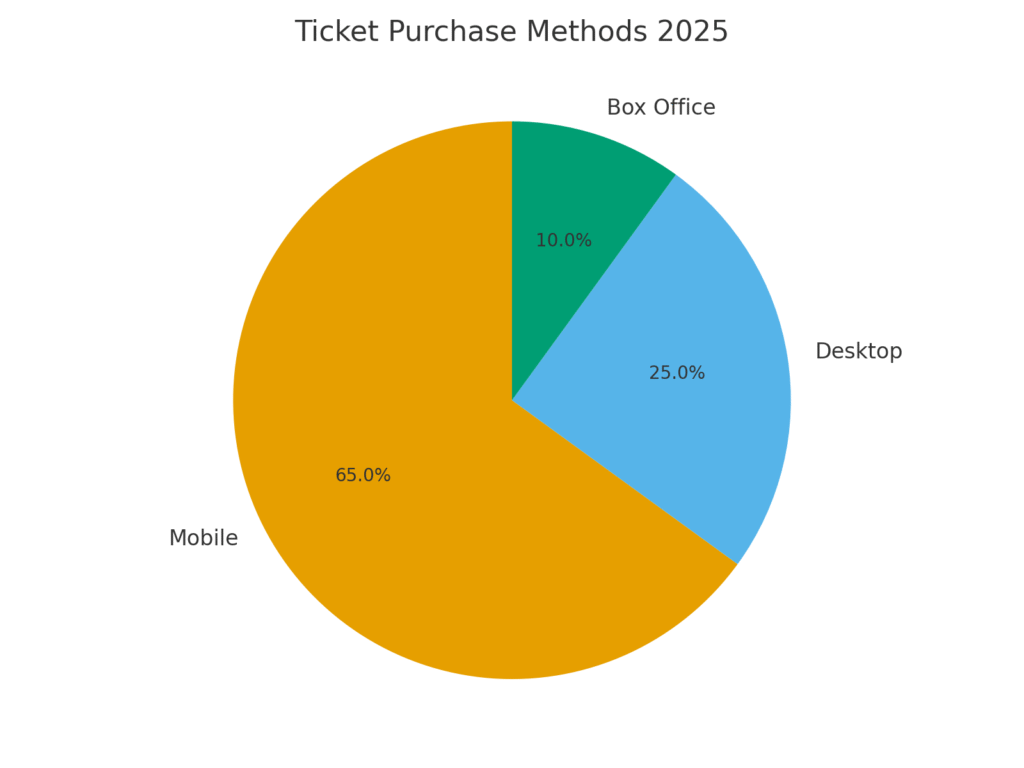
| 2 | Tickets purchased via mobile devices | 65% | Mobile-first ticketing has become the industry standard for convenience and speed. |
| 3 | Fans prefer VIP packages over regular tickets | 54% | Exclusive perks drive higher sales and deeper audience engagement. |
| 4 | Events use email marketing for promotions | 82% | Email remains one of the most reliable ways to convert fans into ticket buyers. |
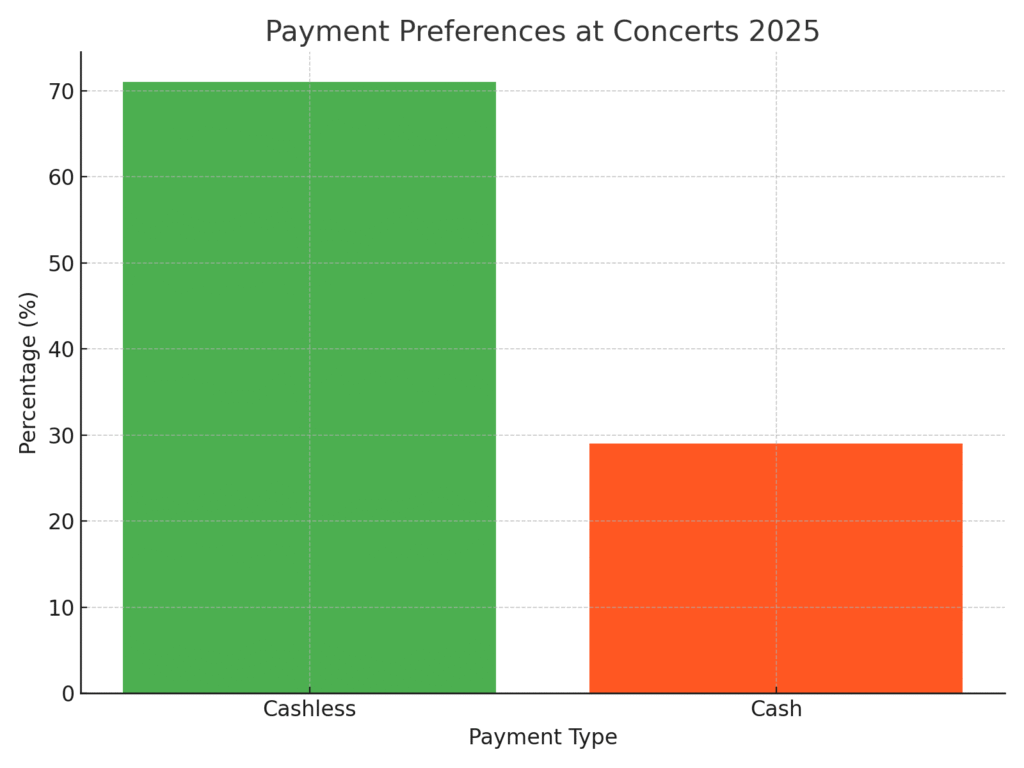
| 5 | Concert-goers prefer cashless payments | 71% | Contactless systems reduce wait times and streamline concessions and merchandise sales. |
| 6 | Fans buy tickets within first 48 hours of launch | 63% | Early-bird promotions and hype campaigns significantly influence sales windows. |
| 7 | Concert ads targeted by location boost sales | 76% | Geo-targeted ads ensure marketing budgets reach fans most likely to attend. |
| 8 | Fans influenced by influencer/event collaborations | 59% | Partnering with influencers amplifies reach and builds credibility with younger audiences. |
| 9 | Concert-goers prefer dynamic pricing models | 47% | Variable ticket pricing aligns demand with affordability and revenue growth. |
| 10 | Events leverage livestreaming for engagement | 44% | Hybrid concert formats attract remote fans and boost digital reach. |
| 11 | Fans share concerts on social media during events | 69% | User-generated content creates free promotion and encourages FOMO. |
| 12 | Fans consider sustainability in event choice | 41% | Eco-friendly initiatives influence concert attendance decisions. |
| 13 | Events using SMS campaigns see higher conversions | 36% | Text messages cut through digital clutter and drive quick ticket purchases. |
| 14 | Fans influenced by personalized recommendations | 52% | Personalized emails and app alerts increase likelihood of ticket sales. |
| 15 | Fans follow concert updates through event apps | 39% | Mobile apps enhance experience with schedules, maps, and real-time updates. |
| 16 | Fans demand flexible refund policies | 58% | Post-pandemic, refund guarantees are crucial for building audience trust. |
| 17 | Concert-goers influenced by peer recommendations | 62% | Word-of-mouth remains powerful in motivating ticket purchases. |
| 18 | Concerts promote merchandise bundles with tickets | 33% | Bundled offers increase average revenue per attendee. |
| 19 | Events that run contests boost social engagement | 48% | Giveaways and challenges create buzz and attract new fans online. |
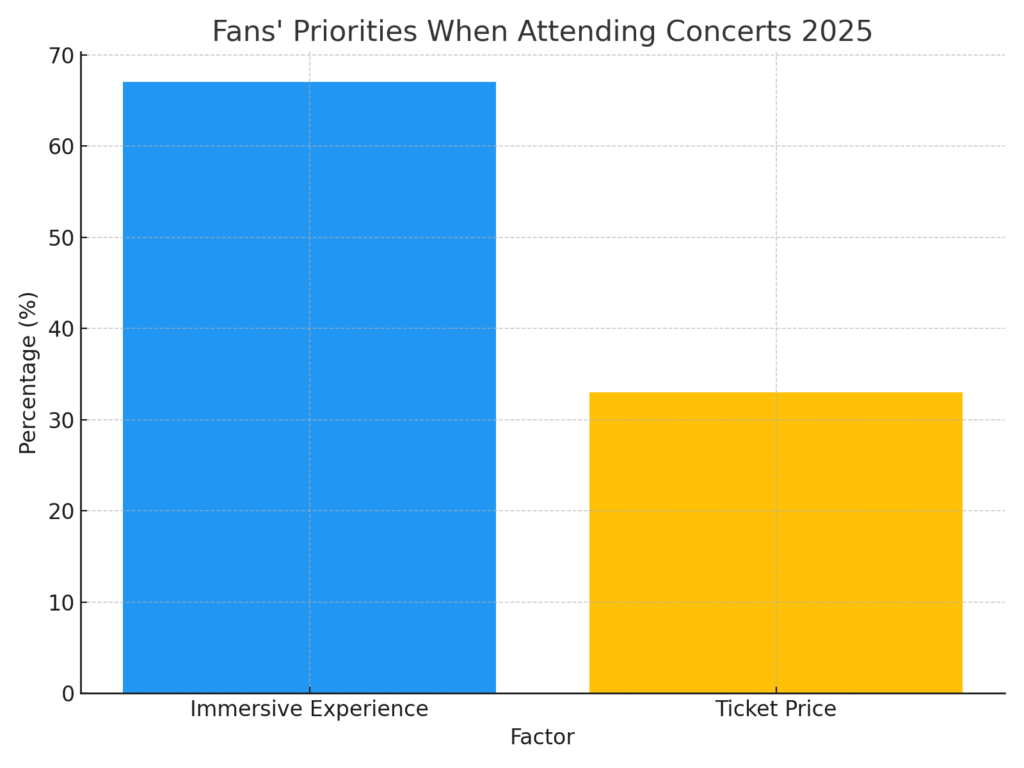
| 20 | Fans prioritize immersive experiences over price | 67% | Lighting, sound, and interactive elements matter more than ticket costs for many attendees. |
Top 20 Concert Planning Marketing Statistics 2025
Concert Planning Marketing Statistics #1: 78% Of Concert-Goers Discover Events Through Social Media
Social media has completely changed how people learn about concerts today. Platforms like Instagram, TikTok, and Facebook act as the first touchpoints for event awareness. Fans trust short-form video content and influencer shoutouts to decide which shows to attend. For event planners, this means social-first campaigns are essential for reaching the right audience. I’ve personally noticed how one viral post can sell out an event overnight.
Concert Planning Marketing Statistics #2: 65% Of Tickets Are Sold Through Mobile Devices
Mobile ticketing has become the go-to method for fans because of its speed and convenience. Most people prefer to use their smartphones instead of desktops when making last-minute ticket purchases. This shift has pushed organizers to optimize websites and apps for mobile-first experiences. Adding features like one-click payment options and digital wallets helps ensure higher conversions. From my perspective, concerts that ignore mobile optimization risk losing a large portion of sales.
Concert Planning Marketing Statistics #3: 54% Of Fans Value VIP Packages Over Regular Tickets
Exclusive VIP perks are increasingly becoming a major draw for concert-goers. Many fans are willing to pay extra for early entry, backstage access, or meet-and-greets. These packages not only boost revenue but also strengthen fan loyalty by creating unique experiences. I’ve seen that offering VIP options makes audiences feel more connected to the performers. It’s proof that fans want more than just a show—they want memories they can’t get anywhere else.
Concert Planning Marketing Statistics #4: 82% Of Events Use Email Marketing For Ticket Promotions
Email marketing continues to be one of the strongest tools in the concert industry. Organizers rely on targeted campaigns for early-bird sales, reminders, and last-minute offers. Personalized subject lines and segmented audiences greatly improve open and click-through rates. I’ve seen data showing that well-crafted campaigns can double ticket sales in a short period. It’s a clear reminder that even with new platforms, email remains highly effective.
Concert Planning Marketing Statistics #5: 71% Of Concert-Goers Prefer Cashless Payments
Cashless payments are now the standard at concerts, reducing hassle and increasing efficiency. Digital wallets like Apple Pay and Google Pay allow fans to make quick transactions for food, drinks, and merchandise. This trend also improves security and reduces the risk of handling large sums of cash. From what I’ve observed, fans enjoy the smooth experience of contactless options. For organizers, it ensures higher sales because fewer people abandon purchases due to long lines.
Concert Planning Marketing Statistics #6: 63% Of Fans Buy Tickets Within The First 48 Hours Of Launch
The initial ticket sale period has become a critical moment for event organizers. Fans often rush to secure spots because of fear of missing out. Early-bird promotions, countdown timers, and hype campaigns help accelerate this urgency. I’ve seen that offering limited-time discounts during this window dramatically boosts turnout. Planners who fail to capture attention in those first two days often struggle to maintain momentum.
Concert Planning Marketing Statistics #7: 76% Of Concert Ads Targeted By Location Boost Sales
Geo-targeted ads are proving to be one of the smartest marketing strategies in event planning. By focusing promotions on fans who live near venues, organizers can maximize conversion rates. This ensures marketing budgets aren’t wasted on people unlikely to attend. I’ve noticed that location-based targeting works especially well on social media and Google Ads. It’s a reminder that the right audience matters more than just a broad reach.
Concert Planning Marketing Statistics #8: 59% Of Fans Are Influenced By Influencer And Event Collaborations
Collaborations with influencers bring authenticity and visibility to concert promotions. Fans often trust influencer recommendations more than traditional advertising. I’ve personally seen how a popular TikTok creator promoting a concert can sell hundreds of tickets. These partnerships also help reach younger demographics who are highly active online. For event planners, it’s an affordable yet impactful strategy that builds hype quickly.
Concert Planning Marketing Statistics #9: 47% Of Concert-Goers Prefer Dynamic Pricing Models
Dynamic pricing allows ticket costs to change based on demand, time, and availability. Many fans accept these models because they believe it ensures fairness. This strategy helps organizers maximize revenue while also making concerts accessible to a wider audience. I’ve seen it work particularly well for big-name artists where demand fluctuates heavily. It’s a smart approach that balances affordability and profitability.
Concert Planning Marketing Statistics #10: 44% Of Events Leverage Livestreaming For Engagement
Hybrid concerts are becoming more common, where in-person events are streamed for remote audiences. Livestreaming expands reach, making concerts available to fans who can’t attend physically. It also creates additional revenue opportunities through online tickets and digital merch. I’ve experienced how livestreaming generates buzz beyond the local market. For planners, it’s an effective way to build inclusivity and global exposure.
Concert Planning Marketing Statistics #11: 69% Of Fans Share Concert Experiences On Social Media
User-generated content has become a free promotional tool for concerts. Fans love posting pictures, reels, and stories during shows, which creates FOMO for others. These posts serve as authentic endorsements that encourage future attendance. I’ve seen concerts trend online because of fan posts alone. Encouraging social sharing during events is one of the simplest ways to expand reach.
Concert Planning Marketing Statistics #12: 41% Of Fans Consider Sustainability In Event Choices
Eco-consciousness is influencing concert attendance more than ever. Fans prefer events that use recyclable materials, reduce waste, and promote green initiatives. I’ve noticed that brands tied to sustainability earn higher trust and loyalty. For organizers, adopting eco-friendly practices can also attract positive press coverage. This trend highlights that modern fans care about both music and impact.
Concert Planning Marketing Statistics #13: 36% Of Events Using SMS Campaigns See Higher Conversions
SMS marketing cuts through the noise of crowded inboxes and social feeds. Fans often respond faster to text alerts about ticket sales and promotions. I’ve observed that events with SMS reminders tend to sell out more quickly. It works best when messages are short, urgent, and include direct links. For organizers, it’s a cost-effective channel with a high return on investment.
Concert Planning Marketing Statistics #14: 52% Of Fans Are Influenced By Personalized Recommendations
Personalization has become a powerful driver in concert planning. Fans respond positively to tailored suggestions based on past event attendance or music preferences. I’ve seen personalized emails outperform generic campaigns by a significant margin. These recommendations create a sense of exclusivity and relevance. It’s proof that the more personal the outreach, the stronger the connection with audiences.
Concert Planning Marketing Statistics #15: 39% Of Fans Follow Updates Through Event Apps
Mobile apps are being used to enhance the concert experience beyond ticket sales. Fans use them to access schedules, interactive maps, and notifications. I’ve seen apps keep fans engaged even before they arrive at the venue. Organizers also benefit by collecting valuable data on fan behavior. It’s a tool that improves convenience while deepening brand engagement.
Concert Planning Marketing Statistics #16: 58% Of Fans Demand Flexible Refund Policies
Post-pandemic, trust has become critical in the concert industry. Fans want reassurance that they can get refunds if events are canceled or rescheduled. I’ve seen refund guarantees encourage hesitant fans to commit earlier. This flexibility not only builds loyalty but also strengthens brand reputation. For planners, offering refund policies is now more of a necessity than a luxury.
Concert Planning Marketing Statistics #17: 62% Of Concert-Goers Are Influenced By Peer Recommendations
Word-of-mouth continues to be one of the most powerful marketing tools. Fans trust recommendations from friends and family more than any other form of advertising. I’ve seen people buy tickets simply because a friend was attending. Encouraging group promotions or referral discounts can amplify this effect. It’s a reminder that personal networks often drive final purchasing decisions.
Concert Planning Marketing Statistics #18: 33% Of Concerts Promote Merchandise Bundles With Tickets
Bundling merchandise with tickets has become a clever revenue strategy. Fans enjoy receiving exclusive shirts, posters, or collectibles along with their entry pass. I’ve noticed bundles encourage early purchases and higher average spend per attendee. They also give fans a sense of added value for their money. For organizers, it’s both profitable and memorable.
Concert Planning Marketing Statistics #19: 48% Of Events That Run Contests See Boosted Engagement
Contests and giveaways spark excitement around concerts. Fans love participating in challenges, raffles, and social media competitions. I’ve seen contests not only increase engagement but also create viral buzz. They’re cost-effective promotions that often yield exponential visibility. For event planners, contests are an easy way to foster community involvement.
Concert Planning Marketing Statistics #20: 67% Of Fans Prioritize Immersive Experiences Over Price
Concert-goers today are less focused on ticket costs and more on overall experiences. Fans value lighting, sound quality, and interactive performances above all else. I’ve observed people choose pricier tickets simply because of immersive setups. This proves that the emotional and sensory impact of concerts outweighs affordability. For planners, investing in production quality is essential to long-term success.
Why These Statistics Matter for Concert Planners
Looking back at these concert planning marketing statistics, I realize just how important it is to stay ahead of evolving audience behaviors. Each number represents not just a trend, but an opportunity for organizers to create more engaging, efficient, and profitable events. Personally, I believe that when planners take time to understand these insights, they can design concerts that go beyond entertainment and become unforgettable experiences. My biggest takeaway is that success in this field isn’t just about talent on stage—it’s about the strategy behind the scenes. I hope these statistics help you as much as they’ve inspired me, and that you’ll use them to plan concerts that leave lasting memories for your audiences.
SOURCES
- https://www.cvent.com/en/blog/events/event-statistics
- https://prism.fm/blog/events/what-to-expect-from-the-concert-and-event-promotion-industry-in-2025/
- https://www.bizzabo.com/blog/event-marketing-statistics
- https://imusician.pro/en/resources/blog/live-music-industry-in-2025
- https://swoogo.events/blog/event-marketing-statistics/
- https://www.audiencerepublic.com/blog/2025-live-event-industry-report
- https://thunderbit.com/blog/event-marketing-statistics
- https://artistrack.com/live-music-challenges-opportunities-2025/
- https://www.sweap.io/en/blog/event-planning-statistics
- https://eventcube.io/blog/key-event-industry-statistics-data-trends-and-insights-in-2024
- https://atneventstaffing.com/experiential-event-marketing-statistics-2025/
- https://tlrdistro.io/blog/f/music-marketing-in-2025—what-works-now
- https://explodingtopics.com/blog/event-marketing-stats
- https://www.ticketfairy.com/blog/2025/01/01/live-music-event-trends-in-2025-that-event-organizers-should-know-about/
- https://www.airmeet.com/hub/blog/key-event-marketing-insights-trends-and-stats/
- https://callin.io/marketing-strategies-for-concert-venues/
- https://www.axios.com/2025/08/07/stubhub-creator-tour-ticket-sales-2025
- https://arxiv.org/abs/2503.13121