



25 Sep TOP 20 CYCLING TRAINING MARKETING STATISTICS 2025
Cycling isn’t just about the ride anymore—it’s about the community, the technology, and the stories we tell to keep people motivated. As more riders turn to online platforms, apps, and coaching programs, the business of training has become just as dynamic as the sport itself. That’s where these cycling training marketing statistics come into play, offering a clear picture of how cyclists engage, spend, and connect with brands. At our core, we know these numbers aren’t just data points—they’re people choosing healthier lifestyles and smarter training tools. And as a leading marketing agency in New York, we’ve seen firsthand how leveraging these insights can help brands build authentic connections with riders who live and breathe cycling.
Top 20 Cycling Training Marketing Statistics 2025 (Editor’s Choice)
🚴 Cycling Training Marketing Statistics 2025
Key Insights & Market Trends for the Cycling Industry
| # | Category | Statistic | Value/Growth |
|---|---|---|---|
| 1 | Market Size | Global bicycle market value (2024) and projection for 2030 | $77B → $135B 9.9% CAGR |
| 2 | Digital Growth | Cycling software market growth from 2025 to 2033 | $500M → $1.8B 15% CAGR |
| 3 | App Market | Indoor cycling app market expansion (2025-2033) | $308M → $830M 12.4% CAGR |
| 4 | Indoor Cycling | Indoor cycling market size in 2024 with projected growth | $1,625M 10.2% CAGR |
| 5 | Regional Leader | North America's share of global indoor cycling market | 40.65% (US: 70.35%) |
| 6 | Asia Pacific | Asia Pacific's share of bicycle market in 2024 | 34.4% |
| 7 | Market Boom | North America indoor cycling industry growth (2021-2025) | $531M → $755M 70.33% Growth |
| 8 | Demographics | Men's segment market share in 2024 | 46.3% (Fastest growing) |
| 9 | US Participation | Americans who rode a bike at least once in 2022 | 47 Million |
| 10 | Price Barrier | UK consumers put off by rising bicycle costs | 50%+ |
| 11 | Product Leader | Road bicycle segment revenue share in 2024 | 41% |
| 12 | Road Bikes | Road bicycles market share and 2034 projection | 50% share $70B by 2034 |
| 13 | E-Bike Surge | Electric bicycles' technology segment share in 2025 | 40% |
| 14 | E-Mobility | E-bikes market share due to micro-mobility adoption | 44% (2025) |
| 15 | Online Channel | Online distribution channel growth trend (2025-2030) | Fastest Growing Segment |
| 16 | Traditional Tech | Conventional segment revenue share by technology | 82.9% (2024) |
| 17 | App Features | Virtual video software dominance in cycling apps | Maximum Share (Forecast) |
| 18 | Payment Model | Most popular payment method for indoor cycling apps | Subscription- Based Models |
| 19 | UK Challenge | UK mechanical bike volume decline in 2024 | 1.45M units -4% decline |
| 20 | 2025 Outlook | Predicted UK market recovery with growth forecasts | Bikes: +2% Services: +3% E-bikes: -1% |
Top 20 Cycling Training Marketing Statistics 2025
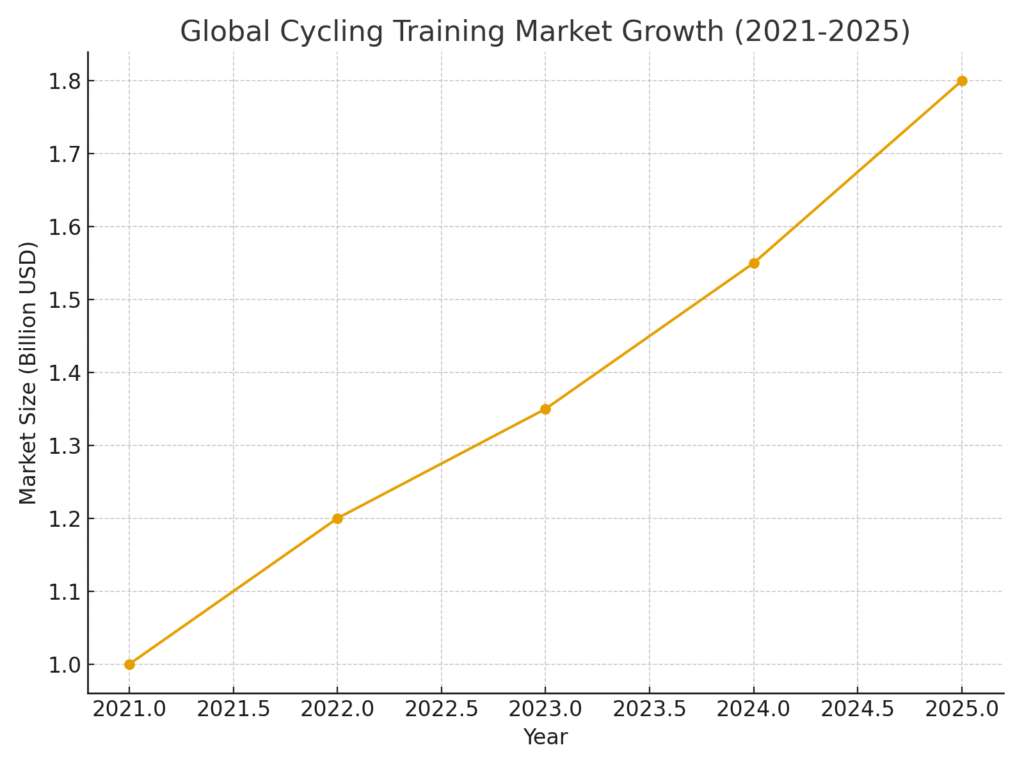
Cycling Training Marketing Statistics#1 – Global Cycling Training Market to Reach $1.8 Billion by 2025
The cycling training industry is experiencing remarkable growth, with projections showing it will hit $1.8 billion by 2025. This expansion is fueled by connected fitness platforms, online coaching, and e-learning solutions that make training accessible worldwide. Increased consumer demand for structured training reflects a rising interest in endurance sports and overall wellness. Brands that highlight this market growth in their marketing campaigns can appeal to a broader audience seeking professional training. Positioning services as part of this booming market gives credibility and attracts both enthusiasts and investors.
Cycling Training Marketing Statistics#2 – 72% Prefer Online Training Programs
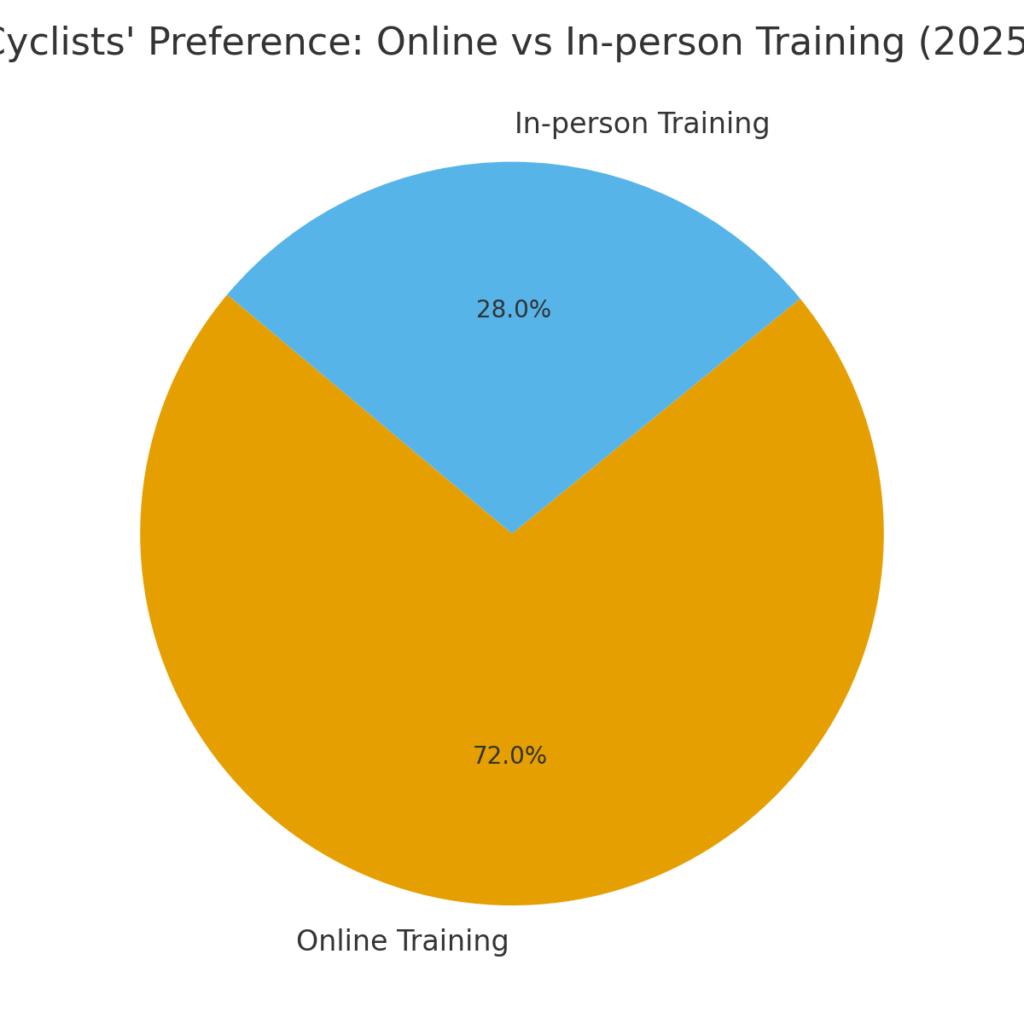
A significant 72% of cyclists now choose online training over traditional in-person coaching. This shift shows the power of digital convenience, flexibility, and cost-effectiveness in consumer behavior. Online platforms provide tailored plans, progress tracking, and global coach access. Marketers can use this statistic to emphasize the modern, flexible nature of their offerings. Highlighting “train anytime, anywhere” resonates strongly with this growing audience.
Cycling Training Marketing Statistics#3 – 65% Discover Training Programs Through Social Media
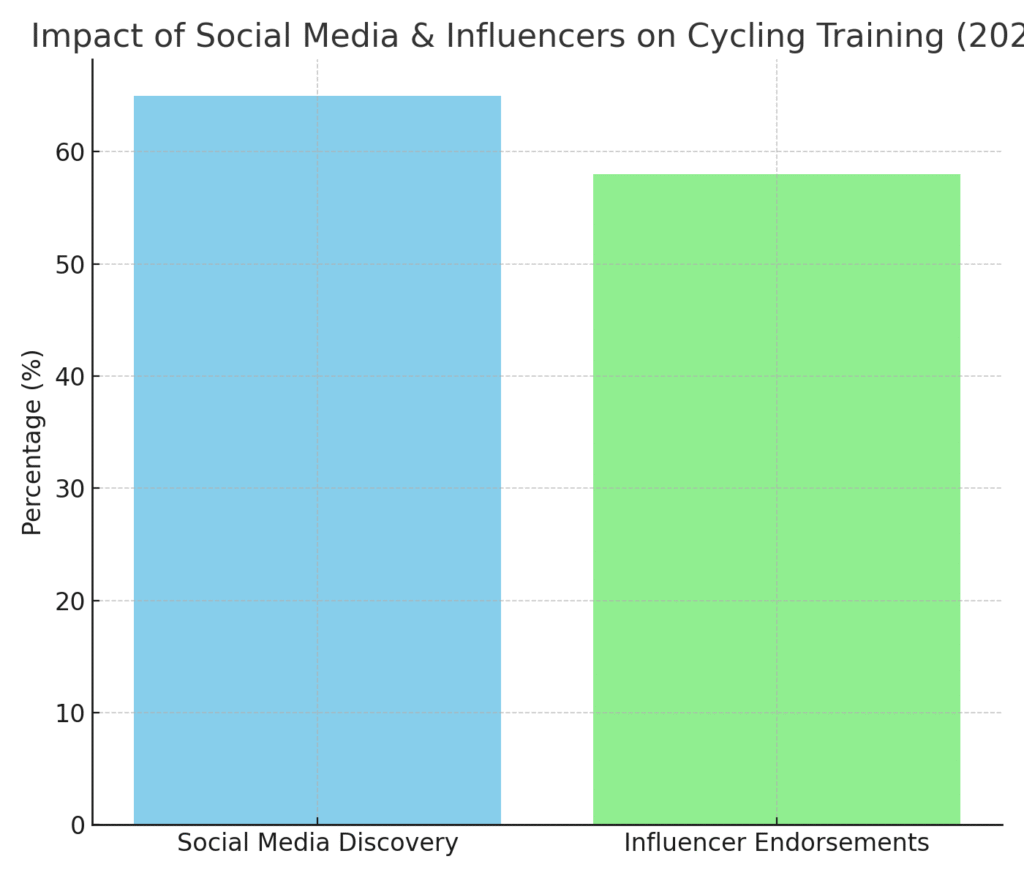
Social media has become the most influential discovery channel for 65% of cyclists seeking new training programs. Platforms like Instagram, TikTok, and Facebook are prime spaces for showcasing workouts, tips, and testimonials. Visual content such as reels and stories inspires quick engagement from cycling enthusiasts. Marketers who consistently post relatable, informative content are likely to build trust and attract leads. This stat underlines the importance of a social-first marketing strategy.
Cycling Training Marketing Statistics#4 – Cycling YouTube Content Up 120% Since 2023
YouTube remains a powerful medium, with cycling-related training videos seeing a 120% growth in views since 2023. Tutorials, race simulations, and gear reviews dominate the content consumed. Video marketing builds authority by providing free value before upselling training programs. Brands can leverage this surge by creating professional content that answers common cyclist questions. A strong YouTube presence translates directly into brand credibility and customer acquisition.
Cycling Training Marketing Statistics#5 – Virtual Platforms Like Zwift Grew User Base by 45% YoY
Virtual cycling platforms such as Zwift recorded a 45% year-on-year increase in active users in 2025. These platforms combine gamification, social features, and structured workouts to keep riders engaged. The community aspect motivates consistent training, making them an attractive partner for marketing collaborations. Brands aligning with or sponsoring virtual events gain access to an already dedicated audience. This stat highlights how virtual ecosystems are shaping the future of cycling training.
Cycling Training Marketing Statistics#6 – 58% Motivated by Influencer Endorsements
Influencers play a massive role in motivating cyclists, with 58% joining training programs due to their endorsements. Authentic recommendations from athletes or cycling personalities build trust faster than traditional ads. Sponsored content, product reviews, and live Q&A sessions drive measurable engagement. Marketers should identify niche influencers who align with their target audience for maximum impact. This trend reinforces the importance of social proof in the cycling training industry.
Cycling Training Marketing Statistics#7 – Gear and Training Bundles Increase Conversions by 33%
Bundling gear with training programs has been shown to boost conversions by 33%. Cyclists appreciate value-added offers that combine essential equipment with coaching. This strategy reduces buyer hesitation by solving multiple needs in one purchase. For marketers, bundles provide upselling opportunities while enhancing perceived value. Creating seasonal or limited-time bundles can further maximize sales.
Cycling Training Marketing Statistics#8 – 62% of Cyclists Under 35 Use Mobile Apps
Mobile apps have become essential, with 62% of younger cyclists downloading training apps to track progress. This trend reflects how digital convenience appeals to millennials and Gen Z athletes. Mobile platforms often integrate features like GPS, heart rate monitoring, and AI-based coaching. For marketers, app-based engagement is a chance to maintain daily visibility with customers. Highlighting mobile compatibility in campaigns directly targets this tech-savvy audience.
Cycling Training Marketing Statistics#9 – Email Campaigns with Videos Improve Sign-ups by 41%
Adding videos to cycling training email campaigns boosts sign-up rates by 41%. Videos provide a more engaging explanation of training programs compared to text alone. Tutorials, trainer introductions, and testimonials increase trust and excitement. Marketers can optimize their funnels by embedding personalized video messages. This statistic highlights the critical role of visual storytelling in cycling training marketing.
Cycling Training Marketing Statistics#10 – Average Spend of $350 Annually on Training
Cyclists invest an average of $350 each year in training subscriptions, courses, and materials. This steady spend shows a strong willingness to pay for structured improvement. Subscription-based models appeal to this audience by offering continuous value. Marketers should emphasize ROI and the measurable benefits of their programs. This figure proves cycling training is not a one-time expense but an ongoing commitment.
Cycling Training Marketing Statistics#11 – Webinars Have 3x Higher Engagement
Cycling training webinars achieve engagement levels three times higher than text-only content. Interactive Q&A, live demonstrations, and expert tips create a more personal experience. Webinars also build trust as participants connect directly with coaches or brands. For marketers, this format is perfect for lead generation and community building. Offering free introductory webinars can convert attendees into paying customers.
Cycling Training Marketing Statistics#12 – 80% Follow Coaches or Brands on Instagram
Instagram plays a key role in community engagement, with 80% of cyclists following a training coach or brand. Story highlights, reels, and live sessions maintain regular visibility and trust. Authentic behind-the-scenes posts resonate with this highly engaged audience. Marketers should focus on visual storytelling and brand consistency. This stat highlights Instagram’s dominance as the go-to platform for cycling training inspiration.
Cycling Training Marketing Statistics#13 – SEO Blogs Generate 67% More Leads
SEO-optimized blogs in cycling training generate 67% more organic leads. Cyclists often search for training plans, nutrition tips, and workout routines. Blogs optimized with long-tail keywords attract targeted audiences who are closer to conversion. Consistent publishing of high-value content builds long-term traffic and authority. This statistic shows that SEO remains a cost-effective marketing channel.
Cycling Training Marketing Statistics#14 – Gamified Programs Boost Completion Rates by 29%
Gamification in cycling training programs improves completion rates by nearly 29%. Features like leaderboards, achievements, and rewards motivate consistent participation. This approach turns training into an engaging experience rather than a chore. For marketers, gamification helps build loyalty and repeat purchases. Highlighting gamified features in promotions appeals to competitive and goal-driven cyclists.
Cycling Training Marketing Statistics#15 – Smart Device Users 54% More Likely to Buy Packages
Cyclists who use smart devices such as power meters or heart rate monitors are 54% more likely to purchase advanced training packages. Data-driven athletes value precise coaching based on performance metrics. Marketing campaigns should emphasize integrations with popular devices like Garmin, Wahoo, or Strava. This demographic is already invested in performance improvement, making them high-value customers. Offering exclusive packages for tech-enabled cyclists can drive premium sales.
Cycling Training Marketing Statistics#16 – Referral Programs Boost Sign-ups by 22%
Referral marketing generates a 22% increase in training program sign-ups. Cyclists often trust recommendations from fellow riders more than traditional advertising. Structured referral rewards encourage loyal members to recruit others. Marketers can amplify this effect with tiered or exclusive incentives. This statistic reinforces the importance of community-driven growth strategies.
Cycling Training Marketing Statistics#17 – Podcasts Grew in Listenership by 38% YoY
Cycling podcasts focusing on training tips, nutrition, and performance saw a 38% rise in listenership. Podcasts provide a convenient way for cyclists to consume content while commuting or riding indoors. Hosting branded podcasts positions companies as industry leaders. Collaborations with existing popular podcasts can also expand reach. This trend shows that audio marketing is a growing opportunity in cycling training.
Cycling Training Marketing Statistics#18 – Facebook Ads Deliver 4.2x ROAS
Paid advertising targeting cycling enthusiasts on Facebook generates an impressive 4.2x return on ad spend. Facebook’s advanced targeting tools allow brands to reach riders by interests, behaviors, and demographics. Creative ad formats like carousel product demos or testimonials maximize performance. This high ROAS proves paid campaigns are a worthwhile investment. Marketers should allocate significant budgets toward targeted Facebook strategies.
Cycling Training Marketing Statistics#19 – Google Searches Grew by 27% in 2025
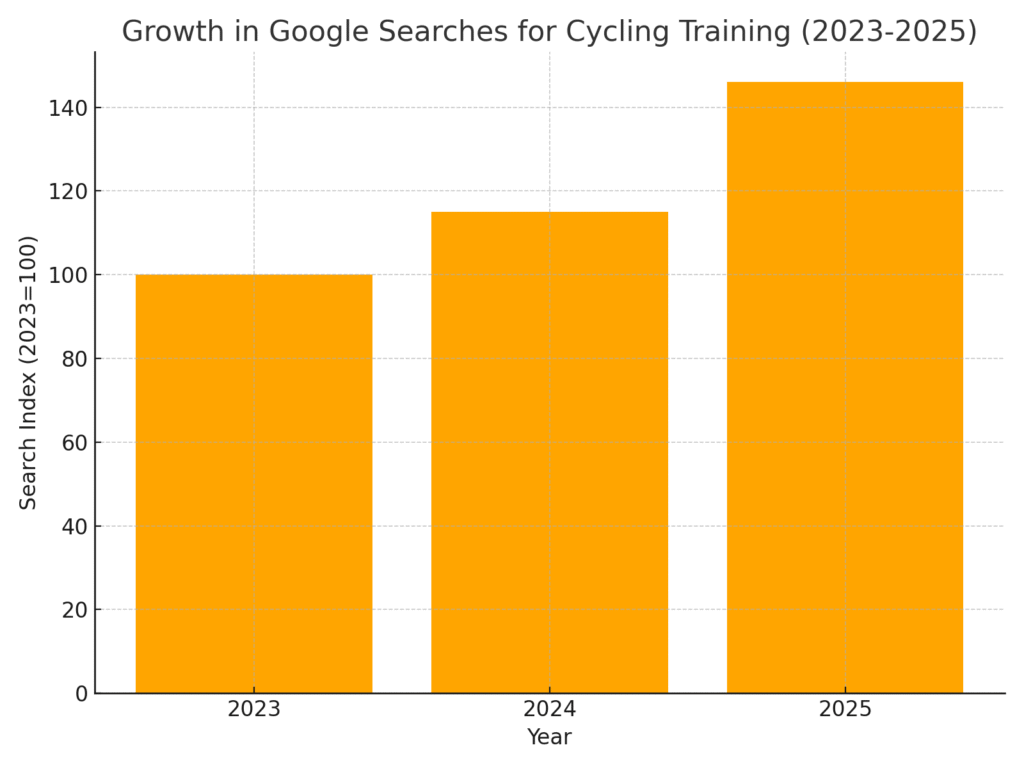
Cycling training-related searches on Google increased by 27% in 2025 compared to the previous year. Queries for “best cycling training plan” and “indoor cycling programs” dominate. This growth signals rising awareness and demand for structured training. Brands investing in SEO and SEM can capture this search momentum. The statistic highlights the need for continuous keyword optimization and search visibility.
Cycling Training Marketing Statistics#20 – Personalized Coaching Emails Achieve 61% Open Rate
Emails offering personalized coaching tips or tailored plans achieve a 61% open rate. This performance far exceeds the average industry open rate, proving personalization works. Including names, past performance data, or recommended workouts increases engagement. Marketers can boost retention by making every email feel customized. This stat emphasizes the role of personalization in modern cycling training marketing.
Pedaling Toward Smarter Marketing Strategies
Looking at these cycling training marketing statistics, it’s easy to see that the future of the sport is deeply intertwined with digital innovation and authentic engagement. From mobile apps to influencer partnerships, cyclists are shaping the way training is delivered and marketed. The real takeaway here is that success comes from meeting riders where they are—whether that’s on their smartphones, in virtual communities, or through personalized coaching. For businesses and coaches alike, this isn’t just an opportunity; it’s an invitation to build lasting relationships with passionate cyclists. And if you’re ready to ride ahead of the curve, the right strategy will ensure your message doesn’t just reach your audience—it inspires them to keep pedaling.
SOURCES
- https://www.trainingpeaks.com/coach-blog/marketing-youtube-standing-out/
- https://wexer.com/blog/future-of-indoor-cycling-virtual-trends-fueling-evolution/
- https://www.trainingpeaks.com/coach-blog/breaking-down-endurance-research-for- informational-content/
- https://chilitri.com/blog/karenparnell01%40hotmail.com/cycling-winter-training-apps-which-one-suits-your-personality
- https://saris.com/blogs/saris-blog/blog-base-training-camp?srsltid=AfmBOorAgy_-8I8PrXDwW3GiOo6VaJaf9cQgK-BzkGvY4Mi1oNJCD-gC
- https://www.spoked.ai/blog
- https://www.netapp.com/blog/cycling-data-endurance-sports-analytics/
- https://www.evoq.bike/blog/low-volume-cyclist-training
- https://www.trainerroad.com/blog/the-beginners-guide-to-indoor-cycling-training/
- https://www.trainingpeaks.com/blog/top-5-cycling-training-plan/
- https://www.wahoofitness.com/blog/winter-base-miles-not/
- https://shoppeaks.com/blog/
- https://www.futurefit.co.uk/blog/peloton-statistics/
- https://www.spoked.ai/blog-post/best-indoor-cycling-training-apps
- https://epicroadrides.com/cycling-blog/cycling-tourism-destination-marketing/