17 Sep TOP 20 DEBTOR MARKETING STATISTICS 2025
In today’s competitive landscape, understanding debtor marketing statistics is essential for businesses aiming to improve their accounts receivable processes and enhance cash flow. By staying on top of industry trends, companies can optimize their debt recovery efforts and boost operational efficiency. As a leading marketing agency in New York, Amra and Elma helps businesses navigate these trends with tailored solutions that focus on both technology and personalized debtor engagement. Whether you’re dealing with overdue invoices or exploring automated collection strategies, keeping up with the latest stats can make a significant difference in how your business manages debt.
Top 20 Debtor Marketing Statistics 2025 (Editor’s Choice)
📊 TOP 20 DEBTOR MARKETING STATS
Essential Industry Insights for 2025
| Rank | Category | Key Statistic | Description & Impact |
|---|---|---|---|
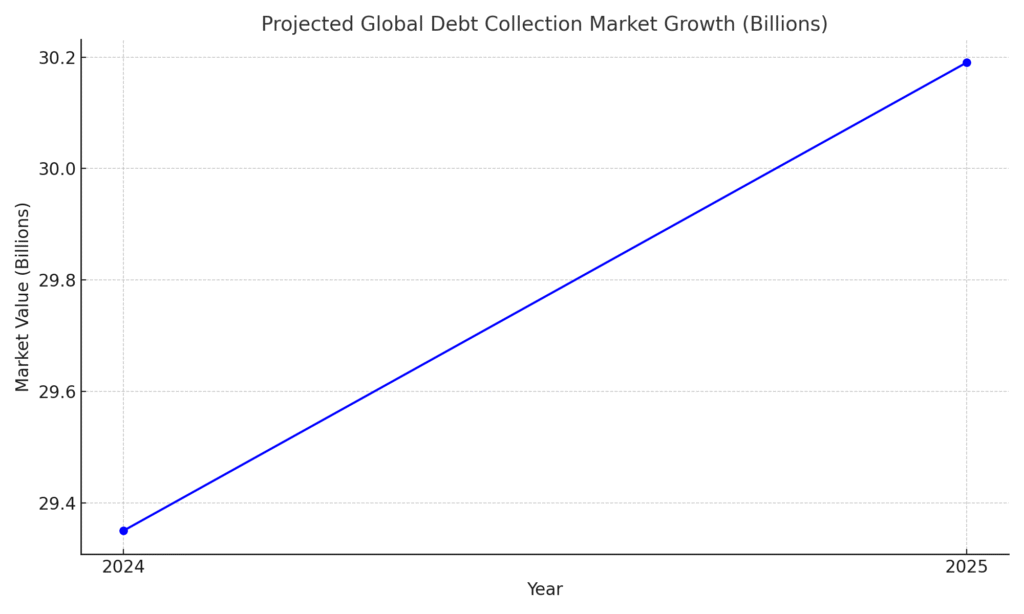
| 1 | Market Size | $16.4 Billion | US debt collection market value in 2025, showing 2.3% growth from 2024 |
| 2 | Global Growth | $34.31 Billion by 2029 | Global debt collection agencies market expected growth at 3.3% CAGR |
| 3 | Software Market | $5.24B → $7.21B | Debt collection software market growth from 2025-2030 at 9.23% CAGR |
| 4 | Industry Players | 6,431 Agencies | Total debt collection agencies in the U.S. (2.1% decrease from 2022) |
| 5 | Business Count | 6,230 Businesses | Debt collection businesses in US, declining at 1.0% CAGR (2020-2025) |
| 6 | Geographic Leaders | NY: 725, CA: 706, TX: 525 | States with highest concentration of debt collection agencies |
| 7 | Consumer Impact | 70 Million Adults | Americans who have had debts turned over to debt collectors |
| 8 | Household Debt | $17.3 Trillion | Total U.S. household debt reached in 2024 |
| 9 | Business Debt | $21.55 Trillion | Non-financial business debt by Q4 2024 (up 27% since 2019) |
| 10 | Success Rate | 20-25% | Average success rate for debt collection agencies (down from 30% decades ago) |
| 11 | Industry Benchmark | 21.7% | ACA International reported industry-wide success rate (2014 survey) |
| 12 | Recovery Rate | 20 Cents per Dollar | Average recovery rate; drops to 10% or less for older debt/legal cases |
| 13 | AI Impact | +25% Recovery Rates | Increase in recovery rates for agencies using AI for predictive analytics |
| 14 | Collection Methods | 98% | Percentage of third-party debt collection agencies that mail letters to debtors |
| 15 | AI Adoption | 40% See AI Opportunity | Respondents viewing AI as significant area of opportunity and future impact |
| 16 | Contact Frequency | 40% Contacted 4+ Times/Week | Consumers reporting being contacted by debt collectors four or more times weekly |
| 17 | High-Frequency Contact | 17% Contacted 8+ Times/Week | Consumers experiencing eight or more collection contact attempts per week |
| 18 | Threatening Behavior | 25%+ Receive Threats | Consumers reporting receiving threatening calls from debt collectors |
| 19 | Medical Debt | 57% Medical Collections | Majority of consumer credit report collections tradelines are medical debt |
| 20 | Revenue Source | 37% from Financial Services | Total revenue collected by collection agencies from financial services industry |
Debtor Marketing Statistics #6: Late Payments Impact on Bankruptcies
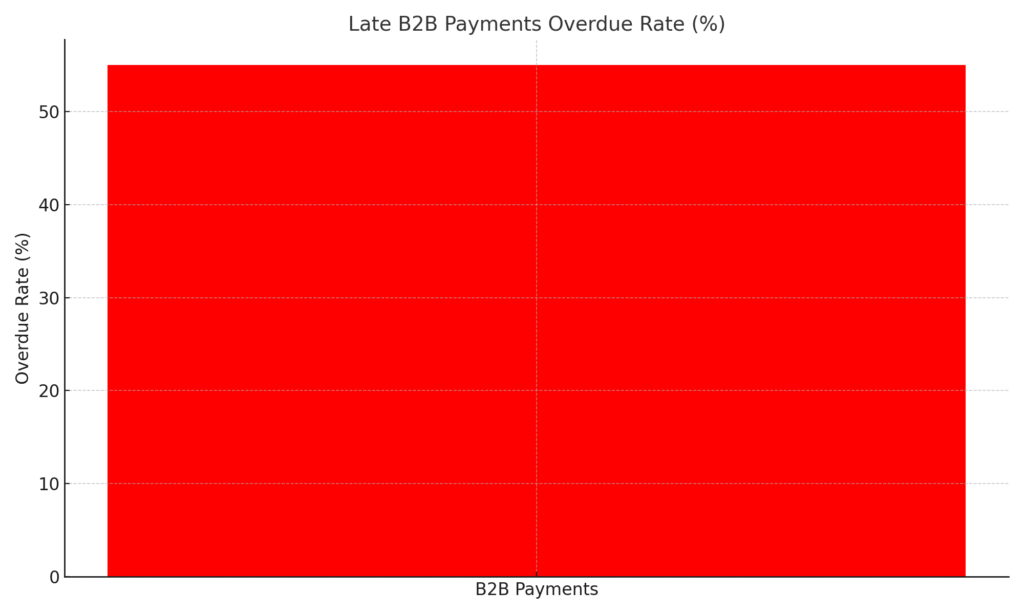
Approximately 25% of bankruptcies in Europe are attributed to late payments by customers. This statistic highlights the severe consequences of delayed payments, which can disrupt the financial stability of businesses. Late payments, particularly from larger clients, can trigger cash flow problems that lead to insolvency. Businesses need to establish robust debt collection strategies to mitigate this risk and avoid the negative impact of non-payment. As late payments continue to rise, adopting more proactive debtor marketing practices can help businesses stay afloat and minimize financial losses.
Debtor Marketing Statistics #7: Bad Debts in B2B Sales
Bad debts affect an average of 9% of all credit-based B2B sales in the U.S. This statistic underscores the importance of effective credit management and debtor marketing strategies in the business-to-business sector. When businesses extend credit, there is always a risk of customers failing to pay their invoices, which can lead to significant losses. To reduce the impact of bad debts, businesses need to implement stronger credit assessments and more frequent follow-ups with clients. Understanding these trends allows businesses to adjust their collections strategies to minimize the risk of bad debts.
Debtor Marketing Statistics #8: Corporate Bankruptcies in the U.S.
Corporate bankruptcies in the U.S. reached a 14-year high in 2024, with 694 filings. This increase is largely attributed to rising debt levels and economic uncertainty, which have led to higher numbers of companies defaulting on their obligations. The surge in bankruptcies highlights the risks businesses face in terms of debt recovery. Companies must adopt more strategic debtor marketing practices to recover debts before they reach critical levels. Bankruptcy filings are a reminder of the importance of maintaining healthy financial practices and implementing early interventions for overdue payments.
Debtor Marketing Statistics #9: AI in Debt Collection
AI and machine learning are becoming increasingly important in debt collection, with many progressive agencies incorporating these technologies to improve their performance. AI can analyze payment patterns, predict debtor behavior, and optimize communication strategies, leading to better results. By leveraging these technologies, debt collectors can automate tasks, reduce manual effort, and focus on high-priority cases. The integration of AI into debt collection not only enhances operational efficiency but also helps improve customer relationships. As AI continues to evolve, its role in debtor marketing is expected to expand, offering even more advanced solutions for debt recovery.
Debtor Marketing Statistics #10: Self-Service Portals in Debt Collection
88% of debt collection companies now offer self-service online portals for consumers, providing them with an easier and more convenient way to manage their debts. These portals allow debtors to make payments, view outstanding balances, and communicate with debt collectors, all from the comfort of their own devices. The rise of self-service portals reflects a shift toward more customer-centric debt collection practices, which help improve debtor satisfaction and increase payment rates. Offering digital solutions to debtors is a win-win for both parties, as it streamlines the process and reduces the burden on collection agents. Businesses that implement these portals are more likely to see improved collections and stronger customer relationships.
Debtor Marketing Statistics #11: Automation in Accounts Receivable
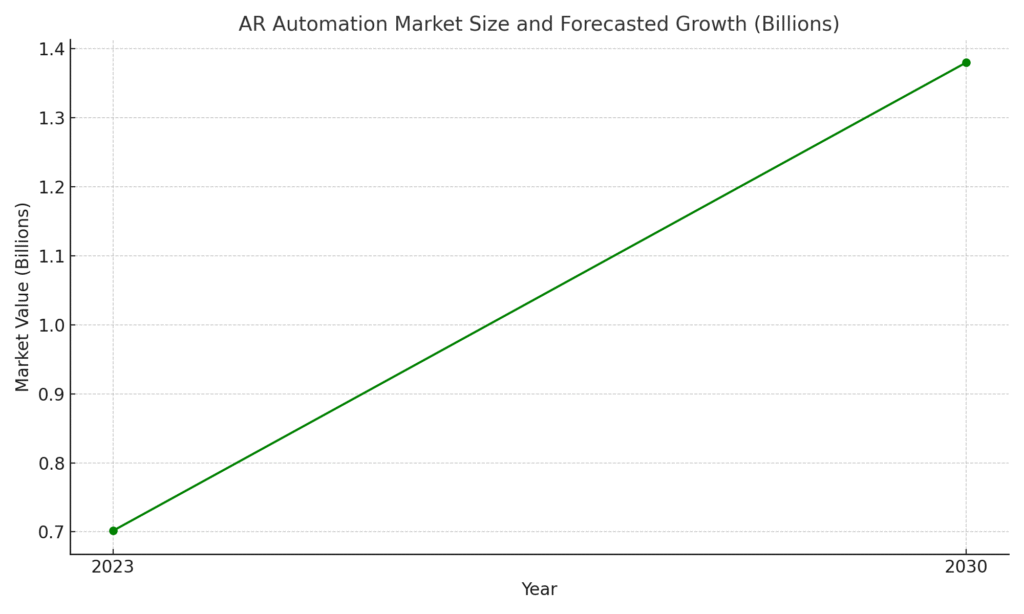
91% of mid-sized firms with fully automated accounts receivable (AR) systems report increased savings, cash flow, and overall growth. Automation in AR helps businesses track invoices, follow up with customers, and process payments more efficiently, leading to reduced costs and faster collections. As companies adopt AR automation, they can allocate resources to more strategic tasks and improve their bottom line. This trend is driving growth in the AR automation market, as businesses realize the benefits of digitizing their receivables processes. Companies that are not yet leveraging AR automation may risk falling behind in an increasingly competitive market.
Debtor Marketing Statistics #12: Real-Time Payments Growth
Real-time payments are expected to account for 27.8% of all electronic payments globally by 2027, transforming how businesses manage accounts receivable. This trend is particularly important for debtor marketing, as it allows companies to receive payments instantly, reducing the risk of overdue accounts. The rise of real-time payments is also improving the customer experience, as debtors can make payments whenever it is most convenient for them. Businesses that adopt real-time payment systems are likely to see quicker collections and improved cash flow. The shift toward real-time payments is expected to continue growing, making it an essential component of future debtor marketing strategies.
Debtor Marketing Statistics #13: AR Invoice Volume
Mid- to upper-mid market AR teams process an average of 2,500 invoices per month, highlighting the scale of operations for larger businesses. Managing such a high volume of invoices requires effective systems, strong organizational practices, and robust debtor marketing strategies. Businesses must ensure that they have the right tools in place to track, follow up on, and recover overdue invoices efficiently. With such a large volume of invoices to manage, businesses that do not adopt automated systems and streamlined processes are at risk of missing critical payments. Efficient management of invoice volumes is essential for maintaining healthy cash flow and financial stability.
Debtor Marketing Statistics #14: AR Invoice Value
The average invoice value processed by AR teams is over $6,000, reflecting the high stakes of debt recovery in many industries. When dealing with such large sums, businesses must implement effective credit management and debtor marketing strategies to ensure timely payment. High-value invoices often come with higher risks, making it crucial for businesses to monitor accounts closely and follow up on overdue payments. With large invoice values, businesses may also consider offering flexible payment plans or negotiating settlements to recover outstanding debts. Tracking invoice value trends helps businesses better understand their AR performance and identify areas for improvement.
Debtor Marketing Statistics #15: CFO Perspectives on AR Collaboration
54% of CFOs strongly agree that their AR teams would be more productive with better collaboration with accounts payable and internal teams. This statistic highlights the importance of internal communication and collaboration for optimizing debt collection processes. When AR and AP teams work together seamlessly, businesses can streamline invoice management, improve payment terms, and resolve disputes more efficiently. By fostering collaboration between departments, businesses can reduce friction and accelerate the payment cycle. Stronger teamwork within an organization ultimately leads to better outcomes for debtor marketing and financial performance
Debtor Marketing Statistics #16: Personalized Communication Strategies
In 2024, businesses are focusing on developing more personalized communication strategies for each debtor, recognizing that a one-size-fits-all approach is no longer effective. Personalizing communication helps debtors feel respected and understood, improving the chances of successful debt recovery. Tailored strategies might include sending reminders via preferred channels, offering payment plans, or providing debtors with relevant information to resolve their outstanding balance. By using debtor data to craft individualized messages, businesses can foster better relationships and improve payment rates. The shift toward personalized communication is transforming debtor marketing practices and creating more positive outcomes for both parties.
Debtor Marketing Statistics #17: Investment in Compliance Technologies
Investing in compliance software has become a key strategy for debt collection agencies to monitor communications and adhere to evolving regulations. With stricter regulations in place, businesses must ensure they follow legal guidelines when collecting debts. Compliance technologies allow companies to track communications, record interactions, and avoid violations, helping them maintain a positive reputation while recovering debts. As regulations continue to change, investing in compliance software will be essential for staying ahead of the curve. Businesses that neglect compliance risk legal consequences and damage to their reputation, which could ultimately harm their collections efforts.
Debtor Marketing Statistics #18: Consumer Expectations in Debt Collection
There has been a noticeable shift in consumer expectations, with debtors now expecting more personalized and respectful debt collection practices. Traditional, impersonal methods of debt recovery are being replaced by customer-centric approaches that prioritize empathy and communication. This shift is driven by increasing awareness of consumer rights and a desire for more transparent interactions. Businesses that adapt to these new expectations by offering flexible payment options and clear communication are more likely to see positive outcomes in debt recovery. As debtor marketing evolves, businesses must focus on building trust and maintaining professionalism to encourage timely payments.
Debtor Marketing Statistics #19: Enforcement Actions on Debt Collection
In 2024, 16 enforcement actions related to debt collection were tracked, marking a decline from 22 in 2023. This reduction in enforcement actions suggests that businesses are improving their compliance with debt collection laws. However, it is still crucial for companies to monitor regulatory changes and ensure they are not violating any laws during the collection process. A proactive approach to legal compliance can help businesses avoid costly penalties and maintain a good reputation. As regulations continue to evolve, businesses must stay informed and adapt to changing enforcement requirements.
Debtor Marketing Statistics #20: State-Level Regulation Focus
With federal oversight evolving, there is an increasing focus on state-level regulations and enforcement in debt collection practices. This shift emphasizes the need for businesses to stay updated on local laws and tailor their debtor marketing strategies accordingly. State regulations can vary significantly, making it crucial for businesses to understand the specific requirements in each jurisdiction where they operate. Adapting to state-level regulations helps businesses avoid legal complications and improve their debt recovery efforts. By remaining compliant with both federal and state laws, companies can ensure that their debtor marketing practices are both effective and legally sound.