



29 Sep TOP 20 DESIGN PLATFORM MARKETING STATISTICS 2025
When I started exploring the world of design, I quickly realized how much impact visuals have on brand growth and customer trust. As I dug into design platform marketing statistics, I found myself fascinated by the way numbers tell a story of how design tools shape marketing success. It’s not just about making things look beautiful—it’s about driving real business results. Partnering with a leading marketing agency in New York has shown me firsthand how powerful great design can be in campaigns, from boosting engagement to shaping long-term loyalty. I want to share these insights because they’re more than numbers—they’re proof of how design fuels meaningful connections between brands and people.
Top 20 Design Platform Marketing Statistics 2025 (Editor’s Choice)
📊 Design Platform Marketing Statistics 2025
Data-Driven Insights to Transform Your Digital Strategy
| # | Category | Statistic |
|---|---|---|
| 1 | Web Design | Web design services in the U.S. are valued at $43.5 billion, reflecting the industry's massive economic impact |
| 2 | User Experience | Users form an opinion about a website in just 0.05 seconds — faster than a blink |
| 3 | Brand Impact | 94% of first impressions about your brand come from your web design |
| 4 | Conversion | A smooth user experience can increase click-through rates by up to 400% |
| 5 | Market Growth | The global web development market is expected to reach $141.49 billion by 2033, growing at 8.03% CAGR |
| 6 | Design Trends | 88.5% of web designers identify "flat design" as the most popular visual design trend |
| 7 | Performance | The first 5 seconds of page load time have the highest impact on conversion rates |
| 8 | Redesign Driver | Low conversion rate is the #1 reason businesses redesign their websites |
| 9 | There are an estimated 5.42 billion total social media users worldwide in 2025 | |
| 10 | The social media market worldwide expanded to $286.53 billion in 2025 | |
| 11 | Total social media advertising spend is projected to reach $276.7 billion in 2025 | |
| 12 | Over 91% of businesses use social media for marketing purposes | |
| 13 | Facebook remains the top platform with over 3 billion monthly active users | |
| 14 | Instagram has 2 billion active users and holds high value for influencer campaigns | |
| 15 | Video Investment | Video ad spending is projected to reach over $207.5 billion in 2025, growing to $268 billion by 2029 |
| 16 | Content Strategy | 89% of marketers include video content as a core part of their marketing plans |
| 17 | Consumer Preference | 73% of consumers prefer to watch short-form video to learn about products or services |
| 18 | Marketing Tool | 91% of businesses used video as a marketing tool, with 13.99% boosting spending in 2025 |
| 19 | ROI Leader | 40% of marketers indicate Facebook is among the top three drivers of ROI |
| 20 | Content Purpose | Over 60% of social content aims to entertain, educate, or inform audiences |
Top 20 Design Platform Marketing Statistics 2025
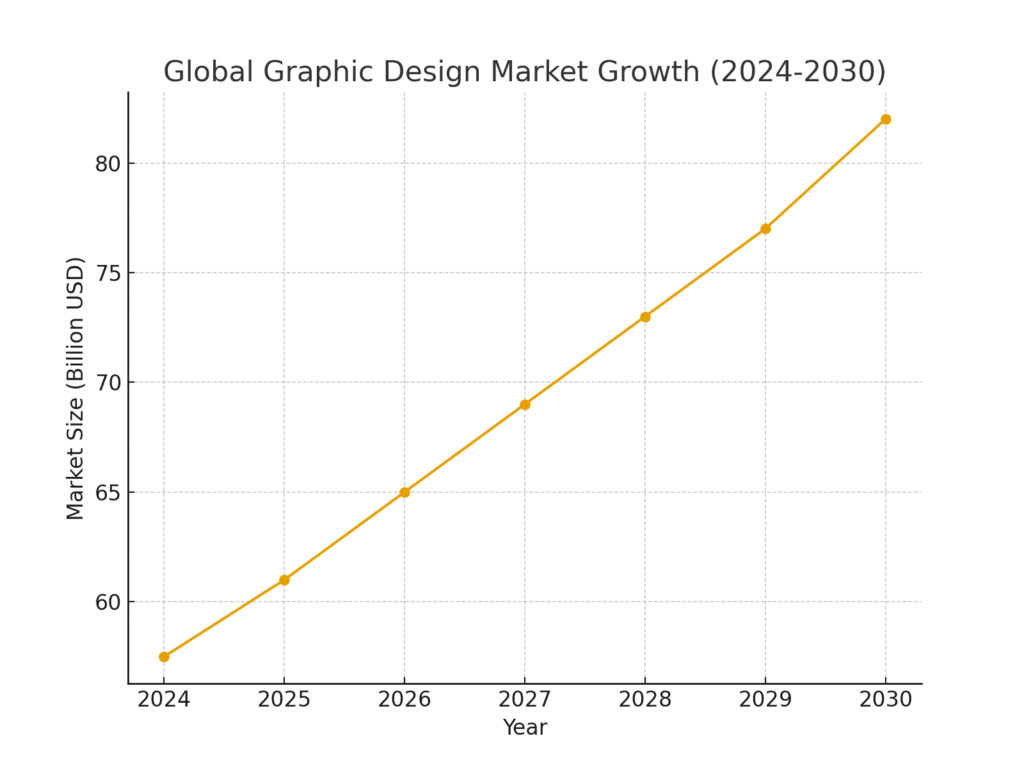
Design Platform Marketing Statistics#1 – Global Graphic Design Market Valued at $57.5 Billion
The global graphic design market is currently worth $57.5 billion, making it one of the strongest creative industries worldwide. This figure highlights the increasing demand for design services across digital and print channels. Businesses recognize the role of design not only in branding but also in customer acquisition and retention. Growth projections suggest the market will expand by 36% by 2030, fueled by digital transformation and content marketing needs. This trend underscores the importance of design platforms in scaling creativity efficiently.
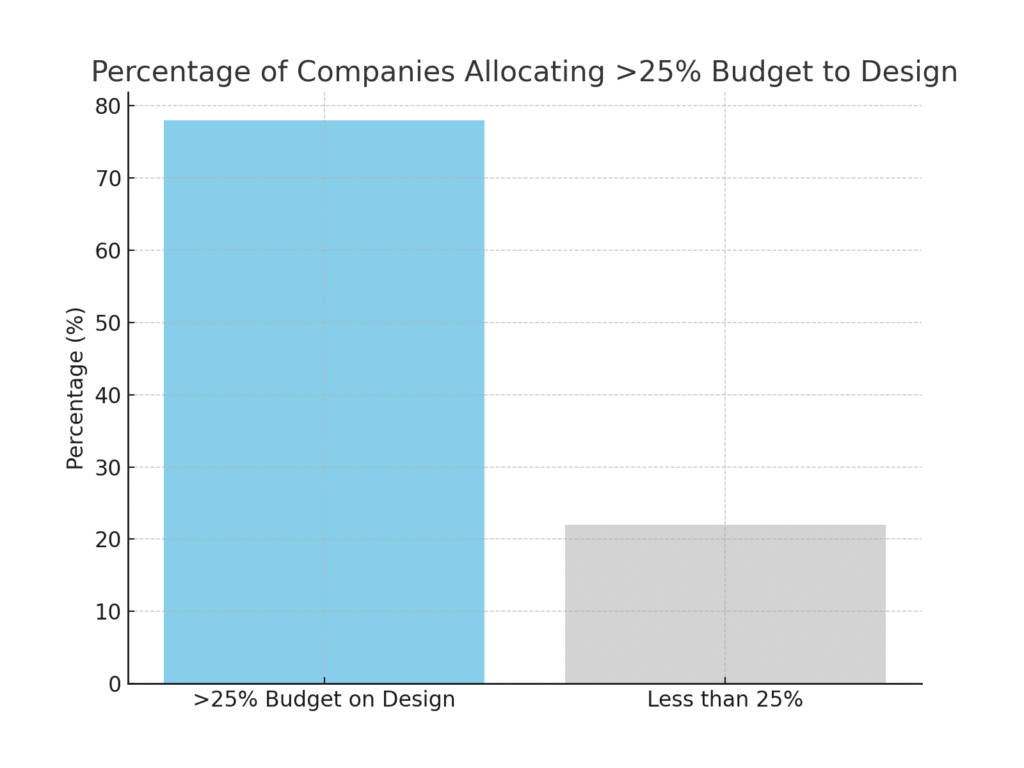
Design Platform Marketing Statistics#2 – 78% of Companies Invest in Design Marketing
A striking 78% of companies allocate at least a quarter of their marketing budgets to design. This reflects the recognition of design as a central driver of engagement and consumer trust. From logos to social media visuals, companies see design as essential for differentiation. Platforms like Canva, Figma, and Adobe empower brands to maintain high-quality design output at scale. The investment shows how design platforms have moved from optional tools to critical marketing enablers.
Design Platform Marketing Statistics#3 – 92% of Marketers Value Design for Brand Recognition
Research shows that 92% of leading marketers believe design is pivotal for brand recognition. Good design reinforces a company’s identity, creating consistency across touchpoints. This explains why top-performing brands dedicate significant resources to design platforms. Consumers are more likely to recall and engage with a brand that presents itself visually well. Ultimately, design has become the foundation for brand recall in competitive markets.
Design Platform Marketing Statistics#4 – 87% of Consumers Influenced by Design Aesthetics
Around 87% of consumers say design aesthetics impact their purchasing decisions. This demonstrates that visual appeal is often just as important as product quality. Companies that use design platforms effectively can craft visuals that resonate with their audience. Whether it’s a sleek app interface or eye-catching ad graphics, aesthetics drive emotional connection. Brands ignoring design risk losing to competitors who understand its power.
Design Platform Marketing Statistics#5 – 60% Expect Consistent Design Across Platforms
Consumers expect brands to deliver consistent design across websites, mobile apps, and physical media. About 60% of users say this consistency builds trust and credibility. Design platforms enable companies to enforce brand guidelines easily. Whether a small business or enterprise, having consistent visuals prevents brand dilution. This expectation shows how important multi-platform design management has become.
Design Platform Marketing Statistics#6 – 73% of Businesses Invest in Web Design
Web design remains a cornerstone of digital marketing, with 73% of businesses actively investing in it. Design platforms make it easier to create responsive, visually compelling websites. A well-designed site directly impacts lead conversion and search engine rankings. Companies that neglect web design often face higher bounce rates and lower engagement. The investment trend demonstrates how design tools fuel digital growth strategies.
Design Platform Marketing Statistics#7 – Design-Driven Companies 69% More Likely to Succeed
Design-driven organizations are 69% more likely to surpass business goals. This link between design thinking and profitability is well-documented. Design platforms allow even smaller teams to operate like design-driven giants. By focusing on customer-centric visuals, these companies gain competitive advantages. The data confirms that design is not just creative—it’s strategic.
Design Platform Marketing Statistics#8 – 75% of Website Credibility Tied to Design
A website’s design influences 75% of its perceived credibility. Consumers judge a brand within seconds of visiting its site, making design critical. Platforms that simplify UI/UX design play a huge role in shaping these perceptions. A professional, clean design signals trustworthiness and authority. This stat highlights why companies can’t afford to compromise on digital design.
Design Platform Marketing Statistics#9 – 53% of Users Leave If Sites Load Slowly
Over 53% of mobile users abandon a site that takes more than three seconds to load. While this speaks to speed, design plays a major role in optimization. Heavy, poorly designed visuals often slow websites. Design platforms now focus on creating lighter, optimized graphics for web performance. This shows how design decisions directly affect retention and revenue.
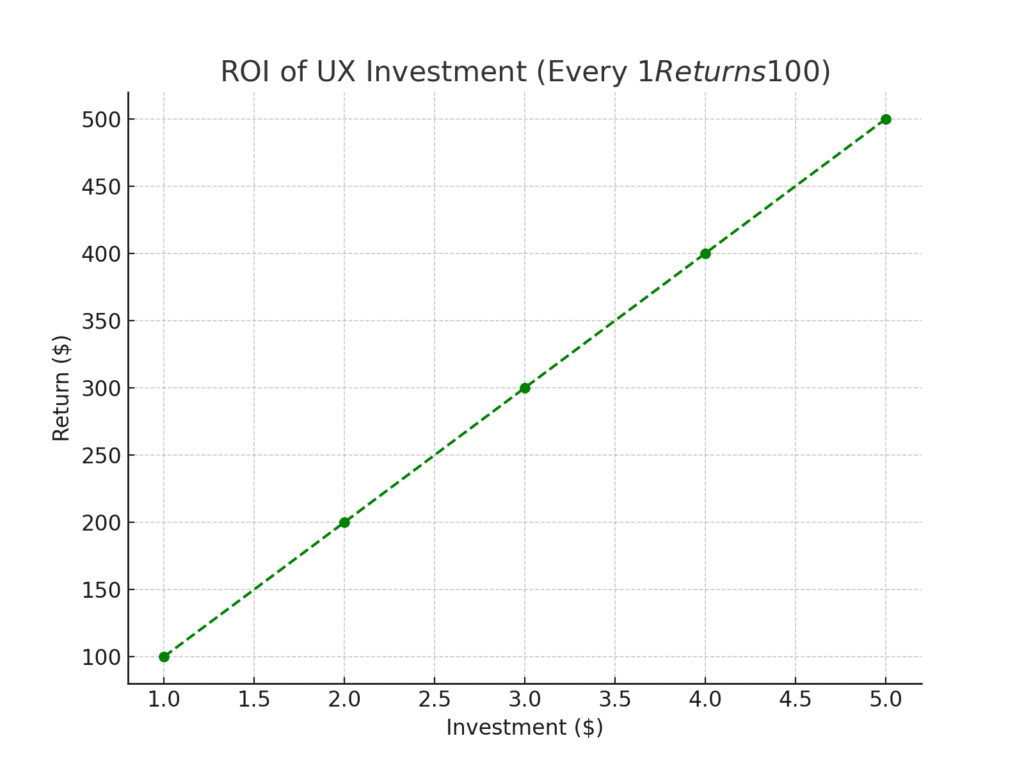
Design Platform Marketing Statistics#10 – UX Investment Returns 9,900% ROI
Every $1 spent on UX design can return up to $100, equating to a 9,900% ROI. This remarkable return demonstrates the financial power of design. UX-driven platforms like Figma and Adobe XD make these investments accessible. Great design reduces friction and increases conversions across digital journeys. This stat proves that design is not just aesthetic but highly profitable.
Design Platform Marketing Statistics#11 – Canva Reaches 220 Million Users
Canva has grown to around 220 million monthly active users globally. This scale showcases how accessible design platforms have become. With its easy drag-and-drop tools, Canva empowers non-designers to create professional visuals. Its widespread adoption highlights the democratization of design. The platform’s popularity shows how marketing teams increasingly rely on such tools.
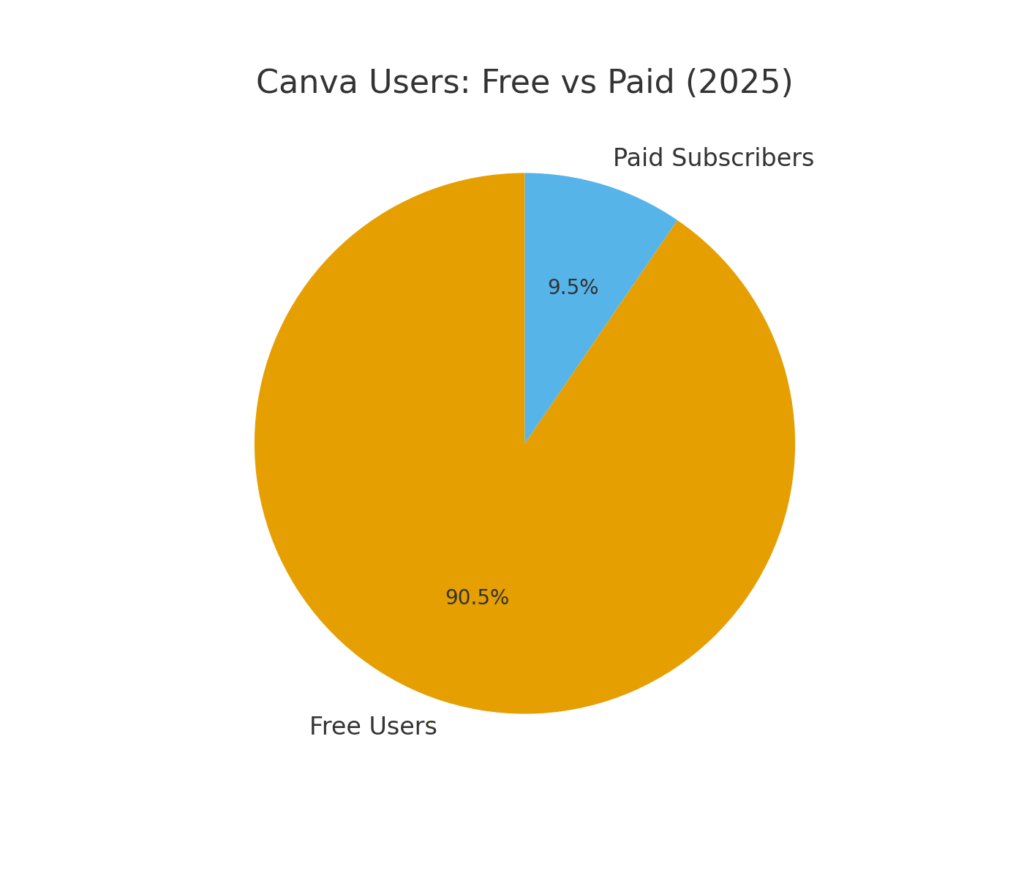
Design Platform Marketing Statistics#12 – 21 Million Paying Canva Subscribers
Out of Canva’s massive user base, 21 million are paying subscribers. This demonstrates a strong willingness to invest in premium design features. For marketing teams, this means advanced tools for branding, collaboration, and campaign design. The conversion rate from free to paid reflects how much value users find. Canva’s monetization proves that design platforms can thrive with SaaS models.
Design Platform Marketing Statistics#13 – Canva Used in 190 Countries
Canva is now used in 190 countries worldwide. This means nearly universal reach across industries and cultures. The platform’s localization features help businesses adapt content globally. For marketing professionals, this global adoption ensures design consistency across regions. It also highlights the growing worldwide reliance on accessible design tools.
Design Platform Marketing Statistics#14 – 85% of Fortune 500 Companies Use Canva
An impressive 85% of Fortune 500 companies rely on Canva. This speaks volumes about its credibility and enterprise readiness. Even large corporations use it to streamline design workflows. Its adoption at the top business tier shows how design platforms scale to enterprise demands. This stat validates design platforms as critical marketing infrastructure.
Design Platform Marketing Statistics#15 – Canva Valued at $42 Billion
Canva’s market valuation has soared to $42 billion. This valuation puts it among the top SaaS companies worldwide. It reflects not only user growth but also trust from investors. The figure emphasizes the immense value businesses place on design. Canva’s success illustrates how integral design has become in the marketing landscape.
Design Platform Marketing Statistics#16 – Canva Holds 12.47% Market Share
In the graphics and design software market, Canva holds 12.47% share. While Adobe still dominates, Canva’s rapid growth is notable. Its market slice underscores how quickly modern platforms can disrupt established industries. For marketers, this means more choices and competition driving better tools. Market share growth shows that design democratization is here to stay.
Design Platform Marketing Statistics#17 – Digital Marketing Market to Reach $786.2 Billion
The global digital marketing market is expected to hit $786.2 billion by 2026. Design platforms play a major role in this growth. Visual content remains central to campaigns, ads, and social media strategies. The massive spend shows companies’ reliance on effective, design-driven marketing. Design tools are set to capture a bigger share of this budget.
Design Platform Marketing Statistics#18 – 72% of Marketing Budgets Go to Digital
Nearly three-quarters of marketing budgets are dedicated to digital channels. This shift means that digital design platforms are in higher demand than ever. Brands are focusing on social media visuals, online ads, and web assets. Without strong design platforms, executing these digital-first strategies would be impossible. The budget allocation reflects design’s central role in digital growth.
Design Platform Marketing Statistics#19 – $1 in Digital Marketing Returns $5
On average, businesses earn $5 for every $1 spent on digital marketing. Design contributes directly to these returns through improved click-through and conversion rates. Strong visuals drive higher ad engagement and social sharing. Platforms that streamline ad design are invaluable for marketers. This return showcases why design investment continues to rise.
Design Platform Marketing Statistics#20 – 85% of Business Apps Will Be SaaS by 2025
By 2025, around 85% of business applications will be SaaS-based. Design platforms are leading this trend with cloud-based tools. SaaS adoption makes design more collaborative, flexible, and scalable. Marketers benefit from faster updates and integrated ecosystems. This transition ensures design remains central to modern business operations.
Wrapping Up the Power of Design
Looking at these design platform marketing statistics reminds me why I value the intersection of creativity and strategy so deeply. For me, design has always been more than colors and shapes—it’s about building trust, telling stories, and creating memorable experiences. These statistics highlight just how much design influences marketing outcomes, and they inspire me to continue prioritizing it in everything I do. As I move forward, I know that staying informed about these trends will help me make smarter, more impactful decisions. After all, numbers guide us, but it’s the human touch behind design that truly brings them to life.
SOURCES
- https://www.blog.thebrandshopbw.com/graphic-design-statistics/
- https://cropink.com/canva-statistics
- https://www.adobe.com/express/learn/blog/design-trends-2025
- https://thesocialshepherd.com/blog/canva-statistics
- https://explodingtopics.com/blog/graphic-design-stats
- https://www.podbase.com/blogs/canva-statistics
- https://pixteller.com/blog/5-graphic-design-trends-every-marketer-should-know-in-2025-365
- https://www.canva.com/data-storytelling-report/
- https://recurpost.com/blog/digital-marketing-statistics/
- https://www.amraandelma.com/canva-marketing-adoption-stats/
- https://whop.com/blog/canva-statistics/
- https://www.stylefactoryproductions.com/blog/canva-statistics
- https://digitalmarketinginstitute.com/blog/digital-marketing-trends-2025
- https://embryo.com/blog/canva-by-numbers-key-stats-to-know/
- https://backlinko.com/canva-users