



21 Sep TOP 20 DESIGNER PRODUCTS MARKETING STATISTICS 2025
The world of luxury fashion and high-end goods is evolving faster than ever, and keeping up with the latest designer products marketing statistics can give brands a serious edge. From the rise of Gen Z shoppers to the growing importance of sustainability, every number tells a story about where the industry is headed. As someone passionate about both creativity and data, I believe these insights can help bridge the gap between what consumers desire and how brands position themselves. Partnering with a marketing agency in New York that understands both global trends and local dynamics can make all the difference in navigating this competitive space. Let’s take a closer look at what the numbers reveal about designer products in 2025 and beyond.
Top 20 Designer Products Marketing Statistics 2025 (Editor’s Choice)
| # | Statistic | Details |
|---|---|---|
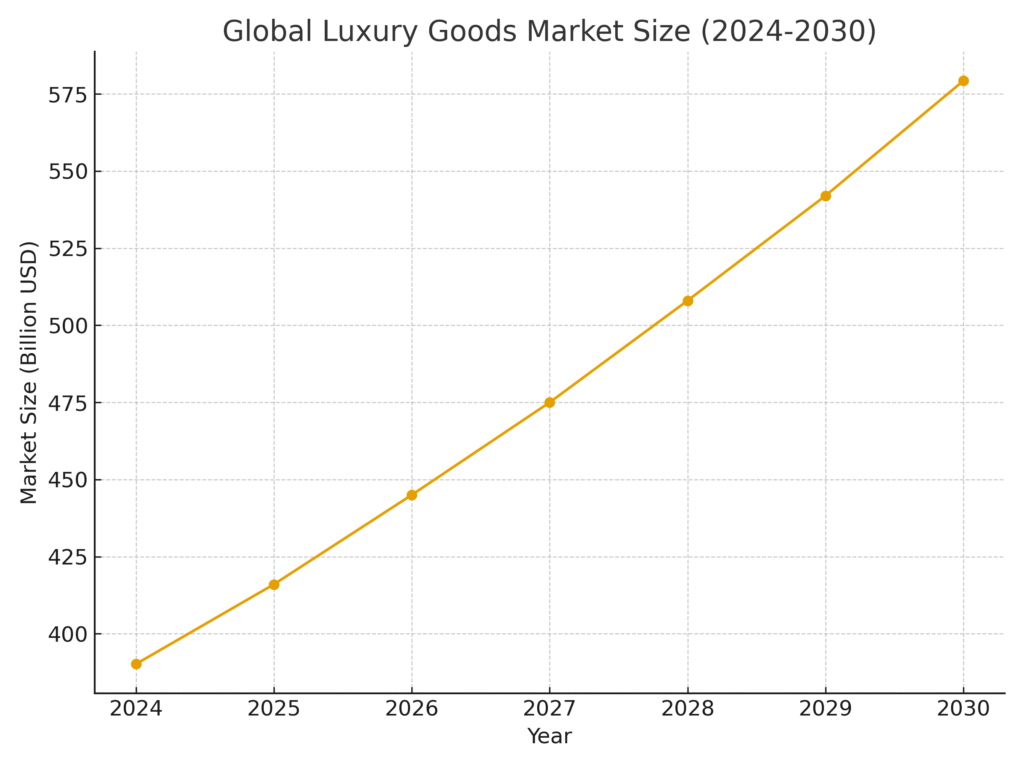
| 1 | Market Size 2024 | Global luxury goods market valued at $390.17B, projected to reach $579.26B by 2030. |
| 2 | Market Forecast | Expected to grow at a CAGR of 6.8% from 2025–2030. |
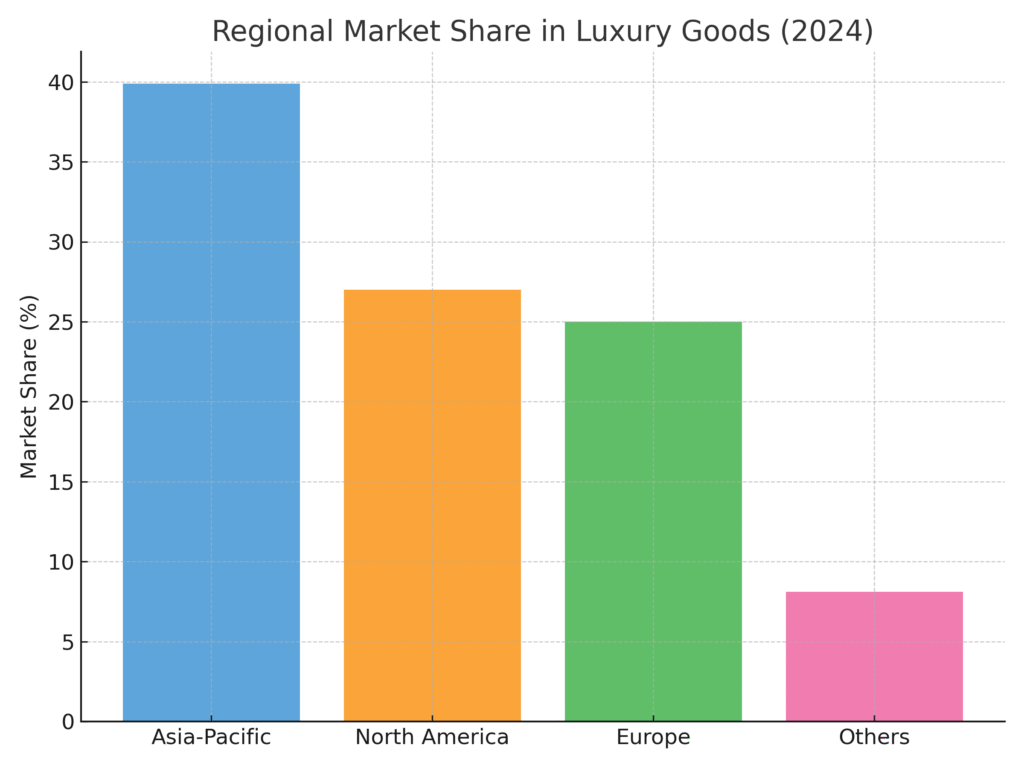
| 3 | Asia-Pacific Share | Asia-Pacific dominates with 39.9% revenue share, China leading globally. |
| 4 | Gen Z Purchases | Gen Z buys on average 16 luxury items/year, the highest among age groups. |
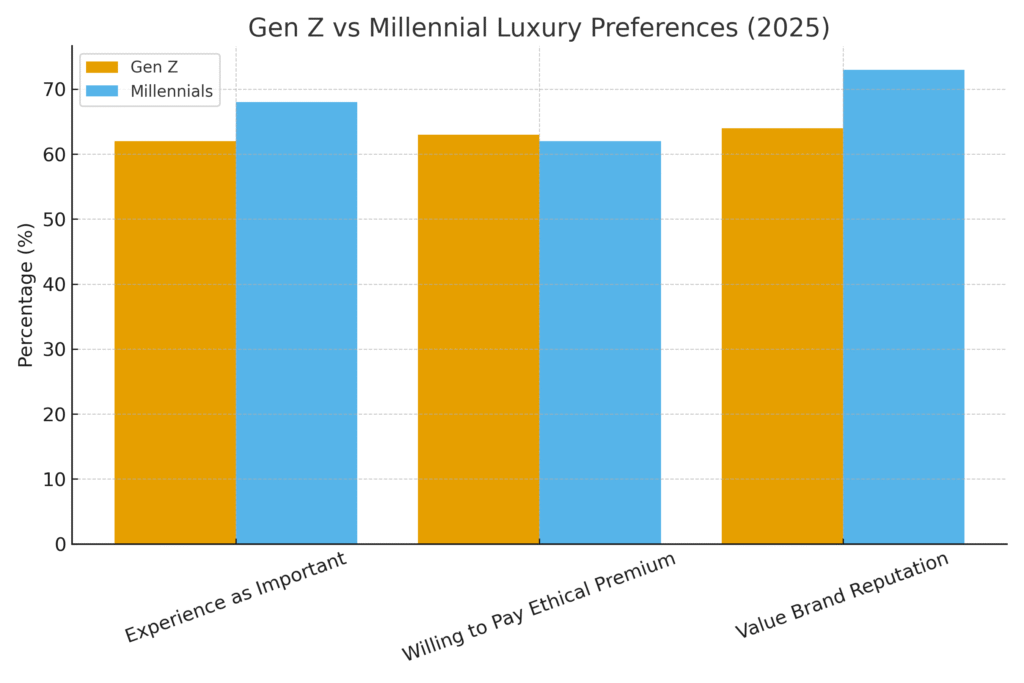
| 5 | Experience Value | 62% of Gen Z and 68% of Millennials say buying experience rivals product importance. |
| 6 | Ethical Products | Over 63% of Gen Z and 62% of Millennials pay premiums for ethical goods. |
| 7 | Brand Reputation | 73% of Millennials and 64% of Gen Z value reputation when choosing luxury brands. |
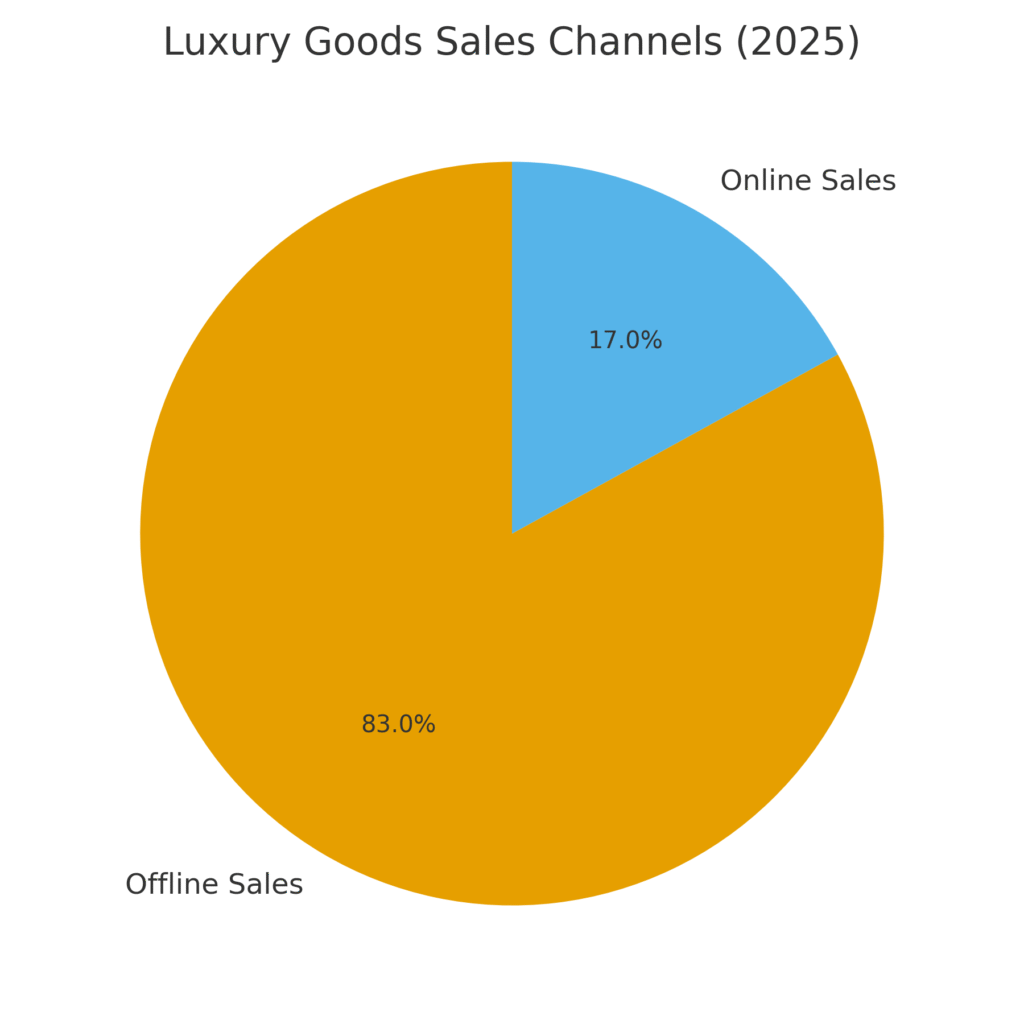
| 8 | Offline vs Online | Offline still leads (~83%), but online luxury sales now exceed 17% globally. |
| 9 | Research Habits | 39% of buyers use multi-brand websites for research before buying luxury items. |
| 10 | Logo Preferences | 80% of regular buyers prefer visible branding vs. 62% of occasional buyers. |
| 11 | In-Store Preference | 63% of regular buyers prefer in-store shopping vs. 54% of occasional buyers. |
| 12 | Sustainability Trend | Over 60% of young luxury shoppers demand sustainable, eco-friendly options. |
| 13 | Quiet Luxury | Subtle, logo-free luxury is trending, especially among affluent younger buyers. |
| 14 | U.S. Market Recovery | After 10 quarters of decline, U.S. luxury spending showed signs of recovery in 2025. |
| 15 | Travel Purchases | 13% of U.S. luxury purchases are made abroad while traveling. |
| 16 | Personal Luxury CAGR | Luxury fashion, jewelry, and watches grew at 5% CAGR between 2019–2023. |
| 17 | Top Brand | Louis Vuitton leads global rankings; Dior recently overtook Gucci in desirability. |
| 18 | Purchase Intent | Brand reinvention & digital experience boosted intent across multiple luxury houses. |
| 19 | Price Sensitivity | Frequent price hikes push aspirational buyers away from luxury labels. |
| 20 | Consumer Shrinkage | Luxury consumer base dropped by ~50M in 2024 due to inflation & rising costs. |
Top 20 Designer Products Marketing Statistics 2025
Designer Products Marketing Statistics #1 – Market Size 2024 at $390.17 Billion
The global luxury goods market was valued at $390.17 billion in 2024, highlighting its strength despite global economic pressures. This figure sets the stage for future growth as consumer demand continues to evolve worldwide. Brands in the designer space are leveraging this momentum to innovate product offerings and expand digital presence. With a market this large, opportunities abound for both established labels and emerging luxury players. The figure underscores that luxury is not just stable, but thriving.
Designer Products Marketing Statistics #2 – Market Forecast to $579.26 Billion by 2030
Projections indicate the luxury goods market will reach $579.26 billion by 2030. This anticipated growth reflects a steady compound annual growth rate (CAGR) of nearly 6.8%. Marketers should see this as evidence of a resilient sector with ample room for creative campaigns. The forecast highlights the importance of aligning brand strategy with evolving consumer preferences. For luxury marketers, long-term investments in storytelling and digital platforms will be crucial.
Designer Products Marketing Statistics #3 – Asia-Pacific’s 39.9% Market Share
Asia-Pacific commands a dominant 39.9% share of the luxury goods market. Much of this leadership comes from China’s strong consumer base and appetite for luxury. The region continues to influence global trends, from shopping behaviors to brand collaborations. For marketers, Asia-Pacific represents both opportunity and fierce competition. Targeted campaigns in this region often drive global brand success.
Designer Products Marketing Statistics #4 – Gen Z Purchases 16 Items per Year
Gen Z consumers average 16 luxury items annually, making them the most active luxury buyers. Their buying frequency reflects not only financial capability but also lifestyle aspirations. Designer brands targeting this demographic must understand the importance of culture, inclusivity, and digital fluency. Gen Z values both uniqueness and ethical responsibility, influencing their purchase decisions. Marketing campaigns that resonate emotionally tend to perform best with this group.
Designer Products Marketing Statistics #5 – Experience as Important as the Product
For 62% of Gen Z and 68% of Millennials, the buying experience is as vital as the product itself. This shows a shift from transactional purchasing to experiential engagement. Luxury stores, pop-ups, and personalized online interactions play a critical role here. Marketers must craft experiences that feel memorable and exclusive. Creating a sense of journey ensures deeper brand loyalty.
Designer Products Marketing Statistics #6 – 63% Willing to Pay for Ethical Goods
A striking 63% of Gen Z and 62% of Millennials are willing to pay extra for ethically produced goods. This reflects a growing demand for sustainability and responsibility in luxury. Designer brands that ignore ethical practices risk alienating younger audiences. Transparency in sourcing and eco-friendly production now act as strong selling points. This trend is redefining the essence of luxury as socially conscious.
Designer Products Marketing Statistics #7 – 73% Value Brand Reputation
Nearly 73% of Millennials and 64% of Gen Z prioritize brand reputation when purchasing luxury products. A strong reputation conveys trust, prestige, and authenticity. Marketing campaigns must highlight heritage, customer satisfaction, and ethical practices to build credibility. Word-of-mouth and digital reviews further shape perception in this demographic. Protecting reputation is now as important as the products themselves.
Designer Products Marketing Statistics #8 – Offline Sales Still Lead at 83%
Despite the rise of e-commerce, offline channels still dominate with approximately 83% of luxury sales. This emphasizes the importance of physical stores, where consumers enjoy the tactile and immersive aspects of shopping. Exclusive in-store experiences build prestige and trust for designer labels. However, brands must still integrate digital to support omnichannel strategies. Offline remains powerful but works best when complemented by online engagement.
Designer Products Marketing Statistics #9 – 39% Research via Multi-Brand Sites
Around 39% of luxury buyers conduct research on multi-brand websites before making purchases. These platforms provide a comprehensive view, enabling comparisons of style, price, and brand identity. For marketers, ensuring visibility on such platforms is crucial. Optimized product placement and curated collaborations can influence final purchase decisions. It reflects how modern consumers balance brand loyalty with exploration.
Designer Products Marketing Statistics #10 – 80% of Regular Buyers Prefer Visible Logos
Approximately 80% of regular buyers prefer luxury items with visible branding, compared to 62% of occasional buyers. This highlights the symbolic nature of luxury purchases. For many consumers, logos are not just designs but markers of status. Marketers should understand the balance between visible luxury and the “quiet luxury” trend. Offering both options ensures brands cater to diverse preferences.
Designer Products Marketing Statistics #11 – 63% Prefer In-Store Shopping
About 63% of regular luxury buyers prefer to shop in-store, compared to 54% of occasional buyers. This reinforces the ongoing value of traditional retail environments. Luxury stores are more than shops—they are brand experiences in themselves. Sensory engagement, from textures to exclusive service, makes in-store visits memorable. For marketers, investing in retail ambience pays off in loyalty.
Designer Products Marketing Statistics #12 – Sustainability as a Non-Negotiable Trend
Sustainability has become non-negotiable for luxury brands, with over 60% of younger consumers demanding eco-friendly practices. Designer houses are incorporating recycled materials and responsible sourcing to meet this need. The trend extends beyond production into packaging and marketing narratives. Marketers must weave sustainability into storytelling for authentic resonance. Green credentials are increasingly a differentiator in the crowded luxury space.
Designer Products Marketing Statistics #13 – Rise of Quiet Luxury
Quiet luxury, with subtle and logo-free designs, is gaining momentum. Affluent younger buyers see understated elegance as a mark of sophistication. This contrasts with logo-driven luxury favored by other segments. Marketers need to balance both approaches to appeal across demographics. Subtle branding is now an equally powerful form of exclusivity.
Designer Products Marketing Statistics #14 – U.S. Luxury Spending Recovery
The U.S. luxury market has shown recovery after 10 consecutive quarters of decline. This rebound suggests resilience despite inflationary pressures. It indicates renewed consumer confidence and appetite for premium experiences. For marketers, timing is crucial—leveraging the recovery period can reestablish market dominance. This statistic shows that downturns in luxury can be temporary.
Designer Products Marketing Statistics #15 – 13% Purchases Made Abroad
In 2024, 13% of U.S. luxury purchases were made outside the country during travel. This reflects luxury’s connection with tourism and cultural experiences. For brands, travel retail channels are vital points of engagement. Marketing campaigns targeting luxury travelers can enhance international presence. Global mobility remains intertwined with designer brand success.
Designer Products Marketing Statistics #16 – Personal Luxury 5% CAGR Growth
Between 2019 and 2023, personal luxury goods such as fashion, jewelry, and watches grew at a 5% CAGR. This steady growth reflects the resilience of timeless luxury categories. Designer labels continue to invest in high-demand segments, ensuring relevance. Marketers can use these figures to identify safe yet profitable avenues. Jewelry and watches in particular represent strong pillars of luxury marketing.
Designer Products Marketing Statistics #17 – Louis Vuitton Leads Globally
Louis Vuitton remains the global leader among luxury brands. Recently, Dior surpassed Gucci in consumer desirability rankings, showing competition is strong. Brand desirability is shaped by innovation, heritage, and cultural relevance. Marketers can learn from Louis Vuitton’s consistent balance of tradition and reinvention. Being at the top requires constant adaptability to consumer trends.
Designer Products Marketing Statistics #18 – Purchase Intent Boosted by Innovation
Purchase intent for many luxury brands has increased due to creative reinvention and better digital experiences. This highlights the importance of innovation in sustaining consumer attention. Digital-first campaigns, collaborations, and experiential content are driving forces. For marketers, agility in adapting to consumer trends is key. Innovation is not optional—it is a necessity for long-term success.
Designer Products Marketing Statistics #19 – Price Sensitivity and Consumer Drop-Off
Frequent price hikes have led some aspirational buyers to quit luxury altogether. Price sensitivity remains a challenge, even in the premium market. Marketers must balance exclusivity with accessibility to avoid alienation. Alternative strategies like offering entry-level luxury goods can bridge the gap. This statistic highlights the need for pricing strategy refinement.
Designer Products Marketing Statistics #20 – Consumer Base Shrinks by 50 Million
In 2024, the luxury consumer base shrank by approximately 50 million people. Rising costs of living and inflation were key contributors. This signals that economic pressures affect even the wealthier consumer base. For marketers, retaining loyalty during downturns is critical. This figure serves as a reminder of the sector’s vulnerability amid global challenges.
Why These Insights Matter
Looking over these statistics, it’s clear that the designer market is no longer driven only by prestige, but by connection, values, and adaptability. Today’s consumers want authenticity, experience, and ethical responsibility just as much as they want a recognizable logo. For brands and marketers, that means shifting strategies from product-first to people-first, and meeting buyers where they truly are. Personally, I see these shifts as exciting opportunities rather than challenges, because they open doors for creativity and deeper engagement. If you’re serious about thriving in this space, these numbers aren’t just data points—they’re your roadmap to meaningful growth.
SOURCES
- https://www.mckinsey.com/industries/retail/our-insights/state-of-luxury (McKinsey & Company)
- https://www.gwi.com/blog/luxury-buyers (GWI)
- https://www.news.market.us/luxury-goods-statistics/ (Market.us News)
- https://303.london/blog/driving-success-in-the-luxury-industry-15-key-digital-marketing-statistics (303 London)
- https://www2.hl.com/pdf/2025/luxury-goods-market-update-june-2025.pdf (Houlihan Lokey)
- https://helmsworkshop.com/blog/the-power-and-process-of-luxury-marketing-branding (Helms Workshop)
- https://www.simon-kucher.com/en/insights/luxury-study-insights-luxury-industry-trends (simon-kucher.com)
- https://www.resolvedigital.com/blog/luxury-ecommerce-market-statistics-and-trends-in-2025-5kida (resolvedigital.com)
- https://www.cognitivemarketresearch.com/luxury-goods-market-report (Cognitive Market Research)
- https://www.wearisma.com/report-luxury-state-of-influence-2025/ (WeArisma)
- https://www.findabledigitalmarketing.com/blog/luxury-marketing/ (Findable Digital Marketing)
- https://www.bain.com/about/media-center/press-releases/20252/luxury-confronts-slowdown-amid-economic-headwinds-and-market-disruptions-while-industry-resilience-and-strong-fundamentals-underpin-future-prospects/ (Bain)
- https://www.voguebusiness.com/story/sustainability/everything-we-learnt-from-the-latest-fashion-resale-reports (Vogue Business)
- https://www.reuters.com/business/retail-consumer/luxury-brands-big-challenge-figuring-out-gen-z-2025-09-19/ (Reuters)
- https://www.apnews.com/article/f38874c1c80620ecb3412a369cf75f6a (AP News)