



29 Sep TOP 20 DIAGNOSTIC CARE MARKETING STATISTICS 2025
When I started researching diagnostic care marketing statistics, I realized how quickly this area is evolving and how important it has become in shaping healthcare strategies. From imaging centers to advanced lab testing, diagnostic care is now more than just a medical service—it’s a communication opportunity that helps providers build trust with patients. As someone who works closely with data and marketing, I wanted to share insights that can actually make a difference in campaigns and strategies. That’s why I’ve teamed up with resources from a leading marketing agency in New York, so this article doesn’t just highlight numbers but also tells the bigger story about why they matter. I hope these statistics give you the same sense of clarity and inspiration they gave me while putting them together.
Top 20 Diagnostic Care Marketing Statistics 2025 (Editor’s Choice)
| Stat # | Statistic | Key Insight |
|---|---|---|
| 1 | Global Market Size At $96.9 Billion | The diagnostic care market reached $96.9B in 2023, reflecting strong global demand. |
| 2 | Projected CAGR Of 6.2% By 2030 | Steady 6.2% growth shows resilience and long-term opportunities in diagnostics. |
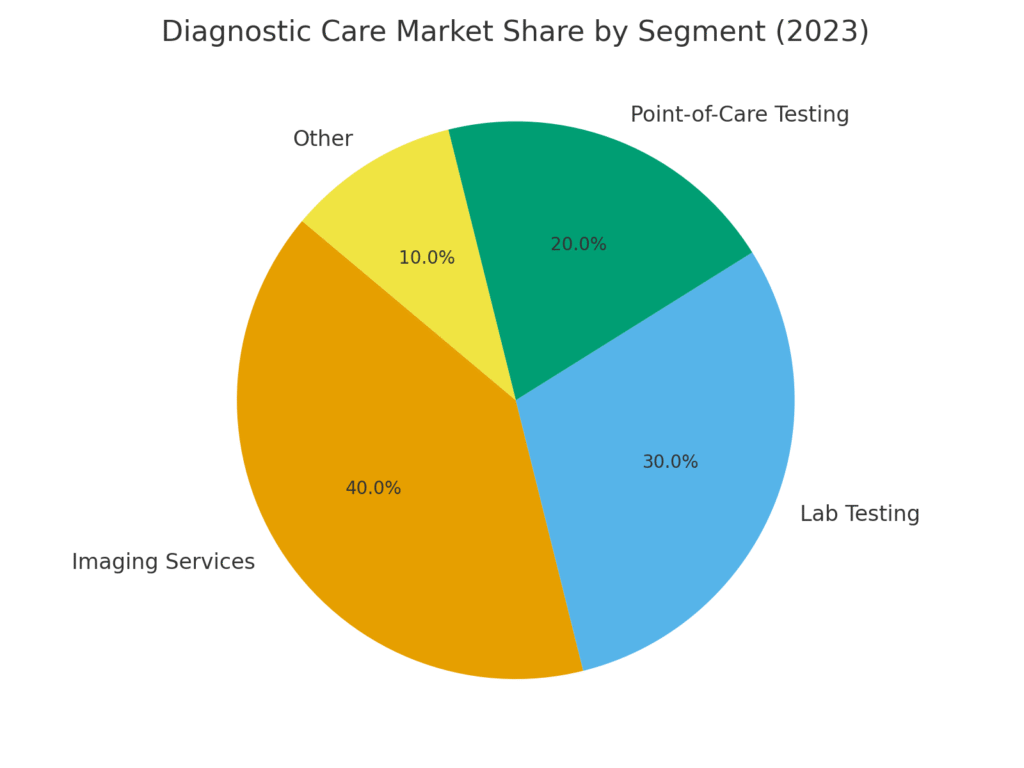
| 3 | Imaging Services Account For 40% Of Market Share | Imaging dominates diagnostics, driving patient trust and hospital positioning. |
| 4 | 65% Of Patients Research Diagnostics Online | Digital presence is vital as most patients research before testing. |
| 5 | Point-Of-Care Testing Growing At 11% CAGR | Rapid testing growth reflects patient demand for convenience. |
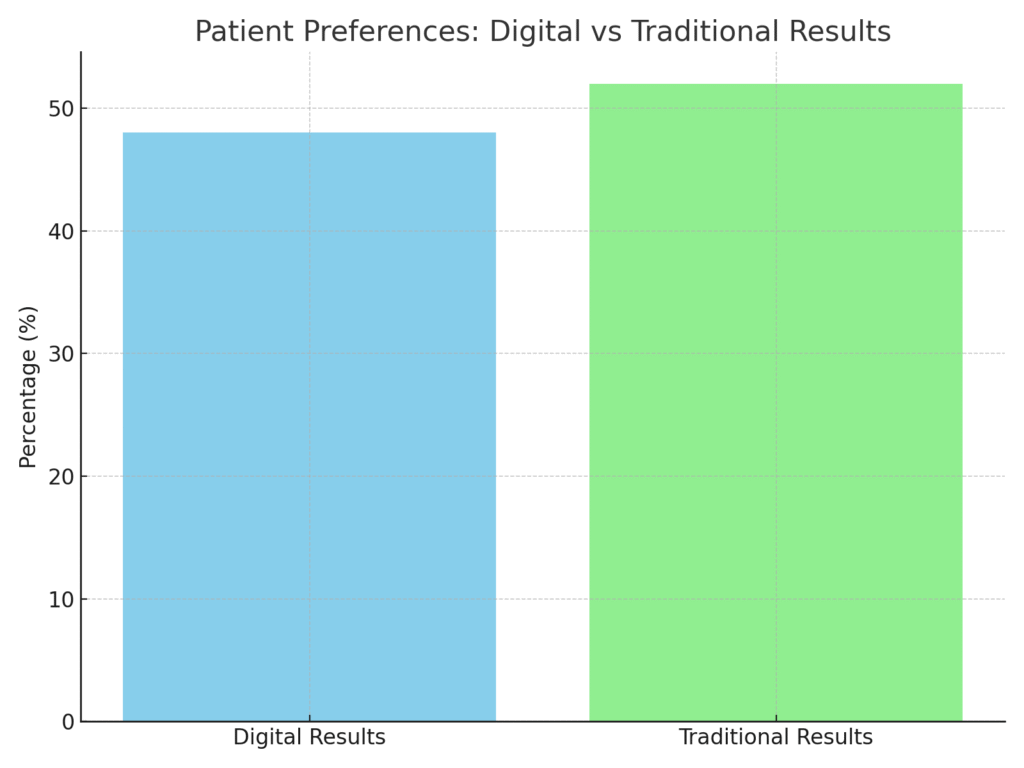
| 6 | 48% Of Consumers Prefer Digital Results | Almost half of patients favor online or app-based test results. |
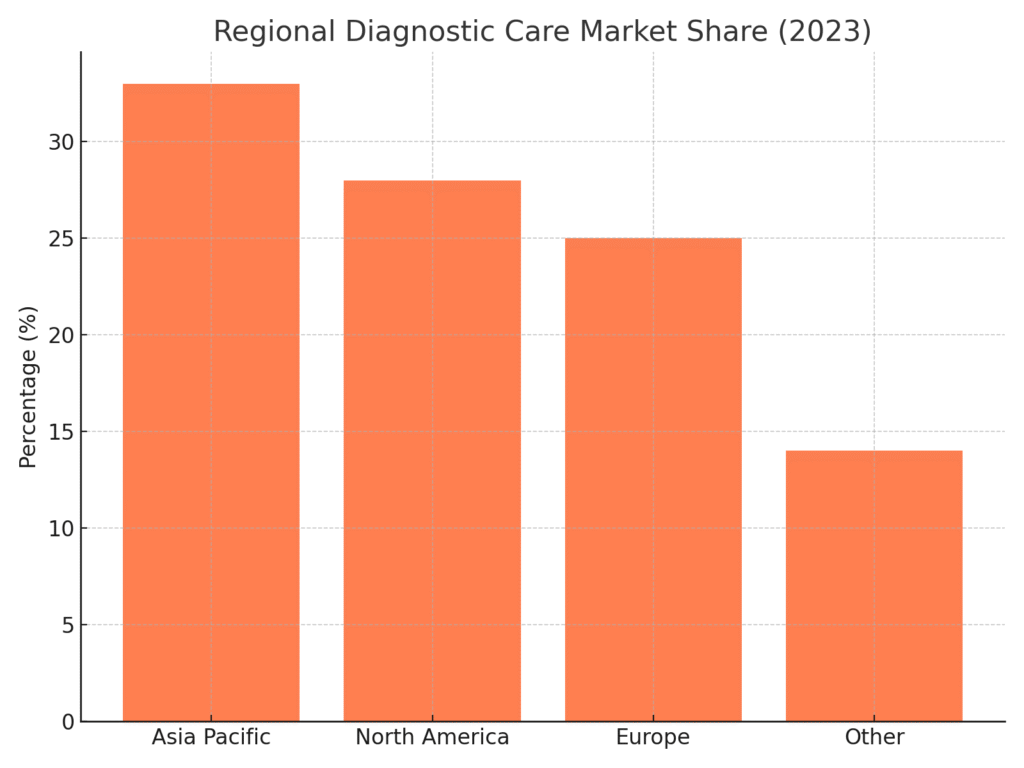
| 7 | Asia Pacific Holds 33% Market Share | Asia Pacific leads diagnostics due to population and infrastructure growth. |
| 8 | 72% Of Providers Invest In Social Media Marketing | Most diagnostic centers now rely on social platforms for outreach. |
| 9 | 80% Of Patients Value Transparency In Pricing | Clear pricing builds patient trust and influences provider choice. |
| 10 | 60% Increase In Preventive Screenings Marketing Spend | Marketing for preventive care has surged to emphasize early detection. |
| 11 | Lab Testing Market Worth $45 Billion | Lab services represent a huge $45B share of diagnostics. |
| 12 | 55% Of Patients Respond To Educational Campaigns | Educational content builds patient trust and influences provider choice. |
| 13 | Tele-Diagnostics Usage Rose By 47% Post-Pandemic | Virtual consultations and tele-testing are growing fast post-COVID. |
| 14 | 68% Of Providers Highlight Accreditation In Ads | Credibility and certifications remain key trust signals in ads. |
| 15 | 50% Of Consumers Follow Healthcare Brands Online | Half of patients engage with healthcare brands on social media. |
| 16 | Mobile Health Apps Penetration At 64% | Apps for diagnostics and test tracking are mainstream globally. |
| 17 | 42% Of Millennials Value Speed Over Cost | Millennials prioritize rapid results even above affordability. |
| 18 | 75% Of Diagnostic Centers Use SEO | SEO is now critical for attracting local diagnostic patients. |
| 19 | 66% Of Patients Value Convenience Of Location | Location remains one of the top decision factors for patients. |
| 20 | Preventive Diagnostics Could Save $26 Billion Annually | Early testing and prevention reduce healthcare costs dramatically. |
Top 20 Diagnostic Care Marketing Statistics 2025
Diagnostic Care Marketing Statistics #1: Global Market Size At $96.9 Billion
The global diagnostic care market was valued at around $96.9 billion in 2023. This number shows the increasing demand for diagnostic services worldwide. With rising chronic illnesses and advanced medical technologies, the market continues to expand rapidly. For healthcare marketers, this highlights the growing opportunities to target both institutional buyers and direct consumers. It also reflects the importance of trust and branding in a sector where accuracy and reliability are everything.
Diagnostic Care Marketing Statistics #2: Projected CAGR Of 6.2% By 2030
The diagnostic care market is expected to grow at a compound annual growth rate (CAGR) of 6.2% between 2023 and 2030. This steady growth indicates resilience and stability, even during economic challenges. Marketers can use this insight to plan long-term strategies around diagnostics. A consistent CAGR also implies new entrants can find opportunities without fearing market stagnation. Overall, it emphasizes the strong outlook for diagnostic marketing campaigns.
Diagnostic Care Marketing Statistics #3: Imaging Services Account For 40% Of Market Share
Imaging services, such as MRI, CT scans, and ultrasounds, make up nearly 40% of the diagnostic care market share. This dominance demonstrates how essential imaging has become for medical decision-making. For marketers, it means more campaigns should be tailored to highlight technological innovation and accuracy. Patients often associate these services with cutting-edge healthcare, making trust-building messages key. Hospitals and clinics can use this stat to position themselves as leaders in diagnostic imaging.
Diagnostic Care Marketing Statistics #4: 65% Of Patients Research Diagnostics Online
Around 65% of patients search online for information about diagnostic tests before undergoing them. This shows the high level of digital engagement in healthcare decision-making. Marketing strategies must therefore focus on SEO, educational content, and transparency. Providing easy-to-understand explanations of tests can build patient trust. It also emphasizes why online presence is no longer optional for diagnostic centers.
Diagnostic Care Marketing Statistics #5: Point-Of-Care Testing Growing At 11% CAGR
Point-of-care diagnostic testing is expanding rapidly, with an expected CAGR of 11% through 2030. This segment’s growth highlights patient demand for faster, more convenient results. Marketing strategies can focus on promoting accessibility and time savings. Clinics that emphasize speed and convenience often outperform those relying solely on traditional methods. This trend reflects how marketing must adapt to the demand for immediacy in healthcare.
Diagnostic Care Marketing Statistics #6: 48% Of Consumers Prefer Providers Offering Digital Results
Nearly half of consumers say they prefer providers that deliver diagnostic results digitally. This aligns with the broader digital transformation of healthcare. Marketers can highlight secure apps and patient portals as competitive advantages. The preference for digital delivery also emphasizes transparency and efficiency. Campaigns should highlight both ease and security when promoting diagnostic services.
Diagnostic Care Marketing Statistics #7: Asia Pacific Holds 33% Market Share
The Asia Pacific region accounts for approximately one-third of the global diagnostic care market. This reflects the rapid expansion of healthcare infrastructure in countries like India and China. Marketers should consider region-specific strategies that emphasize affordability and accessibility. The demand in Asia is driven by population growth and increasing health awareness. This regional dominance makes it a focal point for global marketing campaigns.
Diagnostic Care Marketing Statistics #8: 72% Of Providers Invest In Social Media Marketing
A significant 72% of diagnostic care providers now use social media as part of their marketing. Platforms like Facebook, Instagram, and LinkedIn are being leveraged to reach patients. This trend highlights the need for professional yet relatable communication. Sharing patient testimonials and informative posts works well in this space. It demonstrates how digital marketing is becoming central in diagnostic care outreach.
Diagnostic Care Marketing Statistics #9: 80% Of Patients Value Transparency In Pricing
Four out of five patients consider price transparency important when choosing diagnostic providers. This trend reflects growing consumer awareness in healthcare costs. Marketing campaigns should emphasize clear, upfront pricing to build trust. Diagnostic centers that avoid hidden fees often gain a competitive edge. Transparency has now become as important as service quality in marketing messages.
Diagnostic Care Marketing Statistics #10: 60% Increase In Preventive Screenings Marketing Spend
Spending on preventive screenings marketing has increased by 60% in the last five years. This reflects the growing importance of early detection. Campaigns that emphasize prevention resonate strongly with patients and healthcare systems alike. Marketing that focuses on wellness and long-term health tends to attract loyal customers. This shift underscores the trend of positioning diagnostic care as proactive rather than reactive.
Diagnostic Care Marketing Statistics #11: Lab Testing Market Worth $45 Billion
Laboratory testing alone accounts for approximately $45 billion within the diagnostic care market. This makes lab services one of the most profitable areas of diagnostic care. For marketers, this highlights the importance of brand differentiation in a crowded market. Educational campaigns can focus on lab accuracy and reliability. The large size of this sector creates space for innovative marketing approaches.
Diagnostic Care Marketing Statistics #12: 55% Of Patients Respond To Educational Campaigns
Over half of patients report that educational campaigns influenced their choice of diagnostic provider. This shows how powerful information can be in healthcare marketing. Simplifying complex medical information builds trust with patients. Campaigns that prioritize education over pure promotion often yield stronger long-term loyalty. Diagnostic centers can benefit from becoming sources of trusted health information.
Diagnostic Care Marketing Statistics #13: Tele-Diagnostics Usage Rose By 47% Post-Pandemic
Tele-diagnostic solutions saw a 47% increase in usage following the COVID-19 pandemic. Patients value the convenience of virtual consultations and results. Marketers should highlight accessibility and safety when promoting tele-diagnostics. This shift also reflects the growing role of technology in diagnostic care. Offering virtual options can significantly improve patient acquisition and retention.
Diagnostic Care Marketing Statistics #14: 68% Of Providers Highlight Accreditation In Ads
Nearly seven in ten diagnostic care providers now emphasize accreditation in their advertising. This demonstrates the importance of credibility in the industry. Patients are more likely to trust centers that showcase certifications. Marketing strategies should highlight compliance with national and international standards. This reassurance helps overcome patient hesitation in diagnostic care.
Diagnostic Care Marketing Statistics #15: 50% Of Consumers Follow Healthcare Brands Online
Half of consumers actively follow healthcare or diagnostic care brands on social media. This creates opportunities for ongoing patient engagement. Providers can use these platforms to share updates, answer questions, and showcase expertise. Marketing campaigns must therefore remain active and responsive. Consistent online presence helps strengthen brand loyalty in diagnostics.
Diagnostic Care Marketing Statistics #16: Mobile Health Apps Penetration At 64%
Mobile health app usage reached 64% globally, with many apps focusing on diagnostics. Patients increasingly rely on mobile tools to track and interpret results. Marketers should integrate apps into their overall digital strategy. Offering personalized insights through apps creates strong patient engagement. This trend highlights the need for mobile-first marketing in diagnostic care.
Diagnostic Care Marketing Statistics #17: 42% Of Millennials Value Speed Over Cost
Among millennials, 42% prioritize speed of diagnostic results over cost. This reflects generational differences in healthcare expectations. Marketing strategies targeting younger audiences should emphasize fast turnaround times. Diagnostic centers with rapid results gain competitive advantage. Highlighting speed in campaigns helps align with millennial preferences.
Diagnostic Care Marketing Statistics #18: 75% Of Diagnostic Centers Use SEO To Attract Patients
Three-quarters of diagnostic centers invest in SEO strategies for patient acquisition. Ranking high for search terms like “MRI near me” or “blood test services” can make or break visibility. This shows the importance of digital content in modern marketing. Providers should ensure websites are optimized for both local and medical search terms. SEO has become a cornerstone in diagnostic marketing.
Diagnostic Care Marketing Statistics #19: 66% Of Patients Value Convenience Of Location
Two-thirds of patients choose diagnostic centers based on convenient locations. Accessibility is one of the most powerful motivators in patient choice. Marketing strategies should highlight central or easily reachable facilities. This stat underlines the importance of local SEO and geo-targeted campaigns. Convenience has become a non-negotiable part of diagnostic marketing.
Diagnostic Care Marketing Statistics #20: Preventive Diagnostics Could Save $26 Billion Annually
Studies suggest preventive diagnostic care could save healthcare systems $26 billion each year. This reflects the financial as well as medical value of diagnostics. Marketers can emphasize how early detection benefits both patients and healthcare budgets. Campaigns that tie diagnostics to long-term savings resonate with insurers and institutions. This stat underscores the broad economic relevance of diagnostic marketing.

Why These Diagnostic Care Marketing Statistics Matter
Looking at these diagnostic care marketing statistics, I feel more convinced than ever about the role data plays in healthcare storytelling. Each number reflects not just a trend but also a real-world opportunity to connect patients with services that can change or even save lives. As someone passionate about bridging the gap between healthcare and communication, I see these stats as tools to create messages that actually resonate. Working alongside a leading marketing agency in New York, I’ve learned that the best campaigns are the ones that humanize data while inspiring trust. I hope this collection helps you shape campaigns that speak to both hearts and minds.
SOURCES