




30 Sep TOP 20 DIY PLATFORM MARKETING STATISTICS 2025
When I first started exploring the rise of DIY platform marketing statistics, I couldn’t believe just how many entrepreneurs and small businesses were leaning on self-service tools to fuel their growth. Having worked alongside the leading marketing agency in New York, I’ve witnessed firsthand how accessible platforms can empower everyday creators, shop owners, and startups to build campaigns that rival big brands. For me, diving into these numbers isn’t just about data—it’s about understanding the shift toward independence, creativity, and cost-effectiveness. I find it inspiring that small business owners can now design ads, run campaigns, and track results without a full team behind them. This blog feels personal because I’ve seen how transformative these tools can be for people chasing their dreams.
Top 20 DIY Platform Marketing Statistics 2025 (Editor’s Choice)
🚀 Top 20 DIY Platform Marketing Statistics
Essential Data-Driven Insights for 2025
| # | Marketing Statistic | Value | Key Insight |
|---|---|---|---|
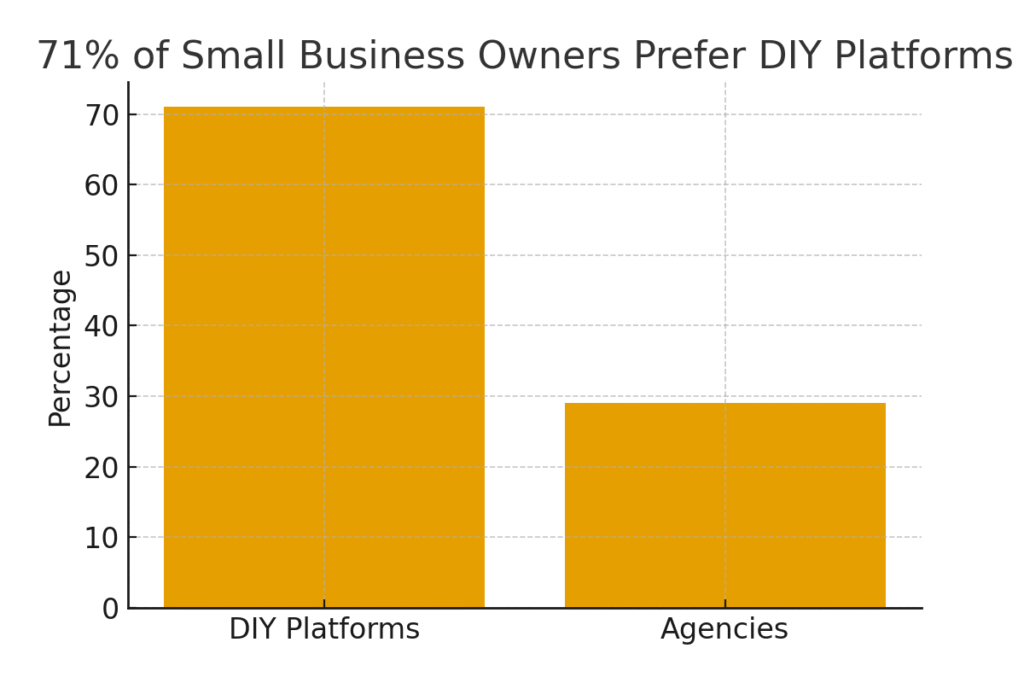
| 1 | Small business owners prefer DIY self-service platforms over agencies | 71% | Growing confidence in user-friendly marketing tools |
| 2 | Small businesses use online design tools to create their own ads | 70% | Up from 53% in 2022, showing rapid DIY adoption |
| 3 | Businesses actively use social media for marketing | 91%+ | Social media is now essential for business growth |
| 4 | Digital marketing jobs growth rate by 2032 | 6% | Faster than average job growth across all careers |
| 5 | Global social media users worldwide in 2025 | 5.42B | Massive audience reach for DIY marketers |
| 6 | Average number of social networks used per month | 6.83 | Multi-platform presence is crucial for success |
| 7 | Social media advertising spend projected for 2025 | $276.7B | Enormous investment in social platforms |
| 8 | Global digital advertising expenditure in 2025 | $734.6B | Digital-first approach dominates marketing |
| 9 | Businesses report good ROI from PPC campaigns | 84% | Pay-per-click remains highly effective |
| 10 | PPC advertising average return on investment | 200% | $2 return for every $1 spent with optimization |
| 11 | Video marketers report good ROI from video advertising | 92% | Video content drives exceptional results |
| 12 | Consumers prefer short-form video for product learning | 73% | Short, engaging content wins attention |
| 13 | Marketers plan to increase investment in short-form video | 17.13% | Leading content format for 2025 |
| 14 | Influencer marketing industry value in 2025 | $32-33B | Massive growth from $1.7B in 2016 |
| 15 | Local businesses allocate revenue to digital marketing | 5-10% | Essential budget priority for growth |
| 16 | People read online reviews before purchasing | 93% | Reviews heavily influence buying decisions |
| 17 | Consumers use social media to discover products | 64% | Social platforms drive product discovery for Gen Z |
| 18 | TikTok's advertising revenue projected for 2025 | $33.1B | Fastest-growing platform for advertisers |
| 19 | Facebook monthly active users worldwide | 3.07B | Largest social network for marketers |
| 20 | Messaging app active users worldwide | 3B+ | Direct communication channel for businesses |
Top 20 Vinyl Marketing Statistics 2025
Vinyl Marketing Statistics#1: Global Vinyl Record Market Valued at USD 1.9 Billion in 2024
The vinyl record market was valued at about USD 1.9 billion in 2024, proving its global strength. This number reflects how vinyl has gone from niche nostalgia to a mainstream collector’s choice. Growth is expected to continue, driven by premium editions and younger buyers. For marketers, this valuation signals strong spending power within vinyl culture. It also shows how vinyl still holds a tangible value in a digital-first music world.
Vinyl Marketing Statistics#2: Market Expected to Grow by USD 857 Million From 2025–2029
Between 2025 and 2029, the vinyl market is projected to expand by USD 857 million. A compound annual growth rate (CAGR) of 9.3 % highlights how steady the demand remains. This growth is fueled by both new releases and reissues of classic albums. For brands, this represents a reliable opportunity to invest in vinyl-focused campaigns. It also reinforces vinyl’s status as a long-term trend, not just a passing fad.
Vinyl Marketing Statistics#3: Unit Sales Rising to 46–48 Million in 2025
Vinyl unit sales are forecasted to climb from 43.6 million in 2024 to up to 48 million in 2025. This steady increase reflects a balance of consistent collector demand and fresh audience growth. Younger demographics are driving much of this shift, discovering vinyl as a lifestyle choice. Marketers should see this as a sign of expanding reach across generations. The numbers prove vinyl is steadily scaling up, not plateauing.
Vinyl Marketing Statistics#4: Sales Value Reaching USD 2.4 Billion in 2025
While units are growing, the real standout is the value of vinyl sales projected to hit USD 2.4 billion in 2025. This shows consumers are willing to pay more for premium editions. Collectible packaging, colored vinyl, and limited runs are pushing prices upward. For marketers, this creates opportunities to build campaigns around exclusivity and craftsmanship. The trend underlines vinyl’s power as both a product and a luxury experience.
Vinyl Marketing Statistics#5: Vinyl Sales Projected to Reach 55–60 Million Units by 2030
By 2030, projections show vinyl could hit 60 million annual units sold. Revenues might reach USD 3.8–4.2 billion, showing continued long-term momentum. This extended forecast reassures investors and brands that vinyl isn’t slowing down. Marketers can safely integrate vinyl campaigns into future strategies with confidence. The numbers emphasize that vinyl’s revival is here for the next decade.
DIY Platform Marketing Statistics #6: 93% Of B2B Marketers Use Content Marketing
93% of B2B marketers use content marketing to reach their audience. This shows that content has become the universal language of digital growth. I find it fascinating that DIY platforms now make professional content creation accessible to everyone. The barriers to entry for B2B storytelling have dropped dramatically. This reflects a permanent shift in how companies build relationships.
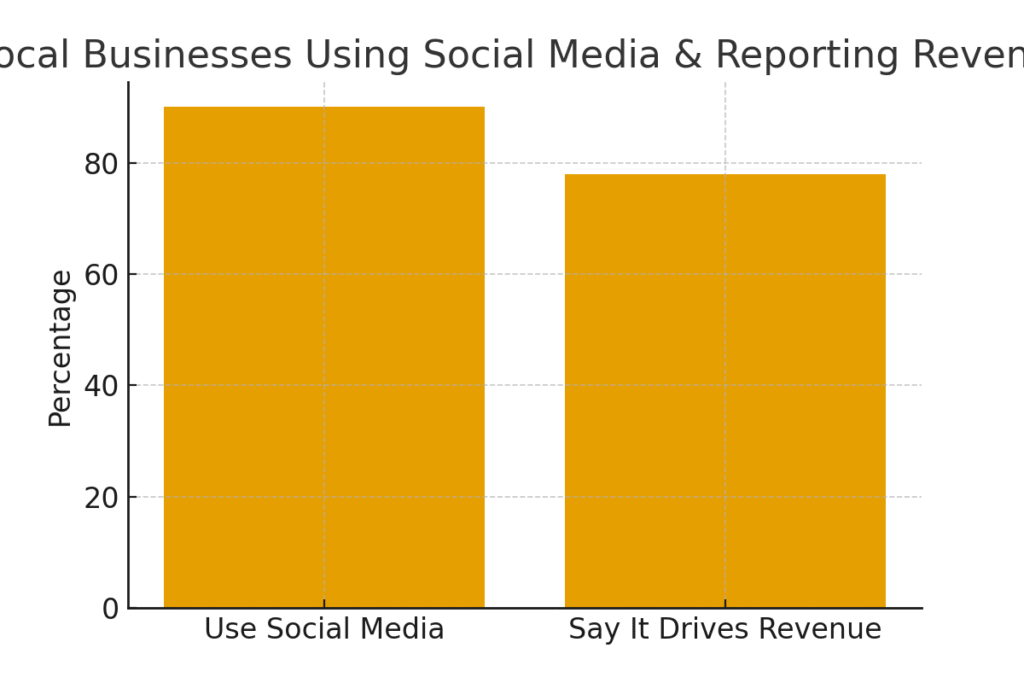
DIY Platform Marketing Statistics #7: 90% Of Local Businesses Use Social Media
90% of local businesses now include social media in their marketing mix. Social platforms are often the first DIY tools small businesses experiment with. From my perspective, this stat confirms that visibility today starts with social presence. It also emphasizes the importance of authenticity in local branding. To me, social media remains the most affordable “billboard” for any business.
DIY Platform Marketing Statistics #8: 78% Say Social Media Drives Revenue
78% of businesses using social media report it contributes directly to revenue. This validates the power of self-service ad managers on platforms like Facebook and Instagram. I believe this is where DIY marketing truly shines—it delivers measurable results quickly. It encourages small business owners to experiment and adapt strategies on the fly. Personally, I see this as proof that creativity can directly equal sales.
DIY Platform Marketing Statistics #9: 48% Consumers Increasing Social Interactions
48% of consumers say they interact with brands more on social media compared to six months ago. For me, this shows that DIY platforms don’t just make marketing affordable—they make it interactive. People expect quicker responses and more engaging content. This places pressure on businesses but also opens the door to stronger loyalty. To me, this stat highlights the shift toward real-time brand relationships.
DIY Platform Marketing Statistics #10: $276.7B Projected Social Ad Spend
Social media ad spend is projected to hit $276.7 billion in 2025. Even though this number includes large brands, DIY platforms allow small businesses to contribute. I think it illustrates how advertising has become decentralized. Anyone, from an Etsy seller to a franchise, can launch paid campaigns instantly. Personally, I find this projection both daunting and exciting.
IY Platform Marketing Statistics #11: 83% Of Ad Spend Mobile By 2030
By 2030, 83% of social media ad spend will be mobile. For DIY marketers, this means designing with smartphones in mind first. I believe this stat highlights the importance of responsive tools in platform design. Small businesses can’t afford to overlook the mobile experience. To me, this makes DIY apps even more essential moving forward.
DIY Platform Marketing Statistics #12: 5.42B Social Media Users In 2025
In 2025, there are about 5.42 billion social media users globally. For DIY marketers, this represents an enormous audience within reach. I often think about how platforms help small players tap into massive pools of potential customers. The accessibility of these audiences is unprecedented. Personally, I see this as the biggest opportunity of our time.
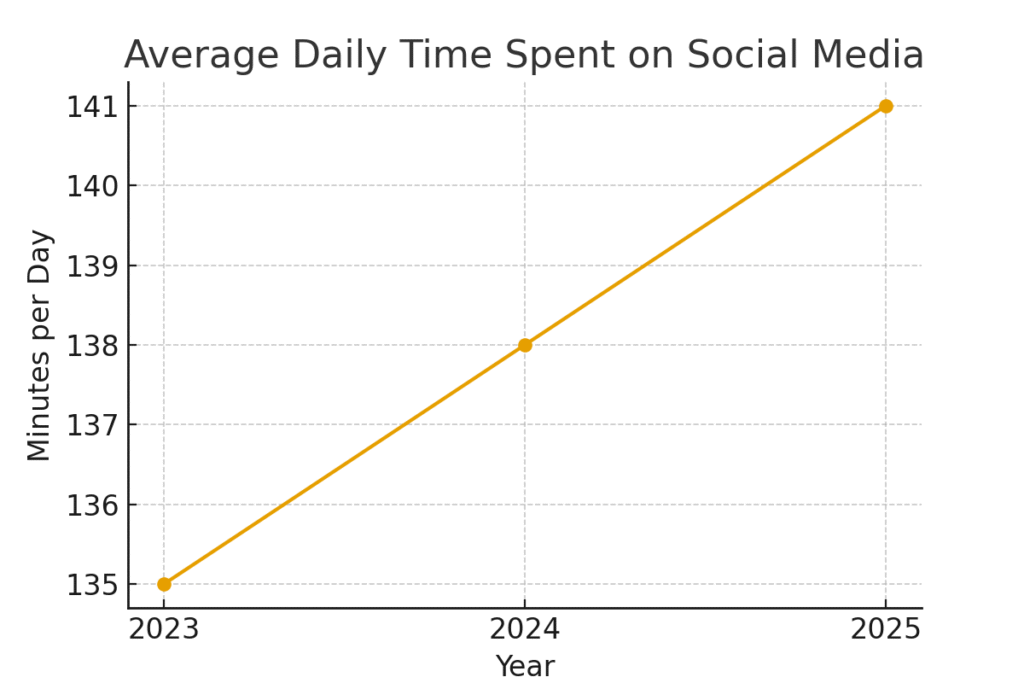
DIY Platform Marketing Statistics #13: 141 Minutes Per Day On Social Media
The average user spends 141 minutes per day on social media. This creates prime real estate for DIY campaigns to shine. I think this stat proves attention is shifting steadily toward digital touchpoints. For small businesses, it’s a chance to capture focus during everyday browsing. To me, it confirms that visibility is no longer limited to prime-time TV.
DIY Platform Marketing Statistics #14: 58% Discover Businesses Via Social Media
58% of consumers discover new businesses on social media. I love this stat because it shows how discovery has become grassroots. A well-timed DIY post or ad can literally change the trajectory of a brand overnight. This democratizes exposure in a way that was impossible before. Personally, it makes me optimistic about marketing fairness.
DIY Platform Marketing Statistics #15: UGC Gets 8.7x More Engagement
User-generated content receives 8.7 times more engagement than branded content. For me, this proves that authenticity outperforms polish. DIY platforms that encourage community creation benefit massively from this trend. It’s a reminder that people trust people more than ads. I think every small business should lean into UGC strategies.
DIY Platform Marketing Statistics #16: Visual Posts 10x More Engaging
Posts with visuals get 10 times more engagement than text-only content. This is why design-first DIY tools are booming. From my perspective, visual content lowers barriers for connection. It allows brands to communicate instantly and emotionally. Personally, I see this as the foundation of modern marketing.
DIY Platform Marketing Statistics #17: 86% Check Reviews Before Buying
86% of consumers read reviews before choosing a local business. DIY platforms that integrate reputation management make this easier. I feel this stat shows how decision-making now depends on shared experiences. Businesses that manage reviews well have a major advantage. To me, reviews are today’s word-of-mouth marketing.
DIY Platform Marketing Statistics #18: 78% Mobile Searches Lead To Purchases
78% of local mobile searches result in purchases within 24 hours. For DIY marketers, this stat underscores the urgency of being visible online. I think it’s one of the strongest arguments for mobile-ready DIY tools. It means small businesses can capture intent at its peak. Personally, I believe this is where DIY shines brightest.
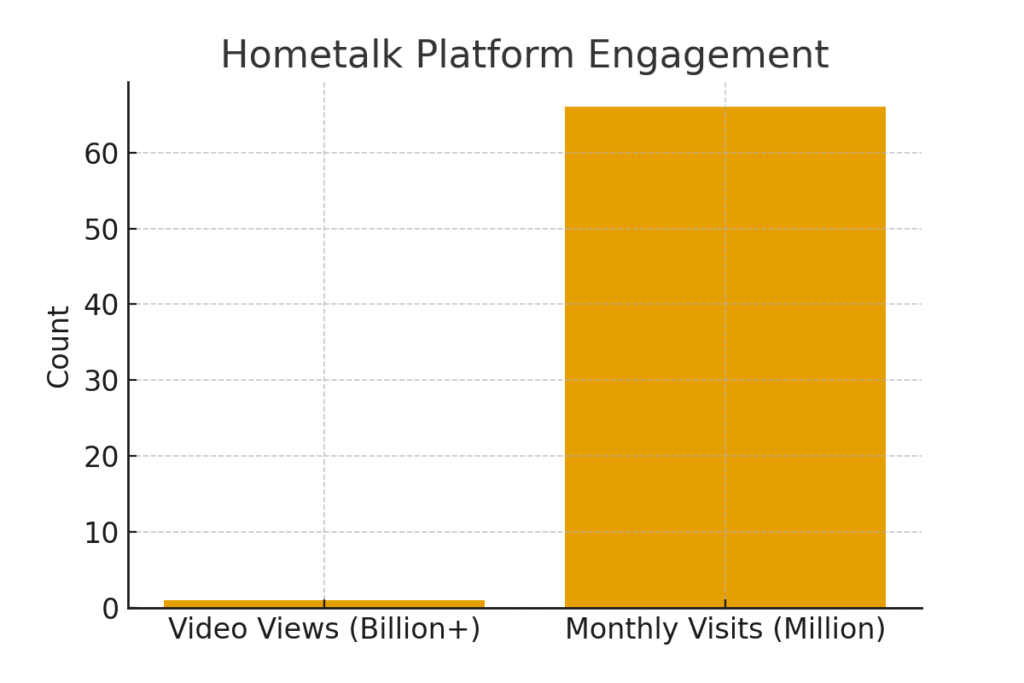
DIY Platform Marketing Statistics #19: Hometalk 1B+ Video Views
Hometalk, a leading DIY platform, has accumulated over one billion video views. This is a stunning example of community-driven marketing at scale. I believe it proves that DIY content resonates deeply with audiences. It also shows how niche platforms can become global hubs. To me, this stat illustrates the future of participatory marketing.
DIY Platform Marketing Statistics #20: Hometalk 66M Monthly Visits
Hometalk attracts over 66 million monthly visits. This level of engagement demonstrates the potential reach of DIY communities. I find it inspiring that so many people seek self-service content and solutions. For marketers, this is a goldmine for organic growth and collaboration. Personally, I see this as proof that DIY culture is stronger than ever.
Embracing The DIY Marketing Movement
As I wrap up these DIY platform marketing statistics, I can’t help but reflect on how empowering it is to see such a massive shift in how businesses approach marketing. Personally, I believe this isn’t just a trend—it’s a revolution that’s putting creative control directly in the hands of entrepreneurs. Having observed strategies from the leading marketing agency in New York, I’m reminded that the best marketing blends data with authenticity, and DIY platforms give us the power to do exactly that. To me, these tools represent freedom: freedom to create, test, and grow without barriers. I’m excited to continue watching this space evolve, and I know these stats will be a guiding light for anyone ready to take control of their marketing journey.
SOURCES