



23 Sep TOP 20 DOCTOR MARKETING STATISTICS 2025
As someone who’s passionate about the way healthcare connects with people, I’ve always been curious about how marketing shapes patient decisions. That’s why I’ve put together these doctor marketing statistics — not just as numbers on a page, but as real insights that show us how patients think, choose, and engage with their doctors. From online reviews to digital ad spend, these trends reveal just how quickly the healthcare world is evolving. I’ve also leaned on research from a leading marketing agency in New York to help frame these findings in a way that feels relevant and practical. My hope is that by walking through these stats, you’ll see the same opportunities I see for doctors, clinics, and healthcare practices to better connect with the people they serve.
Top 20 Doctor Marketing Statistics 2025 (Editor’s Choice)
| # | Doctor Marketing Statistic | Value | Source | Year / Forecast |
|---|---|---|---|---|
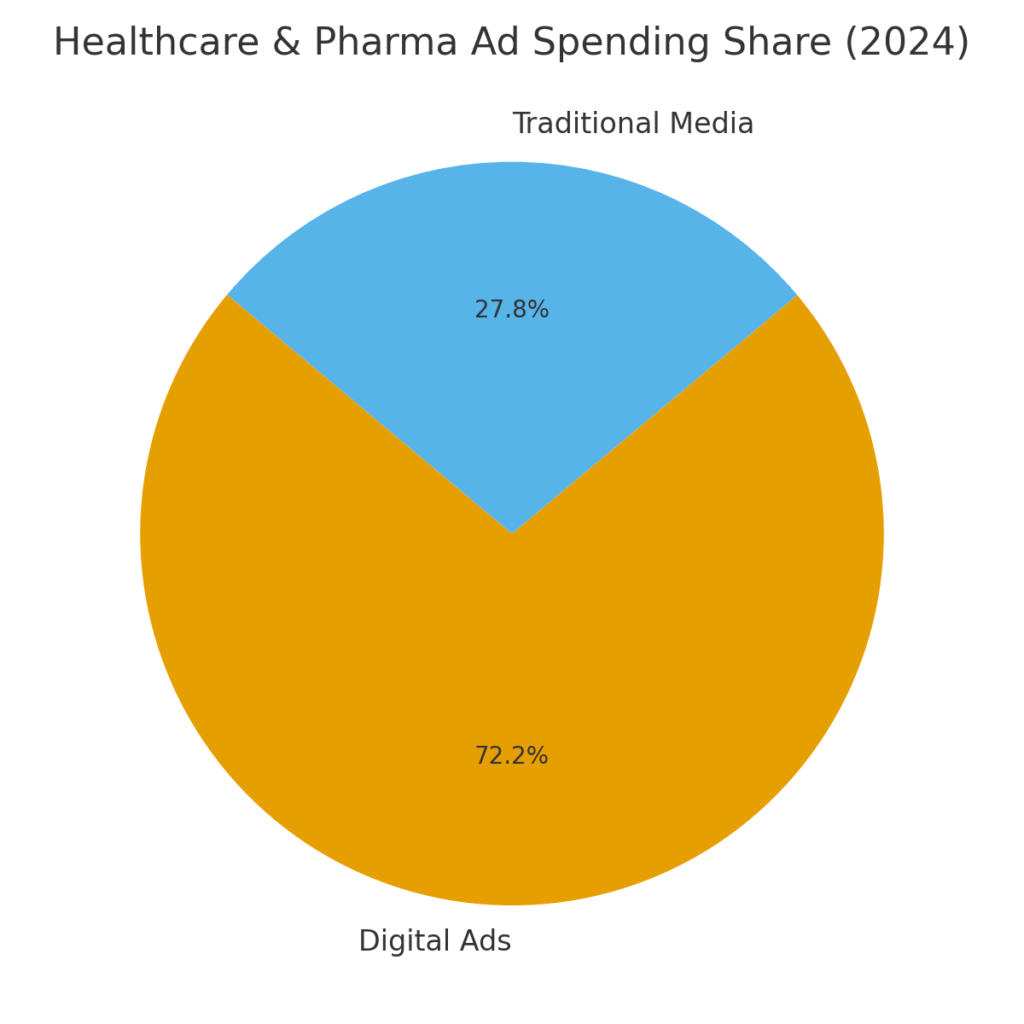
| 1 | Healthcare & pharma digital ad spending share | 72.2% | Digital Silk | 2024 |
| 2 | Patients who search online before contacting a doctor | 65% | Digital Silk | 2024 |
| 3 | Patients expecting reply within 24 hours | 91% | Digital Silk | 2024 |
| 4 | Patients who check online reviews before choosing provider | 84% | HIPAA Journal | 2024 |
| 5 | Patients reading at least 6 reviews before switching providers | 51% | HIPAA Journal | 2024 |
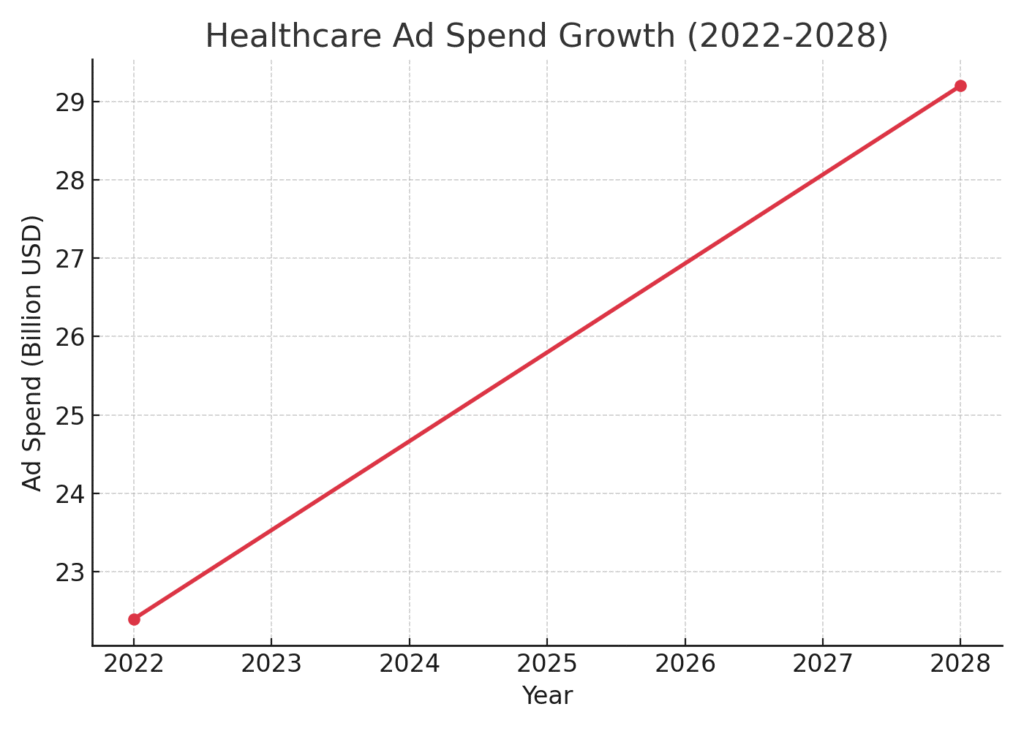
| 6 | Healthcare ad spend forecast | $22.4B → $29.2B | CallRail | 2022 → 2028 |
| 7 | Projected digital ad spend in healthcare | $15.8B → $20B | CallRail | Forecast |
| 8 | Average cost per organic vs paid lead | $320 vs $400 | CallRail | 2024 |
| 9 | Providers planning to use AI for lead generation | 68% | CallRail | 2024 |
| 10 | Average healthcare email open rate | 41% | Digital Silk | 2024 |
| 11 | Average healthcare email conversion rate | 2.6% | Digital Silk | 2024 |
| 12 | Patients reading reviews when choosing a new doctor | 70%+ | Digital Silk | 2024 |
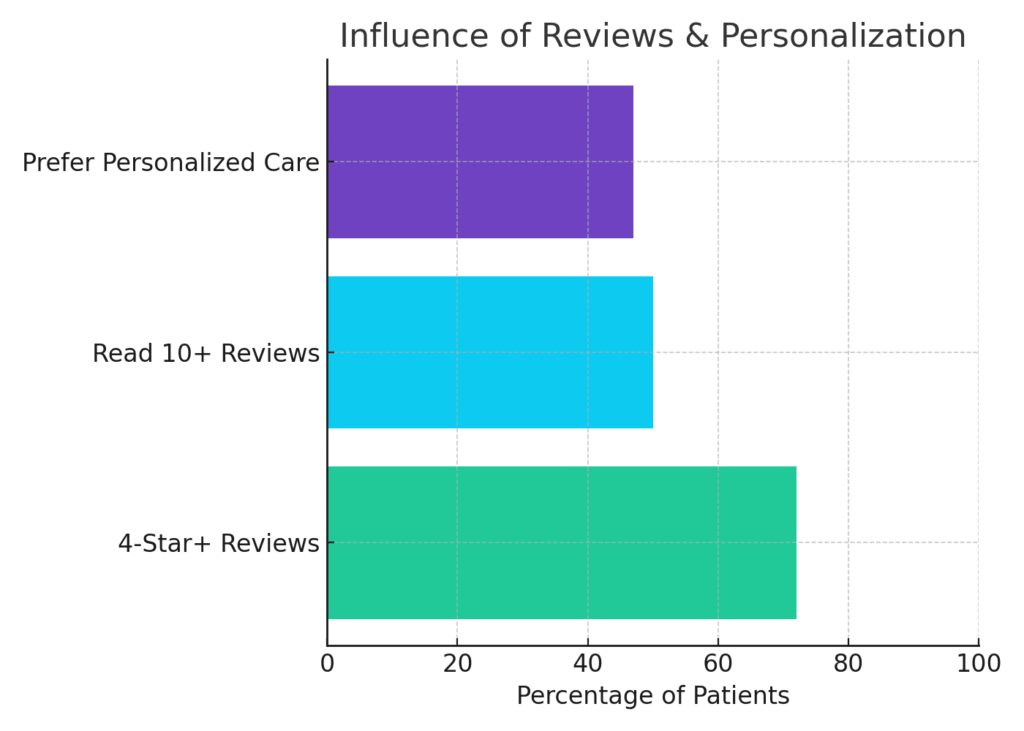
| 13 | Patients choosing only doctors with 4-star+ reviews | 72% | Digital Silk | 2024 |
| 14 | Patients reading 10+ reviews before choosing provider | 50% | PostGrid | 2024 |
| 15 | Patients willing to go out-of-network for great reviews | 43% | PostGrid | 2024 |
| 16 | Dental patients booking appointments over the phone | 46% | PostGrid | 2024 |
| 17 | Patients contacting providers via phone during journey | 76% | PostGrid | 2024 |
| 18 | Healthcare marketers who say patients expect personalization | 92% | PostGrid | 2024 |
| 19 | Patients more likely to select personalized providers | 47% | PostGrid | 2024 |
| 20 | Online visitors who prefer videos over articles | 80% vs 20% | BeaconLive | 2024 |
Top 20 Doctor Marketing Statistics 2025
Doctor Marketing Statistics #1: Healthcare & Pharma Digital Ad Spending Share at 72.2%
Digital ads have become the dominant force in healthcare and pharma marketing, making up 72.2% of total spending. This shows a huge shift away from traditional media, as more patients are spending their time online. For doctors, this means that digital presence is no longer optional but a requirement. Being visible where patients search and scroll is how trust and awareness are built today. By investing in online platforms, practices can connect with patients more effectively than ever before.
Doctor Marketing Statistics #2: 65% Of Patients Search Online Before Contacting A Doctor
With 65% of patients turning to online searches before reaching out, the importance of a strong digital footprint can’t be overstated. Patients rely on websites, social media, and directories to evaluate their options. Doctors who invest in SEO and content marketing stand out as trustworthy and credible. A clear, informative, and professional online presence often becomes the first impression. This trend highlights how marketing is now directly tied to patient acquisition.
Doctor Marketing Statistics #3: 91% Of Patients Expect A Reply Within 24 Hours
Quick communication has become an essential part of patient expectations, with 91% wanting a reply within a single day. Doctors and clinics that respond faster tend to earn higher patient satisfaction scores. This stat underlines the need for digital tools like chatbots, email automation, and prompt follow-up systems. Patients equate fast responses with professionalism and care. Meeting this expectation strengthens loyalty and boosts referrals.
Doctor Marketing Statistics #4: 84% Of Patients Check Reviews Before Choosing A Provider
Reviews are the new word-of-mouth, with 84% of patients reading them before deciding on a provider. A doctor’s online reputation can be the difference between gaining or losing patients. Positive testimonials build confidence, while negative reviews can discourage inquiries. This makes reputation management a vital part of any marketing strategy. Doctors who encourage satisfied patients to leave reviews are far more likely to thrive in a competitive space.
Doctor Marketing Statistics #5: 51% Read At Least Six Reviews Before Switching Providers
More than half of patients read at least six reviews before deciding to switch providers. This shows that patients are not making decisions lightly and want reassurance through multiple opinions. For doctors, consistency in patient satisfaction becomes crucial. Each positive review adds credibility and increases the chance of winning trust. It’s clear that building a long-term strategy for collecting and highlighting reviews is essential.
Doctor Marketing Statistics #6: Healthcare Ad Spend Growing From $22.4B To $29.2B By 2028
The projected growth in healthcare ad spend from $22.4 billion to $29.2 billion reflects a rapidly expanding industry. Doctors will face both greater opportunities and more competition in this landscape. Investing wisely in marketing will be necessary to stay ahead. The rise suggests that more practices are realizing the importance of visibility and brand-building. Those who adopt smarter, targeted strategies will benefit most from this expansion.
Doctor Marketing Statistics #7: Digital Ad Spend Forecast To Reach $20B
Digital ad spend in healthcare is forecast to reach $20 billion, underscoring the trend toward online engagement. Doctors can no longer rely solely on offline methods like flyers or newspaper ads. Online campaigns allow for better targeting and measurable results. This shift means practices should consider platforms like Google Ads and social media promotions. By aligning with this trend, doctors can maximize reach and patient engagement.
Doctor Marketing Statistics #8: Organic Leads Cost $320 Compared To $400 For Paid Leads
The cost difference between organic and paid leads shows the value of long-term strategies like SEO. Organic leads, costing around $320, are cheaper than paid digital campaign leads at $400. While paid ads bring immediate visibility, organic marketing builds sustainable patient pipelines. For doctors, this suggests that a blend of both strategies works best. A balanced approach helps control costs while ensuring consistent patient flow.
Doctor Marketing Statistics #9: 68% Of Providers Plan To Use AI For Lead Generation
AI adoption is becoming mainstream in healthcare marketing, with 68% of providers planning to use it for leads. Tools powered by AI can qualify prospects and personalize outreach more effectively. For doctors, this can mean better targeting and reduced time wasted on unqualified leads. Patients also benefit from smoother, more personalized experiences. AI will likely become a cornerstone of modern doctor marketing in the years ahead.
Doctor Marketing Statistics #10: Average Email Open Rate For Healthcare At 41%
Healthcare emails enjoy a strong open rate of 41%, showing that patients are receptive to digital communication. This means that email marketing is still a highly effective channel for doctors. Sending newsletters, appointment reminders, and health tips can keep practices top-of-mind. Personalization and engaging subject lines make a big difference in response rates. Doctors who leverage this tool well can nurture ongoing patient relationships.

Doctor Marketing Statistics #11: Email Conversion Rates At 2.6%
Despite high open rates, email conversion rates in healthcare are only 2.6%. This shows that while people open emails, they don’t always take action. For doctors, this is a reminder to focus on calls-to-action and engaging content. Small tweaks like clear scheduling links or patient offers can make a difference. Improving conversion means making emails not just informative but actionable.
Doctor Marketing Statistics #12: 70%+ Of Patients Read Reviews When Choosing A New Doctor
Over 70% of patients check reviews when searching for a new doctor. This highlights how online reputation directly influences patient decisions. Doctors with consistently high ratings stand out in competitive markets. Even a small number of bad reviews can reduce trust. Therefore, reputation management should be treated as a top priority in marketing.
Doctor Marketing Statistics #13: 72% Choose Doctors With 4-Star+ Reviews
Patients are increasingly selective, with 72% only choosing doctors with 4-star reviews or higher. This demonstrates how much weight ratings carry in the healthcare industry. Doctors who focus on patient satisfaction naturally boost their ratings over time. Delivering excellent service and asking for reviews can make a huge difference. In marketing terms, star ratings are now a powerful branding tool.
Doctor Marketing Statistics #14: 50% Read Ten Or More Reviews Before Selecting A Provider
Half of patients read ten or more reviews before selecting a provider. This behavior shows a thorough vetting process and growing reliance on peer validation. For doctors, every review counts in building credibility. A steady flow of reviews helps ensure patients find enough content to feel reassured. The more feedback a practice collects, the easier it is to build trust.
Doctor Marketing Statistics #15: 43% Will Go Out-Of-Network For Excellent Reviews
Reviews can even outweigh insurance networks, with 43% willing to go out-of-network for highly-rated providers. This shows the undeniable power of reputation. Patients want quality and trustworthiness above all else. For doctors, positive online visibility can help attract patients who are willing to pay more. In competitive cities, this becomes a key differentiator.
Doctor Marketing Statistics #16: 46% Of Dental Patients Book Appointments Over The Phone
Nearly half of dental patients still prefer booking over the phone, at 46%. This shows that despite digital growth, traditional methods remain vital. Doctors should make sure phone systems are patient-friendly and responsive. Combining digital convenience with reliable phone support creates the best experience. Ignoring phone bookings could mean losing a significant segment of patients.
Doctor Marketing Statistics #17: 76% Contact Providers By Phone At Least Once During Their Journey
With 76% of patients contacting providers by phone at some point, this channel remains essential. It’s often used for clarifications, urgent needs, or appointment follow-ups. Doctors must treat phone communication as an important marketing touchpoint. A helpful, caring tone over the phone builds trust. It’s proof that even in the digital age, human connection matters.
Doctor Marketing Statistics #18: 92% Of Healthcare Marketers Say Patients Expect Personalization
Personalization has become a patient expectation, with 92% of healthcare marketers confirming this trend. Doctors can no longer use a one-size-fits-all approach. Tailored messages, reminders, and care suggestions make patients feel valued. Practices that personalize experiences see higher engagement and loyalty. This stat shows how personalization is as much about care as it is about marketing.
Doctor Marketing Statistics #19: 47% More Likely To Select Personalized Providers
Almost half of patients (47%) are more likely to select providers who personalize communication. This ties back to building meaningful patient-doctor relationships. Doctors who send personalized reminders or use patient names show attentiveness. Such small details can differentiate a practice from competitors. Personalization is now both a marketing tool and a trust-building strategy.
Doctor Marketing Statistics #20: 80% Prefer Watching Videos Vs 20% Reading Articles
Video has become the most engaging content type, with 80% preferring it over articles. For doctors, this means creating video content can be more impactful than blogs alone. Explainers, health tips, and patient testimonials in video format grab attention. Adding video to emails even boosts open and response rates. Practices that embrace video marketing will connect more strongly with modern patients.
Why These Doctor Marketing Statistics Matter
After going through these statistics, I can honestly say they’ve reshaped the way I look at healthcare marketing. What stands out to me most is the balance between trust and technology — patients are searching online, comparing reviews, and expecting personalized communication, yet what they’re really looking for is a doctor who feels human and attentive. These numbers aren’t just data points; they’re reminders of the little things that build trust — timely replies, clear information, and genuine care. I find it exciting to think about how doctors can take these insights and turn them into action, building stronger relationships with their patients. And for me, that’s the true value of exploring doctor marketing statistics: turning research into meaningful human connection.
SOURCES
https://www.officite.com/articles/
https://pmc.ncbi.nlm.nih.gov/articles/PMC6685306/
https://www.cardinaldigitalmarketing.com/healthcare-resources/blog/healthcare-marketing-trends-2025/
https://www.ruleranalytics.com/blog/insight/healthcare-marketing-statistics/
https://health-union.com/blog/10-effective-strategies-for-marketing-to-doctors/
https://www.sermo.com/resources/healthcare-content-marketing/
https://wgcontent.com/blog/8-blogs-healthcare-marketers-should-follow/