



20 Sep TOP 20 DOMESTIC PRODUCTS MARKETING STATISTICS 2025
When it comes to understanding consumer behavior and business growth, few areas are as insightful as domestic products marketing statistics. These numbers tell the story of how local brands are competing, adapting, and thriving in an increasingly global marketplace. For businesses, these statistics are not just data points—they’re roadmaps for making smarter decisions and building stronger connections with customers. As a marketing agency in New York, we’ve seen firsthand how these insights help brands bridge the gap between local authenticity and global competitiveness. This blog will walk you through the top 20 trends shaping the way domestic products are marketed in 2025, with practical takeaways for brands of all sizes.
Top 20 Domestic Products Marketing Statistics 2025 (Editor’s Choice)
| # | Statistic | Detail |
|---|---|---|
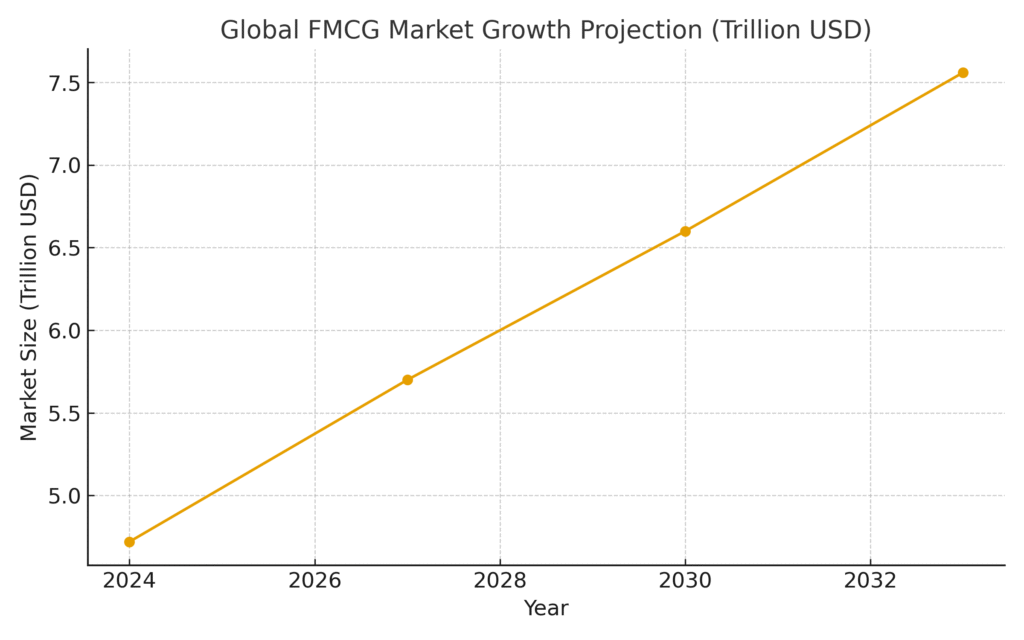
| 1 | Global FMCG Market Size | Valued at USD 4.72 trillion in 2024; projected to reach USD 7.56 trillion by 2033 (CAGR ~5.44%). |
| 2 | Consumer Goods Market | Expected growth from USD 1.5 trillion in 2023 to USD 2.1 trillion by 2032. |
| 3 | CPG Growth in Developed Markets | Sales growth slowed from 7.7% in 2023 to 4.5% in 2024. |
| 4 | Emerging Market Growth | Retail sales grew by ~11% YoY in 2024 across emerging economies. |
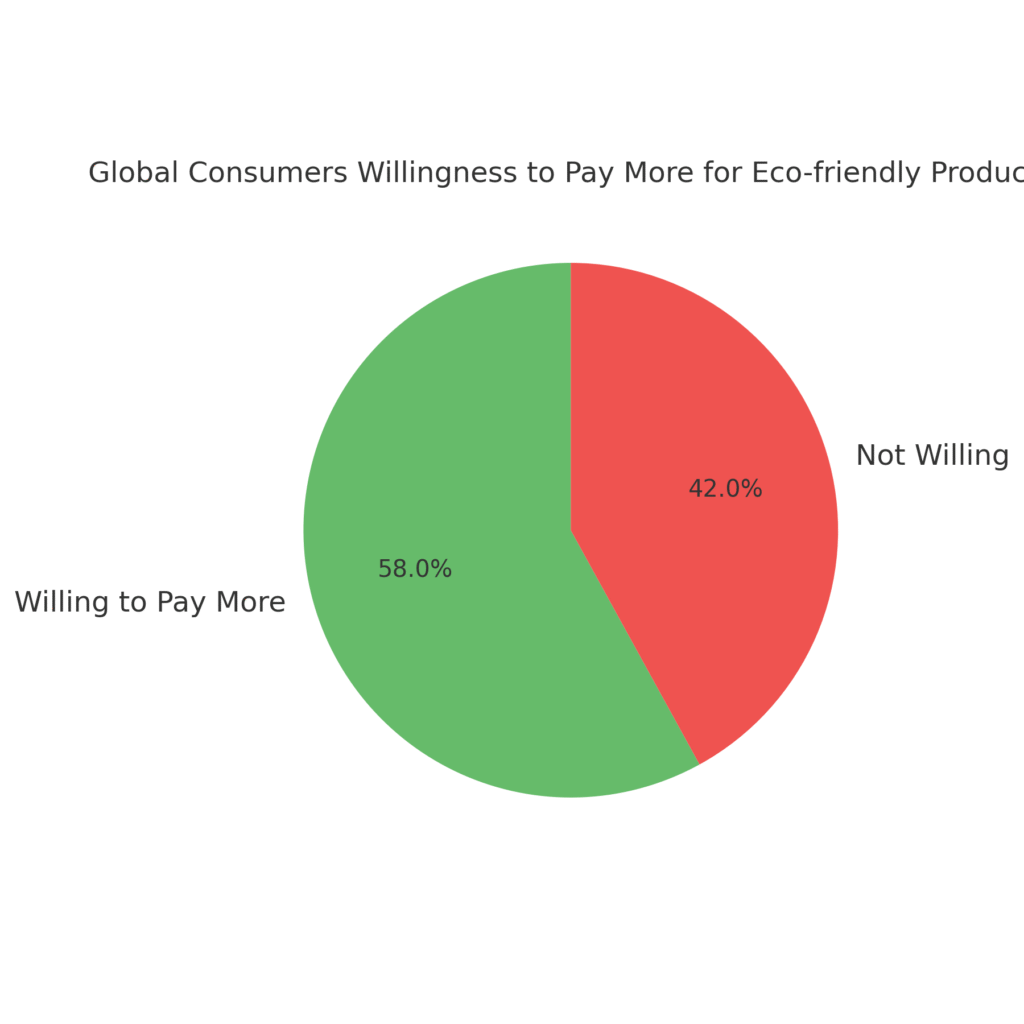
| 5 | Sustainability Spending | 58% of consumers globally are willing to pay more for eco-friendly products. |
| 6 | Local Product Preference | Consumers increasingly demand origin transparency and domestic supply chains. |
| 7 | Digital & Mobile Dominance | Mobile devices are becoming the leading channel for e-commerce purchases. |
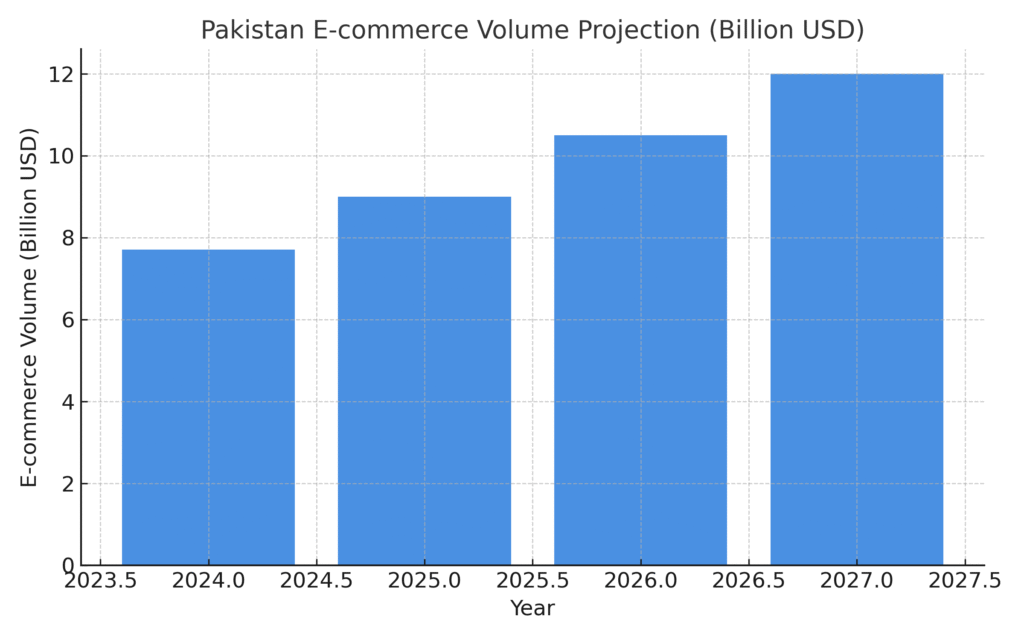
| 8 | Pakistan E-commerce Volume | Valued at USD 7.7 billion in 2024; projected CAGR of ~17% (2024–2027). |
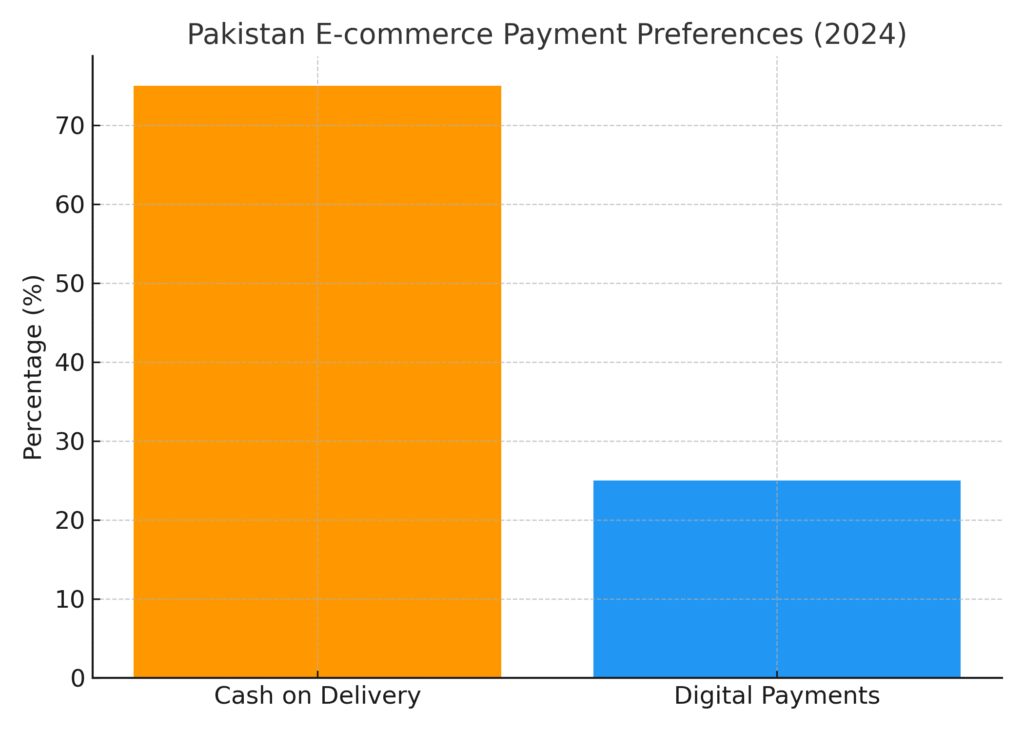
| 9 | Cash on Delivery | ~75% of Pakistani online shoppers still prefer COD payments. |
| 10 | Mobile-Driven Sales | 80% of Pakistan’s e-commerce sales occur via mobile devices. |
| 11 | Inflation Effects | Rising input costs forced consumer goods firms to increase prices in 2024. |
| 12 | Shift to Premium & Value | Consumers either trade down to private labels or trade up to premium brands. |
| 13 | Trust Issues in E-commerce | Payment and delivery concerns slow adoption in emerging markets. |
| 14 | Advertising Impact | Traditional ads boost perceived quality, digital ads boost perceived value. |
| 15 | AI in Marketing | Consumer firms increasingly adopt AI for personalization and CX optimization. |
| 16 | Price Sensitivity | High inflation drives consumers to seek discounts and promotions. |
| 17 | Domestic Manufacturing | Firms shifting from imports to local production to cut costs and meet demand. |
| 18 | Export Leverage | Local production also being scaled for exports to global markets. |
| 19 | Convenience Priority | Fast delivery, easy returns, and omni-channel strategies gain consumer loyalty. |
| 20 | Gen Z & Millennials | Younger consumers demand authenticity, digital experience, and transparency. |
Top 20 Domestic Products Marketing Statistics
Domestic Products Marketing Statistics #1: Global FMCG Market Size
The global FMCG market is valued at USD 4.72 trillion in 2024, highlighting its massive scale. Forecasts suggest it will reach USD 7.56 trillion by 2033, showing long-term resilience. This growth reflects rising consumer demand across both developed and emerging markets. FMCG remains central to domestic product marketing due to its necessity-driven nature. For domestic producers, aligning with this trajectory ensures competitiveness and sustainable growth.
Domestic Products Marketing Statistics #2: Consumer Goods Market Growth
The consumer goods market is projected to expand from USD 1.5 trillion in 2023 to USD 2.1 trillion by 2032. This steady growth demonstrates consumer reliance on essential and discretionary goods. Domestic marketers can position their brands to capture a share of this growth. Emphasizing local quality and trust can give domestic brands an edge. Overall, this expanding market creates ample opportunities for national producers.
Domestic Products Marketing Statistics #3: CPG Growth in Developed Markets
Consumer packaged goods sales slowed in developed regions, from 7.7% in 2023 to 4.5% in 2024. This indicates market maturity and inflationary pressures. Domestic companies in developed markets must innovate to retain consumer loyalty. Strong branding and differentiated marketing are essential to offset volume declines. This slowdown encourages local brands to find niches and focus on unique offerings.
Domestic Products Marketing Statistics #4: Emerging Market Growth
Emerging markets experienced ~11% YoY growth in retail sales in 2024. This strong performance demonstrates the vitality of developing economies. Domestic companies in these regions benefit from rapidly expanding consumer bases. Affordable pricing strategies and accessibility drive much of this success. Marketers can leverage these growth rates by emphasizing local trust and cultural alignment.
Domestic Products Marketing Statistics #5: Sustainability Spending
58% of consumers worldwide are willing to pay more for eco-friendly products. Sustainability has become a defining factor in consumer decisions. Domestic brands can market themselves as greener alternatives to imports. By adopting sustainable packaging and sourcing, they appeal directly to this preference. This trend highlights the importance of responsible marketing strategies for local firms.
Domestic Products Marketing Statistics #6: Local Product Preference
Consumers increasingly demand transparency in origin and supply chains. Domestic products benefit from the ability to prove local authenticity. Shoppers view “made locally” labels as a guarantee of freshness and ethical practices. Marketing campaigns that highlight local production resonate strongly with modern buyers. This trust offers domestic firms a competitive edge over imported alternatives.
Domestic Products Marketing Statistics #7: Digital & Mobile Dominance
Mobile devices dominate the digital shopping landscape worldwide. This shift means domestic brands must prioritize mobile-optimized platforms. E-commerce channels offer more affordable marketing options for smaller local firms. By targeting consumers on their smartphones, brands can build loyalty faster. Mobile dominance ensures digital-first strategies are essential for product marketing.
Domestic Products Marketing Statistics #8: Pakistan E-commerce Volume
Pakistan’s e-commerce market reached USD 7.7 billion in 2024. Projections suggest ~17% CAGR from 2024 to 2027, showing rapid adoption. Domestic brands stand to benefit by entering this fast-growing online space. Leveraging marketplaces and social media helps them gain visibility. This growth creates a thriving ecosystem for local sellers to flourish.
Domestic Products Marketing Statistics #9: Cash on Delivery Preference
Around 75% of Pakistani online consumers still prefer cash on delivery (COD). This shows a reliance on trust-based transactions. Domestic marketers must adapt to COD expectations to avoid losing customers. Offering secure online alternatives alongside COD can ease this transition. Balancing trust and convenience remains key to winning over buyers.
Domestic Products Marketing Statistics #10: Mobile-Driven Sales
80% of Pakistan’s e-commerce volume comes through mobile devices. This highlights the dominance of handheld platforms in shopping decisions. Domestic firms can prioritize mobile-friendly designs to capture users effectively. SMS marketing and mobile-first campaigns help maximize conversions. Mobile-driven strategies are vital for local growth in the digital economy.
Domestic Products Marketing Statistics #11: Inflation Effects
Inflation has forced consumer goods firms to increase prices. This impacts buying behavior, as consumers often cut back on discretionary spending. Domestic brands may face challenges but can emphasize affordability. Offering bulk discounts or value packs can soften inflation’s impact. Marketing messages that focus on value become more compelling in this environment.
Domestic Products Marketing Statistics #12: Shift to Premium & Value
Consumers are shifting either toward private-label value brands or premium goods. Mid-range brands face declining loyalty due to this polarization. Domestic marketers can capture budget-conscious shoppers with local private labels. Premium local goods can also thrive by emphasizing authenticity and quality. This dual strategy enables domestic firms to compete across both ends of the spectrum.
Domestic Products Marketing Statistics #13: Trust Issues in E-commerce
Concerns over fraud and payment safety slow e-commerce adoption. This particularly affects emerging economies like Pakistan. Domestic brands must build credibility through reliable delivery and customer service. Guarantee policies and transparent communication strengthen consumer trust. Addressing these issues helps domestic companies grow in online markets.
Domestic Products Marketing Statistics #14: Advertising Impact
Traditional advertising continues to enhance perceived product quality. Digital ads, however, are more effective at reinforcing perceived value. Domestic marketers can combine both methods for stronger results. Local radio, TV, and social media campaigns allow multi-channel influence. Balancing traditional trust and digital reach optimizes domestic marketing strategies.
Domestic Products Marketing Statistics #15: AI in Marketing
AI adoption is rapidly transforming consumer product marketing. Personalization and customer journey optimization are key benefits. Domestic brands can use AI-driven tools to better understand local buyers. Chatbots, predictive analytics, and automated campaigns increase efficiency. Embracing AI ensures domestic marketers remain competitive globally.
Domestic Products Marketing Statistics #16: Price Sensitivity
High inflation makes price sensitivity a major consumer behavior trend. Shoppers actively search for promotions and discounts. Domestic marketers must focus on affordability and attractive deals. Value-based positioning allows local brands to capture price-conscious buyers. This responsiveness strengthens domestic competitiveness during economic challenges.
Domestic Products Marketing Statistics #17: Domestic Manufacturing
Many firms are moving production locally to cut import costs. This boosts domestic industries and creates marketing opportunities. Highlighting “locally manufactured” appeals to patriotic and practical buyers. Domestic production also reduces dependence on global supply chains. Marketers can capitalize on this by showcasing national pride and resilience.
Domestic Products Marketing Statistics #18: Export Leverage
Local production is increasingly being scaled for exports. Domestic firms see foreign markets as revenue multipliers. Marketing success at home builds credibility abroad. Export-oriented strategies strengthen overall brand visibility. This shows that domestic strength can translate into international success.
Domestic Products Marketing Statistics #19: Convenience Priority
Fast delivery and easy returns are becoming consumer expectations. Domestic firms that emphasize convenience gain loyalty quickly. Omni-channel retailing helps blend online and offline experiences. Flexible services such as same-day delivery build strong reputations. Convenience-focused marketing makes local brands stand out in crowded markets.
Domestic Products Marketing Statistics #20: Gen Z & Millennials
Younger generations demand authenticity, transparency, and digital-first engagement. Domestic marketers must appeal to these values to thrive. Campaigns that highlight storytelling and social responsibility resonate most. Millennials and Gen Z are also early adopters of tech-driven shopping. Their preferences will shape the future of domestic marketing strategies.
Why Domestic Product Marketing Insights Matter
As we wrap up this deep dive into domestic products marketing statistics, it’s clear that the landscape is both challenging and full of opportunities. From mobile-driven shopping habits to the rising demand for eco-friendly goods, the direction of consumer preference is unmistakable. Domestic brands that lean into these insights—embracing transparency, affordability, and innovation—will be best positioned to build lasting trust. For marketers, these numbers aren’t just academic; they’re real-world guides that can shape campaigns and strategies with tangible impact. The heart of it all is connecting with people, and that’s what makes domestic marketing so powerful and rewarding.
SOURCES
- https://www.invoca.com/blog/home-services-marketing-stats (Invoca)
- https://www.marketermilk.com/blog/product-marketing-blogs (Marketer Milk)
- https://www.hubspot.com/marketing-statistics (HubSpot)
- https://aventigroup.com/blog/5-product-marketing-trends-what-to-watch-for-in-the-new-year/ (Aventi Group)
- https://firework.com/blog/marketing-roi-statistics (Firework)
- https://chisellabs.com/blog/product-marketing-trends-to-know/ (Chisel Labs)
- https://www.limelightplatform.com/blog/experiential-marketing-statistics (Limelight Platform)
- https://blog.hubspot.com/marketing/marketing-trends (HubSpot Blog)
- https://shapo.io/blog/digital-marketing-statistics/ (Shapo)
- https://www.demandsage.com/business-blogging-statistics/ (DemandSage)
- https://www.sprinklr.com/blog/social-media-marketing-statistics/ (Sprinklr)
- https://www.quad.com/insights/20-marketing-trends-and-predictions-for-2025 (Quad)
- https://www.invoca.com/blog/state-of-data-driven-marketing-update-your-strategy (Invoca)
- https://shapo.io/blog/digital-marketing-statistics/ (Shapo)
- https://www.marketermilk.com/blog/product-marketing-blogs
- https://www.porchgroupmedia.com/blog/email-marketing-statistics/ (Porch Group Media)