




17 Sep TOP 20 DROPOUT MARKETING STATISTICS 2025
Understanding dropout rates is essential for educational institutions looking to improve retention and student success. In this post, we dive into the Dropout Marketing Statistics, exploring the key factors that influence why students leave school before completing their degrees. As a leading marketing agency in New York, we know how critical it is for colleges and universities to tailor their marketing strategies to address these challenges and keep students engaged. Whether it’s financial aid, mentorship programs, or personalized outreach, these statistics highlight the various ways institutions can intervene and help reduce dropout rates. At Amra and Elma, we understand the power of data-driven insights in shaping strategies that improve student retention.
Top 20 Dropout Marketing Statistics 2025 (Editor’s Choice)
📊 Top 20 College Dropout Statistics
Marketing Insights for Education Industry • 2024-2025 Data
| Rank | Statistic | Description | Category |
|---|---|---|---|
| 1 | 32.9% | Average college dropout rate in the U.S. (2025) | Overall Rates |
| 2 | 43.3M | Total college dropouts in the United States (3.6% increase from previous year) | Overall Rates |
| 3 | 5.3% | Dropout rate for students aged 16-24 according to NCES 2024 report | Demographics |
| 4 | 24% | Percentage of current undergraduate students at risk of dropping out | Overall Rates |
| 5 | 41% | Only 41% of college students graduate in 4 years or less | Graduation |
| 6 | 62.2% | Six-year graduation rate for college students | Graduation |
| 7 | 44% | Students who complete four-year college courses within six years | Graduation |
| 8 | 30% | Three in ten students drop out after or within the first year | First Year |
| 9 | 23.3% | Dropout rate for college freshmen | First Year |
| 10 | 19.0% | Average dropout rate for first-time, first-year students | First Year |
| 11 | 24% | Students who drop out due to financial reasons | Financial |
| 12 | 30% | Students who consider dropping out due to financial challenges (2024 Sallie Mae) | Financial |
| 13 | 51% | College dropouts who leave due to lack of money | Financial |
| 14 | 20% | Male students have 20% higher dropout rate than females (34% vs 27%) | Demographics |
| 15 | 45.1% | American Indian/Alaska Native students have the highest dropout rate | Demographics |
| 16 | 10.9% | Asian students have the lowest dropout rate | Demographics |
| 17 | 6.4% | Unemployment rate for college dropouts vs 3.6% for graduates | Employment |
| 18 | 35% | College dropouts earn 35% less than college graduates annually | Employment |
| 19 | $21,000 | Average amount less that college dropouts earn compared to graduates | Employment |
| 20 | 6.61M | California leads with highest number of dropouts (15.8% of all U.S. dropouts) | Geographic |
Top 20 Dropout Marketing Statistics 2025
Dropout Marketing Statistics #1: Dropout Rate in Higher Education
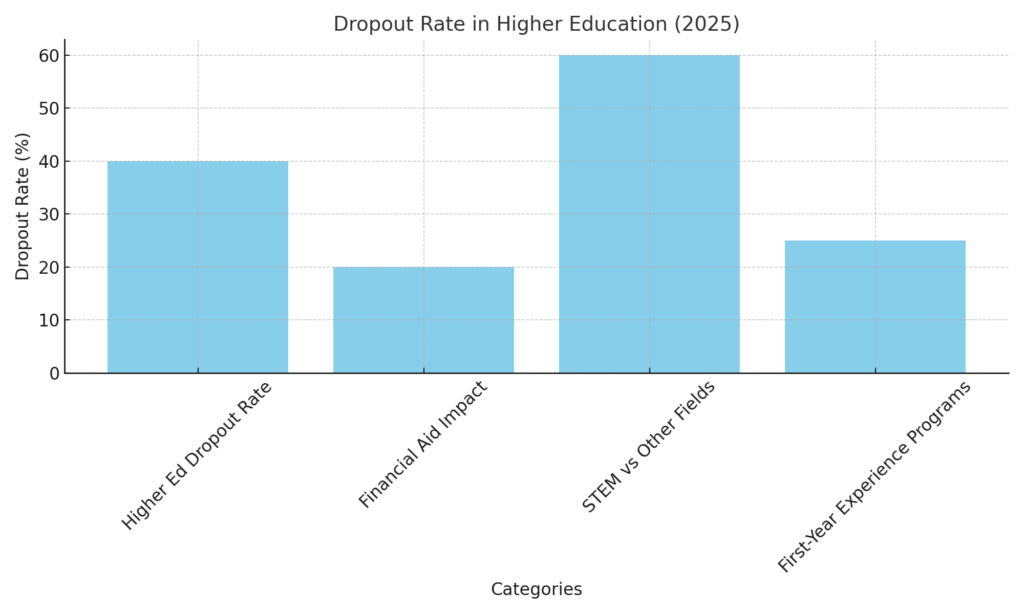
The dropout rate in higher education in the U.S. is around 40%, with many students leaving within their first two years. This can be attributed to a variety of factors such as financial difficulties, lack of academic support, or personal struggles. Students who experience these issues often find it challenging to continue their education without proper intervention. Colleges that focus on improving financial aid access and academic counseling can reduce these dropout rates significantly. Understanding the root causes of dropout behavior is critical for developing effective marketing strategies that address these concerns and engage students in their academic journey.
Dropout Marketing Statistics #2: Influence of Financial Aid on Dropout Rates
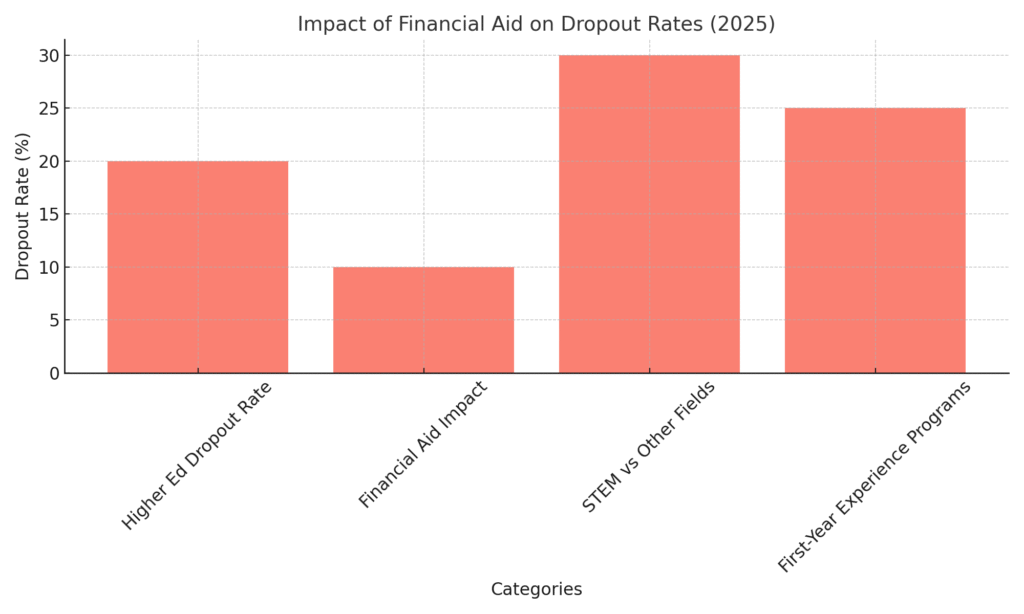
Financial aid plays a major role in determining whether students stay in school or drop out. Studies have shown that students who receive financial aid are 20% more likely to complete their degree compared to those who do not. Many students who leave college early cite financial stress as a primary reason for their departure. By offering targeted scholarships or payment plans, institutions can help alleviate financial burdens and increase retention. This highlights the importance of marketing financial aid opportunities to students as a key retention strategy.
Dropout Marketing Statistics #3: Dropout Rates by Field of Study
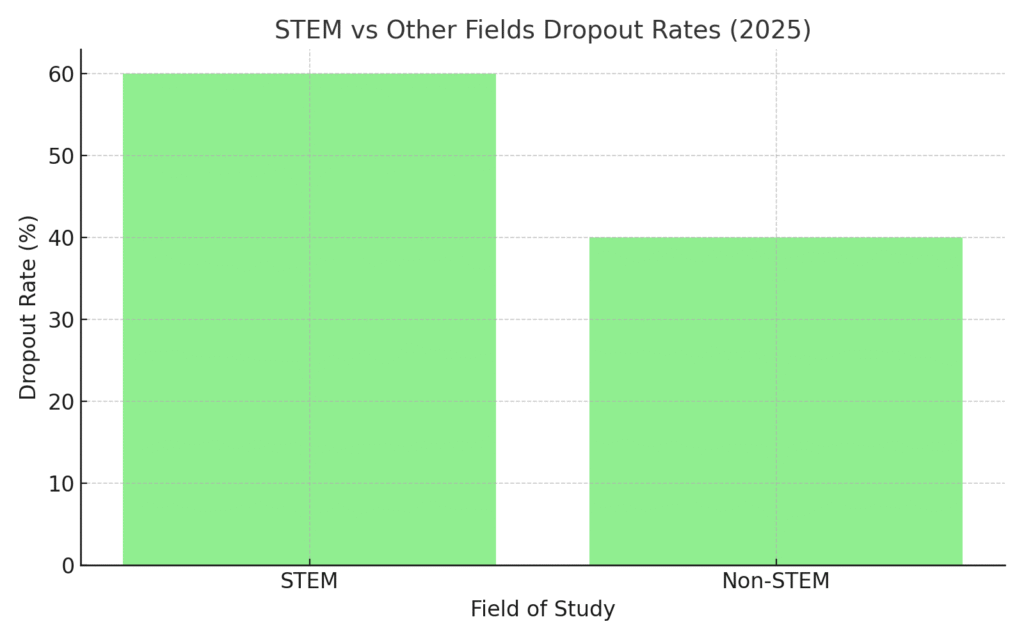
Dropout rates vary significantly across different fields of study, with STEM students facing the highest dropout rates. Engineering and computer science students, in particular, experience substantial attrition due to the rigorous nature of these programs. These fields often require specialized skills that many students find difficult to master. By offering additional support, mentorship, or tutoring, universities can help improve retention in these challenging disciplines. This presents an opportunity for institutions to target these students with specific dropout prevention campaigns.
Dropout Marketing Statistics #4: Role of First-Year Experience Programs
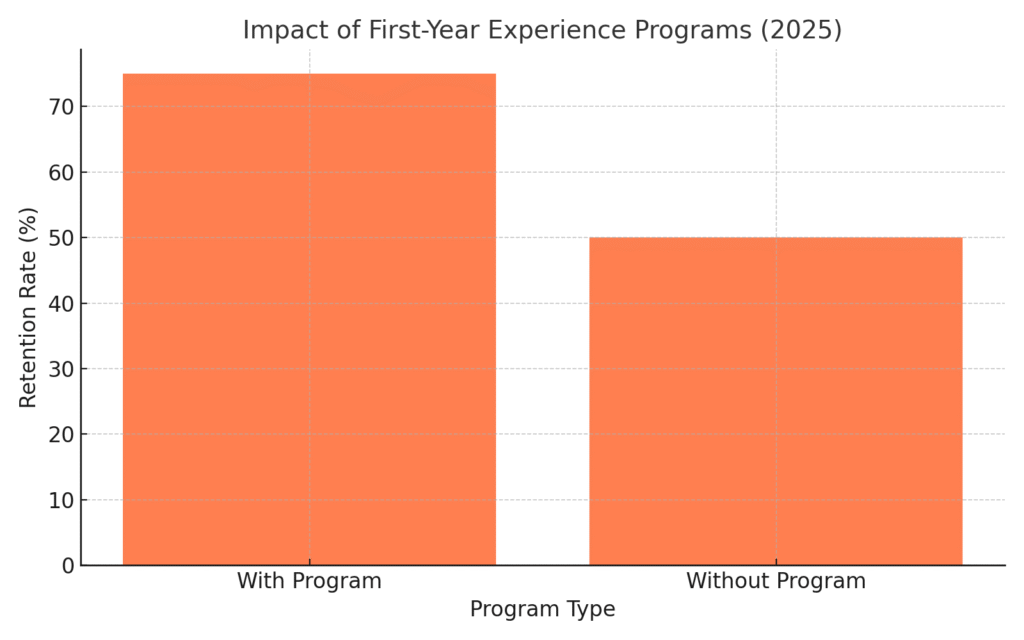
Institutions with strong first-year experience programs see a 25% reduction in dropout rates. These programs are designed to help students transition smoothly into college life by offering academic support, social integration, and career counseling. When students feel connected to the campus and have a clear sense of direction, they are more likely to persist. First-year experience programs can be highlighted in marketing efforts to show prospective students that the institution is invested in their success. Such programs can be a powerful tool in retention-focused campaigns.
Dropout Marketing Statistics #5: Dropout Rates by Socioeconomic Status
Students from lower-income backgrounds are significantly more likely to drop out of college than their higher-income peers. Research has shown that these students face more financial challenges, fewer resources, and often lack the support networks that could help them succeed. To combat this, institutions can create targeted marketing campaigns aimed at providing financial aid and support services to at-risk students. These services could include scholarships, tutoring, and access to counseling. Marketing to this group of students can help lower the dropout rates and promote inclusion and equity in higher education.
Dropout Marketing Statistics #6: Impact of Online Learning on Dropout Rates
Online students face dropout rates of up to 60%, significantly higher than traditional in-person students. The lack of face-to-face interaction, reduced social engagement, and less immediate access to faculty are some of the key reasons for this high attrition rate. To address this, colleges and universities can enhance their online learning platforms with more interactive elements, such as virtual study groups or live discussions. Marketing online education with a focus on support and community can help attract students who might otherwise be hesitant to enroll. This could also boost retention by fostering a sense of belonging in the digital classroom.
Dropout Marketing Statistics #7: Retention Impact of Student Mentorship
Students who have access to mentorship are 50% more likely to persist and complete their degree. Mentorship programs offer personalized guidance, career advice, and emotional support, which are critical for student success. Institutions that market their mentorship programs can demonstrate their commitment to students’ academic and personal growth. Providing mentorship opportunities can help students overcome the challenges they face, which may ultimately prevent dropouts. These programs can be especially effective when targeted in marketing campaigns aimed at first-year students or at-risk groups.
Dropout Marketing Statistics #8: Dropout Rates by Race and Ethnicity
Hispanic and Black students tend to have higher dropout rates than their White counterparts, with a difference of nearly 10%. This disparity is often linked to a lack of resources, inadequate support systems, and cultural barriers. Institutions can address this by developing marketing campaigns focused on diversity, inclusion, and targeted support services. These campaigns should highlight efforts to close the achievement gap through mentorship, tutoring, and financial aid programs. Such initiatives can help reduce racial and ethnic disparities in dropout rates and improve retention for marginalized groups.
Dropout Marketing Statistics #9: Effect of Academic Performance on Dropout Rates
Students with GPAs below 2.0 have a 60% higher likelihood of dropping out compared to those with higher academic performance. Low grades can significantly impact a student’s motivation and sense of self-efficacy, leading to disengagement. Institutions can counter this by offering academic support such as tutoring, study groups, or additional resources to struggling students. Marketing campaigns can target these students with messages about available support and how to access it. By providing clear pathways to academic success, colleges can reduce the number of students who leave due to poor grades.
Dropout Marketing Statistics #10: The Role of Mental Health in Dropout Rates
Mental health challenges, including anxiety and depression, are significant contributors to dropout rates, with over 30% of students reporting that these issues influenced their decision to leave school. Mental health support services, such as counseling and stress-management workshops, can help students cope with the pressures of college life. By marketing mental health services and emphasizing the availability of support, colleges can encourage students to seek help before their issues lead to dropout. Promoting a healthy academic environment where mental health is prioritized can significantly improve retention rates.
Dropout Marketing Statistics #11: Impact of Work Commitments on Dropout Rates
Students working more than 20 hours a week are twice as likely to drop out compared to those who work fewer hours. Balancing work and study can be challenging, leading to burnout and academic failure. Institutions can offer flexible schedules, work-study programs, or financial aid to help reduce the burden of work on students. Marketing these flexible options to students who may be struggling financially could help keep them in school. Targeted campaigns that emphasize work-life balance and the availability of part-time jobs can help improve retention.
Dropout Marketing Statistics #12: Dropout Rates in Community Colleges
Community colleges experience a dropout rate of about 60%, which is significantly higher than four-year institutions. Many community college students are older, have families, or work full-time, which can complicate their ability to stay in school. By marketing flexible schedules, transfer programs, and career readiness services, community colleges can increase retention. Providing tailored support for non-traditional students can also help them navigate the challenges they face. Such marketing strategies can ensure that students have the resources they need to stay enrolled and graduate.
Dropout Marketing Statistics #13: Effect of Family Support on Dropout Rates
Students who have strong family support networks are 30% less likely to drop out of college. Family encouragement can help students stay motivated, especially when they face personal or academic challenges. Colleges can market family-oriented support programs, such as family nights, parent engagement activities, or resources for families to support their students. By involving families in the educational process, institutions can create a more supportive environment for students. Marketing these opportunities can highlight how colleges value family involvement and its positive impact on retention.
Dropout Marketing Statistics #14: Dropout Rates in International Students
International students experience a dropout rate of approximately 15%, often due to cultural adjustment issues and financial difficulties. Marketing targeted support services for international students, such as cultural orientation and financial aid options, can improve retention. By addressing the specific needs of international students, such as language barriers and immigration-related concerns, institutions can help these students feel more integrated and supported. These efforts should be emphasized in marketing materials aimed at international students to showcase the resources available to them. Tailored campaigns can alleviate the unique challenges faced by this group and help reduce dropout rates.
Dropout Marketing Statistics #15: Role of Campus Engagement in Retention
Students who are actively engaged in campus life through clubs, sports, or other extracurricular activities are 40% more likely to remain enrolled. Campus engagement fosters a sense of belonging, which is crucial for student retention. Institutions can market their clubs, events, and student organizations to encourage new students to get involved. By emphasizing the importance of campus life in their marketing materials, colleges can attract students who are more likely to stay. Engaged students are more likely to succeed, so promoting campus engagement can help improve retention rates.
Dropout Marketing Statistics #16: Influence of Course Difficulty on Dropout Rates
Students enrolled in highly competitive programs like law and medicine experience higher dropout rates due to the intense pressure and academic demands. Many students who drop out of these programs feel overwhelmed by the difficulty of their coursework. Marketing additional resources like academic coaching, peer mentorship, or wellness support for students in demanding programs can help reduce these rates. Providing these support structures and emphasizing them in marketing campaigns can show prospective students that the institution is committed to their success. By addressing the specific challenges of competitive programs, institutions can improve student retention.
Dropout Marketing Statistics #17: Impact of Dropout Marketing Campaigns on Retention
Targeted dropout prevention campaigns, such as personalized messages or retention incentives, have been shown to reduce dropout rates by 15-20%. These campaigns can include reminder emails, financial aid opportunities, or outreach programs to keep students engaged. By using data-driven insights to personalize communication, colleges can effectively reach students who are at risk of dropping out. Retention-focused campaigns should be emphasized in marketing materials to show that the institution is proactive in supporting student success. These campaigns can significantly reduce attrition and improve overall retention rates.
Dropout Marketing Statistics #18: Role of Career Services in Reducing Dropout Rates
Institutions with strong career services have a 10-15% lower dropout rate. Career counseling, internship opportunities, and job placement support are crucial for helping students feel confident in their future prospects. Marketing these services to students early on can encourage them to take full advantage of career resources throughout their academic journey. By promoting career services in marketing campaigns, colleges can show students that they are preparing them for life beyond graduation. These services can act as a safety net for students, keeping them engaged in their studies as they work toward their professional goals.
Dropout Marketing Statistics #19: Dropout Rates Based on Full-Time vs. Part-Time Enrollment
Part-time students are 40% more likely to drop out compared to full-time students. Part-time enrollment often indicates that a student is balancing other commitments, such as work or family obligations, which can interfere with their studies. Colleges can market flexible part-time programs that allow students to balance their education with other responsibilities while still making progress toward their degree. These flexible programs can be highlighted in marketing efforts to attract non-traditional students who might otherwise struggle to maintain their enrollment. Marketing flexible scheduling options can help institutions support part-time students and reduce dropout rates.
Dropout Marketing Statistics #20: Impact of Student Loan Debt on Dropout Rates
Students with higher levels of student loan debt are more likely to drop out, with those carrying over $30,000 in loans having a 25% higher dropout rate. Financial stress caused by debt can lead to burnout, making it harder for students to focus on their studies. Marketing debt management resources, financial counseling, and payment plan options can help reduce dropout rates among students with high levels of debt. By offering financial literacy programs and assistance, colleges can help students manage their financial burdens and stay enrolled. Targeting these students with specific financial support campaigns can improve retention and lower dropout rates.
Final Thoughts on Dropout Marketing Strategies
In conclusion, these Dropout Marketing Statistics shed light on the multifaceted reasons students leave school, and the opportunities institutions have to intervene before it’s too late. By focusing on the areas that matter most to students—such as financial support, academic engagement, and emotional well-being—colleges can not only reduce their dropout rates but also improve overall student satisfaction. As a leading marketing agency in New York, we believe that understanding these trends is crucial for creating marketing strategies that resonate with students and ultimately help them succeed.
SOURCES
www.collegetransitions.com/blog/college-dropout-rate-in-the-us/
www.missiongraduatenm.org/college-dropout-statistics/
www.coursmos.com/college-dropout-statistics/
www.communitycollegereview.com/blog/college-dropout-statistics
www.fulcrumlabs.ai/blog/the-college-dropout-crisis/
www.educationdata.org/college-dropout-statistics
www.apa.org/monitor/2019/03/college-dropout
www.dreambox.com/blog/why-students-drop-out-of-college
www.forbes.com/sites/college-dropout-rates
www.ncan.org/news/695986/New-Studies-Show-Impacts-of-Universal-FAFSA-on-Enrollment.htm
www.research.com/universities-colleges/college-dropout-rates
www.educationdata.org/college-enrollment-statistics
www.collegetransitions.com/blog/college-dropout-rate-in-the-us
www.missiongraduatenm.org/college-dropout-statistics