



18 Sep TOP 20 ELDER MARKETING STATISTICS 2025
When it comes to understanding how different generations interact with brands, elder marketing statistics provide eye-opening insights. This often overlooked demographic holds enormous buying power, digital presence, and brand loyalty—yet so many campaigns fail to speak to them authentically. As a leading marketing agency in New York, we’ve seen firsthand how powerful it can be when brands shift their strategies to include older consumers in a genuine way. These statistics are not just numbers; they’re reminders that the senior audience is tech-savvy, engaged, and ready to connect with brands who truly value them.
Top 20 Financial District Marketing Statistics 2025 (Editor’s Choice)
| Stat # | Statistic | Description |
|---|---|---|
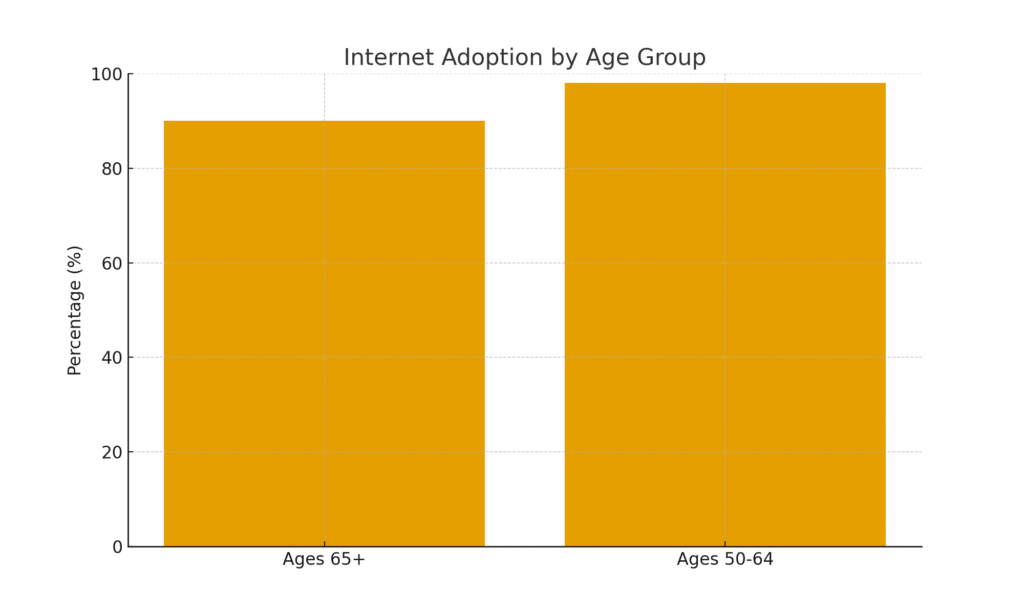
| 1 | 90% of adults 65+ are online | Seniors are now highly digital, using the internet for communication, shopping, and browsing. |
| 2 | 91% of older adults own smartphones | Most seniors are now mobile-savvy, using apps, messaging, and mobile browsing daily. |
| 3 | Top online activities include shopping and browsing | Retail, maps, and communication apps are most popular among older adults. |
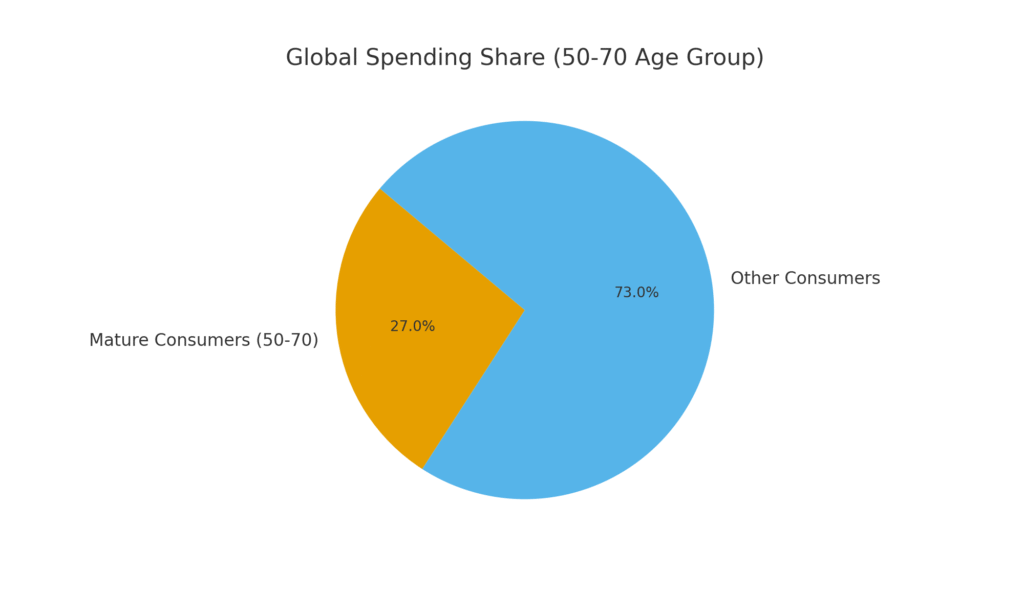
| 4 | 74% of adults 50+ use social media | Social media has become an essential platform for engagement with seniors. |
| 5 | 72% of seniors use Facebook regularly | Facebook remains the leading channel for connecting with older demographics. |
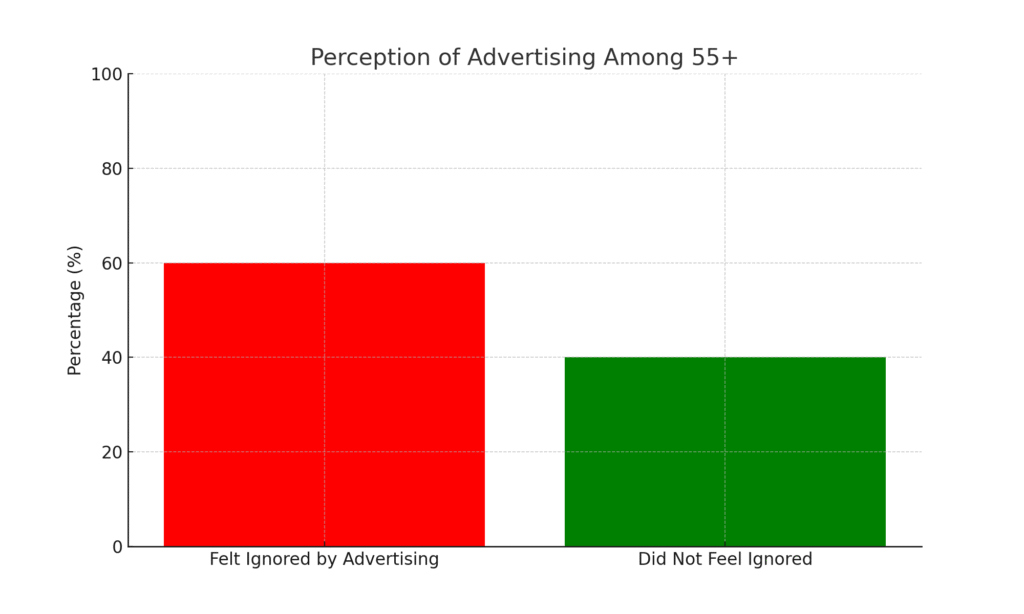
| 6 | Mature consumers drive $7 trillion in spending | 50–70 year olds represent nearly 27% of global consumer spending power. |
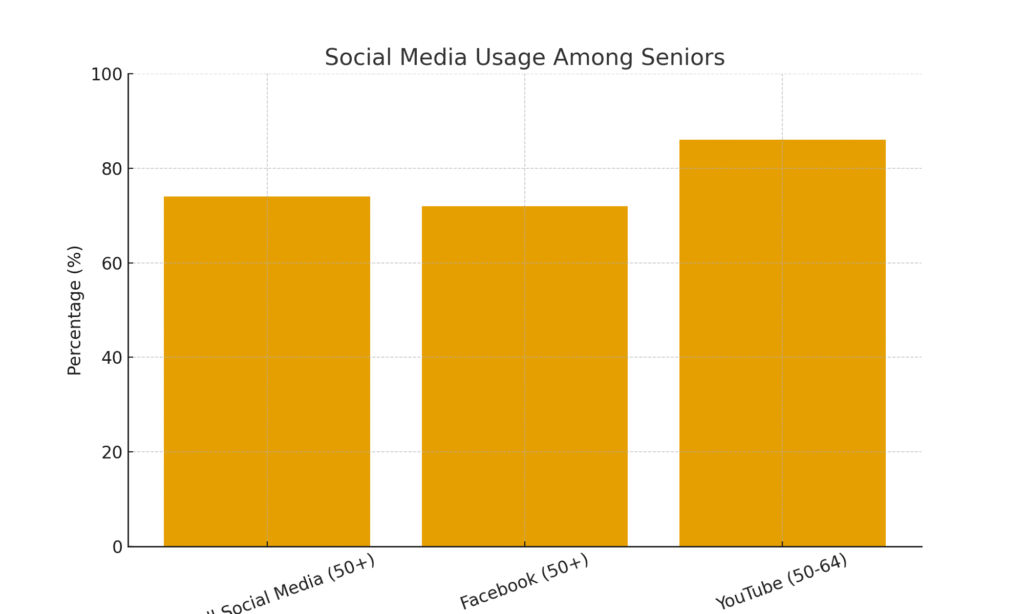
| 7 | 60% of seniors stop buying when misrepresented | Authenticity in advertising matters, as misrepresentation drives disengagement. |
| 8 | Seniors show stronger brand loyalty | Older adults stay loyal to brands they trust, reducing churn and boosting lifetime value. |
| 9 | 65+ age group is fastest growing online buyers | Seniors are embracing e-commerce and driving growth in online shopping. |
| 10 | Seniors value honest messaging | Clear, respectful, fact-driven communication is more effective than hype. |
| 11 | Omnichannel journeys are preferred | Seniors expect seamless online, in-person, and phone experiences. |
| 12 | Spending less sensitive to economic swings | Older adults continue steady spending even during downturns, offering reliability. |
| 13 | 50–70 age group continues to grow globally | By 2050, seniors will form an even larger portion of the global consumer base. |
| 14 | Seniors are active on YouTube | YouTube is a top platform for tutorials, entertainment, and news among seniors. |
| 15 | 47% spend over an hour daily on social media | Seniors are highly active online, creating multiple touchpoints for marketers. |
| 16 | Lead quality is crucial in senior marketing | Personalized, trust-building campaigns outperform high-volume tactics. |
| 17 | Cost per lead is higher in senior care | Leads can cost hundreds, but lifetime customer value makes it worthwhile. |
| 18 | Long sales cycles require patience | Seniors take longer to decide, requiring nurturing across multiple channels. |
| 19 | Phone interactions remain essential | Personal calls continue to build trust and drive conversions among seniors. |
| 20 | Over 50% feel ignored by marketers | Seniors want inclusivity; ignoring them leads to lost trust and opportunities. |
Top 20 Elder Marketing Statistics 2025
Elder Marketing Statistics #1: 90% Of Adults 65+ Are Online
Roughly 90% of adults aged 65 and above are now online, showing just how digitally connected this demographic has become. This represents a major shift from the stereotype that seniors avoid technology. For marketers, it means digital campaigns can reach seniors more effectively than ever before. Seniors use the internet for communication, shopping, and information, making online presence crucial. Ignoring this growing digital adoption risks missing out on a highly engaged audience.
Elder Marketing Statistics #2: 91% Of Older Adults Own Smartphones
Smartphone adoption among seniors has reached 91%, bridging the gap with younger generations. This high percentage shows that older consumers are increasingly comfortable with apps, messaging, and browsing on mobile. Marketers can now confidently optimize for mobile experiences when targeting this group. Mobile-first campaigns, including SMS and app-based offers, can be very effective. Seniors are no longer tech laggards; they are active smartphone users.
Elder Marketing Statistics #3: Online Activities Include Shopping, Maps, And Browsing
Older adults frequently engage in browsing, communication, retail shopping, and navigation apps. This shows that seniors are not just passive internet users but active participants in multiple online activities. Retailers and service providers can leverage this by targeting their most-used categories. Shopping behavior is particularly important, as it proves seniors are comfortable with e-commerce. Campaigns that simplify the process and provide trust cues can capture this market.
Elder Marketing Statistics #4: 74% Of Adults 50+ Use Social Media
About 74% of adults over 50 are regular social media users, highlighting the importance of platforms for this age group. They use social networks to connect with family, friends, and communities. For marketers, this means advertising and content should emphasize trust, relatability, and authenticity. Brands that create supportive and inclusive conversations often gain long-term loyalty from seniors. Social media has become a key driver of engagement for older consumers.
Elder Marketing Statistics #5: 72% Of Seniors Use Facebook Regularly
Facebook remains the top platform among seniors, with 72% of those aged 50+ using it consistently. This creates an ideal environment for running targeted campaigns that resonate with older audiences. Content on Facebook should emphasize clear visuals, informative messaging, and strong community ties. Seniors engage heavily with family-related posts, local news, and interest groups. A well-tailored Facebook presence ensures strong visibility within this demographic.
Elder Marketing Statistics #6: Mature Consumers Drive $7 Trillion In Spending
Globally, consumers aged 50–70 account for nearly $7 trillion in spending each year. That’s about 27% of total consumer spending across major categories. This massive buying power makes seniors one of the most valuable yet underappreciated markets. Marketers who ignore this demographic risk leaving billions on the table. Prioritizing their needs can unlock tremendous long-term revenue opportunities.
Elder Marketing Statistics #7: 60% Of Seniors Stop Buying When Misrepresented
Around 6 in 10 adults aged 55+ have stopped purchasing from brands that misrepresented or ignored them. Seniors want to see themselves reflected authentically in advertising. Campaigns that stereotype or exclude this group often lead to backlash and disengagement. By contrast, inclusive and respectful ads foster trust and brand loyalty. This statistic highlights why representation matters in elder marketing.
Elder Marketing Statistics #8: Seniors Show Higher Brand Loyalty
Older adults consistently demonstrate stronger brand loyalty compared to younger groups. Once they trust a brand, they tend to remain long-term customers. This loyalty reduces churn and increases lifetime value, making them an attractive target audience. Marketers who invest in building credibility early often reap significant rewards. Seniors value consistency, reliability, and authenticity in their brand relationships.
Elder Marketing Statistics #9: 65+ Age Group Is Fastest Growing Online Buyers
Consumers aged 65+ are now one of the fastest-growing groups in e-commerce. They have adapted to online shopping for convenience, price comparison, and home delivery. This trend is expected to keep rising as digital adoption deepens. Retailers can improve conversion by simplifying checkout and highlighting trust factors like secure payments. Seniors are quickly becoming a major force in online retail.
Elder Marketing Statistics #10: Seniors Value Honest Messaging
Older consumers place a higher premium on honesty and transparency in advertising. They are less receptive to hype-driven campaigns and more focused on facts. Marketers should prioritize clear, respectful, and informative communication. Seniors reward brands that treat them intelligently and respectfully. This approach leads to better engagement and long-term trust.
Elder Marketing Statistics #11: Omnichannel Journeys Are Preferred
Seniors appreciate seamless integration between online, in-person, and phone experiences. They value the ability to research online but complete transactions offline or via phone. Omnichannel strategies are essential to meet their preferences. Brands that offer multiple touchpoints increase satisfaction and loyalty. Flexibility is a key driver of senior consumer engagement.
Elder Marketing Statistics #12: Elder Spending Is Less Sensitive To Economic Swings
Unlike younger consumers, older adults’ spending is less affected by economic downturns. This stability makes them a reliable customer base. Even in uncertain times, seniors continue to invest in trusted products and services. For marketers, this means campaigns targeting seniors are less risky during recessions. It’s a reminder of their financial resilience and consistency.
Elder Marketing Statistics #13: 50–70 Age Group Continues To Grow Globally
The global population of consumers aged 50–70 is increasing rapidly. By 2050, this group will represent an even larger portion of the marketplace. This demographic shift creates ongoing opportunities for businesses that cater to seniors. Marketers who adapt early can future-proof their strategies. The growth of this segment ensures sustained demand across multiple industries.
Elder Marketing Statistics #14: Seniors Are Active On YouTube
YouTube has become a favorite among older adults, especially those aged 55 and above. Seniors use the platform for tutorials, entertainment, and news. This opens up significant advertising opportunities for brands that produce video content. Clear, engaging videos resonate strongly with this audience. Seniors’ embrace of video content challenges outdated stereotypes of tech aversion.
Elder Marketing Statistics #15: 47% Of Seniors Spend Over An Hour On Social Media
Nearly half of adults 50+ spend more than an hour daily on social media. This shows that they are highly active digital participants, not passive observers. Extended usage creates multiple opportunities for targeted advertising. Marketers can reach them through engaging posts, groups, and paid promotions. Time spent online also drives familiarity with e-commerce, making conversion easier.
Elder Marketing Statistics #16: Lead Quality Is Crucial In Senior Marketing
In industries like senior living, the focus is shifting toward lead quality over volume. This demographic requires thoughtful, personalized approaches to convert. Seniors and their families often research carefully before making decisions. Marketing strategies that prioritize nurturing and trust outperform aggressive volume tactics. The long decision-making process makes quality leads far more valuable.
Elder Marketing Statistics #17: Cost Per Lead Is Higher In Senior Care
Senior care and living services see higher costs per lead, often reaching hundreds of dollars. This reflects the complex and sensitive nature of the decision. Marketers must account for these higher acquisition costs in their budgets. However, the lifetime value of a converted customer is substantial. Careful targeting helps balance cost and profitability.
Elder Marketing Statistics #18: Long Sales Cycles Require Patience
Seniors typically require longer decision-making timelines before converting. This involves multiple touchpoints such as online research, calls, and in-person visits. Marketers must design campaigns that support extended nurturing. Rushing the process can lead to lost opportunities. Patience and consistency are critical for success with this demographic.
Elder Marketing Statistics #19: Phone Interactions Remain Essential
Even in a digital-first world, many seniors prefer resolving final decisions by phone. Effective call handling directly impacts conversion rates. Marketers should ensure trained staff are available to manage these interactions. Personal communication builds trust and reassurance. Ignoring the phone channel risks alienating a large portion of this market.
Elder Marketing Statistics #20: Over 50% Of Seniors Feel Ignored By Marketers
More than half of older adults feel ignored or undervalued by current marketing. This highlights a gap between brand strategies and senior expectations. Campaigns that make seniors feel invisible often lose their trust. Marketers must prioritize inclusivity to close this disconnect. By valuing seniors, brands can win both loyalty and revenue.
Final Thoughts on Elder Marketing Statistics
The story these elder marketing statistics tell is simple: seniors are not a market to ignore, but a market to celebrate. They are digitally connected, socially active, and increasingly shaping consumer trends with their spending habits and loyalty. Brands that recognize their influence and craft messaging with authenticity will not only drive better results but also build deeper trust. In many ways, reaching this audience is less about flashy tactics and more about respect, empathy, and understanding. By keeping the human connection at the heart of campaigns, marketers can create meaningful bridges with one of the most powerful consumer groups today.
SOURCES
-
- https://www.invoca.com/blog/senior-living-marketing-stats
- https://www.forbes.com/sites/charlesrtaylor/2023/05/01/what-products-and-services-do-older-adults-want-insights-on-an-underserved-market/
- https://www.creatingresults.com/blog/2025/03/26/what-social-media-do-seniors-use-most-2025/
- https://pmc.ncbi.nlm.nih.gov/articles/PMC8739688/
- https://pmc.ncbi.nlm.nih.gov/articles/PMC8406116/
- https://www.researchgate.net/publication/228696145_Marketing_Retirement_Communities_to_Older_Consumers
- https://www.warc.com/topics/consumers-audiences/older_adults
- https://www.demandsage.com/digital-marketing-statistics/
- https://www.socalnewsgroup.com/2025/01/01/52-content-marketing-statistics-to-know-in-2025/
- https://www.semrush.com/blog/content-marketing-statistics/
- https://www.ziflow.com/blog/content-marketing-statistics
- https://www.contentful.com/blog/personalization-statistics/
- https://www.invoca.com/blog/senior-living-marketing-stats
- https://www.creatingresults.com/blog/2025/03/26/what-social-media-do-seniors-use-most-2025/
- https://pmc.ncbi.nlm.nih.gov/articles/PMC8406116/