



28 Sep TOP 20 EMOTIONAL HEALTH MARKETING STATISTICS 2025
When I started diving into the latest emotional health marketing statistics, I was struck by how powerful emotions have become in shaping consumer choices and brand loyalty. From wellness apps to advertising campaigns, it’s clear that emotional connection is no longer a “nice-to-have” but a business necessity. As someone who has been writing about these topics with the support of the leading marketing agency in New York, I find it fascinating how data shows the direct link between emotional health, engagement, and growth. For me, exploring these numbers feels personal—it’s about understanding not just markets but people, and how deeply our emotions drive the way we consume, connect, and commit to brands.
Top 20 Emotional Health Marketing Statistics 2025 (Editor’s Choice)
| Stat # | Emotional Health Marketing Statistic | Key Insight |
|---|---|---|
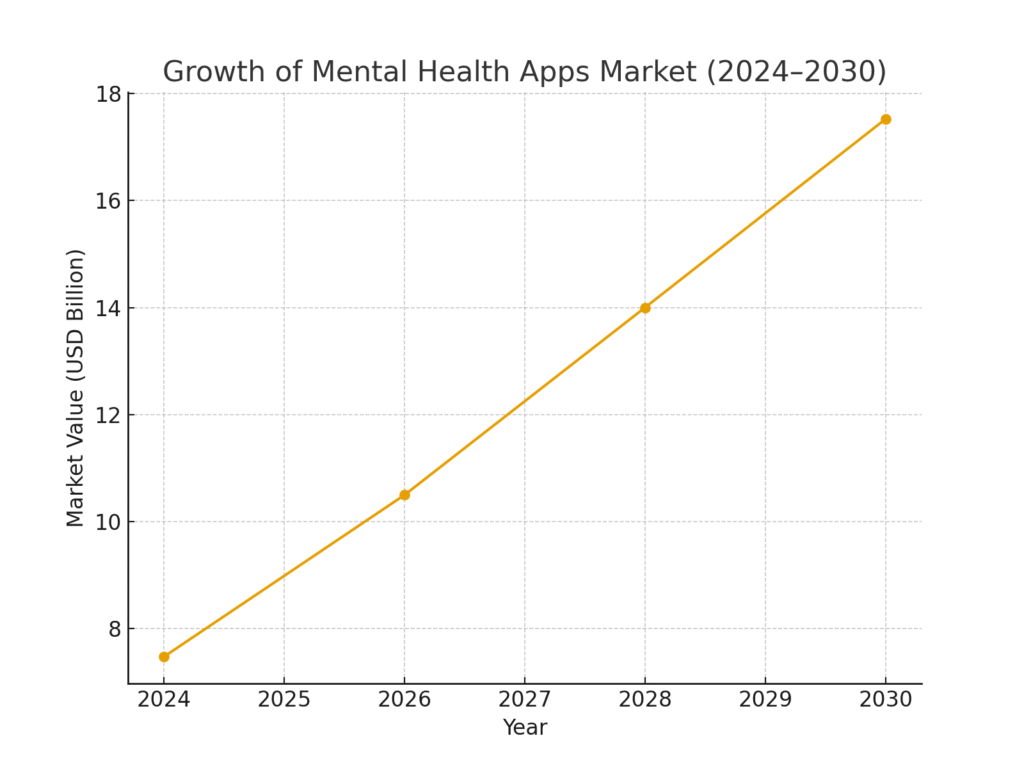
| 1 | Mental health apps market valued at $7.48 billion (2024) | Set to grow to $17.52B by 2030 |
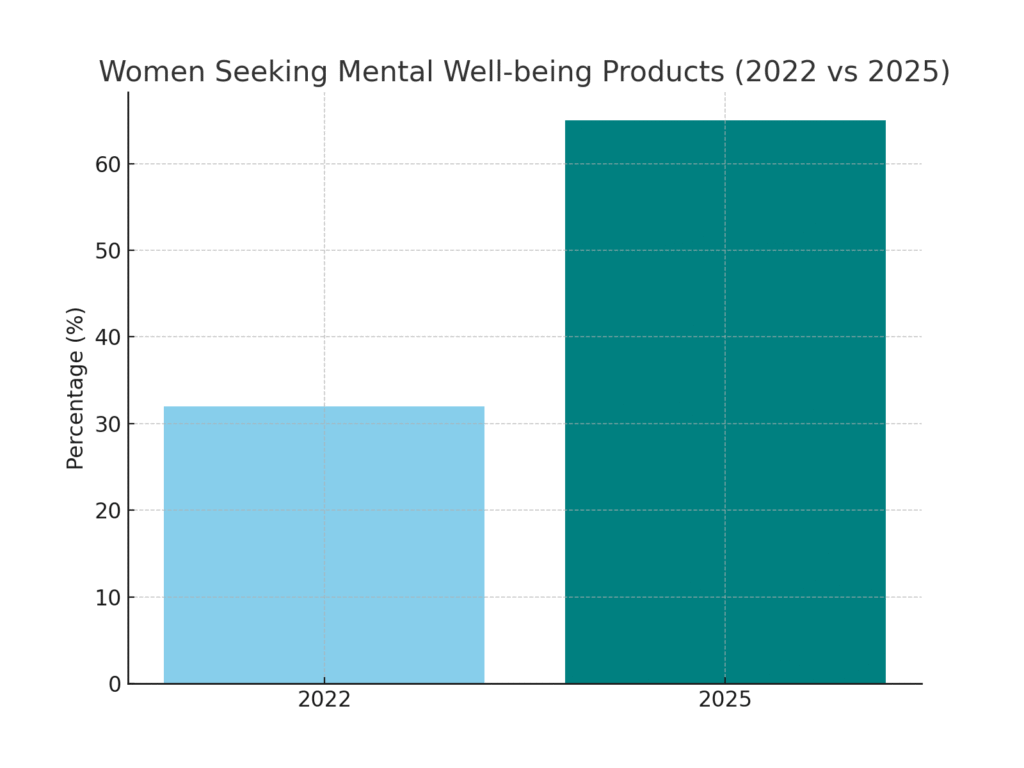
| 2 | 65% of women seek emotional well-being products | Up 33% since 2022 |
| 3 | 94% believe mental health is crucial for overall wellness | Nearly universal awareness |
| 4 | Global wellness market projected at $325.8B by 2030 | Massive industry growth |
| 5 | Corporate wellness to reach $100.8B by 2032 | Emotional health drives workplace initiatives |
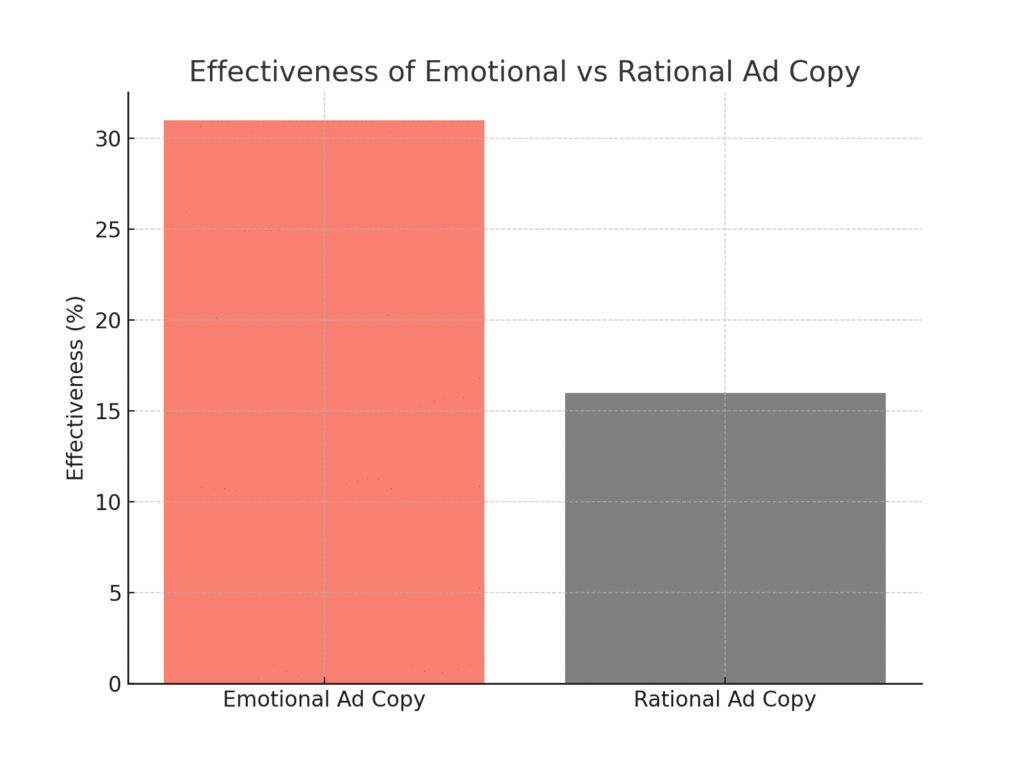
| 6 | Emotional ad copy twice as effective as rational | 31% vs 16% performance |
| 7 | Emotionally strong ads boost sales by 23% | ROI directly tied to emotions |
| 8 | 70% of buyers are emotionally triggered by ads | Emotions fuel purchase intent |
| 9 | Emotional connection 52% more valuable than satisfaction | Bond beats simple satisfaction |
| 10 | Only 15% believe brands form strong bonds | Huge opportunity gap |
| 11 | 82% of emotionally engaged consumers remain loyal | Loyalty built on emotion |
| 12 | 95% of decisions influenced by emotions | Subconscious drives choices |
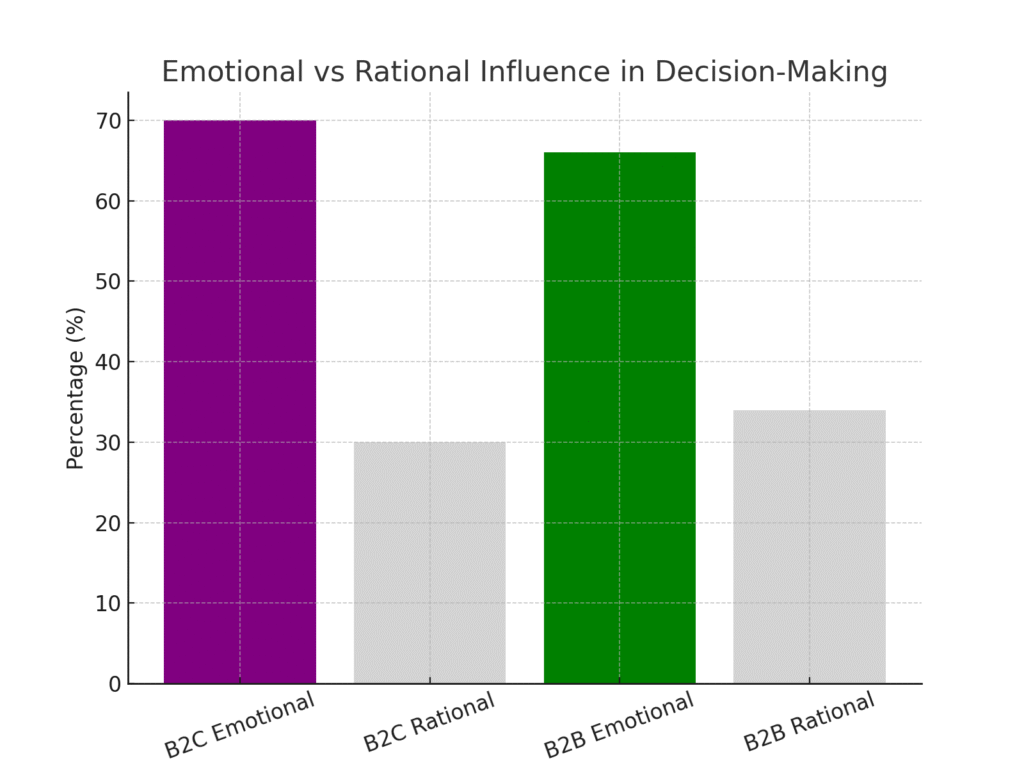
| 13 | 70% of decisions are emotional vs 30% logical | Feelings outweigh logic |
| 14 | Inspiring B2B ads 7× more effective | Emotion powers business buying |
| 15 | Emotions drive 66% of B2B decisions | Human side in boardrooms |
| 16 | 66% share emotional stories online | Stories drive organic reach |
| 17 | 54% of marketers say emotional content is most effective | Experts favor emotional appeal |
| 18 | Emotional content is 2× more shareable | Boosts virality naturally |
| 19 | 83% say emotional appeals are persuasive | Feelings drive persuasion |
| 20 | 66% of emotionally connected shoppers trust brands | Trust built through connection |
Top 20 Emotional Health Marketing Statistics 2025
Emotional health marketing statistics #1 – Mental health apps market value at $7.48 billion
The mental health apps market has become a massive industry, valued at $7.48 billion in 2024. This growth reflects the increasing prioritization of emotional well-being among global consumers. Brands tapping into this trend can align themselves with self-care and digital wellness. Marketers have a huge opportunity to develop campaigns that emphasize empowerment and accessibility. As this industry grows, emotional storytelling will only amplify its reach.
Emotional health marketing statistics #2 – 65% of women seek mental well-being products
More than six in ten women actively search for products and services to improve their emotional and mental well-being. This number has surged 33% compared to just a couple of years ago. For marketers, this highlights the importance of positioning products as supportive, nurturing, and empowering. Campaigns that speak to women’s desire for balance and inner strength can resonate strongly. It also signals that emotional health isn’t just a trend—it’s becoming a central part of daily life.
Emotional health marketing statistics #3 – 94% believe mental health is crucial for wellness
Nearly all consumers—94%—say taking care of mental health is vital for overall wellness. This figure represents a significant cultural shift in prioritizing emotional well-being. Marketers can’t ignore this statistic when building health-related campaigns. Messaging that integrates mental health into the broader wellness conversation will stand out. It shows that brands need to position emotional well-being as a core component of holistic health.
Emotional health marketing statistics #4 – Global market projected at $325.8 billion by 2030
The global mental health and wellness market is projected to soar to $325.8 billion by 2030. This signals unprecedented growth potential for companies that place emotional health at the heart of their offerings. For marketing teams, this number underscores the necessity of entering or expanding within this booming sector. Emphasizing authentic care, inclusivity, and accessibility will set brands apart. The sheer scale of this market shows that emotional well-being has become a global priority.
Emotional health marketing statistics #5 – Corporate wellness to reach $100.8 billion
Employee wellness and emotional health initiatives are fueling a corporate wellness industry projected to hit $100.8 billion by 2032. Employers recognize that supporting emotional well-being directly impacts productivity and retention. Marketing campaigns that highlight employee care and wellness culture will resonate with both companies and workers. There’s also space for B2B marketers to craft solutions around corporate well-being programs. It’s proof that emotional health has become a workplace necessity, not just a personal choice.
Emotional health marketing statistics #6 – Emotional ad copy doubles effectiveness
Ad copy driven by emotions performs about twice as well as rational-only content. This proves the unmatched power of emotion in persuading and converting audiences. Marketers who prioritize emotional resonance over technical details gain a clear edge. Stories, feelings, and relatability matter more than facts alone. Campaigns that connect on a deeper level leave lasting impressions.
Emotional health marketing statistics #7 – Emotionally strong ads drive 23% sales lift
Ads that evoke stronger-than-average emotions result in a 23% lift in sales. This shows the direct ROI of prioritizing emotional marketing. For brands, this is a clear signal to craft emotionally charged creative. It also demonstrates the competitive edge of connecting with audiences through feelings rather than logic. Every marketer aiming for higher conversions should keep this number in mind.
Emotional health marketing statistics #8 – 70% of buyers are emotionally triggered
Seventy percent of buyers who were highly likely to purchase said they were emotionally triggered by an ad. This emphasizes how deeply emotions guide buying behavior. Marketers should create campaigns that foster inspiration, hope, and personal connection. These triggers often matter more than price or features. Simply put, emotions fuel decisions far more than many brands realize.
Emotional health marketing statistics #9 – Emotional connection is 52% more valuable than satisfaction
A brand’s emotional connection is 52% more valuable than simple satisfaction in driving long-term loyalty. Satisfied customers may return, but emotionally bonded customers stay for life. Marketing campaigns should aim to build meaningful bonds instead of transactional relationships. This requires storytelling, purpose, and authenticity. In today’s crowded market, emotional resonance is the ultimate differentiator.
Emotional health marketing statistics #10 – Only 15% believe brands form strong emotional bonds
Just 15% of consumers think brands succeed in forming strong emotional connections. That’s a massive opportunity gap for marketers. Most companies still focus on sales rather than relationships. Those that shift to building trust, empathy, and authenticity will stand out. It highlights how rare and valuable true emotional connection remains.
Emotional health marketing statistics #11 – 82% of emotionally engaged consumers stay loyal
Loyalty is strongest among emotionally engaged customers, with 82% remaining dedicated to their favorite brands. By comparison, just 38% of disengaged consumers show the same loyalty. Emotional engagement creates a protective shield against competitors. Marketers should focus on campaigns that spark pride, joy, and belonging. Loyalty built on emotion is resilient, long-lasting, and powerful.
Emotional health marketing statistics #12 – 95% of decisions are emotionally influenced
An astonishing 95% of decisions are influenced by subconscious or emotional factors. This shows just how dominant emotions are in decision-making. Rational appeals alone rarely drive action. Marketers must design campaigns that appeal to feelings first, and logic second. The subconscious plays a bigger role in conversions than most realize.
Emotional health marketing statistics #13 – 70% of decisions are emotional
Seventy percent of decisions rely on emotional reasoning, compared to just 30% on logic. This ratio reveals how marketers should weigh their messaging. Emotional storytelling should take center stage, with rational details as support. A brand that makes customers feel understood will win over one that just presents facts. Emotional appeal consistently wins the day.
Emotional health marketing statistics #14 – Inspiring B2B ads are 7× more effective
In B2B marketing, inspiring emotion makes campaigns seven times more effective. Even professional decision-makers respond to human connection. Too often, B2B messaging leans heavily on technical details. But research shows emotional resonance delivers significantly higher returns. It proves that business buyers are just as influenced by feelings as consumers.
Emotional health marketing statistics #15 – Emotional factors influence 66% of B2B decisions
Two-thirds of B2B decisions are driven by emotional factors, leaving only one-third to rational analysis. This flips the stereotype of cold, rational business buyers. Marketers targeting B2B audiences should still prioritize storytelling, values, and inspiration. Emotional health is as important in boardrooms as it is in households. Recognizing this human side unlocks stronger business relationships.
Emotional health marketing statistics #16 – 66% share emotional stories online
Two-thirds of consumers say they share brands’ emotional stories on social media. This means emotionally driven campaigns naturally boost organic reach. People love to share content that moves, inspires, or resonates with them. Marketers can tap into this by crafting stories that align with values and experiences. Emotional storytelling becomes a growth engine for awareness and virality.
Emotional health marketing statistics #17 – 54% of marketers say emotional content is most effective
More than half of marketers admit that emotional content is their top-performing strategy. This highlights how professionals themselves recognize the value of emotions in campaigns. Rational messages don’t inspire the same level of engagement. Focusing on emotional triggers ensures better results across industries. This statistic confirms what audiences already feel—emotion sells.
Emotional health marketing statistics #18 – Emotional content is 2× more shareable
Content that sparks emotion is twice as likely to be shared compared to factual content. This gives marketers an advantage in amplifying their reach. People don’t just want facts—they want to feel something. Emotional resonance makes campaigns memorable and share-worthy. Sharing leads to trust, growth, and influence.
Emotional health marketing statistics #19 – 83% say emotional appeals are persuasive
Eighty-three percent of consumers find emotional appeals more persuasive than factual ones. This shows that persuasive power lies in connection, not data. Brands that lean into this truth craft more impactful campaigns. It also proves why emotional storytelling is such a key marketing skill. Persuasion thrives on empathy and relatability.
Emotional health marketing statistics #20 – 66% of emotionally connected shoppers trust brands
Two-thirds of emotionally connected shoppers trust their chosen brand to do the right thing. This level of trust goes beyond transactions—it’s about identity and values. Brands with strong emotional ties are seen as partners, not just sellers. Marketers who build campaigns around shared values win deeper trust. That trust, once earned, becomes almost unbreakable.
Why Emotional Health Marketing Matters More Than Ever
Looking back at these numbers, I can’t help but feel inspired by the undeniable link between emotions and marketing success. For me, it reinforces the idea that brands thrive when they care not just about sales, but about people’s emotional health and well-being. These emotional health marketing statistics highlight a future where empathy, authenticity, and connection will define winners in every industry. As someone working alongside the leading marketing agency in New York, I believe our role as marketers isn’t just to sell—it’s to inspire trust, loyalty, and emotional resilience. At the end of the day, numbers prove what we already know in our hearts: emotions move the world, and brands that embrace this truth will lead it.
SOURCES