



21 Sep TOP 20 EMPTY NESTER MARKETING STATISTICS 2025
As families transition into new life stages, marketers often overlook the incredible potential of empty nesters—a demographic that is financially stable, digitally connected, and eager to embrace new experiences. In this article, we explore the most insightful empty nester marketing statistics that reveal how this group makes decisions, what influences their buying behavior, and where their loyalties lie. From homeownership trends to digital shopping habits, these numbers paint a vivid picture of a group ready to invest in themselves after years of raising families. Drawing on insights from a marketing agency in New York, we’ve gathered the data that will help brands connect with this audience in meaningful and effective ways.
Top 20 Empty Nester Marketing Statistics 2025 (Editor’s Choice)
| Stat # | Empty Nester Marketing Statistics | Source |
|---|---|---|
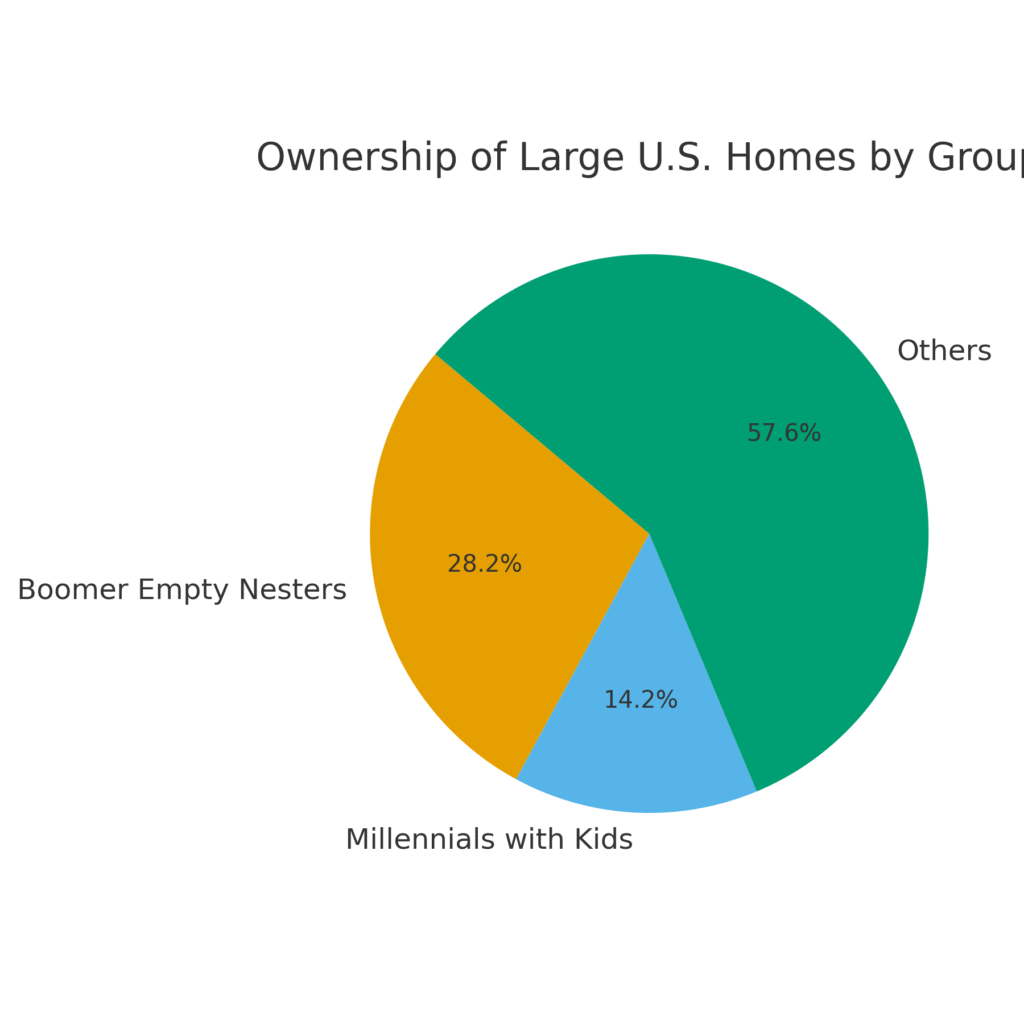
| 1 | Empty-nest baby boomers own 28.2% of large U.S. homes, compared to 14.2% owned by millennials with kids. | Redfin |
| 2 | 45.5% of empty-nester boomer households own large homes (3+ bedrooms). | Redfin |
| 3 | In every U.S. metro, empty nesters own at least 20% of large homes. | HousingWire |
| 4 | Empty nesters represent 54M U.S. households, controlling 70% of national wealth. | Aegis Financial |
| 5 | 65% of empty nesters use smartphones to seek product information. | Marketing Dive |
| 6 | 90% research products online before making purchases. | Marketing Dive |
| 7 | 80% are more likely to buy products with strong online ratings. | Marketing Dive |
| 8 | Only 12% say traditional ads alone influence their purchases. | Marketing Dive |
| 9 | 90% of empty-nester women text, and 36% prefer it over calls. | MarketingProfs |
| 10 | 72% use smartphones to access social media. | MarketingProfs |
| 11 | 44% download coupons via smartphones. | MarketingProfs |
| 12 | 67% are skeptical of traditional advertising accuracy. | MarketingProfs |
| 13 | 77–90% are active on Facebook, mainly engaging with content. | Network Solutions |
| 14 | 74% believe financial security in retirement is self-responsibility. | DataMan Group |
| 15 | 39% say they live comfortably on current income. | DataMan Group |
| 16 | 26% responded to direct mail within the last year. | DataMan Group |
| 17 | Empty nesters spend ~18 minutes/day reading mail. | DataMan Group |
| 18 | 65.2% acted on daily deals (e.g., Groupon, LivingSocial) in past year. | SalesFuel |
| 19 | 34% couldn’t take vacations earlier due to kids; now they’re making up for it. | SalesFuel |
| 20 | Most prefer market-rate apartments with amenities over senior-living communities. | Zipcode Creative |
Top 20 Empty Nester Marketing Statistics 2025
Empty Nester Marketing Statistics #1: Baby Boomers Own 28.2% Of Large U.S. Homes
Empty-nest baby boomers hold a significant share of America’s large homes, with ownership reaching 28.2%. This highlights how empty nesters often remain in spacious houses even after their children leave. For marketers, this means opportunities exist in home improvement, downsizing services, or luxury lifestyle upgrades. It also signals a potential mismatch in housing supply for younger families seeking larger properties. Understanding this ownership pattern is key for real estate and financial planning brands targeting this demographic.
Empty Nester Marketing Statistics #2: 45.5% Of Boomer Households Own Large Homes
Nearly half of boomer households without children at home continue to live in large properties. This trend underscores their financial stability and attachment to family homes. Marketers can tailor campaigns around renovations, smart home technology, or retirement planning services. The statistic also reveals that empty nesters value comfort and space despite no longer needing it for raising kids. This insight is useful for both property developers and lifestyle brands.
Empty Nester Marketing Statistics #3: Empty Nesters Own At Least 20% Of Large Homes In Every Metro
In every major metro across the U.S., empty nesters own at least 20% of large homes. This dominance showcases how influential they are in housing markets nationwide. It presents real estate professionals with a target group for relocation and downsizing campaigns. Brands offering moving services, retirement communities, or travel packages can also benefit from this trend. Their widespread homeownership makes empty nesters an audience too big to ignore.
Empty Nester Marketing Statistics #4: 54 Million Households Control 70% Of U.S. Wealth
Empty nesters account for roughly 54 million households and control nearly 70% of national wealth. This gives them enormous purchasing power across industries. From luxury goods to financial services, they represent a lucrative market for brands. Their financial strength also makes them more receptive to investment opportunities and lifestyle upgrades. For marketers, tailoring premium and aspirational campaigns to this group can drive meaningful results.
Empty Nester Marketing Statistics #5: 65% Use Smartphones For Product Research
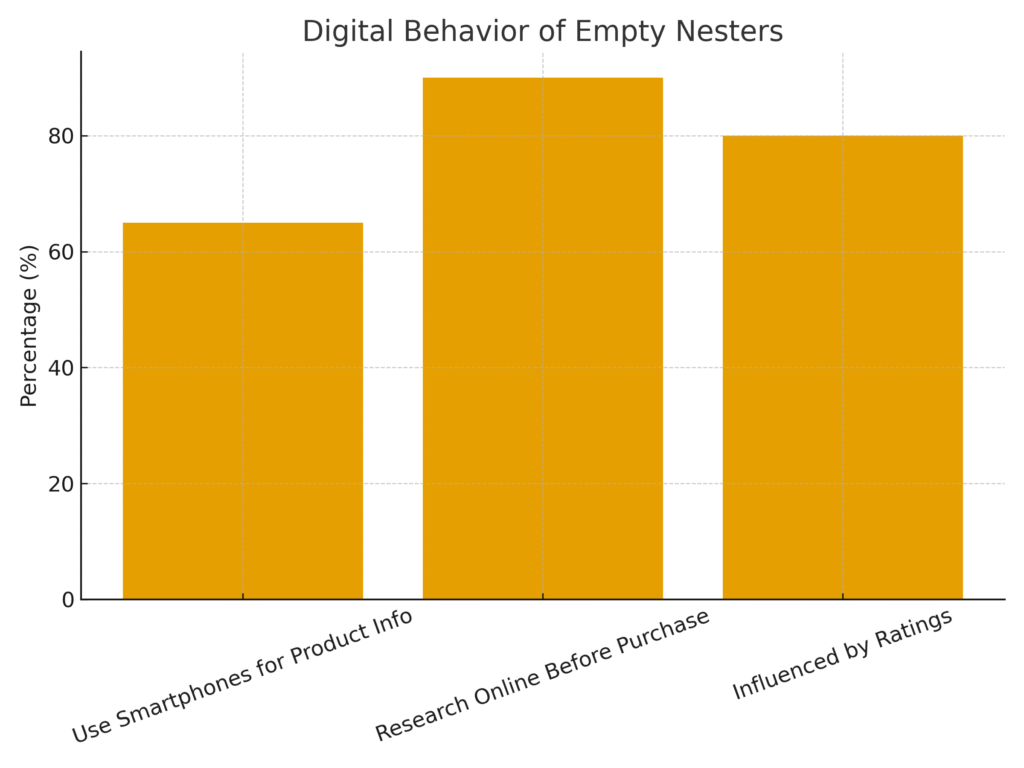
A majority of empty nesters, about 65%, rely on smartphones to research products. This breaks the stereotype that older demographics are less tech-savvy. Marketers should optimize websites and ads for mobile experiences to connect effectively. It also suggests opportunities in mobile-first strategies, including social media engagement and SMS marketing. By understanding this behavior, brands can ensure they remain relevant to empty nester consumers.
Empty Nester Marketing Statistics #6: 90% Research Products Online Before Purchases
Nearly 9 in 10 empty nesters look up information online before making buying decisions. This confirms the importance of search engine optimization and digital advertising. Reviews, blogs, and informative content play a critical role in influencing their choices. Companies should build trust through transparent product descriptions and verified testimonials. This habit positions empty nesters as informed buyers who value credible online resources.
Empty Nester Marketing Statistics #7: 80% Prefer Products With High Online Ratings
Around 80% of empty nesters are more likely to buy products that have strong online ratings. This highlights the importance of reputation management for brands. Encouraging satisfied customers to leave reviews can directly influence sales. It also demonstrates that social proof is just as powerful for this demographic as it is for younger generations. Marketers must actively manage review platforms and feedback channels to maintain credibility.
Empty Nester Marketing Statistics #8: Only 12% Influenced By Traditional Ads
Just 12% of empty nesters say they are swayed by traditional advertising. This shows a decline in the effectiveness of TV and print campaigns for this group. Instead, they place more trust in digital channels and peer reviews. Marketers should focus budgets on online strategies rather than old-school mass advertising. Adapting to this shift ensures brands reach empty nesters where they are most engaged.
Empty Nester Marketing Statistics #9: 90% Of Women Prefer Texting Over Calls
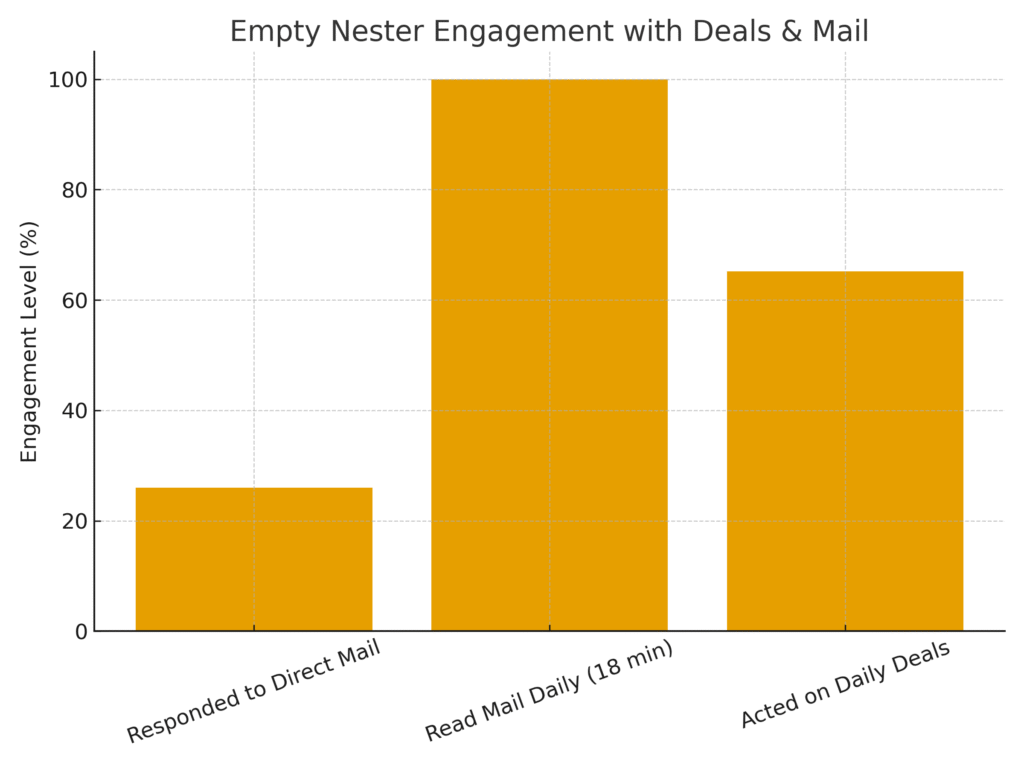
Among empty nester women, 90% text regularly, and 36% even prefer texting over phone calls. This shift in communication style provides marketers with opportunities in SMS campaigns. Brands can deliver personalized offers and reminders directly to their phones. The preference for texting also indicates convenience and efficiency as top priorities. Businesses must adapt messaging strategies to align with these habits.
Empty Nester Marketing Statistics #10: 72% Access Social Media Via Smartphones
About 72% of empty nesters use smartphones to access social media. This statistic challenges the misconception that social platforms are only for younger users. Marketers can target them with engaging Facebook or Instagram campaigns. Visual content, stories, and community-driven posts resonate strongly with this group. Leveraging their online presence helps brands establish deeper connections.
Empty Nester Marketing Statistics #11: 44% Download Coupons On Smartphones
Nearly half of empty nesters download coupons using their smartphones. This shows how deal-driven behavior continues even after children move out. For marketers, mobile couponing and loyalty apps can drive strong engagement. It also reveals that empty nesters are active digital shoppers looking for value. Campaigns that mix discounts with convenience are likely to perform well.
Empty Nester Marketing Statistics #12: 67% Skeptical Of Traditional Advertising
Two-thirds of empty nesters express skepticism toward traditional ads. They prefer authentic, transparent communication over generic promotions. Marketers should emphasize storytelling, trust-building, and social proof. This audience values honesty and may reject exaggerated claims. Building brand credibility is essential to converting empty nesters into loyal customers.
Empty Nester Marketing Statistics #13: 77–90% Active On Facebook
Between 77% and 90% of empty nesters actively use Facebook. This makes the platform a vital channel for targeted campaigns. They engage primarily through sharing and consuming content rather than creating it. Marketers should design ads and posts that encourage interaction and sharing. Leveraging Facebook’s community nature ensures higher visibility among empty nesters.
Empty Nester Marketing Statistics #14: 74% Believe Retirement Security Is Self-Responsibility
Nearly three-quarters of empty nesters believe it’s their own duty to secure financial stability in retirement. This mindset drives demand for financial planning and insurance services. Marketers in finance should highlight independence and control in their campaigns. It also signals opportunities in retirement investments and advisory services. Empty nesters want tools and resources to manage their future confidently.
Empty Nester Marketing Statistics #15: 39% Live Comfortably On Current Income
About 39% of empty nesters report that they feel financially comfortable on their present income. This points to a group that is relatively secure but still mindful of budgeting. Marketers should offer both premium and mid-range options to match their spending preferences. Comfort also translates into higher discretionary spending in travel and leisure. Understanding their balance of stability and caution is crucial for engagement.
Empty Nester Marketing Statistics #16: 26% Responded To Direct Mail In Past Year
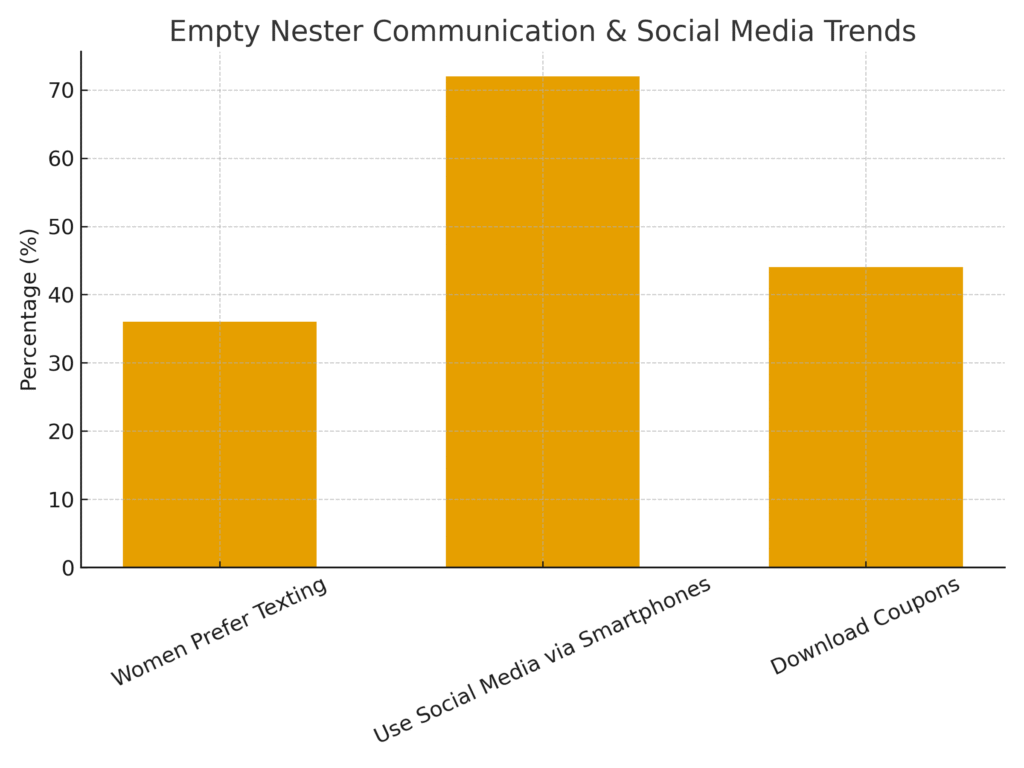
Over a quarter of empty nesters engaged with direct mail in the last year. Despite their digital presence, traditional mail still has impact. Marketers can integrate direct mail with digital campaigns for maximum effect. Personalized print promotions may resonate well with this group. This statistic proves that blending old and new tactics can be highly effective.
Empty Nester Marketing Statistics #17: Spend 18 Minutes/Day Reading Mail
On average, empty nesters spend 18 minutes daily reading their mail. This shows they value tangible communication alongside digital platforms. For marketers, direct mail remains an underutilized but valuable channel. Creative, personalized messages can stand out in this time window. Combining physical and online outreach maximizes reach and impact.
Empty Nester Marketing Statistics #18: 65.2% Acted On Daily Deals
About 65.2% of empty nesters responded to daily deals like Groupon or LivingSocial in the past year. This demonstrates their interest in savings and new experiences. Marketers can leverage deal platforms or exclusive promotions to capture their attention. Travel, dining, and leisure brands especially benefit from this behavior. Deals provide both value and excitement, aligning with their lifestyle changes.
Empty Nester Marketing Statistics #19: 34% Missed Vacations Earlier, Now Making Up For It
Around 34% of empty nesters said they couldn’t vacation earlier due to kids’ schedules. With newfound freedom, they are eager to explore and travel. Marketers in tourism, hospitality, and leisure should capitalize on this trend. Campaigns that highlight freedom and discovery resonate strongly. This behavior emphasizes how lifestyle marketing plays into their choices.
Empty Nester Marketing Statistics #20: Prefer Market-Rate Apartments Over Senior Living
Most empty nesters prefer market-rate apartments with amenities over senior living communities. They seek active lifestyles and modern conveniences rather than age-restricted settings. For real estate and housing marketers, this insight is vital. Promoting walkability, wellness, and vibrant community life appeals directly to them. This shift highlights the importance of lifestyle-driven branding.
Why Empty Nester Insights Matter More Than Ever
The world of marketing is rapidly changing, and understanding the evolving lifestyles of empty nesters has never been more important. These statistics remind us that beyond the numbers are people redefining what the next chapter of life looks like—whether through travel, home improvement, or digital discovery. Brands that take the time to listen and tailor their strategies will not only capture sales but also build lasting relationships with this powerful group. As you refine your campaigns, let these empty nester marketing statistics serve as both a guide and an inspiration for creating more personalized, human-centered connections.
SOURCES
- https://www.marketingdive.com/ex/mobilemarketer/cms/news/research/18621.html (Marketing Dive)
- https://zipcodecreative.com/empty-nesters-branding-for-resident-personas/ (Zipcode Creative)
- https://www.datamangroup.com/reaching-empty-nesters/ (Dataman Group – Accurate Marketing Lists)
- https://www.networksolutions.com/blog/reach-empty-nesters-online-marketing/ (Network Solutions)
- https://salesfuel.com/survey-reveals-kids-away-empty-nesters-will-travel/ (SalesFuel)
- https://bankrate.com/real-estate/empty-nesters/ (Bankrate)
- https://salesfuel.com/marketers-missing-mark-empty-nesters/ (SalesFuel)
- https://pmc.ncbi.nlm.nih.gov/articles/PMC11470645/ (PMC)
- https://pmc.ncbi.nlm.nih.gov/articles/PMC11532363/ (PMC)
- https://esri.com/~/media/files/pdfs/data/esri_data/pdfs/tapestry-singles/segment14.pdf (Esri)
- https://www.marketingprofs.com/charts/2014/25931/empty-nester-women (MarketingProfs)
- https://www.theatlantic.com/family/archive/2024/11/empty-nest-open-door/680646/ (The Atlantic)
- https://www.ipsos.com/en-ca/empty-nest-syndrome-no-more (Ipsos)
- https://www.mdpi.com/2076-0760/13/8/434 (MDPI)
- https://econstor.eu/bitstream/10419/230611/1/1748277960.pdf (EconStor)
- https://pmc.ncbi.nlm.nih.gov/articles/PMC11532363/ (PMC)
- https://www.esri.com/~/media/files/pdfs/data/esri_data/pdfs/tapestry-singles/segment14.pdf (Esri)
- https://salesfuel.com/survey-reveals-kids-away-empty-nesters-will-travel/ (SalesFuel)