



28 Sep TOP 20 ENVIRONMENTAL HEALTH MARKETING STATISTICS 2025
When I first started exploring environmental health marketing statistics, I was struck by how much they reveal about the way brands and consumers are reshaping their choices. As someone passionate about both sustainability and effective marketing, I find it inspiring to see data that connects environmental responsibility with consumer trust and loyalty. These numbers not only highlight the business opportunities but also remind us of the urgency to align with eco-friendly values. Partnering with a leading marketing agency in New York has shown me firsthand how brands can thrive by weaving environmental responsibility into their campaigns. In this blog, I want to share the top 20 statistics that stood out to me the most.
Top 20 Environmental Health Marketing Statistics 2025 (Editor’s Choice)
| Stat # | Environmental Health Marketing Statistics | Details |
|---|---|---|
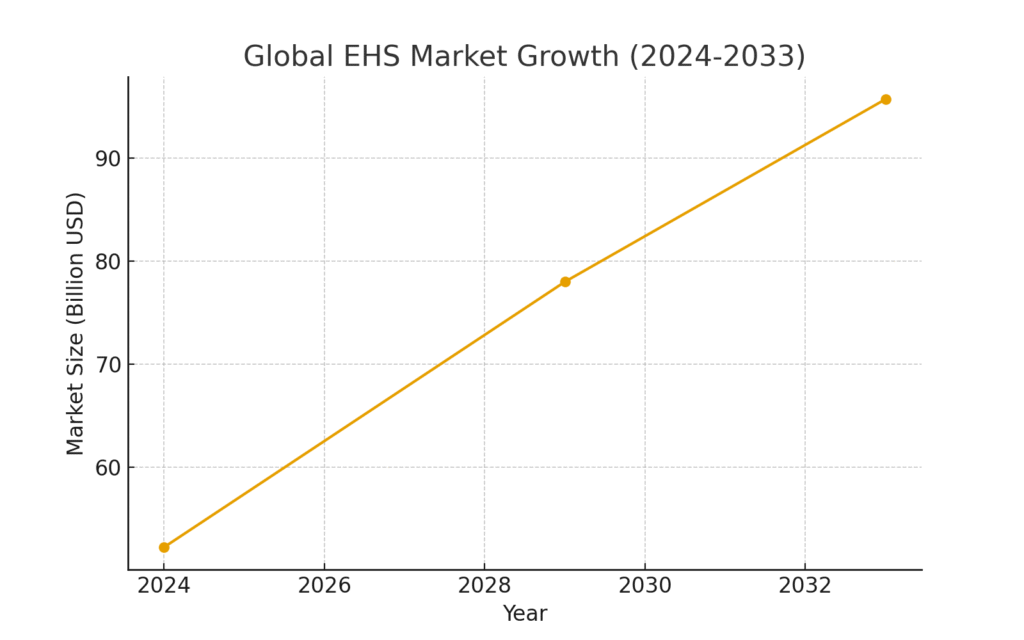
| 1 | Global Market Valued At USD 52.26 Billion | The EHS market reached USD 52.26B in 2024 and is set to hit USD 95.71B by 2033. |
| 2 | EHS Software Growth At 6.7% CAGR | Projected growth to nearly USD 99.8B by 2034 due to compliance and eco-tracking. |
| 3 | EHS Market To Hit USD 11.5 Billion By 2029 | Currently USD 7.9B, growing at 7.6% CAGR with rising risk management demand. |
| 4 | U.S. Market Worth USD 16.08 Billion | Expected to grow from USD 16.08B in 2023 to USD 24.58B by 2030. |
| 5 | 55% Of Consumers Will Pay More For Eco Brands | Over half of consumers are ready to spend more for sustainable products. |
| 6 | 84% Avoid Brands With Poor Environmental Practices | Most consumers distance themselves from brands lacking eco-commitment. |
| 7 | 78% Feel Better Buying Sustainable Products | Eco-friendly purchases improve consumer satisfaction and loyalty. |
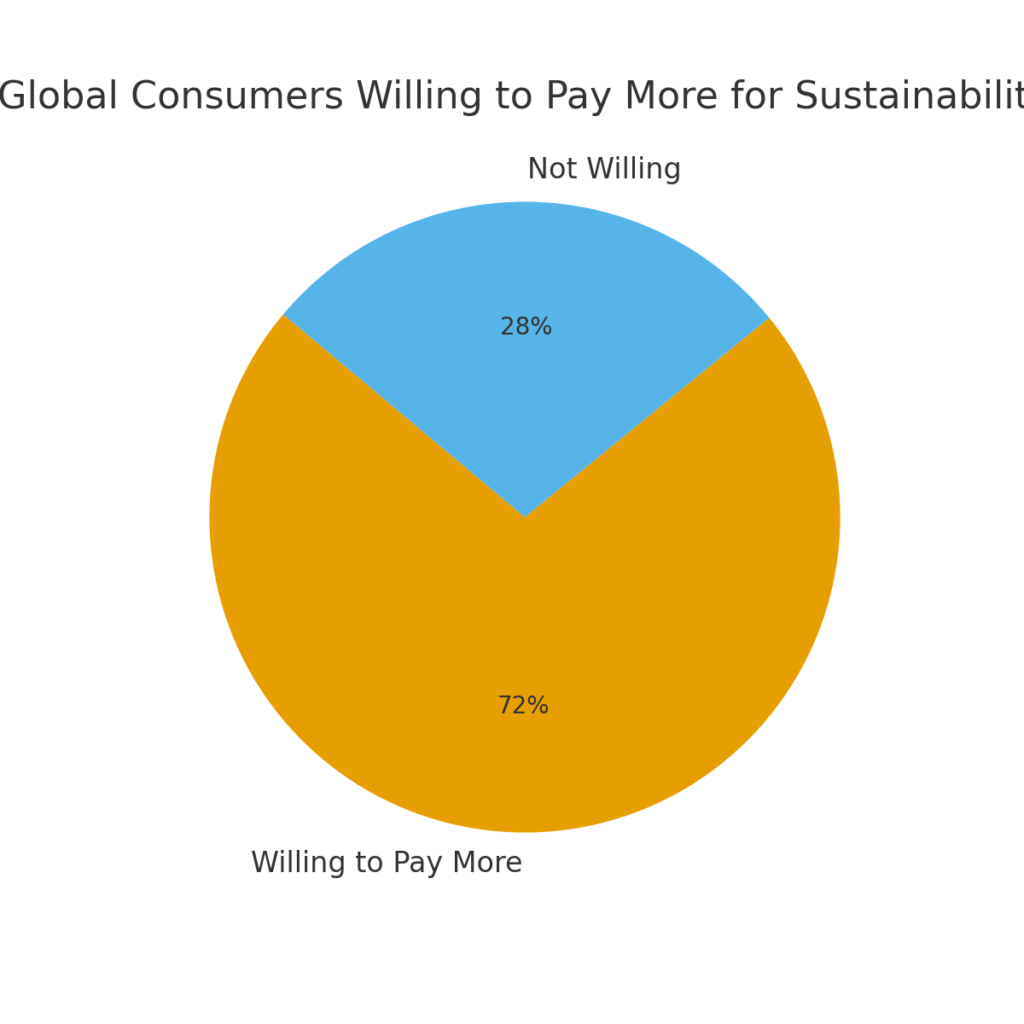
| 8 | 72% Globally Willing To Pay More For Sustainability | A global trend of consumers supporting eco-products even at higher prices. |
| 9 | 34% More Likely To Choose Sustainable Products | One in three buyers prefer eco-labeled goods and transparent sourcing. |
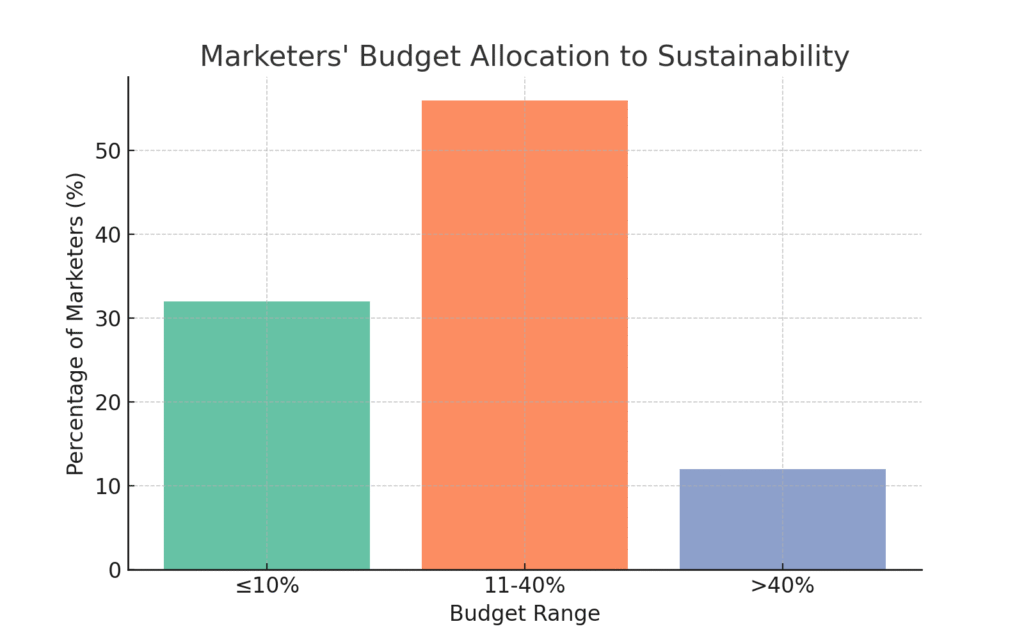
| 10 | 56% Of Marketers Allocate 11–40% To Sustainability | Marketers are increasingly investing in eco-branding initiatives. |
| 11 | 32% Allocate 10% Or Less To Sustainability | Many brands still under-invest in eco-marketing despite consumer demand. |
| 12 | 28% Stop Purchasing Due To Environmental Concerns | Nearly a third of buyers stop supporting brands with poor sustainability. |
| 13 | 72.2% Of Healthcare Ad Spend Is Digital | Healthcare embraces digital as eco-friendly and efficient marketing. |
| 14 | Paid Digital Ads Take 12.5% Of Budget | Digital and social ads dominate green messaging strategies. |
| 15 | 41% Email Open Rate In Healthcare | Email campaigns with sustainability themes perform strongly. |
| 16 | 39.2% Of Conversions Happen By Phone | Direct conversations strengthen eco-commitment trust with customers. |
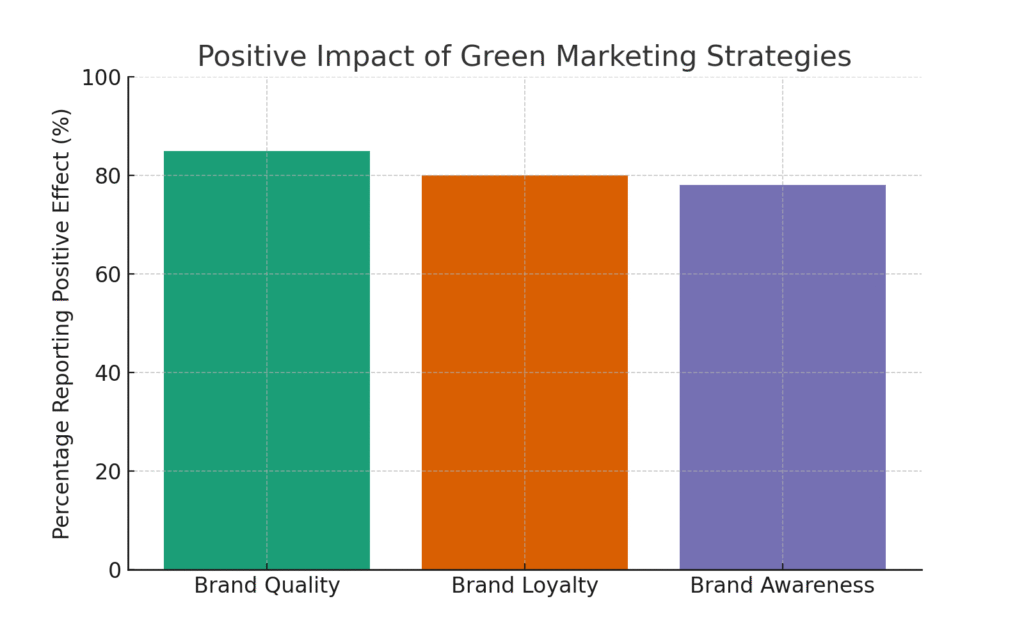
| 17 | Green Marketing Boosts Brand Quality | Eco strategies enhance perceived value and brand reputation. |
| 18 | Green Marketing Improves Brand Loyalty | Eco initiatives encourage repeat purchases and advocacy. |
| 19 | Green Marketing Increases Brand Awareness | Eco campaigns improve visibility and recognition in the market. |
| 20 | Greenwashing Remains A Risk | Brands must avoid misleading claims to maintain consumer trust. |
Top 20 Environmental Health Marketing Statistics 2025
Environmental Health Marketing Statistics #1 – Global Market Valued At USD 52.26 Billion In 2024
The environmental health & safety (EHS) market reached a value of USD 52.26 billion in 2024. This market is projected to grow steadily, reaching USD 95.71 billion by 2033 with a CAGR of around 7 %. Businesses are increasingly investing in EHS solutions to meet compliance and sustainability demands. This growth reflects both consumer awareness and government regulatory pressure. Brands that align with these trends can expect stronger reputational benefits and market share.
Environmental Health Marketing Statistics #2 – EHS Software Growth At 6.7 % CAGR
Environmental health software solutions are forecasted to grow at a CAGR of 6.7 % from 2025 to 2034. By 2034, the market could reach nearly USD 99.8 billion. This surge is tied to digital transformation, compliance automation, and eco-data tracking. Companies adopting these technologies are showing commitment to sustainable practices. As a result, they’re better positioned to attract environmentally conscious consumers.
Environmental Health Marketing Statistics #3 – EHS Market To Hit USD 11.5 Billion By 2029
The global EHS market, currently at USD 7.9 billion, is projected to reach USD 11.5 billion by 2029. This 7.6 % CAGR reflects growing demand for risk management and environmental monitoring. Companies are being proactive about compliance to avoid costly penalties. Marketers can leverage this momentum by highlighting eco-certifications in campaigns. It shows consumers that safety and sustainability go hand in hand.
Environmental Health Marketing Statistics #4 – U.S. Market Worth USD 16.08 Billion In 2023
In the U.S., the EHS market stood at USD 16.08 billion in 2023. Forecasts predict growth to USD 24.58 billion by 2030 at a CAGR of 6.3 %. Businesses in the U.S. are focusing on stricter sustainability compliance. This includes monitoring emissions and improving workplace safety. Highlighting these efforts in marketing enhances trust among eco-aware buyers.
Environmental Health Marketing Statistics #5 – 55 % Of Consumers Willing To Pay More For Eco-Friendly Brands
Over half of global consumers say they are ready to pay a premium for sustainable products. This reflects a shift in consumer values toward responsibility. Eco-branding is no longer optional; it’s a competitive edge. Companies that fail to adapt risk losing out on loyal customers. Marketers can emphasize green credentials to capture this segment.
Environmental Health Marketing Statistics #6 – 84 % Of Consumers Avoid Brands With Poor Environmental Practices
Research shows that 84 % of customers distance themselves from brands with weak environmental standards. This statistic demonstrates the risks of neglecting sustainability. Consumers are increasingly vocal about holding companies accountable. Businesses that prioritize transparency are gaining long-term loyalty. Marketing campaigns must show tangible actions, not just promises.
Environmental Health Marketing Statistics #7 – 78 % Feel Better Buying Sustainable Products
Nearly four out of five U.S. consumers say they feel more positive when purchasing sustainable goods. This emotional satisfaction fosters repeat business and advocacy. It underscores the psychological link between health, environment, and consumer identity. Brands that align with these values enhance their appeal. Marketing stories rooted in authenticity resonate most.
Environmental Health Marketing Statistics #8 – 72 % Willing To Pay More Globally For Sustainability
Worldwide, 72 % of consumers are open to paying more for sustainable items. This creates opportunities for premium green product lines. It shows a widespread willingness to support brands tackling environmental health. Marketers can highlight eco-benefits as a value proposition. Price sensitivity is less of a barrier when the product reflects values.
Environmental Health Marketing Statistics #9 – 34 % More Likely To Choose Sustainable Products
One in three consumers worldwide is more inclined to purchase goods with eco-credentials. Certifications, eco-labels, and transparent sourcing matter to these buyers. This growing preference pushes brands to adopt green supply chains. Eco-friendly messaging enhances trust and differentiation. Marketing can leverage this with storytelling around ethical sourcing.
Environmental Health Marketing Statistics #10 – 56 % Of Marketers Allocate 11–40 % Of Budget To Sustainability
More than half of North American marketers dedicate between 11 % and 40 % of their budgets to sustainability efforts. This shows companies are prioritizing eco-branding. It also highlights consumer expectations for environmental responsibility. Marketers investing in this area gain both social and competitive capital. Brands ignoring sustainability risk falling behind.
Environmental Health Marketing Statistics #11 – 32 % Allocate 10 % Or Less To Sustainability Marketing
About one-third of marketers still dedicate 10 % or less of their budget to green marketing. This signals missed opportunities to connect with eco-minded audiences. It reflects a gap between consumer demand and brand effort. Companies under-investing risk brand erosion. Marketing strategies need stronger sustainability integration.
Environmental Health Marketing Statistics #12 – 28 % Stop Purchasing Due To Environmental Concerns
Nearly one in three customers has stopped buying from a brand due to environmental issues. This illustrates the power of consumer activism. Today’s buyers demand accountability and transparency. Ignoring sustainability damages both image and revenue. Ethical practices must be at the heart of brand positioning.
Environmental Health Marketing Statistics #13 – 72.2 % Of Ad Spend In Healthcare Is Digital
Within healthcare, 72.2 % of media ad spending is digital. This reflects a broader shift toward measurable, eco-efficient marketing channels. Digital reduces waste compared to traditional print ads. For eco-focused campaigns, digital engagement aligns with sustainability. Brands can merge health and environment narratives effectively online.
Environmental Health Marketing Statistics #14 – Paid Digital Ads Take 12.5 % Of Budget
Healthcare marketing budgets allocate 12.5 % to paid digital ads. Alongside, 11.5 % goes to social media and 9.5 % to traditional media. The shift highlights prioritization of efficient outreach. Eco-friendly digital channels resonate with sustainability-minded audiences. Marketers can integrate environmental themes into digital strategies effectively.
Environmental Health Marketing Statistics #15 – 41 % Email Open Rate In Healthcare Campaigns
Healthcare campaigns average a 41 % email open rate. With conversions at 2.6 %, email remains powerful for eco-messaging. Personalized green updates can increase engagement. Sustainability-related subject lines attract attention. Marketers should integrate eco-friendly storytelling into email campaigns.
Environmental Health Marketing Statistics #16 – 39.2 % Of Conversions Happen By Phone
Nearly 40 % of healthcare conversions occur via phone. Personal conversations offer opportunities to highlight eco-commitments. Consumers feel reassured when speaking directly with businesses. This human touch enhances trust in environmental promises. Integrating green values into call scripts strengthens brand loyalty.
Environmental Health Marketing Statistics #17 – Green Marketing Boosts Brand Quality
Studies show that green marketing strategies significantly improve perceived brand quality. Consumers rate eco-friendly brands as higher in value. This perception increases competitiveness. Businesses that highlight eco-initiatives can strengthen their market position. Marketing messages must consistently reflect sustainability.
Environmental Health Marketing Statistics #18 – Green Marketing Improves Brand Loyalty
Eco-branding not only attracts customers but keeps them loyal. Green initiatives encourage repeat purchases and advocacy. Consumers align themselves with responsible brands. This loyalty translates into long-term profitability. Marketing that emphasizes sustainability nurtures stronger relationships.
Environmental Health Marketing Statistics #19 – Green Marketing Increases Brand Awareness
Empirical research confirms that green marketing increases brand awareness. Eco-friendly positioning boosts visibility and recall. It differentiates brands in saturated markets. Sustainable campaigns resonate with eco-minded communities. Environmental health themes offer storytelling opportunities.
Environmental Health Marketing Statistics #20 – Greenwashing Remains A Risk
Despite progress, greenwashing continues to threaten brand trust. Misleading claims erode credibility among consumers. Transparency is key to overcoming this challenge. Brands must back their words with measurable actions. Marketing must emphasize authenticity to avoid backlash.
Why Environmental Health Marketing Matters More Than Ever
As I reflect on these environmental health marketing statistics, I realize how much they shape the way we build trust and loyalty in today’s market. For me, this isn’t just about numbers; it’s about the real impact on our planet and the choices we all make every day. The data shows that consumers are not only aware but ready to reward authentic sustainability efforts. This motivates me to keep learning and sharing ways that businesses can stay responsible and profitable. Partnering with a leading marketing agency in New York can make all the difference in turning these statistics into real-world growth strategies.
SOURCES