



21 Sep TOP 20 EXCLUSIVE PRODUCTS MARKETING STATISTICS 2025
In today’s fast-moving marketplace, brands are constantly searching for ways to stand out and connect with customers on a deeper level. That’s where exclusive products come into play—limited availability, unique designs, and carefully crafted campaigns that create buzz and urgency. In this article, we’ve pulled together some of the most important exclusive products marketing statistics that highlight how brands are leveraging scarcity and innovation to capture attention. As a trusted marketing agency in New York, we’ve seen firsthand how exclusivity strategies can turn everyday launches into cultural moments. This isn’t just about numbers—it’s about understanding what truly motivates customers and how brands can use these insights to craft campaigns that resonate.
Top 20 Exclusive Products Marketing Statistics 2025 (Editor’s Choice)
| Stat # | Exclusive Products Marketing Statistics 2025 |
|---|---|
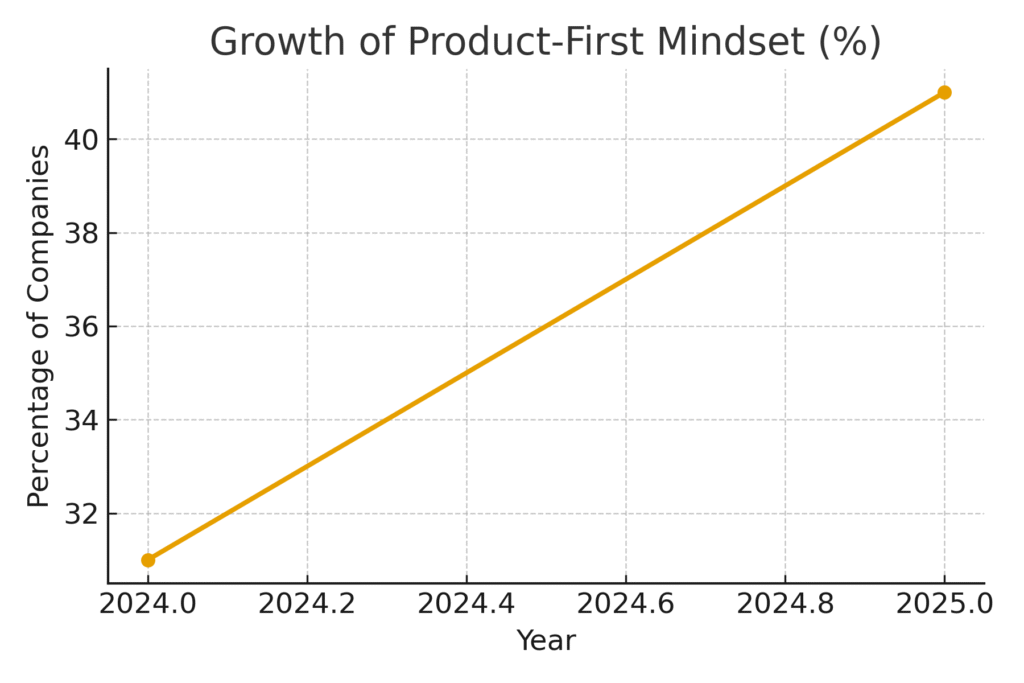
| 1 | 41% of companies now lead with a product-first mindset, compared to 31% in 2024. |
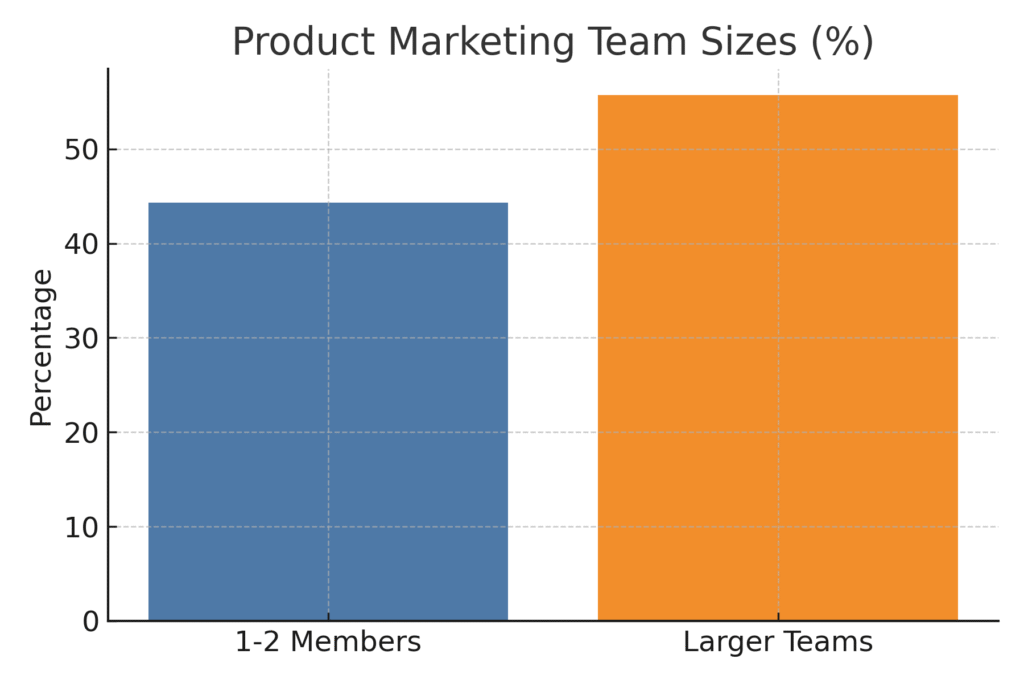
| 2 | 44.3% of product marketing teams consist of just 1-2 members. |
| 3 | 88.8% of product marketers work closely with product teams; 81% also collaborate with marketing teams. |
| 4 | 53.2% of product marketing teams track revenue generation as a primary KPI. |
| 5 | 30.7% of companies increased their investment in product marketing this year. |
| 6 | 91% of B2B marketers use content marketing to drive strategies. |
| 7 | B2B digital ad spending in the U.S. is expected to hit $19.22 billion in 2025. |
| 8 | 60% of B2B buyers finalize purchase decisions based on digital content. |
| 9 | The global B2B eCommerce market is valued at $32.11 trillion in 2025, projected to reach $36.16 trillion in 2026. |
| 10 | Only half of PMMs believe more than 50% of their product launches are successful. |
| 11 | 73% of companies report adoption rates under 50% for new product launches. |
| 12 | 26% of a product’s sales typically occur within the first 90 days after launch. |
| 13 | Only 40% of newly created products survive in the market. |
| 14 | It takes an average of 28 weeks for a new product to reach 75% distribution. |
| 15 | Between 50–58% of PMMs plan to roll out more personalized marketing efforts in 2025. |
| 16 | 40% of product marketers rely on first-party data to understand their customers. |
| 17 | Over 90% of product marketers say data informs decisions, and 31% say it fully drives them. |
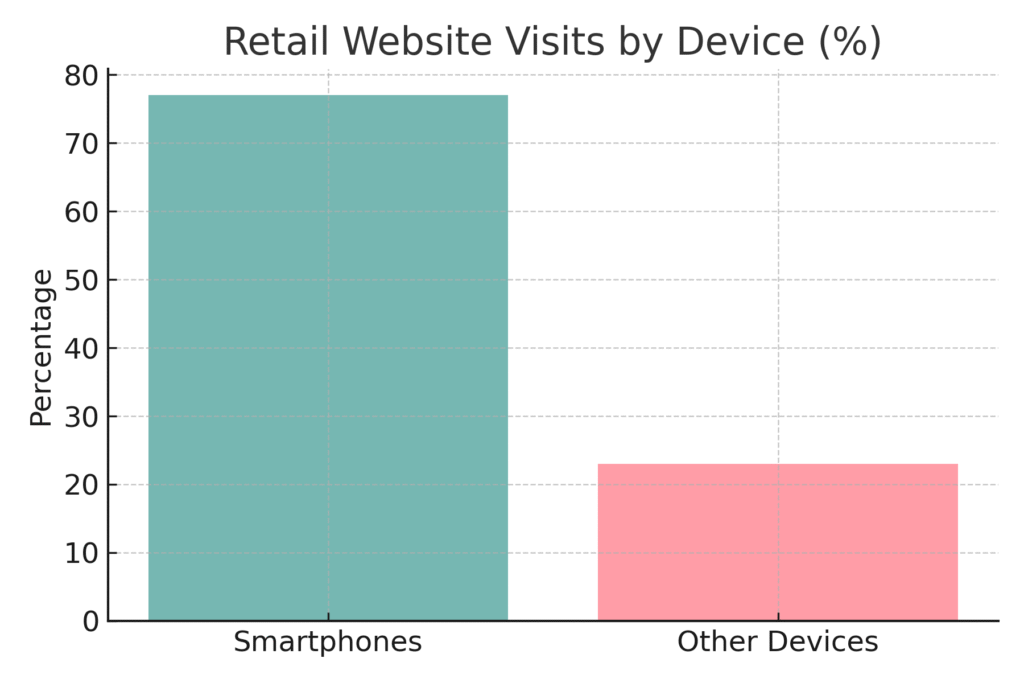
| 18 | 77% of retail website visits globally come from smartphones. |
| 19 | 32.9% of internet users discover new brands via search engines. |
| 20 | 53% of shoppers discover new products through social media platforms. |
Top 20 Exclusive Products Marketing Statistics 2025
Exclusive Products Marketing Statistics #1: 41% Of Companies Now Lead With A Product-First Mindset
In 2025, 41% of companies have shifted to a product-first approach, up significantly from 31% in 2024. This shows that brands are increasingly prioritizing product excellence as their main competitive advantage. Exclusive products benefit the most from this strategy, as quality and uniqueness drive consumer trust. A product-first mindset also encourages innovation in design, features, and experiences. Ultimately, companies embracing this philosophy are positioning themselves as market leaders.
Exclusive Products Marketing Statistics #2: 44.3% Of Product Marketing Teams Are 1–2 Members
Nearly half of product marketing teams operate with just one or two members. This highlights how lean structures are managing exclusive product campaigns efficiently. Smaller teams often allow for agility, creativity, and personalized decision-making. However, the challenge lies in resource management when launching high-demand exclusive products. Despite the size, these teams are proving that impact isn’t limited by numbers.
Exclusive Products Marketing Statistics #3: 88.8% Of Product Marketers Collaborate Closely With Product Teams
Collaboration is essential, and 88.8% of marketers are closely aligned with product departments. This ensures that exclusive product launches are well-coordinated from development to promotion. Marketing teams can highlight unique features because they understand the product deeply. Strong alignment reduces errors and maximizes brand storytelling. This collaboration builds consistency across customer touchpoints.
Exclusive Products Marketing Statistics #4: 53.2% Of Product Marketers Track Revenue As A KPI
Revenue has become a key measure of success, tracked by 53.2% of product marketers. For exclusive products, this is especially vital because premium pricing often drives profitability. Marketers are shifting focus from vanity metrics to tangible business outcomes. This helps align campaigns directly with financial goals. It reflects a growing emphasis on accountability in marketing.
Exclusive Products Marketing Statistics #5: 30.7% Of Companies Increased Investment In Product Marketing
In 2025, 30.7% of businesses are putting more resources into product marketing. This reflects growing recognition of marketing’s role in driving product success. Exclusive products often demand higher marketing budgets due to targeted strategies and storytelling. Investment boosts innovation in digital campaigns, influencer collaborations, and creative assets. Companies see this as a pathway to long-term growth.
Exclusive Products Marketing Statistics #6: 91% Of B2B Marketers Use Content Marketing
An impressive 91% of B2B marketers now leverage content marketing. Exclusive products thrive on storytelling, and content marketing provides the perfect medium. Blogs, videos, and case studies help build anticipation for unique offerings. This strategy also enhances trust and positions brands as thought leaders. It’s clear that content is not optional but essential in 2025.
Exclusive Products Marketing Statistics #7: B2B Digital Ad Spending To Hit $19.22 Billion In 2025
The U.S. B2B ad spend is projected to reach $19.22 billion this year. This massive investment shows how digital advertising fuels awareness for exclusive products. Businesses are using paid campaigns to reach niche and premium buyers. Ads can effectively highlight the scarcity factor of exclusive items. Ultimately, digital platforms are becoming critical channels for conversions.
Exclusive Products Marketing Statistics #8: 60% Of B2B Buyers Base Decisions On Digital Content
Digital content influences 60% of final B2B purchase decisions. For exclusive products, this underscores the importance of premium content strategies. Buyers want clear insights before investing in unique offerings. Brands that deliver quality content can better persuade and differentiate themselves. This demonstrates that digital presence equals purchasing power.
Exclusive Products Marketing Statistics #9: Global B2B eCommerce Valued At $32.11 Trillion In 2025
The global B2B eCommerce market stands at an incredible $32.11 trillion. Exclusive product sales represent a growing portion of this vast market. The shift to online platforms shows that even niche products thrive digitally. Companies can now connect premium products to international buyers more easily. This reinforces how exclusivity and accessibility can coexist online.
Exclusive Products Marketing Statistics #10: Half Of PMMs Report Fewer Than 50% Successful Launches
Only about half of product marketers report more than 50% of their launches succeed. This highlights the challenges exclusive products face in crowded markets. Success depends on aligning timing, promotion, and product appeal. Failure often stems from poor communication or lack of buyer understanding. Marketers must refine strategies to boost launch outcomes.
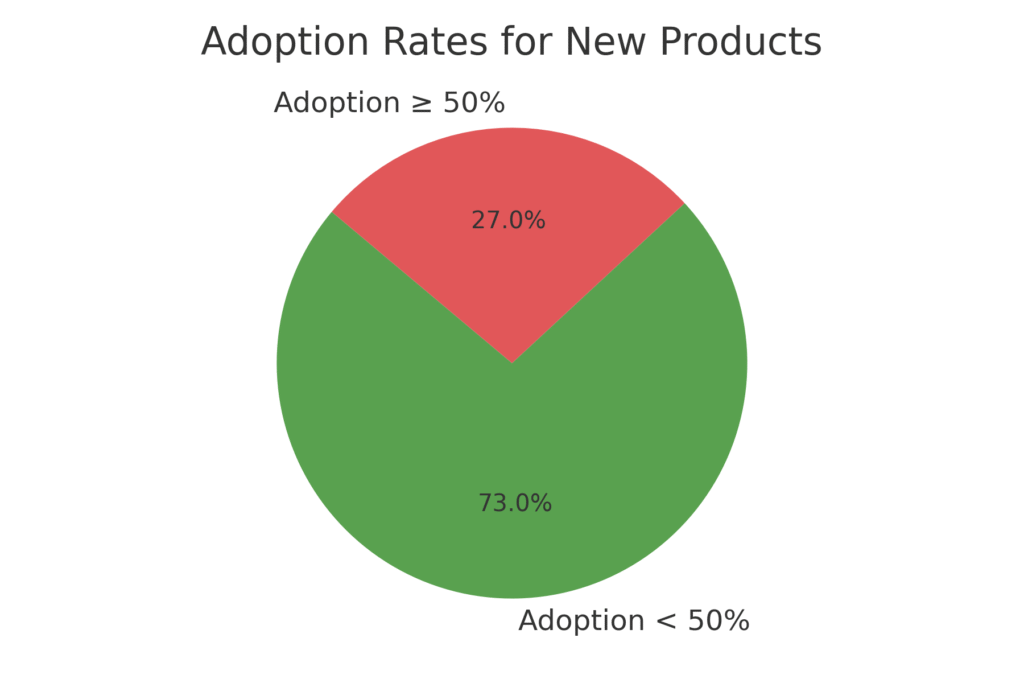
Exclusive Products Marketing Statistics #11: 73% Report Adoption Rates Below 50%
A striking 73% of companies say new launches achieve less than 50% adoption. For exclusive products, this is particularly risky since they depend on early excitement. Low adoption can result from unclear messaging or limited reach. Brands must emphasize exclusivity while ensuring awareness. Addressing this gap is critical to sustaining growth.
Exclusive Products Marketing Statistics #12: 26% Of Sales Happen In First 90 Days
Roughly 26% of product sales occur within the first 90 days. This is especially true for exclusive items that generate launch hype. Early momentum sets the tone for long-term performance. A strong marketing push during this window is essential. Without it, exclusivity may fail to translate into results.
Exclusive Products Marketing Statistics #13: Only 40% Of Products Survive In The Market
Market competition is fierce, with just 40% of products surviving long term. Exclusive items face added pressure due to limited availability. Survival depends on sustaining interest beyond the launch phase. Strong branding and repeat campaigns can extend product lifespans. This stat underscores the risks inherent in exclusivity strategies.
Exclusive Products Marketing Statistics #14: 28 Weeks To Reach 75% Distribution
On average, products take 28 weeks to hit 75% distribution. Exclusive items may take longer due to selective availability. The timeline highlights the importance of strategic rollout planning. Faster distribution means quicker recognition and adoption. Slow rollouts, however, can maintain scarcity appeal.
Exclusive Products Marketing Statistics #15: 50–58% Plan Personalized Marketing Efforts
Personalization remains a top priority, with 50–58% of marketers planning initiatives. Exclusive products benefit greatly from personalized experiences. Customers feel valued when offers match their preferences. This boosts engagement and fosters loyalty. Personalization ensures exclusivity feels tailored, not generic.
Exclusive Products Marketing Statistics #16: 40% Rely On First-Party Data
First-party data is key for 40% of marketers. Exclusive products often target niche buyers, making precise data vital. First-party insights ensure campaigns resonate with the right audience. It also reduces reliance on third-party cookies as privacy rules tighten. Data-driven targeting strengthens exclusivity strategies.
Exclusive Products Marketing Statistics #17: 90% Say Data Informs Decisions
Data-driven marketing dominates, with over 90% using analytics to guide choices. For exclusive products, this means campaigns are smarter and more efficient. 31% of marketers even let data fully determine decisions. This ensures limited resources are spent wisely. Data transforms exclusivity into measurable success.
Exclusive Products Marketing Statistics #18: 77% Of Retail Visits Come From Smartphones
Smartphones generate 77% of global retail website visits. This has major implications for exclusive product promotions. Mobile-first strategies are essential to capture buyers. Brands must optimize sites and campaigns for smaller screens. Without this, exclusivity risks being overlooked.
Exclusive Products Marketing Statistics #19: 32.9% Discover Brands Via Search Engines
Search engines introduce 32.9% of users to new brands. For exclusive products, SEO is a crucial growth tool. Ranking high builds credibility and visibility. Optimized content ensures premium items are discovered quickly. This makes search marketing non-negotiable for exclusivity campaigns.
Exclusive Products Marketing Statistics #20: 53% Discover Products Through Social Media
Over half of shoppers discover new products on social platforms. Social media is a natural match for exclusive launches. Influencer partnerships amplify scarcity and desirability. Creative campaigns can quickly go viral, fueling demand. Social platforms are now key marketplaces for exclusivity.
Why Exclusive Products Marketing Matters
Looking at these statistics, one thing becomes clear—exclusivity is not just a trend; it’s a proven strategy for building desire, loyalty, and long-term brand equity. Customers aren’t just buying products; they’re buying into experiences and identities that feel rare and special. For brands willing to embrace exclusivity, the rewards can be significant, from higher margins to stronger community engagement. As someone who has worked closely with product launches, I know these insights aren’t just theory—they reflect real shifts in how people connect with brands. By applying the lessons from these exclusive products marketing statistics, businesses can move beyond simple sales tactics and create stories that customers genuinely want to be part of.
SOURCES
-
- https://www.hubspot.com/marketing-statistics
- https://www.salesforce.com/marketing/marketing-statistics/
- https://www.sellerscommerce.com/blog/b2b-marketing-statistics/
- https://www.deloittedigital.com/nl/en/insights/perspective/marketing-trends-2025.html
- https://seoprofy.com/blog/digital-marketing-statistics/
- https://www.optimizely.com/insights/blog/marketing-statistics/
- https://learn.g2.com/product-launch-statistics
- https://userguiding.com/blog/product-statistics-trends
- https://www.typeface.ai/blog/content-marketing-statistics
- https://www.hexus.ai/blog/how-is-product-marketing-changing-in-2025—key-trends-to-observe
- https://www.bestcolorfulsocks.com/blogs/news/product-launch-to-trend-adoption-statistics
- https://elpais.com/economia/formacion/2025-01-24/la-ia-la-personalizacion-y-la-interaccion-en-redes-sociales-lideran-las-tendencias-de-marketing-digital-en-2025.html
- https://theaustralian.com.au/business/growth-agenda/telstrutting-telstras-brand-campaign-walks-the-talk-with-tiktokers/news-story/189429ce49ff385e82be04d6648ff79b