




18 Sep TOP 20 EXECUTIVE MARKETING STATISTICS 2025
In today’s fast-moving digital economy, executives are under more pressure than ever to make strategic marketing choices that deliver measurable growth. That’s why diving into the latest executive marketing statistics is so valuable—it gives decision-makers the clarity they need to prioritize wisely. At our core, we believe in blending data with creativity, and we’ve seen firsthand how this balance pays off. Working alongside a marketing agency in New York, we’ve had the privilege of guiding brands through campaigns that not only resonate with audiences but also drive sustainable results. These insights aren’t just numbers on a page; they’re real-world signals that can shape smarter investments and stronger strategies.
Top 20 Executive Marketing Statistics 2025 (Editor’s Choice)
📊 Top 20 Executive Marketing Statistics 2025
Data-Driven Insights to Power Your Marketing Strategy
| # | Marketing Statistic | Key Value | Strategic Insight |
|---|---|---|---|
| 1 | Global Social Media Users | 5.42B | Social media reaches 67% of the global population, making it essential for brand visibility |
| 2 | AI Marketing ROI | 68% | Over two-thirds of marketing executives confirm positive returns on AI investments |
| 3 | Short-Form Video Effectiveness | 78% | People prefer learning about products through short videos—prioritize Reels, TikTok, and Shorts |
| 4 | Social Ad Spend (2025) | $276.7B | Mobile will generate 83% of social ad spending by 2030—mobile-first strategy is critical |
| 5 | Influencer Marketing Market Size | $32.55B | Growing from $24B in 2024, influencer partnerships drive authentic consumer connections |
| 6 | Digital Audio Ad Spending | $12.16B | Projected to reach $14.84B by 2029—audio streaming ads are gaining momentum |
| 7 | B2B Content Marketing Success | 84% | Content marketing successfully creates brand awareness for B2B companies |
| 8 | Google Search Market Share | 93.9% | Dominates mobile search globally—SEO optimization for Google remains paramount |
| 9 | Email Marketing Conversion Rate | 2.8% | Email remains one of the highest-converting channels for B2C brands |
| 10 | Social Commerce Growth | 53% | Up from 46% in 2023—consumers increasingly discover products on social platforms |
| 11 | Businesses Using Social Media | 91% | Social media marketing is no longer optional—it's a business necessity |
| 12 | Digital Marketing Market Value | $472.5B | Growing at 13.6% CAGR through 2033—continued investment opportunities ahead |
| 13 | AI Content Personalization | 77% | Marketers report AI helps create more personalized, targeted content experiences |
| 14 | SEO Performance Impact | 91% | Marketers confirm SEO enhanced website performance and achieved marketing objectives |
| 15 | Top Marketing Channel ROI | 16% | Websites, blogs, and SEO deliver highest ROI among all marketing channels |
| 16 | Content Engagement Increase | 72% | Marketers believe their content strategies have successfully increased engagement and traffic |
| 17 | Mobile Marketing Dominance | 70% | Mobile advertising will account for 70% of total ad spending by 2028 |
| 18 | Online Review Importance | 93% | Consumers read online reviews before purchasing—reputation management is crucial |
| 19 | Instagram for Influencer Marketing | 57.1% | Instagram leads as the most preferred platform for influencer partnerships |
| 20 | Average Blog Post Length | 1,400 words | 77% longer than a decade ago—comprehensive content performs better in search rankings |
Top 20 Executive Marketing Statistics 2025
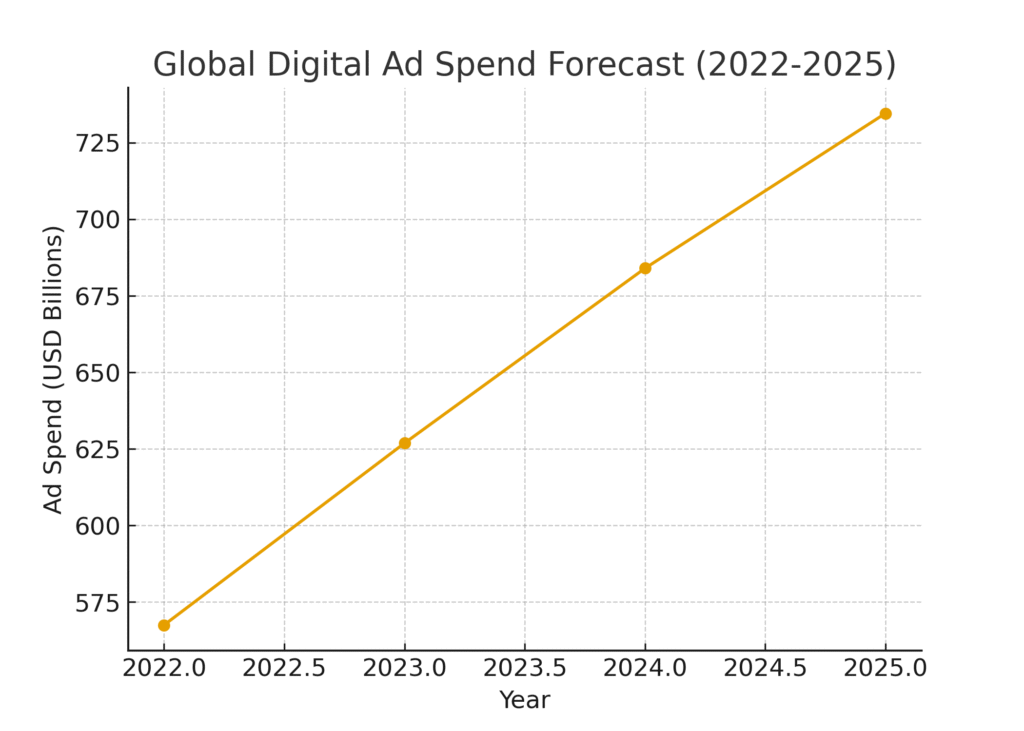
Executive Marketing Statistics #1: Global Ad Spend In Digital Marketing Projected At $734.6 Billion In 2025
Global digital ad spend reaching $734.6 billion in 2025 demonstrates how quickly online channels continue to dominate budgets. Executives must recognize that this growth means higher competition for visibility across platforms. The challenge lies in finding efficient ways to allocate spend where ROI is strongest. Those who stay ahead with data-driven ad strategies will maximize value while minimizing waste. For leadership, this statistic underscores the urgency of future-proofing digital-first marketing.
Executive Marketing Statistics #2: Businesses Earn $5 For Every $1 Spent On Digital Marketing
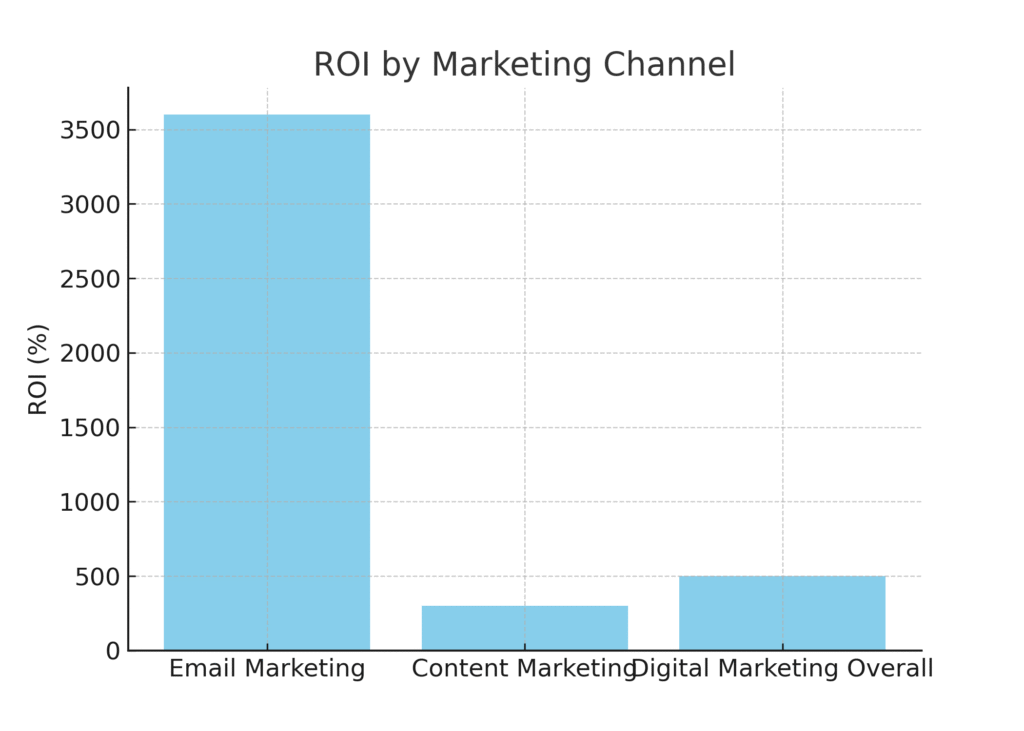
A 5:1 return ratio highlights digital marketing’s cost-effectiveness compared to many traditional methods. For executives, this means digital isn’t just about reach—it’s about sustainable profitability. Allocating resources to proven digital channels can directly strengthen bottom lines. It also validates the importance of optimization and ongoing analytics. This metric gives executives confidence to double down on digital investment.
Executive Marketing Statistics #3: Email Marketing Delivers 3,600% ROI
With such a high ROI, email remains one of the most powerful tools in the executive marketing toolkit. Personalization, segmentation, and timing all amplify results. Executives should see email not as outdated but as essential for nurturing long-term customer relationships. It allows direct communication without relying on unpredictable algorithms. Leaders who leverage email well can unlock substantial profit potential.
Executive Marketing Statistics #4: 91% Of Marketers Report SEO Boosts Website Performance
SEO continues to deliver compounding benefits, as reported by the overwhelming majority of marketers. For executives, this is a signal to prioritize organic search within the broader marketing strategy. SEO not only improves visibility but also sustains brand credibility. The long-term payoff outweighs short-term paid campaigns in many industries. Investing early ensures brands stay competitive in crowded search results.
Executive Marketing Statistics #5: 68% Of Marketing Executives Report Positive ROI From AI Investments
AI’s impact on marketing is no longer theoretical—it’s already proving returns. Executives adopting AI gain advantages in efficiency, personalization, and predictive analytics. Those who hesitate risk falling behind in a rapidly AI-driven marketplace. The technology is evolving fast, making early adoption a competitive edge. This stat validates AI as a strategic priority, not an experimental add-on.
Executive Marketing Statistics #6: 77% Of Marketers Use AI For Personalized Content Creation
Personalization is now achievable at scale thanks to AI-powered tools. Executives should note that personalization is directly linked to higher engagement and conversions. Automated customization saves time while making brand experiences feel uniquely human. This reduces reliance on generic content strategies that no longer resonate. For leadership, it means prioritizing AI in creative planning.
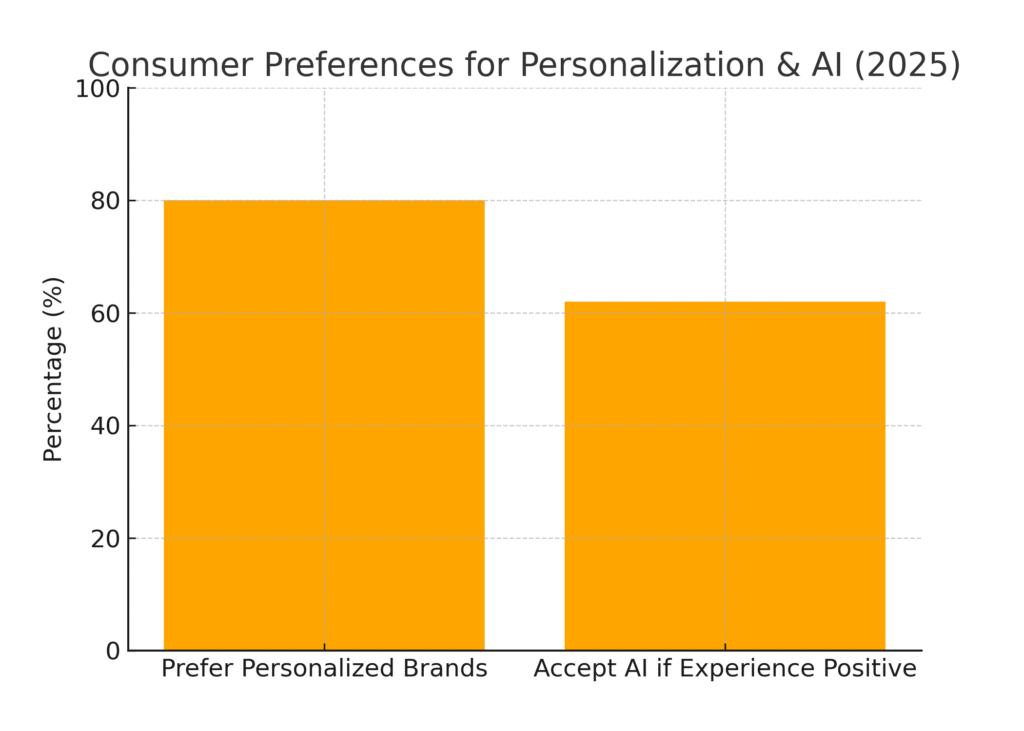
Executive Marketing Statistics #7: 62% Of Consumers Accept Generative AI In Marketing If Experiences Stay Positive
Consumer trust is crucial, and this statistic shows a cautious but open attitude. Executives must balance innovation with transparency and responsibility. Customers will reward brands that use AI ethically and enhance their journey. However, misuse can quickly erode loyalty and credibility. Leaders need strong governance to ensure AI adoption strengthens brand trust.
Executive Marketing Statistics #8: Smartphones Will Drive 69% Of Total Ad Spending By 2025
Mobile-first isn’t just a trend—it’s the reality shaping consumer behavior. Executives must ensure campaigns are optimized for smaller screens and on-the-go usage. The stat shows how critical mobile commerce and mobile ad placement will be. It also demands seamless user experiences across apps and mobile web. Leaders who fail to adapt risk losing relevance.
Executive Marketing Statistics #9: Programmatic Advertising To Account For 87% Of Digital Ad Revenue By 2026
Automation in ad buying is becoming the new norm. Executives should embrace programmatic strategies to maximize efficiency and targeting. However, with automation comes responsibility around data privacy and brand safety. Oversight and ethical frameworks are necessary to avoid pitfalls. This stat highlights the importance of blending automation with executive-level governance.
Executive Marketing Statistics #10: 58% Of Small Businesses Depend On Digital Marketing
Digital marketing isn’t just for enterprise brands anymore. Even smaller businesses see it as vital to customer acquisition. For executives, this signals rising competition across industries. The democratization of marketing tools makes differentiation even more important. Leaders must focus on creative strategies to stand out in crowded spaces.
Executive Marketing Statistics #11: Content Marketing Costs 62% Less But Generates 3x More Leads
This cost-to-lead ratio demonstrates content marketing’s efficiency. Executives should see content not just as awareness material but as a revenue driver. High-quality articles, videos, and guides build long-term value. Compared to paid campaigns, content continues attracting leads long after creation. Leadership focus on content ensures sustainable growth at lower costs.
Executive Marketing Statistics #12: Content Marketing Market To Reach $2 Trillion By 2032
The sheer size of this projected market shows how rapidly demand for content is expanding. Executives must plan for scale, talent, and technology to keep up. Outsourcing alone won’t be enough—internal content infrastructure is vital. This stat also hints at rising costs for talent and competition. Leaders who prepare now will have an advantage in this booming space.
Executive Marketing Statistics #13: 80% Of Consumers Prefer Brands Offering Personalized Experiences
Personalization is now a consumer expectation, not just a nice extra. Executives must ensure data strategies support this shift. Personal touches build loyalty and increase conversion rates. Without personalization, brands risk feeling outdated. This statistic highlights the growing link between personalization and profitability.
Executive Marketing Statistics #14: Organic Search Delivers The Best ROI For Nearly Half Of Marketers
Executives should view organic search as one of the most dependable investments. SEO builds authority and reduces reliance on fluctuating ad costs. The long-term returns are unmatched by many channels. However, results require patience and consistent effort. Leaders who prioritize organic search set their brands up for resilience.
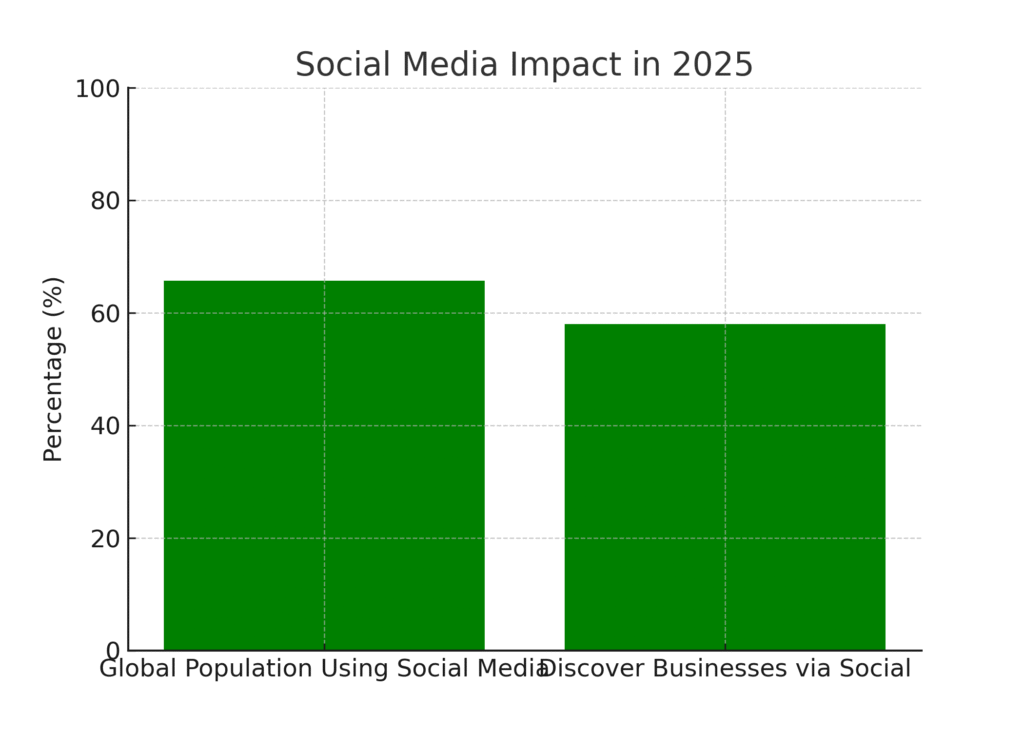
Executive Marketing Statistics #15: 65.7% Of The Global Population Are Active Social Media Users
Social platforms have reached unprecedented scale worldwide. For executives, this means global opportunities but also global competition. Cross-platform consistency becomes a top priority for brand success. Leaders must also weigh the risks of misinformation and saturation. This stat reinforces social media’s central role in executive marketing strategies.
Executive Marketing Statistics #16: 58% Of Consumers Discover New Businesses On Social Media
Social media is no longer just for awareness—it’s a discovery engine. Executives must prioritize being present where audiences explore. This stat also points to the importance of storytelling and engaging formats. Discovery on social platforms often leads to direct purchase decisions. Leaders should align teams to capture this opportunity with precision.
Executive Marketing Statistics #17: Successful Companies Spend Over 10% Of Budgets On Content
High-performing companies allocate serious budget shares to content marketing. Executives should note that underfunding content often limits growth. This stat shows that success correlates with intentional content investment. Leaders must balance budget priorities with this insight. Content is not a secondary tactic—it’s a strategic pillar.
Executive Marketing Statistics #18: 71% Of Companies Use Social Media For Targeted Content
Targeted content improves efficiency by reaching the right audience at the right time. Executives benefit from the cost savings and higher ROI. This stat emphasizes the importance of smart segmentation. Broad messaging is less effective in today’s digital landscape. Leaders who encourage targeted strategies will see stronger results.
Executive Marketing Statistics #19: Over One-Third Of Marketing Leaders Focus On Conversion Rates As Their Top KPI
Executives should note the shift toward performance-driven marketing. Conversion rates reflect the true impact of campaigns on business growth. Focusing here ensures budgets are tied directly to outcomes. This also fosters accountability and efficiency within teams. Leaders aligning KPIs with conversions strengthen overall strategy.
Executive Marketing Statistics #20: 44% Of Businesses Lack A Clear Measure Of Marketing Impact
A surprising number of businesses operate without solid measurement frameworks. For executives, this represents a risk of wasted resources and unclear ROI. Leaders must invest in analytics, attribution models, and performance tracking. Without data, decision-making becomes guesswork. This stat highlights measurement as a critical executive responsibility.
Final Thoughts on Executive Marketing Statistics
As we wrap up, it’s clear that marketing at the executive level is about connecting the dots between technology, consumer behavior, and brand storytelling. These statistics highlight where leaders should focus—whether it’s leveraging AI for personalization, investing more confidently in SEO, or doubling down on content strategy. From my perspective, what makes these numbers meaningful is the way they translate into practical action for businesses striving to stand out. Having partnered with teams driven to succeed, I can say with confidence that using these insights can truly redefine how a brand grows. For executives ready to take the next step, aligning with trusted experts ensures every move isn’t just reactive—but visionary.
SOURCES
- https://www.seo.com/blog/digital-marketing-statistics/ (SEO.com)
- https://www.loopexdigital.com/blog/digital-marketing-statistics (loopexdigital.com)
- https://www.hubspot.com/marketing-statistics (HubSpot)
- https://www.digitalthirdcoast.com/blog/digital-marketing-statistics (digitalthirdcoast.com)
- https://www.wordstream.com/blog/ws/2022/04/19/digital-marketing-statistics (WordStream)
- https://seoprofy.com/blog/digital-marketing-statistics/ (SeoProfy)
- https://www.demandsage.com/digital-marketing-statistics/ (DemandSage)
- https://digitalmarketinginstitute.com/blog/digital-marketing-trends-2025 (Digital Marketing Institute)
- https://shapo.io/blog/digital-marketing-statistics/ (shapo.io)
- https://www.onthemap.com/blog/digital-marketing-statistics/ (On The Map Marketing)