



21 Sep TOP 20 FATHER’S DAY MARKETING STATISTICS 2025
When I first started researching Father’s Day marketing statistics, I was amazed at just how much this celebration has evolved into a global business opportunity. What struck me most was how the holiday goes beyond ties and gadgets—people are investing in experiences, personalization, and gifts that truly create memories. As someone working closely with a leading marketing agency in New York, I see firsthand how brands are rethinking their strategies to connect with families in more authentic ways. It’s not just about pushing products anymore; it’s about creating moments that matter. That’s what makes diving into these statistics so exciting, because they reveal not only spending habits but also deeper consumer values.
Top 20 Father’s Day Marketing Statistics 2025 (Editor’s Choice)
🎁 Top 20 Father's Day Marketing Statistics 2025
Essential insights to boost your Father's Day campaigns
| # | Category | Key Statistic | Marketing Insight |
|---|---|---|---|
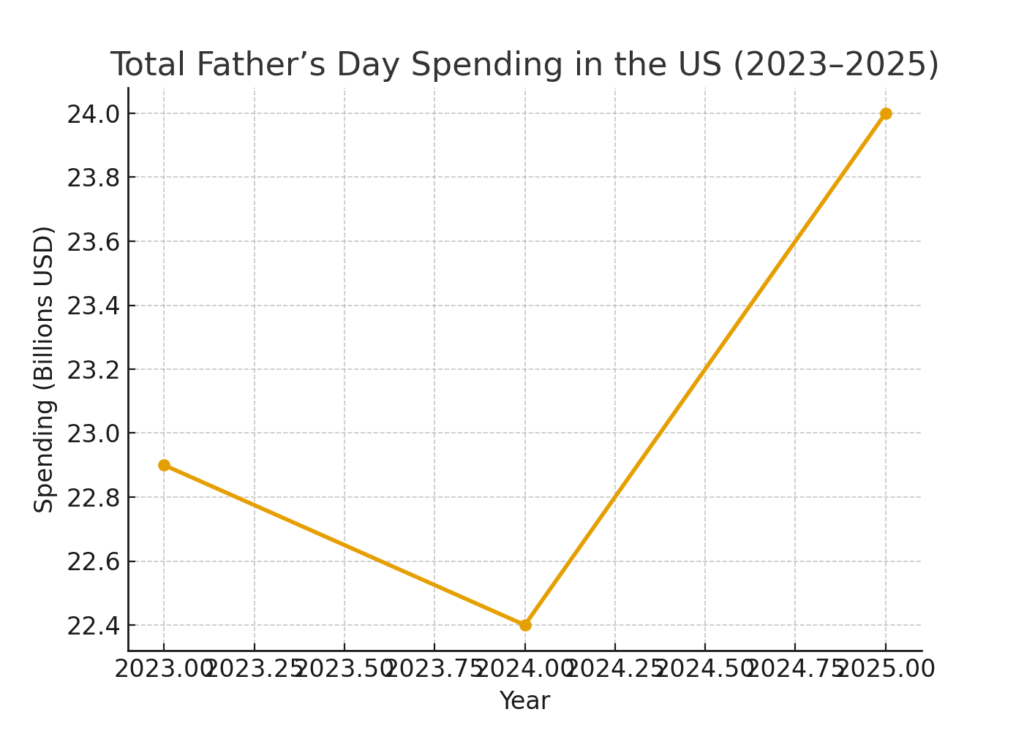
| 1 | Revenue | $24 Billion Total Spending | Record-breaking spending in 2025, up from $22.4B in 2024 - the market is growing rapidly |
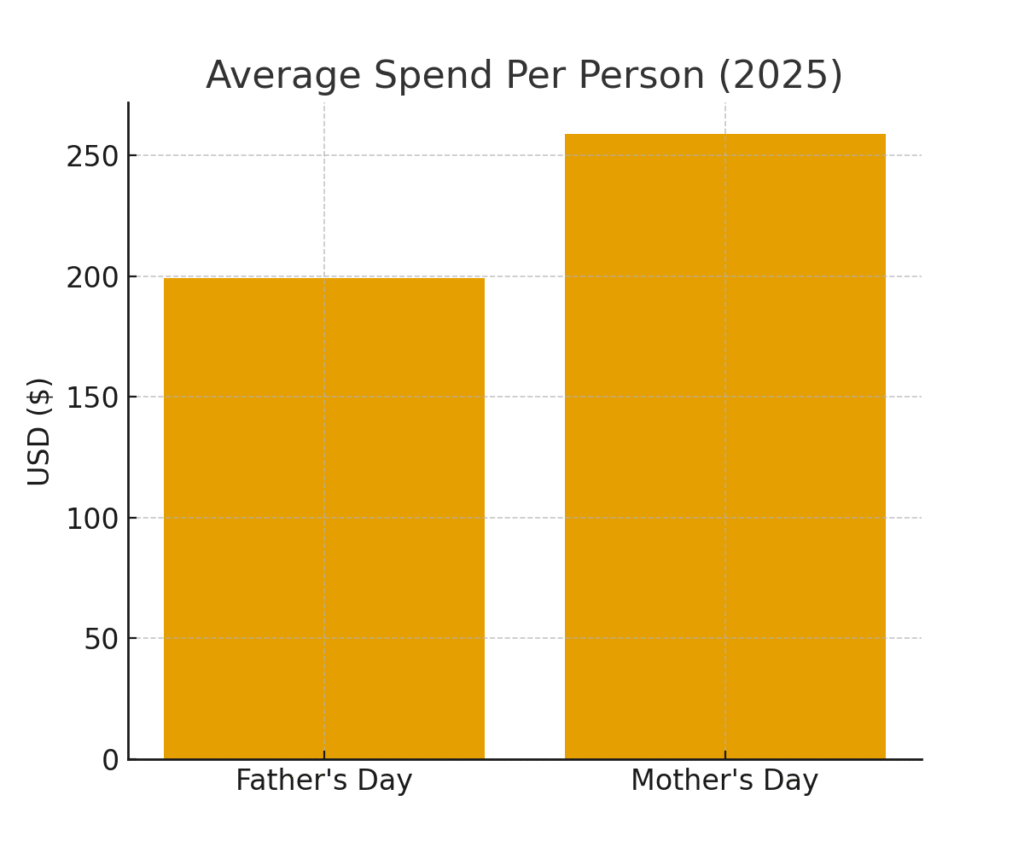
| 2 | Spending | $199.38 Average Per Person | Nearly $10 more than 2024 - consumers are willing to invest more in quality gifts |
| 3 | Demographics | $278.90 from Ages 35-44 | Highest spending demographic, up $27 from last year - target this age group |
| 4 | Experiences | $4.5B on Outings | Experiential gifts dominate - promote activities, dinners, and memorable experiences |
| 5 | Participation | 76% Plan to Celebrate | Three-quarters of consumers participate - massive market reach opportunity |
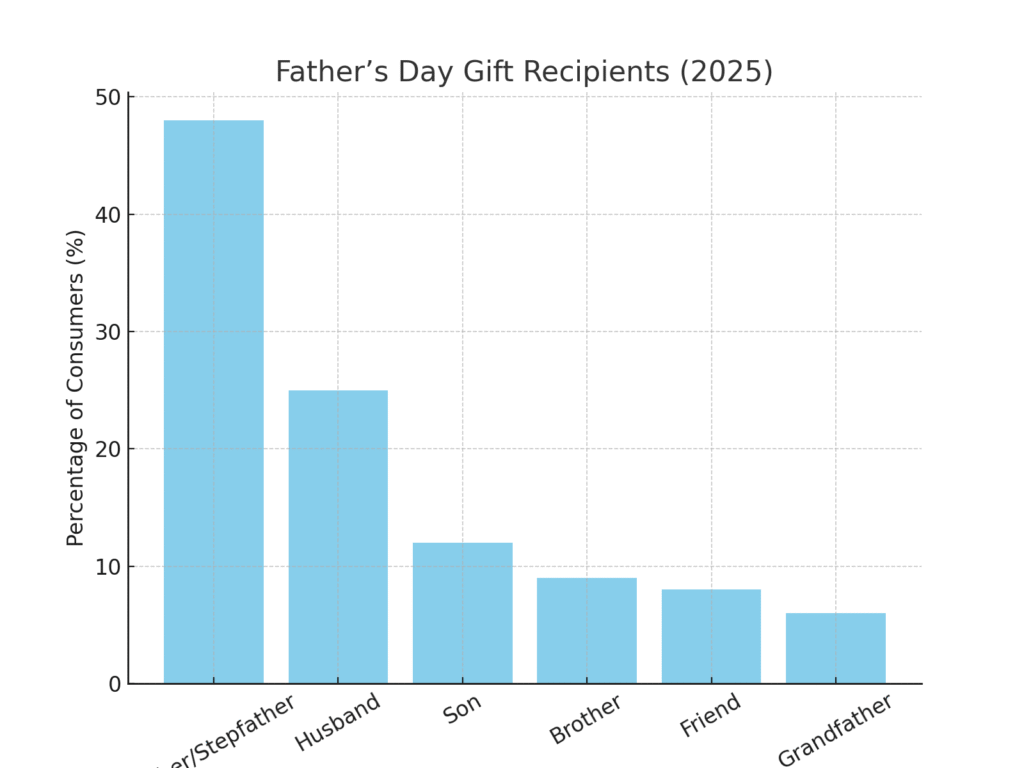
| 6 | Recipients | 48% Buy for Dad/Stepdad | Primary gift recipient, but don't ignore husbands (25%) and sons (12%) |
| 7 | Gift Recipients | Multiple Purchase Opportunities | Husbands 25%, sons 12%, brothers 9%, friends 8%, grandfathers 6% - cross-sell potential |
| 8 | E-commerce | 43% Shop Online | Up from 40% - strong online presence is essential for capturing sales |
| 9 | Omnichannel | 45% Big Box vs 39% Online | Nearly even split - invest in omnichannel strategies for maximum reach |
| 10 | Timing | 30% Shop Last Week | Prepare last-minute campaigns with fast shipping and instant gift options |
| 11 | Gift Types | 58% Cards, 55% Clothing | Followed by outings (53%) and gift cards (50%) - bundle these categories |
| 12 | Preferences | 46% Want Unique Gifts | 37% prioritize memory-creation - emphasize personalization and experiences |
| 13 | Email Marketing | 12-15% Higher Open Rates | Three weeks before Father's Day - email campaigns are highly effective |
| 14 | Content Strategy | 42% Higher Conversions | Creator-led gift guides for specific dad personas outperform generic content |
| 15 | Authenticity | 3x More Engagement | Authentic content beats polished branding - use real stories and UGC |
| 16 | Social Media | TikTok Leads Growth | Highest engagement for Father's Day, especially emotional/humorous content |
| 17 | Personalization | $10.76B Market Growth | Personalized gifts market expanding 2025-2029 - major opportunity for custom products |
| 18 | Sustainability | 66% Gen Z, 80% Millennials | Sustainability influences purchases - highlight eco-friendly options |
| 19 | Growth | 25% YoY Increase | Year-over-year shopping growth - market momentum is accelerating |
| 20 | Retention | 60-70% Existing vs 5-20% New | Selling to existing customers much easier - prioritize loyalty programs |
Top 20 Father’s Day Marketing Statistics 2025
Father’s Day Marketing Statistics #1: Spending To Reach $24 Billion
Father’s Day spending in 2025 is projected to reach an incredible $24 billion, setting a new record. This increase shows how the holiday has grown into a powerful retail event, no longer overshadowed by other occasions. Brands that tap into this growth have the chance to capture significant revenue through creative campaigns. The spending surge also indicates strong consumer confidence and willingness to splurge on meaningful gifts. For marketers, this makes Father’s Day a prime opportunity to launch attention-grabbing promotions.
Father’s Day Marketing Statistics #2: 76% Of Consumers Plan To Celebrate
About 76% of people are expected to celebrate Father’s Day in 2025. This wide participation means the holiday reaches across demographics, giving marketers a huge target audience. Celebrations span not only fathers but also stepfathers, husbands, and other father figures, creating diverse campaign angles. High engagement ensures that advertising investments will likely pay off in strong customer response. For businesses, knowing that three-quarters of consumers are involved highlights the importance of inclusive messaging.
Father’s Day Marketing Statistics #3: Average Spend Per Person Is $199.38
On average, shoppers are spending about $199.38 each for Father’s Day in 2025. This marks a steady rise compared to previous years, reflecting consumers’ growing willingness to invest in special gifts. Higher spending per person suggests that premium and personalized products are in demand. Marketers can leverage this by promoting luxury items, experience-based gifts, and personalized offerings. The upward trend also signals room for businesses to push higher-value bundles and upsell strategies.
Father’s Day Marketing Statistics #4: Age 35–44 Spend The Most At $278.90
Consumers between 35–44 years old are the highest spenders, averaging $278.90. This age group is often in peak earning years and motivated to honor both their fathers and their own roles as parents. Marketers targeting this demographic with personalized, premium campaigns will see better results. These shoppers are willing to invest in quality, which opens opportunities for lifestyle and luxury brands. Recognizing their spending power helps refine audience segmentation and ad targeting.
Father’s Day Marketing Statistics #5: 48% Buy For Fathers Or Stepfathers
Nearly half of consumers—48%—plan to buy gifts for their fathers or stepfathers. While this is the core audience, it leaves room for other relationships to be marketed toward. Campaigns can highlight inclusivity by acknowledging fathers, stepfathers, and mentors alike. This focus can make ads feel more relatable and emotionally resonant. Brands that tap into the father–child bond with heartfelt storytelling can stand out.
Father’s Day Marketing Statistics #6: Other Gift Recipients Include Husbands And Sons
Beyond fathers, recipients include husbands (25%), sons (12%), brothers (9%), friends (8%), and grandfathers (6%). This shows Father’s Day extends well beyond the traditional father role. Marketers can diversify messaging to highlight these relationships, appealing to broader audiences. Gift guides can feature tailored categories for each type of recipient. The expansion of gift-giving adds depth and new revenue streams to Father’s Day campaigns.
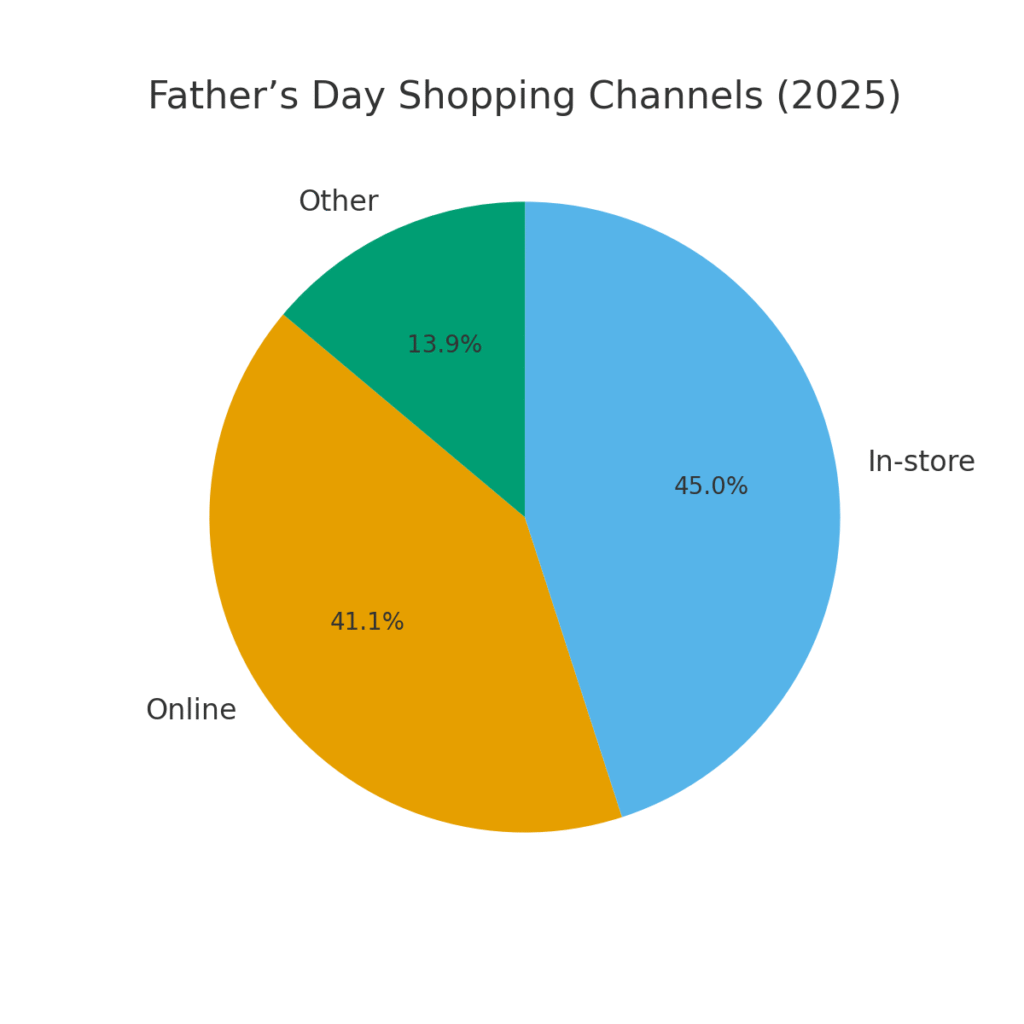
Father’s Day Marketing Statistics #7: 41.1% Shop Online For Gifts
About 41.1% of Father’s Day shopping happens online. E-commerce continues to dominate, and brands that optimize digital storefronts will thrive. With nearly half of consumers browsing online, visibility through SEO and paid ads is crucial. Mobile-friendly design and easy checkout also boost conversion rates. A strong online presence is non-negotiable for success in 2025 campaigns.
Father’s Day Marketing Statistics #8: 46.2% Want Unique Gifts
Roughly 46.2% of consumers prioritize uniqueness when shopping for Father’s Day gifts. This reflects a shift away from generic purchases like ties and mugs. Personalized or custom-made products are winning consumer attention. Marketers can capitalize on this trend by offering creative bundles or personalized engraving services. Highlighting uniqueness in advertising helps brands stand out in a crowded market.
Father’s Day Marketing Statistics #9: Growing Preference For Experiences
More consumers are choosing experiences, such as outings and events, over traditional gifts. Experience-based gifts create lasting memories, making them more meaningful. Marketers can focus on promoting travel packages, dining experiences, or tickets to events. This trend allows for creative collaborations between brands in different industries. Campaigns that stress memory-making will strongly resonate with modern consumers.
Father’s Day Marketing Statistics #10: Personalization Drives Sales
Personalization is a key driver in Father’s Day marketing. Shoppers increasingly want gifts that feel tailored to their loved one’s personality and hobbies. Options like custom engravings, personalized packaging, or curated gift boxes are gaining traction. Brands can charge higher prices for personalization while boosting customer satisfaction. Marketing messages that highlight individuality and thoughtfulness perform best.
Father’s Day Marketing Statistics #11: Average Spend Rose $10 From 2024
Spending per person grew by about $10 from 2024 to 2025. This steady increase reinforces the growing importance of Father’s Day as a commercial event. Marketers can use this insight to justify slightly higher-priced product ranges. The rise reflects consumers’ desire to enhance the quality of their gifts. Brands should emphasize value while leaning into premium product positioning.
Father’s Day Marketing Statistics #12: 47% Expect To Spend More
Nearly half of consumers—47%—anticipate spending more than they did last year. This signals optimism and a willingness to allocate larger budgets. For marketers, it’s an invitation to introduce upselling tactics and bundle deals. Highlighting premium and limited-edition products can capture this added spending power. Campaigns that tie value to emotional resonance will yield strong conversions.
Father’s Day Marketing Statistics #13: 64% Celebrate Globally
Globally, about 64% of people across 17 international markets celebrate Father’s Day. The holiday’s wide reach offers global brands a chance to connect cross-culturally. Regional campaigns can adapt to local customs while keeping universal themes of love and appreciation. This stat reinforces Father’s Day as not just a US-centric event but a global marketing opportunity. For international businesses, the potential for localized Father’s Day promotions is massive.
Father’s Day Marketing Statistics #14: Few Influenced By Advertising Globally
Only 5–8% of global consumers say they celebrate Father’s Day because of advertising or social media. Instead, they celebrate due to personal meaning and cultural tradition. This highlights the importance of authentic messaging over aggressive advertising. Marketers should focus on storytelling that aligns with consumers’ values. Emotional resonance is far more effective than overt sales tactics.
Father’s Day Marketing Statistics #15: Men Spend More Than Women
Men are expected to spend around $275 on average, compared to $185 by women. This spending gap shows gender differences in Father’s Day shopping behavior. Marketers can target male audiences with campaigns emphasizing high-value and premium products. Female shoppers, however, may be more motivated by thoughtful and budget-conscious gifts. Recognizing these differences can help brands fine-tune their targeting strategies.
Father’s Day Marketing Statistics #16: Omnichannel Presence Is Crucial
Since shopping is split between in-store and online, omnichannel marketing is essential. Consumers expect seamless integration across platforms, from ads to checkout. Brands with both a digital and brick-and-mortar presence can capture wider audiences. Omnichannel strategies also allow personalization at every stage of the buying journey. This ensures consistent brand visibility across multiple consumer touchpoints.
Father’s Day Marketing Statistics #17: Email Campaigns See 12–15% Higher Open Rates
Email campaigns around Father’s Day see open rates 12–15% higher than average. Personalized subject lines and gift guides can boost click-through rates up to 30%. Creator-embedded content in emails also drives stronger engagement. Marketers can leverage this by sending segmented campaigns based on recipient type. Email remains one of the most effective channels for Father’s Day promotions.
Father’s Day Marketing Statistics #18: Growing Interest In Outings Over Material Gifts
Outings and experiences are becoming a top choice compared to traditional material gifts. This trend underscores the emotional aspect of the holiday. Families are prioritizing shared memories over physical items. Brands offering dining, travel, or entertainment options will benefit greatly. Highlighting experiences as gifts sets businesses apart in Father’s Day marketing.
Father’s Day Marketing Statistics #19: Sustainability Influences Purchases
Many consumers now consider sustainability when buying Father’s Day gifts. Ethical sourcing, eco-friendly packaging, and sustainable products are gaining traction. Marketers can appeal to eco-conscious audiences by showcasing green initiatives. This aligns with growing consumer demand for responsible business practices. Promoting sustainability helps brands connect with modern values while boosting loyalty.
Father’s Day Marketing Statistics #20: Mother’s Day Still Outpaces Father’s Day
Despite growth, Father’s Day spending remains lower than Mother’s Day. In 2025, average spend per person for Mother’s Day is $259.04 versus $199.38 for Father’s Day. This gap suggests untapped potential in Father’s Day campaigns. Marketers can work to close the gap by emphasizing the importance of honoring fathers equally. With smart strategy, brands can elevate Father’s Day to closer parity with Mother’s Day spending.
Why These Insights Matter
Looking through these Father’s Day marketing statistics, I can’t help but reflect on how personal this holiday really is. Behind every number is a story of someone trying to celebrate their dad, stepdad, or mentor in a way that feels meaningful. To me, that’s the real power of marketing—not just influencing purchases, but helping people express love and gratitude. These insights remind me that if we, as marketers, put heart and creativity into our campaigns, we’re not just driving sales; we’re becoming part of cherished family traditions. And that, to me, feels like the most rewarding outcome of all.
SOURCES
https://www.klaviyo.com/blog/fathers-day-marketing
https://illumin.com/insights/blog/fathers-day-advertising-trends-for-2025/
https://www.theshelf.com/the-blog/fathers-day-stats-infographic/
https://www.level.agency/perspectives/mastering-fathers-day-marketing/
https://ecomposer.io/blogs/news/fathers-day-marketing-ideas
https://popularpays.com/blog/how-to-win-fathers-day-2025
https://enhencer.com/blog/fathers-day-ecommerce-online-advertising
https://www.paytronix.com/blog/fathers-day-marketing
https://dreamship.com/blog/en/fathers-day-2025-trend-and-selling-strategies
https://inuvo.com/reaching-every-kind-of-dad-smarter-fathers-day-advertising/
https://www.socalnewsgroup.com/2025/06/06/fathers-day-marketing-trends/