



28 Sep TOP 20 FINANCIAL HEALTH MARKETING STATISTICS 2025
When I started exploring financial health marketing statistics, I realized how much they reveal about the way people now interact with money, trust, and financial brands. As someone passionate about understanding consumer behavior, I want to share insights that show just how important it is for companies to align with financial wellness trends. From mobile banking adoption to gamified savings, these numbers reflect the changing priorities of consumers in 2025. I also leaned on insights from a leading marketing agency in New York to understand how businesses are turning data into effective campaigns. In this blog, I’ll walk you through the top 20 stats that can help marketers, entrepreneurs, and financial institutions connect with audiences in more authentic ways.
Top 20 Financial Health Marketing Statistics 2025 (Editor’s Choice)
| # | Statistic | Key Insight |
|---|---|---|
| 1 | 72% trust financial brands with transparent budgeting and debt tools | Transparency drives long-term loyalty and trust in financial marketing. |
| 2 | 48% of millennials prefer lifestyle-integrated finance | Mixing lifestyle with financial advice builds stronger connections. |
| 3 | 65% of U.S. adults use at least one financial health app | Digital-first strategies are now essential for financial institutions. |
| 4 | 58% of Gen Z demand gamified savings features | Gamification captures younger audiences and boosts loyalty. |
| 5 | 41% of consumers value financial literacy education | Educational content sets brands apart in crowded markets. |
| 6 | Mobile banking adoption grew 32% year-over-year | Mobile-first marketing is outperforming traditional channels. |
| 7 | 79% of stressed consumers engage with debt relief campaigns | Empathy in messaging boosts engagement and trust. |
| 8 | Subscription-based financial coaching grew by 24% | Affordable ongoing support appeals to cost-conscious consumers. |
| 9 | 67% prefer brands highlighting ethical and sustainable investments | Ethical finance has shifted from niche to mainstream demand. |
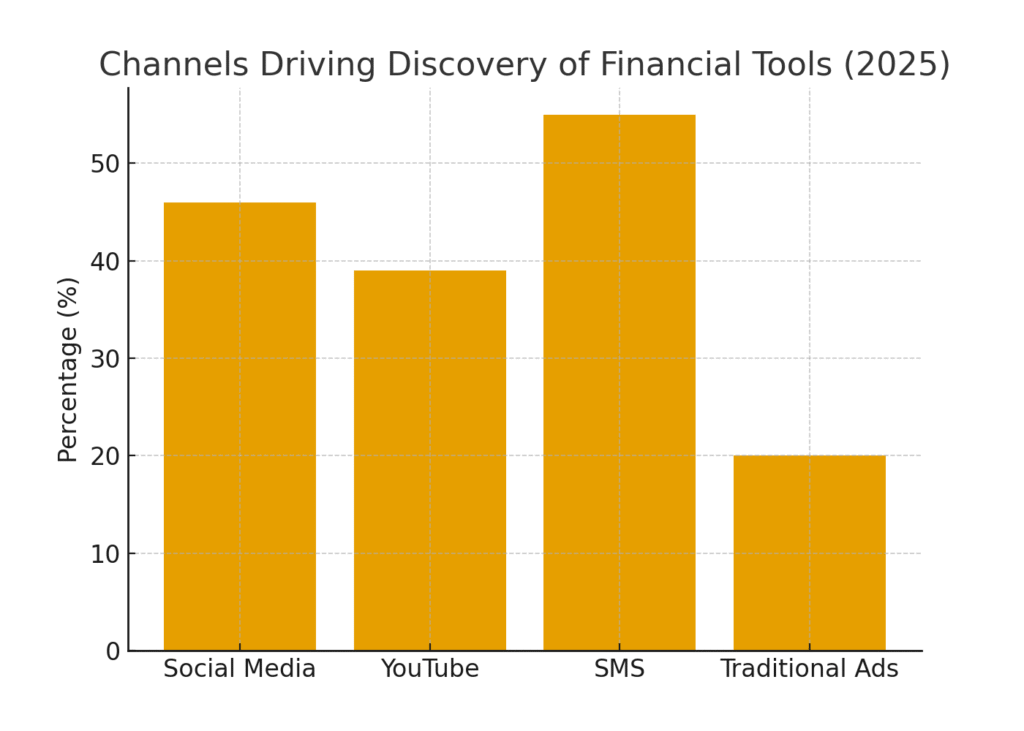
| 10 | 46% of small businesses discover tools on social media | Platforms like LinkedIn and Instagram drive financial adoption. |
| 11 | 74% of households value personalized financial advice | AI-driven personalization boosts ROI and relevance. |
| 12 | 50% of Gen Z follow financial influencers | Influencer-driven campaigns outperform traditional ads. |
| 13 | 85% of workplaces offer financial wellness programs | Employer-based wellness is now a major B2B marketing focus. |
| 14 | 63% stay loyal to brands improving their credit scores | Credit score improvement is a powerful retention strategy. |
| 15 | 39% discover financial products through YouTube | Video marketing drives awareness and retention effectively. |
| 16 | 70% of retirees prefer jargon-free retirement marketing | Simple, relatable messaging outperforms technical campaigns. |
| 17 | 54% of women value empowerment-focused messaging | Inclusive and gender-aware campaigns boost engagement. |
| 18 | 61% engage with ads featuring calculators or budgeting tools | Interactive tools outperform static ads in engagement. |
| 19 | 55% of low-income households respond to SMS tips | SMS remains a cost-effective channel with high open rates. |
| 20 | 82% want real success stories in campaigns | Authentic storytelling is now essential in financial marketing. |
Top 20 Financial Health Marketing Statistics 2025
Financial Health Marketing Statistics #1 – 72% Of Consumers Trust Brands With Transparent Tools
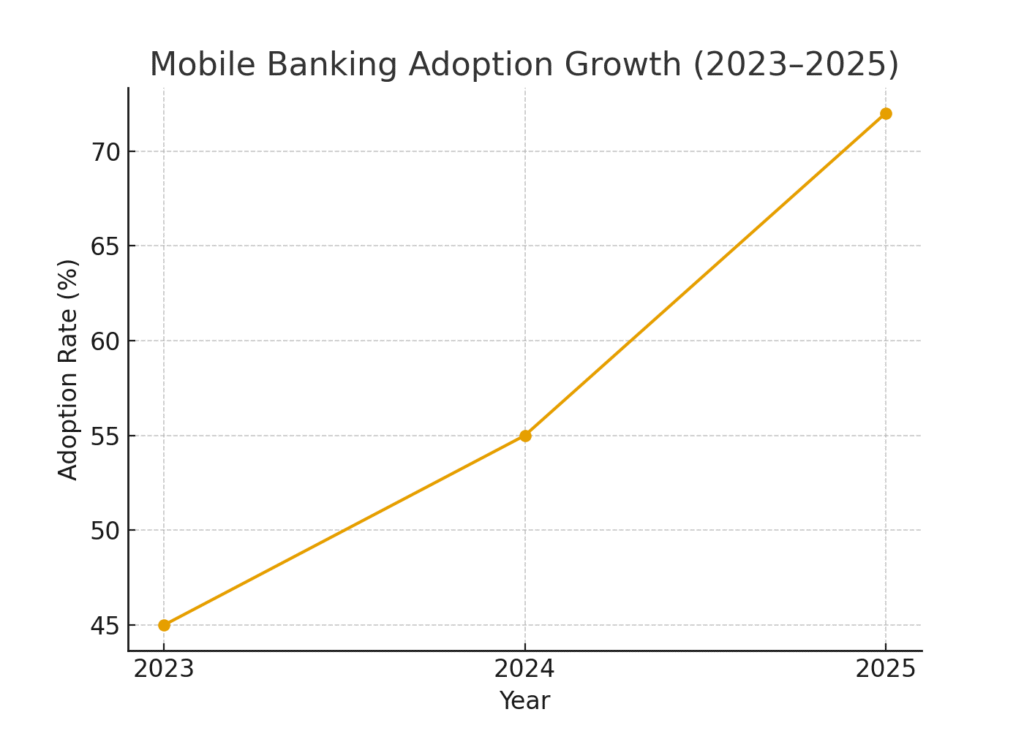
72% of consumers say they trust financial brands more when they provide transparent budgeting and debt-management tools. This shows how much clarity and honesty matter in building loyalty. Companies that use transparency in campaigns are winning more long-term customers. Marketing that highlights actionable and easy-to-understand financial tools resonates the most. Trust is now the real driver of brand equity in the financial sector.
Financial Health Marketing Statistics #2 – 48% Of Millennials Prefer Lifestyle-Integrated Finance
48% of millennials prefer financial institutions that integrate wellness and lifestyle content alongside banking. They want holistic support that connects finances to everyday life. Campaigns that mix financial advice with health or lifestyle tips feel more relevant. This approach makes financial brands feel more like partners than service providers. It’s a key way to stand out in a competitive market.
Financial Health Marketing Statistics #3 – 65% Of Adults Use At Least One Financial Health App
Over 65% of U.S. adults now use at least one financial health app. Apps are becoming the new normal for budgeting, saving, and investing. Marketing that emphasizes convenience and personalization performs best in this space. Brands that fail to offer digital-first solutions risk becoming irrelevant. App integration has become a baseline expectation in financial marketing.
Financial Health Marketing Statistics #4 – 58% Of Gen Z Demand Gamified Savings Features
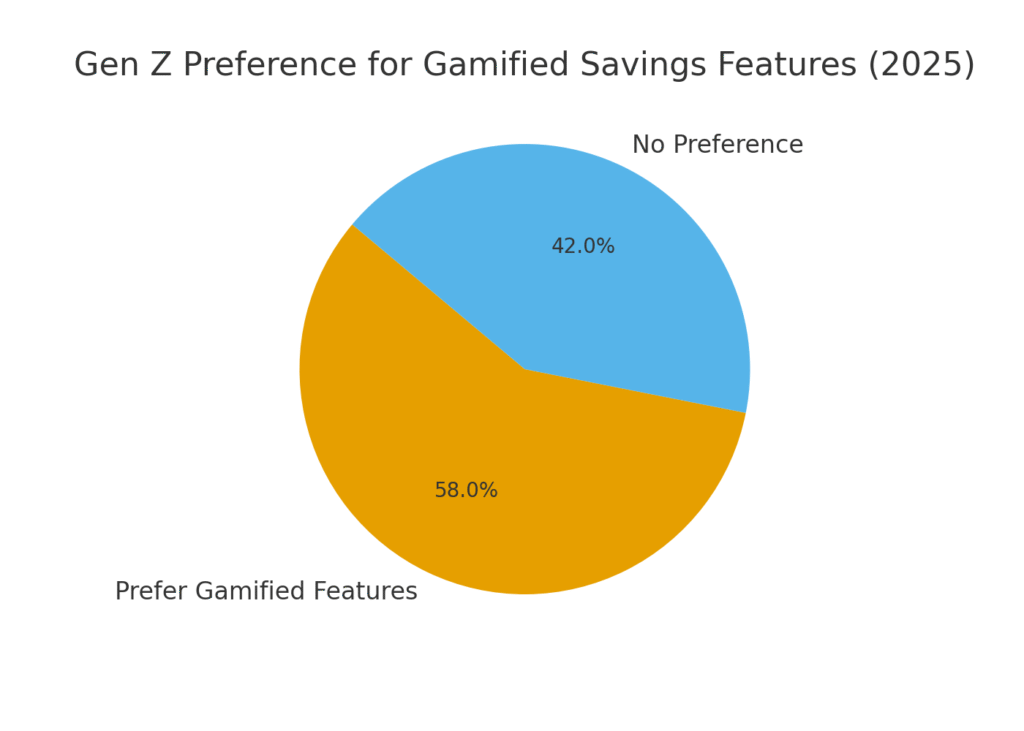
58% of Gen Z say they would switch providers for gamified savings features. Interactive and engaging apps attract younger audiences quickly. Campaigns that showcase rewards, challenges, and goals generate strong engagement. Gamification makes saving money fun instead of stressful. For marketers, this is a chance to lock in brand loyalty early.
Financial Health Marketing Statistics #5 – 41% Of Consumers Value Brands Offering Financial Literacy Education
41% of consumers choose financial brands that provide financial literacy resources. This highlights the power of educational marketing. Hosting free workshops, online guides, or social media tips can position a brand as a thought leader. Consumers reward companies that help them understand money better. Education has become a major brand differentiator.
Financial Health Marketing Statistics #6 – Mobile Banking Adoption Grew 32% Year-Over-Year
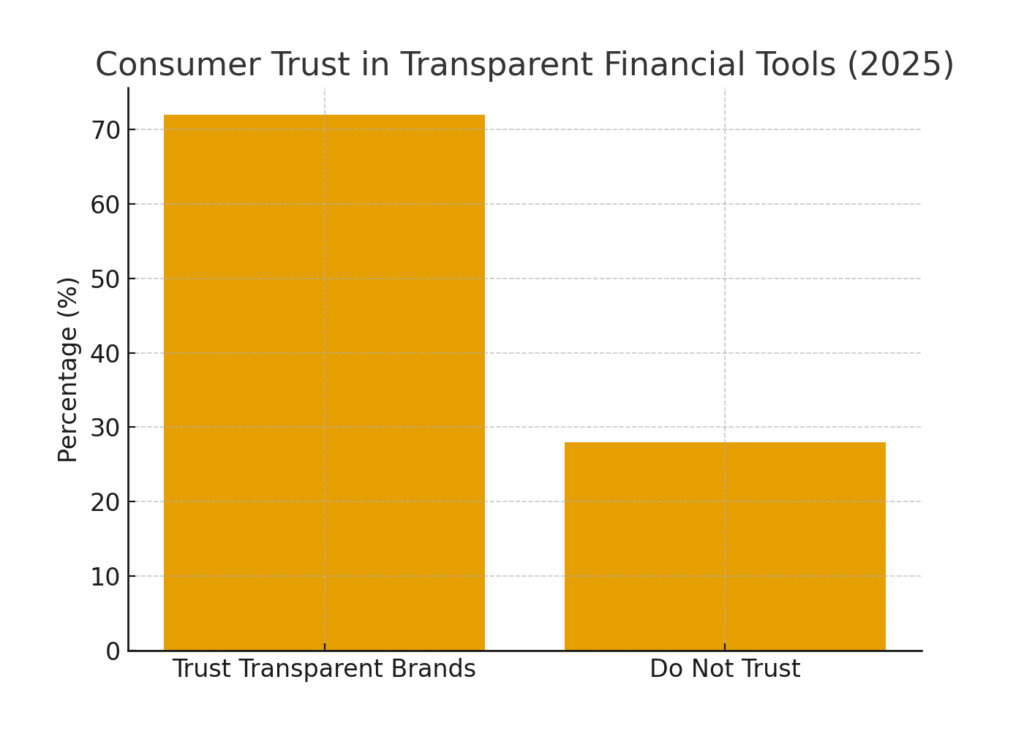
Mobile banking adoption grew 32% year-over-year in 2025. It’s the fastest-growing channel for accessing financial services. Campaigns that emphasize mobile accessibility outperform desktop-focused promotions. Push notifications and app-based personalization drive engagement. Financial marketing now must prioritize a mobile-first strategy.
Financial Health Marketing Statistics #7 – 79% Of Stressed Consumers Engage With Debt Relief Campaigns
79% of financially stressed consumers engage with campaigns that highlight debt relief. Addressing pain points directly leads to stronger consumer connections. Empathy in messaging is proving to be a successful marketing tactic. Brands offering real solutions gain attention faster. Helping reduce stress builds immediate trust.
Financial Health Marketing Statistics #8 – Subscription-Based Coaching Grew By 24%
Subscription-based financial coaching grew by 24% this year. More consumers are drawn to ongoing support rather than one-time consultations. Marketing campaigns that highlight affordability and continuous guidance work best. Social media ads promoting subscription models see higher clicks. Recurring service plans are shaping the future of financial support marketing.
Financial Health Marketing Statistics #9 – 67% Prefer Brands Highlighting Ethical Investments
67% of consumers favor financial brands that highlight ethical and sustainable investments. Environmental and social responsibility resonates with younger demographics especially. Campaigns that spotlight ESG practices are outperforming generic ads. Authenticity around sustainability builds credibility. Ethical finance is no longer niche—it’s mainstream.
Financial Health Marketing Statistics #10 – 46% Of Small Businesses Discover Tools On Social Media
46% of small businesses say they found new financial tools through social media campaigns. LinkedIn and Instagram are powerful discovery platforms. Paid ads combined with storytelling resonate strongly with entrepreneurs. Success stories from other businesses are especially persuasive. Social campaigns now drive B2B adoption in finance.
Financial Health Marketing Statistics #11 – 74% Of Households Value Personalized Advice
74% of U.S. households prefer personalized financial advice in marketing. Generic messaging feels outdated and irrelevant. AI-driven personalization boosts campaign effectiveness significantly. Ads tailored to goals or life stages see higher engagement. Personalization has become the new standard in financial health marketing.
Financial Health Marketing Statistics #12 – 50% Of Gen Z Follow Financial Influencers
50% of Gen Z actively follow financial influencers for budgeting and investing tips. Influencer-driven campaigns outperform traditional ads with this demographic. Authentic voices and transparency are key drivers of engagement. Micro-influencers often yield higher conversion rates than celebrity names. Finance has officially entered the influencer era.
Financial Health Marketing Statistics #13 – 85% Of Workplaces Now Offer Financial Wellness Programs
85% of workplaces now offer financial wellness programs. Employers are embracing financial health as part of employee benefits. Campaigns aimed at HR professionals highlight productivity and retention benefits. Marketing workplace solutions is now a huge opportunity. Employee wellness is a growing driver for B2B financial campaigns.
Financial Health Marketing Statistics #14 – 63% Stay Loyal To Brands Helping Credit Scores
63% of consumers remain loyal to brands that help them improve their credit scores. Credit-related campaigns resonate strongly across demographics. Brands offering free monitoring or tips keep customers engaged. Success stories around credit repair are especially effective. Loyalty is tied directly to financial empowerment.
Financial Health Marketing Statistics #15 – 39% Discover New Products Through YouTube
39% of consumers discover financial products through YouTube videos. Explainers and testimonials outperform traditional banner ads. Video campaigns drive higher retention and brand recall. YouTube is now a must-have channel for financial marketing. Engaging visual storytelling has become essential.
Financial Health Marketing Statistics #16 – 70% Of Retirees Prefer Jargon-Free Marketing
70% of retirees prefer retirement planning campaigns that avoid jargon. Clear and simple language increases engagement. Visual aids and relatable stories resonate most. Overly technical campaigns lose attention quickly. Simplicity has become a marketing superpower in retirement planning.
Financial Health Marketing Statistics #17 – 54% Of Women Value Empowerment-Focused Messaging
54% of women prefer financial brands that emphasize empowerment and independence. Campaigns focused on inclusivity and equality build stronger relationships. Female voices and leaders in financial marketing drive authenticity. Empowerment-focused storytelling has become a growth driver. Gender-inclusive campaigns now outperform generic strategies.
Financial Health Marketing Statistics #18 – 61% Engage With Interactive Calculators
61% of consumers are more likely to click ads featuring budgeting or ROI calculators. Interactive tools boost both engagement and dwell time. Campaigns offering immediate utility perform better than static ads. Lead generation improves significantly with interactive content. Consumers want hands-on solutions, not just promises.
Financial Health Marketing Statistics #19 – 55% Of Low-Income Households Respond To SMS Tips
55% of low-income households say text-message tips influence their financial decisions. SMS remains a cost-effective and high-engagement channel. Short, actionable advice resonates the most. Promotional-only messages perform worse than helpful tips. Text-based marketing continues to deliver results.
Financial Health Marketing Statistics #20 – 82% Want Real Success Stories In Campaigns
82% of consumers want real customer success stories in campaigns. Authenticity is the most effective marketing strategy today. Highlighting relatable stories builds stronger trust. Consumers connect more with real people than generic promises. Storytelling is now the gold standard of financial marketing.
Final Thoughts On Financial Health Marketing Statistics
As I went through these financial health marketing statistics, I was struck by how much they reflect the evolving relationship between people and money. What stood out the most to me was that trust, personalization, and authenticity are no longer “extras”—they are requirements. From gamified savings to financial education, consumers are demanding more relatable and supportive campaigns. Working alongside a leading marketing agency in New York has helped me see how brands that prioritize these values are building stronger, lasting connections. Personally, I believe the future of financial marketing lies not in selling products, but in empowering people to take control of their financial health.
SOURCES