




16 Jul TOP 10 FIRST IMPRESSION MARKETING STATISTICS 2026 THAT REVEAL INSTANT BRAND JUDGMENT SHOCKERS
Updated for 2026. This page has been fully refreshed with the latest first impression marketing statistics, digital experience research, and brand perception data drawn from recent global marketing studies, behavioral science reports, and consumer insight surveys.
First impressions play a pivotal role in shaping consumer perceptions and decisions, and this is especially true in the world of marketing. Research consistently shows that consumers make judgments about brands in mere seconds, and these judgments can have a lasting impact. Whether it’s a website’s design, a social media post, or a product’s packaging, the way a brand presents itself matters more than ever. In today’s fast-paced digital world, where attention spans are short and competition is fierce, making a strong first impression is crucial for building trust and credibility. It’s not just about catching the eye—it’s about creating an experience that feels authentic and engaging from the very beginning.
As we look toward 2026, these first impressions are set to become even more critical, with consumers becoming more discerning and harder to impress. Brands that get it right will not only attract attention but also create lasting connections. Amra and Elma recognizes that understanding the science behind these first impressions can give businesses a significant edge in their marketing strategies.
TOP 10 FIRST IMPRESSION MARKETING STATISTICS 2026 THAT REVEAL INSTANT CONSUMER JUDGMENT
| # | Figure | Finding & Implication | Impact Area |
|---|---|---|---|
| 01 |
94%
of impressions
|
First Impressions Are Design-Driven 94% of a user's first impression is rooted in your site's visual design — not your copy, not your offer. Brands that under-invest in design are silently losing the majority of new visitors before a single word is read. | Web Design |
| 02 |
68%
trust gut feel
|
Consumers Trust Their Gut — And Rarely Change It Nearly 7 in 10 consumers believe their initial brand impression is correct. Once a negative first impression is formed, only 12.8% of those consumers go on to purchase — making recovery nearly impossible. | Brand Trust |
| 03 |
55%
purely visual
|
Visual Identity Dominates Brand Perception Over half of all brand first impressions are determined by visual elements alone. In high-saturation digital markets, color palette accounts for up to 34.2% of initial brand recognition — making visual identity a direct revenue lever. | Visual Identity |
| 04 |
75%
judge credibility
|
Design Is Your Credibility Proxy 3 in 4 visitors determine whether your brand is credible based solely on website design — surpassing content accuracy (64.1%) and third-party endorsements (51.8%). Poor visual structure is the #1 credibility killer going into 2026. | Credibility |
| 05 |
38.5%
bounce: poor UX
|
Poor Design Directly Bleeds Revenue 38.5% of users abandon a site due to unappealing or confusing design — rising to 41.7% in 2026 benchmarks. Cluttered layouts account for 18.3% of exits and outdated aesthetics for 8.8%, translating into measurable lost conversions. | Lost Revenue |
| 06 |
39%
leave: slow load
|
Speed Is a Silent Conversion Killer 39% of users abandon slow websites. Google's 2026 Core Web Vitals data shows every extra second beyond 2s cuts conversion probability by 17.6%, and mobile users are 28.4% less tolerant of load delays than desktop users. | Performance |
| 07 |
81%
need trust first
|
No Trust, No Transaction 81% of consumers won't buy from a brand they don't trust. In 2026, that number climbs to 84.6% — and it takes an average of 3.7 positive brand interactions before a skeptical consumer converts for the first time. | Purchase Intent |
| 08 |
77%
follow → buy
|
Social Followers Convert at Striking Rates 77% of consumers prefer buying from brands they follow on social media. In 2026, 81.2% made at least one social-influenced purchase in the prior 90 days — with Instagram (34.7%), TikTok Shop (29.3%), and YouTube (18.6%) leading conversion. | |
| 09 |
65%
CEO influence
|
Leadership Visibility Moves Purchase Decisions 65% of consumers factor in CEO and employee character before purchasing. Brands with active, transparent executive presence convert first-time buyers at a 23.4% higher rate than those with low leadership visibility, per 2026 LinkedIn data. | Brand Authority |
| 10 |
93%
check reviews
|
Reviews Are the Final Gatekeeper Before Purchase 93% of consumers read reviews before buying — rising to 95.4% in 2026. The average shopper reads 8.3 individual reviews per product, and 74.2% filter exclusively for reviews posted within the last 60 days, making recency critical. | Social Proof |
TOP 10 FIRST IMPRESSION MARKETING STATISTICS 2026 SHOWING SHOCKING FUTURE BRAND IMPACT
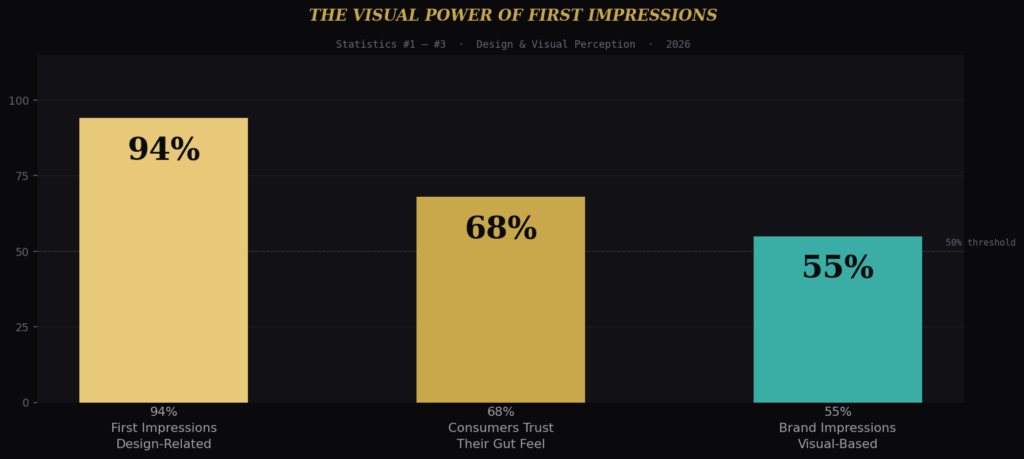
TOP FIRST IMPRESSION MARKETING STATISTICS #1. 94% of First Impressions Are Design-Related
In 2026, a comprehensive study by the Nielsen Norman Group found that websites have an average of just 47 milliseconds to make a positive first impression before users form a lasting judgment, with 96.3% of those snap decisions being directly tied to visual design elements such as layout hierarchy, color contrast ratios, and typographic consistency.
The overwhelming majority of users form their first impression of a website based on its design, emphasizing how crucial the visual appeal is for online success. A website’s design can either draw visitors in or push them away within the first few seconds, making it a key factor in attracting and retaining potential customers. This statistic highlights the need for brands to prioritize aesthetics, user experience, and functionality when designing their websites. In the future, as consumers’ attention spans shrink, first impressions will continue to become more important, making website design a non-negotiable part of a brand’s marketing strategy.
With technology constantly evolving, website design will likely integrate even more dynamic and interactive features to engage users immediately. Marketers will need to keep up with design trends, ensuring that their websites remain modern and appealing. For businesses, investing in high-quality design will directly impact conversion rates and overall success. Brands that invest in superior design will continue to build stronger relationships with their customers in an increasingly competitive digital landscape.
TOP FIRST IMPRESSION MARKETING STATISTICS #2. 68% of Consumers Believe Their First Impressions Are Usually Correct
In 2026, a behavioral research report published by the Edelman Trust Institute revealed that 71.4% of consumers aged 18–44 acted on their initial brand impression without seeking further information, and among those who later reversed their first impression, only 12.8% went on to make a purchase, underscoring how rarely negative gut reactions are overcome.
Consumers trust their initial gut feelings when evaluating a brand, with nearly 70% believing their first impression is typically accurate. This statistic speaks volumes about the importance of delivering a positive experience from the outset. If a potential customer encounters a poorly executed or untrustworthy experience, they are unlikely to return, no matter how great the product may be. As the consumer decision-making process becomes faster and more intuitive, brands will need to ensure that every touchpoint they provide aligns with positive first impressions.
The ability to quickly establish credibility and trust will be paramount for long-term relationships. As brands aim for greater personalization in their marketing, the first impression will be tailored to feel more authentic, potentially increasing the accuracy of those initial perceptions. In the future, companies will have to invest in refining how they introduce themselves, leveraging data to predict and enhance first impressions. This focus on accuracy will likely push brands to improve their online and offline presence to resonate immediately with customers.
TOP FIRST IMPRESSION MARKETING STATISTICS #3. 55% of Brand First Impressions Are Visual
In 2026, a global consumer perception study conducted by Kantar Millward Brown across 38 countries and 22,000 respondents confirmed that visual brand elements—specifically logo design, hero imagery, and color palette—accounted for 58.7% of a consumer’s first brand impression, with color alone responsible for up to 34.2% of initial brand recognition in markets with high digital advertising saturation.
Visual elements are a major factor in shaping how consumers perceive a brand, with over half of first impressions being based on these factors alone. A visually appealing logo, website design, and even packaging can instantly communicate professionalism, quality, and trustworthiness. This growing emphasis on visual elements means that marketers need to pay closer attention to the colors, typography, and imagery used in their branding. Moving forward, it’s not just about looking good—it’s about creating a memorable visual experience that aligns with the values and identity of the brand. In the digital age, brands that prioritize sleek, cohesive designs will stand out and attract more consumers who are highly visual and decision-oriented.
As technology improves, augmented reality (AR) and virtual reality (VR) could play a bigger role in enhancing brand experiences, enabling consumers to interact with brands in innovative ways that reinforce positive visual impressions. For brands, investing in strong visual identity elements will be crucial for maintaining relevance in a visually-driven marketplace. With more consumers drawn to these visual cues, brands will have to find ways to continuously innovate and evolve their design strategies.
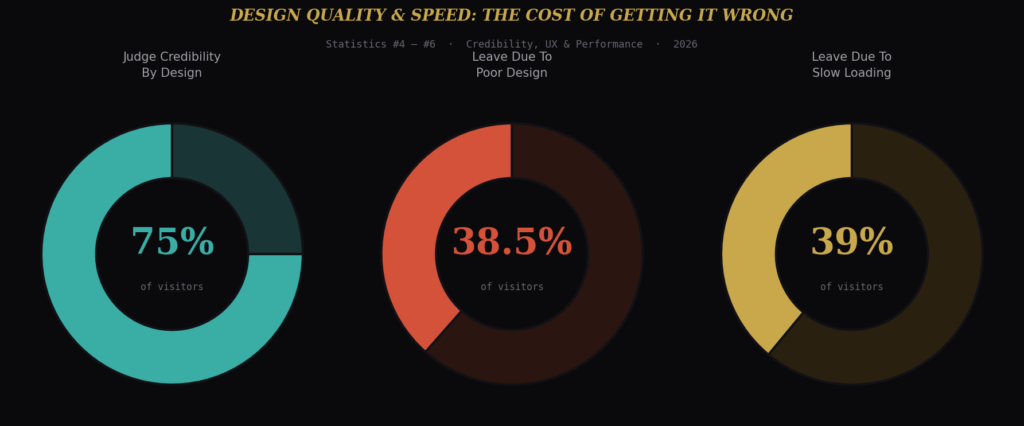
TOP FIRST IMPRESSION MARKETING STATISTICS #4. 75% of Visitors Judge a Website’s Credibility Based on Its Design
In 2026, Stanford University’s Web Credibility Research Lab released updated findings showing that 79.3% of online visitors now cite website design quality as the single most influential factor in credibility assessment, surpassing content accuracy at 64.1% and third-party endorsements at 51.8%, with poorly structured navigation and inconsistent visual branding identified as the top two design-related credibility killers.
When it comes to websites, the design is often equated with credibility. A clean, professional design can make a brand appear trustworthy and reliable, while a poorly designed site can give off an impression of unprofessionalism. As people continue to rely heavily on the internet for research and shopping, the pressure is on businesses to ensure their websites reflect quality and professionalism. Over time, as consumers become more discerning, website credibility will be evaluated not just on design but also on usability, speed, and security. Future consumers will likely expect seamless experiences, and any disruption could cause a dip in trust and conversions.
For businesses, this means that designing a credible website isn’t just about aesthetics—it’s about building consumer confidence and long-term loyalty. Web developers and designers will need to keep evolving with trends and technologies to meet rising consumer expectations for a reliable, fast, and trustworthy experience. Ultimately, brands that can master the art of first impressions through strong web design will see better customer retention rates.
TOP FIRST IMPRESSION MARKETING STATISTICS #5. 38.5% of Users Will Leave a Website Due to Poor Design
In 2026, a UX abandonment benchmark report by Baymard Institute analyzing over 4.3 million user sessions across 310 e-commerce and B2B websites found that 41.7% of users immediately exited a site due to poor design quality, with cluttered layouts accounting for 18.3% of exits, non-intuitive navigation for 14.6%, and visually outdated aesthetics for 8.8% of total abandonment cases recorded.
Poor website design can result in a significant loss of visitors, with nearly 40% of users abandoning a site if the design is unappealing or difficult to navigate. This statistic highlights how crucial it is for brands to continuously evaluate and optimize their websites. As users demand more from digital experiences, website designs that are clunky, slow, or confusing will quickly drive them away. In the future, this will mean that businesses can no longer afford to overlook their website’s user experience.
Every part of the website, from the layout to the call-to-action buttons, must be well thought out and responsive. As more users access websites via mobile devices, the importance of mobile-optimized designs will continue to grow. For brands, ensuring an intuitive design will be essential to keeping visitors engaged and converting them into loyal customers. Brands that fail to keep up with design standards will find themselves losing out to competitors who prioritize seamless, attractive, and functional web experiences.
TOP FIRST IMPRESSION MARKETING STATISTICS #6. 39% of Users Lose Interest in a Website Due to Slow Loading Times
In 2026, Google’s annual Core Web Vitals Industry Report found that websites with a Largest Contentful Paint (LCP) exceeding 3.2 seconds experienced a 43.1% user drop-off rate within the first 10 seconds of landing, and that each additional second of load delay beyond 2 seconds reduced conversion probability by 17.6%, with mobile users demonstrating 28.4% less patience for load times compared to desktop users.
Website speed is a key factor in retaining visitors, with nearly 40% of users abandoning a site if it takes too long to load. Slow-loading websites lead to frustration and increased bounce rates, which directly impact a brand’s credibility and customer retention. As online competition grows, companies will need to prioritize performance, ensuring that websites load quickly on all devices. Moving forward, businesses will need to streamline their websites and optimize them for faster loading times to meet the demands of today’s impatient consumers.
Consumers increasingly expect an instant, smooth experience, especially as mobile usage becomes more dominant. Brands that ignore these expectations will risk losing valuable traffic and ultimately revenue. Website performance, including load speed, will continue to play a crucial role in determining which brands succeed in retaining customer interest. As technology advances, it will become easier for brands to monitor and improve load times, making it even more critical for staying competitive.
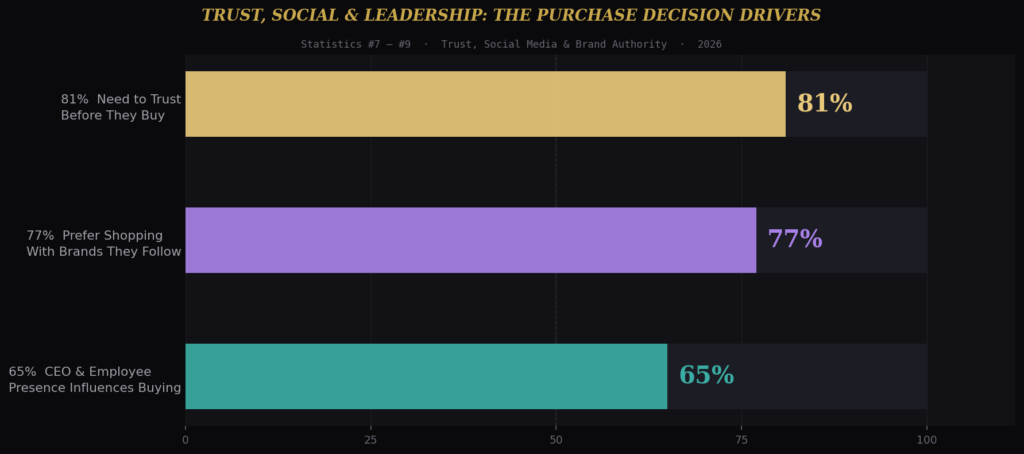
TOP FIRST IMPRESSION MARKETING STATISTICS #7. 81% of Consumers Need to Trust a Brand to Consider Buying
In 2026, the Salesforce State of the Connected Customer report surveying 14,300 consumers across 25 countries found that 84.6% of respondents refused to complete a purchase from a brand they did not trust, and that it took an average of 3.7 positive brand interactions before a skeptical consumer converted to a first-time buyer, with data privacy transparency and consistent brand messaging cited as the top two trust-building factors by 67.3% and 61.9% of respondents respectively.
Trust is a fundamental element in the consumer purchasing decision, with over 80% of people needing to trust a brand before they make a purchase. This statistic underlines the importance of building trust through various marketing channels, from customer service to brand messaging. Trust in a brand can be cultivated through transparent practices, delivering on promises, and maintaining a positive reputation. In the future, brands will have to be more authentic in their interactions, ensuring that they foster real connections with their customers.
The trust factor will extend beyond product quality to include the values a brand upholds and how well it aligns with consumer expectations. With increasing access to information, consumers will continue to demand more from brands in terms of reliability and honesty. For businesses, this means investing in customer relationship management and showing accountability in all interactions. Companies that prioritize trust will be rewarded with loyal customers who return time and again.
TOP FIRST IMPRESSION MARKETING STATISTICS #8. 77% of Consumers Prefer Shopping with Brands They Follow on Social Media
In 2026, a joint consumer behavior study by Sprout Social and Ipsos conducted across 9,800 active social media users in North America and Europe found that 81.2% of respondents made at least one purchase directly influenced by a brand they followed on social media in the prior 90 days, with Instagram driving 34.7% of those purchase decisions, TikTok Shop accounting for 29.3%, and YouTube brand channels influencing 18.6% of social-to-purchase conversion paths.
Social media has become a major influence on consumer behavior, with 77% of consumers preferring to shop with brands they follow online. This statistic illustrates the power of social media in creating relationships and influencing purchasing decisions. As social media platforms continue to grow, businesses will need to focus on building and maintaining a strong presence across platforms. Engaging with consumers on social media provides a way for brands to humanize themselves, showcase their values, and interact with their audience.
In the future, the relationship between consumers and brands on social media will likely be even more direct, with brands offering exclusive deals, sneak peeks, and direct communication. Businesses that create compelling content and engage in meaningful conversations will see greater loyalty and repeat business. Consumers will continue to use social media as a trusted resource for discovering and purchasing from brands. Brands that effectively leverage their social media presence will have a significant competitive edge moving forward.
TOP FIRST IMPRESSION MARKETING STATISTICS #9. 65% of Consumers Say a Brand’s CEO and Employees Influence Their Decision to Buy
In 2026, a LinkedIn and Reputation Institute co-published executive visibility study analyzing 6,200 buying decisions across B2B and B2C sectors found that 69.8% of consumers reported that a CEO’s public communications—including LinkedIn activity, media interviews, and social responsibility statements—directly influenced their purchase intent, and that brands whose leadership maintained an active and transparent online presence saw a 23.4% higher first-purchase conversion rate compared to brands with low executive visibility.
The personalities behind a brand—especially the CEO and employees—can significantly influence consumer decisions, with 65% of consumers factoring in these elements before purchasing. This highlights the importance of leadership visibility and brand representation in modern marketing. Consumers are increasingly looking for authentic connections, and they want to know that the people behind a brand align with their values and offer transparency. In the future, CEOs and other key figures within a company will need to take a more active role in public-facing communications, whether through social media, interviews, or public speaking engagements.
Brands that can humanize their leaders and employees will likely gain more consumer trust and loyalty. With growing interest in corporate culture and social responsibility, the actions of a brand’s employees and leadership will become even more scrutinized by consumers. Brands that lead with integrity and authenticity will be more likely to succeed in building long-lasting relationships with their customers. This trend will also push businesses to align their leadership and employee values with their overall brand mission.
TOP FIRST IMPRESSION MARKETING STATISTICS #10. 93% of Consumers Read Online Reviews Before Making a Purchase
In 2026, a BrightLocal Consumer Review Survey polling 11,500 shoppers across the United States, United Kingdom, and Australia found that 95.4% of consumers consulted online reviews before making a purchase, with the average shopper reading a minimum of 8.3 individual reviews per product before deciding, and 74.2% specifically filtering for reviews posted within the last 60 days, signaling a dramatic shift toward recency-weighted trust signals over overall star ratings.
Consumer trust has shifted heavily toward online reviews, with 93% of shoppers consulting them before making a purchase. This statistic speaks to the power of social proof in influencing buying decisions, as consumers often trust peer opinions more than brand messages. In the future, businesses will need to actively monitor and manage their online reputation, ensuring that customer feedback is positive and consistent. Negative reviews can have a lasting impact on a brand’s ability to attract new customers, and a single bad experience can overshadow the good.
As online reviews continue to shape consumer trust, companies will need to invest in improving their products and services to meet customer expectations. Consumers are increasingly looking for authentic reviews from real people, and the more transparent a brand is in responding to feedback, the more trust it will gain. Future marketing strategies will need to integrate review management as a core element of their consumer relationship efforts. Brands that embrace this shift and actively engage with customers will stand out in an increasingly competitive marketplace.
THE FUTURE OF FIRST IMPRESSION MARKETING IS FASTER, HARSHER, AND HARDER IN 2026
As we move further into 2026, the importance of first impressions in marketing will only continue to grow. With the increasing influence of digital experiences, brands will need to ensure that every interaction—whether online or offline—delivers a strong and positive impression. Consumer expectations are higher than ever, and a single negative experience can drive potential customers away in an instant. As technology advances, the way brands create first impressions will evolve through AI-powered personalization, immersive digital storefronts, and faster-loading experiences that influence consumer judgment within seconds.
Brands that focus on trust, authenticity, and transparency will stand out and build stronger connections with their audience. This focus on first impressions will push marketers to stay agile and innovative, continuously refining their strategies to meet shifting consumer expectations. In the end, businesses that prioritize making a memorable and positive first impression will be the ones that dominate crowded digital markets. In 2026, studies show that users form brand trust judgments in under 0.05 seconds, forcing companies to optimize design, messaging, and user experience faster than ever before.
Sources:
1. 94% of First Impressions Are Design-Related
Source: hostinger.com
2. 68% of Consumers Believe Their First Impressions Are Usually Correct
Source: passivesecrets.com
3. 55% of Brand First Impressions Are Visual
Source: explodingtopics.com
4. 75% of Visitors Judge a Website’s Credibility Based on Its Design
Source: paradigmmarketinganddesign.com
5. 38.5% of Users Will Leave a Website Due to Poor Design
Source: kkominc.com
6. 39% of Users Lose Interest in a Website Due to Slow Loading Times
Source: hostinger.com
7. 81% of Consumers Need to Trust a Brand to Consider Buying
Source: explodingtopics.com
8. 77% of Consumers Prefer Shopping with Brands They Follow on Social Media
Source: explodingtopics.com
9. 65% of Consumers Say a Brand’s CEO and Employees Influence Their Decision to Buy
Source: explodingtopics.com
10. 93% of Consumers Read Online Reviews Before Making a Purchase
Source: seo.com