



21 Sep TOP 20 FOSTER PARENT MARKETING STATISTICS 2025
When it comes to supporting vulnerable children, recruitment campaigns for foster carers have never been more important. In this article, we explore key foster parent marketing statistics that reveal both the challenges and the opportunities in reaching compassionate families. These numbers highlight not only the shortage of foster homes, but also the powerful role of messaging, community outreach, and digital campaigns in inspiring people to take action. Drawing insights from successful initiatives, we aim to give you a clearer picture of what works and why. As a marketing agency in New York, we’ve seen firsthand how the right strategies can make all the difference in connecting caring families with the children who need them most.
Top 20 Foster Parent Marketing Statistics 2025 (Editor’s Choice)
| # | Statistic | Key Insight |
|---|---|---|
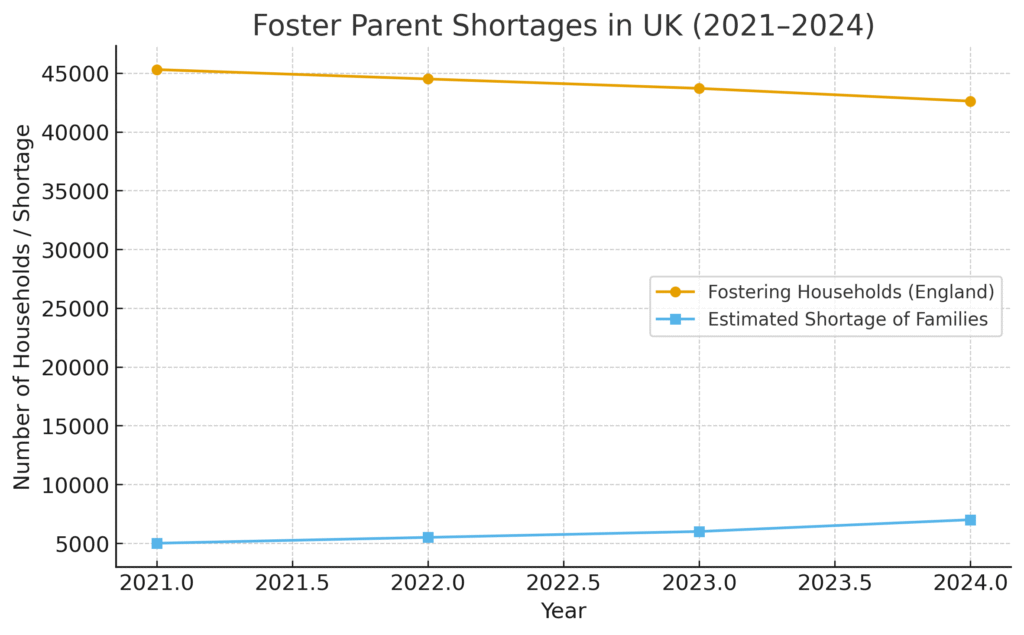
| 1 | Shortfall of foster carers in UK | Estimated shortage of 6,000–7,000 families to meet demand. |
| 2 | Decline in fostering households | England dropped to ~42,615 households in 2024, down 6% since 2021. |
| 3 | Children in care rising | 83,000 looked-after children in England, with placements plateauing. |
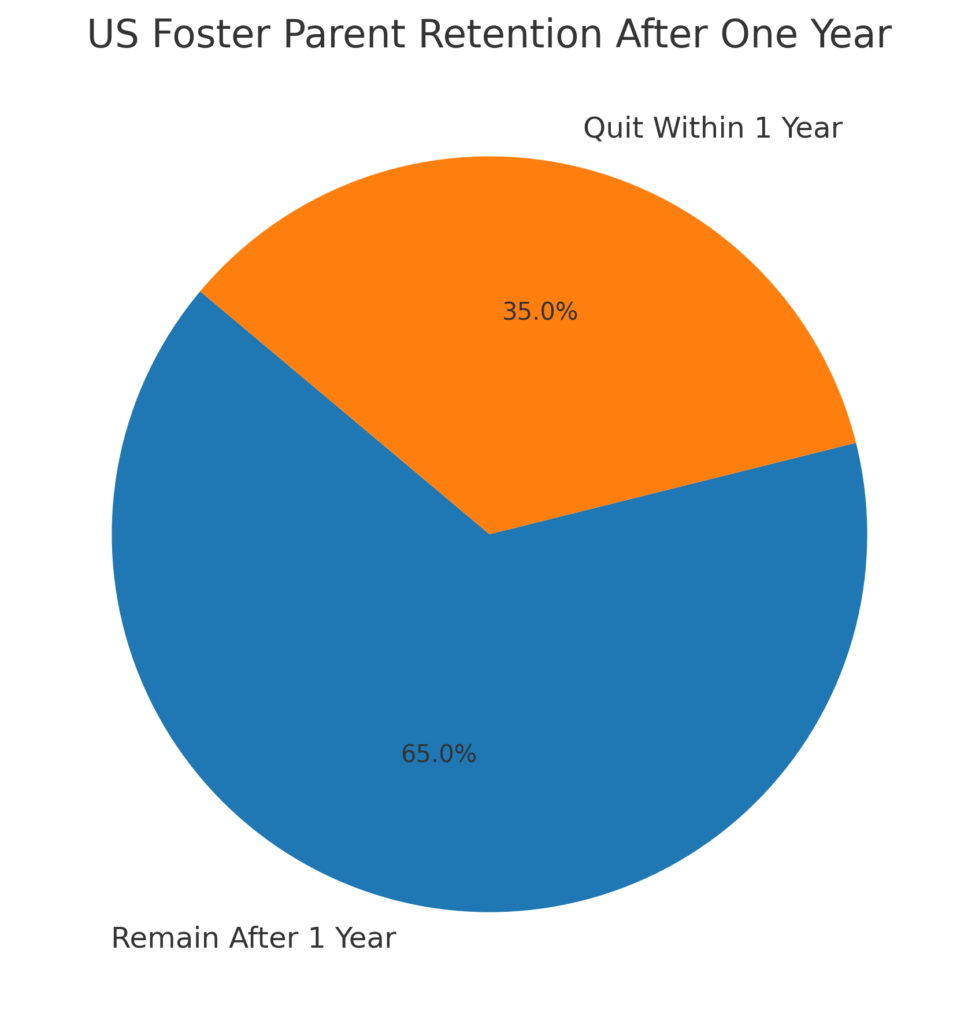
| 4 | High U.S. foster parent turnover | 30–50% of families leave fostering within the first year. |
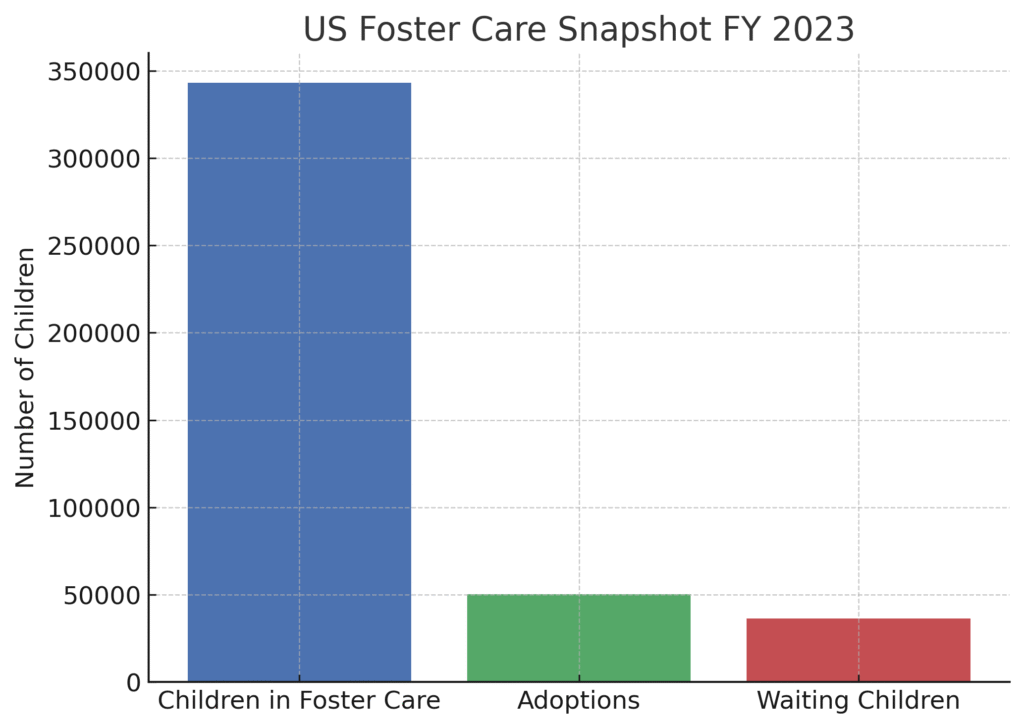
| 5 | Children in U.S. foster care | 343,077 children in care during FY 2023. |
| 6 | Decline in U.S. foster adoptions | 50,193 adoptions in FY 2023, down 24% since 2019. |
| 7 | Children waiting despite adoption plan | 36,411 legally free yet still in care at end of FY 2023. |
| 8 | Time spent in care | Over a third of children stay more than 2 years before exit. |
| 9 | Most active homes carry burden | Top 20% of foster families provide 60–72% of all foster days. |
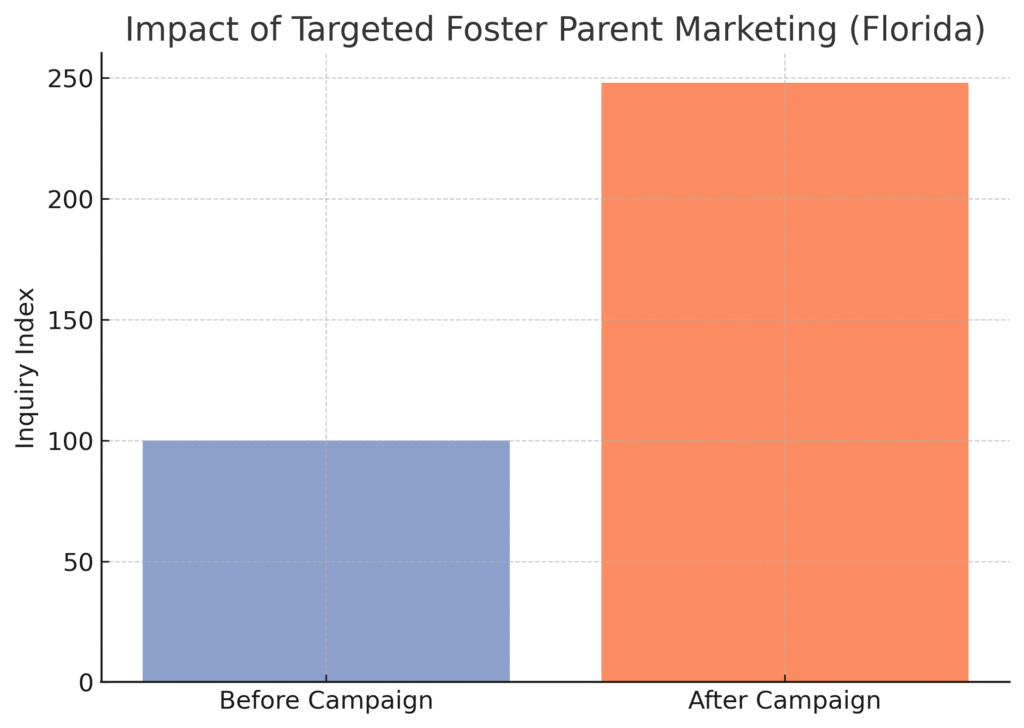
| 10 | Impact of targeted marketing | Florida sites saw 69–148% more inquiries after segmentation. |
| 11 | Financial messaging matters | Google Ads with “stipend” drove higher responses. |
| 12 | Misperceptions deter applicants | Myths like “must be married” reduce the applicant pool. |
| 13 | Local visuals improve engagement | Messages featuring local children/community perform better. |
| 14 | Peer recruitment works | NYC’s “Home Away from Home” boosted new homes by 50%. |
| 15 | Offline + online synergy | Offline ads improve recall and drive online research. |
| 16 | Use of digital funnels | Agencies track awareness → conversion funnels for efficiency. |
| 17 | Typical foster parent profile | Often middle-aged, educated, faith-driven, parents themselves. |
| 18 | Messages that resonate | Simple, bold calls-to-action stressing urgency work best. |
| 19 | Policy support helps recruitment | Programs backing kinship care boost placements and trust. |
| 20 | Segmentation improves ROI | Tailored audiences maximize cost-efficiency in campaigns. |
Top 20 Foster Parent Marketing Statistics 2025
Foster Parent Marketing Statistics #1 – Shortfall of Foster Carers in UK
The United Kingdom currently faces a severe shortage of foster carers, with an estimated gap of 6,000–7,000 families. This shortfall means many children may be placed far from their communities or split from siblings. The lack of available homes also places additional strain on local authorities, making recruitment campaigns more urgent than ever. Marketing strategies have increasingly focused on personal stories and emotional appeals to address this crisis. Bridging this gap is essential to provide stable, loving environments for children in need.
Foster Parent Marketing Statistics #2 – Decline in Fostering Households
In 2024, England recorded approximately 42,615 fostering households, marking a 6% decline since 2021. This trend highlights the challenges in both recruitment and retention of foster families. Agencies are now reassessing their marketing approaches to better target motivated individuals. Many campaigns focus on dispelling myths and making fostering more accessible. Without reversing this decline, thousands of children risk instability in their placements.
Foster Parent Marketing Statistics #3 – Children in Care Rising
As of March 2024, nearly 83,000 children were in care across England, with only about 56,000 placed in foster families. While the number of children in care continues to rise, foster placements have stagnated. This imbalance puts pressure on local authorities to innovate recruitment strategies. Campaigns now highlight urgency and the direct impact fostering has on a child’s life. Stronger marketing could help close the gap between growing demand and available homes.
Foster Parent Marketing Statistics #4 – High U.S. Foster Parent Turnover
In the U.S., between 30%–50% of foster parents stop fostering within a year. High turnover disrupts children’s stability and increases recruitment costs. Agencies are turning to retention-focused messaging, emphasizing long-term support and community connection. Marketing now highlights training, financial assistance, and emotional backing available to carers. Retaining foster parents is as critical as recruiting new ones.
Foster Parent Marketing Statistics #5 – Children in U.S. Foster Care
In FY 2023, there were 343,077 children in foster care across the United States. This number underscores the magnitude of the foster care system. Marketing campaigns emphasize the urgent need for more families to step forward. By highlighting both the scale of need and success stories, agencies aim to recruit at larger volumes. Each child deserves a safe, nurturing home, and statistics like these bring urgency to the message.
Foster Parent Marketing Statistics #6 – Decline in U.S. Foster Adoptions
In 2023, U.S. adoptions from foster care fell to 50,193, a 24% drop since 2019. This decline indicates potential challenges in matching children with permanent families. Agencies now use marketing to stress the importance of adoption pathways. Emotional storytelling and targeted digital campaigns aim to inspire long-term commitments. Without improvement, many children risk aging out of the system without permanent families.
Foster Parent Marketing Statistics #7 – Children Waiting Despite Adoption Plan
At the end of FY 2023, 36,411 children were legally free for adoption but still in foster care. This mismatch highlights inefficiencies in the adoption process. Marketing plays a role in educating families about these opportunities. Campaigns often focus on showcasing adoptive families who’ve made an impact. Reducing this backlog is essential for securing children’s futures.
Foster Parent Marketing Statistics #8 – Time Spent in Care
More than a third of children exiting foster care in 2023 had spent over two years in the system. Extended stays increase the risk of emotional and behavioral challenges. Agencies market fostering as a way to provide early stability and prevent long-term harm. Campaigns emphasize the power of consistency and permanence in a child’s life. Highlighting these realities can motivate families to act sooner.
Foster Parent Marketing Statistics #9 – Most Active Homes Carry the Burden
Roughly 20% of foster families provide 60–72% of all foster care days. This reliance on a small group raises concerns about burnout. Marketing strategies highlight the need for wider community participation. Campaigns stress that fostering is possible for diverse households, not just a select few. Broadening the base of carers can reduce pressure and improve outcomes.
Foster Parent Marketing Statistics #10 – Impact of Targeted Marketing
Florida’s segmented campaigns increased inquiries by 69–148% over 30 months. This shows the effectiveness of demographic and psychographic targeting. By tailoring messages, agencies can reach people more likely to foster. Campaigns used local imagery and relatable language to improve engagement. The results prove that targeted marketing yields measurable outcomes.
Foster Parent Marketing Statistics #11 – Financial Messaging Matters
Ads that mentioned a stipend performed significantly better than those that didn’t. This demonstrates that financial support is a key motivator for many families. While money isn’t the only reason to foster, it helps remove barriers. Marketing strategies now balance emotional appeals with transparent financial information. This dual approach ensures prospective parents feel both supported and inspired.
Foster Parent Marketing Statistics #12 – Misperceptions Deter Applicants
Common myths, such as needing to be married or own a large home, deter potential carers. Marketing campaigns now prioritize myth-busting as part of recruitment. Clear, factual messaging reassures families they meet eligibility requirements. This strategy expands the applicant pool significantly. Breaking down these barriers is vital to increase fostering numbers.
Foster Parent Marketing Statistics #13 – Local Visuals Improve Engagement
Campaigns using local children and settings see stronger engagement. Familiar imagery resonates with prospective foster families. Marketing strategies highlight real community needs instead of generic messages. Localized visuals make fostering feel more urgent and personal. This approach connects statistics to real lives in the neighborhood.
Foster Parent Marketing Statistics #14 – Peer Recruitment Works
New York City’s “Home Away from Home” initiative boosted foster home recruitment by 50%. Experienced foster parents acted as credible messengers. Peer stories build trust and reduce fears among potential recruits. Agencies are now incorporating testimonials into their marketing. This strategy turns foster parents into powerful advocates.
Foster Parent Marketing Statistics #15 – Offline + Online Synergy
Combining offline and online media creates stronger results. Offline ads improve brand recall and push people to research online. Digital campaigns then provide an easy path to take action. Marketing strategies now mix traditional and digital channels intentionally. This balance ensures maximum reach and engagement.
oster Parent Marketing Statistics #16 – Use of Digital Funnels
Many agencies now track marketing using funnels from awareness to conversion. This structured approach helps measure campaign effectiveness. Messaging is tailored to each stage of the funnel. Campaigns emphasize nurturing prospects, not just driving applications. Data-driven funnels make marketing more cost-effective.
Foster Parent Marketing Statistics #17 – Typical Foster Parent Profile
Successful foster carers are often middle-aged, educated, and faith-driven. Many have already raised children of their own. Marketing strategies use these insights to refine targeting. Highlighting relatable profiles helps potential carers envision themselves fostering. Understanding demographics ensures better alignment in recruitment campaigns.
Foster Parent Marketing Statistics #18 – Messages That Resonate
Simple, bold calls-to-action resonate best with potential foster families. Urgent, emotional messaging about children’s needs is especially powerful. Marketing campaigns now avoid overly complex explanations. Clear “you are needed” messages increase inquiries. Effective messaging blends urgency with empathy.
Foster Parent Marketing Statistics #19 – Policy Support Helps Recruitment
Programs and laws supporting kinship care improve recruitment. Policy changes can provide reassurance and stability for carers. Marketing strategies often highlight these supports to encourage sign-ups. By showing strong institutional backing, campaigns build trust. This approach reduces hesitation and boosts recruitment rates.
Foster Parent Marketing Statistics #20 – Segmentation Improves ROI
Audience segmentation maximizes marketing returns. Tailored campaigns reach households more likely to foster. This improves efficiency and reduces wasted effort. Agencies use psychographic insights to refine messaging. As a result, recruitment costs are lower and outcomes stronger.
Building Hope Through Better Marketing
Looking at these foster parent marketing statistics, it becomes clear that behind every number is a child waiting for stability, love, and safety. While data helps us understand the scope of the need, it’s the stories, values, and community voices that ultimately move people to open their homes. The responsibility of marketing in this space goes beyond awareness—it’s about building trust, breaking down myths, and empowering everyday families to see themselves as capable of making a difference. My hope is that these insights not only inform, but also inspire, because the future of foster care depends on compassionate people stepping forward. And with the right outreach, we can bridge the gap between those willing to help and the children longing for a place to belong.
SOURCES
-
- https://cafo.org/foster-care-statistics/
- https://adoptioncouncil.org/article/foster-care-and-adoption-statistics/
- https://wearefamiliesrising.org/resource/intentionality-its-what-foster-parent-recruitment-and-retention-needs/
- https://scholarworks.waldenu.edu/cgi/viewcontent.cgi?article=16397&context=dissertations
- https://acf.gov/sites/default/files/documents/cb/diligentrecruitmentreport.pdf
- https://onlinelibrary.wiley.com/doi/10.1002/car.70003
- https://ocfs.ny.gov/programs/fostercare/recruitment/strategies/data-driven.php
- https://www.westcocommunications.com/blog/the-science-behind-foster-carer-marketing-and-recruitment
- https://www.elevenagency.co.uk/insight/why-its-time-to-rethink-foster-carer-recruitment-marketing/
- https://www.childwelfare.gov/topics/casework-practice/recruiting-and-retaining-families-children-foster-care
- https://www.sciencedirect.com/science/article/abs/pii/S0190740924005346
- https://www.sciencedirect.com/science/article/pii/019074099390012X
- https://archive.legmt.gov/content/Committees/Interim/2021-2022/Children-Families/Studies/HJR-44/may2022-ncsl-paper-foster-parent-retention.pdf
- https://theguardian.com/society/2025/jan/07/shortage-of-foster-carers-causing-very-real-uk-crisis-barnardos-warns
- https://www.casey.org/behavioral-insight-recruitment/
- https://nfyi.org/51-useful-aging-out-of-foster-care-statistics-social-race-media/