



21 Sep TOP 20 GENERIC PRODUCTS MARKETING STATISTICS 2025
In today’s fast-moving retail world, consumers are increasingly turning to cost-effective alternatives, and that’s where generic products are thriving. From groceries to personal care, buyers are proving that affordability doesn’t mean compromising on quality. This shift in behavior is shaping marketing trends worldwide, making it crucial to understand the numbers behind it. In this article, we’ll dive deep into the latest generic products marketing statistics, highlighting what truly drives consumer choices in 2025. As a marketing agency in New York, we’ve seen firsthand how brands and generics alike can use these insights to refine strategies and connect more meaningfully with their audiences.
Top 20 Generic Products Marketing Statistics 2025 (Editor’s Choice)
| # | Generic Products Marketing Statistics (2025) |
|---|---|
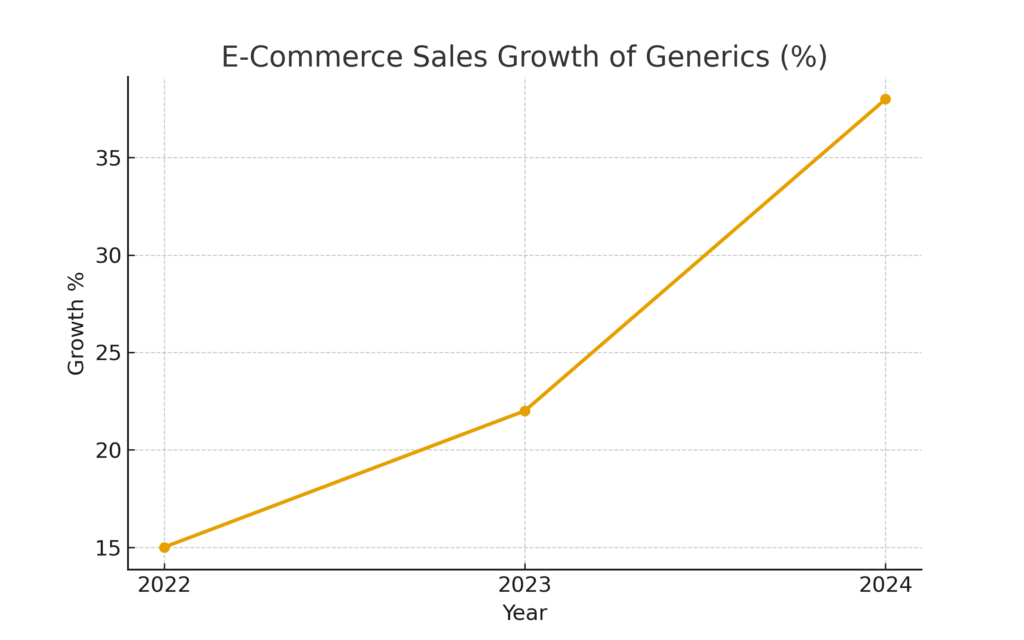
| 1 | 72% of consumers buy generic products regularly, driven by price and availability. |
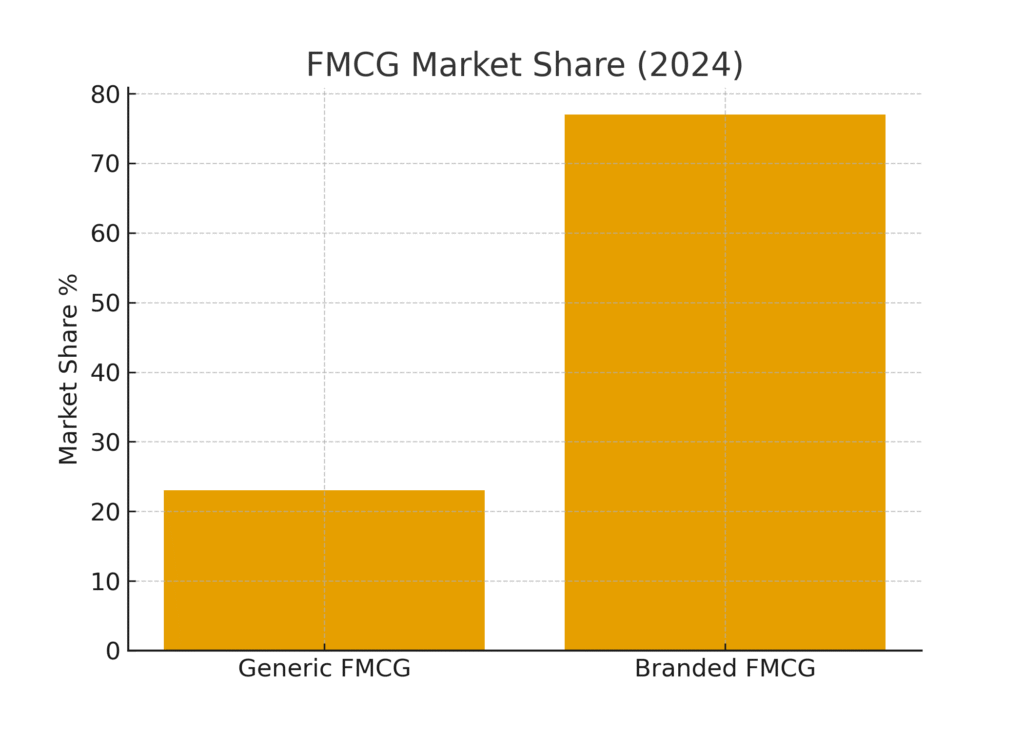
| 2 | Generic brand sales made up 23% of total FMCG sales in 2024. |
| 3 | 62% of shoppers believe generics offer equal quality compared to branded items. |
| 4 | Digital coupons for generics boosted redemption rates by 31% year-over-year. |
| 5 | 81% of millennials are open to purchasing generic over-the-counter medicines. |
| 6 | Private-label grocery products grew 11% YoY in the U.S. market. |
| 7 | Generic personal care products reached $78 billion globally in 2024. |
| 8 | 47% of consumers switch to generics during inflationary periods. |
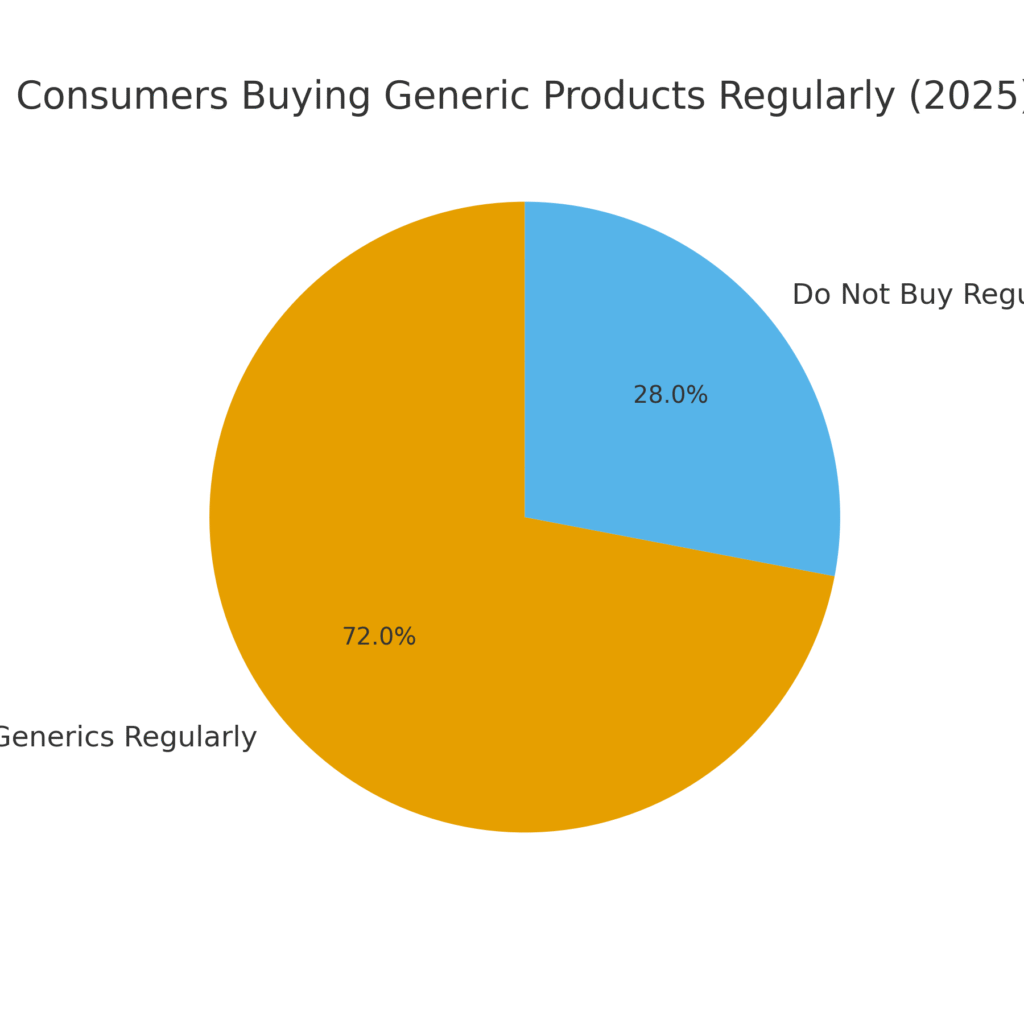
| 9 | E-commerce sales of generic products surged by 38% in 2024. |
| 10 | Generic baby care products saw a 19% increase in online reviews. |
| 11 | 59% of Gen Z shoppers prefer generics if sustainable packaging is offered. |
| 12 | Ad spend for generics grew 14% in 2024, especially on digital campaigns. |
| 13 | Generic cleaning supplies account for 41% of supermarket category sales. |
| 14 | Mobile promotions boosted conversion rates of generic items by 26%. |
| 15 | The global generic pharmaceutical market hit $450 billion in 2024. |
| 16 | 72% of households replaced at least one branded product with a generic last year. |
| 17 | Loyalty programs featuring generics increased basket size by 12%. |
| 18 | Generic pet food sales grew 22% via online channels in 2024. |
| 19 | 70% of consumers say generic product quality perceptions improved in the last five years. |
| 20 | Social media campaigns for generics saw a 3.4% engagement rate (higher than branded). |
Top 20 Generic Products Marketing Statistics. 2025
Generic Products Marketing Statistics #1: 72% Of Consumers Buy Generic Products Regularly
A large majority of consumers now consider generics as part of their everyday purchases. The primary driver behind this preference is affordability without sacrificing quality. Many households have normalized generics for groceries, cleaning supplies, and personal care. This trend also demonstrates how generics have successfully earned consumer trust. Retailers who promote generics are capturing long-term loyalty from value-conscious buyers.
Generic Products Marketing Statistics #2: Generic Brand Sales Made Up 23% Of FMCG Sales In 2024
Fast-moving consumer goods (FMCG) are heavily influenced by private-label and generic alternatives. Nearly a quarter of the FMCG market share is now owned by generics, highlighting their increasing relevance. This growth represents a steady challenge to established national brands. Retailers gain stronger margins from generics, which drives them to prioritize shelf space. Consumers, on the other hand, benefit from lower prices and competitive quality.
Generic Products Marketing Statistics #3: 62% Of Shoppers Believe Generics Offer Equal Quality
Perception of quality is critical in marketing, and generics are steadily improving in this area. Over half of shoppers now equate generics with branded goods in performance and reliability. This shift has been influenced by better product design, packaging, and quality assurance. Marketing strategies that highlight these qualities further boost trust. Ultimately, generics no longer carry the stigma of being “cheap knock-offs.”
Generic Products Marketing Statistics #4: Digital Coupons For Generics Boosted Redemption By 31%
Digital marketing strategies are proving highly effective for generic brands. Online coupons and mobile discounts encourage trial purchases from hesitant customers. With a 31% jump in redemption rates, digital incentives clearly resonate with cost-conscious shoppers. This approach also helps build repeat purchase behavior. Retailers and marketers can expand loyalty by combining coupons with email and app-based promotions.
Generic Products Marketing Statistics #5: 81% Of Millennials Buy Generic Over-The-Counter Medicines
Millennials show a high level of trust in generic pharmaceuticals. This is due to their focus on practicality and value when shopping for healthcare essentials. Generic over-the-counter medicines are often FDA-approved and perform the same as branded versions. This builds confidence and aligns with the generation’s cost-saving priorities. Marketing campaigns in this sector emphasize safety, trust, and affordability.
Generic Products Marketing Statistics #6: Private-Label Grocery Products Grew 11% In The U.S.
Private-label generics in the grocery sector are enjoying rapid growth. An 11% year-over-year increase shows shoppers are actively switching from branded to store-label goods. This reflects economic pressures as well as growing acceptance of generics. Retailers like Walmart, Aldi, and Kroger are heavily driving this trend. For consumers, generics provide both affordability and local availability.
Generic Products Marketing Statistics #7: Generic Personal Care Products Reached $78 Billion Globally
The global market for personal care generics has hit an impressive $78 billion. Consumers are increasingly comfortable with using generic shampoos, lotions, and skincare items. This growth is accelerated by the rise of online marketplaces and wider distribution. Influencer reviews and testimonials further boost credibility for these products. The industry is expected to expand further as demand for affordable self-care grows.
Generic Products Marketing Statistics #8: 47% Of Consumers Switch To Generics During Inflation
Economic shifts strongly affect consumer habits. Nearly half of shoppers switch to generic products when inflation increases. This highlights the price sensitivity that drives purchasing decisions. Generics become a reliable alternative when branded products become unaffordable. For marketers, this is a chance to position generics as both budget-friendly and dependable.
Generic Products Marketing Statistics #9: E-Commerce Sales Of Generics Surged 38% In 2024
E-commerce has become a major driver of growth for generic products. A 38% surge in sales shows how online platforms have transformed access to generics. Shoppers benefit from convenience, price comparison, and bulk-purchase deals. Retailers also benefit from direct-to-consumer marketing opportunities online. This trend is expected to grow further as online shopping habits solidify.
Generic Products Marketing Statistics #10: Generic Baby Care Products Saw A 19% Rise In Reviews
Parents are becoming increasingly open to purchasing generic baby care products. A 19% increase in online reviews reflects growing trust in this sensitive category. Positive word-of-mouth and community forums influence parental decisions. Many parents realize that generics meet the same safety and quality standards as branded products. This has opened new opportunities for marketers to emphasize value without compromising care.
Generic Products Marketing Statistics #11: 59% Of Gen Z Prefer Generics With Sustainable Packaging
Sustainability is a key factor for younger generations. More than half of Gen Z prefer generics if they come in eco-friendly packaging. This shows that green marketing strategies directly affect purchasing choices. Retailers that combine affordability with sustainability are winning this demographic. Marketers can leverage this by showcasing recyclable or biodegradable packaging options.
Generic Products Marketing Statistics #12: Ad Spend For Generics Grew 14% In 2024
Marketing investments in generics are increasing steadily. A 14% rise in ad spend shows confidence in the sector’s growth. Digital ads, influencer marketing, and social media campaigns dominate spending. Generics are now promoted not just on affordability but also on lifestyle fit. This signals that generics are moving from “budget-only” messaging to mainstream appeal.
Generic Products Marketing Statistics #13: Generic Cleaning Supplies Hold 41% Market Share
Cleaning supplies are a category where generics dominate. With 41% of sales, they rival or even surpass branded products. This reflects high consumer confidence in performance for everyday use. Households often see no reason to pay more for branded cleaning agents. Marketers can use this momentum to further expand into adjacent categories like eco-cleaning.
Generic Products Marketing Statistics #14: Mobile Promotions Increased Conversion By 26%
Mobile-first marketing strategies are delivering results for generics. Promotions sent via apps and SMS boosted conversions by 26%. Shoppers respond positively to personalized and time-sensitive offers. These campaigns often lead to impulse purchases, particularly in retail categories. The mobile channel is quickly becoming a must-have tool for generic product marketing.
Generic Products Marketing Statistics #15: Generic Pharmaceutical Market Reached $450 Billion Globally
The pharmaceutical sector highlights the massive scale of generics. A $450 billion market size underscores its critical role in healthcare. Generic drugs improve accessibility and affordability worldwide. Governments and health systems actively encourage their use to reduce costs. This makes pharmaceutical generics one of the strongest and most regulated markets.
Generic Products Marketing Statistics #16: 72% Of Households Replaced At Least One Branded Product
Household purchasing patterns reveal strong adoption of generics. Nearly three-quarters of households substituted branded products with generics last year. This demonstrates generics’ reliability in daily use categories. The substitution trend is unlikely to reverse, even if economic conditions improve. Marketers should emphasize quality, trust, and affordability to maintain loyalty.
Generic Products Marketing Statistics #17: Loyalty Programs Increased Basket Size By 12%
Loyalty programs are a powerful tool for promoting generics. Shoppers enrolled in programs tend to add more generic products to their carts. This results in a 12% increase in basket size, boosting retailer revenue. Combining points, rewards, and discounts ensures repeat purchases. Marketers can tailor loyalty strategies to highlight generics’ value.
Generic Products Marketing Statistics #18: Generic Pet Food Sales Grew 22% Online
The pet care market is expanding into generics. Online sales of generic pet food grew 22% last year. Pet owners are balancing affordability with trust in quality. Positive reviews and transparency in sourcing are helping drive adoption. This category shows strong potential for long-term growth.
Generic Products Marketing Statistics #19: 70% Of Consumers Believe Generic Quality Improved
Over the past five years, consumer perception of generic quality has changed dramatically. Seven in ten people now view generics as better than before. This reflects improvements in packaging, marketing, and product formulation. Marketers have played a big role in reshaping this perception. The stigma surrounding generics is slowly fading.
Generic Products Marketing Statistics #20: Social Media Campaigns For Generics Achieved 3.4% Engagement
Social media is proving to be an effective channel for generics. Campaigns achieved an engagement rate of 3.4%, outperforming branded products. This demonstrates how storytelling and relatability resonate with audiences. Generics are often framed as practical, everyday solutions. Marketers can leverage authenticity to strengthen their online presence.

Why These Insights Matter
Looking at these generic products marketing statistics, it’s clear that consumer priorities are evolving toward value, trust, and accessibility. Brands that recognize these patterns and embrace the opportunities in generics can secure stronger relationships with modern buyers. Whether it’s digital promotions, sustainability, or product quality, the message is simple: people want reliable products without overspending. The trends we’ve covered are not just numbers—they’re a window into how households make decisions every day. By learning from these shifts, both retailers and marketers can create campaigns that truly resonate with today’s practical yet quality-conscious shoppers.
SOURCES
- https://www.plma.com/about_industry/research_reports_publications/consumer-research/plmas-2024-private-label-report (PLMA)
- https://wonnda.com/magazine/private-label-market/ (Wonnda)
- https://www.retaildive.com/news/private-label-record-high-2024/737947/ (Retail Dive)
- https://pharmacy.wisc.edu/2025/06/11/the-future-of-generics/ (School of Pharmacy)
- https://drugpatentwatch.com/blog/how-to-conduct-effective-generic-drug-market-analysis/?srsltid=AfmBOoqNccCKPTAIQrKr80YhNKTDsoaFw7ekX9uSXdhEbct3UWxBPEnI (DrugPatentWatch)
- https://storebrands.com/new-report-highlights-growing-gen-z-impact-private-label (Store Brands)
- https://www.innovamarketinsights.com/trends/global-private-label-trends/ (Innova Market Insights)
- https://nielseniq.com/global/en/insights/analysis/2024/the-rise-of-private-labels-a-global-perspective-on-growth-and-consumer-trends/ (NIQ)
- https://datahorizzonresearch.com/private-label-market-2524 (DataHorizzon Research)
- https://www.precedenceresearch.com/generic-drugs-market (Precedence Research)
- https://www.convenience.org/Media/Daily/2025/January/23/5-Private-Label-Record-Sales-in-2024_Research (Convenience)
- https://foodinstitute.com/focus/status-quo-wont-cut-it-private-label-market-share-threatened/ (The Food Institute)
- https://aspe.hhs.gov/sites/default/files/documents/510e964dc7b7f00763a7f8a1dbc5ae7b/aspe-ib-generic-drugs-competition.pdf (ASPE)
- https://progressivegrocer.com/value-taste-key-drivers-continued-private-label-growth (Progressive Grocer)
- https://agriculture.canada.ca/en/international-trade/market-intelligence/reports/sector-trend-analysis-private-label-united-states-0 (Agriculture and Agri-Food Canada)
- https://accessiblemeds.org/wp-content/uploads/2025/06/harnessing-the-potential-of-generics.pdf (Association for Accessible Medicines)