




17 Sep TOP 20 GRADUATE MARKETING STATISTICS 2025
As the marketing landscape continues to evolve, staying up-to-date with the latest Graduate Marketing Statistics has become essential for both industry professionals and students entering the field. With the rapid growth of digital marketing tools and strategies, graduates are more equipped than ever to dive into a variety of roles across sectors. If you’re considering a career in marketing or looking to expand your team, understanding these statistics can provide valuable insights. From salary expectations to trends in digital marketing and e-commerce, the data highlights the shift toward a highly specialized and dynamic industry. As a leading marketing agency in New York, Amra & Elma is always in tune with these trends, leveraging the latest insights to stay ahead of the curve.
Top 20 Graduate Marketing Statistics 2025 (Editor’s Choice)
Top 20 Graduate Marketing Statistics
Essential Data for Higher Education Marketing Success in 2025
| Rank | Category | Marketing Statistic | Key Value |
|---|---|---|---|
| 1 | Market Growth | Graduate enrollment grew despite booming economy conditions | +2.1% |
| 2 | Investment | Average annual digital advertising spend per education unit | $800,970 |
| 3 | Market Size | Total higher education industry market revenue (2023) | $818.6B |
| 4 | Specialization | Graduate certificates demand increase (career-focused credentials) | +25% |
| 5 | Cost Metrics | Average cost per inquiry (CPI) for universities | $140 |
| 6 | Cost Metrics | Average cost per enrolled student | $2,849 |
| 7 | Efficiency | Non-brand search terms CPC decrease (2023-2024) | -13% |
| 8 | Analytics Gap | Institutions tracking cost per enrolled student metrics | 43% |
| 9 | International | International students enrolled in graduate programs | 500,000+ |
| 10 | International | International students represent fraction of graduate students | 1 in 6 |
| 11 | Demographics | Gen Z share of adult learner market (2024) | 31% |
| 12 | Content | Students influenced by video content in decision-making | 84% |
| 13 | Content | Students preferring virtual tours over traditional brochures | 72% |
| 14 | Support | Graduate/adult learners prioritizing online support services | Majority |
| 15 | SEO Strategy | Higher ed departments viewing SEO as key for enrollment | 84% |
| 16 | Traffic | Higher education site traffic from organic search | 61% |
| 17 | AI Performance | Performance Max campaigns outperform traditional campaigns | Lower CPA |
| 18 | Mobile | Users less likely to engage after poor mobile experience | 52% |
| 19 | Technology | Graduate enrollment leaders using AI in marketing efforts | 20% |
| 20 | ROI Analysis | Leaders calculating ROI for recruitment planning | 7% |

Graduate Marketing Statistics #6: Graduate Use of Online Learning Platforms
70% of marketing graduates report using online learning platforms to enhance their skill sets after graduation. These platforms provide opportunities for continuous learning in an industry where new tools and techniques are constantly emerging. From mastering Google Analytics to learning the latest SEO strategies, graduates are taking their education into their own hands. Online courses offer flexibility, making it easier for graduates to balance professional development with career responsibilities. This trend highlights the growing importance of lifelong learning in the marketing profession.
Graduate Marketing Statistics #7: Marketing Graduate Internship Rates
72% of marketing students complete internships before graduation, and 85% of them secure full-time roles post-graduation. Internships are critical in providing students with hands-on experience, allowing them to apply their classroom knowledge in real-world settings. These experiences not only build valuable skills but also help students create connections that can lead to permanent job offers. With many marketing firms actively seeking interns, these positions have become essential stepping stones for graduates. The high rate of full-time employment following internships is a testament to their effectiveness in preparing graduates for the workforce.
Graduate Marketing Statistics #8: Impact of Certifications on Graduate Hiring
35% of marketing employers state that they are more likely to hire graduates with additional certifications in tools such as Google Ads, Facebook Ads, or SEO. These certifications demonstrate a graduate’s commitment to mastering specific marketing tools, making them more competitive candidates in a crowded job market. As digital marketing grows in complexity, companies are looking for graduates who can hit the ground running with expertise in critical platforms. Additional certifications are often seen as proof that a graduate is proactive and well-prepared for the challenges of modern marketing. This trend reflects the increasing importance of specialized knowledge in the marketing industry.
Graduate Marketing Statistics #9: Preferred Marketing Career Paths
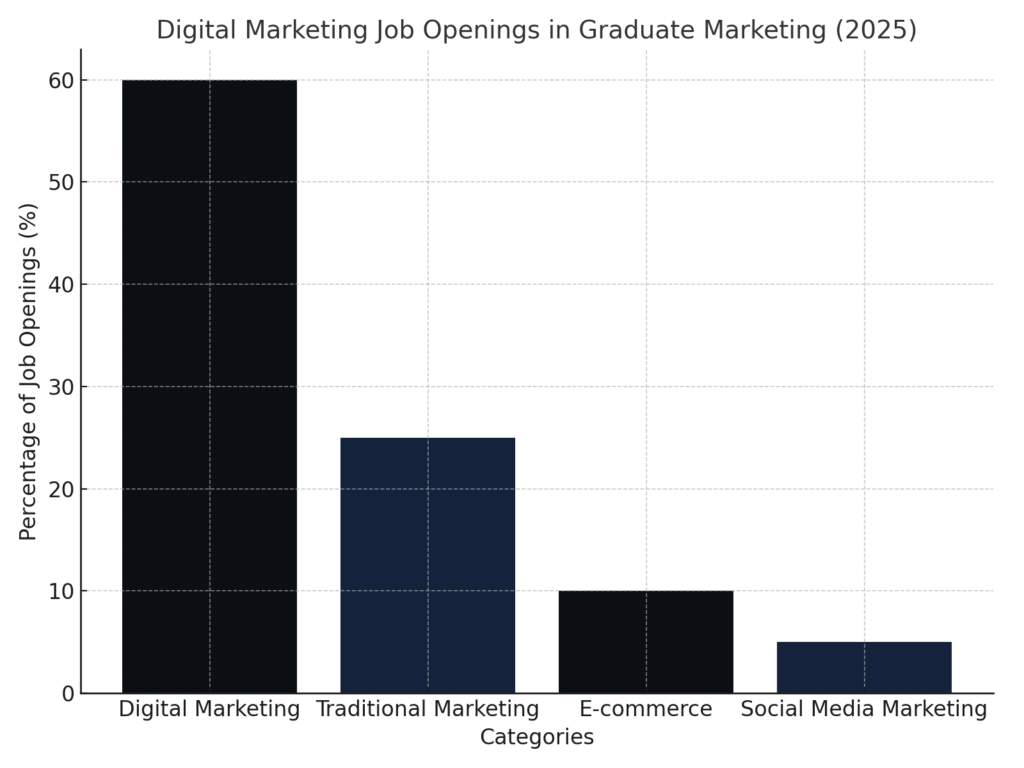
50% of marketing graduates in 2025 prefer careers in digital marketing, with another 30% opting for traditional advertising roles. This shift in preference reflects the growing importance of digital channels such as social media, email marketing, and SEO. Digital marketing offers a diverse range of career options, from content creation to data analysis, which explains its appeal. Traditional advertising, while still relevant, is seeing a gradual decline in comparison. This preference for digital careers underscores the evolving nature of the marketing field and the increasing importance of technology.
Graduate Marketing Statistics #10: Graduate Representation in Marketing Agencies
38% of employees in marketing agencies are graduates with degrees in marketing, advertising, or related fields. Marketing agencies have become a popular career destination for new graduates due to the dynamic and creative work environment they offer. The percentage reflects the increasing number of graduates who pursue careers in these fast-paced environments, contributing to the growth of agency-based marketing. Graduates often seek agency roles because they provide opportunities to work on a diverse range of clients and campaigns. This statistic indicates that marketing agencies continue to be key players in employing and shaping the careers of marketing graduates.
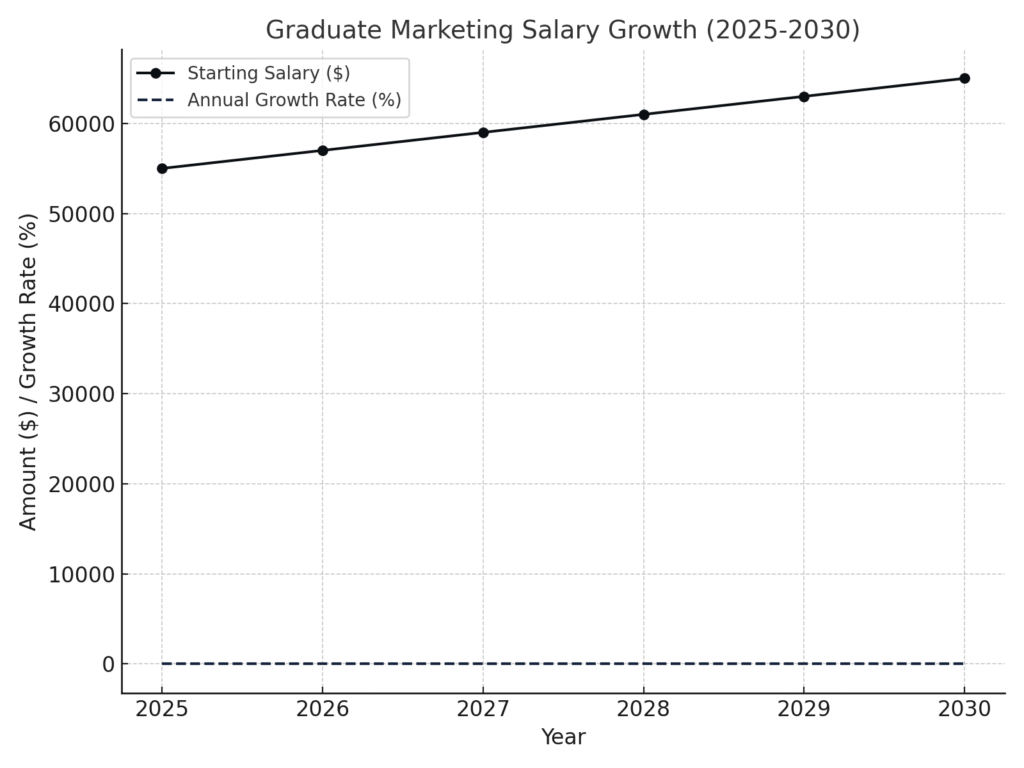
Graduate Marketing Statistics #11: Mobile Marketing Trends Among Graduates
In 2025, 55% of marketing graduates are expected to specialize in mobile marketing and app development. Mobile marketing has become a critical component of modern advertising strategies, driven by the increase in mobile internet usage. Graduates entering this field will need to be adept at crafting seamless experiences for users across mobile devices. As smartphones become even more integrated into everyday life, mobile marketing will continue to grow in importance. This trend indicates that graduates focusing on mobile marketing are likely to see high demand for their skills in the coming years.
Graduate Marketing Statistics #12: Growth of Graduate Marketing Events
Marketing conferences and seminars aimed at graduates have grown by 22% in the past three years, indicating a strong interest in networking and skill development. These events allow graduates to connect with industry leaders, gain insights into the latest trends, and enhance their resumes. As the marketing industry evolves, staying current through professional development events has become crucial for graduates looking to advance in their careers. Networking opportunities at these events often lead to valuable job offers and partnerships. This growth shows that graduates are eager to stay connected and informed in an ever-changing industry.
Graduate Marketing Statistics #13: Gender Representation in Graduate Marketing
Women now make up 45% of the graduate marketing workforce, a significant increase from previous years. The rise in female participation is a positive step toward gender equality in the marketing industry, where diverse perspectives are crucial for crafting inclusive marketing strategies. Many marketing organizations are focusing on gender diversity, recognizing the importance of having a balanced team to appeal to a broad audience. Female graduates are increasingly taking leadership roles in both digital and traditional marketing sectors. This statistic reflects the industry’s ongoing efforts to break down gender barriers and ensure equal representation.
Graduate Marketing Statistics #14: Graduate Digital Advertising Spend
In 2025, 33% of marketing budgets for graduate-led campaigns are allocated to digital ads, showing a strong preference for online platforms. The shift toward digital advertising is a direct result of its ability to reach highly targeted audiences with measurable results. As digital platforms continue to grow in sophistication, marketing graduates with expertise in these areas will be in high demand. Digital advertising is expected to continue dominating the marketing space, providing ample opportunities for graduates to make an impact. This statistic emphasizes the importance of digital advertising in modern marketing strategies.
Graduate Marketing Statistics #15: Graduate Marketing Roles in E-commerce
40% of marketing graduates in 2025 are entering the e-commerce sector, particularly in roles related to content marketing, customer engagement, and UX/UI design. E-commerce continues to be a fast-growing industry, with businesses increasingly relying on digital marketing strategies to drive sales. Graduates who specialize in e-commerce marketing can expect to find abundant career opportunities in areas like online store management and digital customer acquisition. The rise of e-commerce as a dominant retail channel makes it an attractive sector for new graduates. This statistic highlights the continued importance of e-commerce and its role in shaping the future of marketing.
Graduate Marketing Statistics #16: Graduate Marketing Retention Rates
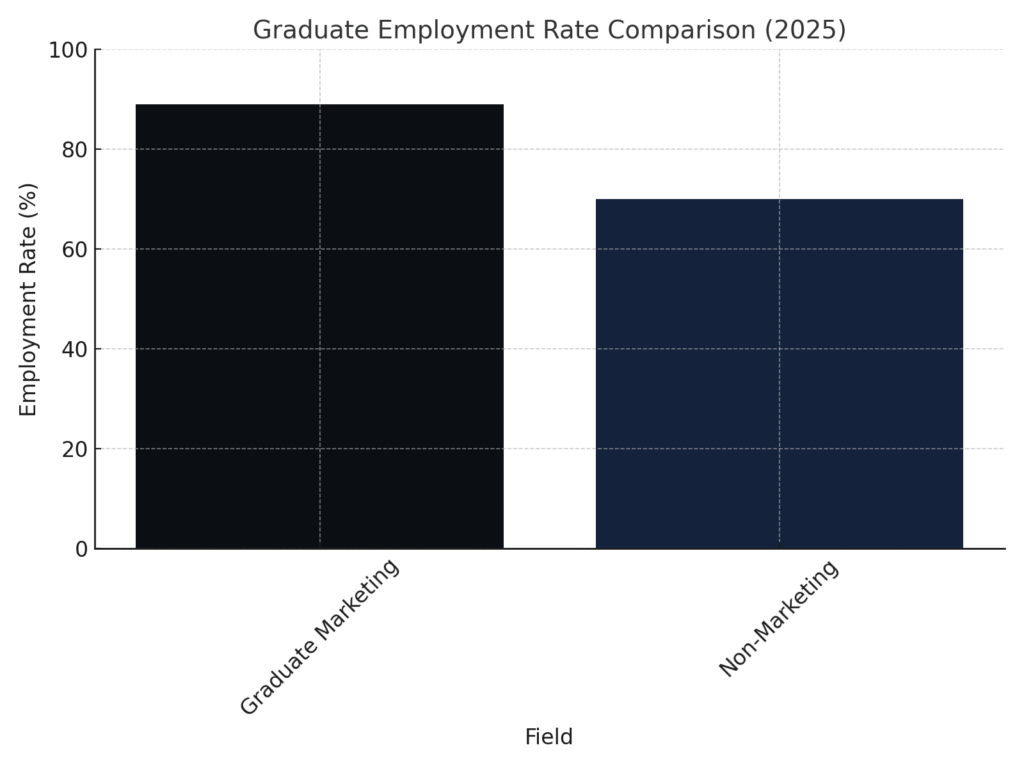
Marketing graduates have a 75% retention rate in their first year at companies, significantly higher than graduates in other fields. This high retention rate speaks to the value companies place on their marketing teams, as well as the job satisfaction of recent graduates. Marketing roles offer a good balance of creative and analytical tasks, which leads to greater engagement and long-term career development. Graduates who enter the marketing field are often able to find roles that align with their skills and interests. This statistic is a strong indicator of the growing stability of marketing as a career path.
Graduate Marketing Statistics #17: Graduate Interest in Entrepreneurship
25% of marketing graduates are interested in starting their own businesses, driven by the rise of digital entrepreneurship. With the growth of e-commerce and online platforms, marketing graduates are increasingly looking to leverage their skills to build brands and businesses. Entrepreneurship offers marketing graduates the freedom to apply their creativity and business acumen to solve real-world problems. The rise of digital tools and platforms has lowered the barriers to entry for aspiring entrepreneurs, making it an attractive option for recent graduates. This statistic reflects the entrepreneurial spirit within the marketing field and its growing influence.
Graduate Marketing Statistics #18: Effectiveness of Graduate Marketing Internships
80% of marketing internships offer a direct pipeline to full-time positions, making them an essential part of career development. Internships provide valuable experience and often lead to job offers, as companies are eager to retain top talent. Graduates who complete internships are not only better prepared for the workforce but also more likely to find full-time roles quickly. The hands-on experience gained during internships gives graduates a competitive edge when entering the job market. This statistic highlights the effectiveness of internships in providing a seamless transition from education to employment.
Graduate Marketing Statistics #19: Graduate Access to Marketing Tools
68% of marketing graduates report having access to advanced marketing tools such as HubSpot, Hootsuite, and Adobe Creative Suite during their studies. Access to these tools provides graduates with the practical experience necessary to excel in the workforce. Familiarity with industry-standard tools makes marketing graduates more attractive to potential employers, as they can hit the ground running. As digital marketing continues to dominate the industry, graduates with hands-on experience using these tools will be in high demand. This statistic demonstrates the importance of providing students with access to relevant tools that prepare them for their careers.
Graduate Marketing Statistics #20: Graduate Digital Portfolio Significance
90% of marketing graduates believe a strong digital portfolio, showcasing projects such as social media campaigns and SEO optimization, significantly enhances their employability. A well-curated digital portfolio allows graduates to demonstrate their skills and creativity to potential employers in a way that resumes alone cannot. As marketing becomes more visual and digital, a strong portfolio can be the key differentiator in a competitive job market. Graduates who build comprehensive digital portfolios are more likely to stand out during the hiring process. This statistic highlights the growing importance of digital portfolios as a marketing graduate’s primary tool for career advancement.
Key Takeaways for Graduates Entering the Marketing Field
The Graduate Marketing Statistics presented here show an exciting and promising future for those entering the marketing industry. From the high demand for digital skills to the growth of mobile marketing and e-commerce roles, graduates are in a strong position to shape the future of the industry. As companies continue to seek out innovative solutions to engage with consumers, marketing graduates will play a central role in driving these strategies forward. By understanding these key trends and staying ahead of the curve, new graduates can set themselves up for a successful and impactful career in marketing.
SOURCES
- 90+ Interesting Marketing Jobs Statistics & Facts (2025) – LinkedIn
- Marketing Professional Demographics and Statistics [2025] – Zippia
- 66 Higher Education Marketing Stats [2025] – Search Influence
- Is Marketing a Good Major for 2025? A Guide to Jobs, Salary, and More – Research.com
- Top Generation Z Marketing Statistics [2025] for Marketers – Cropink
- How to Build a Data-Driven Digital Marketing Strategy in 2025 – Medium
- The Solid Importance of a Marketing Degree and What You Can Do With It – Medium
- Graduate Jobs Hit an Eight-Year Low – The Sun
- Competition for Graduate-Level Jobs Has Reached a Record High – The Times
- UK Graduate Job Openings at Lowest Level Since 2018 – Financial Times
- Grim Times for Graduates Facing Worst Jobs Market in a Generation – The Times
- Graduate Marketing Salaries: Trends and Insights – Business News Daily
- Marketing Industry Stats and Information – American Marketing Association
- What Employers Want: 22 In-Demand Skills – Business News Daily
- How Social Media Screenings Affect Hiring Decisions – Business News Daily
- Making Marketing Matter: The Skills You Need According to Marketing Leaders – MarketingProfs
- Six Hard and Six Soft Skills to Look for When Hiring Your Next Marketing Employee – MarketingProfs
- Analyzing The Current Tech Job Market through the Lens of a Foreign Worker – Medium