



27 Sep TOP 20 GREEN ENERGY MARKETING STATISTICS 2025
When I started diving into green energy marketing statistics, I realized just how much this field has transformed in recent years. As someone who often works alongside the leading marketing agency in New York, I’ve seen firsthand how these numbers influence brand strategies, campaign directions, and even how companies position themselves for the future. The growth of renewable energy isn’t just about technology—it’s also about storytelling, consumer trust, and brand alignment with sustainability values. What excites me most is how businesses are blending purpose with performance, and these stats show exactly why it matters.
Top 20 Green Energy Marketing Statistics 2025 (Editor’s Choice)
🌱 Top 20 Green Energy Marketing Statistics 2025
The Latest Data Powering the Sustainable Energy Revolution
| # | Category | Key Statistic |
|---|---|---|
| 1 | 💰Market Growth | Global green energy market valued at $119.63B in 2024, estimated at $128.53B in 2025, projected to reach $379.23B by 2037 |
| 2 | 📈Market Expansion | Renewable energy market at $1.51T in 2024, expected to reach $1.60T in 2025, growing at 14.9% CAGR to $4.86T by 2033 |
| 3 | 💵Investment | Nearly $2 trillion invested annually in renewable energy projects, nearly doubling investment in fossil fuels |
| 4 | 🇺🇸US Investment | US deployed $338 billion in energy tech financing in 2024, up from $303 billion in 2023 |
| 5 | 🌍Consumer Behavior | 73% of global consumers willing to change consumption habits to reduce environmental impact |
| 6 | 💳Price Premium | Consumers willing to spend average 9.7% more on sustainably produced goods despite cost-of-living pressures |
| 7 | 🌡️Climate Impact | 85% of consumers experiencing first-hand disruptive effects of climate change in daily lives |
| 8 | 🛍️Purchase Priorities | 78% of consumers feel sustainability important when shopping; 55% willing to pay more for eco-friendly brands |
| 9 | 📊Shopping Habits | 62% always/often seek sustainable products, up from just 27% in 2021 - a 130% increase |
| 10 | ⚠️Brand Trust | 82% of consumers would be deterred from brands with poor environmental track records |
| 11 | ⚡Clean Energy Share | Clean power surpassed 40% of global electricity in 2024, with solar as the transition engine |
| 12 | 🔋Capacity Growth | 48.4 GW new capacity in 2024 (highest since 2003); wind and solar accounted for 71% (34.4 GW) |
| 13 | 🔌Battery Storage | US commissioned record 11.9 GW of battery storage capacity in 2024 |
| 14 | ♻️Renewable Share | Renewable energy grew to 24% of US consumption, rising 10.2% year-on-year - fastest among all sources |
| 15 | 📉Coal Decline | Coal dropped from 33% to 15% of US power mix over the past decade |
| 16 | 🏢Corporate PPAs | Corporate renewable procurement hit record 28 GW in 2024, up 34%; tech companies drove 84% of deals |
| 17 | 💻Data Centers | Data center electricity demand projected to reach 945 TWh by 2030, up from 415 TWh in 2024 |
| 18 | 📱Social Commerce | 46% of consumers purchased via social media in 2024, up from 21% in 2019 |
| 19 | 🌐E-Commerce Edge | 75% of sustainable products achieve higher market share online vs. in-store sales |
| 20 | 🏭Manufacturing Boom | 60 new cleantech sites announced in 2024, totaling 264 since Aug 2022 when tax credits launched |
Top 20 Green Energy Marketing Statistics 2025
Green Energy Marketing Statistics #1 – Renewable Energy Market Size USD 1.51 Trillion In 2024
The renewable energy market was valued at USD 1.51 trillion in 2024, reflecting its massive global impact. Projections indicate it could grow to USD 4.86 trillion by 2033. This growth represents a compound annual growth rate (CAGR) of nearly 15%. For marketers, this surge highlights a rapidly expanding opportunity to position green energy as both profitable and sustainable. Companies that align their messaging with this trend stand to gain strong long-term brand equity.
Green Energy Marketing Statistics #2 – Green Energy Market Valued At USD 195.12 Billion In 2025
The global green energy market alone is estimated at USD 195.12 billion in 2025. Forecasts suggest it will expand to USD 529.57 billion by 2035. This growth reflects a CAGR of approximately 10.5% over the next decade. Marketers can leverage this trajectory to show clients that investments in green energy aren’t just ethical—they’re economically strategic. Campaigns framed around these figures can build credibility and trust.
Green Energy Marketing Statistics #3 – 91% Of Renewable Projects Cheaper Than Fossil Fuels
In 2024, 91% of newly commissioned renewable energy projects outperformed fossil fuel alternatives in cost. This statistic disrupts the old narrative that renewables are “too expensive.” For marketers, it’s a golden opportunity to emphasize cost-savings alongside environmental benefits. Customers respond positively to messages that combine practicality with purpose. Highlighting this affordability widens the target audience for clean energy campaigns.
Green Energy Marketing Statistics #4 – Battery Storage Costs Fell 93% Since 2010
Battery storage costs have dropped by 93% since 2010. This shift makes renewable energy storage far more accessible. From a marketing perspective, the story of declining costs can encourage hesitant adopters. It reassures businesses and consumers that renewable energy is no longer a luxury—it’s mainstream. Brands that tell this story well can differentiate themselves as forward-thinking and affordable.
Green Energy Marketing Statistics #5 – 582 GW Renewable Capacity Added In 2024
Global renewable capacity additions reached 582 GW in 2024. This marked a nearly 20% increase compared to 2023. For marketers, this showcases the unstoppable momentum of green energy adoption. Campaigns can lean on these figures to demonstrate global credibility and confidence. Consumers often trust industries that show consistent and measurable growth.
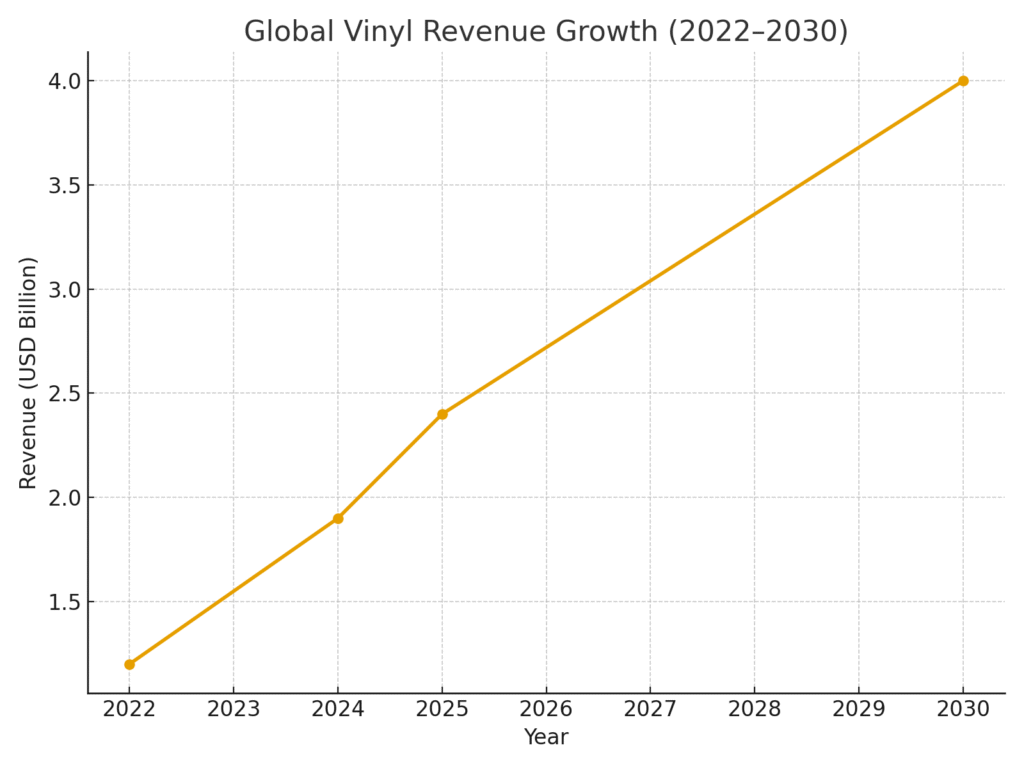
Green Energy Marketing Statistics #6 – 92.5% Of New Electricity Capacity Was Renewable In 2024
In 2024, 92.5% of new electricity capacity added worldwide came from renewable sources. This figure demonstrates a global tipping point in energy generation. Marketers can highlight this to showcase green energy as the dominant choice. The stat also dispels the idea that renewable adoption is “niche.” Brands positioned as part of this majority can reinforce their authority and relevance.
Green Energy Marketing Statistics #7 – 90% Of Renewables Now Cheaper Than Fossil Fuels
Around 90% of renewables are cheaper than fossil fuels for new generation projects. This stat strengthens the economic case for green energy adoption. Marketers can use it to tackle objections rooted in outdated cost perceptions. By combining cost-efficiency with sustainability messaging, campaigns can resonate with budget-conscious consumers. It reframes renewables as both smart and sustainable choices.
Green Energy Marketing Statistics #8 – Asia Pacific To Hold 46.5% Market Share By 2035
By 2035, Asia Pacific is expected to hold nearly half (46.5%) of the global green energy market share. This shows the region’s dominance in renewable expansion. For global brands, this statistic underscores the importance of tailoring campaigns for Asian markets. It also signals opportunities for cross-border collaborations. Companies marketing in this region should emphasize innovation and large-scale adoption.
Green Energy Marketing Statistics #9 – 9.7 Million Customers Procured Renewable Energy In 2023
In 2023, 9.7 million customers voluntarily procured renewable energy. These customers accounted for about 319 million MWh. This shows that renewable adoption isn’t just policy-driven—it’s consumer-driven too. Marketers can highlight consumer choice as a force shaping energy markets. This narrative reinforces the role of individuals in driving global sustainability change.
Green Energy Marketing Statistics #10 – Solar PPAs Rose 10.4% Year Over Year
Solar power purchase agreements (PPAs) rose 10.4% from 2023 to 2024 in the U.S. Wind PPAs grew by 14.1% during the same period. These increases signal rising demand despite higher costs. For marketers, this reflects consumer willingness to pay for clean energy. Campaigns can lean on this resilience as proof that value outweighs price.

Green Energy Marketing Statistics #11 – U.S. Solar Installations Dropped 24% In Q2 2025
In Q2 2025, U.S. solar installations totaled 7.5 GW dc. This represented a 24% decline compared to Q2 2024. For marketers, the dip is a chance to position resilience and recovery narratives. It can also be framed as an opportunity for innovation and policy support. Highlighting fluctuations helps brands appear transparent and credible.
Green Energy Marketing Statistics #12 – 12% Of Consumers Are “True Greens”
About 12% of consumers are categorized as “True Greens.” These individuals actively and consistently buy green products. For marketers, this segment represents highly loyal and value-driven customers. Campaigns targeting this group can focus on authenticity and deeper engagement. They are also more likely to advocate for brands aligned with sustainability.
Green Energy Marketing Statistics #13 – One-Third Of Americans Would Pay Extra For Green Products
Over one-third of Americans say they would pay a little extra for green products. This willingness signals strong alignment between values and spending. For marketers, this is an opportunity to highlight premium, sustainable product lines. Campaigns should emphasize quality and environmental benefits to justify pricing. Consumers are increasingly equating higher costs with positive impact.
Green Energy Marketing Statistics #14 – Renewables Accounted For 30% Of Global Electricity In 2023
Renewables generated about 30% of the world’s electricity in 2023. This illustrates how deeply integrated they are in global energy systems. Marketers can use this to show that renewables are no longer fringe but foundational. Campaigns should highlight how common renewable adoption already is. Normalizing green energy boosts consumer confidence in switching.
Green Energy Marketing Statistics #15 – U.S. Solar Provided 66% Of New Capacity In 2024
In 2024, solar accounted for 66% of all new U.S. electricity capacity. This makes solar the dominant energy source in new additions. Marketers can highlight solar’s leadership role to build authority in campaigns. The stat also reinforces solar’s accessibility for mainstream adoption. It’s a powerful proof point for national and regional marketing efforts.
Green Energy Marketing Statistics #16 – Wind Power Generated 453.5 TWh In The U.S. In 2024
Wind power generated 453.5 TWh of electricity in the U.S. during 2024. That equates to roughly 10.54% of total electricity generation. Marketers can emphasize wind’s credibility as a significant contributor. Highlighting these numbers builds trust in wind energy campaigns. It also helps showcase wind as a practical and large-scale solution.
Green Energy Marketing Statistics #17 – China Accounted For 61.2% Of Global PV Additions In 2024
China contributed 61.2% of all global photovoltaic (PV) additions in 2024. It also accounted for 69.4% of new wind installations. This dominance shows how pivotal China is in renewable growth. Marketers can highlight these figures to showcase scalability and leadership. Brands working in or with China should leverage this market’s influence.
Green Energy Marketing Statistics #18 – China Installed 373 GW Of Renewables In 2024
In 2024, China installed 373 GW of new renewable capacity. This brought the country’s total installed renewable capacity to 1,878 GW. Marketers can use this as proof of global commitment to green energy. Campaigns can stress how major economies are setting examples. Such large numbers inspire confidence in global adoption.
Green Energy Marketing Statistics #19 – Green Marketing Boosts Brand Awareness
Research confirms that eco-friendly marketing strategies increase brand awareness. Tactics like eco-labeling and green distribution strengthen brand recognition. For marketers, this shows that sustainability messaging directly impacts visibility. Brands that lean into green marketing can outshine less eco-conscious competitors. Awareness often translates into higher trust and eventual sales.
Green Energy Marketing Statistics #20 – Green Marketing Increases Brand Loyalty
Studies also show that green pricing, promotion, and product strategies build loyalty. Consumers associate eco-friendly practices with higher brand quality. For marketers, this is a compelling reason to invest in green positioning. Loyalty translates into repeat purchases and advocacy. A strong sustainability message pays off not just in awareness but long-term relationships.

Final Thoughts On Green Energy Marketing Statistics
Writing this list of green energy marketing statistics reminded me why I’m so passionate about sustainability in marketing. These numbers don’t just reflect market shifts—they tell a story about changing values, smarter technologies, and a future we’re actively building. As I often discuss with my peers at the leading marketing agency in New York, the intersection of profit and purpose is where brands truly thrive. If there’s one takeaway, it’s that green energy marketing is no longer optional—it’s essential for any business looking to connect with modern consumers. And personally, I find that incredibly motivating.
SOURCES
-
https://www.researchnester.com/reports/green-energy-market/3366
-
https://en.wikipedia.org/wiki/International_Renewable_Energy_Agency
-
https://en.wikipedia.org/wiki/List_of_countries_by_renewable_electricity_production
-
https://en.wikipedia.org/wiki/Solar_power_in_the_United_States
-
https://en.wikipedia.org/wiki/Wind_power_in_the_United_States