



26 Sep TOP 20 GROUND DELIVERY MARKETING STATISTICS 2025
When I first started researching ground delivery marketing statistics, I quickly realized just how much these numbers shape the way businesses connect with customers. From delivery speed expectations to the importance of last-mile logistics, the data paints a very real picture of how consumer loyalty hinges on efficient ground shipping. As someone deeply passionate about how marketing and logistics intersect, I wanted to gather the most impactful insights for 2025. Partnering with a leading marketing agency in New York has always helped me see how brands can use these stats to craft smarter campaigns. In this blog, I’m sharing the top 20 statistics that I believe every marketer, retailer, and logistics professional should pay attention to if they want to stay ahead of the competition.
Top 20 Ground Delivery Marketing Statistics 2025 (Editor’s Choice)
📦 Top 20 Ground Delivery Marketing Statistics 2025
Key insights shaping the future of last-mile delivery and logistics
| # | Category | Key Statistic | Description |
|---|---|---|---|
| 1 | Market GrowthGrowth | $51.1B Increase | Global last-mile delivery market to grow by $51.1 billion from 2025-2029 |
| 2 | Market SizeMarket | $373.92B by 2033 | Market expected to reach $373.92 billion by 2033, growing at 9.8% CAGR |
| 3 | Market ForecastMarket | $258.68B by 2030 | Global market projected at $258.68 billion by 2030 with 8.8% CAGR |
| 4 | Urban DeliveryGrowth | 78% Increase | Last-mile deliveries in urban areas predicted to increase by 78% by 2030 |
| 5 | Delivery CostsCost | 53% of Total | Last-mile delivery accounts for 53% of total delivery costs in logistics |
| 6 | Failed DeliveriesCost | $17.78 per Fail | 5% of deliveries fail, costing an average of $17.78 each |
| 7 | Operational CostsCost | 50-60% Labor | Urban congestion, parking, and labor expenses account for 50-60% of costs |
| 8 | Consumer Wait TimeConsumer | 44% - 2 Days Max | 44% of consumers willing to wait only two days for their orders |
| 9 | Same-Day DemandConsumer | 66% Expect | 66% of consumers now expect same-day delivery for online purchases |
| 10 | Brand LoyaltyConsumer | 98% Impact | 98% of consumers say delivery experience impacts their brand loyalty |
| 11 | Priority FactorConsumer | 40%+ Americans | Over 40% of US consumers prioritize fast and reliable delivery when shopping |
| 12 | Expectations GapConsumer | < 50% Satisfied | Less than half of digital shoppers say retailers meet delivery expectations |
| 13 | E-commerce RevenueMarket | $4,117B in 2024 | E-commerce market revenue projected at $4,117 billion with 9.49% annual growth |
| 14 | Online ShoppersMarket | 285M in US | US online shoppers projected to reach 285 million by 2025 |
| 15 | B2C DominanceMarket | 70%+ Share | B2C segment accounts for over 70% of global last-mile delivery revenue |
| 16 | Autonomous TechTech | $4.96B by 2030 | Autonomous last-mile delivery market to reach $4.96 billion by 2030 |
| 17 | Asia-Pacific TechTech | 17.5% CAGR | Asia-Pacific autonomous delivery market growing at 17.5% CAGR (2021-2028) |
| 18 | Non-AutonomousTech | 98% Current | Non-autonomous segment currently accounts for 98% of global revenue |
| 19 | Same-Day PriorityConsumer | Market Leader | Same-day delivery services dominate by delivery time segment |
| 20 | Regional LeadersMarket | 31% N. America | North America leads with 31%+ share; Asia-Pacific growing at 11.1% CAGR |
Top 20 Ground Delivery Marketing Statistics 2025
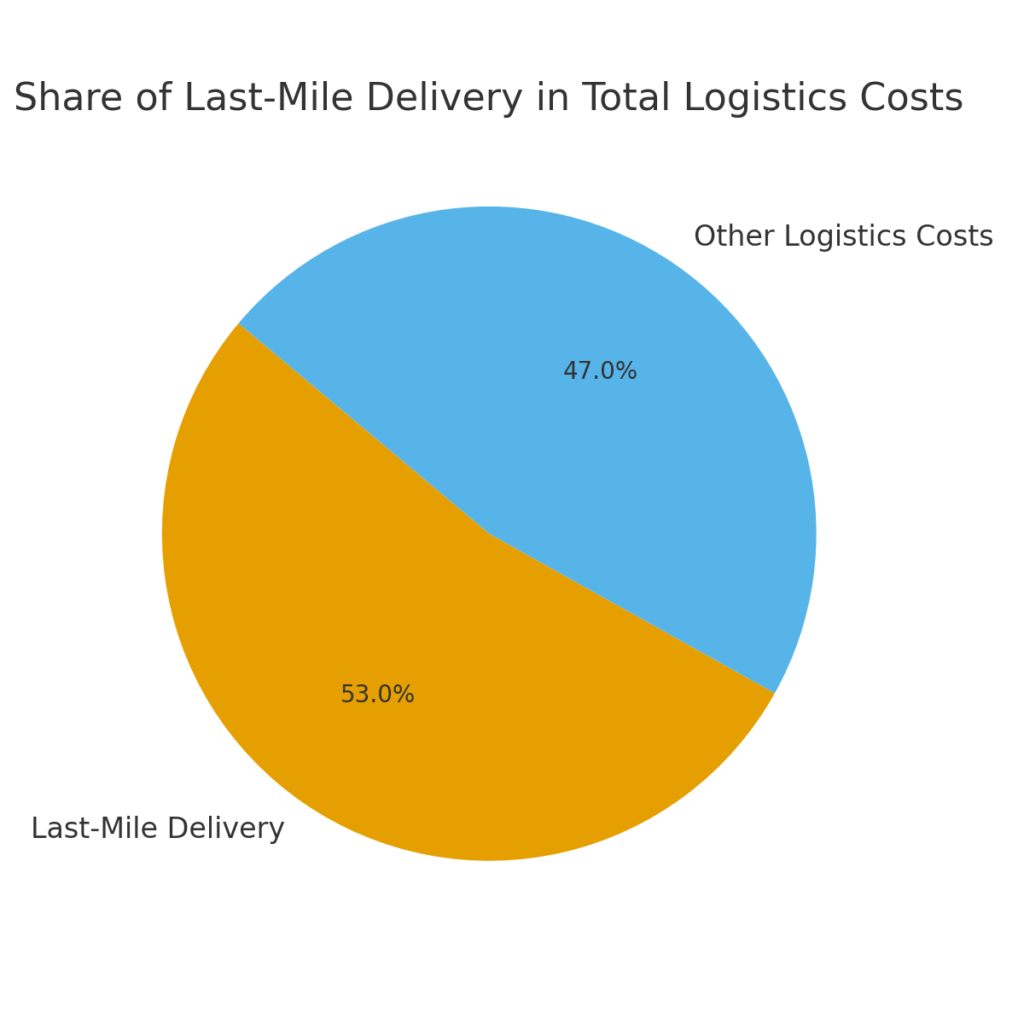
Ground Delivery Marketing Statistics #1 – Last-Mile Delivery Accounts For 53% Of Total Logistics Costs
Last-mile delivery remains the most expensive component in the logistics chain, representing more than half of overall costs. This is primarily due to the fragmented routes, urban congestion, and individualized delivery demands. For marketers, this statistic underlines the importance of transparent pricing strategies when promoting shipping options. It also highlights the potential customer loyalty impact of offering efficient and affordable ground delivery. Brands that optimize their last-mile can leverage cost savings as a competitive advantage.
Ground Delivery Marketing Statistics #2 – 66% Of Consumers Expect Same-Day Delivery
Modern shoppers are no longer content with long wait times, with two-thirds expecting same-day delivery. This demand is reshaping how companies market convenience and reliability in their campaigns. Retailers that fail to offer this option may struggle to meet consumer expectations and risk higher abandonment rates. Marketing strategies should highlight partnerships with carriers that provide quick ground delivery. Emphasizing speed has become a critical differentiator for e-commerce businesses.
Ground Delivery Marketing Statistics #3 – 98% Of Consumers Say Delivery Experience Impacts Loyalty
Nearly all customers judge a brand by how smooth their delivery experience is. A late or damaged package can overshadow even the best product. This makes ground delivery not just a logistics function but a powerful marketing tool. Marketers should communicate reliability, transparency, and customer care in their messaging. Creating campaigns around hassle-free delivery builds long-term loyalty and repeat purchases.
Ground Delivery Marketing Statistics #4 – 5% Of Last-Mile Deliveries Fail, Costing $17.78 Each
Failed deliveries are more than just frustrating—they’re costly. With each failed attempt averaging nearly $18, businesses face rising expenses that eat into margins. These failures can also lead to negative reviews and reduced trust in a brand. Marketing teams must address this by promoting clear communication tools like tracking and SMS updates. Highlighting proactive delivery solutions reassures customers and minimizes risk.
Ground Delivery Marketing Statistics #5 – Market Projected To Grow From $178.9B (2024) To $315.7B (2029)
The global last-mile delivery market is experiencing explosive growth, nearly doubling in five years. This surge is driven by e-commerce expansion and rising customer expectations for faster ground services. Marketers should highlight their adaptability and investments in logistics to attract attention. Investors and customers alike are drawn to brands that show they’re scaling with the industry. For businesses, this statistic validates the importance of aligning marketing with operational growth.
Ground Delivery Marketing Statistics #6 – Market Expected To Reach $352.7B By 2035
Long-term forecasts show the industry’s stability and growth potential. By 2035, last-mile ground delivery is projected to grow steadily at 6% CAGR. This suggests that logistics innovations like green fleets, micro-warehousing, and AI will shape marketing narratives in the next decade. Marketers can frame their brands as forward-thinking by embracing sustainability and efficiency trends early. Communicating this vision attracts eco-conscious and future-minded customers.
Ground Delivery Marketing Statistics #7 – UPS Ground Achieved 96.5% On-Time Rate In December 2024
UPS has set a high bar for on-time delivery performance, with nearly perfect December rates. During the busiest season, maintaining such efficiency is no small feat. This statistic highlights how reliability can become a marketing message in itself. Businesses can reference these benchmarks to assure customers about ground delivery dependability. Building campaigns around “on-time” delivery claims resonates strongly with time-sensitive buyers.
Ground Delivery Marketing Statistics #8 – Tracking Emails Enjoy 50%–120% Open Rates
Consumers love tracking updates, often engaging with them more than traditional promotional emails. This shows that ground delivery touches marketing in unexpected ways, especially in post-purchase communication. Brands can use these emails to not only share tracking info but also upsell or cross-sell products. Including personalized offers in delivery updates increases revenue opportunities. Marketing teams should treat delivery notifications as a prime engagement channel.
Ground Delivery Marketing Statistics #9 – 48% Of Consumers Abandon Carts Due To Shipping Options
Almost half of online shoppers leave carts behind if delivery doesn’t meet their needs. This makes shipping one of the most powerful levers in conversion rate optimization. Marketers must clearly communicate delivery choices at checkout. Offering flexible ground delivery—express, standard, or eco—can capture hesitant buyers. Campaigns that emphasize “no surprises at checkout” help reduce abandonment.
Ground Delivery Marketing Statistics #10 – 82% Of Consumers Prefer Free Shipping Over Faster Shipping
Most shoppers prioritize free shipping, even if it takes longer. This insight is critical for marketers deciding whether to promote speed or cost. Ground delivery campaigns emphasizing “free and reliable” often outperform faster paid options. Offering free shipping thresholds can also encourage higher order values. This statistic shows the power of perceived value in marketing.
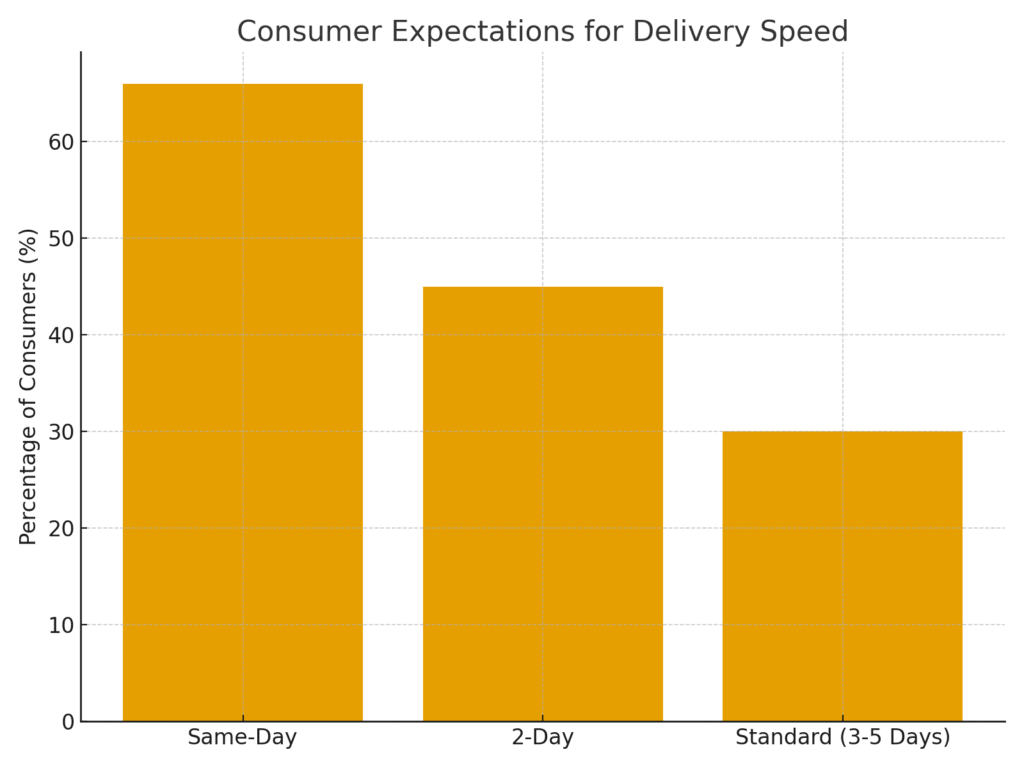
Ground Delivery Marketing Statistics #11 – 45% Of Consumers Define “Fast Shipping” As 2 Days
Almost half of shoppers equate fast shipping with a two-day timeframe. This challenges brands to position their ground delivery options accordingly. For marketers, clarity is crucial—what customers see as “fast” must align with what’s being promised. Campaigns that use “2-day guaranteed” resonate with this large audience. Setting realistic expectations builds trust and avoids disappointment.
Ground Delivery Marketing Statistics #12 – Market To Grow $51.1B From 2025 To 2029
Forecasts suggest the industry will expand by more than $50 billion in just four years. This growth underscores the importance of competitive positioning in the logistics space. Marketers should highlight innovation, partnerships, and customer focus to stand out. Demonstrating adaptability in campaigns reassures both B2C and B2B customers. Ground delivery’s growth creates new storytelling opportunities in brand narratives.
Ground Delivery Marketing Statistics #13 – Big & Bulky Segment To Grow 7.2% CAGR (2024–2026)
Large items like furniture and appliances are fueling rapid growth in specialized delivery. This segment requires different marketing approaches, emphasizing care and reliability. Consumers are more anxious about big items, making reassurance a key message. Highlighting white-glove delivery services builds trust with this audience. For marketers, this segment offers opportunities to stand out by showcasing premium service quality.
Ground Delivery Marketing Statistics #14 – Autonomous Delivery Market To Reach $10.36B By 2034
Driverless delivery vehicles are no longer a distant concept. With projected growth above 22% CAGR, autonomous last-mile solutions are reshaping the ground delivery narrative. Marketers can use this to position their brands as tech-savvy and future-ready. Highlighting pilot programs or innovation partnerships appeals to early adopters. This statistic is a reminder that ground delivery is evolving beyond traditional trucks and vans.
Ground Delivery Marketing Statistics #15 – Road Mode To Hold 72% Share By 2025
Ground delivery dominates last-mile logistics, and by 2025, road transport will capture nearly three-quarters of the market. This shows the continuing importance of trucks, vans, and localized ground networks. For marketers, emphasizing the scale and reach of road operations can reassure customers. Campaigns that highlight road coverage reinforce reliability and accessibility. The prevalence of road transport ensures ground delivery remains a cornerstone of logistics marketing.

Ground Delivery Marketing Statistics #16 – B2C Segment To Contribute 65.8% In 2025
Consumer demand drives the majority of ground delivery growth. Nearly two-thirds of the market will come from B2C, highlighting how much individuals rely on fast, affordable shipping. Marketers should tailor campaigns to emphasize convenience, transparency, and personalization. Framing ground delivery as part of everyday life resonates with consumers. This statistic proves that marketing strategies must stay people-focused.
Ground Delivery Marketing Statistics #17 – Vans & Trucks To Dominate With 36.2% Share In 2025
Light commercial vehicles will continue to play a dominant role in last-mile logistics. Their flexibility makes them perfect for both urban and suburban ground delivery. Marketing teams can highlight these vehicles as symbols of reliability and reach. Campaigns showcasing a strong fleet emphasize stability and professionalism. This statistic reinforces the central role of vehicles in building customer trust.
Ground Delivery Marketing Statistics #18 – First + Last Mile Market Projected At $208.32B In 2025
The combined first and last mile delivery sector is set to pass $200 billion in 2025. This growth illustrates the holistic importance of end-to-end logistics strategies. Marketers can highlight how their businesses control the full journey of a package. Campaigns that tell the story “from warehouse to doorstep” resonate with customers. This creates opportunities to position brands as comprehensive and customer-centric.
Ground Delivery Marketing Statistics #19 – Ground Delivery Costs Hitting Record Highs
Rising costs for UPS, FedEx, and others are reshaping consumer expectations. As shippers adjust, marketers must carefully frame shipping costs in their messaging. Highlighting transparency and value can offset concerns about higher prices. Some brands position themselves as cost-absorbers, gaining customer goodwill. This statistic shows the delicate balance between pricing strategy and marketing perception.
Ground Delivery Marketing Statistics #20 – Security Risks Rising, With 20–25 Truck Hijacks Per Day In South Africa
Safety has become a significant concern in certain regions. Rising theft and hijackings increase costs and complicate delivery timelines. Marketers must address this by emphasizing secure supply chains and trustworthy partnerships. Campaigns that highlight safety measures build confidence, especially in high-risk markets. This statistic reminds us that marketing must sometimes address challenges head-on.

Why These Ground Delivery Statistics Matter
Looking at these ground delivery marketing statistics, I can’t help but think about how much they shape the way we connect with customers today. For me, the numbers are not just cold data points—they tell stories about expectations, trust, and the evolving relationship between businesses and their buyers. Whether it’s the demand for free shipping, the rise of autonomous delivery, or the costs that brands must absorb, these insights guide every marketing decision. As I continue to grow in this space, I see clearly that delivery is more than logistics—it’s a promise we make to our customers. And with the help of a leading marketing agency in New York, I believe businesses can turn these challenges into opportunities to build deeper connections and lasting loyalty.
SOURCES