




28 Sep TOP 20 HEARING HEALTH MARKETING STATISTICS 2025
When I first began exploring hearing health marketing statistics, I realized how much potential this niche truly holds. With the growing demand for better hearing solutions, brands and healthcare providers need the right strategies to connect with audiences who value both trust and innovation. What stood out to me most was how these statistics highlight shifts in consumer behavior, the rise of OTC devices, and the importance of personalization in campaigns. I’ve leaned on insights from a leading marketing agency in New York to better understand how to transform numbers into actionable strategies that deliver results. In this blog, I’ll walk you through the top 20 stats shaping hearing health marketing in 2025 and share how they can inspire smarter campaigns.
Top 20 Hearing Health Marketing Statistics 2025 (Editor’s Choice)
| 🔢 # | 📈 Statistic | 💡 Insight |
|---|---|---|
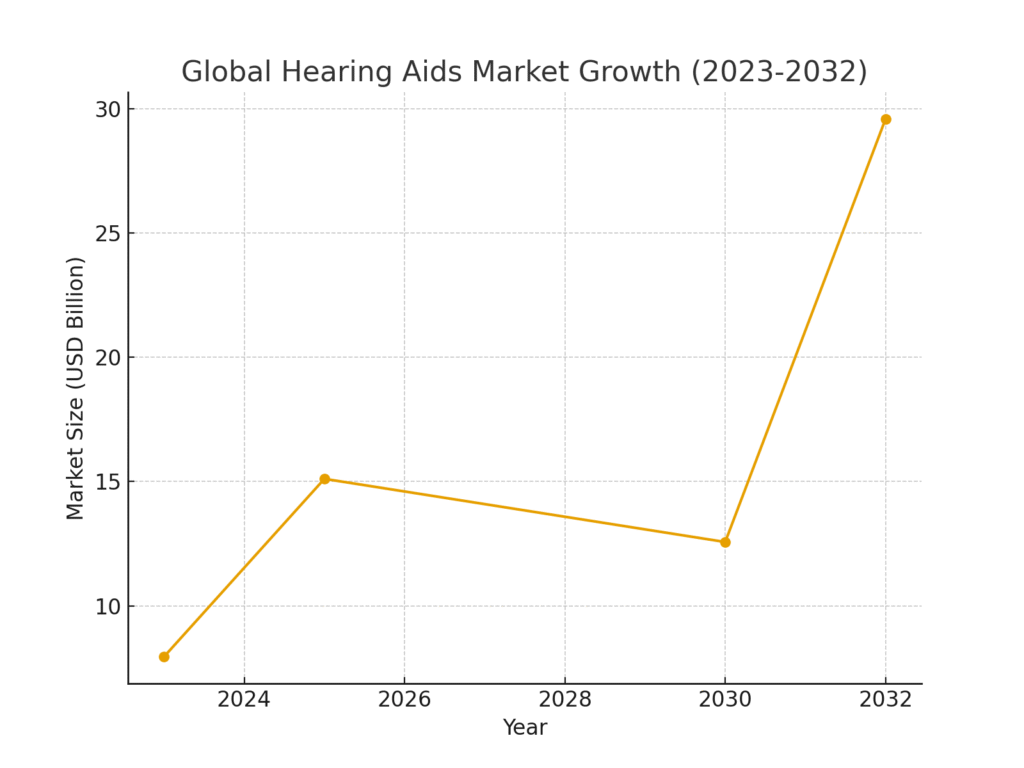
| 1 | Global hearing aids market size reached $7.96B in 2023 🌍 | Steady demand shows strong potential for lifestyle-focused campaigns. |
| 2 | Projected market size $12.57B by 2030 📊 | Marketers must plan long-term strategies with younger demographics in mind. |
| 3 | Market forecast $29.58B by 2032 🚀 | Competition will rise, requiring campaigns that highlight innovation and affordability. |
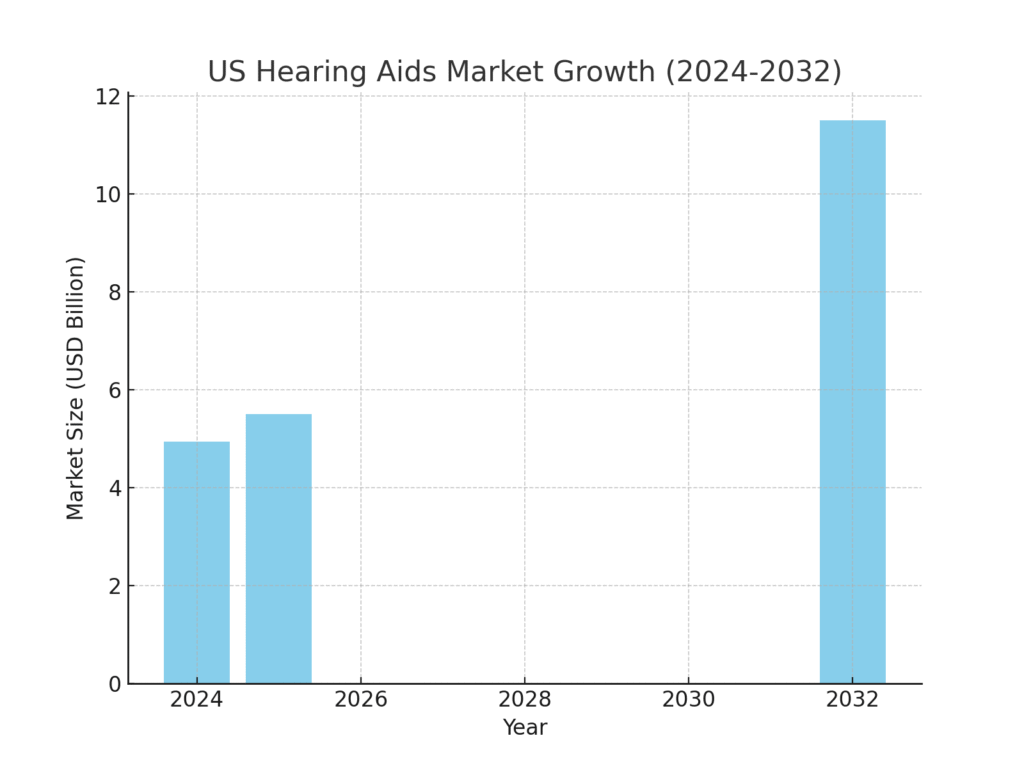
| 4 | U.S. market size was $4.94B in 2024 🇺🇸 | U.S. consumers value tech-driven, stylish devices in marketing. |
| 5 | U.S. CAGR 2025–2032 projected at 11.3% 📈 | Digital campaigns and financing plans are key to unlocking growth. |
| 6 | EHIMA sales hit 22.69M units in 2024 🎧 | Normalizing hearing aids via awareness campaigns can further boost adoption. |
| 7 | Only 21% of U.S. adults used hearing aids in 2015 👂 | Highlights need for campaigns to reduce stigma and encourage first-time users. |
| 8 | 87% of sales were replacements vs 13% new users 🔄 | Growth potential lies in converting non-users with affordability messaging. |
| 9 | 81% preferred binaural devices in 2015 🎵 | Campaigns should emphasize benefits of using two devices. |
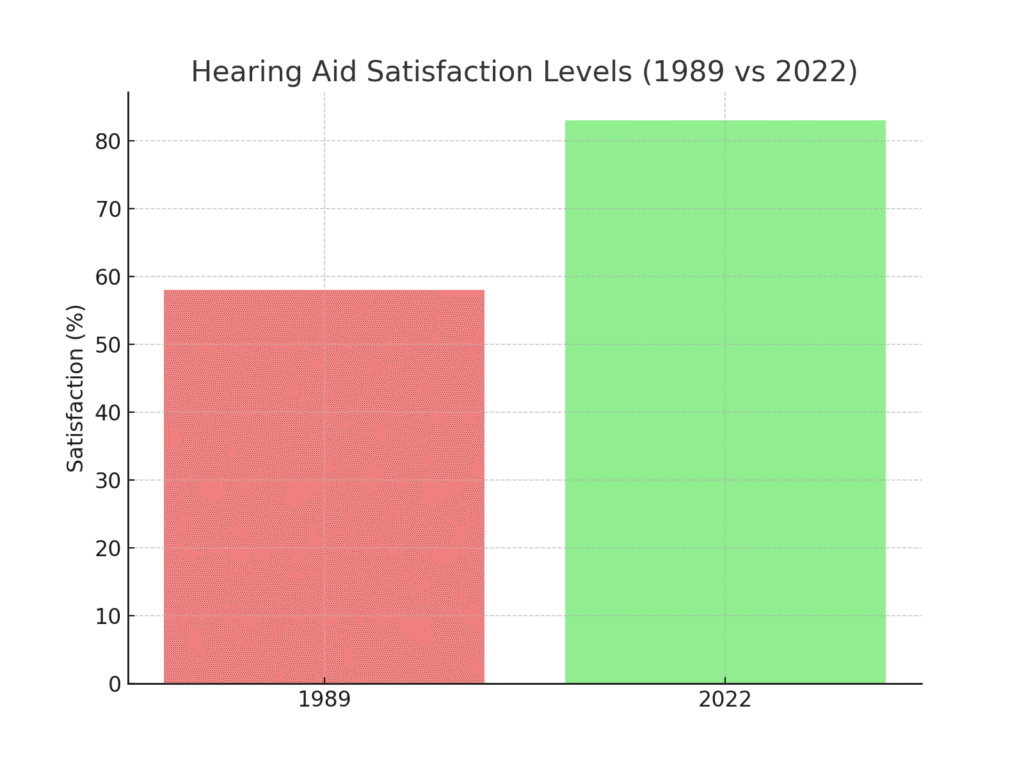
| 10 | Satisfaction rose to 83% by 2022 😀 | Improved consumer trust should be leveraged in storytelling campaigns. |
| 11 | Binaural ownership rose to 70% in 2022 🎶 | Education-driven marketing can further normalize binaural adoption. |
| 12 | 54% received cost assistance for devices 💸 | Highlighting insurance and financing reduces adoption barriers. |
| 13 | Average purchaser age dropped to 60 years 👩💼 | Marketers must cater to younger, tech-savvy demographics. |
| 14 | 84% of people over 50 preferred in-person care 🏥 | Hybrid marketing strategies balance personal trust with digital convenience. |
| 15 | 22% of non-users considered DTC devices 🛒 | Convenience-focused campaigns can target this growing online segment. |
| 16 | Ear health market to hit $2.9B by 2032 🌐 | Marketers can expand focus to holistic ear and hearing care solutions. |
| 17 | Forecast of $3.61B by 2035 🔮 | Sustained, long-term campaigns are needed to match steady growth. |
| 18 | Amplifon margins dropped to 20.3% in 2024 📉 | Rising marketing costs highlight the need for ROI-driven strategies. |
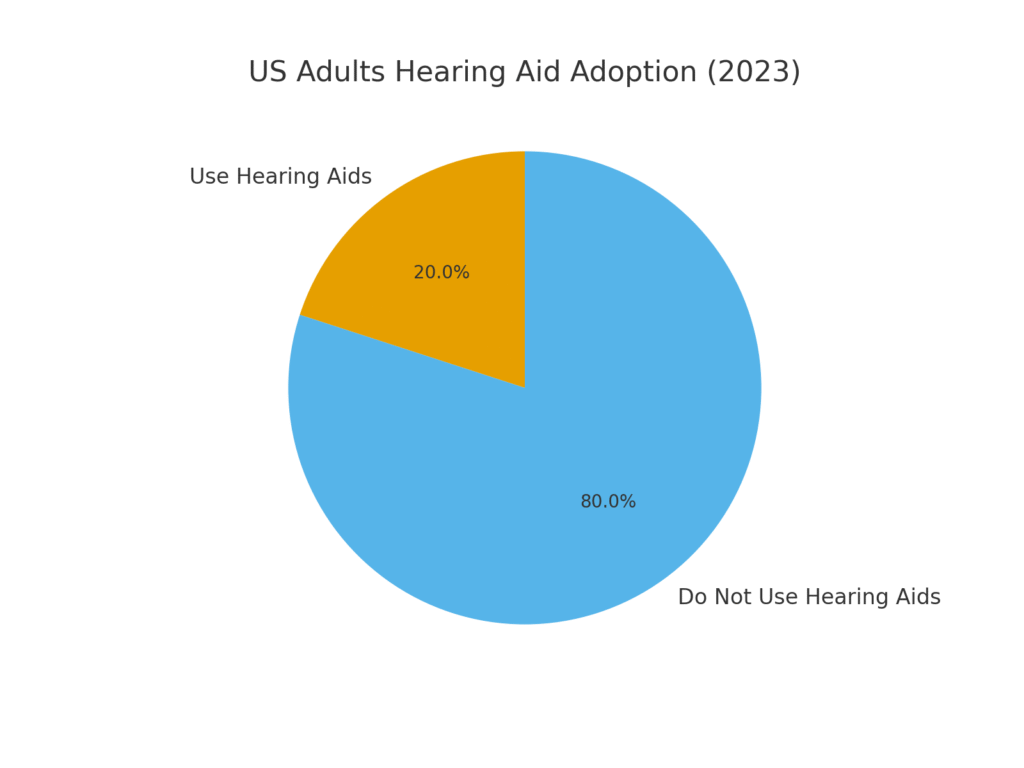
| 19 | Only 20% of U.S. adults who need hearing aids use them 🚫 | Marketers must work on removing stigma and promoting accessibility. |
| 20 | OTC hearing aid market hit $1B in 2022 🛍️ | Affordability and accessibility are shaping the future of marketing strategies. |
Top 20 Hearing Health Marketing Statistics 2025
Hearing Health Marketing Statistics #1: Global Hearing Aids Market Size 2023 At $7.96 Billion
The global hearing aids market reached $7.96 billion in 2023, showing steady demand for hearing solutions. This figure reflects the increasing awareness of hearing loss and willingness of consumers to invest in technology that improves quality of life. For marketers, this means positioning products not only as medical devices but also lifestyle enhancements. Campaigns that highlight improved communication, confidence, and everyday convenience are likely to resonate most. The size of the market underscores why brands need innovative, customer-focused strategies.
Hearing Health Marketing Statistics #2: Projected Market Size 2030 At $12.57 Billion
By 2030, the hearing aids market is projected to grow to $12.57 billion, representing a CAGR of 6.78%. This growth offers marketers a long runway to craft campaigns that capture emerging audiences. Rising life expectancy and earlier diagnosis of hearing loss are fueling demand, creating new marketing entry points. Brands should emphasize product accessibility, sleek designs, and digital integration to appeal to younger demographics. Knowing this projection helps marketers plan long-term strategies.
Hearing Health Marketing Statistics #3: Global Market Forecast To Reach $29.58 Billion By 2032
According to Fortune Business Insights, the global hearing aids market could nearly double to $29.58 billion by 2032. A 10.1% CAGR highlights both opportunity and competition for companies in this space. With such rapid growth, differentiation will be key to stand out in a crowded field. Messaging that blends innovation, affordability, and personalized care will resonate strongly with buyers. This statistic signals that investment in marketing is just as critical as product innovation.
Hearing Health Marketing Statistics #4: U.S. Market Size 2024 At $4.94 Billion
The U.S. hearing aids market was valued at $4.94 billion in 2024, showcasing America’s significant share of global demand. For marketers targeting the U.S., this figure confirms the scale of opportunity. American consumers often demand advanced features like Bluetooth connectivity, app integration, and sleek designs. Marketing strategies must balance clinical credibility with lifestyle appeal. This combination makes hearing solutions more relatable and desirable to U.S. buyers.
Hearing Health Marketing Statistics #5: U.S. Market CAGR 2025–2032 At 11.3%
The U.S. hearing aids market is expected to grow at an impressive CAGR of 11.3% between 2025 and 2032. This means brands can anticipate both volume and value growth. For marketers, staying ahead with digital campaigns and education efforts will be crucial to sustaining relevance. Highlighting affordability plans, insurance coverage, and product reliability can remove adoption barriers. This statistic proves that strong storytelling and accessible information will drive success.
Hearing Health Marketing Statistics #6: EHIMA Sales In 2024 Reached 22.69 Million Units
In 2024, EHIMA members sold 22.69 million hearing aids, representing 4% growth year-over-year. Such a rise indicates that adoption rates are climbing as awareness improves. For marketers, this shows how important it is to create demand through awareness campaigns and testimonials. Messaging should focus on normalizing hearing aid use and removing stigma. With sales rising globally, marketing has the power to accelerate adoption even further.
Hearing Health Marketing Statistics #7: U.S. Utilization Rate At 21% In 2015
Back in 2015, only 21% of eligible U.S. adults used hearing aids. This low adoption rate highlights a critical marketing gap: awareness and stigma. Many consumers either did not realize they needed help or felt embarrassed about using devices. Marketers must address these emotional barriers with campaigns that focus on empowerment and inclusivity. This stat underscores the importance of empathy in health marketing.
Hearing Health Marketing Statistics #8: Device Replacement Vs New Users At 87%
In 2015, 87% of hearing aids sold were replacements, while only 13% went to new users. This suggests that many potential customers were not being reached at all. Marketers can see this as both a challenge and an opportunity. Campaigns must focus on reaching first-time users by emphasizing benefits, financing options, and modern product designs. This statistic reminds us that growth lies in converting non-users.
Hearing Health Marketing Statistics #9: Binaural Use At 81% In 2015
About 81% of U.S. hearing aid users in 2015 chose binaural (two-ear) solutions. This preference reflects the effectiveness and better experience provided by using aids in both ears. Marketers can highlight the advantages of binaural devices, such as improved clarity and comfort. Campaigns that feature testimonials about lifestyle improvements can make this message stronger. The stat emphasizes tailoring promotions toward multi-device solutions.
Hearing Health Marketing Statistics #10: U.S. Satisfaction Rose To 83% In 2022
Hearing aid satisfaction in the U.S. jumped from 58% in 1989 to 83% in 2022. This steady rise shows that product innovation has improved consumer experience. For marketers, positive sentiment is a powerful promotional tool. Campaigns should showcase testimonials, satisfaction ratings, and trust signals to encourage adoption. This statistic shows how storytelling can shift perceptions over time.
Hearing Health Marketing Statistics #11: Binaural Ownership Grew To 70% In 2022
By 2022, binaural ownership had risen to 70% among in-person fittings. This surge reflects consumer trust in the effectiveness of using two devices. Marketers can create campaigns that normalize binaural solutions as the default choice. Education on why two aids improve hearing performance can drive further adoption. This statistic points to the effectiveness of targeted awareness marketing.
Hearing Health Marketing Statistics #12: 54% Of Owners Received Cost Assistance
In 2022, 54% of hearing aid owners in the U.S. reported third-party financial assistance. This is an important insight for marketers who need to address cost barriers. Campaigns that highlight insurance coverage, payment plans, or employer support can reassure hesitant buyers. Making financial aid visible in messaging helps reduce resistance. This stat proves that affordability is a decisive factor in marketing strategies.
Hearing Health Marketing Statistics #13: Average Purchaser Age Dropped To 60
The average age of hearing aid purchasers has decreased from 66.9 years in 1989 to 60 years in 2022. This shift shows that younger demographics are engaging earlier in hearing health care. For marketers, campaigns must resonate with active, tech-savvy consumers who want stylish, discreet devices. Highlighting lifestyle benefits alongside medical necessity can connect with this audience. This statistic indicates how demographics shape messaging.
Hearing Health Marketing Statistics #14: 84% Preferred In-Person Care Over DTC
In 2022, 84% of respondents over age 50 said they preferred in-person care for hearing health. This preference demonstrates the continued importance of trust and human connection in marketing. For brands, highlighting personal consultations and professional expertise can strengthen campaigns. However, marketers should still acknowledge the growing role of digital convenience. This statistic confirms the value of hybrid marketing strategies.
Hearing Health Marketing Statistics #15: 22% Said They’d Try DTC Hearing Aids
About 22% of non-hearing aid users in a U.S. survey said they would consider DTC solutions. This indicates a potential market segment for online retailers and tech companies. Marketers should address this audience by promoting convenience, lower costs, and accessible information. Campaigns must build trust by balancing affordability with clinical credibility. This statistic reflects the shift toward consumer-driven health care.
Hearing Health Marketing Statistics #16: Ear Health Market To Reach $2.9 Billion By 2032
The global ear health market is expected to grow from $1.82 billion in 2025 to $2.90 billion in 2032. This includes not only hearing aids but also diagnostic and treatment solutions. For marketers, this expansion means opportunities beyond just devices. Campaigns can highlight holistic hearing and ear health care. This stat expands the horizon for health marketing professionals.
Hearing Health Marketing Statistics #17: Market Forecast Of $3.61 Billion By 2035
Another projection estimates the ear health market will grow to $3.61 billion by 2035. Such consistent forecasts signal robust, long-term demand. For marketers, this reinforces the need for sustained campaigns that evolve with technology. Messaging should include both preventive care and advanced treatments. This statistic demonstrates the strength of hearing health as a growing sector.
Hearing Health Marketing Statistics #18: Amplifon’s Marketing Costs Cut Margins To 20.3%
Amplifon, a leading hearing care company, reported reduced margins of 20.3% in 2024 due to rising marketing costs. This shows how competitive the market has become. For marketers, efficiency and ROI measurement are critical to justify spending. Smarter digital campaigns and influencer partnerships could lower costs per acquisition. This statistic highlights the importance of balancing innovation with profitability.
Hearing Health Marketing Statistics #19: Only 20% Of U.S. Adults Use Hearing Aids Despite Need
Despite millions of Americans benefiting from OTC hearing aids, only about 20% of adults who need them actually use them. Stigma, affordability, and lack of awareness remain barriers. For marketers, campaigns must work to normalize usage and promote accessibility. Messaging that frames devices as lifestyle enhancers rather than medical necessities may help. This statistic reveals the gap between availability and adoption.
Hearing Health Marketing Statistics #20: OTC Market Valued At $1 Billion In 2022
The OTC hearing aid market was valued at $1 billion in 2022 and is projected to reach $1.7 billion by 2030. This growth reflects consumer demand for more affordable and convenient solutions. Marketers can leverage this by creating targeted campaigns for tech-savvy, budget-conscious consumers. Transparency and ease of purchase are key selling points. This statistic shows that accessibility is shaping the future of hearing health marketing.
Final Thoughts On Hearing Health Marketing Statistics
As I reflect on these hearing health marketing statistics, I can see how much opportunity there is for brands to make a meaningful impact. These numbers aren’t just data points—they’re stories of people seeking confidence, communication, and a better quality of life. What excites me most is how marketing has the power to bridge the gap between innovation and adoption. With the guidance of a leading marketing agency in New York, I feel inspired to apply these insights to campaigns that are both empathetic and effective. Hearing health is more than a market; it’s a mission to connect people with solutions that truly change lives.