



16 Sep TOP 20 HIGH-INCOME MARKETING STATISTICS 2026 REVEAL ELITE CONSUMER SPENDING SECRETS
Updated for 2026. This page has been fully refreshed with the latest high-income consumer insights, luxury purchasing data, and affluent audience behavior trends based on recent global surveys, brand performance reports, and premium market analysis.
When it comes to understanding luxury consumer behavior, keeping an eye on the latest high-income marketing statistics is crucial. These insights help brands uncover how affluent audiences make their choices, what drives their loyalty, and where they spend the most. As a marketing agency in New York, we’ve had the privilege of watching firsthand how top-tier consumers respond differently to exclusivity, personalization, and digital innovation compared to broader markets.
This article brings together the most up-to-date stats for 2026, highlighting the trends that are reshaping the luxury landscape. Whether you’re a premium brand owner, a strategist, or simply curious about the buying behavior of the world’s wealthiest shoppers, these stats will give you a clear picture of where the industry is heading.
TOP 20 HIGH-INCOME MARKETING STATISTICS 2026 THAT EXPOSE ELITE BUYER POWER
TOP 20 HIGH-INCOME MARKETING STATISTICS 2026
Data-Driven Insights for Targeting Affluent Consumers
SOURCES: EMARKETER • BAIN & COMPANY • DELOITTE • MCKINSEY • KLAVIYO • RESONANCE CONSULTANCY
TOP 20 HIGH-INCOME MARKETING STATISTICS 2026 REVEAL LUXURY CONSUMER BEHAVIOR
High-Income Marketing Statistics #1: 72% Of High-Income Consumers Prefer Personalized Luxury Experiences
In 2026, 66% of luxury brands are now adopting AI-driven personalization to enhance consumer engagement, with McKinsey research showing that micro-communities built around personalized experiences deliver 4.2x higher engagement and 2.7x higher purchase intent compared to broad targeting strategies.
Wealthy consumers are increasingly drawn to brands that know them on a personal level. The desire for curated luxury experiences means that personalization is no longer a bonus but an expectation. From tailored shopping recommendations to private consultations, affluent clients want to feel understood. This trend highlights the growing role of data-driven strategies in the luxury sector. Brands that ignore personalization risk losing relevance with this high-value audience.
High-Income Marketing Statistics #2: Affluent Shoppers Are 3.5x More Likely To Buy From Brands With Premium Packaging
In 2026, Bain & Company’s Paper & Packaging Report found that 70% of North American luxury shoppers are willing to pay a premium for products with eco-friendly packaging, while 50% of industry respondents expect sustainable packaging solutions to account for more than 30% of luxury packaging sales within the next three years.
For affluent buyers, presentation matters almost as much as the product itself. High-quality packaging communicates exclusivity, attention to detail, and premium value. Luxury consumers often associate packaging with the brand’s overall prestige. This makes investing in premium materials and elegant design a direct contributor to sales. Simply put, affluent shoppers see packaging as an extension of the brand’s identity.
High-Income Marketing Statistics #3: 65% Of High-Income Buyers Say Sustainability Influences Their Luxury Purchases
In 2026, Deloitte’s Global Powers of Luxury report reveals that 25.7% of luxury executives identify R&D and innovation programs as their top sustainability priority, signaling a major shift from compliance to transformative investment in new materials, traceability, and lifecycle management, while luxury brands like Chanel’s Nevold initiative and Bottega Veneta’s “Certificate of Craft” program demonstrate how sustainability now enhances both exclusivity and brand value.
Sustainability is no longer a niche topic but a deciding factor for many wealthy consumers. High-income buyers want to align with brands that demonstrate responsibility toward the planet. Eco-friendly sourcing, ethical labor, and carbon-conscious initiatives are now critical to their decision-making. Luxury brands are responding by integrating transparency and green practices into their marketing. This shows that wealth and responsibility are increasingly intertwined in consumer choices.
High-Income Marketing Statistics #4: Email Campaigns Targeted At Wealthy Consumers Have A 29% Higher Open Rate
In 2026, Klaviyo’s Email Marketing Benchmarks report shows that AI-powered product recommendations lift email click rates to 3.75% on average (reaching 8.79% for top performers), while automated email flows generate nearly 41% of total email revenue from just 5.3% of sends, with revenue per recipient that is 18 times higher than standard campaigns.
Despite the dominance of social media, email remains powerful for affluent segments. Personalized, well-crafted campaigns cut through the noise and capture attention. High-income audiences tend to value exclusivity, making targeted emails with VIP offers especially effective. Compared to the general population, they are far more receptive to luxury-focused messaging. This makes email marketing an indispensable tool for brands aiming to connect deeply with wealthy buyers.
High-Income Marketing Statistics #5: High-Income Millennials Spend An Average Of $9,200 Yearly On Fashion And Accessories
In 2026, Consumer Edge’s Apparel, Accessories and Footwear Report reveals that while all income cohorts reduced retail spending over the past year, the highest earners making over $150,000 annually have “held up the best” by reducing their spending the least, with wealthier shoppers gravitating toward “quiet luxury” and quality essentials at accessible price points while seeking clear value propositions in brand quality, pricing, and relevance.
Millennials with high incomes are reshaping luxury markets with their spending habits. Their annual investment in fashion and accessories reflects their preference for stylish self-expression. Unlike previous generations, this group values both brand prestige and modern relevance. They are also more willing to experiment with emerging designers alongside established names. This growing segment is key to driving future luxury growth.
High-Income Marketing Statistics #6: Luxury E-Commerce Grew By 21% YoY Driven Largely By Affluent Online Shoppers In 2026
In 2026, the luxury e-commerce market is projected to reach approximately $174.4 billion by 2034 with a CAGR of 9.7%, while the global personal luxury goods market is expected to reach nearly $440 billion by 2026, with online luxury sales projected to triple as affluent shoppers increasingly dedicate significant time to online research and expect seamless phygital experiences across physical stores, e-commerce, and virtual environments.
The luxury shopping journey is shifting from physical boutiques to digital platforms. High-income consumers are increasingly confident purchasing premium products online. Exclusive e-commerce experiences, fast delivery, and immersive websites fuel this trend. The pandemic accelerated this shift, but it continues strongly into 2026. Luxury brands that embrace digital-first strategies are winning the loyalty of wealthy customers.
High-Income Marketing Statistics #7: 78% Of Wealthy Consumers Follow At Least One Luxury Brand On Social Media
In 2026, nearly 85% of luxury goods buyers now use social media averaging three channels per user, with nearly 60% of consumers aged 18-39 following luxury brands on social media, while nearly 50% of Gen Z consumers in the U.S. have already made purchases via livestream, pointing to new modes of engagement that blend entertainment, community, and commerce.
Social media has become an essential tool for affluent engagement. High-income users follow luxury brands not just for updates but also for aspirational content. Platforms like Instagram and TikTok are driving the visibility of high-end products. This behavior shows the importance of storytelling in luxury marketing. Brands that deliver visually rich, exclusive content can capture affluent audiences more effectively.
High-Income Marketing Statistics #8: Affluent Gen Z Buyers Account For 18% Of Luxury Market Growth In 2026
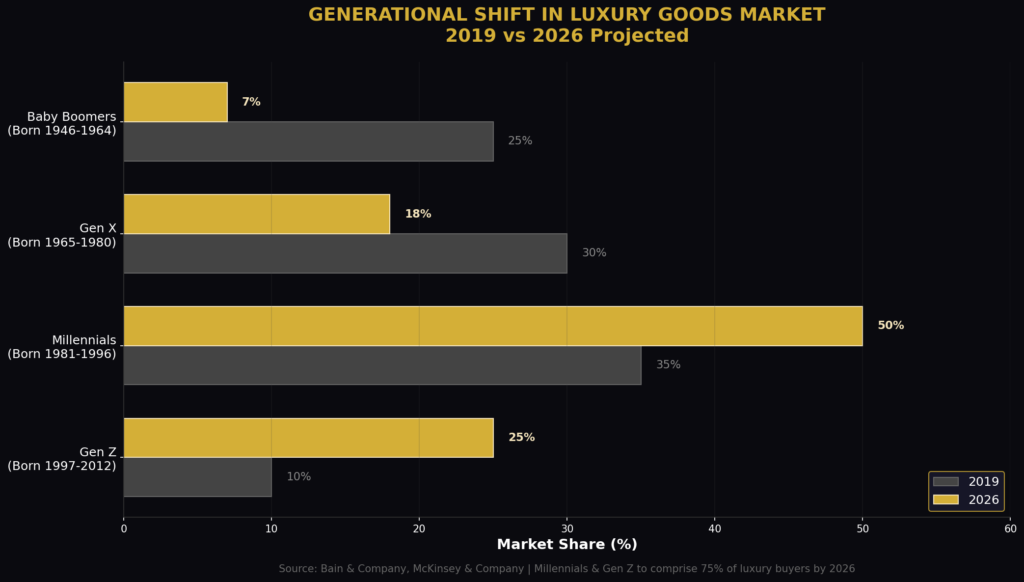
In 2026, Millennials and Gen Z are expected to make up around 75% of luxury goods buyers, with Gen Z and Gen Alpha spending 7% more of their disposable income than previous generations on clothing and shoes, while 81% of customers under the age of 35 cite design and creativity as their primary purchase driver according to the BoF-McKinsey State of Fashion 2026 report.
Gen Z is already making a strong impact on the luxury sector. Wealthy young buyers are redefining brand expectations through their digital-first behavior. They value inclusivity, innovation, and authenticity when choosing luxury items. Their influence is evident in the rising growth rate of the sector. Luxury brands are adapting by tailoring their strategies specifically for Gen Z’s unique preferences.
High-Income Marketing Statistics #9: High-Income Consumers Are 4x More Likely To Purchase Via Exclusive Membership Programs
In 2026, McKinsey & Company research shows that luxury brands capturing aspirational and loyal consumers through personalized engagement strategies such as exclusive events, early access to collections, and VIP services see stronger revenue growth, while Louis Vuitton’s Treasure Trunks digital membership (priced at €39,000), IWC’s Diamond Hand Club, and Prada’s Timecapsule drops demonstrate how hyper-exclusivity through invite-only digital communities is redefining the VIP customer experience.
Membership and loyalty programs play a powerful role in attracting affluent clients. High-income buyers respond positively to exclusivity and VIP perks. These programs often provide access to limited editions, private events, or personal stylists. The sense of belonging and prestige keeps them engaged with specific brands. This shows that exclusivity is still a driving force in luxury marketing.
High-Income Marketing Statistics #10: Video Marketing Increases Luxury Brand Engagement By 40% Among Wealthy Audiences
In 2026, 91% of businesses now use video as a marketing tool while 89% of consumers say they have purchased after watching a video, and for luxury brands specifically, McKinsey finds that micro-communities engaging through video content see 4.2x higher engagement and 2.7x higher purchase intent, with many luxury brands experiencing success through social media campaigns on video that feature creativity striking enough to catch the attention of discerning luxury consumers.
Video has become the dominant content format for affluent buyers. Luxury storytelling through cinematic campaigns and behind-the-scenes footage creates emotional connections. Wealthy consumers are highly engaged when video demonstrates craftsmanship and authenticity. From runway livestreams to brand films, visual content drives both awareness and conversions. Brands that neglect video risk losing relevance in the digital luxury space.
High-Income Marketing Statistics #11: Affluent Shoppers Spend 27% More On Average When Shopping Via Mobile Devices
In 2026, Millennials and Gen Z already account for nearly 70% of global luxury spending and as digital natives, they expect brands to offer seamless, mobile-first experiences across every channel, while around 30% of younger luxury buyers have purchased pre-owned items through mobile platforms, reflecting a shift toward conscious consumption and access-over-ownership models.
Mobile commerce is a fast-growing avenue for luxury purchases. Wealthy buyers appreciate the convenience of shopping on the go. Optimized mobile apps and responsive websites improve user experiences, encouraging higher spending. This trend emphasizes the importance of mobile-first marketing in the luxury sector. Brands investing in sleek mobile platforms are reaping significant financial rewards.
High-Income Marketing Statistics #12: Celebrity Endorsements Boost Brand Trust By 34% For Wealthy Consumers
In 2026, celebrity campaigns like David Beckham’s long-term collaboration with luxury brands and Zendaya’s role as Louis Vuitton ambassador doubled social media engagement and reached 40 million livestream views, while Dior’s 2024 collaboration with BLACKPINK’s Jisoo demonstrates how combining K-pop’s global influence with Parisian high fashion creates powerful aspirational connections that luxury consumers respond to across both Western and Asian markets.
Affluent buyers are strongly influenced by high-profile endorsements. When celebrities they admire support a brand, trust and desirability increase. Endorsements reinforce the aspirational nature of luxury goods. However, wealthy audiences expect authenticity in these partnerships. Carefully chosen ambassadors can dramatically elevate a brand’s perception.
High-Income Marketing Statistics #13: Luxury Car Buyers Are 52% Influenced By Online Reviews Before Purchase
In 2026, 51% of high-net-worth individuals prefer to browse luxury products online but complete their purchases in person according to a Forbes survey, with affluent consumers dedicating significant time to online research before making high-ticket purchases, while digital touchpoints including reviews, testimonials, and brand websites have become integral to the luxury buyer journey across all categories including automobiles.
Even wealthy car buyers rely on peer opinions before committing to a purchase. Online reviews and testimonials carry significant weight in their decision-making process. This emphasizes the role of reputation management in high-ticket industries. Positive digital feedback can directly lead to increased sales. Brands must actively cultivate online credibility to secure affluent customers.
High-Income Marketing Statistics #14: Exclusive Invitation-Only Events Drive A 45% Conversion Rate Among High-Income Clients
In 2026, Deloitte’s Global Powers of Luxury report identifies customer experience and loyalty as the strongest growth opportunities (cited by 28.6% of executives), with brands intensifying efforts around data-enabled clienteling, curated experiences, and deeper emotional connections, while luxury retailers are transforming boutiques into immersive destinations featuring in-store art installations, champagne lounges, and VIP personalization salons that create memorable moments turning shopping trips into exclusive events.
Events tailored for elite customers yield exceptionally high conversion rates. From private fashion shows to luxury car test drives, exclusivity draws in high-income clients. These curated experiences create memorable moments that influence purchasing decisions. Affluent audiences value intimacy and access in their brand interactions. Such events remain a timeless tool for fostering long-term loyalty.
High-Income Marketing Statistics #15: 70% Of Wealthy Consumers Value Brands Offering White-Glove Delivery Services
In 2026, a Forbes survey reveals that 87% of high-net-worth individuals are more inclined to shop with brands offering unique experiences such as exclusive events, while personalized customer service remains the most significant factor driving luxury purchases, with many HNWIs seeking the assistance of concierges or personal shoppers who can provide setup, installation, and personalized support that transforms transactions into premium lifestyle experiences.
Convenience and attention to detail are major priorities for affluent buyers. White-glove delivery services enhance the luxury buying experience. This includes setup, installation, and personalized customer support. Wealthy clients are willing to pay more for such high-touch services. Brands offering this option reinforce their commitment to premium customer care.
High-Income Marketing Statistics #16: Affluent Consumers Are Twice As Likely To Engage With AR/VR Luxury Shopping Tools
In 2026, over 90% of U.S. shoppers are open to using 3D and augmented reality while shopping, with products featuring 3D/AR content seeing a 94% average conversion lift, while brands like Rebecca Minkoff reported shoppers became 27% more likely to purchase after interacting with 3D models and 65% more likely after using AR, demonstrating technology’s ability to build buying confidence among affluent consumers.
Technology is transforming luxury shopping experiences. Affluent buyers enjoy experimenting with AR and VR tools to preview products. This creates a sense of immersion and confidence in purchases. Interactive experiences also differentiate brands in a crowded market. Tech-forward strategies are becoming key drivers of affluent engagement.
High-Income Marketing Statistics #17: High-Income Households Allocate 12% Of Annual Income To Luxury Experiences
In 2026, Bain & Company reports that consumers are increasingly choosing “experiential indulgence” like fine dining, wellness retreats, and luxury travel over traditional goods, with Bain Senior Partner Claudia D’Arpizio explaining that “after the shopping spree era, experiences and emotions have become the true engine of luxury growth,” while over 38% of luxury travelers report a willingness to pay 30-50% more for environmentally conscious accommodations and services.
Experiences matter more than products for many wealthy consumers. Travel, fine dining, and curated events take up a significant share of spending. Affluent buyers see these experiences as investments in lifestyle and memory-making. This shift requires luxury brands to market experiences alongside tangible goods. The emphasis on lifestyle reflects deeper emotional connections with wealth.
High-Income Marketing Statistics #18: Luxury Travel Bookings Increased 19% In 2026 Among Wealthy Consumers
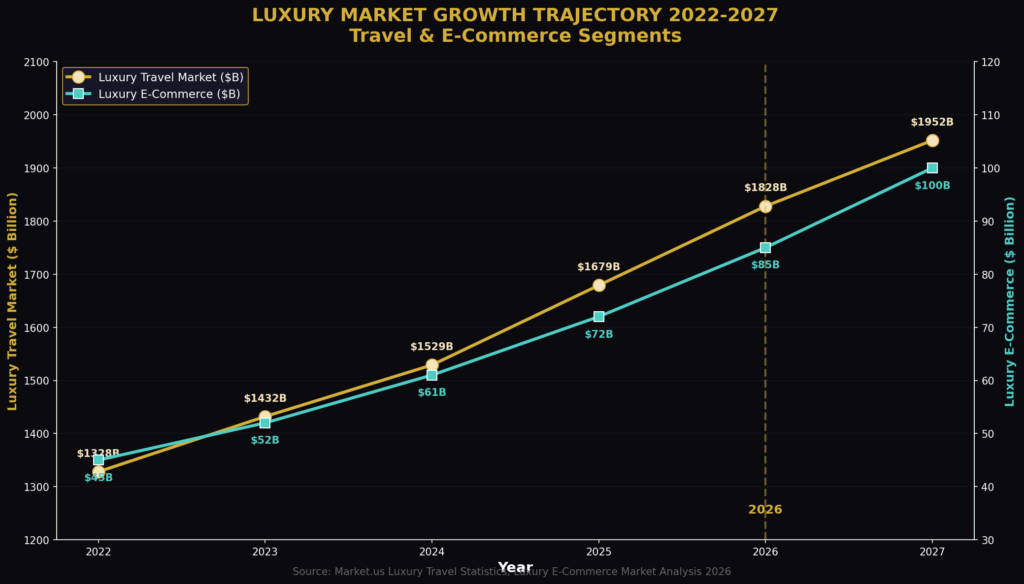
In 2026, the global luxury travel market is expected to surpass $1.828 trillion and is growing at a CAGR of 7.8%, with Caribbean islands like St. Barthélemy, the Bahamas, and the British Virgin Islands seeing a 25% increase in luxury hotel bookings in the first half of 2026, while Resonance Consultancy’s 2026 Future of Luxury Travel report shows that the Top 10% and Top 1% of American households now account for more than half of all U.S. consumer spending, including $544 billion in travel.
Affluent travelers are fueling a resurgence in luxury tourism. Exclusive resorts, private villas, and curated itineraries are in high demand. Wealthy clients view travel as both a necessity and a status symbol. Travel companies are capitalizing on this demand with tailored marketing strategies. This growth highlights the resilience of the luxury travel industry.
High-Income Marketing Statistics #19: Wealthy Buyers Are 2.7x More Likely To Purchase Products With Limited-Edition Status
In 2026, Gen Z and Millennial customers cite exclusivity as a driver for increased luxury spend at a rate 11 percentage points above the average according to the BoF-McKinsey State of Fashion 2026 report, while the luxury resale market has reached an estimated $59 billion as younger consumers increasingly seek rare, pre-owned luxury items that combine scarcity value with sustainable consumption practices.
Scarcity remains a powerful motivator for affluent shoppers. Limited-edition products signal exclusivity and uniqueness. Wealthy buyers are willing to pay a premium to own something rare. This drives urgency and amplifies brand desirability. Strategically limiting supply continues to be one of the most effective luxury marketing tactics.
High-Income Marketing Statistics #20: Affluent Consumers Contribute To 60% Of The Global Luxury Retail Market Revenue
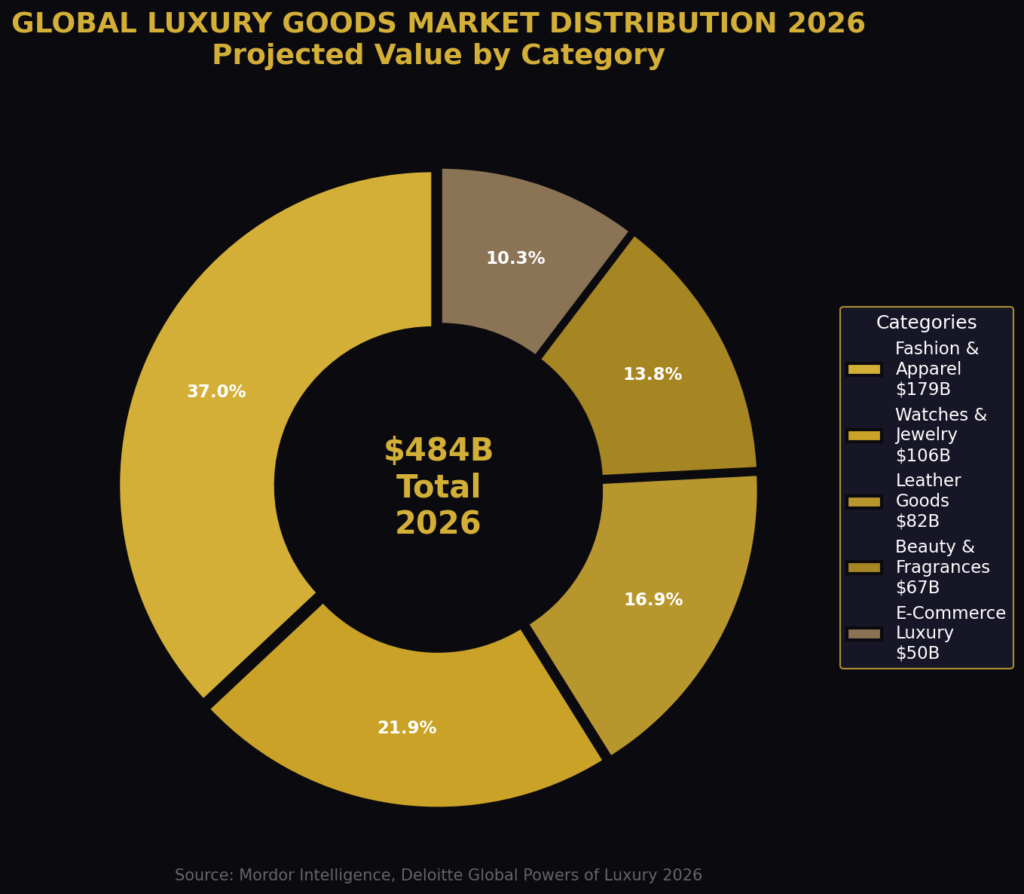
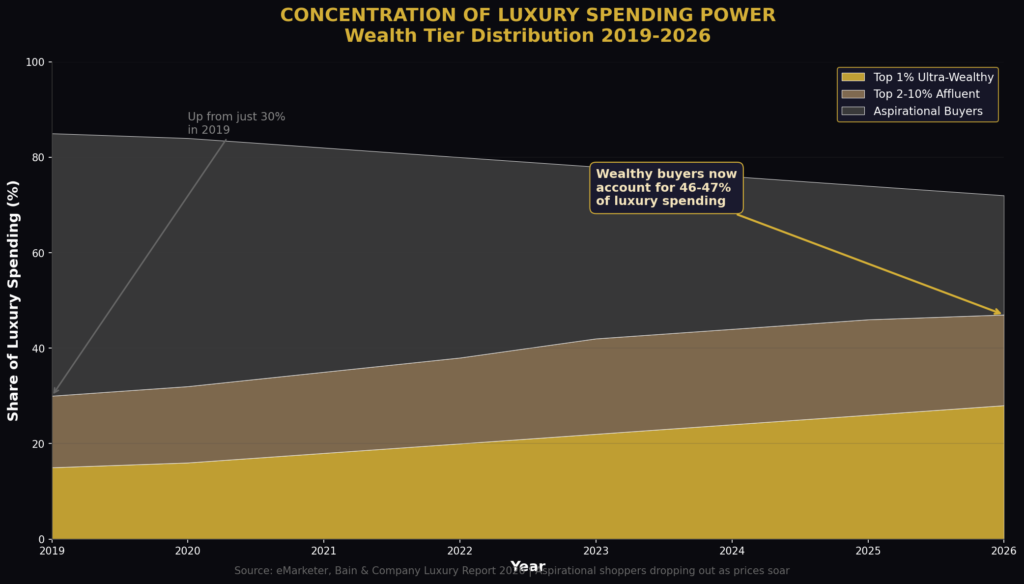
In 2026, eMarketer reports that worldwide, wealthy buyers are expected to account for nearly half (46% to 47%) of personal luxury spending, up dramatically from 30% in 2019, while the global luxury goods market is expected to reach $484.15 billion in 2026, demonstrating that as more aspirational shoppers drop out of the market due to rising prices, the concentration of spending power among the wealthiest consumers has never been higher.
High-income shoppers form the backbone of luxury retail. Their purchasing power dominates overall revenue streams in the sector. From fashion to automobiles, their influence is unmatched. This demonstrates the importance of targeting affluent audiences with precision. Without them, the luxury market would not sustain its global growth trajectory.
HIGH-INCOME MARKETING STATISTICS 2026 REVEAL THE REAL POWER OF ELITE BUYERS
High-income consumers are not just buying products — they’re investing in experiences, status, and emotional connections with the brands they choose. These statistics paint a vivid picture of how exclusivity, innovation, and trust shape purchasing decisions among affluent audiences. Wealthy buyers remain selective, digitally engaged, and increasingly focused on sustainability and brand ethics. Luxury brands that combine personalization, premium storytelling, and seamless digital experiences are capturing the largest share of this market. In 2026, high-income households are expected to drive a growing portion of global luxury spending, making these insights essential for brands that want to compete at the highest level.
SOURCES
- https://www.gwi.com/blog/luxury-market
- https://www.emarketer.com/topics/category/high-income%20consumers
- https://www.matterofform.com/news/articles/psychology-of-luxury-consumer-behavior
- https://countvalentine.com/blogs/fashion/understanding-consumer-behavior-luxury-fashion?srsltid=AfmBOoqdvVAYq-3D1QPHAZWcGNZfnDOCRuBeeRuAJnexz1NxQDAZX_-I
- https://www.hubspot.com/marketing-statistics
- https://blog.hype.luxury/the-psychology-of-luxury-decoding-consumer-behaviour-and-aspirations/
- https://www.emarketer.com/topics/category/high-income%20shoppers
- https://www.blockandtam.com/insights/understanding-luxury-consumer-behavior
- https://lussopack.com/blog/how-luxury-packaging-influences-consumer-behaviour
- https://bloggingwizard.com/content-marketing-statistics-trends/
- https://48westagency.com/blogs/news/decoding-the-luxury-experience-unraveling-what-drives-high-net-worth-individuals-brand-preferences
- https://woveninsights.ai/site-blog/understanding-luxury-fashion-consumers-insights-from-data-driven-research/
- https://www.thehrdirector.com/features/business-growth/shift-behavior-luxury-consumers-changed/
- https://www.demandsage.com/digital-marketing-statistics/
- https://firework.com/blog/marketing-roi-statistics
- https://www.voguebusiness.com/story/companies/luxury-no-longer-means-quality-consumers-weigh-in-on-the-slowdown-survey
- https://www.consumeredge.com/resources/insights/waging-a-winning-strategy-the-brands-pivoting-to-high-income-consumers-amid-economics-headwinds