




25 Sep TOP 20 HOME-BASED MARKETING NETWORKING STATISTICS 2025
When I first started exploring the world of working from home, I never imagined how much opportunity existed in building genuine connections right from my living room. That’s why I’ve put together these home-based marketing networking statistics—to share the realities, challenges, and opportunities that come with this evolving space. As someone who values data but also appreciates the human side of networking, I’ve partnered insights with my own perspective to give you something more meaningful than just numbers. With the help of resources from a leading marketing agency in New York, I want to show you how the trends shaping home-based networking can inspire smarter decisions, whether you’re starting out or scaling your efforts.
Top 20 Home-Based Marketing Networking Statistics 2025 (Editor’s Choice)
📊 Top 20 Home-Based Marketing Networking Statistics
Key Insights for 2025 | Network Marketing Industry Trends
| # | Statistic | Value |
|---|---|---|
| 1 | Global network marketing industry worth | $200B+ |
| 2 | Number of MLM participants in the United States | 18.8 Million |
| 3 | Global network marketing distributors worldwide | 116 Million+ |
| 4 | Percentage of women in network marketing workforce | 74% |
| 5 | MLM participants who actually make a profit | 25% |
| 6 | MLM industry annual growth rate (2023-2028 CAGR) | 3.6% |
| 7 | Global direct selling retail sales in 2023 | $167.6B |
| 8 | US MLM market annual revenue | $35 Billion |
| 9 | B2B buyers who make decisions based on social media | 75% |
| 10 | Network marketers who recruit new members | 75% |
| 11 | Sales reps using social media outperform others by | 23% |
| 12 | Top-performing salespeople using social media | 90% |
| 13 | Asia Pacific's share of global direct sales market | 40% |
| 14 | Distributors spending monthly on their MLM business | $50-$100 |
| 15 | Average retention rate for network marketing companies | 61-86% |
| 16 | MLM participants in Europe | 14 Million |
| 17 | Success rate achieving significant financial success | 1-5% |
| 18 | Average annual earnings of direct selling business person | $5,176 |
| 19 | Businesses using social media for marketing | 91%+ |
| 20 | MLM software market annual growth rate (2021-2029) | 8.3% |
Top 20 Home-Based Marketing Networking Statistics 2025
Home-Based Marketing Networking Statistics #1: Global MLM / Direct Selling Industry Growth At 3.6% CAGR
The global MLM and direct selling industry is projected to grow at a CAGR of about 3.6% between 2023 and 2028. This steady growth reflects the resilience of network-driven business models even in an increasingly digital-first world. Many entrepreneurs see direct selling as an accessible entry point to start working from home. The model continues to evolve, incorporating e-commerce, social media, and hybrid networking tools. For home-based marketers, this shows that traditional networking and modern digital channels can successfully coexist.
Home-Based Marketing Networking Statistics #2: 18.8 Million U.S. MLM Participants In 2022
In 2022, the U.S. had approximately 18.8 million people participating in MLM or direct selling. This highlights the sheer scale of interest in flexible, home-based income opportunities. Many join due to promises of autonomy, while others see it as a way to supplement their household income. The high participation rate underscores how common home-based networking has become across American households. For marketers, this emphasizes the importance of standing out in a very crowded market.
Home-Based Marketing Networking Statistics #3: 74% Of Participants Are Women
Women make up around 74% of all MLM and direct selling participants. This statistic reflects how home-based marketing aligns with flexible work needs, particularly for women balancing family and career. It also shows the social aspect of networking is appealing to communities where word-of-mouth carries strong influence. Female participation continues to shape the kinds of products and messaging that thrive in these markets. For marketers, it’s a reminder to design campaigns that resonate with women-led audiences.
Home-Based Marketing Networking Statistics #4: Median Annual Income Around $3,000
The median income for MLM and direct selling participants in 2022 was about $3,000 annually. While this demonstrates some earning potential, it also highlights that most participants are not reaching substantial financial gains. This figure can be sobering for those entering with high expectations. It emphasizes the importance of realistic goal-setting and persistence in the field. For home-based marketers, transparent communication about earning potential is key to building trust.
Home-Based Marketing Networking Statistics #5: 78% Work Part-Time
Approximately 78% of participants in MLM and network marketing reported working part-time. This indicates that for most people, home-based networking is a side activity rather than a full-time career. The flexibility of part-time involvement makes it appealing for students, parents, and retirees. It also demonstrates that expectations of income are often tied to the hours invested. Marketers should therefore create pathways for part-time success, not just focus on full-time outcomes.
Home-Based Marketing Networking Statistics #6: Most Participants Earn $1,000 Or Less Per Year
A 2024 FTC report found that most MLM participants earn $1,000 or less annually before expenses. This sheds light on the stark difference between advertised success stories and real outcomes. For many, expenses like product purchases and event fees cut into already modest earnings. This reality serves as a cautionary tale about the promises often made in recruitment pitches. Marketers should focus on honesty to maintain credibility in the industry.
Home-Based Marketing Networking Statistics #7: Only 25% Ever Make A Profit
Only about 25% of MLM participants ever turn a profit in their ventures. The majority either break even or face losses, particularly in the first few years. Profitability is strongly tied to persistence, networking skills, and often, sheer luck in building a strong downline. These odds show that while opportunities exist, they are not guaranteed. It’s a reminder that home-based networking requires patience and consistency, not just enthusiasm.
Home-Based Marketing Networking Statistics #8: Top 1% Earn Around $65,000 Annually
The top 1% of network marketers average around $65,000 in annual income. This shows that higher earnings are possible, but only for a very small portion of participants. It often takes years of consistent networking, brand-building, and recruitment to reach this level. These figures highlight the highly unequal distribution of income within home-based marketing models. For newcomers, this demonstrates the value of managing expectations.
Home-Based Marketing Networking Statistics #9: Income Claims Often Mislead Participants
Many MLM and networking businesses emphasize income claims in their marketing. However, FTC findings show that these claims rarely align with the actual outcomes for most participants. This gap creates mistrust and has led to regulatory scrutiny in recent years. For home-based marketers, credibility and transparency are now more important than ever. The lesson is simple: sustainable growth comes from honesty, not hype.
Home-Based Marketing Networking Statistics #10: Most Distributors Make $1,000 Or Less In Many Disclosures
Income disclosure statements from multiple MLMs confirm that most distributors earn less than $1,000 annually. This consistency across companies reinforces the industry-wide challenge of profitability. The figure highlights how only a small percentage of participants experience meaningful financial gain. It also underscores the importance of careful budgeting and realistic income expectations. Marketers should use these stats to foster open conversations about both risks and rewards.

Home-Based Marketing Networking Statistics #11: Affiliate Marketing Valued At $18.5 Billion In 2025
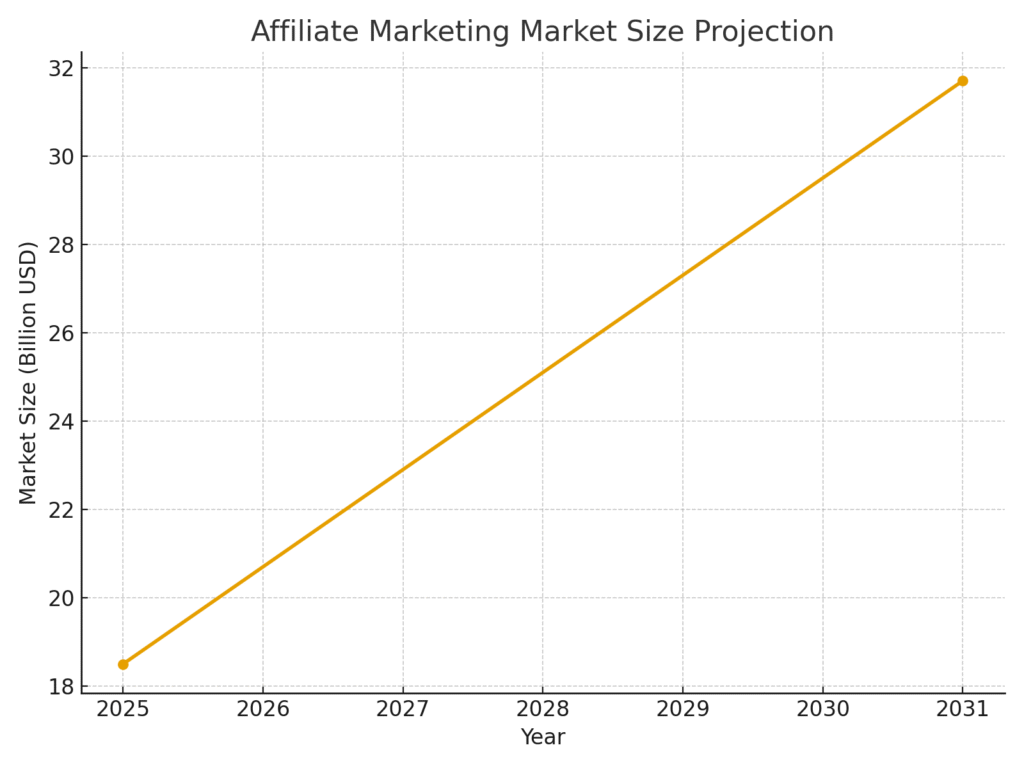
Affiliate marketing has reached an estimated global value of $18.5 billion in 2025. This reflects its role as a dominant home-based business model for marketers worldwide. Unlike MLM, affiliate marketing relies more on digital performance and less on recruitment. The scale of this industry demonstrates its growth potential and sustainability. For home-based marketers, affiliate programs provide a structured, low-barrier way to monetize content.
Home-Based Marketing Networking Statistics #12: Affiliate Marketing Projected To Reach $31.7 Billion By 2031
By 2031, affiliate marketing is projected to expand to around $31.7 billion. This growth highlights the accelerating adoption of performance-based models by brands. It also demonstrates the long-term viability of home-based digital networking as a profession. More brands are turning to affiliates as trusted voices to drive e-commerce. Home-based marketers who adopt affiliate strategies now can secure strong positions as the industry scales.
Home-Based Marketing Networking Statistics #13: Affiliate Marketing Drives 16% Of E-Commerce Sales
Affiliate marketing accounts for about 16% of all e-commerce sales globally. This shows how critical affiliates have become in shaping online purchasing decisions. For home-based marketers, this offers immense opportunity to capture digital audiences. Brands are increasingly investing in affiliate channels to complement traditional advertising. It proves that even small-scale affiliates can play a significant role in large e-commerce ecosystems.
Home-Based Marketing Networking Statistics #14: 80% Of Advertisers Use Affiliate Marketing
Over 80% of advertisers use affiliate marketing within their digital strategies. This dominance reflects its efficiency in generating measurable results. For home-based marketers, it means there’s a constant demand for affiliates to promote products. The widespread adoption also ensures stability and longevity in this field. Those entering the industry today can benefit from a wealth of existing networks and tools.
Home-Based Marketing Networking Statistics #15: Average Affiliate Conversion Rates Around 2.5%
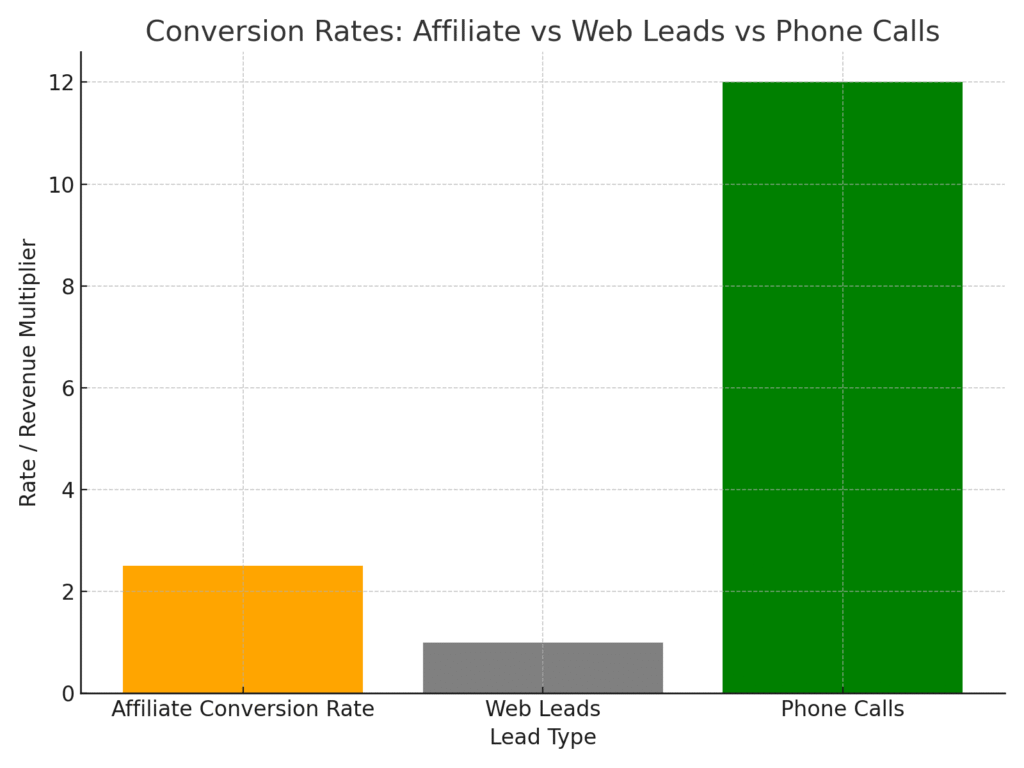
Affiliate networks average about 2.5% conversion rates, with top networks reaching up to 5%. This highlights both the potential and the limitations of affiliate-driven sales. For home-based marketers, improving conversion rates often comes down to better audience targeting. Small gains in conversion percentages can lead to significant revenue over time. It demonstrates why ongoing testing and optimization are essential in affiliate marketing.
Home-Based Marketing Networking Statistics #16: 55% Of Affiliate Traffic Comes From Mobile
Around 55% of affiliate marketing traffic originates from mobile devices. This reflects the dominance of mobile-first browsing and shopping behavior. For home-based marketers, it underscores the importance of optimizing content and campaigns for mobile users. Mobile-friendly landing pages and responsive designs are now non-negotiable. Ignoring this trend risks missing out on over half of potential customers.
Home-Based Marketing Networking Statistics #17: U.S. Home Services Market Valued At $485 Billion In 2025
The U.S. home services market is valued at roughly $485 billion in 2025. While not strictly network marketing, it represents a huge area of opportunity for home-based service marketers. The scale shows how consumer demand for local services remains strong. Marketers can apply networking strategies to promote small, home-based service businesses effectively. This segment demonstrates how “home” and “networking” extend beyond digital MLMs into traditional services.
Home-Based Marketing Networking Statistics #18: 55% Of Consumers Search Online Before Booking Home Services
More than 55% of consumers search online before scheduling home services like plumbing or HVAC. This highlights how digital presence and networking influence offline business decisions. For home-based marketers promoting services, visibility in search results is critical. The stat emphasizes the importance of combining local SEO with networking strategies. It shows that online marketing often precedes and supports offline transactions.
Home-Based Marketing Networking Statistics #19: 78% Of Local Mobile Searches Result In A Purchase Within 24 Hours
About 78% of local searches on mobile devices lead to a purchase within one day. This demonstrates the high intent behind local searches and their value to service providers. For home-based service marketers, optimizing for local mobile traffic can drive fast results. The immediacy of action makes mobile marketing one of the most powerful networking tools. This stat reflects the urgency of being visible at the right time.
Home-Based Marketing Networking Statistics #20: Phone Calls Convert 10–15x More Revenue Than Web Leads
Phone calls generate 10–15 times more revenue than web leads in home services marketing. This shows that personal connection and real-time conversations remain vital. For home-based marketers, building trust through direct calls can dramatically improve outcomes. It also demonstrates how traditional networking methods still play a role in digital-driven industries. Combining digital visibility with phone-based networking creates a powerful conversion strategy.
My Final Thoughts on Home-Based Marketing Networking
Looking over these statistics, what strikes me most is how much heart and hustle people are putting into their home-based marketing journeys. Behind every data point is someone juggling calls from their kitchen table, building trust one conversation at a time, and trying to turn ambition into something tangible. I’ve learned that success in this space isn’t just about profit margins or percentages—it’s about persistence, relationships, and the courage to keep going when the results don’t come overnight. Partnering with a leading marketing agency in New York has shown me how these insights can be transformed into real strategies, and I hope this roundup leaves you feeling just as motivated as I am to take the next step in your own path.
SOURCES
https://blog.hubspot.com/marketing
https://infinitemlmsoftware.com/blog/general-network-marketing-statistics/
https://digitalmarketinginstitute.com/blog
https://blog.beehiiv.com/p/network-marketing-statistics
https://www.acfe.com/acfe-insights-blog/blog-detail?s=spotting-mlms-and-pyramid-schemes
https://llcbuddy.com/data/multi-level-marketing-mlm-statistics/
https://kamlee.home.blog/2020/09/29/digital-marketing-work/