



17 Sep TOP 20 HOMEOWNER MARKETING STATISTICS 2025
Homeowner marketing statistics offer valuable insights into the behaviors, preferences, and spending patterns of homeowners in today’s market. As the demand for innovative marketing strategies grows, understanding these trends is essential for staying ahead of the competition. Whether you’re a real estate professional or a business targeting homeowners, tapping into these statistics can help you craft more effective campaigns. At a leading marketing agency in New York, Amra & Elma, we continuously analyze data to create targeted strategies that resonate with your audience and drive measurable results.
Top 20 Homeowner Marketing Statistics 2025 (Editor’s Choice)
🏠 Top 20 Homeowner Marketing Statistics
Essential Data-Driven Insights for 2025 Marketing Success
| Rank | Category | Marketing Statistic | Key Value |
|---|---|---|---|
1 |
Market Size | The home services market continues massive growth with expanding opportunities for service providers and marketers | $485 Billion |
2 |
Hidden Costs | Annual hidden homeownership costs beyond mortgage payments create significant financial pressure for homeowners | $21,400/Year |
3 |
Improvement Spending | Expected annual spending on homeowner improvements and maintenance through Q2 2025 | $466 Billion |
4 |
First-Year Costs | Total first-year homeownership investment including down payment, furnishing, renovations, and essential tools | $86,698 |
5 |
Conversion Rate | Real estate industry leads with superior conversion rates compared to most other industries | 4.7% |
6 |
Search Performance | Organic search significantly outperforms paid search for real estate conversions | 3.2% vs 1.5% |
7 |
Phone Conversions | Phone interactions dominate successful real estate conversions, with most users preferring phone contact | 38% of Conversions |
8 |
PPC Performance | Home services PPC campaigns significantly outperform industry average conversion rates | 10.22% vs 6.6% |
9 |
Cost Per Click | Average cost per click for home services advertising continues rising due to increased competition | $7.85 |
10 |
Affordability Crisis | Housing affordability crisis fundamentally reshaping American homeownership dreams and expectations | 47% Can't Afford |
11 |
Buying Intentions | Despite challenges, majority of Americans across all generations plan home purchases in 2025 | 51% Plan to Buy |
12 |
Millennial Buyers | Millennials represent the largest segment of homebuyers with high first-time buyer percentage | 29% of Buyers |
13 |
Maintenance Time | Homeowners dedicate significant weekly time to home repairs and maintenance, often feeling overwhelmed | 7 Hours/Week |
14 |
Smart Home Growth | Smart home market experiencing explosive growth with massive projected expansion through 2034 | $1.4 Trillion by 2034 |
15 |
Device Adoption | Smart home device adoption reaching critical mass among internet-connected households | 45% Have Devices |
16 |
Video Marketing | Video content dramatically increases homeowner engagement and inquiry generation for real estate agents | 403% More Inquiries |
17 |
Email Marketing ROI | Email marketing delivers exceptional ROI for real estate, significantly outperforming social media channels | 4,200% ROI |
18 |
Search Traffic | Search engines remain the dominant traffic source for real estate websites and lead generation | 57% of Traffic |
19 |
Home Equity | Massive home equity wealth creates opportunities for home improvement and refinancing marketing | $11 Trillion |
20 |
Buyer Remorse | Significant percentage of homeowners experience regret, feeling financially trapped in current properties | 22% Have Remorse |
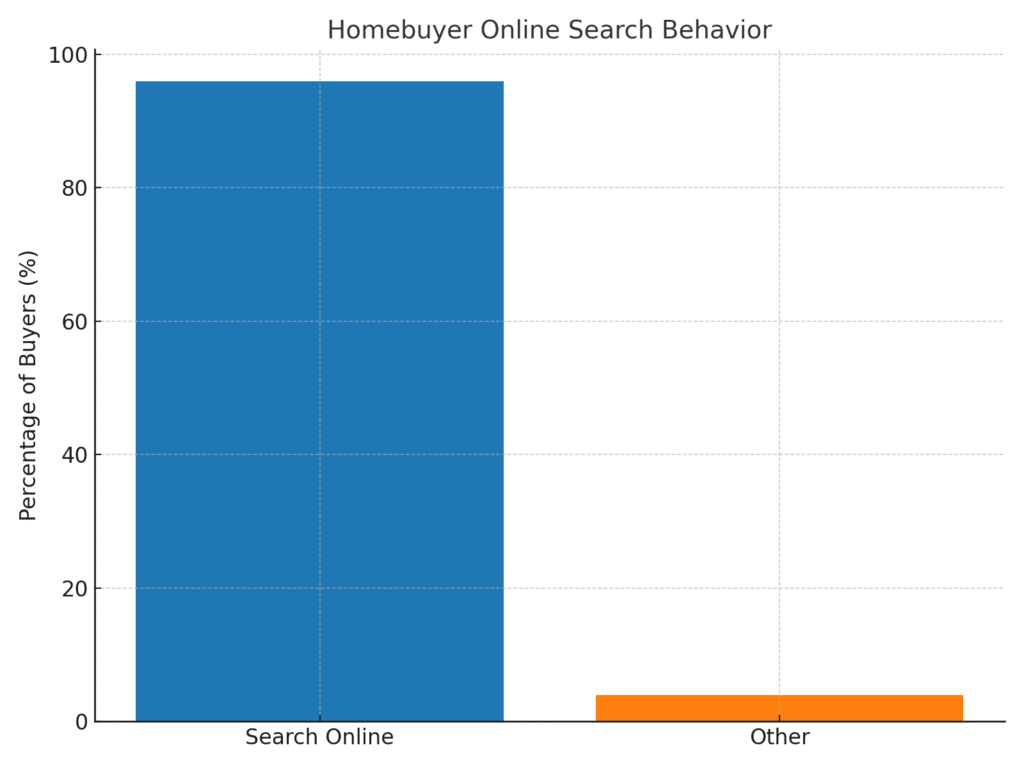
Homeowner Marketing Statistics #6: 96% of Homebuyers Search for Homes Online
The majority of homebuyers, 96%, now start their search for homes online. This statistic underscores the growing importance of having a strong online presence for anyone in the real estate industry. Marketers must focus on optimizing websites, improving search engine visibility, and engaging with potential buyers through digital channels. Interactive features like virtual tours, listings with high-quality images, and detailed neighborhood insights are crucial in attracting these online searchers. Understanding this trend enables businesses to create a comprehensive digital strategy that meets homebuyers where they are.
Homeowner Marketing Statistics #7: 54.2% of Real Estate Agents’ Marketing Budgets Are Spent on Digital Marketing
More than half (54.2%) of real estate agents’ marketing budgets are allocated to digital marketing. This shift emphasizes the growing reliance on digital platforms to connect with buyers and sellers. Real estate professionals must continue to invest in digital tools such as social media ads, email campaigns, and paid search to stay competitive. The increasing importance of online channels means that agents who don’t embrace digital marketing may be left behind. Marketers in the real estate sector should ensure they are optimizing their digital strategies to maximize visibility and lead generation.
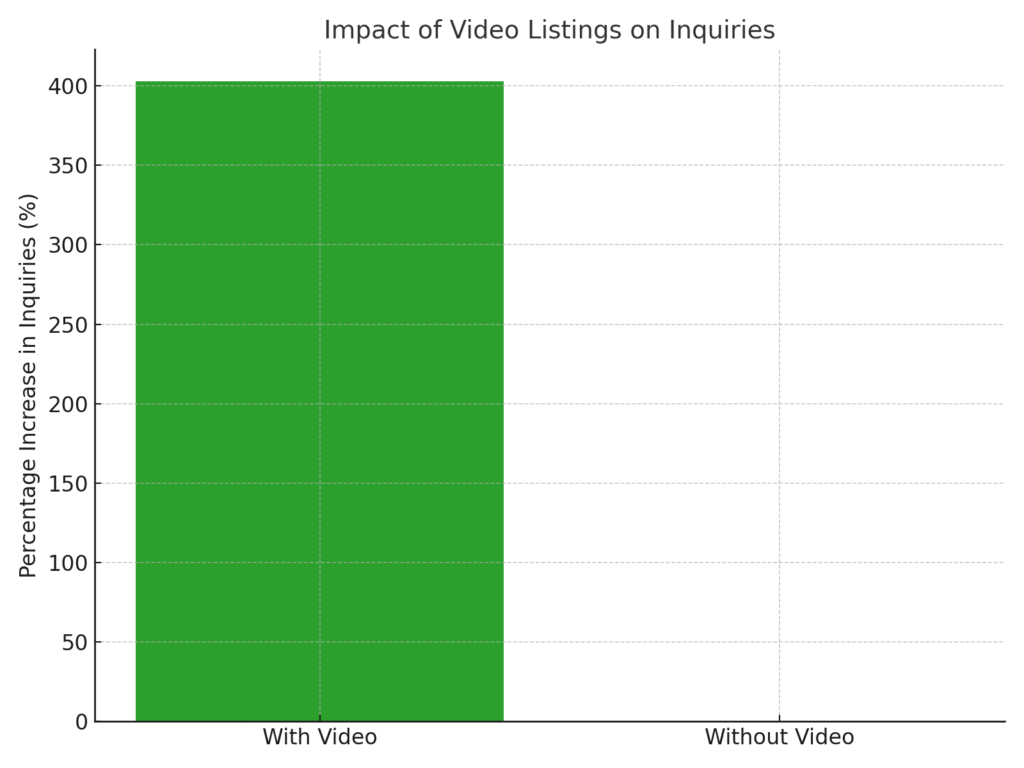
Homeowner Marketing Statistics #8: Listings with Video Generate 403% More Inquiries
Real estate listings that feature videos generate 403% more inquiries than those without. This incredible statistic shows the power of video content in attracting potential buyers. Marketers in the real estate industry should prioritize video as part of their strategy, offering virtual home tours, neighborhood highlights, or informational content. Videos provide a more dynamic and engaging way to showcase properties, making them more appealing to today’s online consumers. By investing in video marketing, businesses can significantly increase their chances of capturing leads and boosting sales.
Homeowner Marketing Statistics #9: 73% of Homeowners Prefer Agents Who Use Video Marketing
Homeowners overwhelmingly prefer to work with agents who use video marketing, with 73% favoring them over others. This preference highlights the importance of incorporating video into your marketing strategy, as it builds trust and provides a more personalized experience. Videos allow potential clients to visualize themselves in a property and feel more connected to the agent. By offering video content, whether it’s virtual tours or market insights, real estate agents can differentiate themselves from competitors and attract more clients. This trend reinforces the power of video as an essential marketing tool.
Homeowner Marketing Statistics #10: 81% of Marketers Report Video Helps Generate Leads
According to 81% of marketers, video content is instrumental in generating leads. This statistic demonstrates the effectiveness of video in capturing consumer attention and driving conversions. For businesses in the real estate and home services sectors, incorporating video into their campaigns can lead to higher engagement and more inquiries. Whether it’s a home tour, customer testimonial, or how-to guide, video content helps create a more immersive and interactive experience. Marketers should consider video as a top priority when building their content strategies.
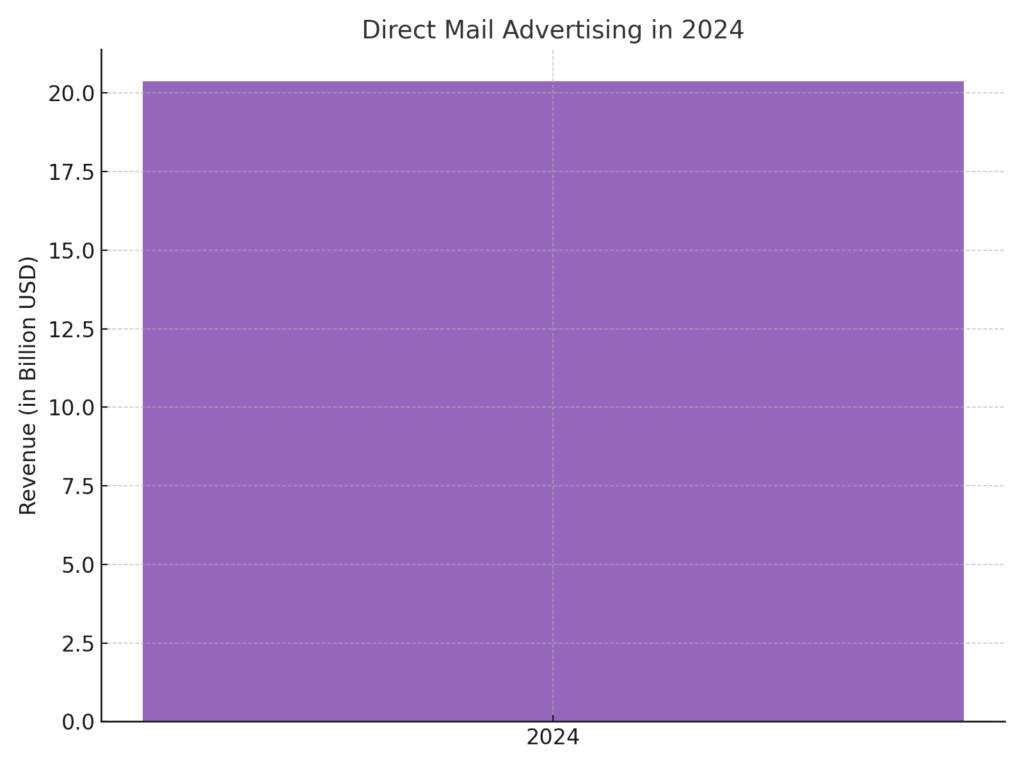
Homeowner Marketing Statistics #11: Direct Mail Advertising in the U.S. Reached $20.38 Billion in 2024
In 2024, direct mail advertising in the U.S. reached $20.38 billion, a significant figure that highlights the continued importance of traditional marketing channels. While digital marketing is on the rise, direct mail still plays a crucial role in reaching homeowners, especially those who may not be as active online. Marketers should integrate direct mail campaigns with their digital efforts to create a well-rounded strategy. Direct mail remains a powerful tool for delivering personalized messages, offers, and promotions that resonate with homeowners. This statistic reinforces the value of using multiple channels to reach different segments of the market.
Homeowner Marketing Statistics #12: 61% of Marketers Have Increased Direct Mail Investments
A significant 61% of marketers have increased their direct mail investments in the past year. This shift in marketing strategies reflects the effectiveness of direct mail in reaching specific, targeted audiences. For businesses in the home improvement or real estate sectors, direct mail can be used to offer promotions, coupons, or exclusive services to homeowners. By combining personalized direct mail with digital strategies, businesses can maximize their marketing reach. The continued investment in direct mail shows that it remains a valuable part of a comprehensive marketing approach.
Homeowner Marketing Statistics #13: 92% of U.S. Realtors Use Facebook for Lead Generation
A massive 92% of U.S. realtors use Facebook as part of their lead generation strategy. This statistic reveals the dominance of social media platforms, particularly Facebook, in the real estate market. Marketers should focus on optimizing their Facebook presence with targeted ads, organic posts, and community engagement to attract homeowners and potential buyers. Social media allows for highly targeted campaigns based on demographics, location, and interests, making it an essential tool for reaching homeowners. Realtors who effectively use Facebook can generate high-quality leads and expand their client base.
Homeowner Marketing Statistics #14: 67% of Real Estate Marketers Plan to Increase Their Social Media Marketing Budgets in 2024
As social media continues to grow in importance, 67% of real estate marketers plan to increase their budgets for social media marketing in 2024. This reflects the increasing reliance on platforms like Instagram, Facebook, and LinkedIn to engage with homeowners and potential buyers. Marketers should prioritize creating high-quality, engaging content that resonates with their target audience on these platforms. From virtual tours to customer testimonials, social media offers a variety of ways to connect with potential clients. By investing more in social media, businesses can enhance their visibility and generate more leads.
Homeowner Marketing Statistics #15: Social Media Posts with Videos Generate 1,200% More Shares
Social media posts featuring videos generate a staggering 1,200% more shares than those with only text and images. This statistic highlights the enormous impact of video on social media engagement. Businesses targeting homeowners should make video content a core part of their social media strategy. Whether showcasing homes for sale or providing valuable home improvement tips, videos help create shareable content that resonates with audiences. By incorporating video into social media campaigns, marketers can greatly expand their reach and enhance brand visibility.
Homeowner Marketing Statistics #16: 70% of Homeowners Feel It’s a Good Time to Start a Home Improvement Project
According to 70% of homeowners, now is a good time to start a home improvement project under $5,000. This sentiment highlights the desire for homeowners to invest in their properties, particularly in smaller, more manageable projects. Marketers in the home improvement industry can capitalize on this by offering products, services, or financing options tailored to homeowners looking to make upgrades. Targeting this audience with relevant offers can help drive sales and increase engagement. As homeowners look to improve their living spaces, businesses should provide solutions that fit within their budget and needs.
Homeowner Marketing Statistics #17: Homeowners Motivated by Enjoyment Spend More on Projects
Homeowners motivated by enjoyment tend to spend more on their home improvement projects compared to those preparing to sell. This statistic shows that homeowners are more willing to invest in long-term enjoyment when they are emotionally invested in their homes. Marketers should tailor their messaging to highlight the lifestyle benefits of home improvement, focusing on the joy and comfort that come with personalizing a home. Offering high-quality, durable products that enhance the living experience can help businesses attract homeowners looking to upgrade their spaces. Targeting this audience can result in higher spending and greater customer satisfaction.
Homeowner Marketing Statistics #18: High-Income Homeowners Plan to Spend More on Home Improvements
High-income homeowners plan to spend more on home improvements in the coming years, with less competition in the market. This statistic underscores the opportunities for businesses to target affluent homeowners with premium services and products. By offering high-end materials, expert services, or custom solutions, businesses can attract this lucrative demographic. Understanding the preferences of high-income homeowners and tailoring marketing efforts to address their specific needs can lead to higher sales and stronger customer relationships. As competition decreases in this segment, businesses can seize the opportunity to build brand loyalty among affluent homeowners.
Homeowner Marketing Statistics #19: U.S. Households Spend an Average of $5,000 Annually on Home Services
On average, U.S. households spend $5,000 per year on home services. This statistic highlights the significant market potential for businesses offering home-related products or services. Marketers should target homeowners with tailored offerings, whether it’s maintenance, renovation, or repair services. By understanding homeowners’ ongoing needs, businesses can develop effective campaigns to capture a share of this market. The consistent demand for home services presents an ongoing opportunity for growth and customer acquisition.
Homeowner Marketing Statistics #20: 86% of Consumers Read Reviews for Local Businesses
A significant 86% of consumers read reviews for local businesses, with 57% only using businesses with a 4+ star rating. This statistic emphasizes the importance of online reviews in shaping consumer behavior. For businesses targeting homeowners, building a strong online reputation through positive reviews is crucial for gaining trust and attracting new clients. Encouraging satisfied customers to leave reviews can help enhance a business’s credibility and influence purchasing decisions. Marketers should prioritize reputation management as part of their overall strategy to ensure they are seen as a reliable option in the home services industry
Leveraging Homeowner Insights for Success
As we’ve seen from the homeowner marketing statistics, the key to effective outreach lies in adapting to shifting trends and preferences. With homeowners increasingly turning to online resources and social media, digital marketing is becoming more crucial than ever. By aligning your marketing efforts with these insights, you can ensure that your strategies are more relevant and engaging, driving higher engagement and conversions. At Amra & Elma, we specialize in helping clients harness the power of these insights to build personalized campaigns that deliver results. Whether you’re in the home improvement industry or real estate, these trends provide the roadmap to success.
SOURCES
- Invoca – 40+ Home Service Marketing Statistics for Contractors in 2025
- ServiceTitan – Top 50 Home Services Industry Statistics You Need to Know
- Porch Group Media – Customer Acquisition: 2025 Strategies for Home Improvement
- HubSpot – 70+ Customer Service Statistics to Know in 2025
- HubSpot – How to Create a Complete Marketing Strategy
- HubSpot – How to Launch a Successful Email Marketing Campaign
- HubSpot – The Beginner’s Guide to Building a Customer Loyalty Program
- The Farnsworth Group – 10 DIY Statistics Shaping the Home Improvement Industry
- HIRI – Home Improvement E-Commerce Trends Among Homeowners in 2025
- Sixth City Marketing – 40+ Home Service Marketing Statistics for Contractors in 2025
- 1SEO – Home Service Marketing Trends to Watch in 2025
- Medium – The Looming Housing Crisis: Why Your Dream Home Might Become a Nightmare
- Medium – Florida Gen Z Gives Up Homeownership Dream: Renting Becomes Their New Norm
- Medium – Two Takes on the Housing Market, One Optimistic, the Other Not So Much
- Medium – The Wacky Housing Market in 7 Charts
- Medium – Florida’s Housing Market Faces New Pressure: Failed Closings Hit Record Highs