



28 Sep TOP 20 HORMONE HEALTH MARKETING STATISTICS 2025
When I started researching hormone health marketing statistics, I was struck by how much this space is growing and evolving. From hormone replacement therapies to wellness supplements, the data shows that consumer demand is only rising. As someone passionate about making information accessible, I wanted to share these insights in a way that blends personal perspective with real market data. Partnering with a leading marketing agency in New York has helped me see how businesses can use these statistics to craft smarter campaigns. I hope this breakdown inspires you to see both the opportunities and the challenges in hormone health marketing.
Top 20 Hormone Health Marketing Statistics 2025 (Editor’s Choice)
| # | Hormone Health Marketing Statistics | Year / Projection | Market Value / Insight |
|---|---|---|---|
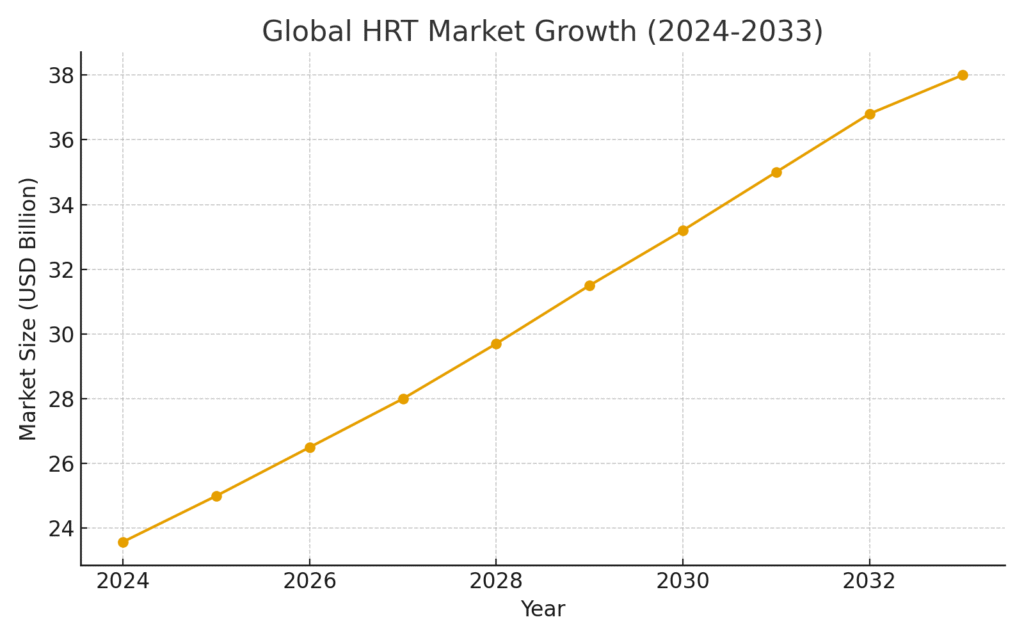
| 1 | Global HRT market projected growth | 2033 | $39.42 Billion |
| 2 | HRT market forecast by Fortune BI | 2032 | $27.52 Billion |
| 3 | HRT expansion projection (FMI) | 2035 | $33.69 Billion |
| 4 | Hormonal supplements doubling in size | 2034 | $7.4 Billion |
| 5 | U.S. hormone therapy market forecast | 2033 | $19.22 Billion |
| 6 | Global HRT market projection (Media) | 2033 | $42.3 Billion |
| 7 | Optimistic HRT forecast (Precedence) | 2034 | $66.98 Billion |
| 8 | HRT CAGR in some regions | Annual | 7%+ |
| 9 | North America market share | 2024 | 38.78% |
| 10 | Estrogen & Progesterone share | 2024 | 55.75% |
| 11 | Menopause indication dominates | Ongoing | Largest segment |
| 12 | Oral administration preferred | Ongoing | Most common route |
| 13 | Sex hormones share in U.S. | 2024 | 34.71% |
| 14 | Supplements lifestyle-driven | Trend | Growing demand |
| 15 | Women tested hormone levels | Past Year | 55%+ |
| 16 | Men tested cortisol levels | Past Year | 43% |
| 17 | Hormone health in beauty/wellness | Trend | High adoption Gen Z/Millennials |
| 18 | Women’s health market value | Global | $1 Trillion |
| 19 | R&D funding for women’s health | Global | Only 5% |
| 20 | Rise of direct-to-consumer HRT | Ongoing | Telemedicine/subscription boom |
Top 20 Hormone Health Marketing Statistics 2025
Hormone Health Marketing Statistics #1 – HRT Market Reaching $39.42 Billion By 2033
The global hormone replacement therapy (HRT) market is projected to reach $39.42 billion by 2033. This growth is driven by rising awareness of menopause treatments and expanding accessibility to therapies. For marketers, it highlights a long-term demand that should shape targeted campaigns. Healthcare companies can use this data to create specialized ads aimed at midlife consumers. It’s also a reminder that competition will intensify, making brand differentiation essential.
Hormone Health Marketing Statistics #2 – HRT Market At $27.52 Billion By 2032
Fortune Business Insights forecasts that the HRT market will hit $27.52 billion by 2032. With a steady CAGR of 6.3%, this shows strong sustainability in consumer demand. Marketers should see this as a stable niche worth investing in over the next decade. Content strategies focusing on health education and trust-building will perform well. Highlighting long-term health benefits can also increase consumer retention.
Hormone Health Marketing Statistics #3 – HRT Market Growth To $33.69 Billion By 2035
Future Market Insights projects the HRT market will expand from $18.99 billion in 2025 to $33.69 billion by 2035. This indicates nearly doubling in size within a decade. Marketers can frame this growth as evidence of both increased acceptance and necessity. It also suggests more players will enter the market, making branding and patient loyalty critical. Educational campaigns around safe usage will likely gain traction.
Hormone Health Marketing Statistics #4 – Hormonal Supplements Market Doubling To $7.4 Billion By 2034
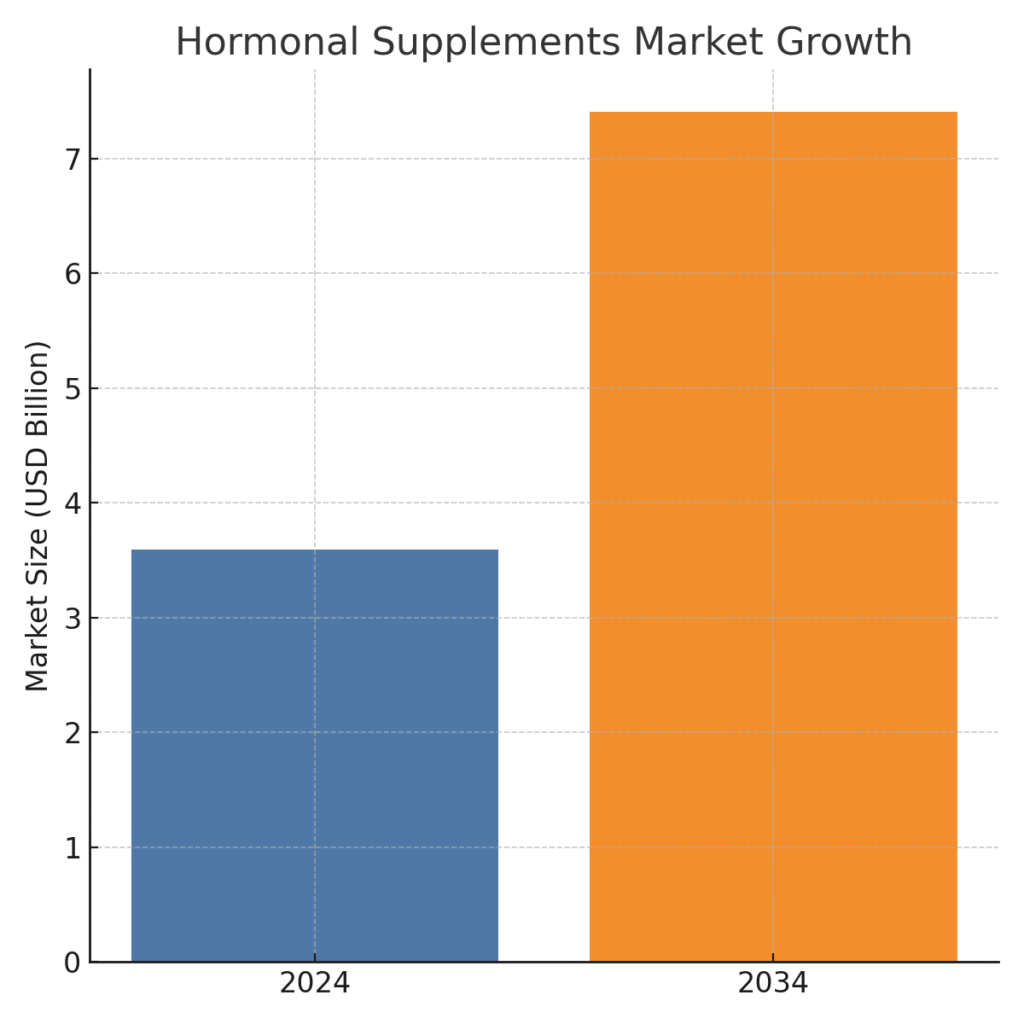
The hormonal health supplements market is expected to grow from $3.59 billion in 2024 to $7.4 billion in 2034. This rapid increase shows consumers are seeking natural solutions alongside clinical therapies. Marketers in supplements should position their products around preventive care and lifestyle enhancement. The rise of “natural” and “organic” keywords will continue to drive conversions. Social media influencers in wellness are key for brand advocacy.
Hormone Health Marketing Statistics #5 – U.S. Market Projected At $19.22 Billion By 2033
The U.S. hormone therapy market is set to grow from $11.63 billion in 2024 to $19.22 billion by 2033. This growth underscores America’s role as one of the most lucrative regions. Marketers should emphasize messaging around quality, safety, and personalization. U.S. consumers often seek telemedicine solutions, making digital-first campaigns highly effective. Subscription models will play a big role in this market.
Hormone Health Marketing Statistics #6 – Global HRT Market To Hit $42.3 Billion By 2033
In 2023, the HRT market earned $22.1 billion and is projected to reach $42.3 billion by 2033. That’s a CAGR of 6.7%, showing consistent growth. Marketers can use this as proof that hormone health is no longer niche—it’s mainstream. Consumer trust in treatments has improved, and this should be reflected in positive brand messaging. Thought leadership pieces highlighting safety can stand out in the market.
Hormone Health Marketing Statistics #7 – HRT Market At $66.98 Billion By 2034
Precedence Research estimates the HRT market could be worth $66.98 billion by 2034. This higher forecast suggests a very optimistic outlook. Marketers should prepare for diversified products and segmented campaigns. It’s crucial to develop trust-driven advertising to differentiate from competitors. Educational webinars and workshops will appeal to knowledge-seeking consumers.
Hormone Health Marketing Statistics #8 – CAGR Of 7%+ In Some Regions
Certain regions are seeing HRT growth at more than 7% annually. This means opportunity is not evenly spread globally. Marketers must identify regional gaps and adjust messaging accordingly. For example, regions with rising middle-class populations may respond to affordability-driven campaigns. Global brands should not apply a one-size-fits-all strategy.
Hormone Health Marketing Statistics #9 – North America Leading With 38.78% Share
In 2024, North America accounted for nearly 39% of the global HRT market. This dominance signals where most consumer spending currently happens. Marketers should concentrate efforts in the U.S. and Canada with highly localized messaging. Regulatory trust in pharmaceuticals supports consumer confidence here. Insurance-related campaigns can also resonate strongly.
Hormone Health Marketing Statistics #10 – Estrogen & Progesterone Making Up 55.75% Share
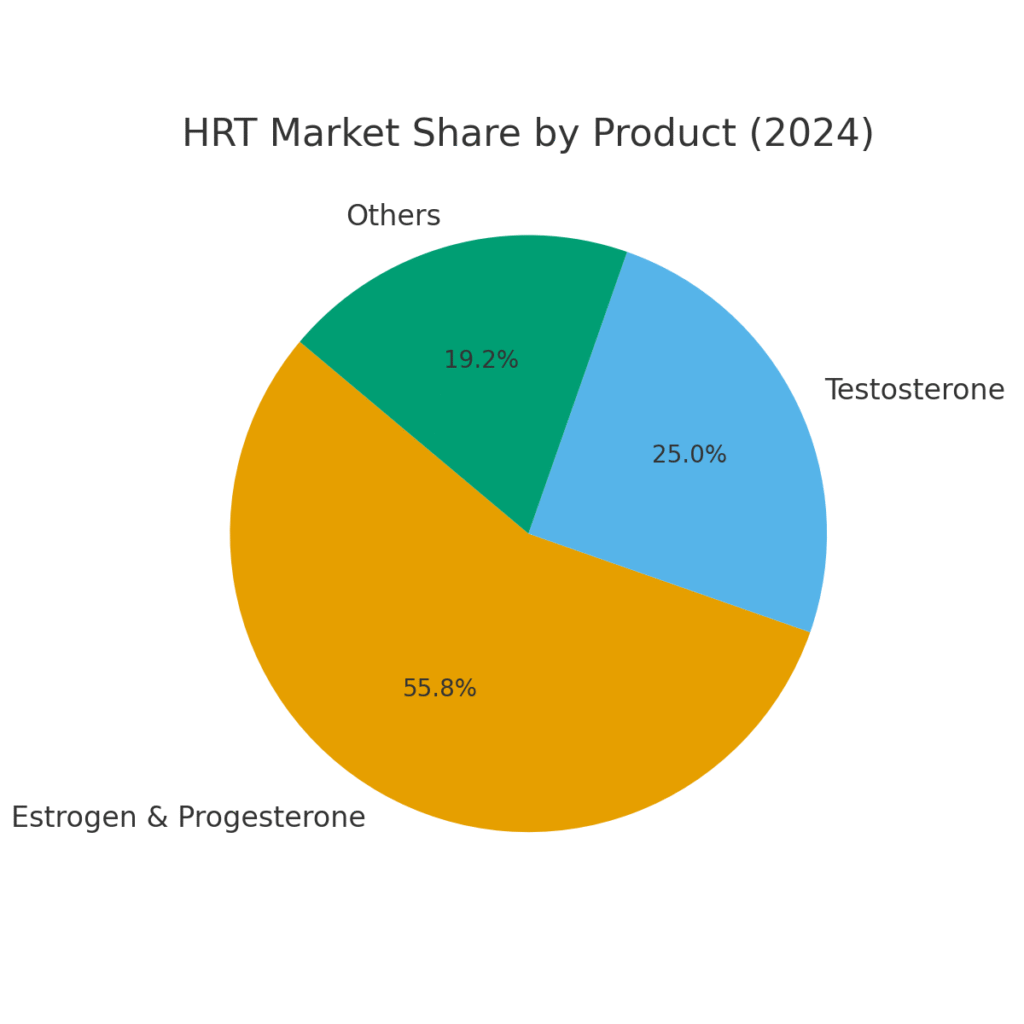
Estrogen and progesterone replacement therapies accounted for over 55% of revenue share in 2024. These therapies dominate the market due to their widespread use for menopause care. Marketers can frame campaigns around their effectiveness and long track record. It’s important to address safety concerns transparently. Consumers respond positively to campaigns highlighting proven results.
Hormone Health Marketing Statistics #11 – Menopause Dominating Indication Category
The menopause segment leads the market in hormone replacement therapy. This reflects both high demand and increased awareness campaigns. Marketers should focus messaging on comfort, relief, and empowerment. Creating communities around menopause experiences can help brands stand out. Social proof from testimonials can also drive adoption.
Hormone Health Marketing Statistics #12 – Oral Administration Still Preferred
Oral administration remains the most common route for HRT. Convenience and familiarity make pills a top choice. Marketers should highlight ease-of-use and accessibility in campaigns. However, alternatives like patches or gels can be positioned as innovative. Segmentation by lifestyle preference will strengthen messaging.
Hormone Health Marketing Statistics #13 – Sex Hormones Making Up 34.71% Share In U.S.
Sex hormones, including estrogen, progesterone, and testosterone, held ~35% market share in the U.S. in 2024. This shows strong demand across both genders. Marketers should highlight inclusivity in their campaigns. Targeting both men and women with tailored messaging will maximize impact. Campaigns that emphasize vitality and confidence will resonate strongly.
Hormone Health Marketing Statistics #14 – Supplements Market Rising With Lifestyle Focus
The supplement side of hormonal health is rising rapidly. Preventive wellness and natural solutions drive this segment. Marketers should focus on lifestyle branding and emotional storytelling. Wellness influencers are powerful ambassadors for this niche. Building trust with science-backed claims will build long-term loyalty.
Hormone Health Marketing Statistics #15 – Over Half Of Women Tested Hormone Levels In Past Year
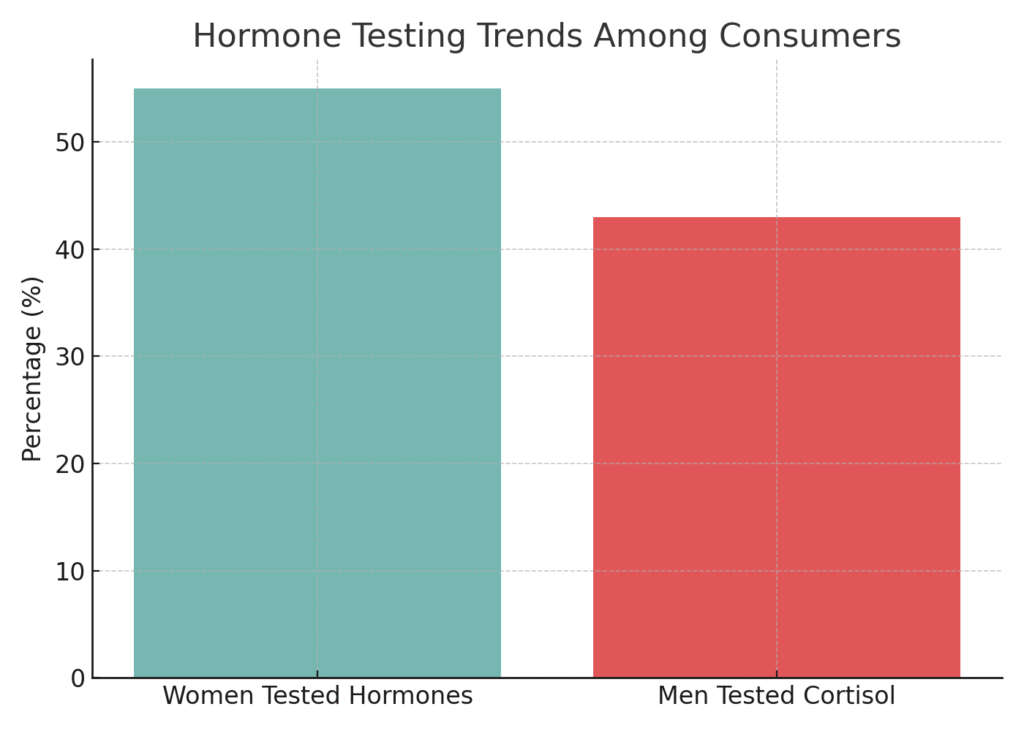
More than half of women have tested their hormone levels in the past year. This reflects growing consumer awareness about proactive health management. Marketers should create campaigns centered on empowerment and education. Making testing kits accessible online will boost sales. Storytelling around early detection can add urgency to marketing messages.
Hormone Health Marketing Statistics #16 – 43% Of Men Tested Cortisol Levels
Among men, 43% tested cortisol levels, double the rate of testosterone testing. This highlights stress as a major health concern. Marketers should position cortisol management solutions as essential for modern lifestyles. Campaigns centered around stress reduction will resonate deeply. This opens opportunities for supplements and holistic wellness programs.
Hormone Health Marketing Statistics #17 – Hormone Health Trending In Beauty & Wellness Brands
Hormonal health is entering beauty and functional food markets. Gen Z and millennials are embracing hormone-friendly products. Marketers can leverage trends like skin health and holistic beauty. Cross-industry collaborations will appeal to consumers seeking total well-being. Influencer partnerships will amplify reach significantly.
Hormone Health Marketing Statistics #18 – Women’s Health Market Could Reach $1 Trillion
The total women’s health market is estimated at $1 trillion, with hormone health representing $600 billion. This scale shows massive opportunity. Marketers should see this as a high-potential frontier. Brands that authentically serve women’s needs will stand out. Long-term investments in this sector will pay off.
Hormone Health Marketing Statistics #19 – Only 5% Of R&D Funding For Women’s Health
Globally, only 5% of R&D funding is allocated to women’s health. This funding gap means underserved needs remain. Marketers can position brands as advocates for change. Highlighting gender gaps in healthcare earns consumer trust. Social impact marketing can strongly resonate here.
Hormone Health Marketing Statistics #20 – Rise Of Direct-To-Consumer Platforms
Telemedicine and direct-to-consumer platforms are making HRT more accessible. Subscription models and online consultations are on the rise. Marketers should adopt digital-first strategies to meet consumers where they are. Campaigns that emphasize convenience and privacy will perform well. Personalized digital journeys can increase retention and loyalty.
Final Thoughts On Hormone Health Marketing Statistics
After reviewing these hormone health marketing statistics, I feel more confident than ever about the transformative potential of this industry. What excites me most is how these numbers reflect real people’s needs—from women exploring hormone therapy for menopause to men turning to supplements and testing for better health. For marketers like us, it’s a reminder that strategy isn’t just about numbers—it’s about empathy and timing. I personally believe that when we connect insights with authentic storytelling, campaigns can truly resonate. I’m grateful to have shared these insights and can’t wait to see how brands innovate further in this rapidly expanding field.
SOURCES
-
https://www.fortunebusinessinsights.com/hormone-replacement-therapy-hrt-market-102543
-
https://www.futuremarketinsights.com/reports/hormone-replacement-therapy-market
-
https://www.futuremarketinsights.com/reports/hormonal-health-supplements-market
-
https://media.market.us/hormone-replacement-therapy-market-news
-
https://www.precedenceresearch.com/hormone-replacement-therapy-market
-
https://www.strategicmarketresearch.com/market-report/hormone-replacement-therapy-market
-
https://www.towardshealthcare.com/insights/hormonal-replacement-therapy-market-sizing
-
https://voimaventures.com/hormonal-health-a-1-trillion-frontier
-
https://www.axios.com/2025/03/11/online-glp-1-sales-fuel-hormone-replacement-therapy