



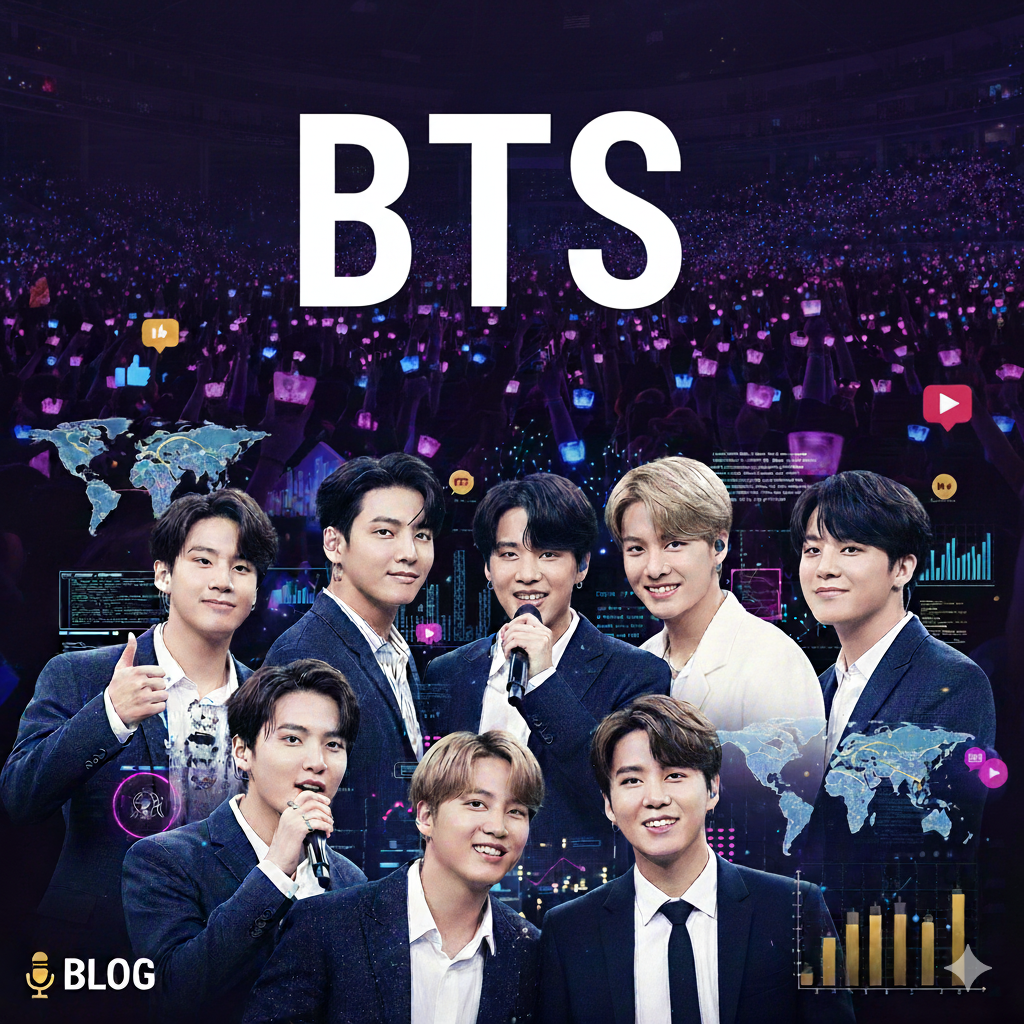
15 Dec How BTS Became a Cultural Powerhouse: 15 Marketing Secrets That Work
How BTS Became a Cultural Powerhouse: 15 Marketing Secrets That Work (Editor’s Choice)
| # | Marketing Secret | What BTS Did | How You Can Use It |
|---|---|---|---|
| 1 | Storytelling With Purpose | Centered their music and content around youth, mental health, and self-love—turning albums into chapters of a larger narrative. | Build a clear narrative for your brand that stands for something bigger than your product. |
| 2 | Consistent Brand Identity | Aligned visuals, messaging, and tone—from logo to speeches—to reflect themes of resilience, hope, and connection. | Audit your brand touchpoints and make sure they all tell the same story, visually and emotionally. |
| 3 | Radical Transparency | Shared behind-the-scenes struggles, practice sessions, and unpolished moments through vlogs and livestreams. | Show your process, not just the polished outcome—people trust what they can see being built. |
| 4 | Community-Driven Marketing | Empowered ARMY to create fan art, streaming parties, charity projects, and organic promo campaigns. | Turn your audience into collaborators. Feature their content, ideas, and campaigns publicly. |
| 5 | Social Media Mastery | Used social platforms for direct, casual interaction—jokes, selfies, late-night posts—not just announcements. | Stop broadcasting, start conversing. Let your brand speak in a human, unscripted voice. |
| 6 | Content Ecosystem, Not Just Product | Expanded beyond music into reality shows, docs, webtoons, games, and merch—multiple entry points for new fans. | Think ecosystem: blogs, podcasts, tools, events—give people more than one way to discover you. |
| 7 | Multi-Layered Fan Engagement | Used voting events, exclusive drops, and live interactions so every comeback felt like a co-created moment. | Design campaigns with missions, milestones, and rewards that keep your audience coming back. |
| 8 | Data-Driven Strategy | Tracked streaming patterns, social trends, and regional behavior to time releases and pick promo hotspots. | Use analytics to guide timing, formats, and channels instead of relying on guesses. |
| 9 | Localized Global Marketing | Released Japanese albums, did English media runs, and tailored rollouts for each key market. | Adapt language, references, and channels to each audience segment—not copy-paste campaigns. |
| 10 | Long-Term Relationship Building | Focused on slow, steady trust-building instead of chasing short-lived viral spikes. | Prioritize retention and loyalty—email, communities, and ongoing value over one-hit launches. |
| 11 | Authentic Member Personalities | Let each member’s distinct vibe—leader, comedian, introvert, artist, all-rounder—shine publicly. | Showcase real people behind your brand. Different voices bring in different types of customers. |
| 12 | High-Quality Production | Invested in cinematic music videos, synchronized performances, and polished visuals that begged to be shared. | Upgrade your production where it matters most—landing page, hero content, flagship campaigns. |
| 13 | Strategic Collaborations | Partnered with global brands and artists (McDonald’s, Samsung, Halsey, Coldplay) to cross-pollinate audiences. | Find partners who share your values and audience, then co-create something genuinely exciting. |
| 14 | Fandom Rituals & Traditions | Built traditions like comeback streaming goals, fan chants, and yearly events that fans anticipate. | Create repeatable rituals—annual campaigns, launch seasons, inside jokes your community shares. |
| 15 | Emotional Value Over Commercial Value | Made fans feel seen, comforted, and inspired—selling belonging more than albums. | Ask: “How do we want people to feel after interacting with us?” Then design everything around that. |
How BTS Became a Cultural Powerhouse: Marketing Secrets That Work #3
There’s something absurdly refreshing about how BTS shows the unglamorous bits. Sweat, exhaustion, cracked voices, messy practice rooms—they serve it all with the casual confidence of someone who knows the truth is far more compelling than a perfect façade. This transparency is strategic, but not in a cynical way; it’s intimacy as brand equity. Their fans don’t follow them—they befriend them. And that’s the magic: the more behind-the-scenes they revealed, the deeper the loyalty grew. It’s vulnerability as a marketing advantage, and they wield it beautifully.
How BTS Became a Cultural Powerhouse: Marketing Secrets That Work #4
The BTS fandom isn’t a fandom—it’s a global organism with better coordination than most startups. But the genius is that BTS never treats ARMY like a marketing channel; they treat them like collaborators. This “co-create the culture” energy is rare, and frankly, revolutionary. The fan-made banners, charity drives, streaming parties—none of it feels manufactured. It’s authentic, reciprocal, and delightfully chaotic in a way that no brand deck could replicate. BTS hands over the mic, and ARMY builds an empire.
How BTS Became a Cultural Powerhouse: Marketing Secrets That Work #5
There’s no PR team alive that could script the delightful chaos of BTS on social media. Their posts feel like texts from a friend who overshares in the most endearing way. The group mastered the art of digital closeness long before brands realized you can’t just “optimize engagement”—you have to actually be human. Their social presence is equal parts affectionate, unexpected, and iconic, which is exactly what keeps fans checking in at ungodly hours.
How BTS Became a Cultural Powerhouse: Marketing Secrets That Work #6
While most artists cling to one content format like a flotation device, BTS built an entire archipelago. Music? Check. Reality shows? Check. documentaries, webtoons, games, merch, and the occasional existential monologue filmed in terrible lighting? Also check. This ecosystem gives multiple entry points for new fans—meaning discovery never relies on one channel. It’s beautifully excessive in the most strategic way.
How BTS Became a Cultural Powerhouse: Marketing Secrets That Work #7
A BTS comeback isn’t a launch—it’s a festival season. There are streaming goals, teaser puzzles, countdowns, Easter eggs, and cryptic member posts that fans decode like they’re studying for a final. BTS makes participation feel fun, not obligatory. It’s engagement with the energy of a group chat that got wildly out of hand.
How BTS Became a Cultural Powerhouse: Marketing Secrets That Work #8
Behind the emotional poetry and sparkly chaos is a terrifyingly efficient analytics machine. BTS (and HYBE) track everything—regions, demographics, streaming patterns, which markets respond to which concepts. It’s the kind of data fluency most brands claim to have but rarely execute. BTS is basically what happens when a creative collective and a global analytics firm fall in love.
How BTS Became a Cultural Powerhouse: Marketing Secrets That Work #9
BTS understood global marketing before global marketing understood itself. They tailor language, messaging, tone, and promotions by region—in a way that feels intuitive, not opportunistic. America gets interviews. Japan gets albums. Southeast Asia gets fan events. Each region feels seen, not targeted. That distinction is everything.
How BTS Became a Cultural Powerhouse: Marketing Secrets That Work #10
While brands chase quick hits like toddlers chasing bubbles, BTS plays the long game. Everything they do is built for durability—emotional durability, narrative durability, relational durability. Their goal isn’t to “go viral”; it’s to be meaningful. And that long-term investment yields something virality never can: devotion.
@jungkook #BTS #JUNGKOOK #GCF #DANCE #TOMORROW_X_TOGETHER #TXT #YEONJUN #HUENINGKAI @TOMORROW X TOGETHER ♬ Standing Next to You - Jung Kook
How BTS Became a Cultural Powerhouse: Marketing Secrets That Work #11
BTS is basically a personality Venn diagram with suspiciously perfect overlap. Each member has a brand identity strong enough to carry its own Netflix show—RM the philosopher, Jin the chaotic comedian, Suga the honest realist, J-Hope the sunshine engine, Jimin the soft charmer, V the art-school enigma, Jungkook the wunderkind. Together, they attract every possible demographic quadrant. It’s genius.
How BTS Became a Cultural Powerhouse: Marketing Secrets That Work #12
BTS’s production quality is so consistently high it borders on disrespectful. Their music videos feel like fashion films. Their performances feel like global events. Their documentaries feel cinematic enough to require popcorn. Every piece of content slaps with the kind of intentionality most brands reserve only for Super Bowl ads.
How BTS Became a Cultural Powerhouse: Marketing Secrets That Work #13
When BTS collaborates, it’s never random. It’s purposeful, aligned, and culture-moving. McDonald’s? Global touchpoint. Halsey? Youthful synergy. Coldplay? Emotional intergalactic harmony. Every partnership expands their universe without diluting their identity. Most brands treat collabs like a shopping spree; BTS treats them like architecture.
How BTS Became a Cultural Powerhouse: Marketing Secrets That Work #14
ARMY culture is rich enough to qualify for its own anthropology curriculum. There are chants, streaming rituals, anniversary celebrations, inside jokes, annual traditions, and the collective panic that happens when one member posts on Weverse at 3 a.m. These rituals create belonging, identity, and memory. Ritual is what transforms an audience into a community.
How BTS Became a Cultural Powerhouse: Marketing Secrets That Work #15
BTS doesn’t sell music, merch, or tickets—they sell belonging. They sell comfort. They sell the exhilarating feeling of being understood by people you’ve never met. This emotional value makes every product, message, and moment feel like an extension of a relationship rather than a transaction. And that is the most powerful marketing strategy on earth.