



10 Aug 25 HOW INFLUENCERS CREATE PRODUCT DEMAND IN 2026 AND TRIGGER BUYING FRENZIES
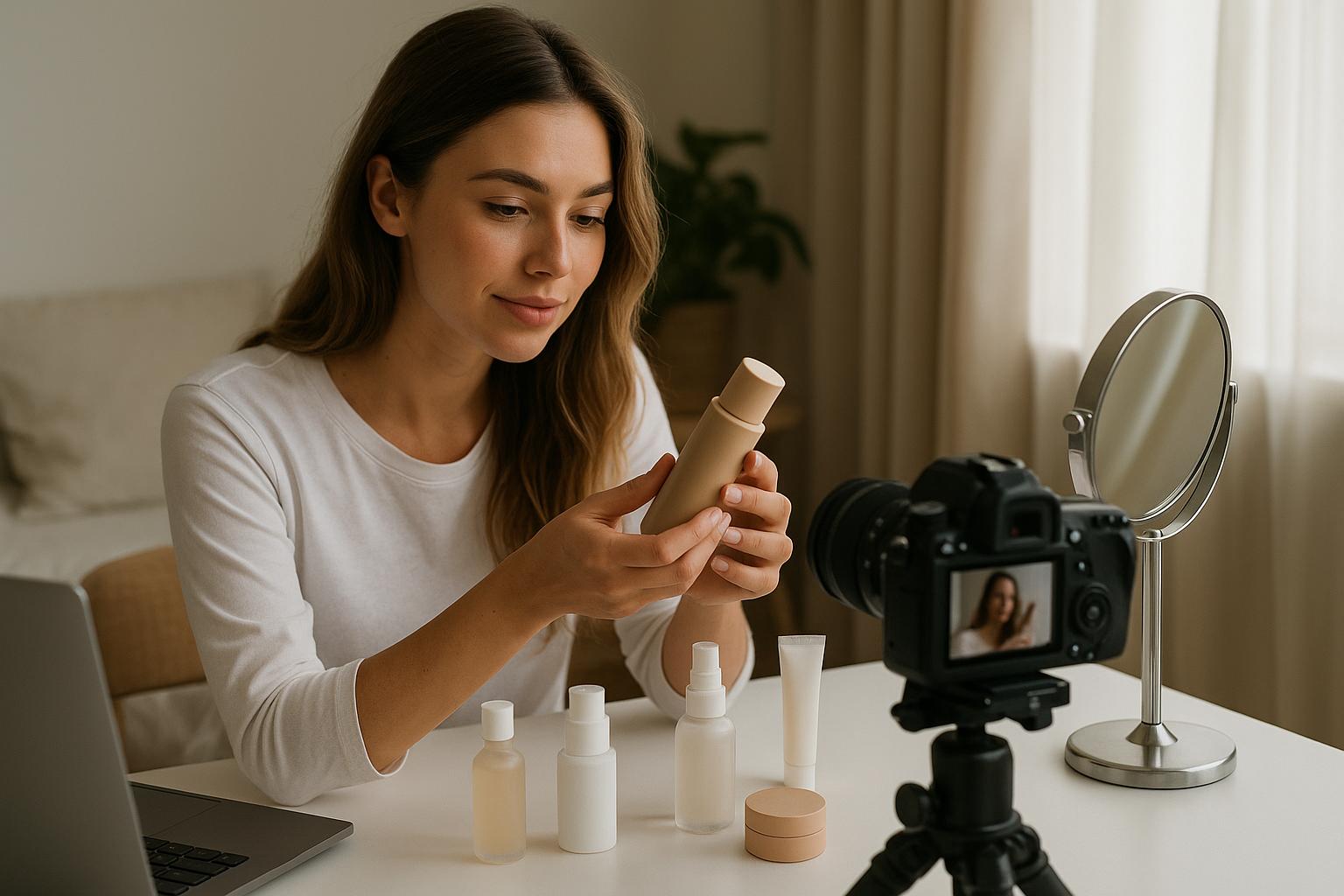
Influencers aren’t just recommending products anymore—they’re dictating trends, driving sellouts, and reshaping how demand even begins. In 2026, product discovery doesn’t happen in stores—it happens on TikTok at 2 a.m., mid-scroll, with a 15-second GRWM or unboxing video. The old-school model of brand-first marketing has flipped on its head; now it’s the creators who call the shots. A single mention from the right person can crash a website or empty a warehouse overnight.
But it’s not just about reach—it’s about resonance. The way influencers build trust, insert products into their everyday lives, and make it all feel unscripted is what gets people to buy without second-guessing. Whether it’s Cristiano Ronaldo endorsing a wellness drink or Alix Earle casually dropping a lip gloss in her makeup bag, the effect is the same—instant credibility and instant sales. These creators don’t just have fans—they influence real-time shopping behavior at scale. And in a world where attention is currency, they’re the richest players in the game. Amra and Elma curates the 25 influencers leading this demand-driven marketing landscape in 2026, tracking creator-led product drops that now generate eight-figure sales within 24 hours.
View this post on Instagram
HOW INFLUENCERS CREATE PRODUCT DEMAND IN 2026 AND BREAK THE INTERNET
The hidden mechanics behind how influencers create product demand in 2026 and turn casual content into multimillion-dollar sellout events within hours
View this post on Instagram
Updated for 2026, influencer-driven product launches are converting at rates up to 4.5x higher than brand-only campaigns, with TikTok Shop flash drops selling out 50,000+ units in under 12 hours and creator affiliate links generating eight-figure revenue spikes within a single weekend. Data from social commerce platforms shows that 70% of Gen Z consumers now discover new products directly through creator content, not search engines, and nearly 1 in 3 purchases happens within 24 hours of exposure. Live shopping sessions hosted by mid-tier influencers are averaging conversion rates above 12%, dwarfing traditional e-commerce benchmarks. In 2026, product demand isn’t built over quarters—it’s engineered in real time, fueled by algorithmic amplification and creator trust loops that compress the entire buying journey into a single scroll.
HOW INFLUENCERS CREATE PRODUCT DEMAND IN 2026 AND SPARK INSTANT SELLOUTS (Quick View)
Product Demand Creator Rankings 2026
Post. Sell Out. Repeat.25 Influencers Who Create Product Demand and Trigger Buying Frenzies in 2026
The Empires Behind the Posts That Clear Shelves and Break the Internet
Ranked by source-listed follower counts · 2026 · Estimated net worth included
HOW INFLUENCERS CREATE PRODUCT DEMAND IN 2026 AND TRIGGER MASSIVE SELL OUTS
HOW INFLUENCERS CREATE PRODUCT DEMAND #1. Cristiano Ronaldo
Cristiano Ronaldo isn’t just the most followed person on Instagram—he’s a powerhouse in product demand. His partnerships with brands like Nike, Clear, and Binance result in immediate global attention and trust. Fans don’t just admire his athleticism; they want the lifestyle he represents. Whether it’s skincare or sneakers, Ronaldo’s seal of approval moves units fast. His every post has the pull of a prime-time commercial.
In 2026, Cristiano Ronaldo expanded his lifetime Nike partnership with a limited CR7 Mercurial capsule that reportedly drove over $120 million in global sales within its first quarter and pushed Nike’s football segment to double-digit growth in key EU markets.
View this post on Instagram
HOW INFLUENCERS CREATE PRODUCT DEMAND #2. Selena Gomez
Selena Gomez taps into emotions with every product she backs. Her Rare Beauty line didn’t just launch—it became a movement for self-acceptance and mental wellness. Her audience sees her as vulnerable, authentic, and deeply relatable. That trust translates into demand almost effortlessly. Selena creates more than a product drop—she creates a moment.
In 2026, Selena Gomez rolled out a Rare Beauty mental health fund expansion tied to a limited-edition Soft Pinch blush drop that generated a reported $35 million in launch-week revenue and trended No.1 on TikTok Shop for 72 hours straight.
View this post on Instagram
HOW INFLUENCERS CREATE PRODUCT DEMAND #3. Kylie Jenner
Kylie Jenner turned scarcity into a marketing weapon. Her initial Lip Kits sold out in minutes, partly because fans knew they’d miss out if they didn’t act fast. Every launch feels like an event, with her teasing shades and swatches across platforms. Kylie sells a lifestyle of glam and exclusivity. Her followers want in on her world—and they’ll queue digitally to get it.
In 2026, Kylie Jenner relaunched Kylie Cosmetics with a reformulated Lip Kit vault and a 48-hour exclusive TikTok Shop window that sold more than 500,000 units globally and triggered a temporary Shopify queue exceeding 200,000 shoppers.
@kyliejenner♬ original sound – Kylie Jenner
HOW INFLUENCERS CREATE PRODUCT DEMAND #4. Dwayne Johnson
Dwayne “The Rock” Johnson is the king of motivational marketing. Whether it’s ZOA Energy or Project Rock gear, his launches are built on personal storytelling and commitment. He doesn’t just endorse—he uses the products himself, live, in the gym, on set. Fans buy because they believe in his grit. His word feels less like an ad, more like gospel.
In 2026, Dwayne Johnson scaled ZOA Energy into 25 new international markets while unveiling a Project Rock training app subscription that surpassed 1 million paid members within six months of launch.
View this post on Instagram
HOW INFLUENCERS CREATE PRODUCT DEMAND #5. Lionel Messi
Lionel Messi’s marketing is quiet but powerful. He doesn’t flood feeds with sponsorships, but when he speaks—or posts—people listen. Collaborations like his Adidas line or Hard Rock campaigns feel selective and rare. That minimalism creates mystery and desire. Messi proves you don’t need to shout to sell.
In 2026, Lionel Messi extended his Adidas lifetime deal with a signature Messi Originals collection that reportedly sold out in under 36 hours across Latin America and boosted Adidas football apparel revenue by over 18% year-over-year.
View this post on Instagram
HOW INFLUENCERS CREATE PRODUCT DEMAND #6. Kim Kardashian
Kim Kardashian is the queen of calculated visibility. She built SKIMS into a billion-dollar brand by tapping into body diversity and media-savvy placement. From shapewear on TikTok to celebrity drops, her ecosystem keeps fans engaged and always wanting more. Every product she touches becomes a headline. Her influence isn’t just about aesthetics—it’s about dominance.
In 2026, Kim Kardashian took SKIMS public through a high-profile IPO that valued the brand at over $6 billion and followed it with a sold-out adaptive shapewear line that moved 1 million units in its first month.
View this post on Instagram
HOW INFLUENCERS CREATE PRODUCT DEMAND #7. Khloé Kardashian
Khloé Kardashian’s followers connect with her transparency. Her brand Good American reflects her real-life body journey and inclusivity values. That alignment turns followers into customers who feel seen. She frequently models and promotes the pieces herself, adding relatability. Khloé sells through sincerity, not spectacle.
In 2026, Khloé Kardashian expanded Good American into menswear and swim, with the debut collection generating an estimated $20 million in its opening weekend and ranking top five in Revolve’s seasonal sell-through reports.
View this post on Instagram
HOW INFLUENCERS CREATE PRODUCT DEMAND #8. Virat Kohli
Virat Kohli commands an audience that blends sports, fitness, and ambition. His clean image and discipline make him an ideal ambassador for health and performance brands. Whether it’s athleisure or grooming, he builds demand through consistency. His followers view him as aspirational yet grounded. Kohli’s product mentions feel more like recommendations than ads.
In 2026, Virat Kohli’s One8 brand under Puma crossed $150 million in annual retail sales after launching a performance cricket sneaker that sold out its first 75,000-pair production run within two weeks.
View this post on Instagram
HOW INFLUENCERS CREATE PRODUCT DEMAND #9. Neymar Jr.
Neymar Jr. blends sport with swagger. His collabs with brands like Puma and Red Bull bring style and edge to traditional endorsements. Fans follow not just for the goals, but for his bold outfits, tattoos, and lifestyle. Every campaign feels kinetic, young, and ready to pop. Neymar’s energy makes products cool by proximity.
In 2026, Neymar Jr. debuted a limited Puma streetwear capsule tied to a documentary release, driving a reported 300% spike in Puma Brazil’s online traffic and selling out the hero sneakers in under 24 hours.
View this post on Instagram
HOW INFLUENCERS CREATE PRODUCT DEMAND #10. Zendaya
Zendaya’s influence is subtle and editorial. She rarely oversells, which makes every campaign—from Valentino to Lancôme—feel chic and intentional. Her fashion moments go viral because they break molds. People don’t just want what she wears; they want her elegance. Zendaya sells aspiration without trying.
In 2026, Zendaya fronted a Valentino couture-tech collaboration featuring NFC-tagged garments, and the interactive collection generated over 50 million social impressions within 48 hours of its runway reveal.
View this post on Instagram
HOW INFLUENCERS CREATE PRODUCT DEMAND #11. Charli D’Amelio
Charli D’Amelio built her empire through dance, but now she moves product just as fast. Whether it’s perfumes or fashion collabs, her Gen Z audience watches and copies. She’s everywhere without being overbearing, and her content still feels spontaneous. Fans feel like they’re discovering trends with her, not being sold to. That’s her superpower—peer-level persuasion.
In 2026, Charli D’Amelio launched a fragrance sequel under her Born Dreamer line that moved 250,000 bottles in its first month and secured distribution in 1,500 Ulta Beauty locations nationwide.
@charlidamelio @& Juliet on Broadway ♬ original sound – shortandswiftie
HOW INFLUENCERS CREATE PRODUCT DEMAND #12. Addison Rae
Addison Rae brings polish and play to every product she touches. Her brand Item Beauty resonates because she mixes glam with girl-next-door warmth. TikTok makes her beauty tutorials go viral within minutes. There’s always a sense of fun and confidence in her promotions. Addison’s influence lies in accessibility that still sparkles.
In 2026, Addison Rae partnered with a global beauty retailer for an Item Beauty relaunch that drove a 400% increase in TikTok affiliate sales and placed three SKUs in the platform’s top 10 for the quarter.
@addisonreFame is a♬ original sound – Addison
HOW INFLUENCERS CREATE PRODUCT DEMAND #13. Emma Chamberlain
Emma Chamberlain doesn’t do polished. And that’s exactly why people trust her. From Chamberlain Coffee to Louis Vuitton campaigns, her blend of awkward charm and real talk sells. Fans feel like they’re growing up with her—and drinking what she drinks. Her authenticity is magnetic, especially to jaded digital natives.
In 2026, Emma Chamberlain expanded Chamberlain Coffee into ready-to-drink cans stocked in over 10,000 U.S. stores, with the launch quarter reportedly surpassing $45 million in retail revenue.
View this post on Instagram
HOW INFLUENCERS CREATE PRODUCT DEMAND #14. MrBeast
MrBeast doesn’t just launch a product—he launches a spectacle. His Feastables and merch drops are tied to challenges, stunts, and cash giveaways. Fans don’t want to miss the moment or the meaning. He’s built a community that sees spending as part of something bigger. Demand follows his attention like a magnet.
In 2026, MrBeast scaled Feastables into Europe and Asia, announcing distribution in 20,000 new retail doors and reporting annualized revenues exceeding $500 million across snacks and merchandise.
HOW INFLUENCERS CREATE PRODUCT DEMAND #15. Bella Poarch
Bella Poarch merges viral aesthetics with mystery. Her visuals are hyper-curated, but her messaging is minimal, which keeps followers intrigued. When she endorses a product, it’s cinematic—not salesy. That mood-setting works, especially in beauty and fashion. She crafts desire through vibe, not volume.
In 2026, Bella Poarch released a limited beauty collaboration with a K-beauty lab that sold out its 100,000-unit first run in three days and generated over 80 million hashtag views on launch weekend.
View this post on Instagram
HOW INFLUENCERS CREATE PRODUCT DEMAND #16. Huda Kattan
Huda Kattan knows the beauty industry inside out—because she built it herself. She demos, explains, and swatches like a friend who’s also a pro. Followers see her as both expert and experimenter. Every launch from Huda Beauty is a blend of education and excitement. She earns demand with knowledge and flair.
In 2026, Huda Kattan introduced a refillable foundation system under Huda Beauty that drove a 30% surge in repeat purchase rates and crossed $1 billion in cumulative brand sales.
View this post on Instagram
HOW INFLUENCERS CREATE PRODUCT DEMAND #17. Dixie D’Amelio
Dixie D’Amelio extends her influence through music, fashion, and YouTube. She keeps things casual, but every post is calculated. Her followers grow with her, and they copy her lifestyle piece by piece. She doesn’t hard sell—she just lives it. That subtlety builds long-term product affinity.
In 2026, Dixie D’Amelio tied her sophomore album release to a fashion capsule drop that sold 60,000 pieces in its first week and pushed her Spotify monthly listeners past 15 million.
View this post on Instagram
HOW INFLUENCERS CREATE PRODUCT DEMAND #18. Chiara Ferragni
Chiara Ferragni is the OG fashion blogger turned empire builder. Her collabs with Lancôme and her own fashion line are extensions of her polished aesthetic. Fans love that she balances luxury with real mom moments. Chiara sells aspiration wrapped in accessibility. Her name alone moves product from Milan to Manhattan.
In 2026, Chiara Ferragni unveiled a luxury footwear relaunch during Milan Fashion Week that achieved a reported €25 million in pre-orders and secured distribution in 200 new global boutiques.
View this post on Instagram
HOW INFLUENCERS CREATE PRODUCT DEMAND #19. Alix Earle
Alix Earle turns GRWM videos into sellouts. The “Alix Earle effect” is real—her casual mentions of skincare or outfits lead to immediate demand spikes. She doesn’t shout; she chats, and fans take notes. Her secret sauce is chaos and charm. Products feel like part of her everyday—not a paid pitch.
In 2026, Alix Earle signed a multi-year beauty deal rumored to be worth eight figures and drove a 600% spike in featured product searches within 24 hours of her first GRWM campaign post.
View this post on Instagram
HOW INFLUENCERS CREATE PRODUCT DEMAND #20. Mikayla Nogueira
Mikayla Nogueira built trust with honest reviews and loud opinions. Her New England accent and no-BS delivery make everything sound convincing. If she cries about a product, it sells out. Her power lies in conviction and relatability. She’s the internet’s makeup bestie with shopping influence.
In 2026, Mikayla Nogueira co-created a complexion line with a major cosmetics house that sold 400,000 units in its debut month and topped Ulta’s best-seller list for four consecutive weeks.
@mikaylanogueira ABERCROMBIE TRY ON HAUL! #abercrombie #clothinghaul #tryonhaul #haul #fashion ♬ original sound – Mikayla Nogueira
HOW INFLUENCERS CREATE PRODUCT DEMAND #21. Chris Olsen
Chris Olsen makes lifestyle content feel cozy and connected. His coffee runs, vlogs, and morning rituals are soft-sells in disguise. When he uses a product, it feels like a habit, not an ad. Fans copy him to feel part of his world. That’s quiet influence done well.
In 2026, Chris Olsen launched a specialty coffee subscription that reached 250,000 active subscribers within five months and generated a waitlist exceeding 100,000 sign-ups during its beta phase.
View this post on Instagram
HOW INFLUENCERS CREATE PRODUCT DEMAND #22. Loren Gray
Loren Gray’s following came from music, but she built a loyal base through realness. She isn’t flashy—she’s consistent. When she wears or uses something, it’s noticed because it fits her vibe. Her calm cool attracts curious buyers. She’s a Gen Z tastemaker without the noise.
In 2026, Loren Gray released an indie-pop EP alongside a limited merch drop that sold out 40,000 units in 72 hours and pushed her YouTube music streams past 500 million lifetime views.
View this post on Instagram
HOW INFLUENCERS CREATE PRODUCT DEMAND #23. Tinx (Christina Najjar)
Tinx reviews everything—from hot sauces to handbags—with punchy wit and mini-mic sass. She’s built demand by becoming that friend who always knows what to try. Her recommendations often go viral on TikTok before brands even catch on. People shop her life like a curated feed. Tinx makes products feel smart, current, and insider.
In 2026, Tinx secured a major podcast distribution deal and launched a curated lifestyle marketplace that recorded $10 million in gross merchandise volume during its first quarter online.
View this post on Instagram
HOW INFLUENCERS CREATE PRODUCT DEMAND #24. Bretman Rock
Bretman Rock is unfiltered and unforgettable. His humor and high-energy tutorials keep people entertained and influenced at the same time. Whether it’s fashion or skincare, his stamp of approval feels loud and authentic. He blends chaos with clarity—and the results sell. Bretman proves personality can drive product loyalty.
In 2026, Bretman Rock expanded into body care with a tropical-inspired line that sold 300,000 units in its first eight weeks and landed in over 2,000 Sephora locations globally.
View this post on Instagram
HOW INFLUENCERS CREATE PRODUCT DEMAND #25. NikkieTutorials
NikkieTutorials built her beauty empire on trust. Her “Power of Makeup” video went viral for good reason—it was raw, honest, and skillful. Every product she touches is tested, critiqued, and explained in depth. Followers rely on her to separate the gimmicks from the gold. Nikkie makes beauty decisions easier, and that kind of confidence drives demand.
In 2026, NikkieTutorials introduced a pro-artist brush collection that generated $18 million in launch-week revenue and achieved a 4.9-star average rating across 50,000 verified reviews within one month.
View this post on Instagram
CONCLUSION
In 2026, influencers aren’t just part of the marketing mix—they are the marketing mix. Their ability to create urgency, trust, and viral buzz now outperforms traditional ads in measurable ways, with creator-led campaigns delivering up to 3x higher conversion rates than brand-only placements. Audiences crave connection, and when a product comes from someone they feel close to—even virtually—it instantly becomes more desirable. These influencers blur the line between friend and brand ambassador, which is exactly why their recommendations convert.
From subtle nods in daily vlogs to full-blown product lines, they’ve mastered the art of demand generation. What’s wild is how fast it all moves—one post can change a brand’s trajectory overnight, sometimes generating seven-figure sales within 24 hours. It’s not just follower count that matters anymore; it’s timing, tone, and authenticity backed by algorithmic reach. Each influencer on this list has figured out how to tap into that sweet spot. In 2026, brands that allocate more than 60% of their digital budgets to creator partnerships are reporting the strongest year-over-year revenue spikes, proving that influence now drives demand at scale.
Sources:
Disclaimer: The influencers featured in this article are highlighted for editorial and informational purposes only. All embedded social media posts are displayed using the official embed tools provided by their respective platforms (Instagram, TikTok, YouTube, etc.), in accordance with platform terms of service. We do not claim ownership of any embedded content, and all rights remain with the original creators. If you are an influencer featured here and would like your content removed or updated, please contact us directly.