



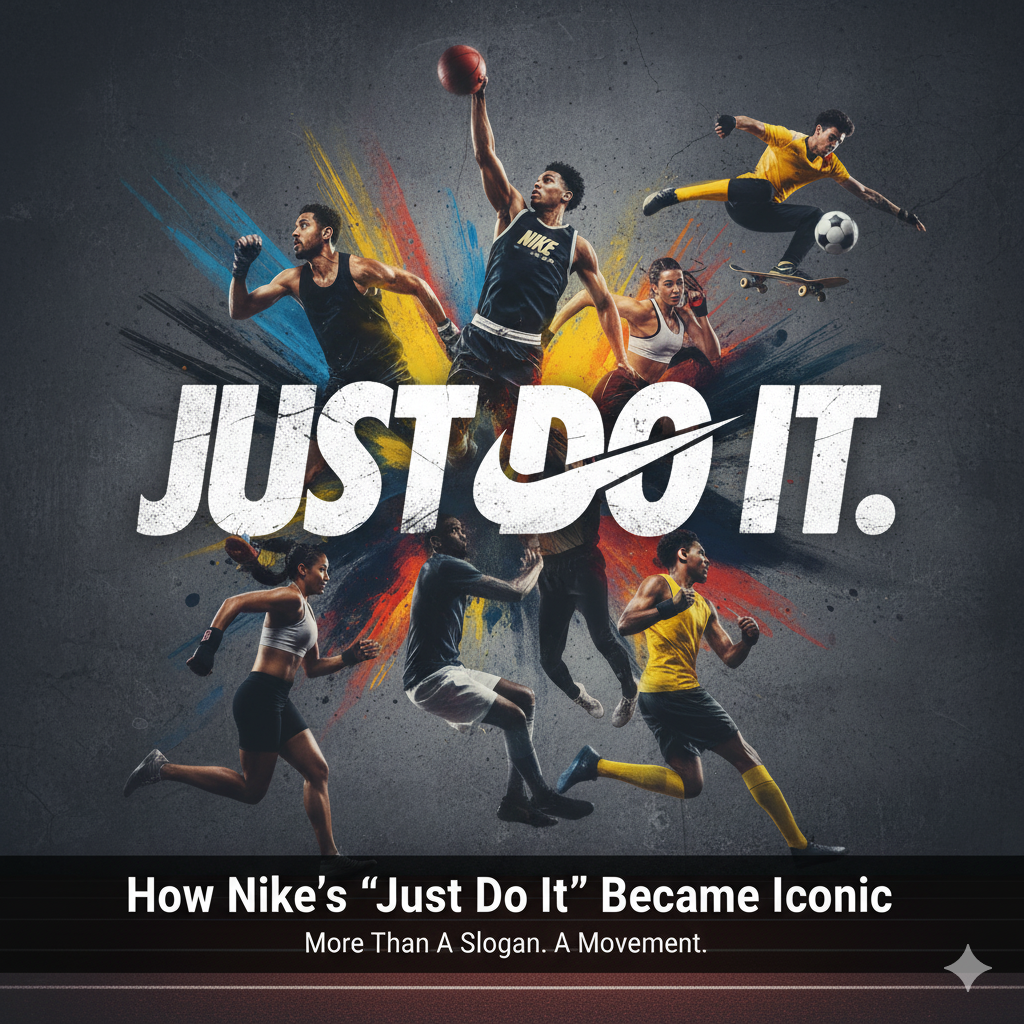
13 Dec How Nike’s “Just Do It” Became Iconic: 15 Smart Strategies That Made It Go Viral
There’s a certain kind of magic that happens when a brand message slips out of the advertising ether and lands squarely in the cultural bloodstream—effortless, iconic, and suddenly everywhere, like that friend who always shows up overdressed but somehow makes it work. Just Do It wasn’t merely a slogan; it became a manifesto for movement, motivation, and modern ambition. And as any leading marketing agency in New York will tell you, lightning like that doesn’t strike by accident. It’s crafted, curated, stress-tested, and then delivered with the confidence of someone who knows they’re onto something world-shifting. So let’s peel back the story behind Nike’s most legendary three words and uncover the smart, strategic alchemy that turned a simple phrase into a global rallying cry.
How Nike’s “Just Do It” Became Iconic: 15 Smart Strategies That Made It Go Viral(Editor’s Choice)
| # | Strategy | Description |
|---|---|---|
| 1 | Universal, Emotional Message | The slogan taps into the human struggle with hesitation and encourages courage and decisiveness. |
| 2 | Simplicity | Three short, powerful words that are easy to recall and adapt across all media. |
| 3 | Perfect Timing | Launched during the fitness boom, aligning with cultural momentum around personal health. |
| 4 | Multi-Demographic Appeal | The message applied equally to hardcore athletes and everyday individuals. |
| 5 | Aspirational Tone | Focused on empowerment and self-improvement rather than the product itself. |
| 6 | Real Athlete Storytelling | Featured authentic stories from icons like Michael Jordan and Serena Williams. |
| 7 | High-Contrast Visuals | Minimalist, bold visuals ensured the slogan stood out instantly. |
| 8 | Fearless Positioning | A bold, assertive message that demanded attention and action. |
| 9 | Cross-Category Branding | Used across sports, lifestyle, and fitness verticals—becoming core to Nike's identity. |
| 10 | Long-Term Consistency | Nike kept the slogan alive for decades, building recognition and nostalgia. |
| 11 | Cultural & Controversial Moments | Leveraged social justice and cultural movements to spark conversations. |
| 12 | Real People Stories | Showcased everyday athletes, making the message feel inclusive and relatable. |
| 13 | Celebrity Endorsements | Aligned with icons whose journeys embodied resilience and drive. |
| 14 | Memetic Flexibility | Adapted seamlessly to internet culture, memes, and social media trends. |
| 15 | A Brand Promise | More than a tagline, it became Nike's core philosophy of empowerment. |
How Nike’s “Just Do It” Became Iconic: 15 Smart Strategies That Made It Go Viral
How Nike’s ‘Just Do It’ Became Iconic: Smart Strategies That Made It Go Viral #1 — Universal, Emotional Message
From the get-go, the slogan “Just Do It” reached beyond athletes and sneakers to speak to anyone standing at the edge of possibility. It doesn’t whisper— it challenges: stop waiting, start doing. That emotional universality is what turned three simple words into a personal mantra for millions. It tapped into the quiet resistance we all feel against inertia and doubt, and whispered “you can” in a million silent voices. In doing so, it transformed a brand message into something deeply human.
How Nike’s ‘Just Do It’ Became Iconic: Smart Strategies That Made It Go Viral #3 — Perfect Timing
Launching in 1988, the slogan arrived just as fitness culture was bubbling up across the U.S. and beyond. People weren’t just buying sneakers—they were buying identity, movement, transformation. Nike rode that wave, positioning “Just Do It” not just as a line in an ad, but as part of a cultural shift toward “I can.” The timing meant that when people saw the slogan, they were already primed for it. And primed audiences are the ones messages go viral with.
How Nike’s ‘Just Do It’ Became Iconic: Smart Strategies That Made It Go Viral #4 — Multi-Demographic Appeal
Nike didn’t say “Just Do It, runners only.” They said it to moms, to seniors, to kids, to weekend warriors, to pro athletes. That breadth made the message inclusive: if you cleared your throat once in the morning, you were part of the story. It meant the slogan could live in multiple spaces—sports arenas, offices, living rooms—without losing authenticity. And when a message works for many, it multiplies its impact.
How Nike’s ‘Just Do It’ Became Iconic: Smart Strategies That Made It Go Viral #5 — Aspirational Tone
Instead of shouting “Buy our shoes,” the tone whispered: “Here’s a version of you you haven’t met yet—go meet them.” It didn’t sell product first; it sold possibility. That aspirational spirit created a personal promise: that you could become more, do more, reach farther. People don’t just buy shoes with this message—they buy the idea of what they could be when they wear them. That’s the power of the aspirational tone behind the slogan.
How Nike’s ‘Just Do It’ Became Iconic: Smart Strategies That Made It Go Viral #6 — Real Athlete Storytelling
When icons like Michael Jordan and Serena Williams appeared with the slogan, the words slid seamlessly into real-life feats. It wasn’t abstract—I saw her sprint, I heard his dunk, I felt their sweat. That authenticity turned “Just Do It” into a tagline with a credible voice. When you associate a message with real people doing real work, it inherits their credibility. And credibility is what turns a slogan into a movement.
How Nike’s ‘Just Do It’ Became Iconic: Smart Strategies That Made It Go Viral #7 — High-Contrast Visuals
Black, white, bold. Minimal distractions. The visuals that accompanied the slogan were crafted so that even from the corner of your eye you knew what brand, what message, what moment you were witnessing. That kind of design clarity means higher recall. The visuals didn’t just support the slogan—they amplified it. And when the image and message align seamlessly, the slogan doesn’t just land—it lingers.
How Nike’s ‘Just Do It’ Became Iconic: Smart Strategies That Made It Go Viral #8 — Fearless Positioning
“Just Do It” doesn’t ask politely—it insists. It speaks with certainty and confidence and a boldness that says “stop talking” and “start doing.” That daring tone cut through the clutter and made the slogan stand out in a sea of meek messages. Positioning matters. And by positioning the slogan as bold, inclusive and uncompromising, Nike turned a corporate line into a battle cry. People remember bold.
How Nike’s ‘Just Do It’ Became Iconic: Smart Strategies That Made It Go Viral #9 — Cross-Category Branding
Running shoes. Basketball gear. Lifestyle sneakers. Yoga wear. The slogan worked across them all. By treating “Just Do It” as the overarching brand voice—not just the tagline for one product category—Nike anchored it in everything they did. It became part of the brand’s DNA, not just an ad campaign. And when something lives everywhere, it becomes hard to escape—and harder to forget.
How Nike’s ‘Just Do It’ Became Iconic: Smart Strategies That Made It Go Viral #12 — Real People, Real Stories
Sure, celebrities sell dreams—but real people sell relatability. When we saw ordinary humans pushing through, using their bodies, their moments, their doubts, the message felt achievable. “If they can do it, maybe I can too.” By featuring everyday athletes and stories that weren’t perfection-polished, the slogan grounded itself in life, not fantasy. And that grounding is what makes messages stick.
How Nike’s ‘Just Do It’ Became Iconic: Smart Strategies That Made It Go Viral #13 — Celebrity Endorsements
When stars align with substance, magic happens. Nike placed the slogan alongside athletes who embodied the hustle, the setbacks, the rise. Their fame drew attention; their stories brought credibility. When one of the biggest names says “Just Do It” and then does it, the message grows wings. Endorsements alone don’t guarantee authenticity—but when matched with the right story, they transform a slogan into legend.
How Nike’s ‘Just Do It’ Became Iconic: Smart Strategies That Made It Go Viral #14 — Memetic Flexibility in the Internet Age
“Just Do It” isn’t stuck in print ads of the 80s—it thrives in memes, hashtags, viral videos. Its rhythmic cadence and universal meaning make it perfect for remix. From motivational GIFs to parody skits, the slogan spread across digital culture in ways few corporate lines ever could. In the age of share-everything, the slogan’s flexible nature meant it could be personalised, reused, and celebrated by the crowd. That’s how a marketing line becomes a cultural meme.