



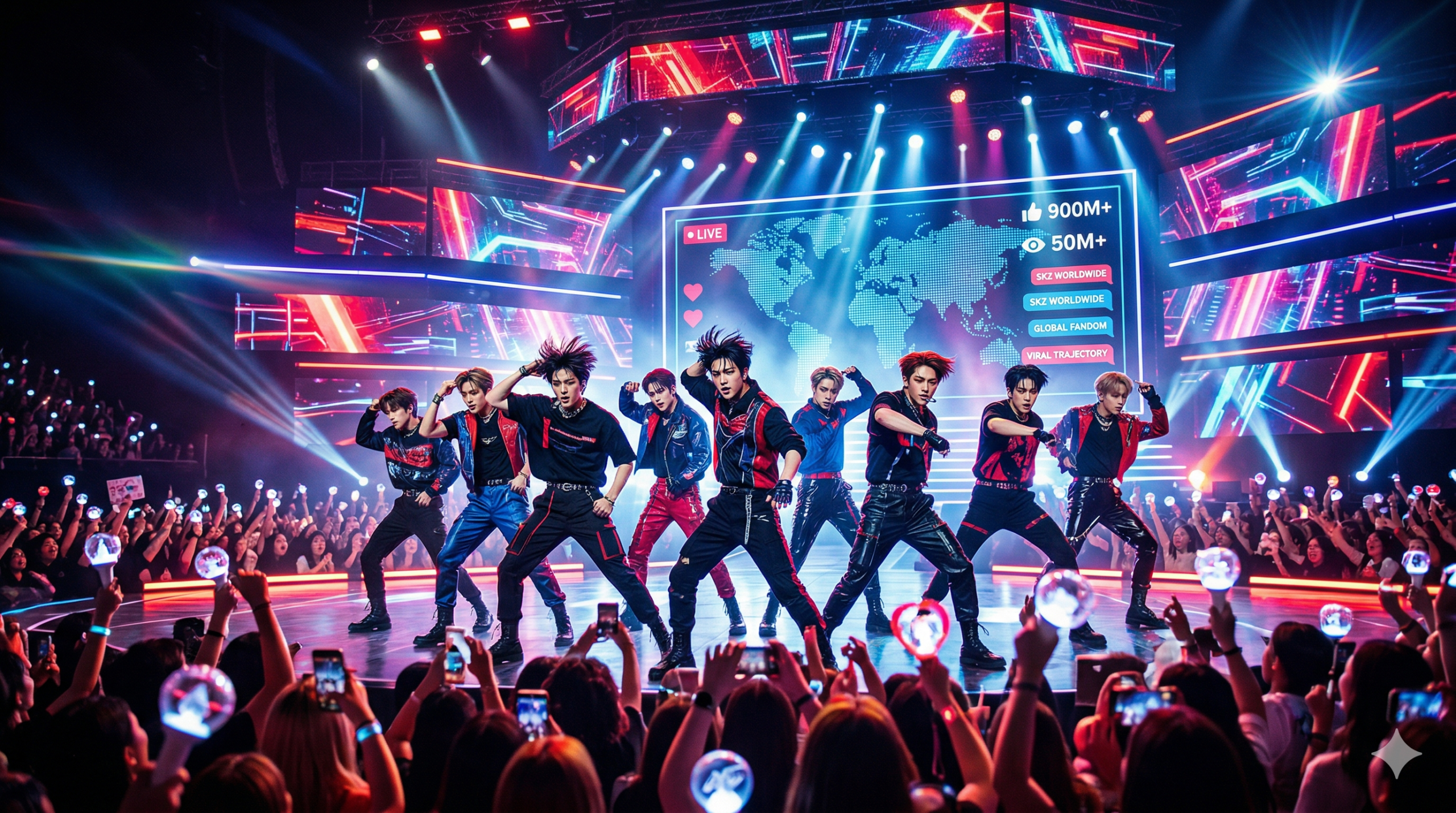
21 Dec How Stray Kids Became So Popular: 15 Marketing Secrets Behind Their Fandom
Before Stray Kids became a global force with a fandom that feels more like a movement, they were a question mark—unpolished, loud, and unapologetically different. Their rise wasn’t accidental or purely algorithmic; it was shaped by emotion, intention, and a deep understanding of how people connect to stories, not just sounds. In many ways, their journey mirrors what the leading marketing agency in New York understands instinctively: brands don’t grow by shouting louder, they grow by meaning more. This is not a story about virality for virality’s sake, but about building resonance, trust, and identity in a culture that craves belonging. Stray Kids didn’t just capture attention—they earned devotion, and that distinction changes everything.
How Stray Kids Became So Popular: 15 Marketing Secrets Behind Their Fandom(Editor’s Choice)
| # | Marketing Secret | Why It Works |
|---|---|---|
| Secret#1 | Survival-show origin = instant emotional buy-in Fans watched them fight for debut, turning casual viewers into loyal supporters. | Attachment & loyalty from day one |
| Secret#2 | Self-production as the core brand (3RACHA) They’re positioned as creators, making authenticity a competitive advantage. | Trust + “real artist” credibility |
| Secret#3 | A bold sonic identity that stands out Owning an intense, experimental sound makes them instantly recognizable. | Differentiation beats trend-chasing |
| Secret#4 | Lyrics that speak to identity & struggle Themes like anxiety, ambition, and belonging build deep emotional resonance. | Fans feel seen, not sold to |
| Secret#5 | “STAY” fandom naming with built-in meaning The name reinforces connection: fans “stay” while the group never “strays.” | Belonging + symbolic bonding |
| Secret#6 | High-volume, high-variety content machine Vlogs, behind-the-scenes, lives, and series keep attention year-round. | Always present in the feed |
| Secret#7 | Direct communication that feels personal Regular lives and candid moments strengthen parasocial closeness. | Intimacy → long-term retention |
| Secret#8 | Performance-first positioning Stages feel like events—precision, intensity, and energy drive viral replays. | Shareable “wow” factor |
| Secret#9 | Comebacks built like story chapters Recurring visuals and themes make each era a collectible narrative. | Fans don’t just listen—they follow lore |
| Secret#10 | Strong individual member branding Distinct “roles” make it easy for new fans to connect with someone fast. | Multiple entry points for growth |
| Secret#11 | Global-first mindset International touring, multilingual moments, and global platforms expand reach early. | Worldwide community scaling |
| Secret#12 | Fan empowerment over fan control Acknowledging fan projects and effort strengthens the “we built this together” feeling. | Community → unstoppable momentum |
| Secret#13 | Organic viral moments (not forced) Iconic voices, choreography, and reactions spread because they feel real. | Authenticity drives sharing |
| Secret#14 | Consistency even between releases Updates, content drops, and member presence keep fans engaged year-round. | No “dead season” for interest |
| Secret#15 | “Us vs. the world” identity narrative Their messaging frames difference as strength, bonding fans into a shared mission. | Unity + purpose fuels fandom |
How Stray Kids Became So Popular: 15 Marketing Secrets Behind Their Fandom
How Stray Kids Became So Popular: Marketing Secrets Behind Their Fandom #1 — Survival-Show Origins That Created Emotional Buy-In
Stray Kids were not introduced to the world; they were witnessed. Their survival-show beginning allowed fans to watch fear, failure, resilience, and growth unfold in real time, which transformed viewers into believers. From a marketing perspective, this wasn’t just exposure—it was emotional equity being built minute by minute. People don’t abandon stories they helped survive. That early vulnerability planted loyalty deeper than any debut teaser ever could.
How Stray Kids Became So Popular: Marketing Secrets Behind Their Fandom #2 — Self-Production as a Core Brand Identity
Stray Kids didn’t sell perfection; they sold authorship. By openly creating their own music, they positioned themselves as thinkers and feelers, not just performers. This reframed the group as a creative house rather than a manufactured product, which modern audiences instinctively trust more. When fans stream their songs, it feels like supporting someone’s voice, not just consuming content. Authenticity here isn’t a buzzword—it’s the business model.
How Stray Kids Became So Popular: Marketing Secrets Behind Their Fandom #3 — Owning a Sonic Identity Instead of Chasing Trends
Rather than blending in, Stray Kids chose to be loud, abrasive, and unapologetically different. Their sound doesn’t ask for approval—it declares presence. In marketing terms, they chose memorability over mass appeal, which is often the braver and more profitable route long-term. Being polarizing made them unmistakable. And unmistakable brands don’t need constant reinvention to stay relevant.
How Stray Kids Became So Popular: Marketing Secrets Behind Their Fandom #4 — Lyrics That Speak to Inner Conflict and Self-Worth
Their songs talk about anxiety, pressure, ambition, and self-identity—the things fans whisper to themselves at night. This lyrical honesty turns music into companionship rather than entertainment. From a branding lens, they positioned themselves as emotional allies, not distant idols. Fans don’t just listen; they relate, project, and heal. That kind of connection is impossible to replace.
How Stray Kids Became So Popular: Marketing Secrets Behind Their Fandom #5 — A Fandom Name That Reinforces Belonging
“STAY” is not just a name; it’s a promise embedded in language. It subtly tells fans that their presence matters and that loyalty is mutual. This is psychological branding done quietly and beautifully. Every time the fandom name is spoken, the bond is reinforced. Community grows strongest when identity feels intentional.
How Stray Kids Became So Popular: Marketing Secrets Behind Their Fandom #6 — High-Volume Content Without Losing Authenticity
Stray Kids understood early that visibility compounds trust. By consistently releasing behind-the-scenes footage, vlogs, and casual content, they normalized presence rather than scarcity. The key is that the content never feels transactional—it feels lived-in. From a marketing angle, this keeps the audience warm even between major releases. Fans never feel forgotten, and forgotten audiences don’t convert.
How Stray Kids Became So Popular: Marketing Secrets Behind Their Fandom #7 — Direct Communication That Feels Human, Not Curated
Their communication style feels conversational rather than polished, which collapses the distance between idol and audience. Regular livestreams and candid messages create the illusion of proximity, which is incredibly powerful in digital culture. This builds trust faster than any press interview ever could. When fans feel spoken to rather than spoken at, loyalty deepens. Intimacy is the quiet engine of retention.
How Stray Kids Became So Popular: Marketing Secrets Behind Their Fandom #8 — Performance as a Primary Brand Statement
Every Stray Kids performance feels intentional, intense, and emotionally charged. They don’t perform to impress—they perform to release something. From a marketing standpoint, this turns stages into shareable moments rather than disposable appearances. Each performance becomes a piece of content with replay value. When performance is the product, virality follows naturally.
How Stray Kids Became So Popular: Marketing Secrets Behind Their Fandom #9 — Comebacks Designed as Narrative Chapters
Their albums feel like chapters, not collections. Visuals, themes, and messages recur and evolve, inviting fans to follow a story rather than just a discography. This transforms listeners into participants who analyze, interpret, and anticipate. Strategically, it increases engagement depth rather than just reach. People stay longer when they’re invested in meaning.
How Stray Kids Became So Popular: Marketing Secrets Behind Their Fandom #12 — Treating Fans as Contributors, Not Consumers
Fans are acknowledged, appreciated, and emotionally validated. This shifts the relationship from transactional to collaborative. When people feel like they’re building something alongside artists, loyalty becomes personal. From a marketing lens, this creates brand advocates, not just followers. Communities grow faster when ownership is shared.
How Stray Kids Became So Popular: Marketing Secrets Behind Their Fandom #13 — Viral Moments That Feel Unforced and Real
Their most viral moments often feel accidental—and that’s exactly why they work. Authentic reactions, raw performances, and unfiltered traits spread because they don’t feel engineered. In marketing, forced virality is fragile, but organic moments compound. Audiences trust what feels unplanned. Realness travels further than strategy alone.
How Stray Kids Became So Popular: Marketing Secrets Behind Their Fandom #14 — Consistency Without Audience Fatigue
Even during quieter periods, Stray Kids remain present without overwhelming. This balance keeps fans emotionally engaged while respecting attention spans. Strategically, it maintains momentum without burnout. Consistency builds reliability, and reliability builds trust. Trust is what keeps people coming back.