




18 Sep TOP 20 HYBRID APP MARKETING STATISTICS 2025
When I first started exploring the fast-paced world of mobile apps, I quickly realized just how important it is to understand the trends shaping user behavior and brand success. That’s why I’ve pulled together these hybrid app marketing statistics — because they tell the real story behind how businesses are growing, adapting, and winning in the app economy. Whether you’re a startup founder, a marketer, or simply curious about the industry, these numbers reveal opportunities you might not want to miss. And as someone who collaborates closely with a leading marketing agency in New York, I’ve seen firsthand how data like this can be turned into strategies that drive real growth.
Top 20 Hybrid App Marketing Statistics 2025 (Editor’s Choice)
| # | Statistic | Detail / Insight |
|---|---|---|
| 1 | User Acquisition Spend | UA ad spend hit $65B in 2024, +5% YoY, with non-gaming apps growing +8%. |
| 2 | Hybrid Monetization Growth | Non-gaming IAP revenue grew 20%, ads grew 26% YoY. |
| 3 | Owned Media Impact | Conversions via deep links and owned media grew 64%. |
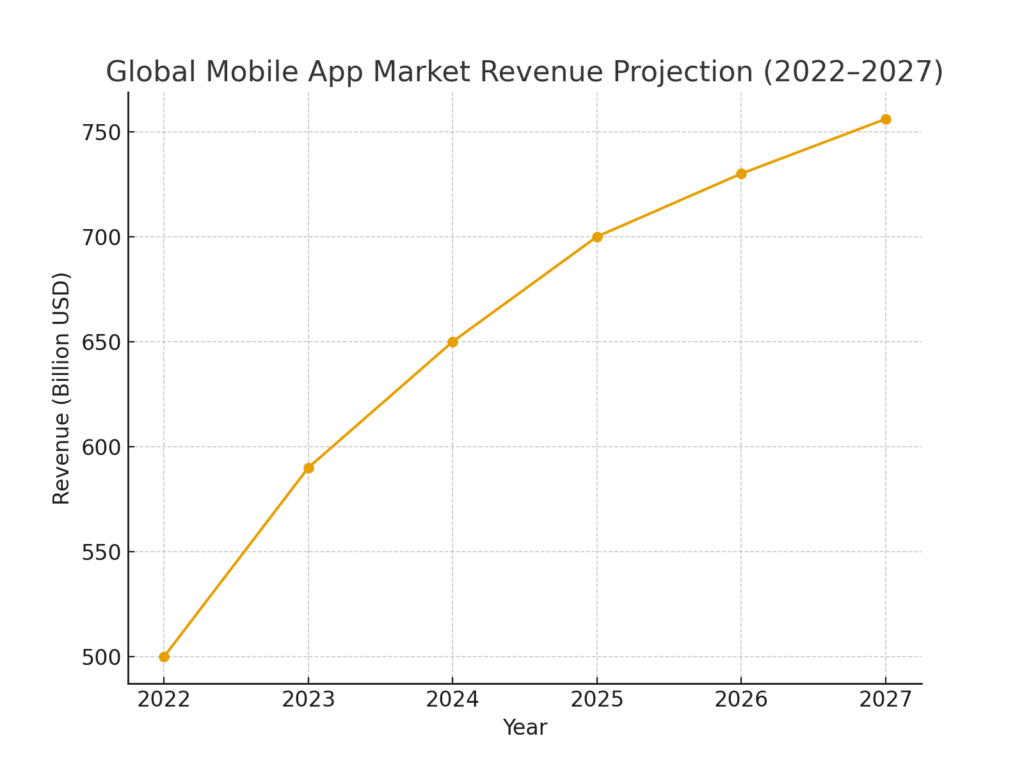
| 4 | App Market Revenue | Mobile app market projected to reach $756B by 2027 (8.6% CAGR). |
| 5 | App Engagement | Users engage with ~30 apps monthly and ~9 daily. |
| 6 | App Uninstalls | 28% of apps are uninstalled within the first 30 days. |
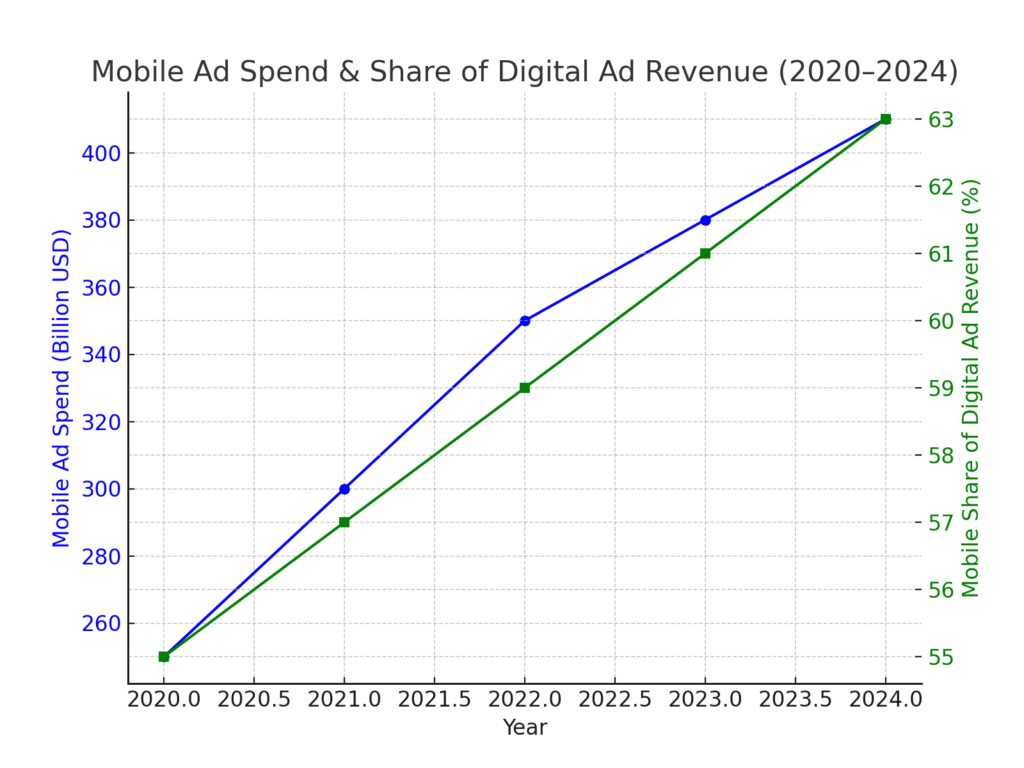
| 7 | Mobile Ad Spend | Expected to exceed $400B in 2024; 60% of digital ad revenue from mobile. |
| 8 | Ad Spend per User | Average ad spend per mobile internet user reached $53.88 in 2024. |
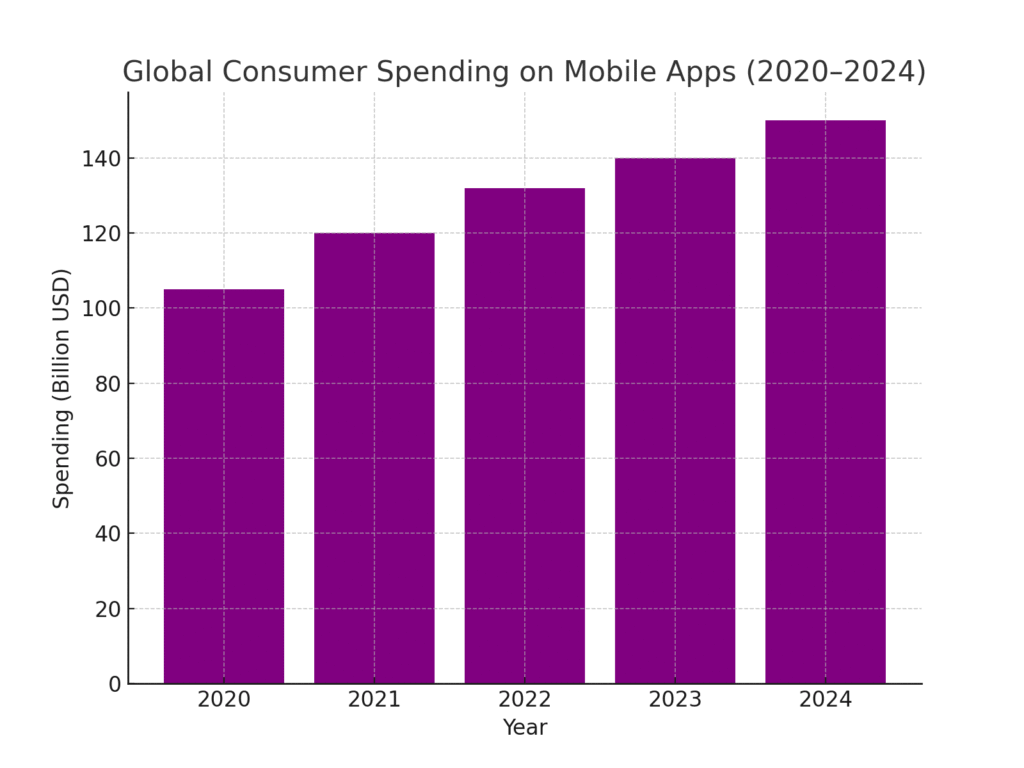
| 9 | Consumer Spending | Global consumer spend on mobile apps reached $150B in 2024. |
| 10 | App Store Optimization | 65% of App Store downloads come from organic search. |
| 11 | Mobile Traffic | Mobile accounts for ~67% of all internet traffic globally. |
| 12 | Retention & Engagement | Multi-channel apps see 62% higher retention than single-channel ones. |
| 13 | User App Usage | 51% of users check apps 1–10 times daily. |
| 14 | App Competition | Google Play hosts ~2.87M apps; high competition for visibility. |
| 15 | Video Ad Growth | 75% of all video views happen on mobile devices. |
| 16 | Social Media Influence | 47% of mobile purchases are influenced by social media ads. |
| 17 | Privacy & Policy Impact | Marketers shift to first-party data & creative deep linking. |
| 18 | Geographic Growth | Emerging markets like India and Brazil saw rapid app growth. |
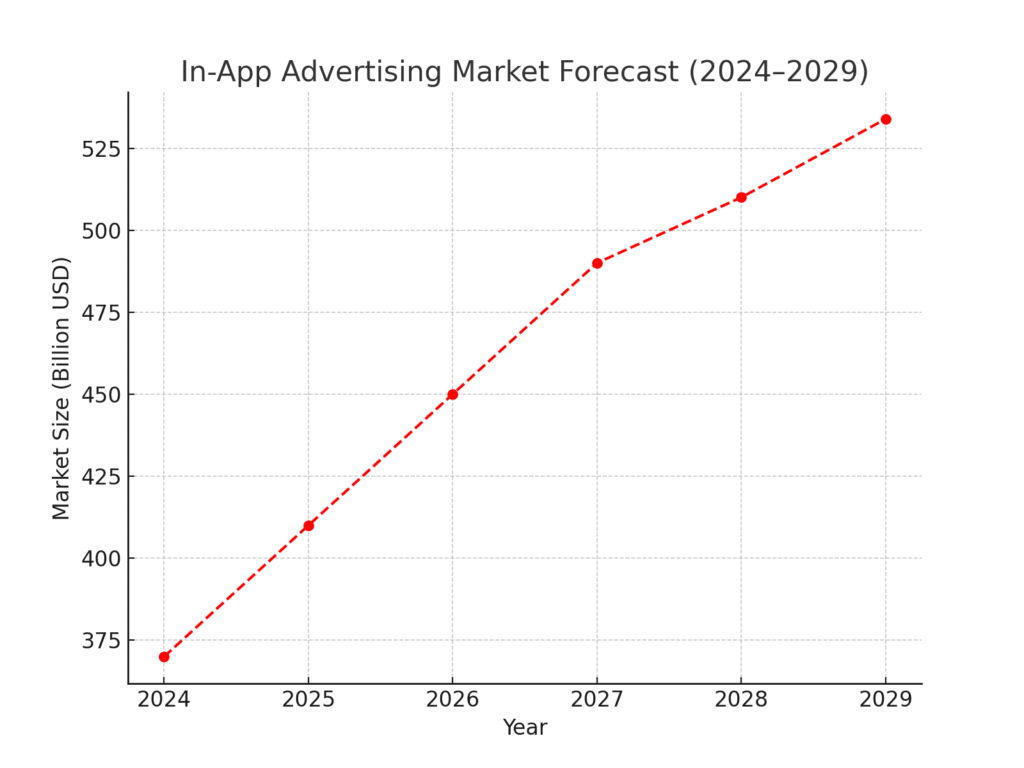
| 19 | In-App Ad Market Forecast | Market projected to reach $533.9B by 2029 (8.7% CAGR). |
| 20 | Time Spent on Apps | App usage time grew 5.8% YoY in 2024, avg. 9 apps daily per user. |
Top 20 Hybrid App Marketing Statistics 2025
Hybrid App Marketing Statistics #1: User Acquisition Spend
In 2024, global user acquisition (UA) ad spend across mobile apps reached $65 billion, marking a 5% year-over-year growth. Non-gaming apps led the way, posting an impressive 8% increase in UA investments. This growth shows that businesses are prioritizing marketing strategies that attract new users despite rising costs. Hybrid apps, in particular, benefit from this spend as cross-platform reach makes campaigns more efficient. For marketers, the takeaway is clear: consistent UA investment remains the lifeline for app visibility and long-term growth.
Hybrid App Marketing Statistics #2: Hybrid Monetization Growth
Hybrid monetization, combining in-app purchases (IAP) and ads, is gaining traction rapidly. In 2024, non-gaming IAP revenues grew by 20%, while in-app ad revenues climbed 26%. This proves that relying on a single revenue stream is risky, and blending models improves sustainability. For hybrid apps, offering value both in free and paid formats helps appeal to wider audiences. Developers who strategically mix monetization methods can achieve higher profitability while still keeping users engaged.
Hybrid App Marketing Statistics #3: Owned Media Impact
Conversions driven by owned media, like push notifications, email campaigns, and deep linking, surged 64% in 2024. This indicates a shift toward retaining and re-engaging existing users rather than purely focusing on new acquisitions. Deep linking has made re-engagement seamless, pulling users back into apps from external channels. Hybrid apps especially benefit because they can integrate web and app strategies for smoother experiences. Building strong owned media campaigns has become one of the smartest investments for app marketers.
Hybrid App Marketing Statistics #4: App Market Revenue
The global mobile app market is projected to hit $756 billion by 2027, growing at an 8.6% CAGR. This forecast reflects the ever-increasing role of mobile apps in commerce, entertainment, and productivity. Hybrid apps, with their cross-platform flexibility, are well-positioned to capture a larger slice of this revenue. Marketers should align strategies with this expected growth to ensure they remain competitive. The sheer size of this market shows that hybrid apps are not just a trend, but a long-term opportunity.
Hybrid App Marketing Statistics #5: App Engagement
On average, smartphone users engage with around 30 apps per month and about 9 apps daily. This statistic highlights just how central apps have become to people’s routines. For hybrid apps, this opens doors to compete for daily attention if they deliver value. The challenge lies in carving out space among dozens of competing apps on a device. Marketers need to ensure that hybrid apps provide sticky features that keep users coming back.
Hybrid App Marketing Statistics #6: App Uninstalls
Around 28% of apps are uninstalled within the first 30 days of being downloaded. This shows how fragile early user relationships can be. Hybrid apps must prioritize smooth onboarding, bug-free experiences, and clear value propositions. High uninstall rates can be reduced with stronger first-time user experiences and retention strategies. For marketers, minimizing churn is just as important as acquiring new users.
Hybrid App Marketing Statistics #7: Mobile Ad Spend
Mobile advertising spend is expected to surpass $400 billion in 2024, accounting for more than 60% of all digital ad revenue. This dominance reflects how mobile has become the main channel for reaching audiences. Hybrid apps benefit here because they can run campaigns seamlessly across both iOS and Android. For marketers, allocating larger ad budgets to mobile is no longer optional—it’s mandatory. This shift demonstrates the value of hybrid apps in high-traffic mobile environments.
Hybrid App Marketing Statistics #8: Ad Spend Per User
In 2024, the average ad spend per mobile internet user hit $53.88 globally. This indicates how valuable each mobile user has become for advertisers. For hybrid apps, this means user acquisition costs can be high, but the payoff is significant. Strategic targeting and personalization are crucial to maximize ROI on these investments. Marketers must see users not as one-time downloads but as long-term revenue drivers.
Hybrid App Marketing Statistics #9: Consumer Spending
Global consumer spending on apps reached $150 billion in 2024, growing 13% year over year. Much of this spending comes from subscriptions and premium services in non-gaming apps. Hybrid apps can tap into this market by offering flexible subscription models or tiered services. Consumer willingness to pay shows trust and reliance on mobile solutions. For app marketers, this is a strong indicator to refine in-app purchase and subscription strategies.
Hybrid App Marketing Statistics #10: App Store Optimization
Around 65% of downloads on the App Store come directly from organic search. This proves how critical App Store Optimization (ASO) is for visibility. Hybrid apps can leverage ASO by optimizing keywords, visuals, and app descriptions across both iOS and Android platforms. Well-executed ASO boosts discoverability without requiring extra ad spend. For marketers, neglecting ASO means leaving organic traffic and downloads on the table.
Hybrid App Marketing Statistics #11: Mobile Traffic
Mobile accounts for about 67% of all internet traffic worldwide. This trend underscores how smartphones dominate digital access. For hybrid apps, this makes cross-platform reach even more essential as most users access content via mobile first. Businesses must ensure apps are optimized for speed, responsiveness, and usability. As mobile traffic continues to grow, hybrid apps will remain the go-to choice for businesses aiming at mass adoption.
Hybrid App Marketing Statistics #12: Retention & Engagement
Apps using multi-channel engagement strategies, such as push, email, and in-app notifications, report 62% higher retention. This shows the importance of communication and timely reminders for users. Hybrid apps are particularly well-suited for this because they can integrate engagement across both web and mobile. Personalized engagement significantly boosts loyalty and reduces churn. Marketers should view engagement not as optional, but as a critical driver of long-term success.
Hybrid App Marketing Statistics #13: User App Usage
Around 51% of users check apps between one and ten times per day. This consistent engagement demonstrates the stickiness of mobile platforms. Hybrid apps can become part of these daily routines if they provide practical or entertaining value. Regular app usage opens more opportunities for advertising, upselling, or cross-promotion. Marketers should build hybrid app features around everyday habits to ensure consistent use.
Hybrid App Marketing Statistics #14: App Competition
Google Play currently has about 2.87 million apps, making competition fierce. Standing out requires exceptional design, functionality, and marketing strategies. Hybrid apps, with faster development and broader reach, can compete effectively against native apps. However, visibility challenges remain unless supported by strong ASO and paid campaigns. For marketers, breaking through this noise requires a creative and data-driven approach.
Hybrid App Marketing Statistics #15: Video Ad Growth
About 75% of all video views happen on mobile devices, underscoring the dominance of mobile video content. Video ads are becoming one of the most powerful formats for user acquisition. Hybrid apps can leverage this trend by creating engaging ad creatives that run across multiple platforms. Short-form content, especially on TikTok and Instagram, is driving much of this engagement. Marketers should prioritize video campaigns to maximize conversions.
Hybrid App Marketing Statistics #16: Social Media Influence
Nearly 47% of mobile purchases are influenced by social media platforms. Social media has become not just a discovery tool but a direct driver of sales. Hybrid apps can integrate social media logins, shareable content, and influencer campaigns to increase adoption. Being present where users spend time increases credibility and visibility. Marketers who ignore social media are missing a crucial channel for growth.
Hybrid App Marketing Statistics #17: Privacy & Policy Impact
Privacy policies and data restrictions, especially on iOS, have reshaped app marketing. Hybrid apps now depend more on first-party data and creative solutions like deep linking. Marketers need to adjust campaigns for reduced tracking and invest in transparent user experiences. Building trust through data security is now a competitive advantage. Apps that adapt quickly to these shifts will gain long-term loyalty.
Hybrid App Marketing Statistics #18: Geographic Growth
Emerging markets like India and Brazil have shown rapid growth in app adoption. Lower data costs and rising smartphone penetration are fueling this expansion. Hybrid apps thrive in such markets because they offer cost-effective cross-platform development. Marketers should localize campaigns to resonate with diverse user bases. Tapping into these regions ensures access to millions of new potential users.
Hybrid App Marketing Statistics #19: In-App Ad Market Forecast
The in-app advertising market is projected to reach $533.9 billion by 2029, growing at 8.7% CAGR. This growth highlights the massive opportunity in ad-supported app models. Hybrid apps can easily integrate ad placements while maintaining user experience. For developers, balancing ads with usability will determine retention success. Marketers should prepare strategies now to capture this rapidly expanding market.
Hybrid App Marketing Statistics #20: Time Spent On Apps
In 2024, app usage time grew 5.8% year over year, with users averaging 9 apps daily. This increase shows that apps continue to dominate digital time. Hybrid apps benefit because they’re accessible across platforms, encouraging more touchpoints. More time spent means more opportunities for engagement, advertising, and revenue. Marketers must capitalize on this trend by ensuring their apps provide consistent, ongoing value.
Turning Statistics Into Strategy
Looking over these hybrid app marketing statistics, I can’t help but feel both inspired and motivated. The numbers are more than just percentages and projections — they represent people, decisions, and the constant evolution of how we connect in the digital world. For me, the most rewarding part is helping businesses use this information to sharpen their marketing efforts and build apps that truly resonate with users. If there’s one thing I’ve learned, it’s that success in hybrid app marketing isn’t about chasing trends — it’s about understanding them and applying them with heart and strategy. And that’s exactly what I aim to do every single day.
SOURCES
https://apptrove.com/mobile-marketing-statistics/
https://www.businessofapps.com/marketplace/app-marketing/research/app-marketing-trends/
https://www.appsflyer.com/resources/reports/top-5-data-trends/
https://angletech.ai/blog/articles/mobile-app-marketing-trends-2025/
https://www.adjust.com/resources/ebooks/mobile-app-trends-2025/
https://sagapixel.com/marketing/mobile-marketing-statistics/
https://www.appmysite.com/blog/mobile-app-marketing-advertising-statistics/
https://www.willowtreeapps.com/insights/mobile-app-development-trends-2025
https://bir.ch/blog/mobile-app-marketing-adquantum-strategy
https://www.digitalmarketinginstitute.com/blog/digital-marketing-trends-2025
https://www.mobileappdaily.com/knowledge-hub/digital-marketing-trends
https://ninjapromo.io/the-ultimate-guide-to-mobile-app-marketing
https://ionic.io/blog/lets-talk-strategy-hybrid-vs-traditional-mobile-app-development